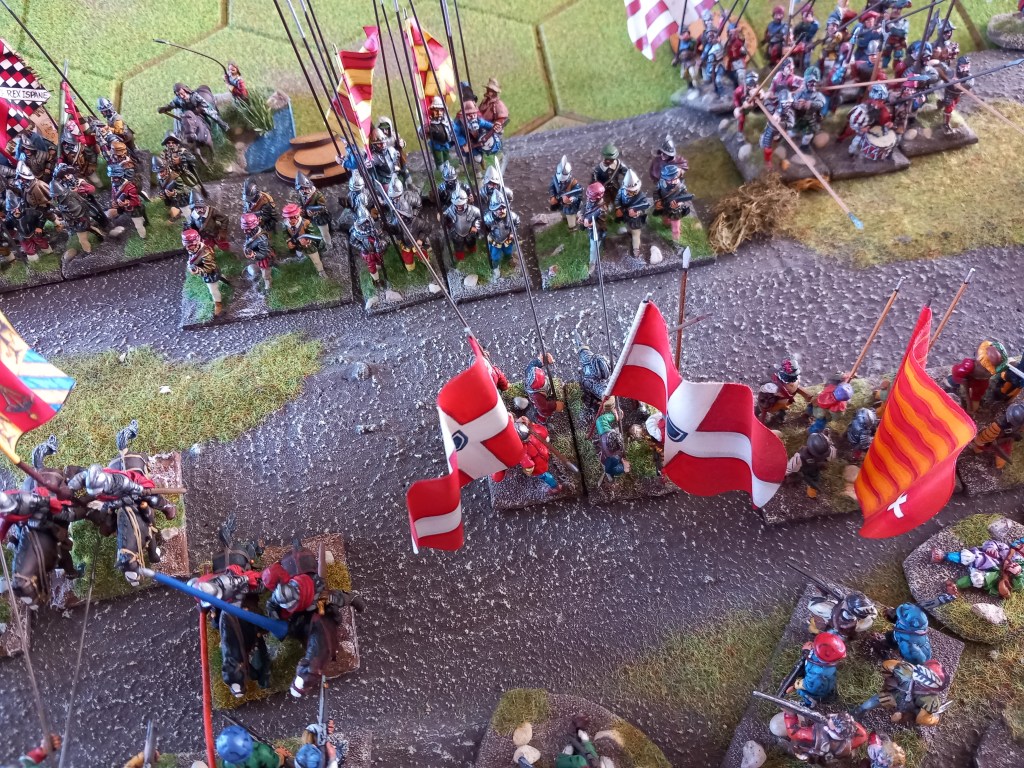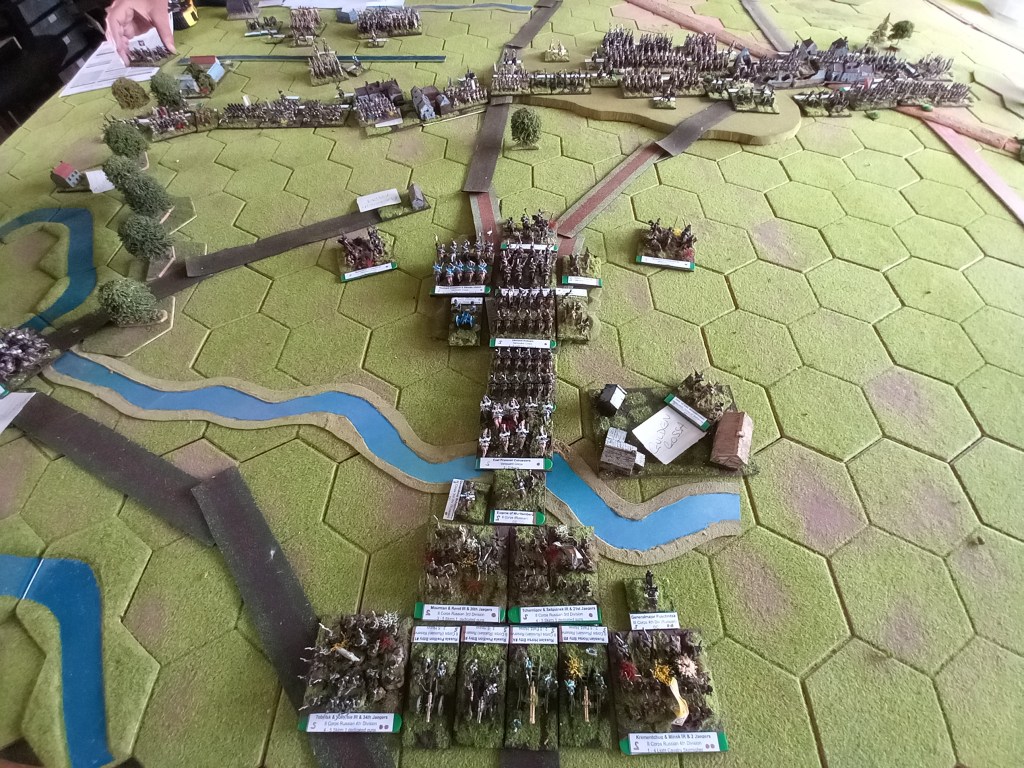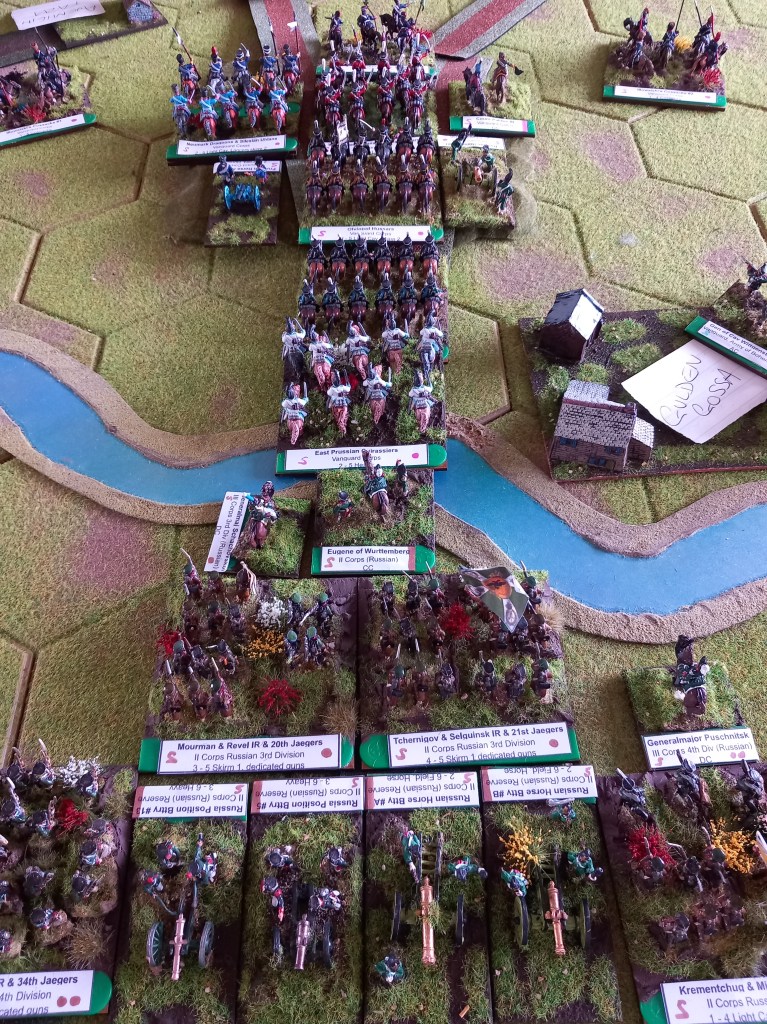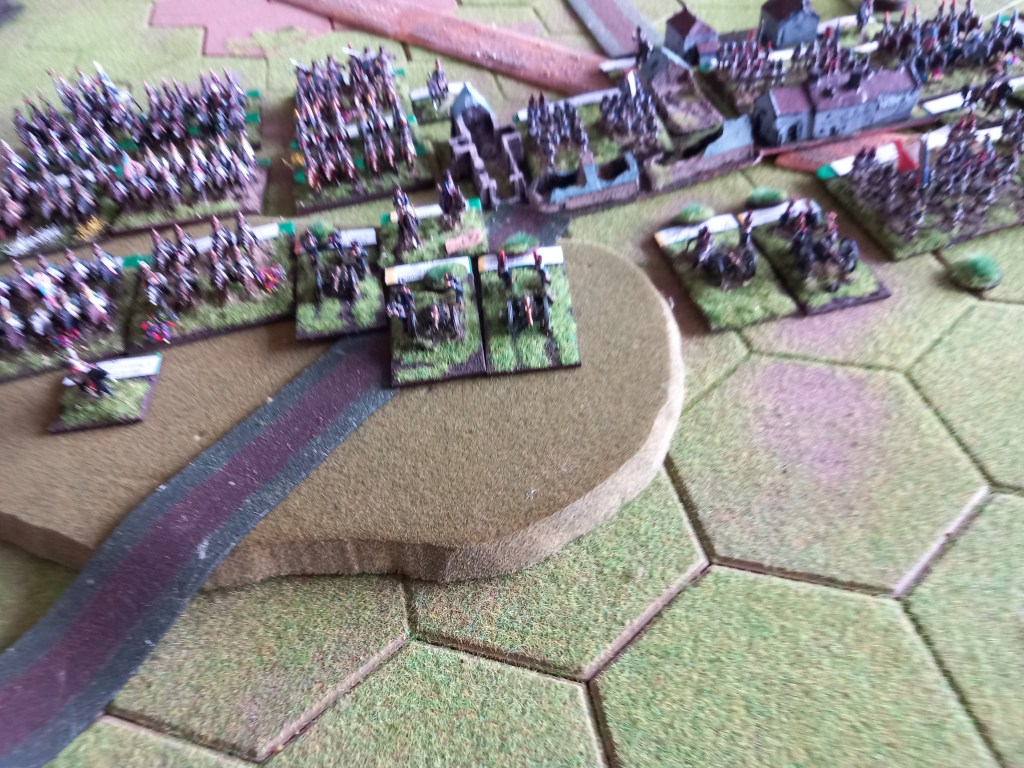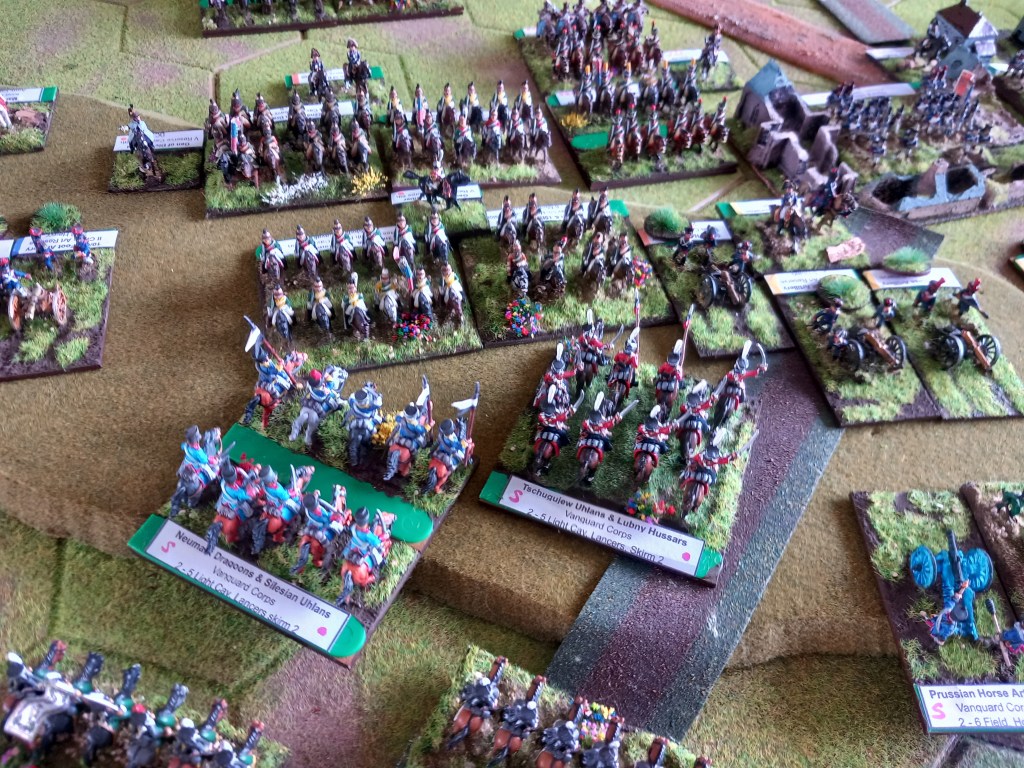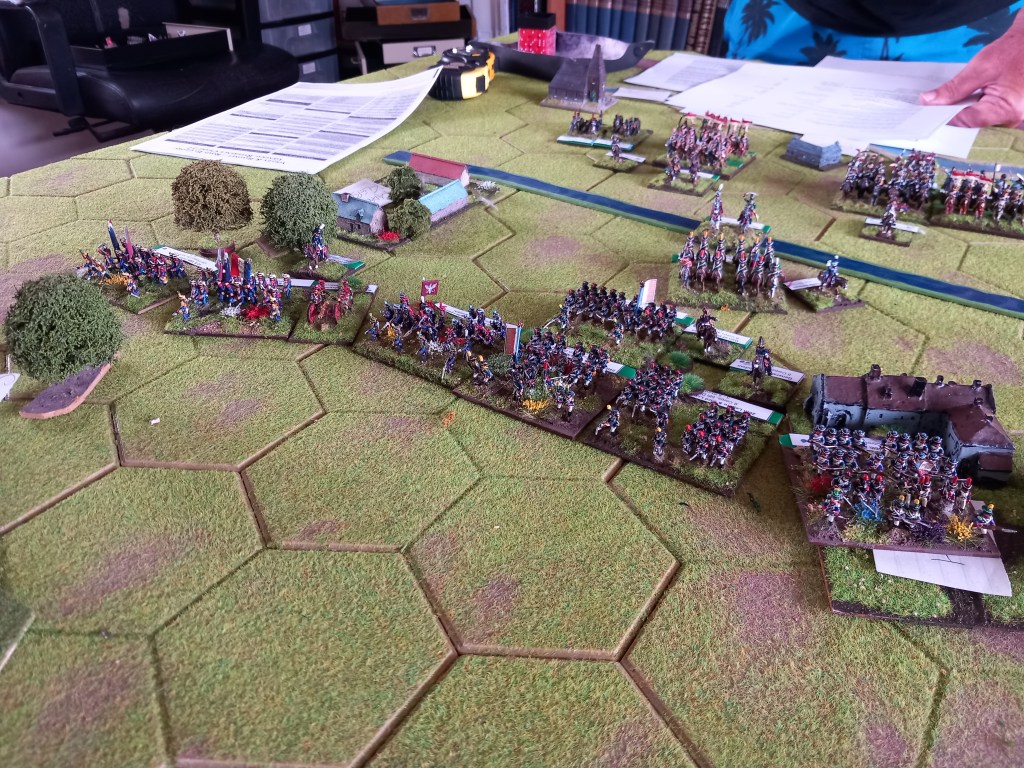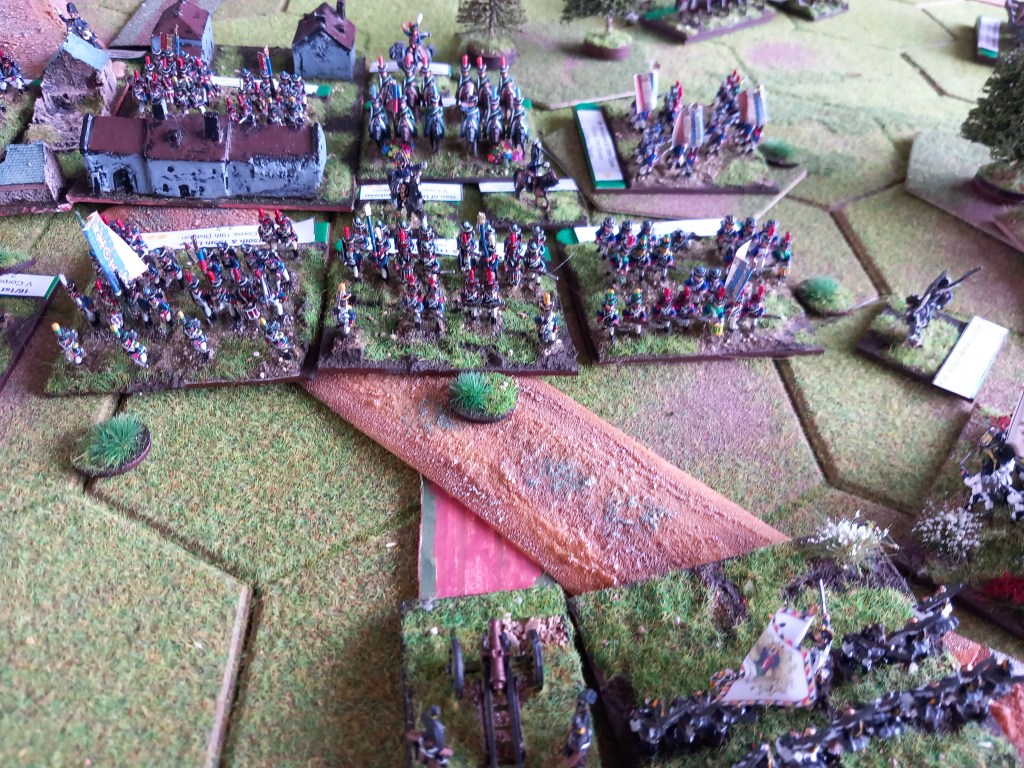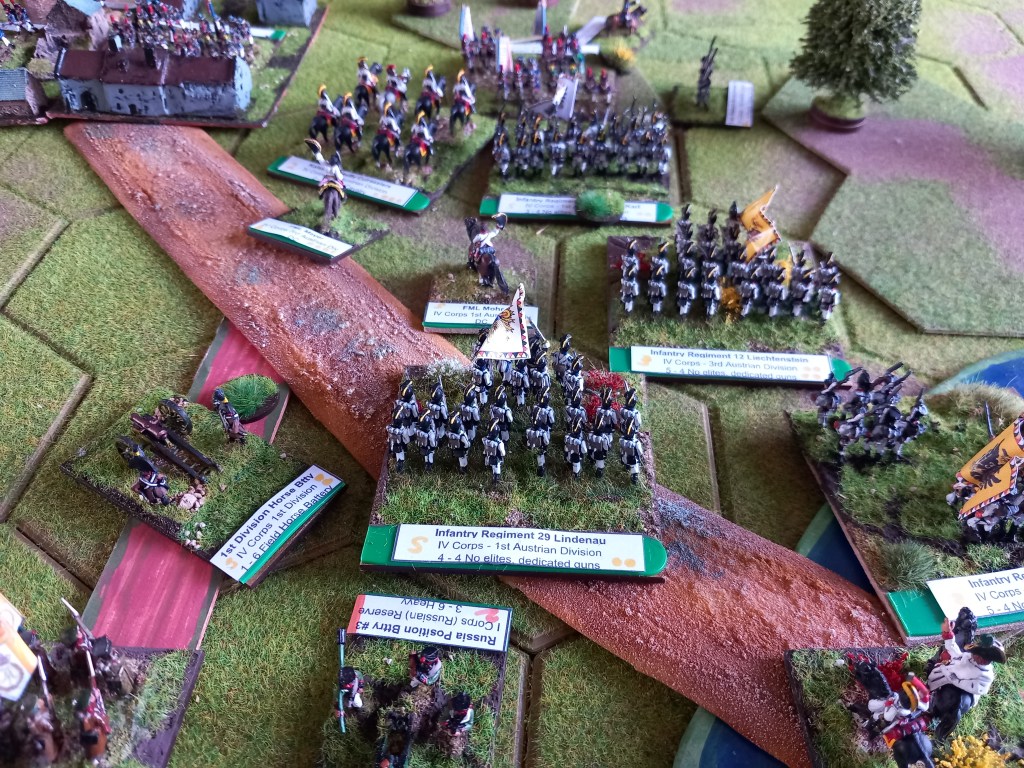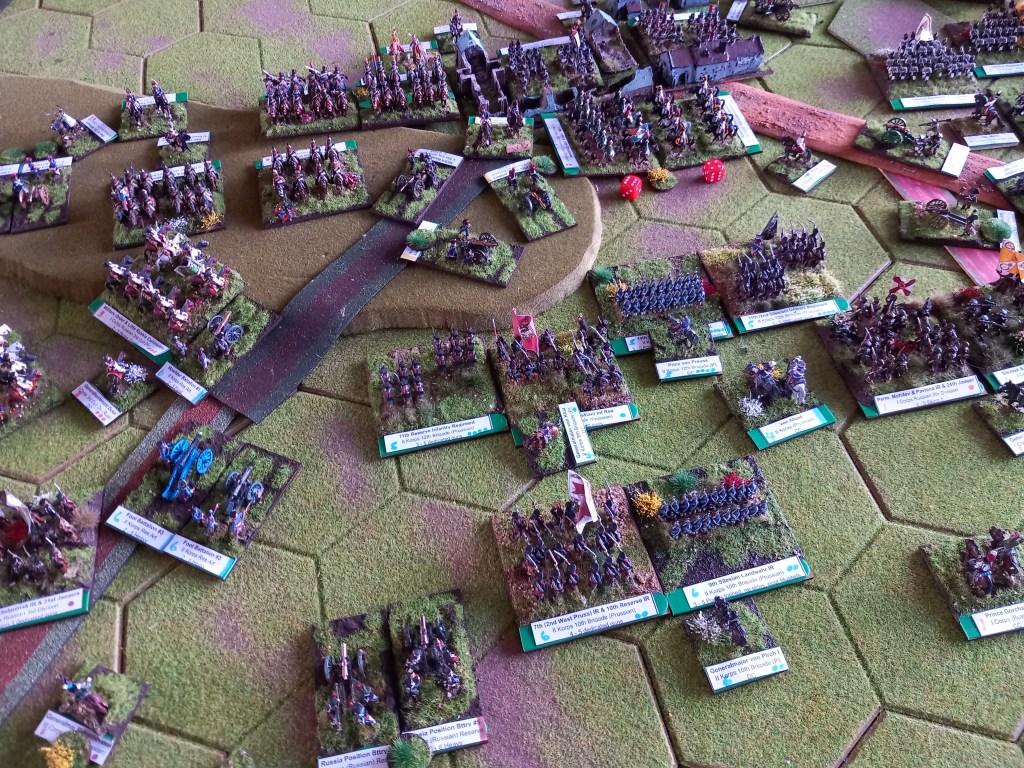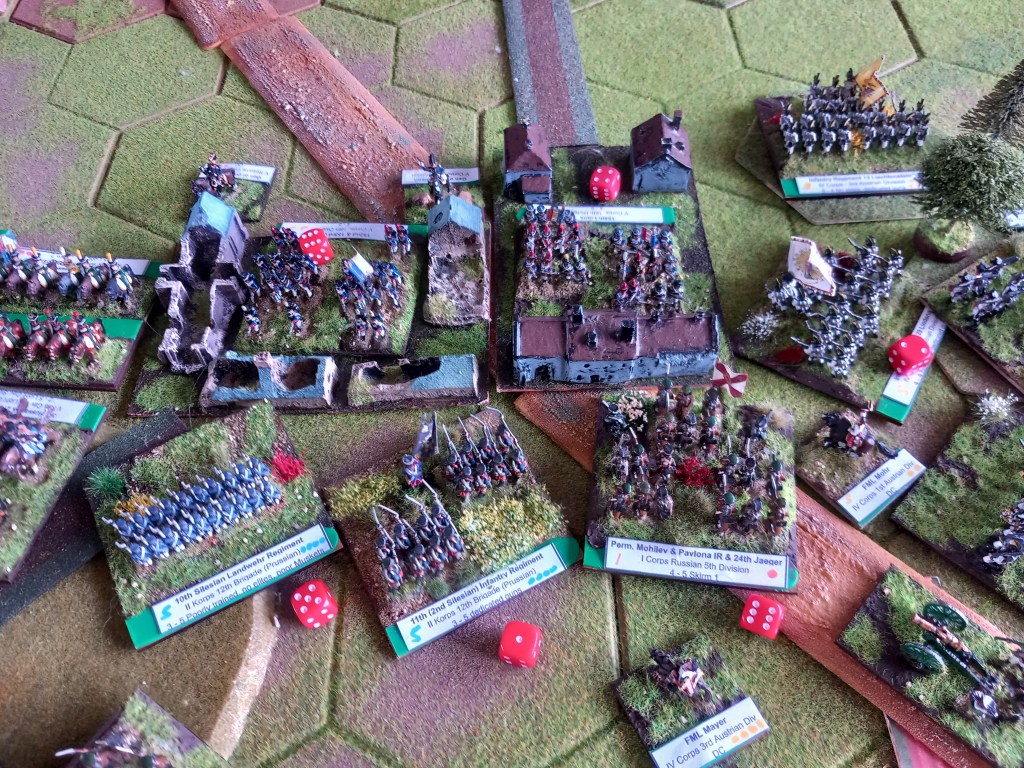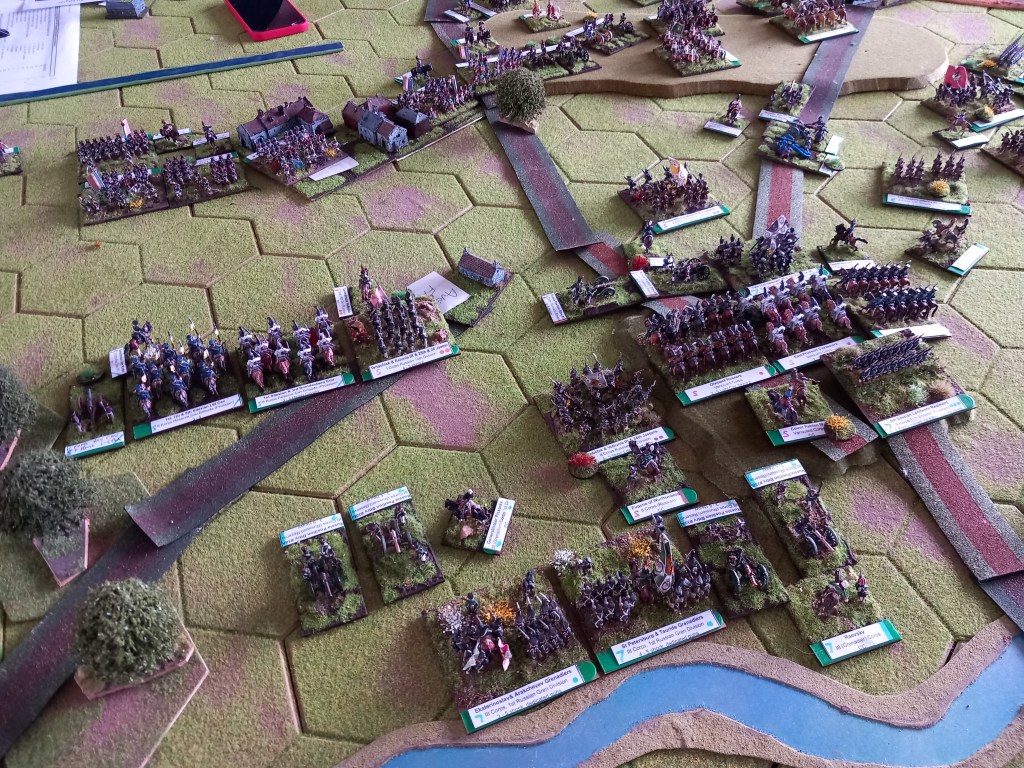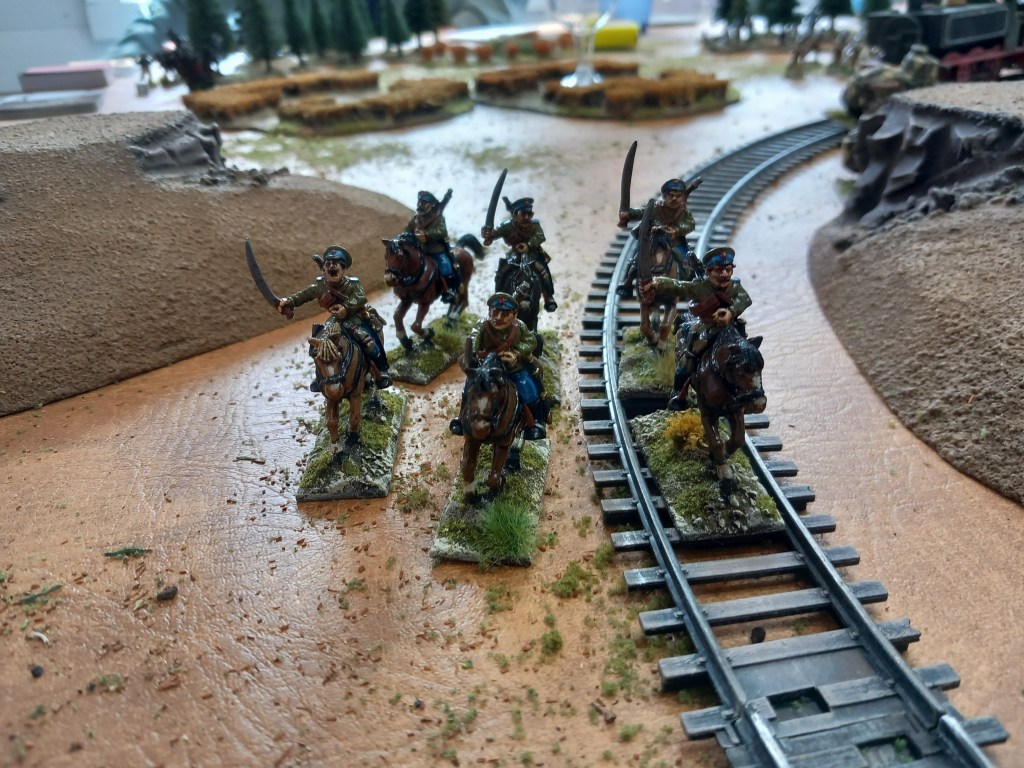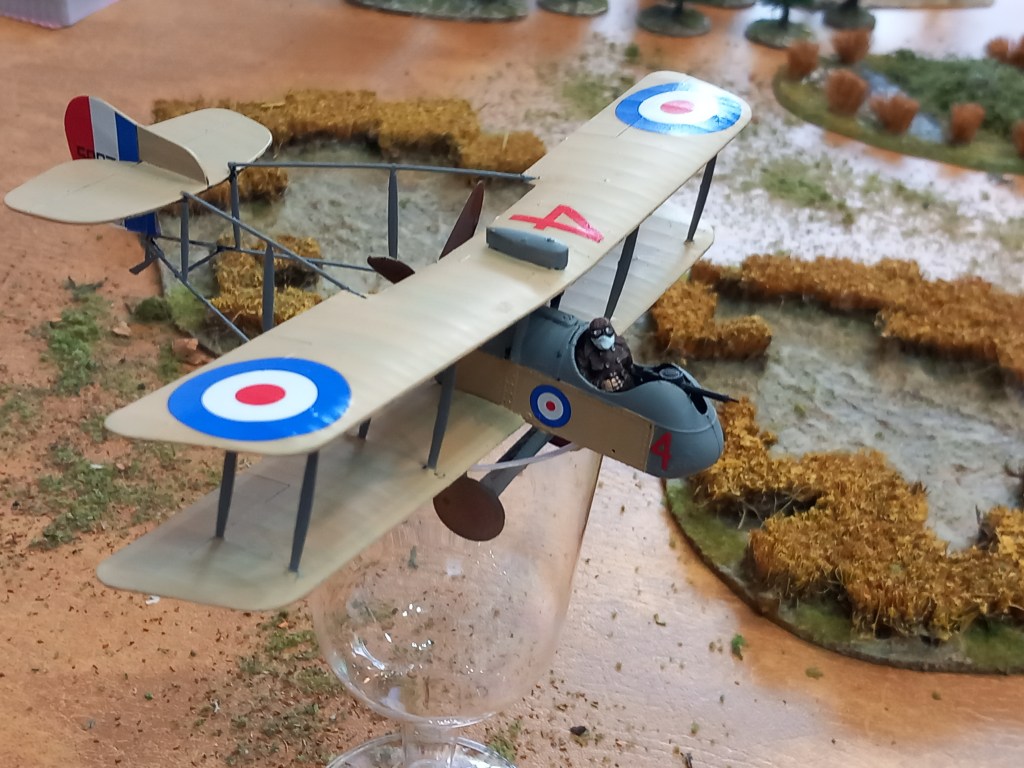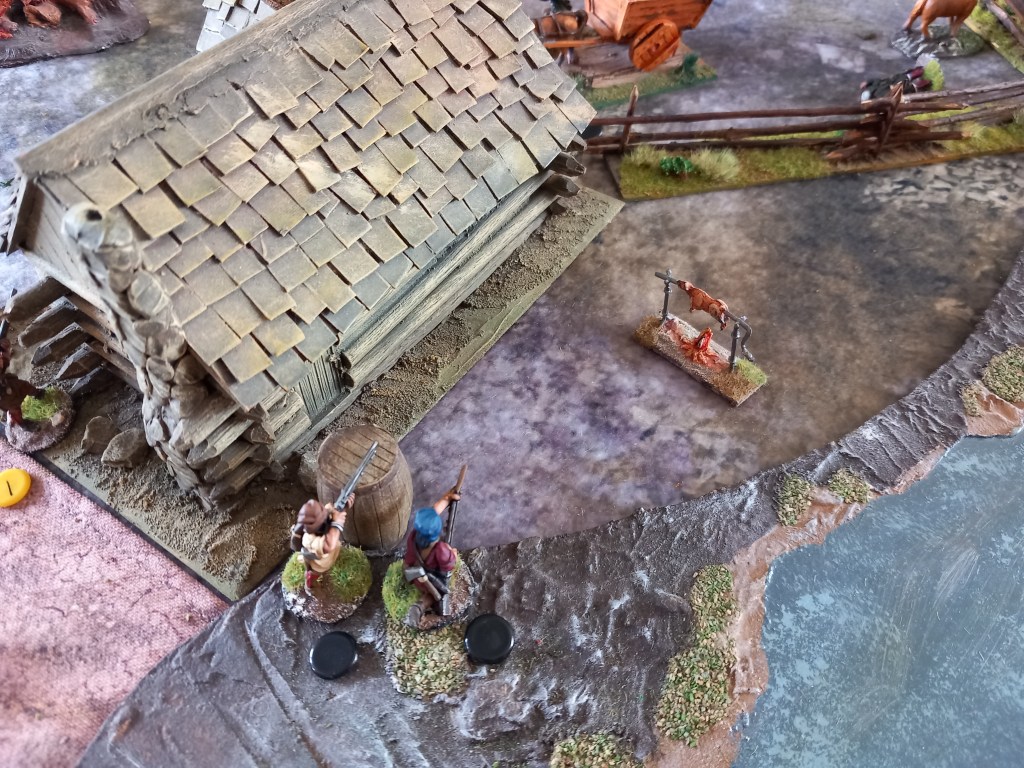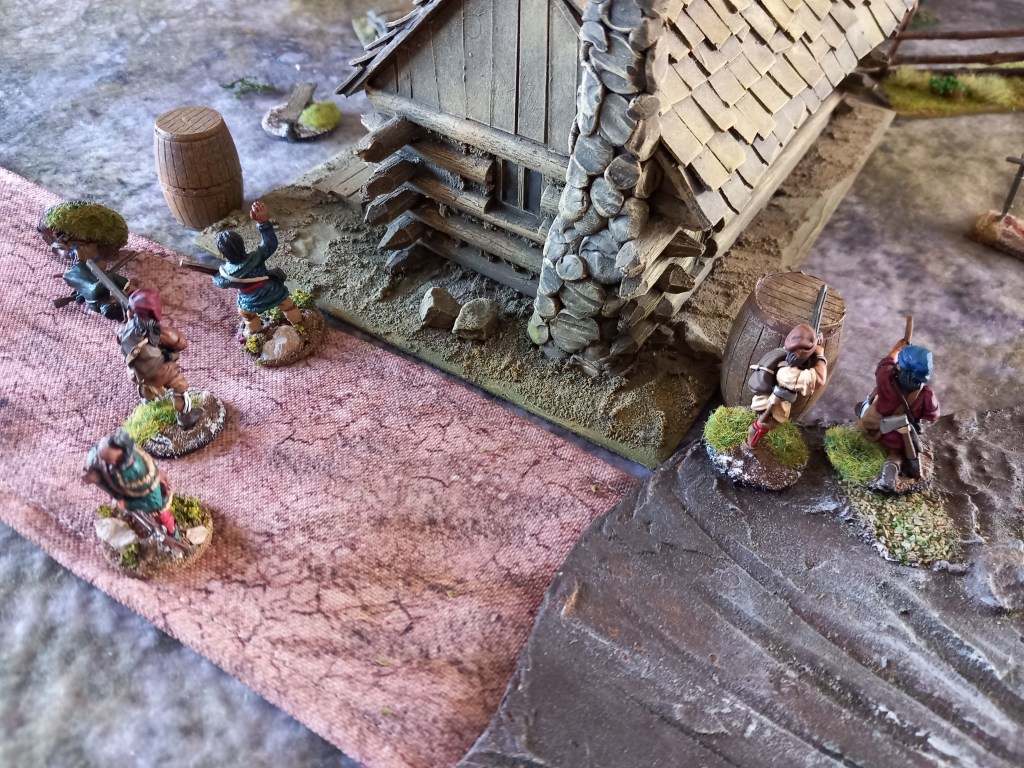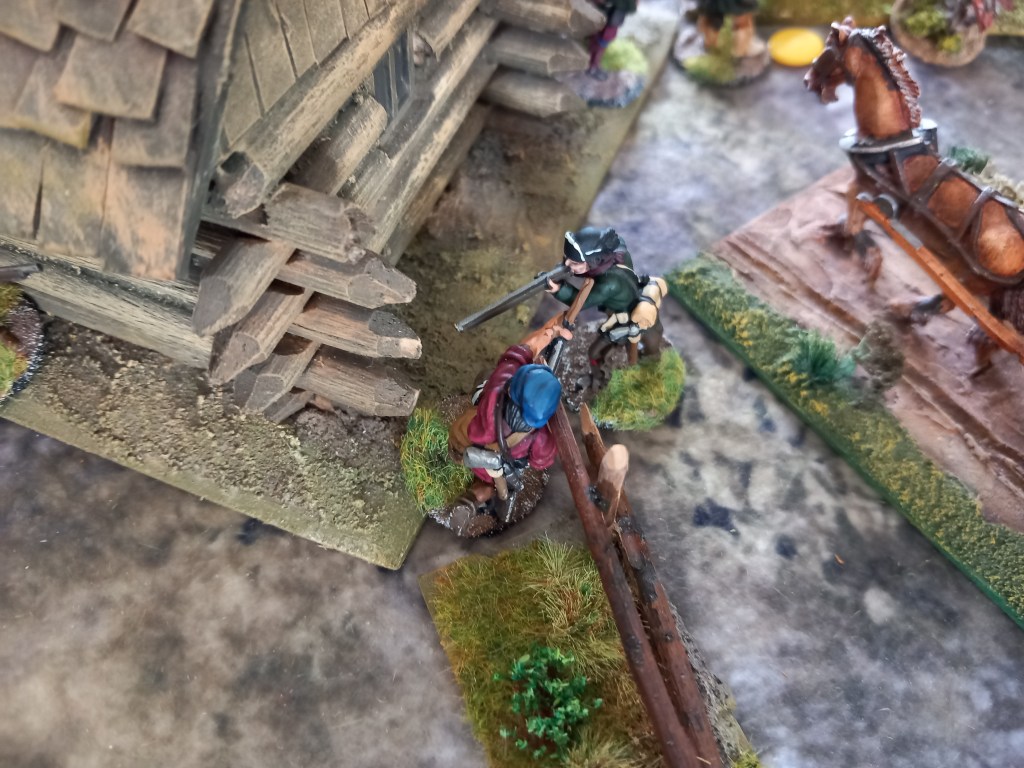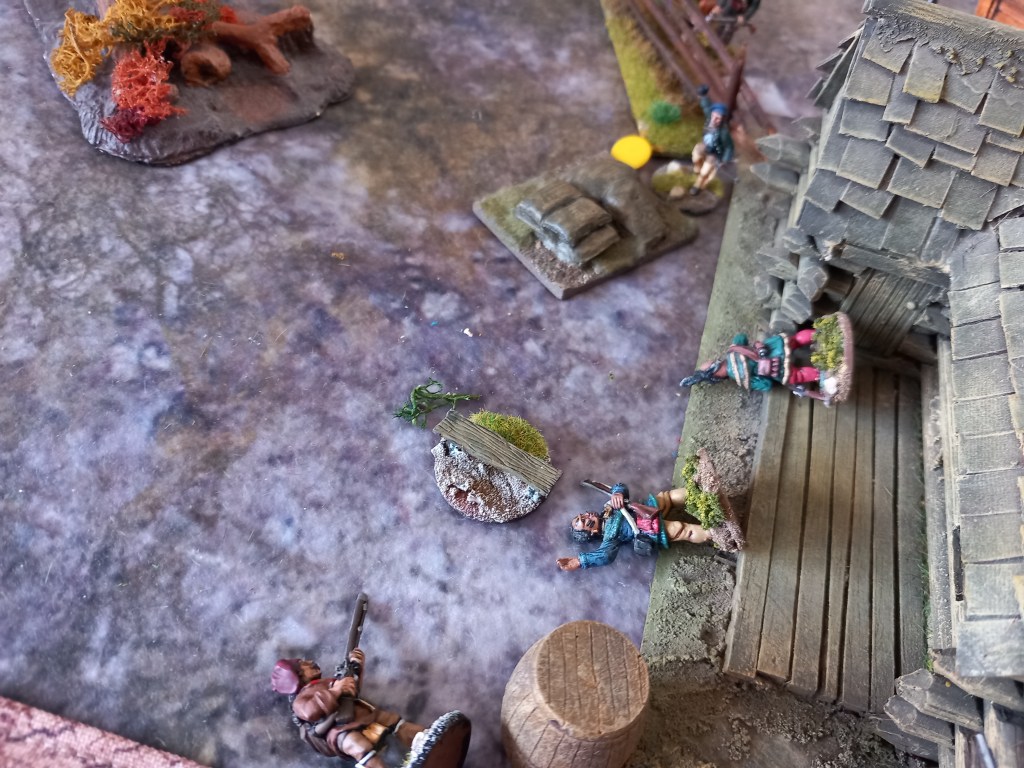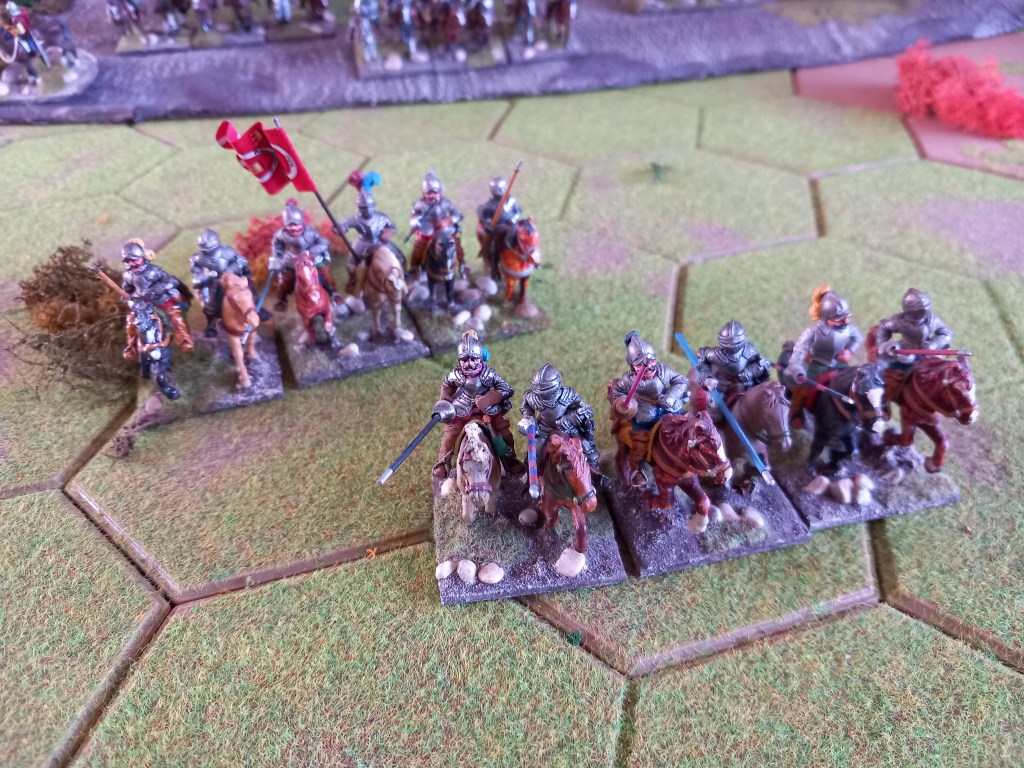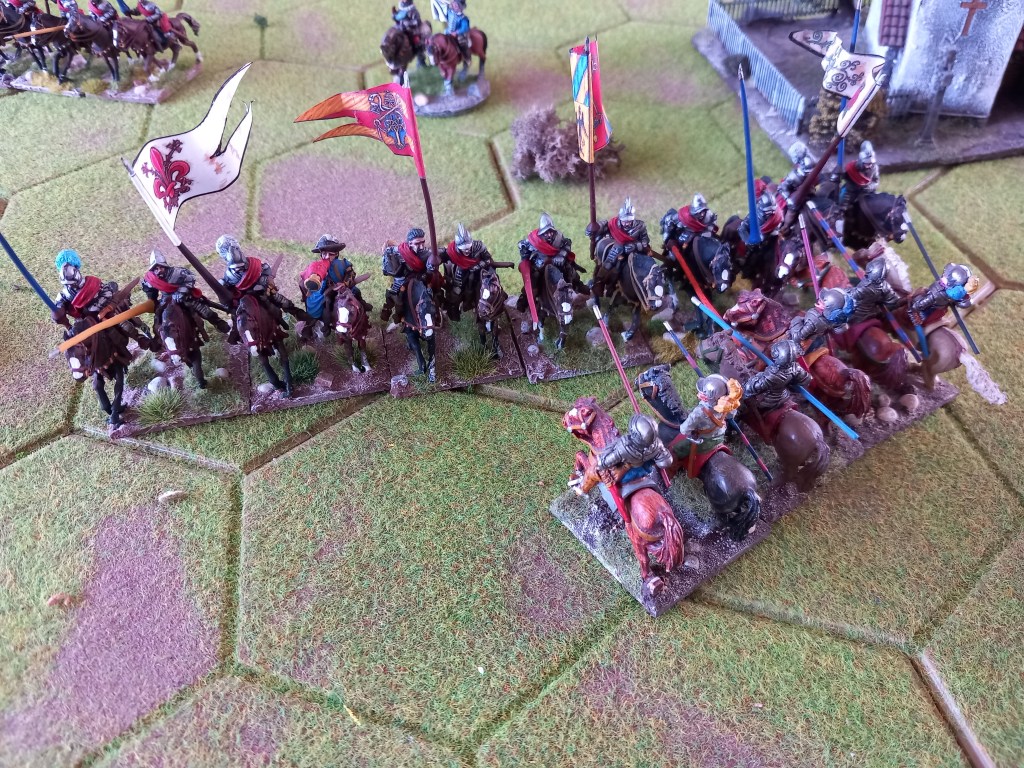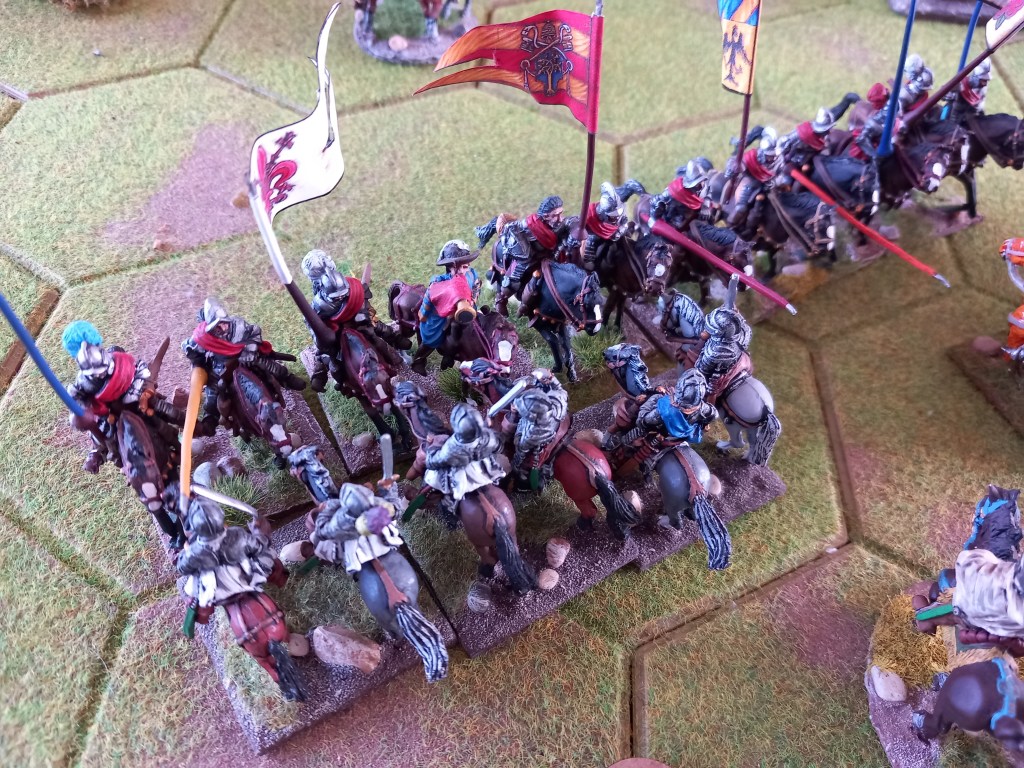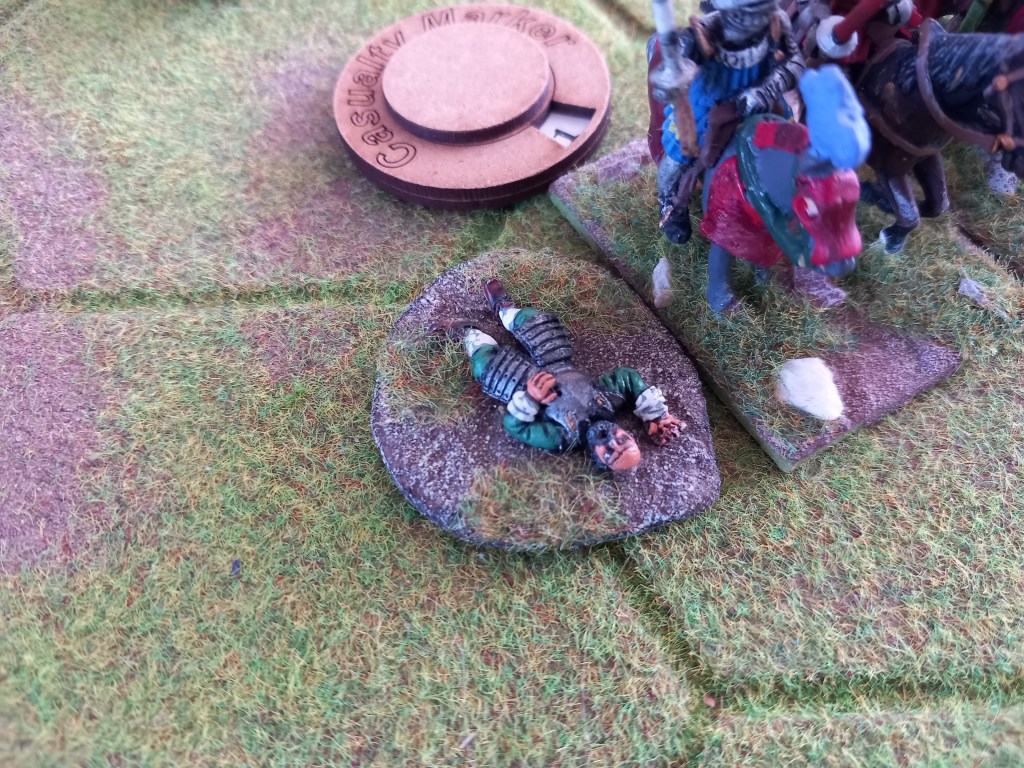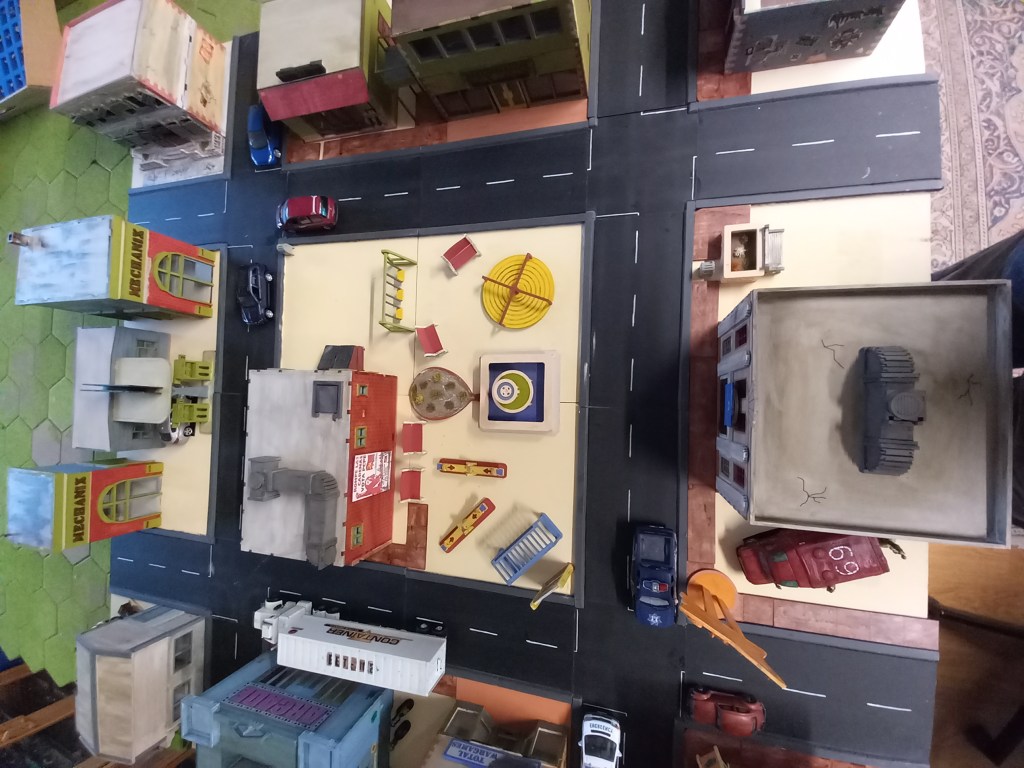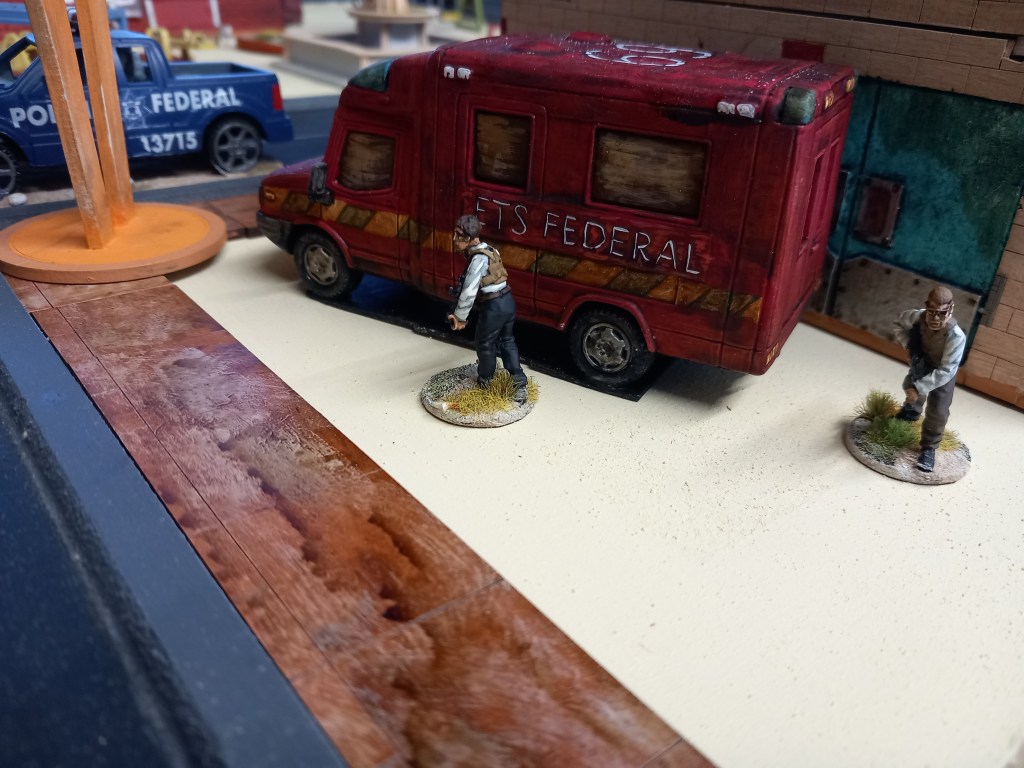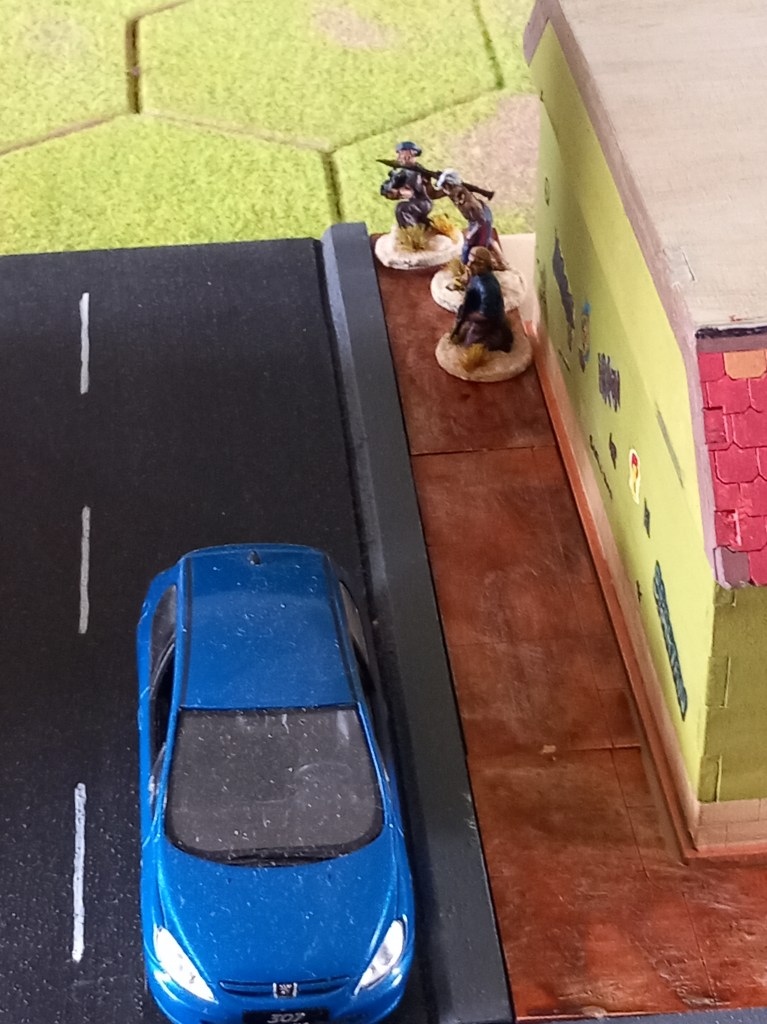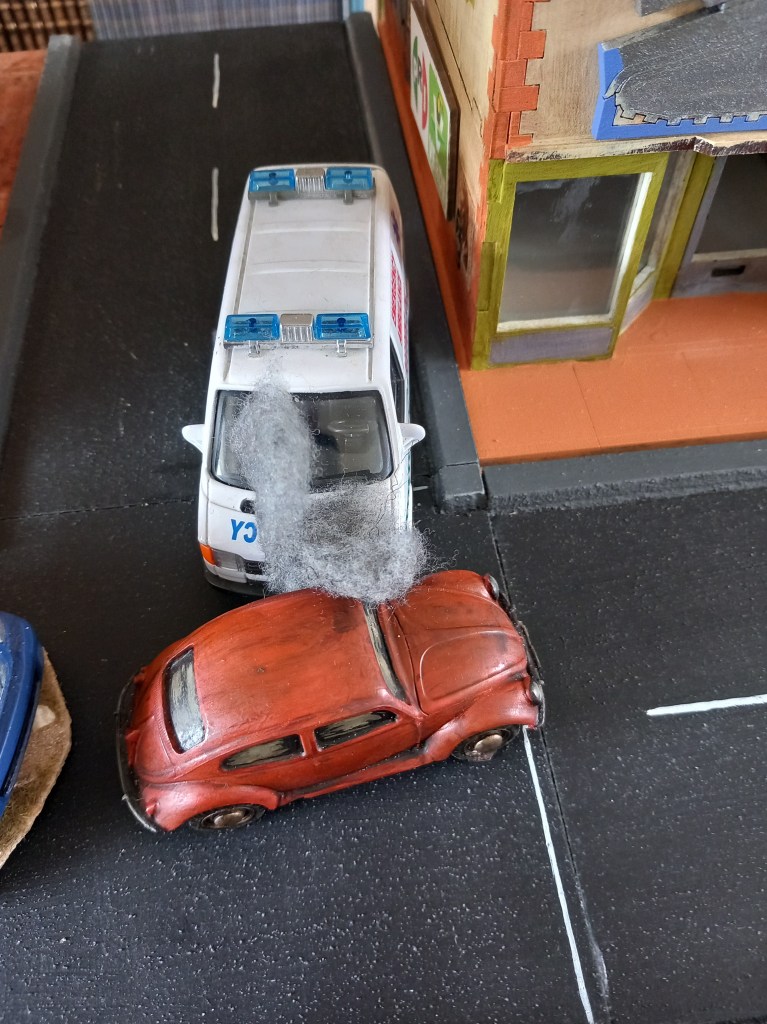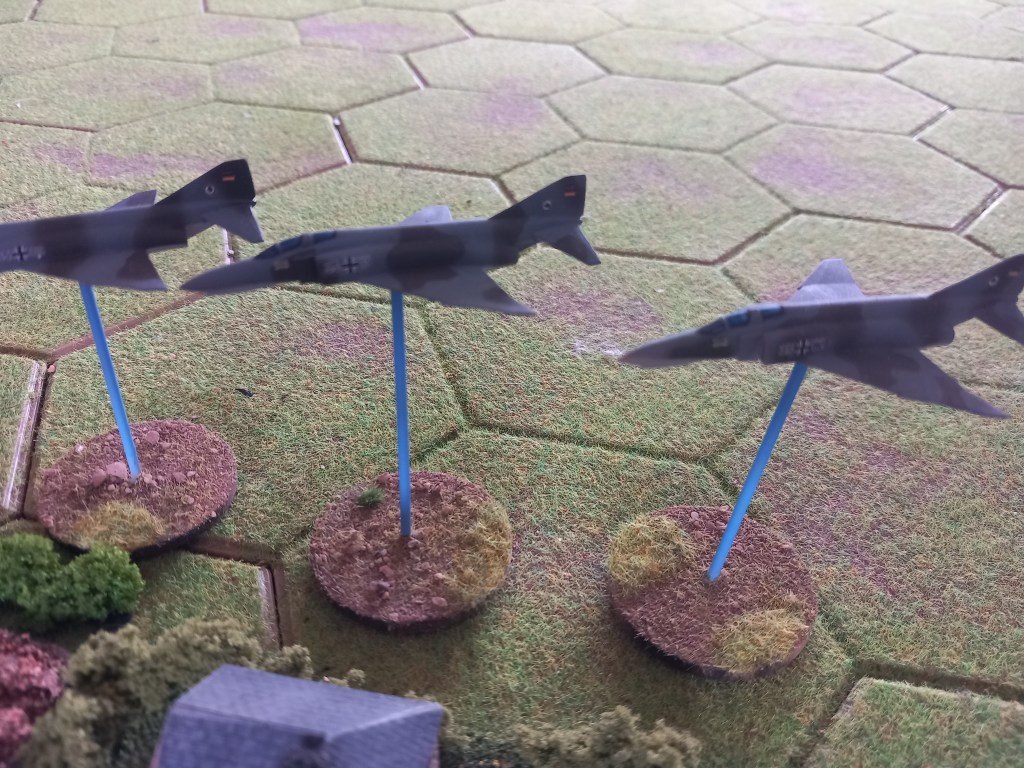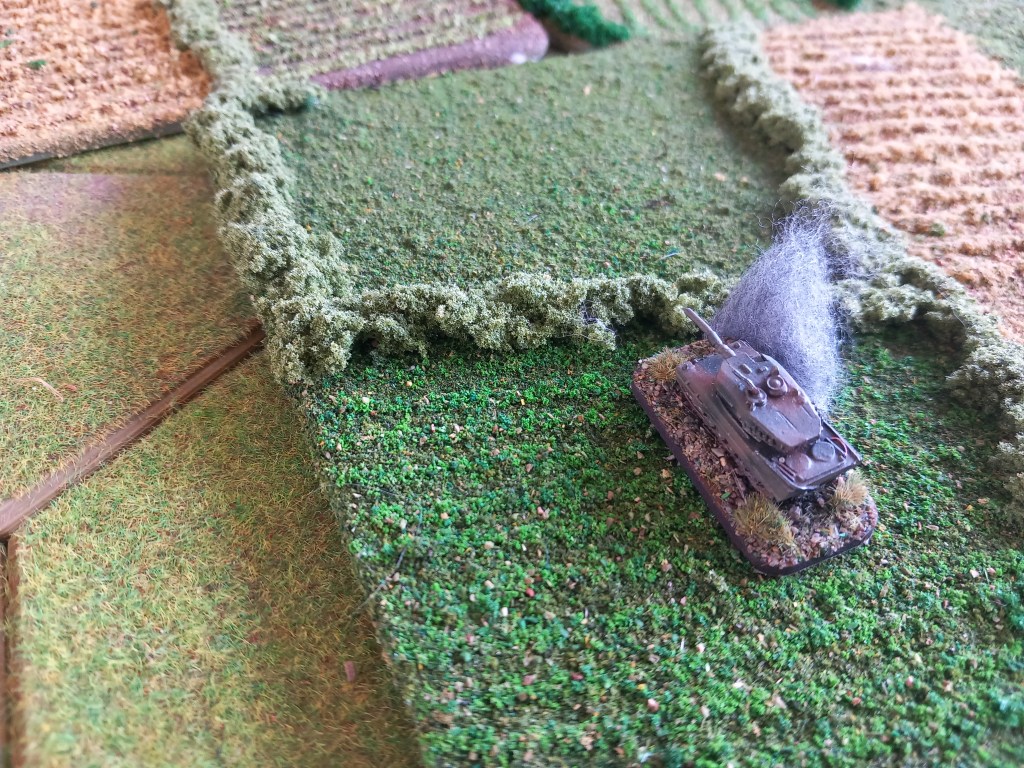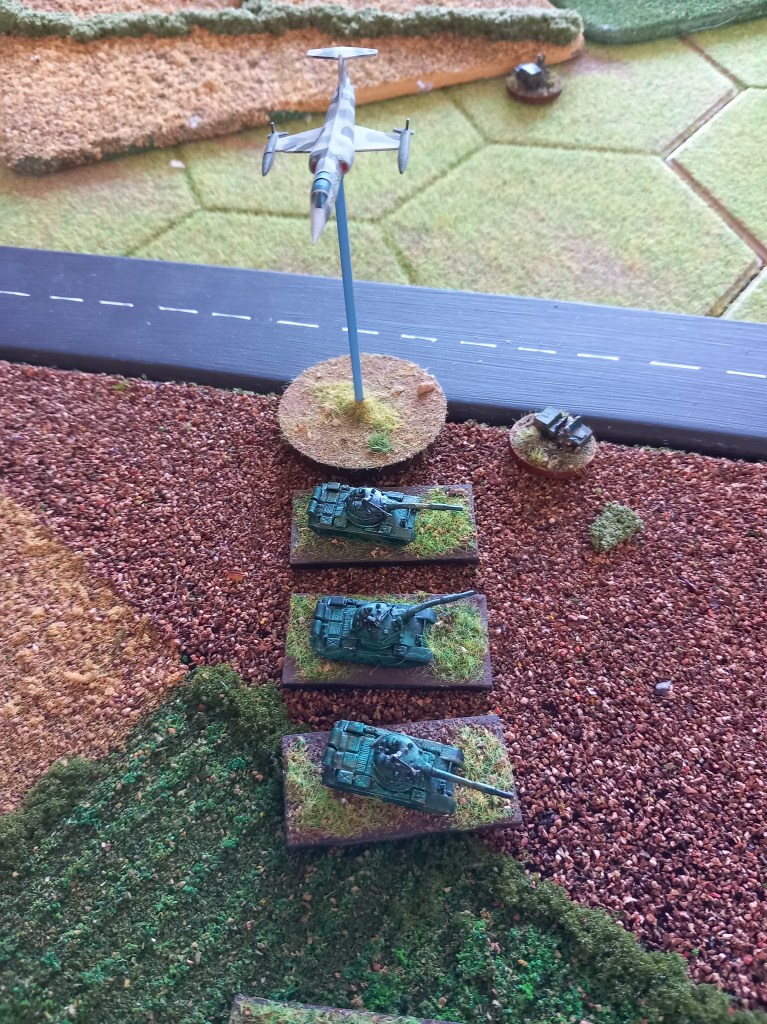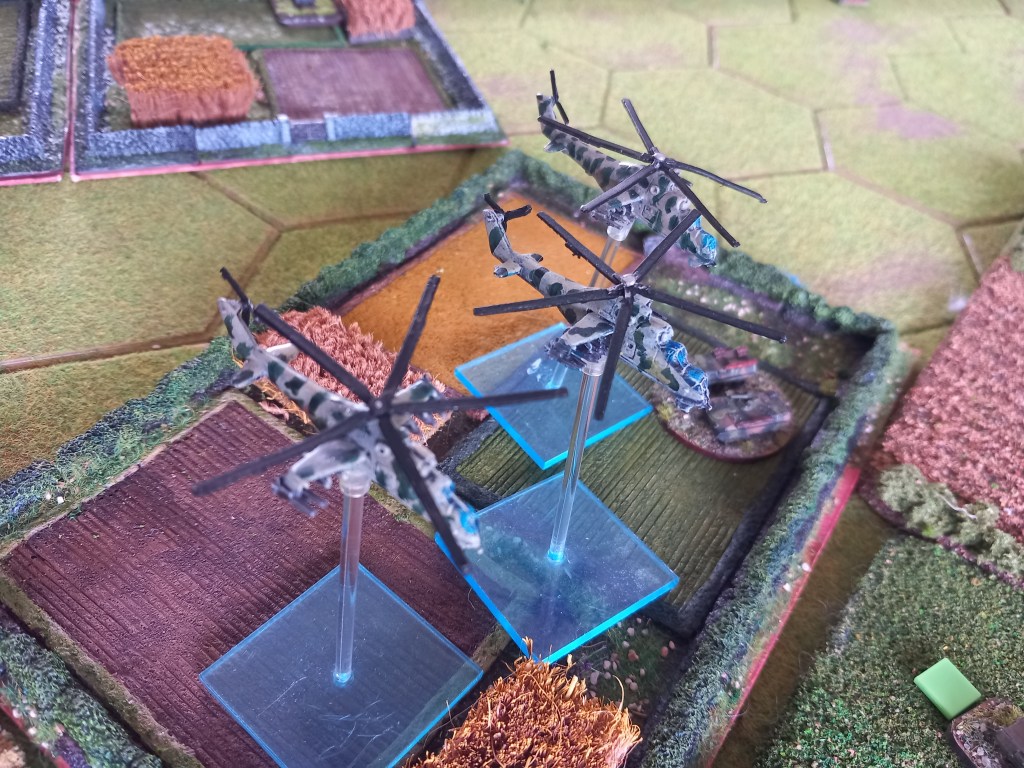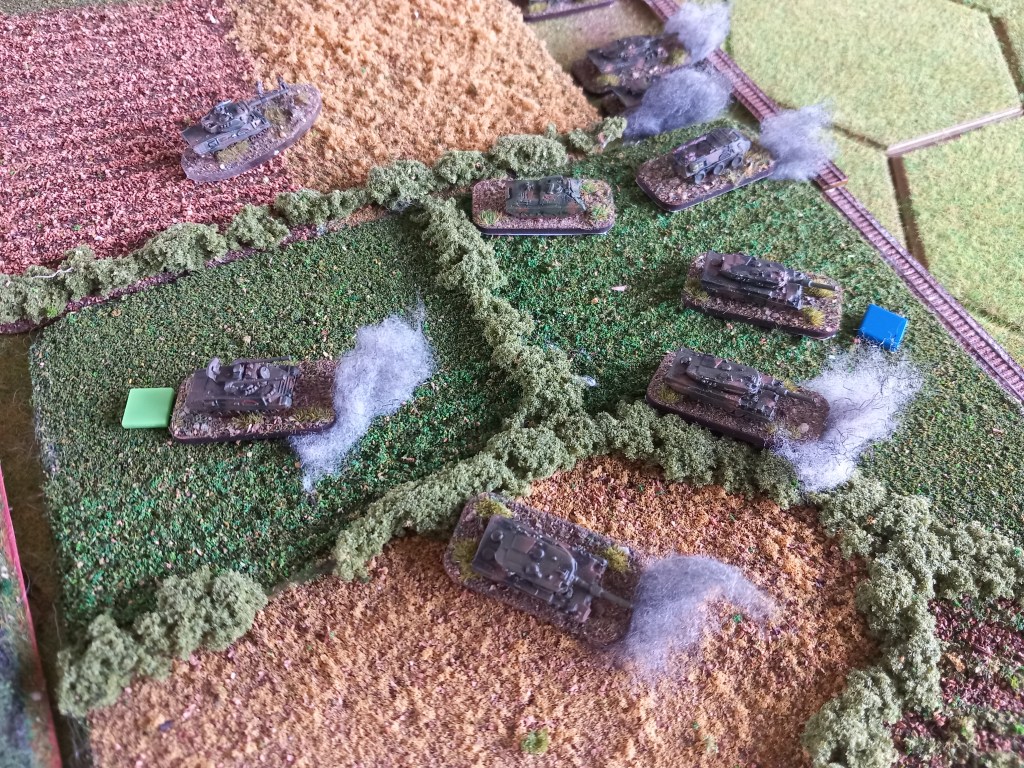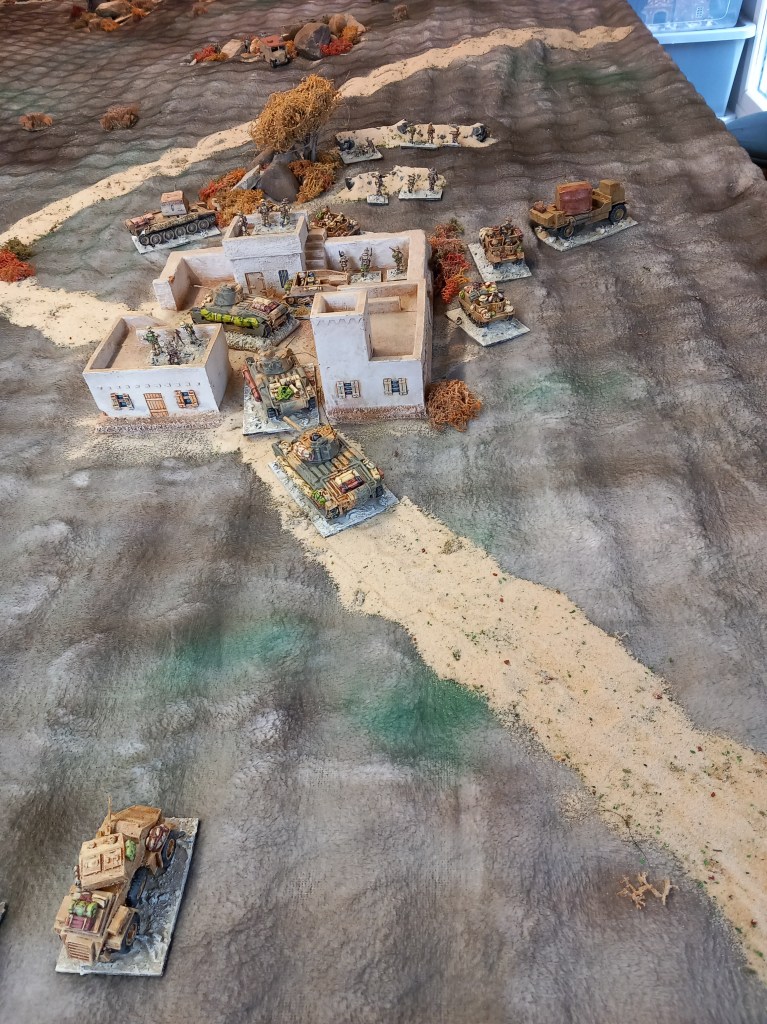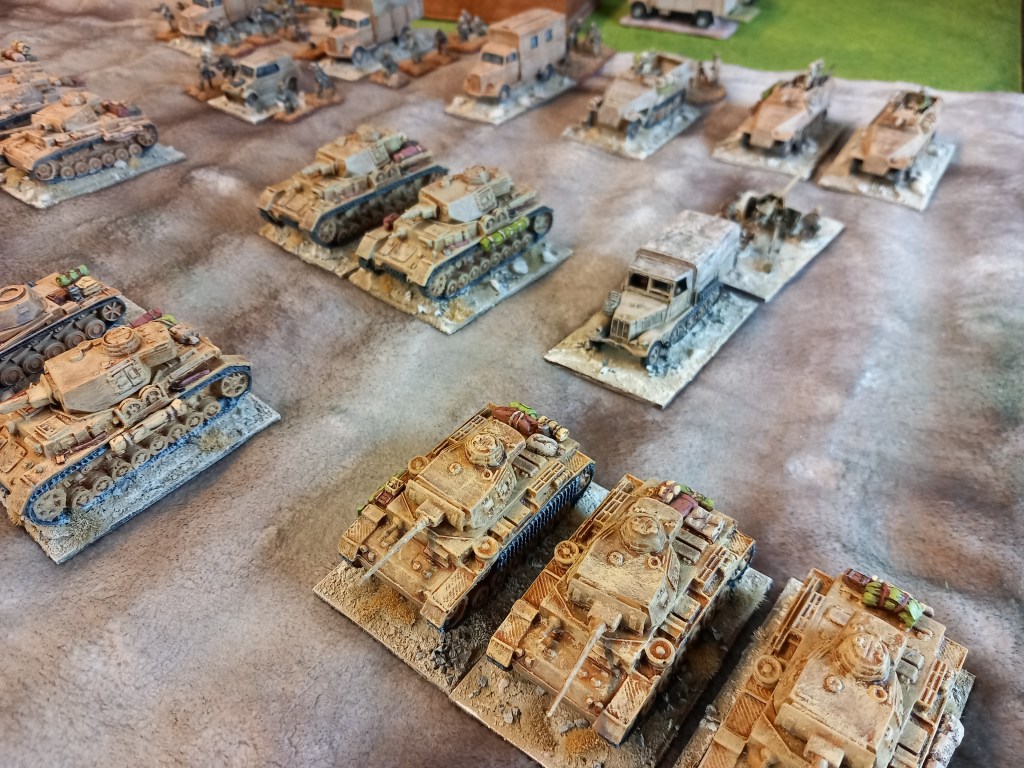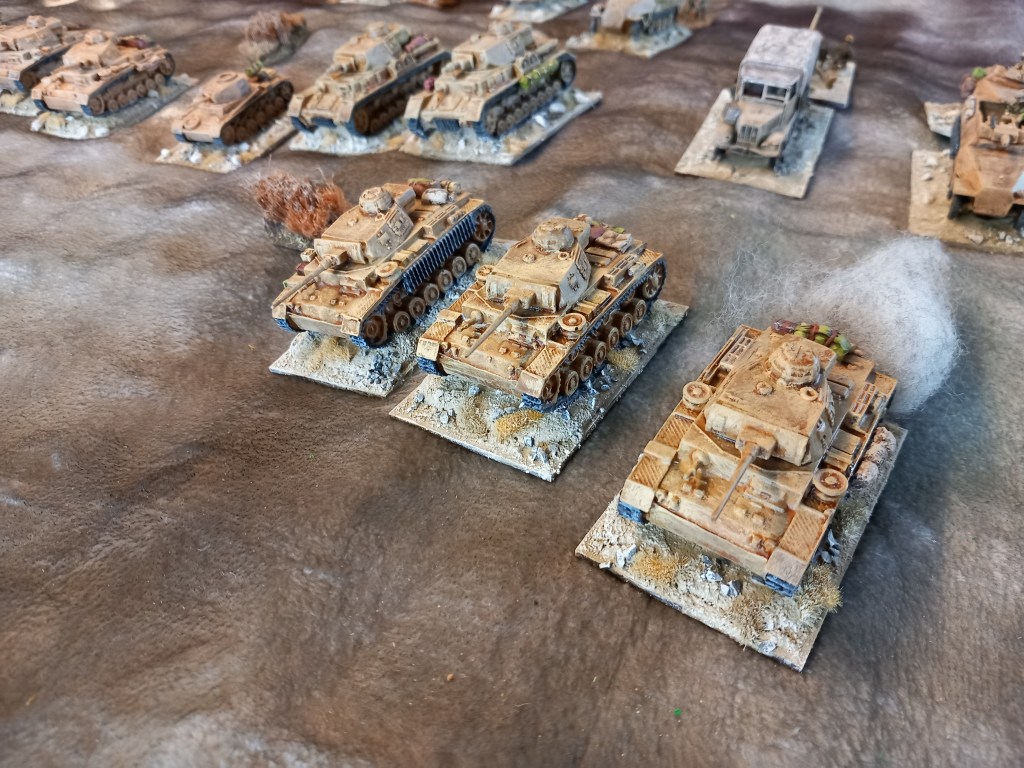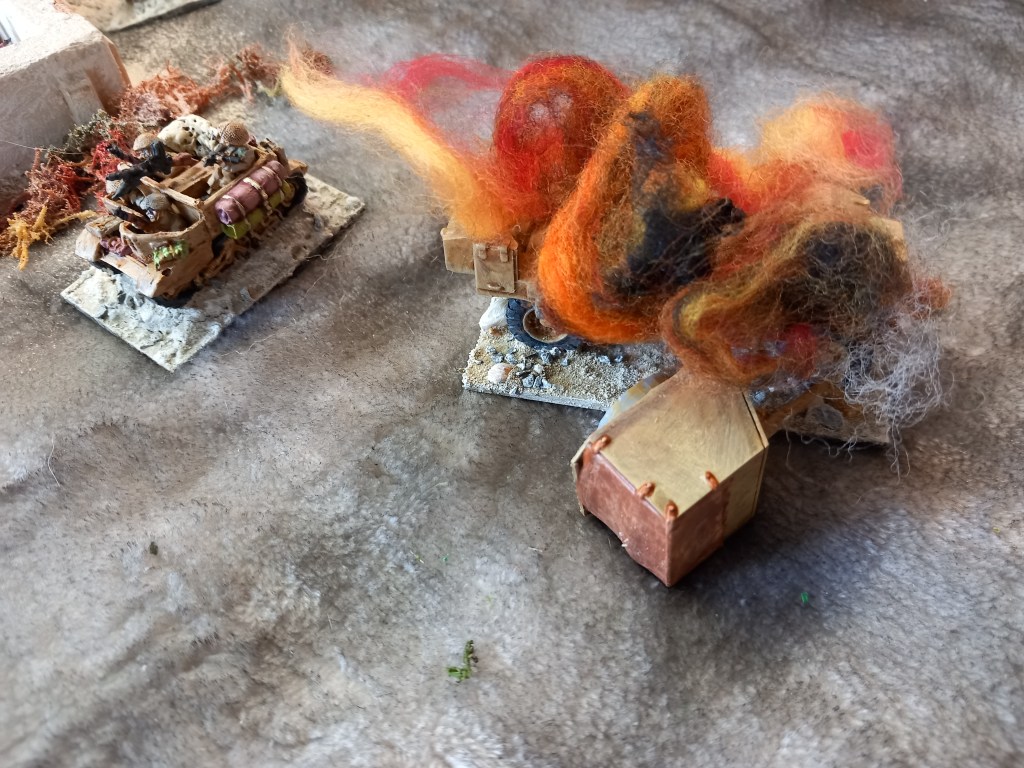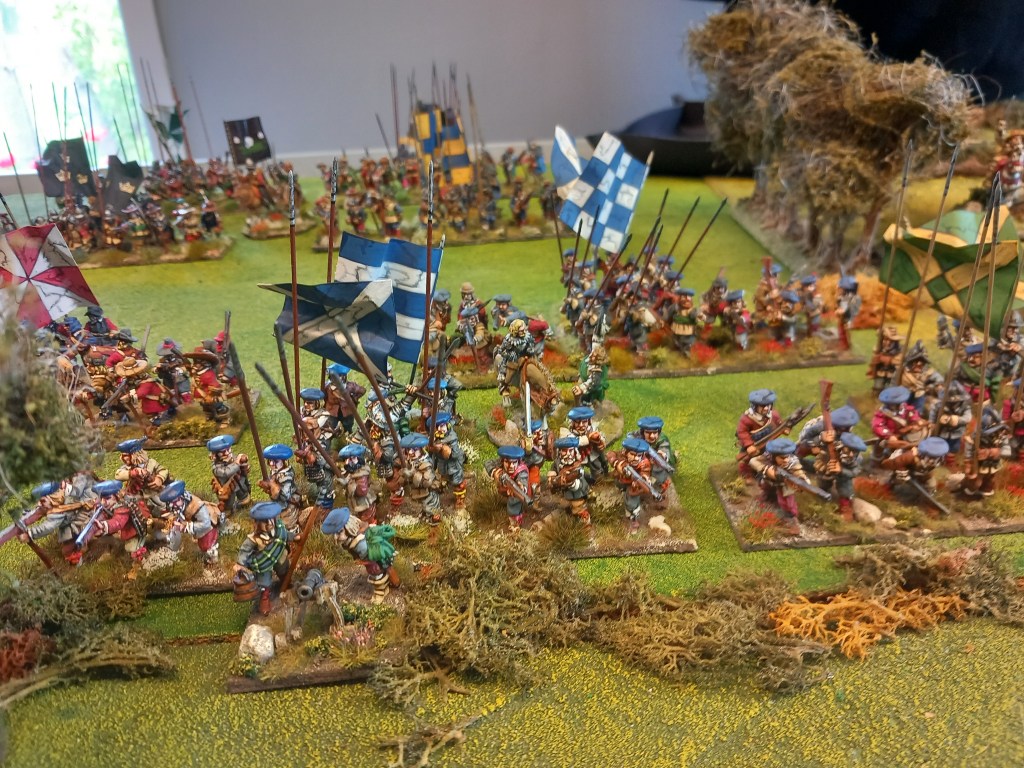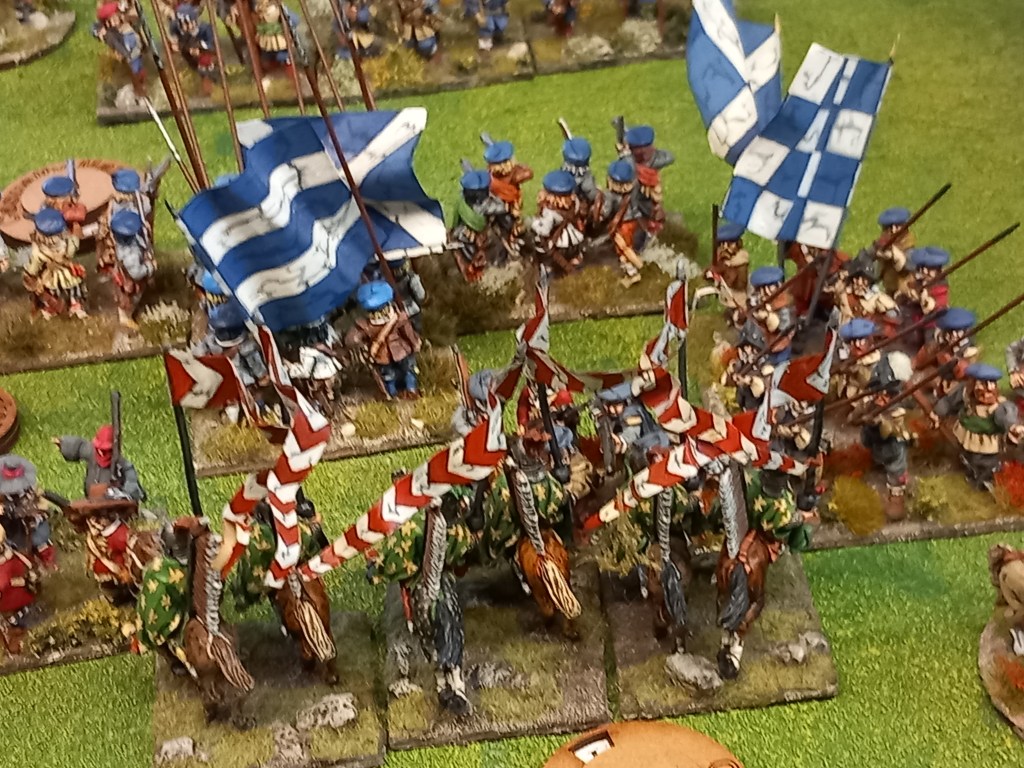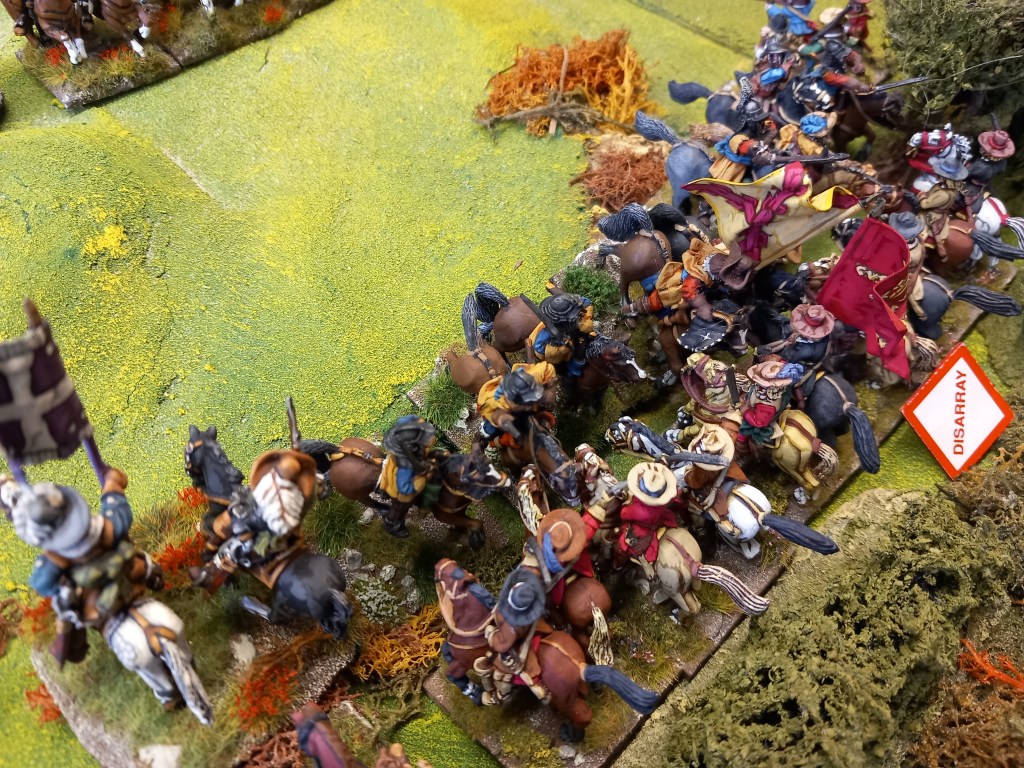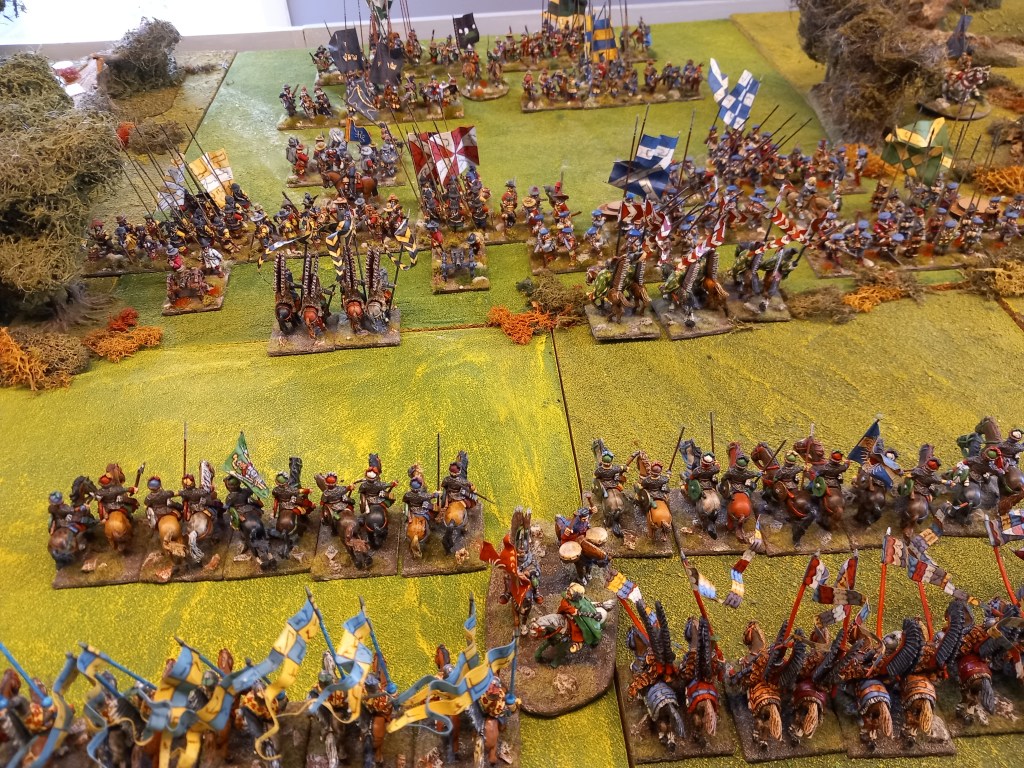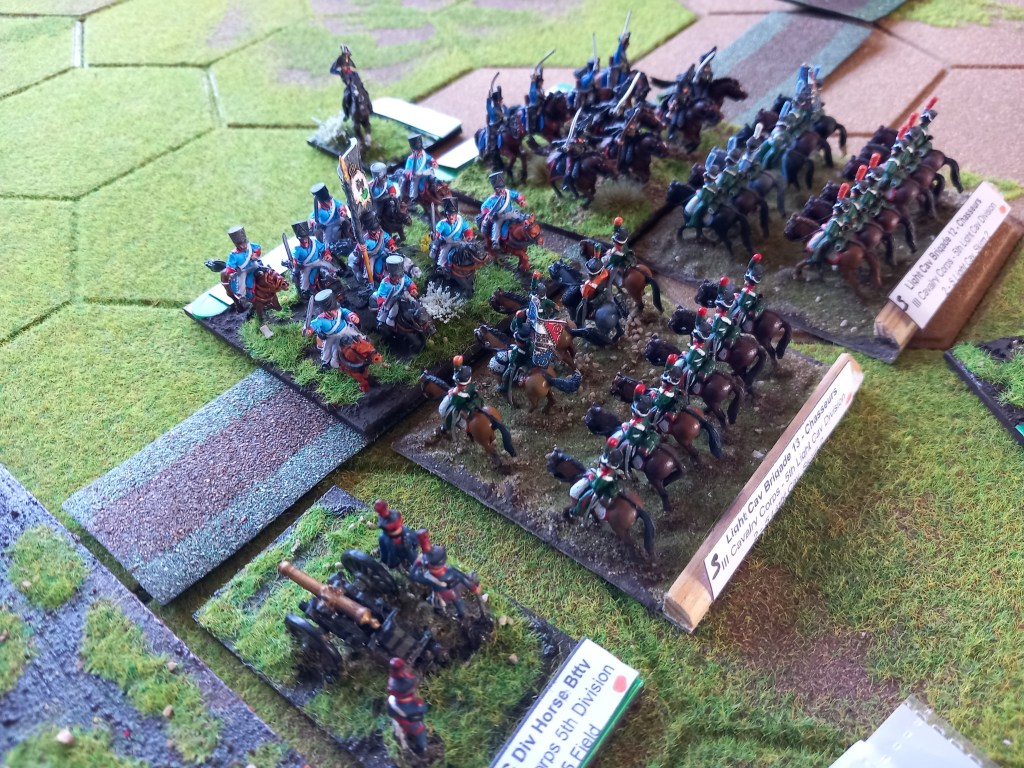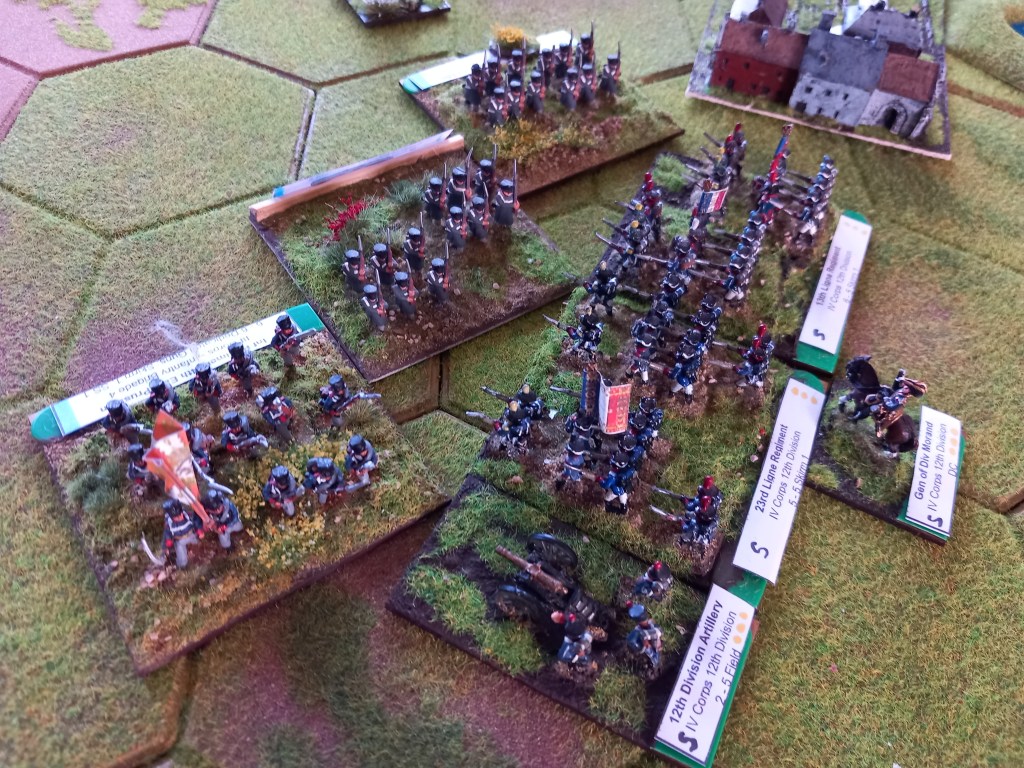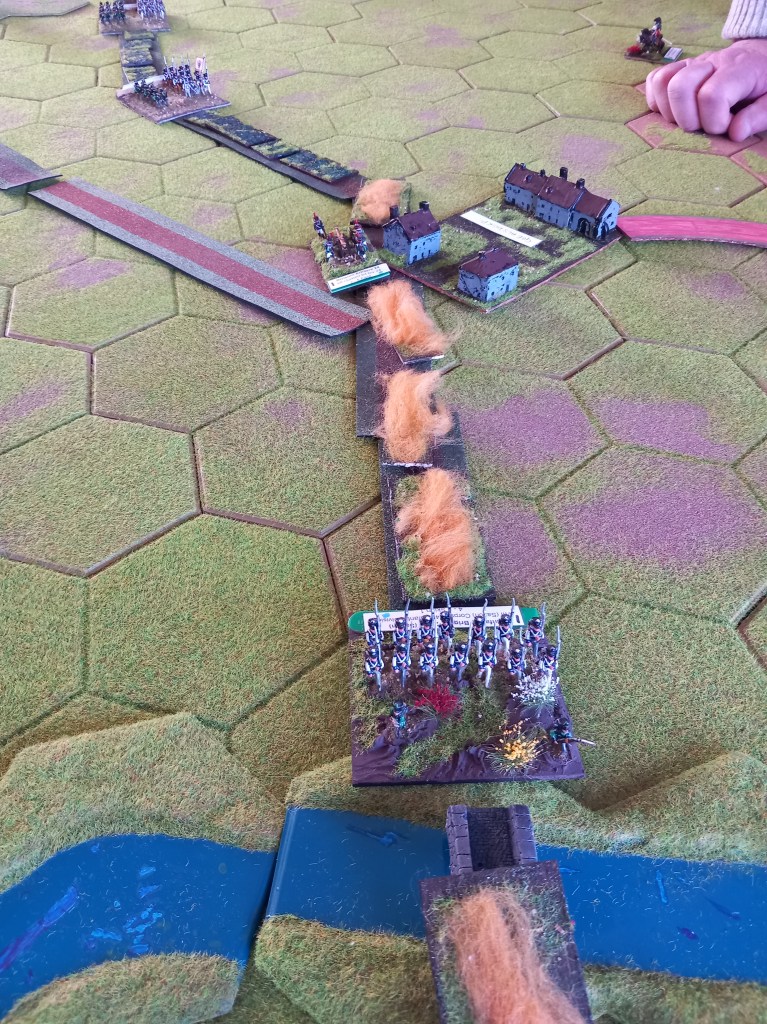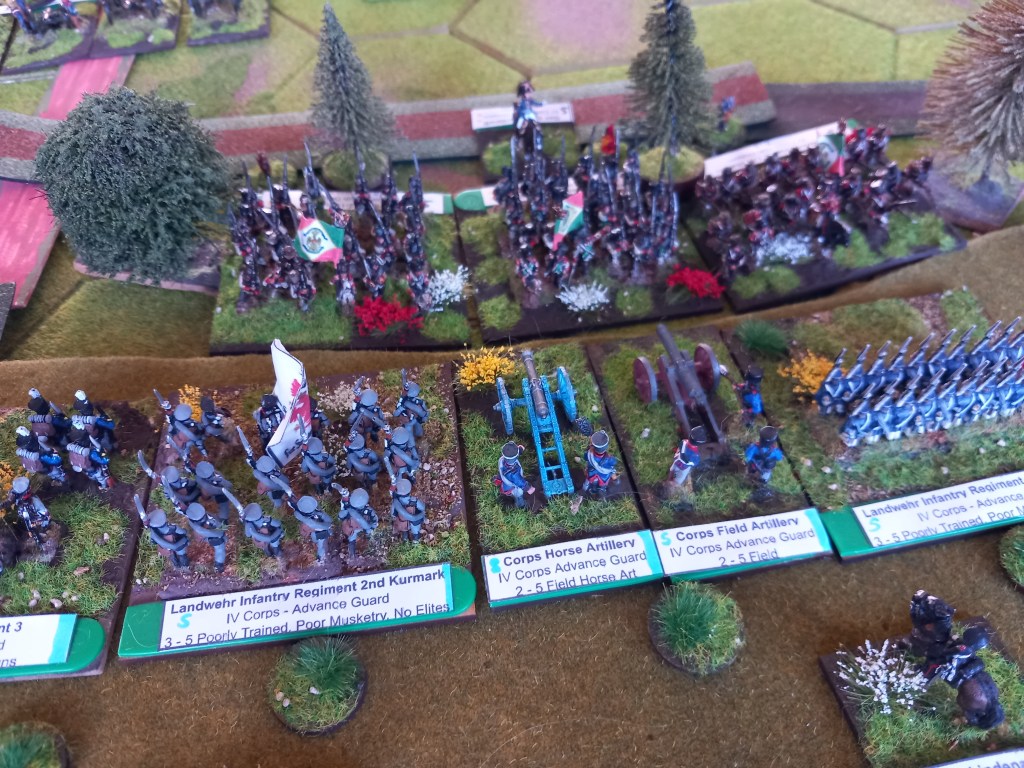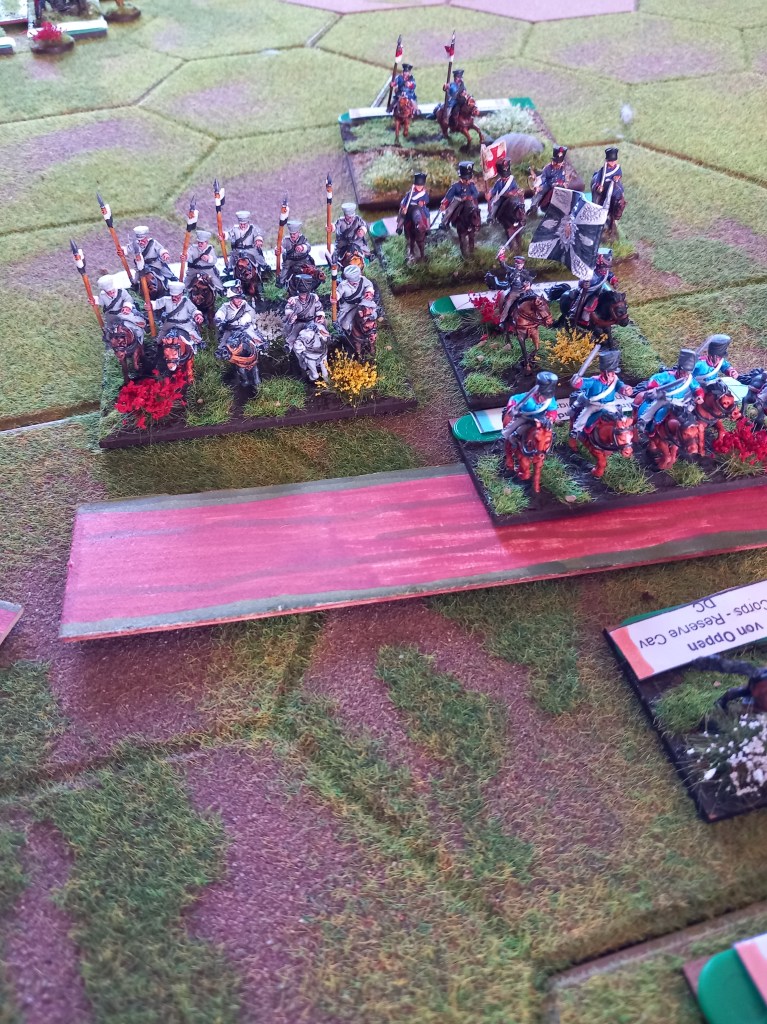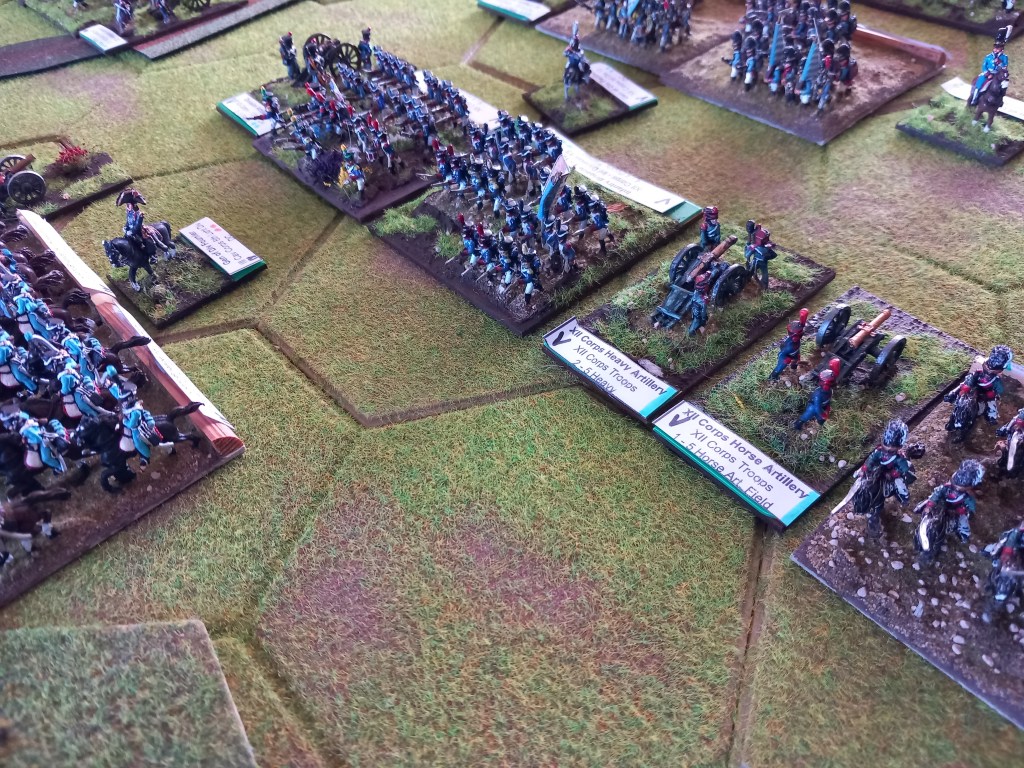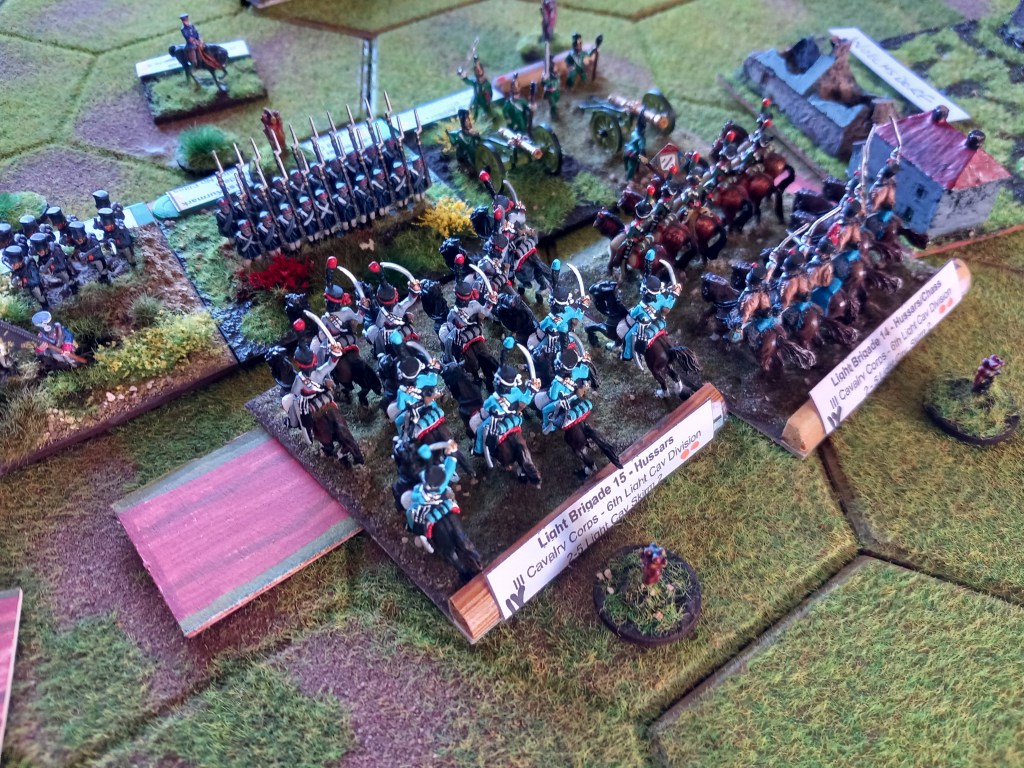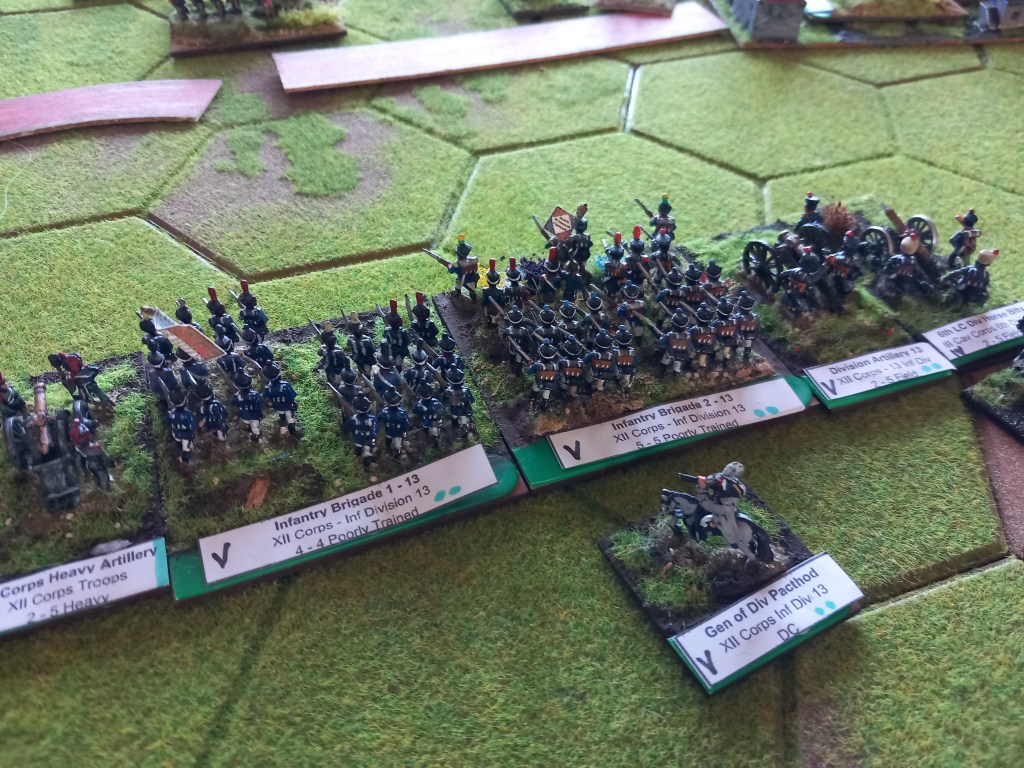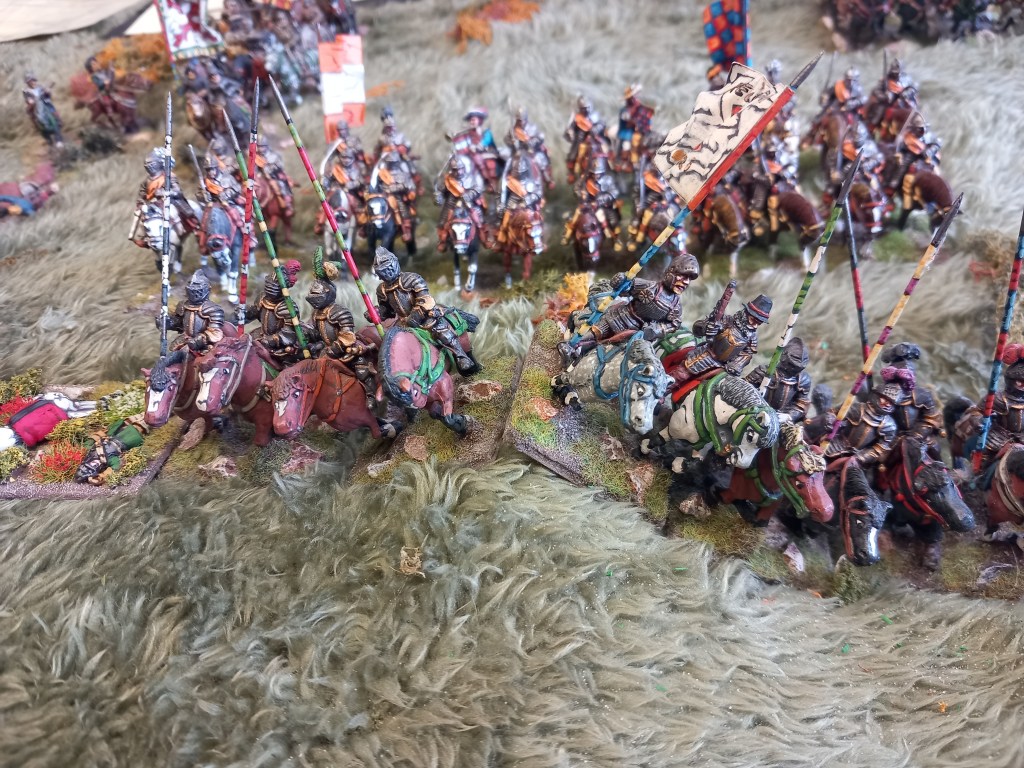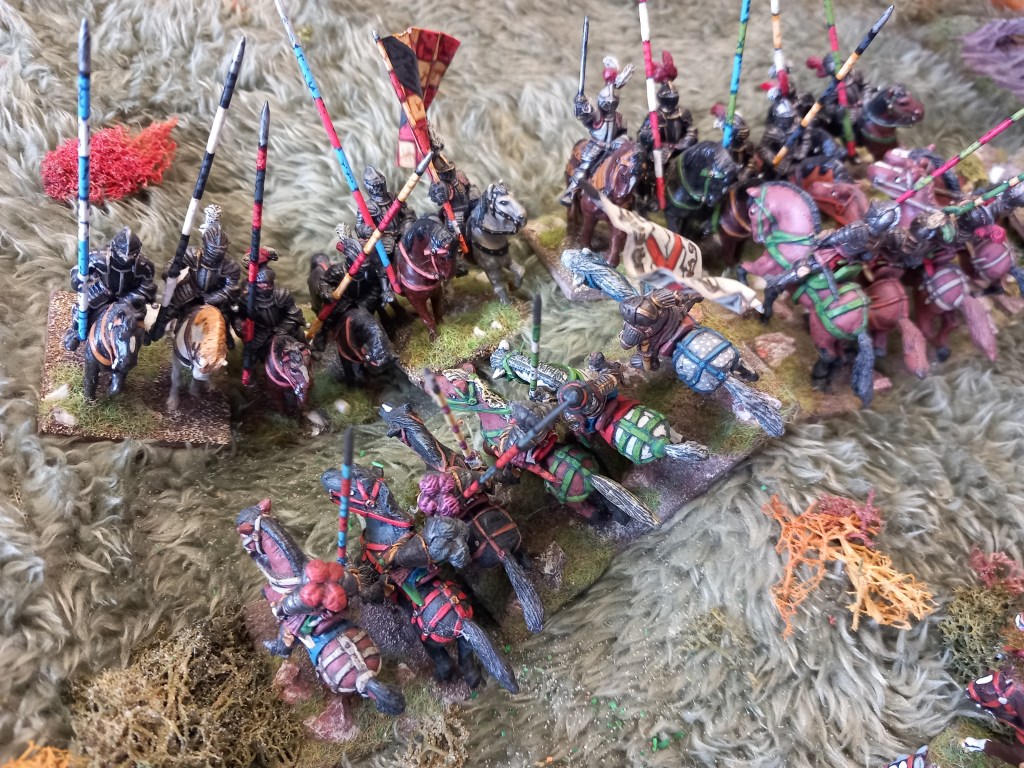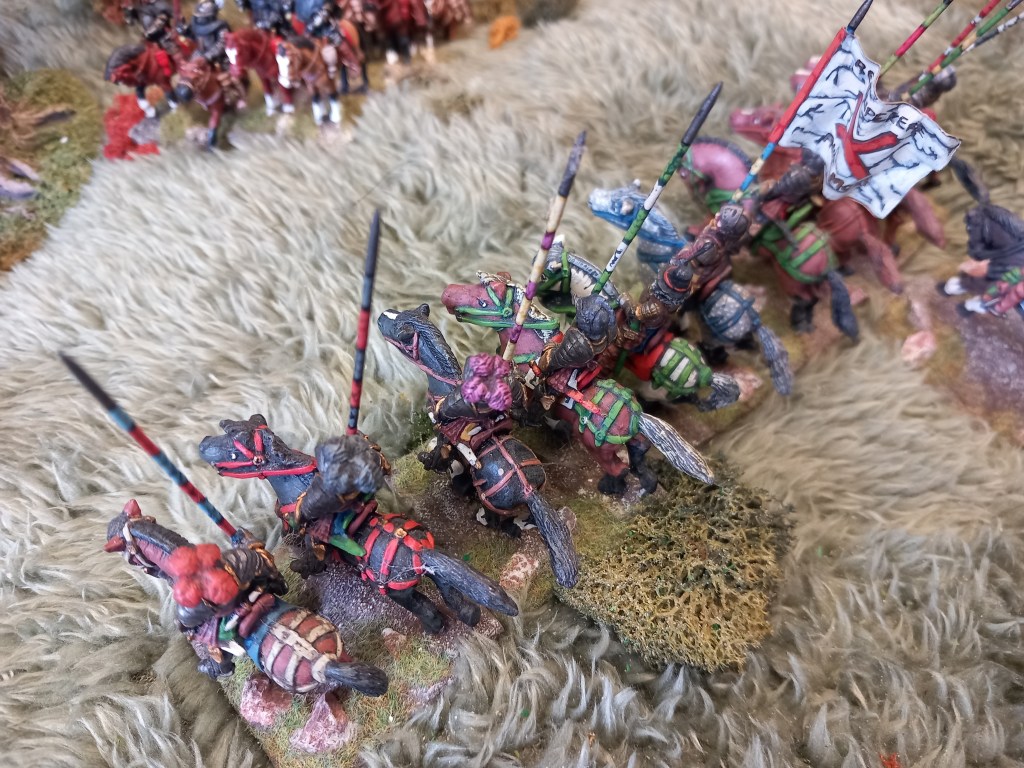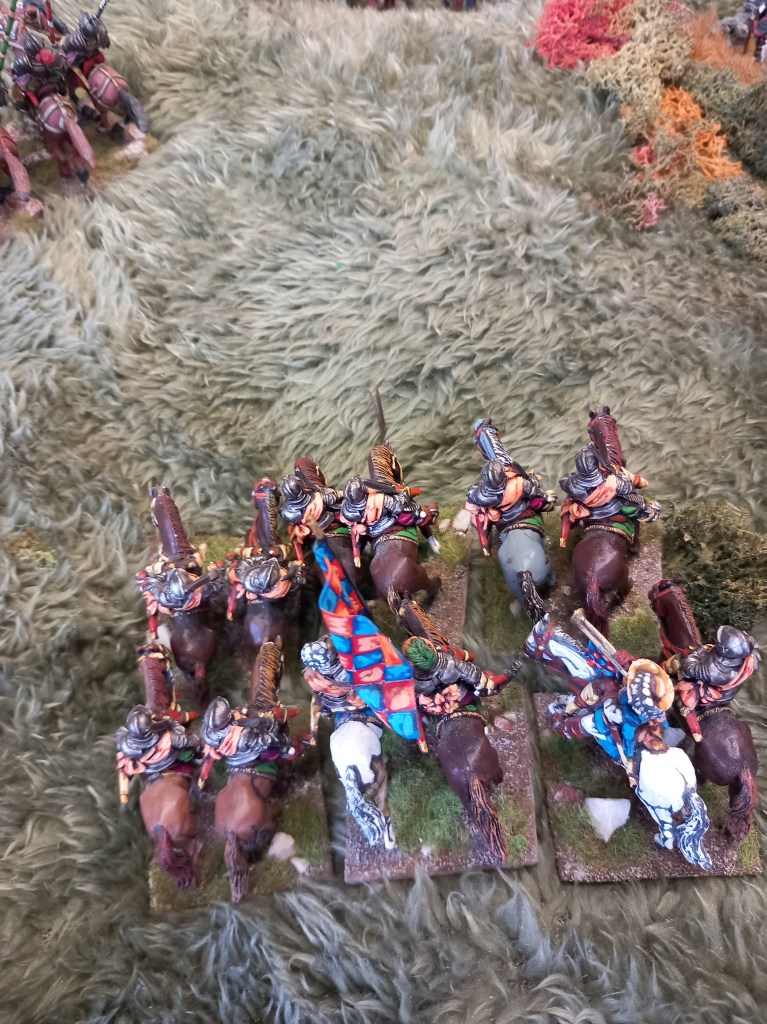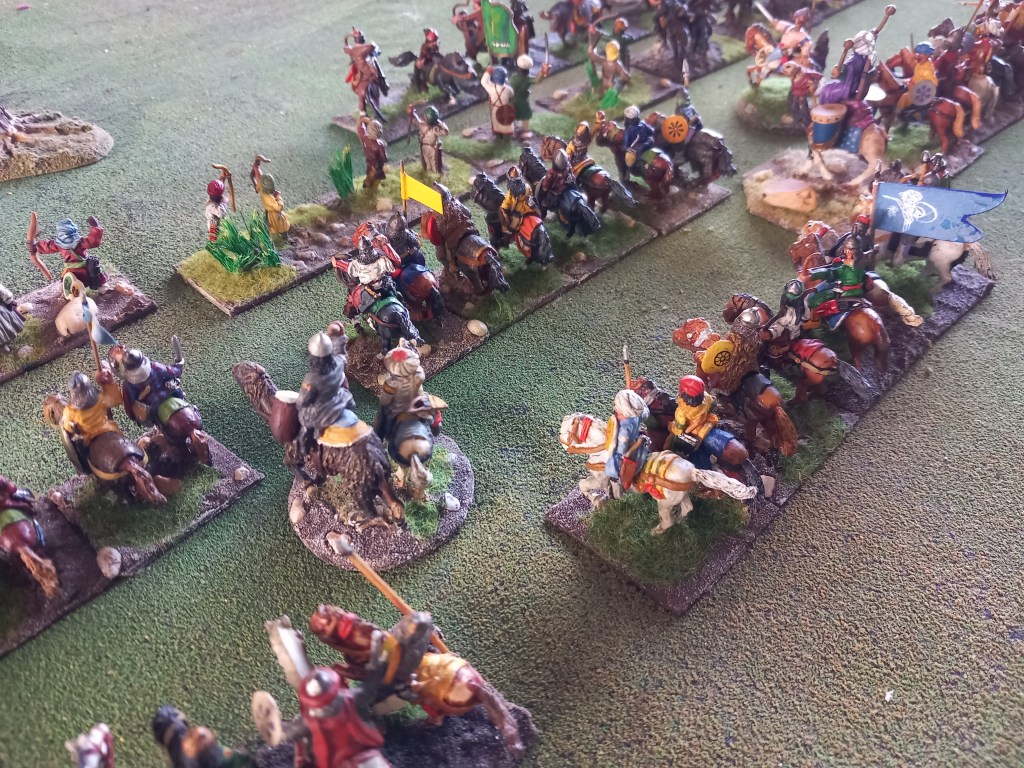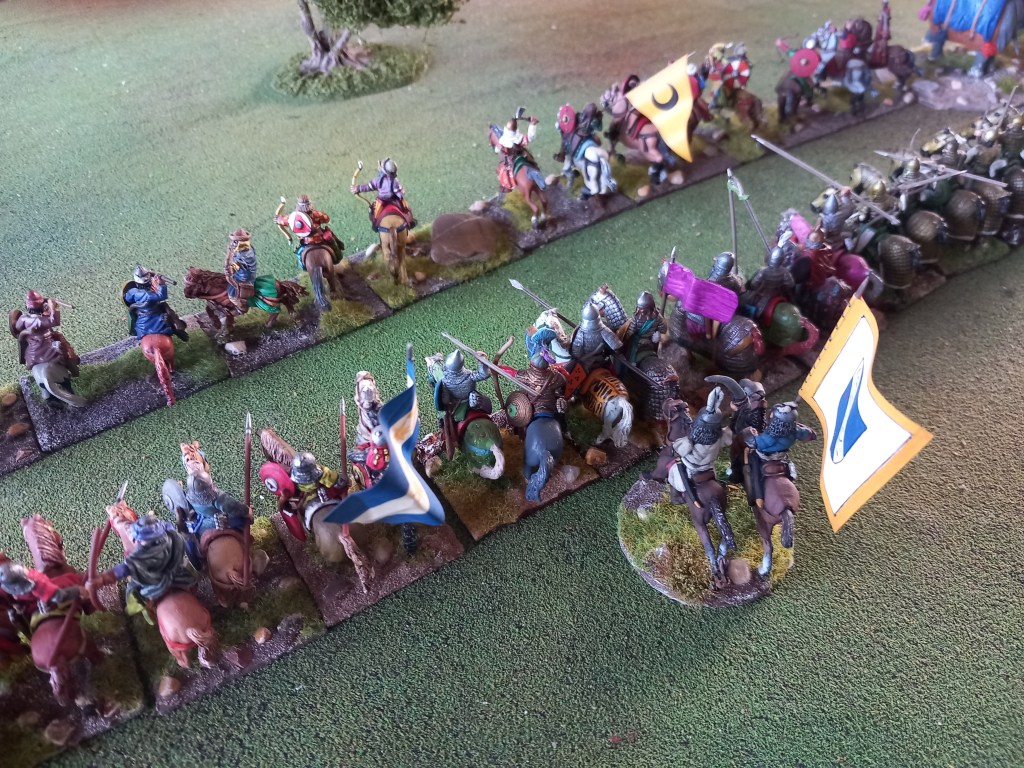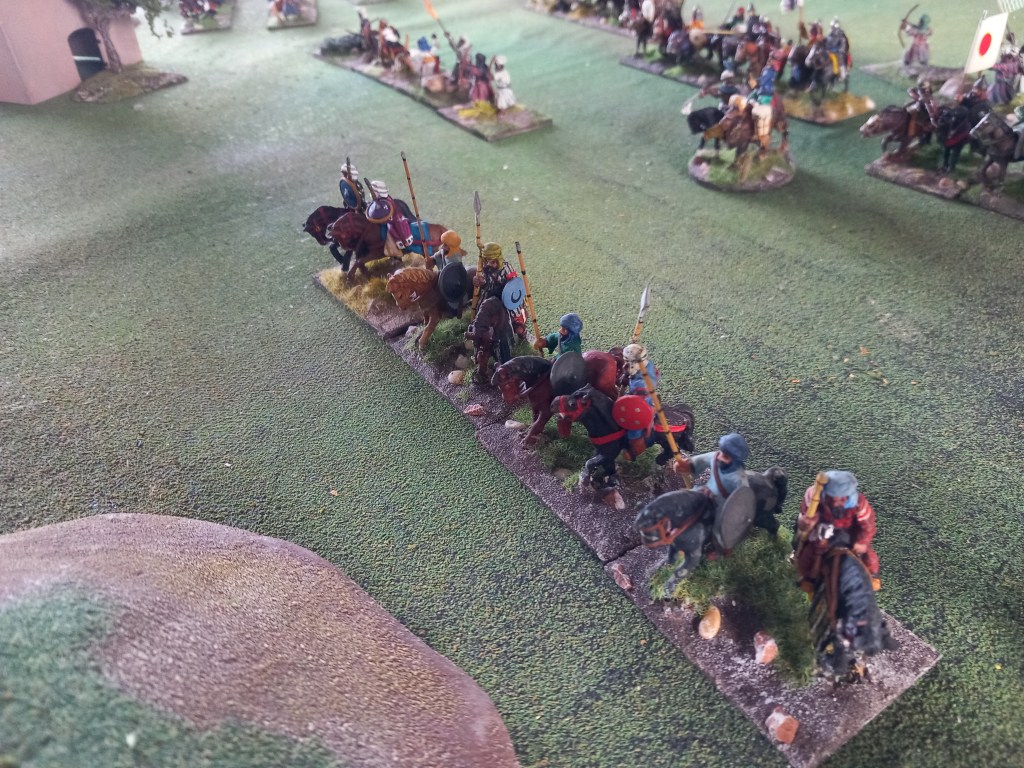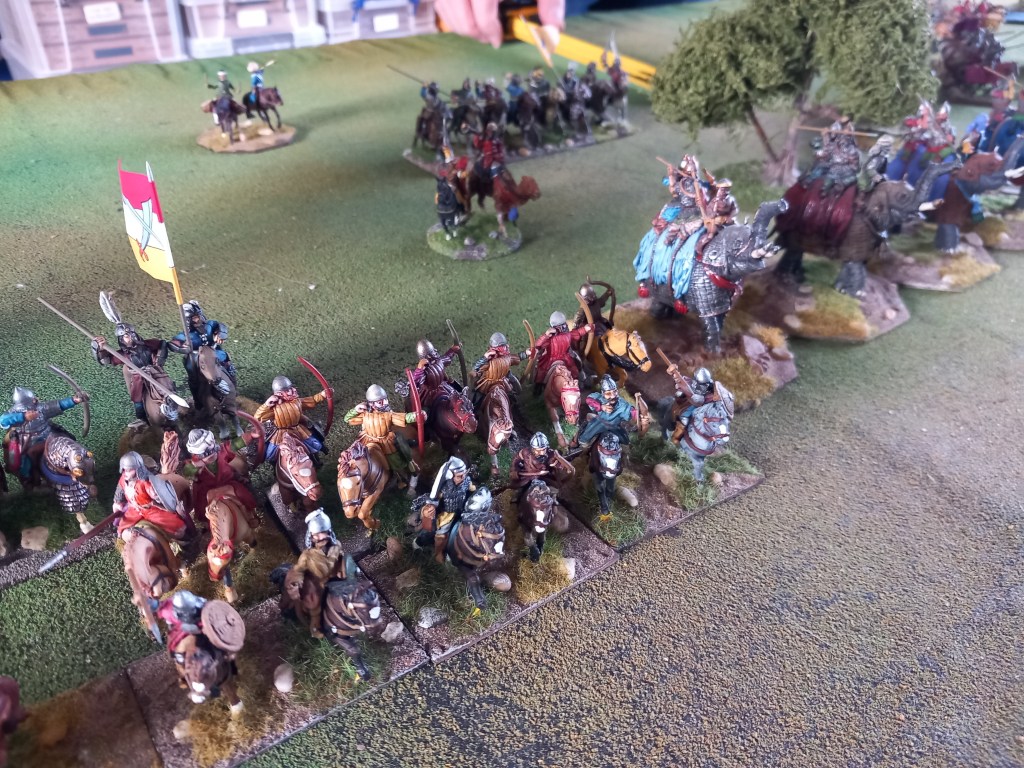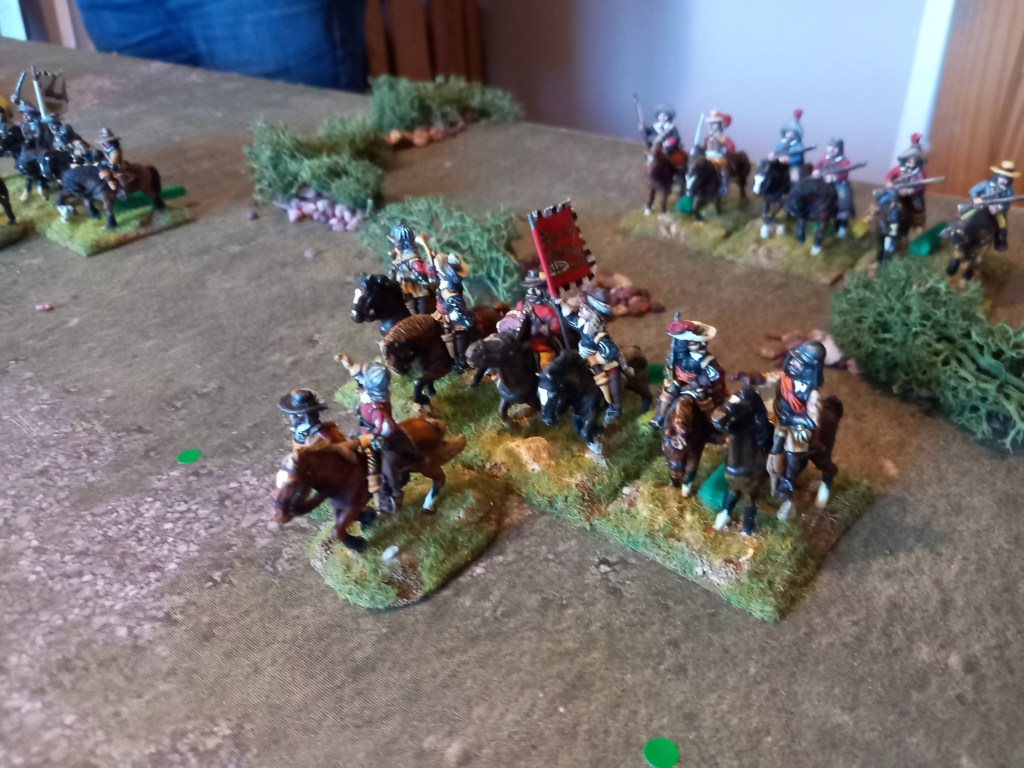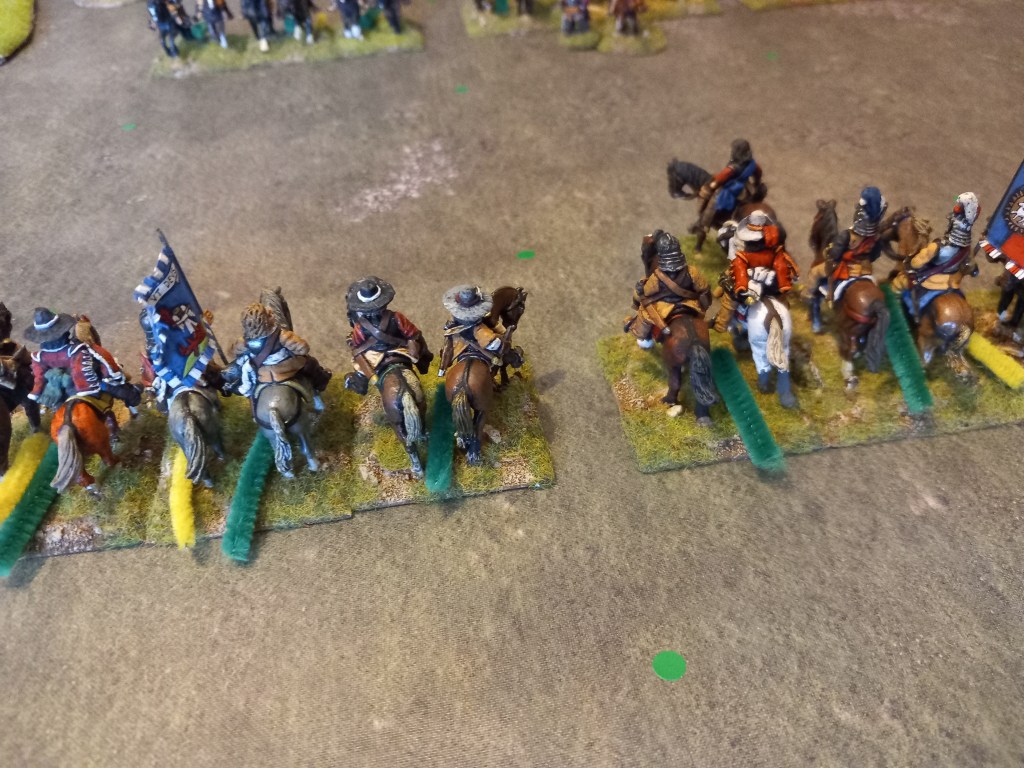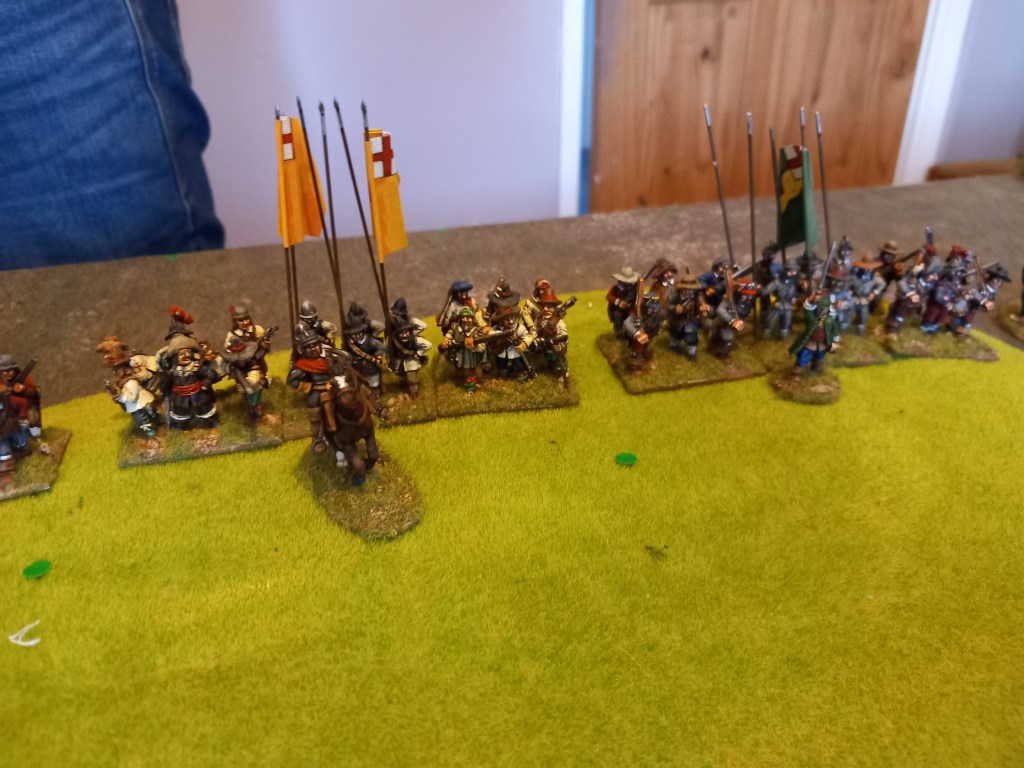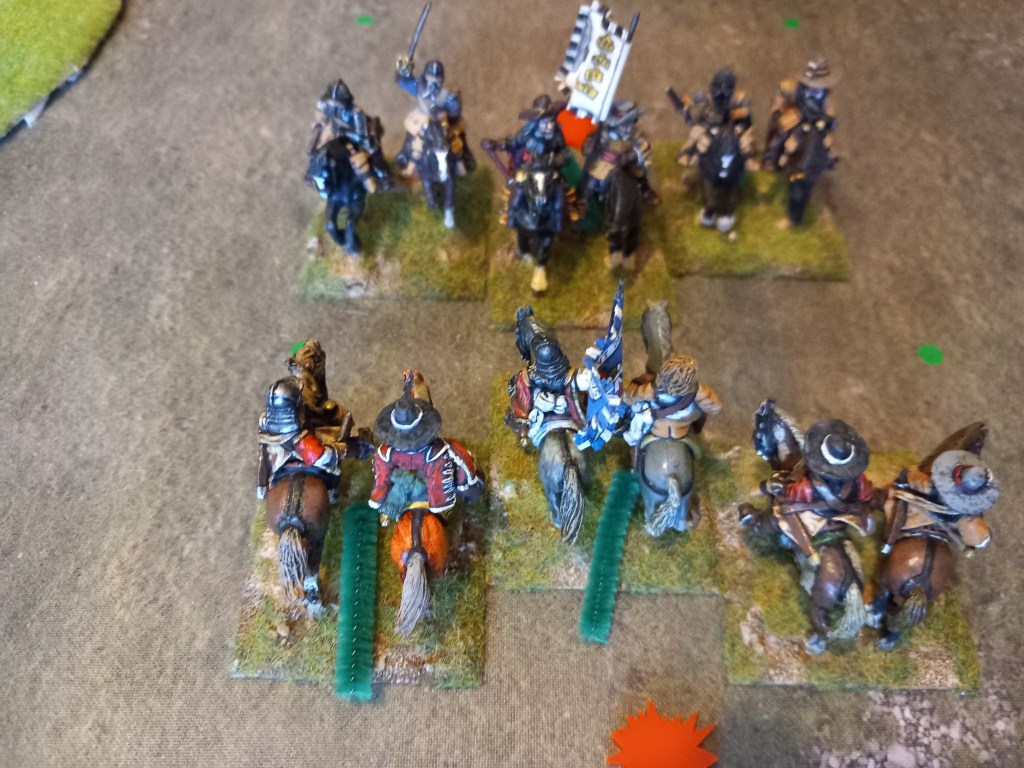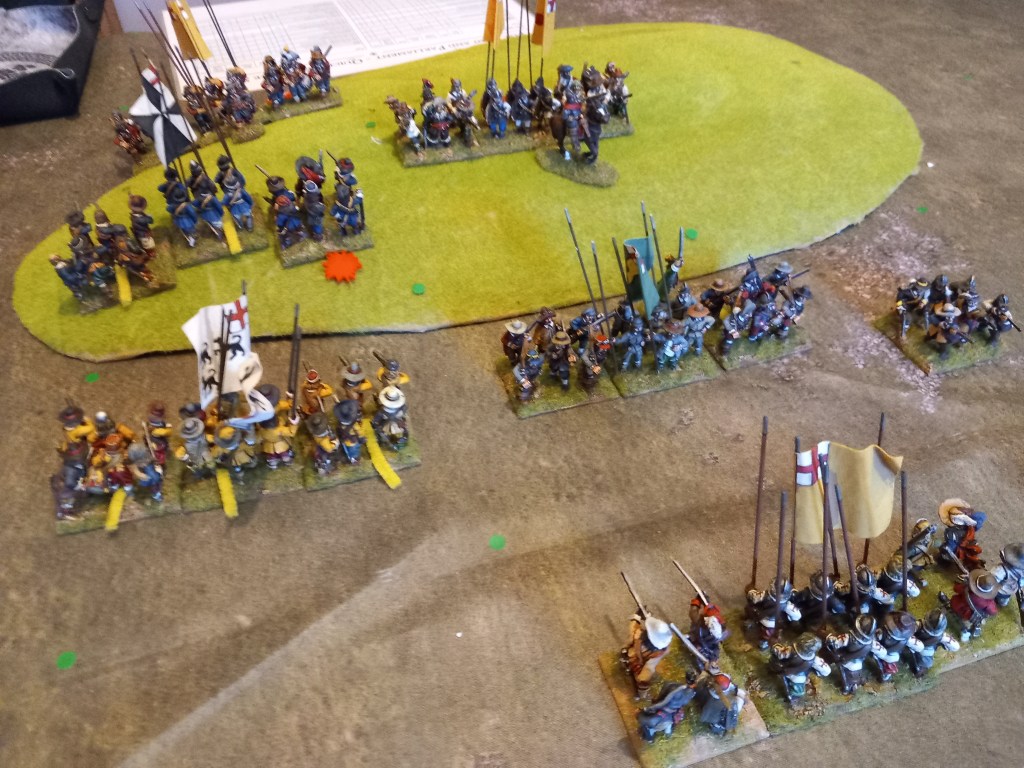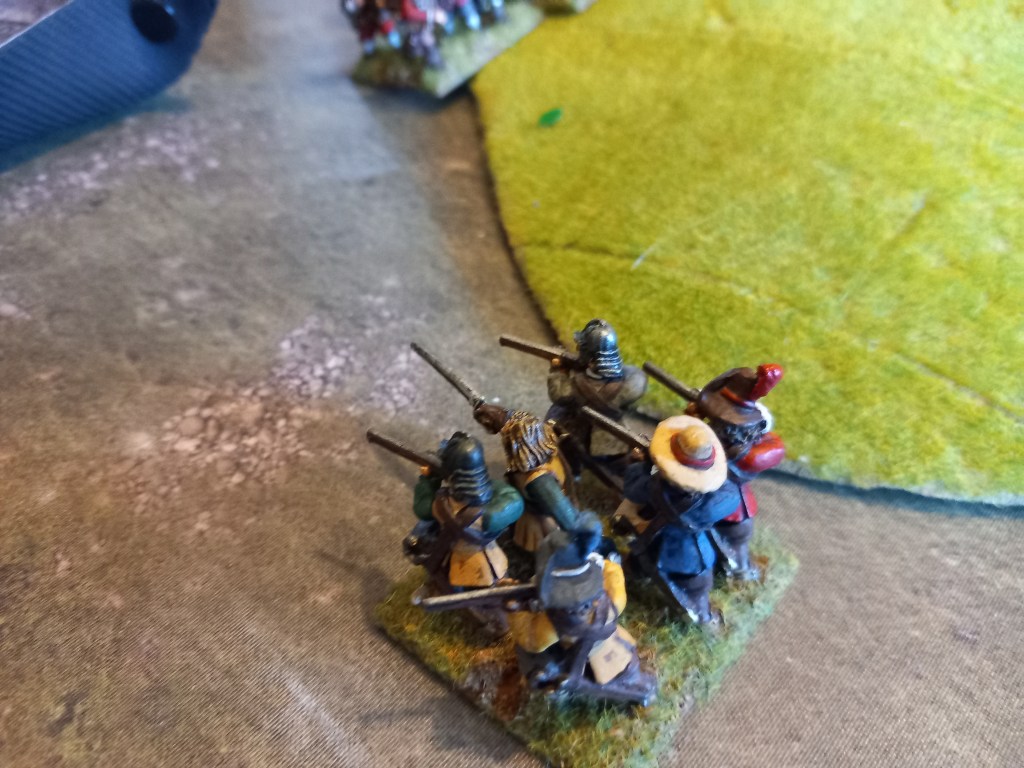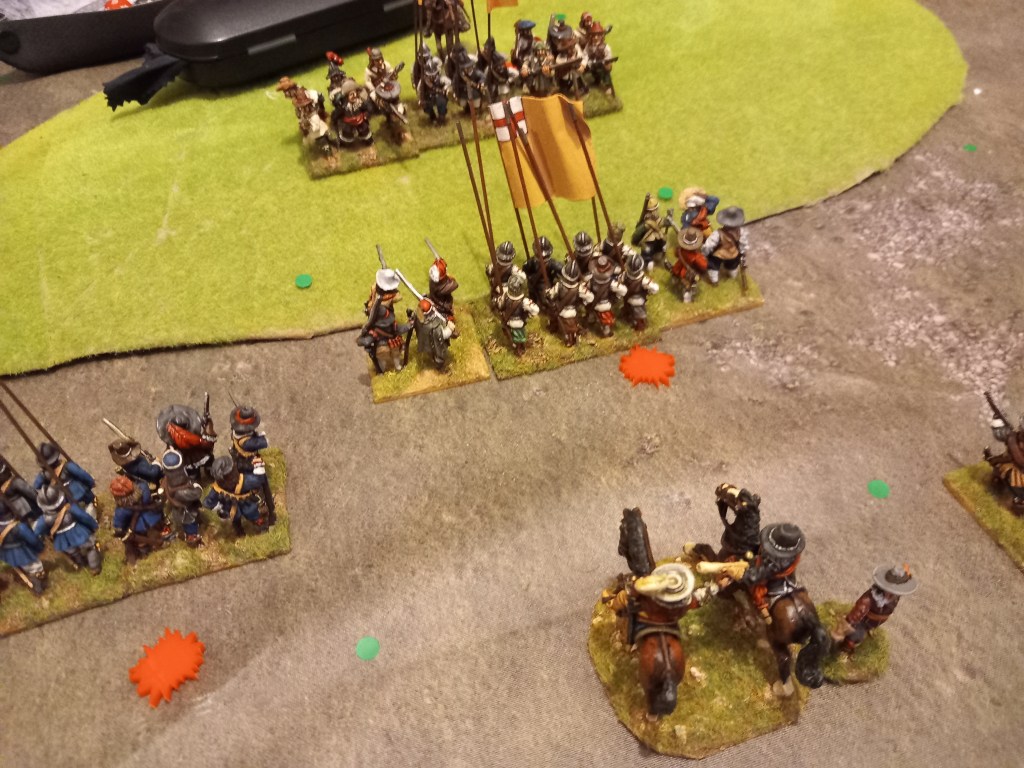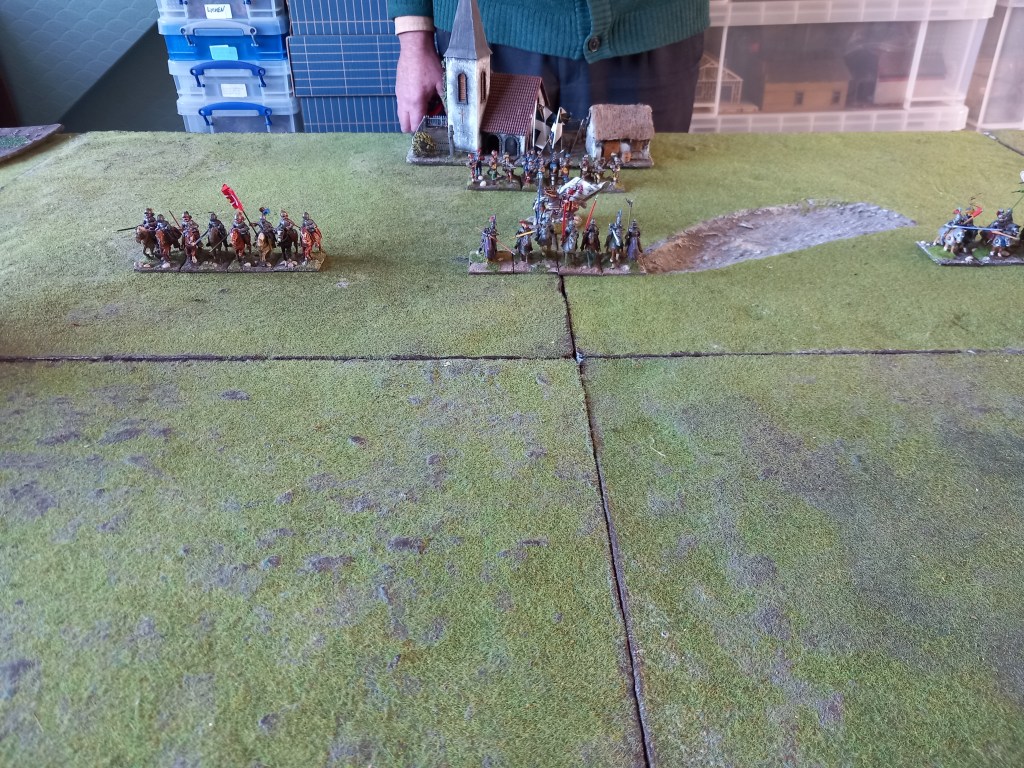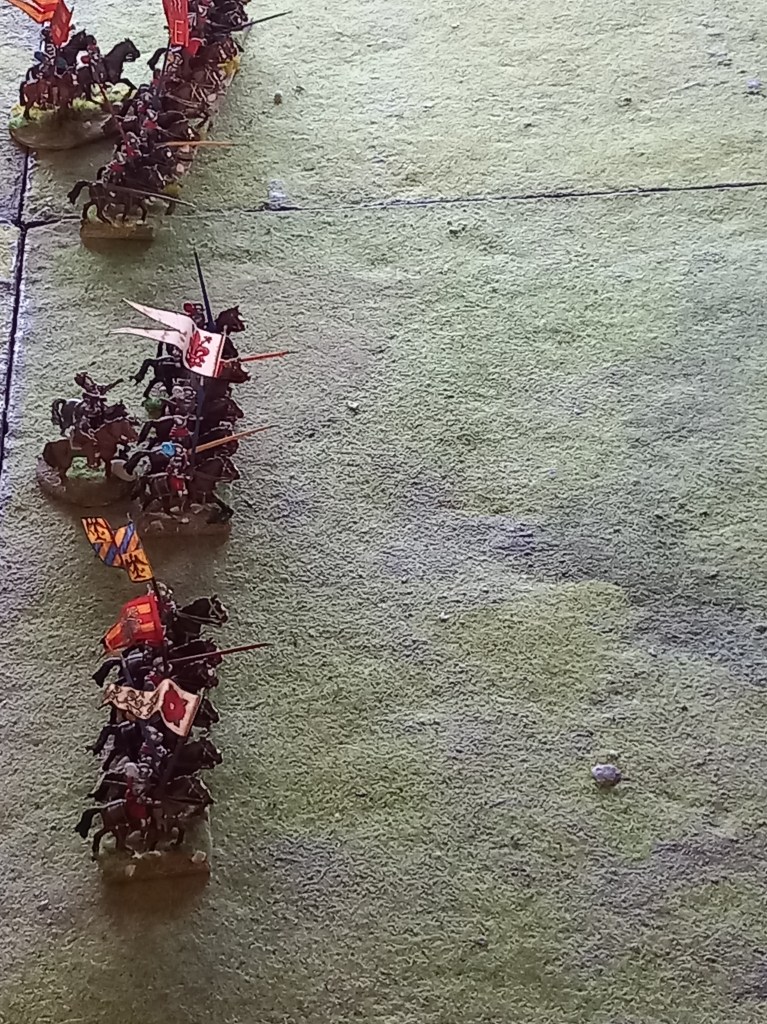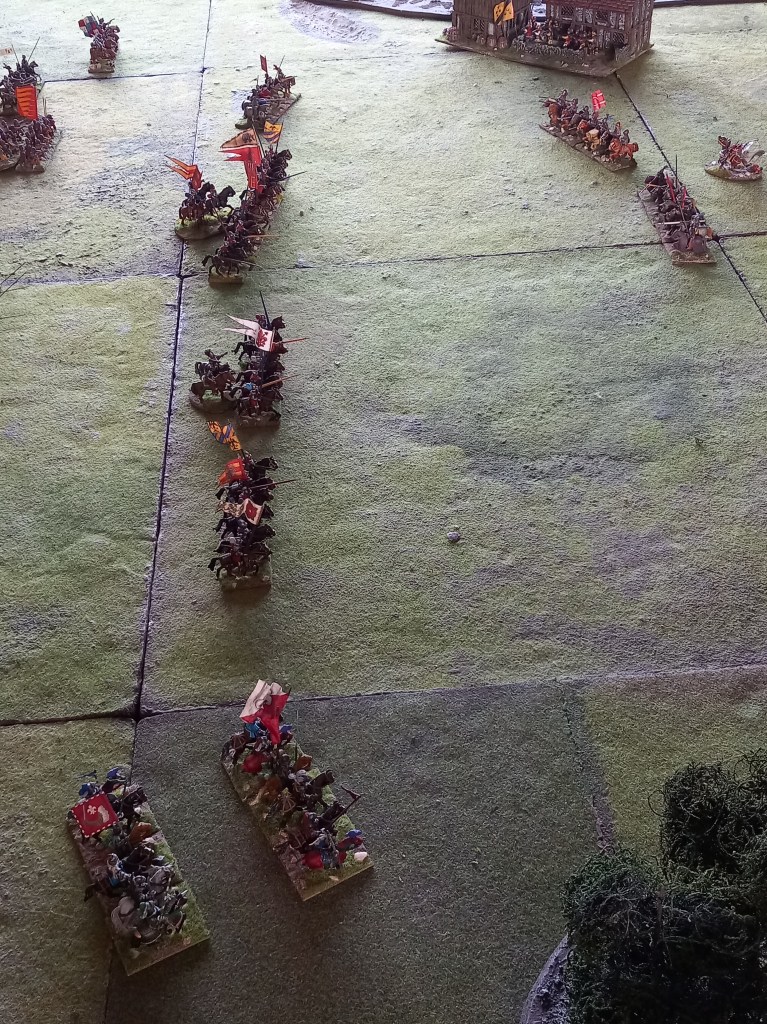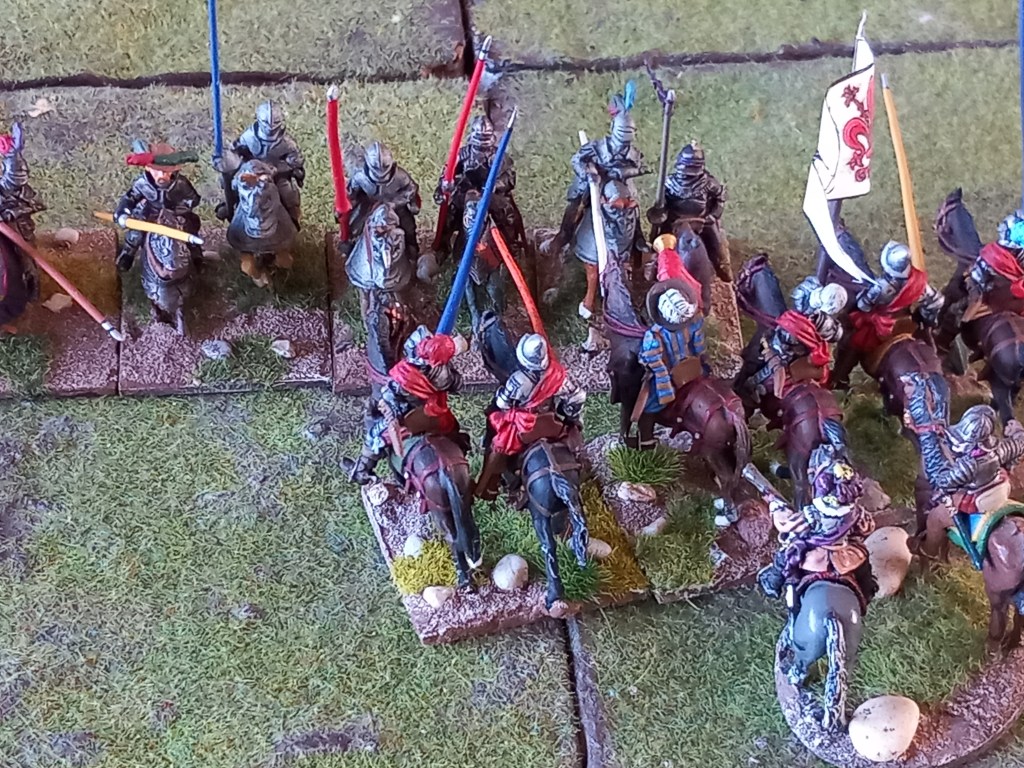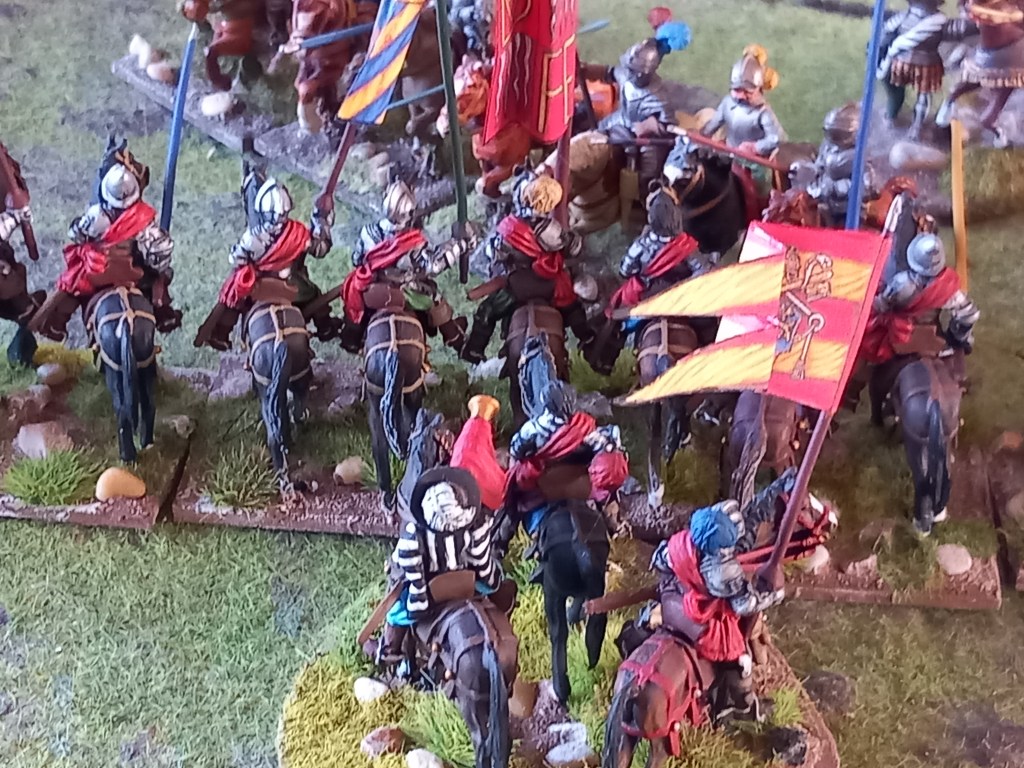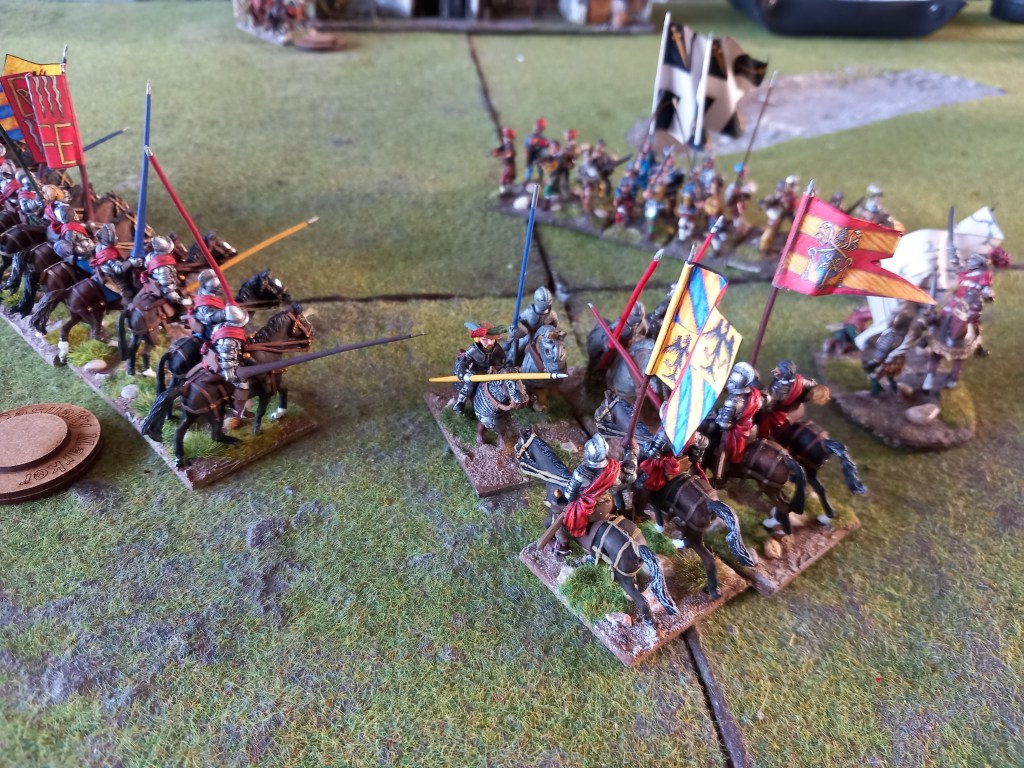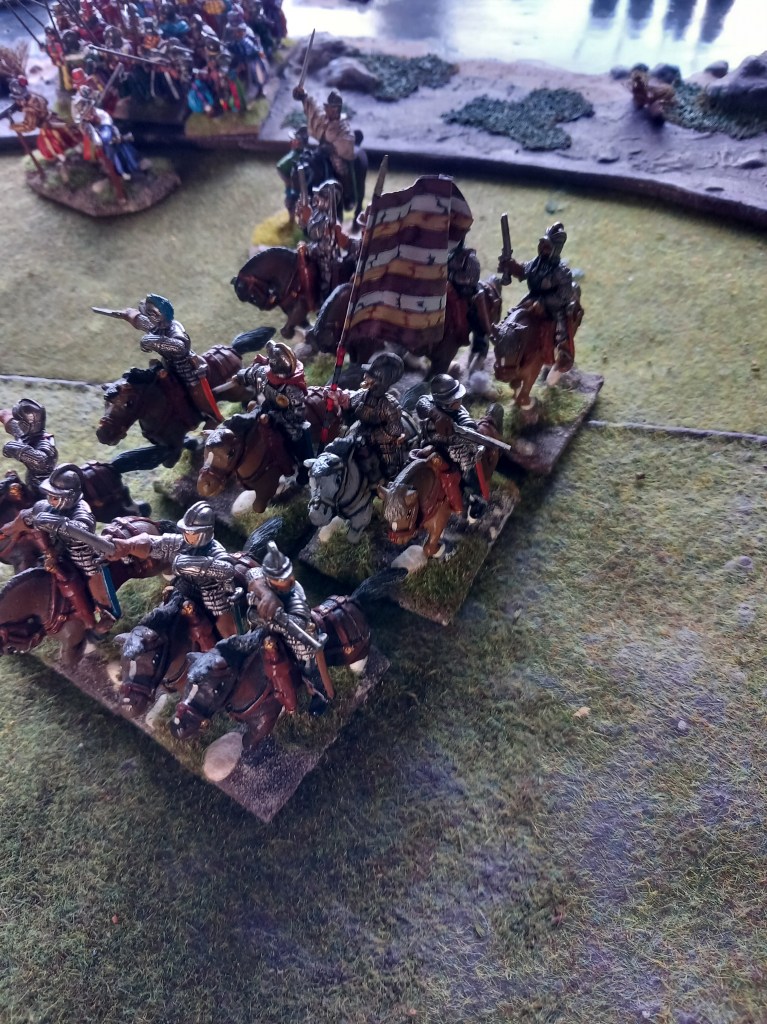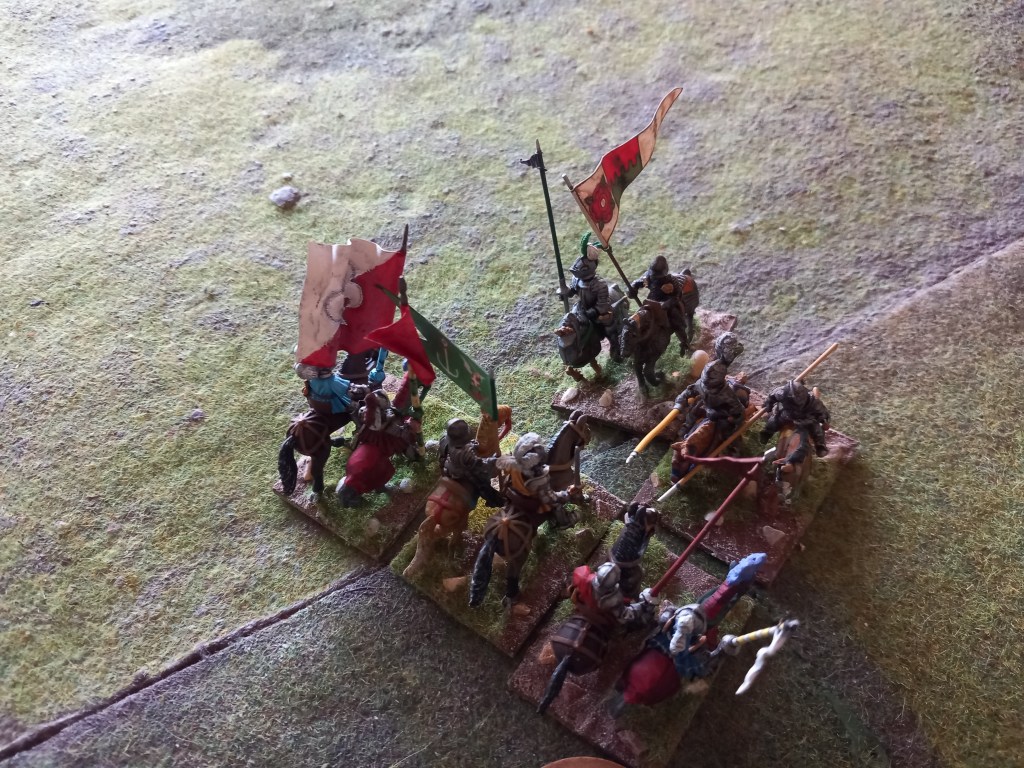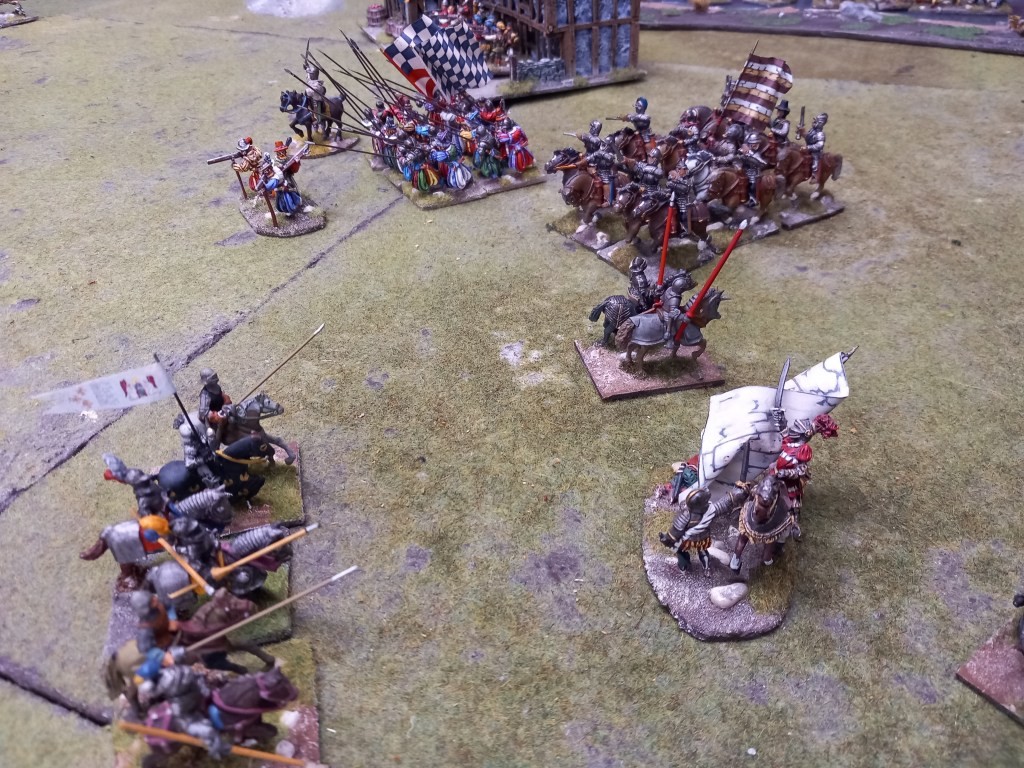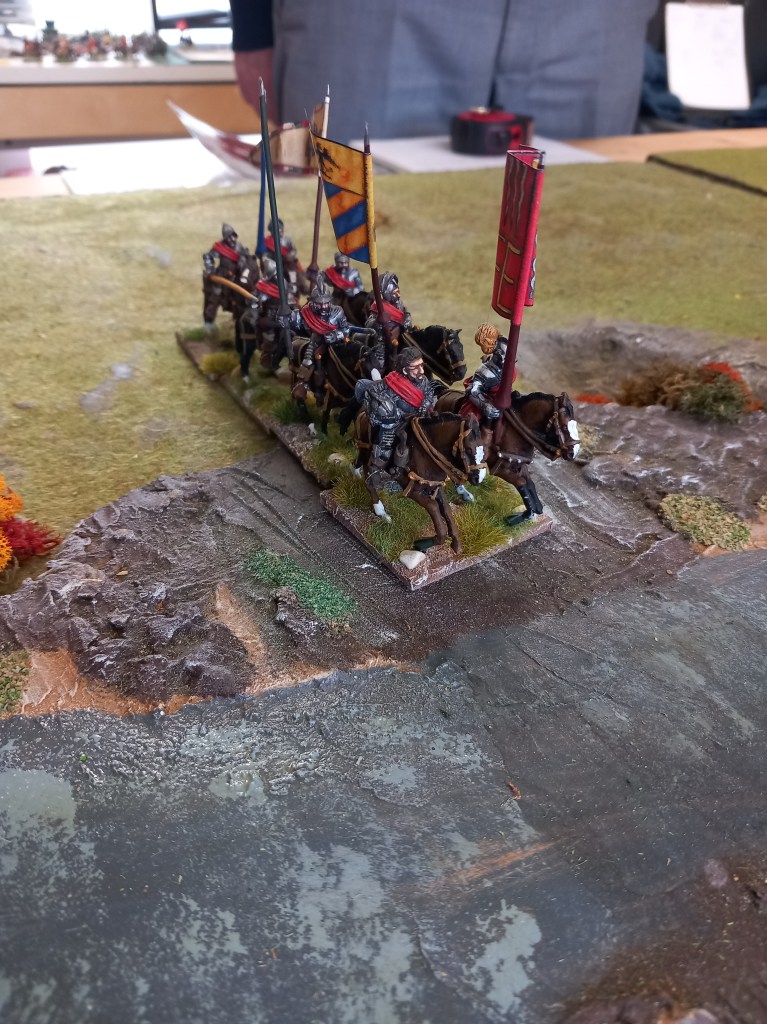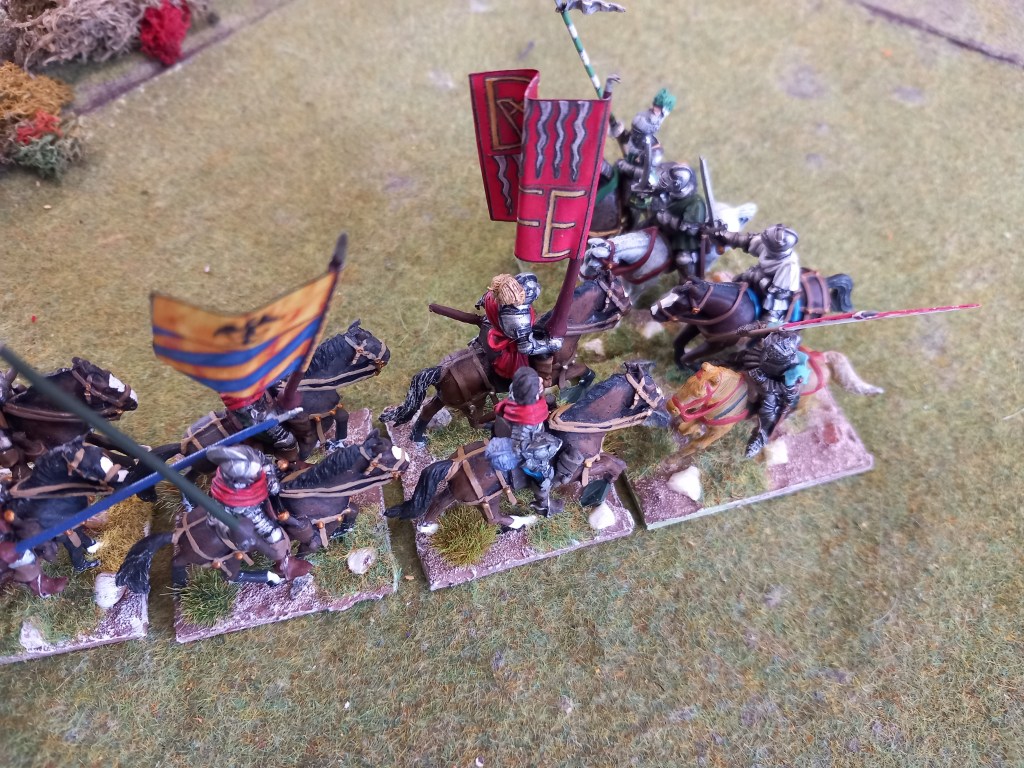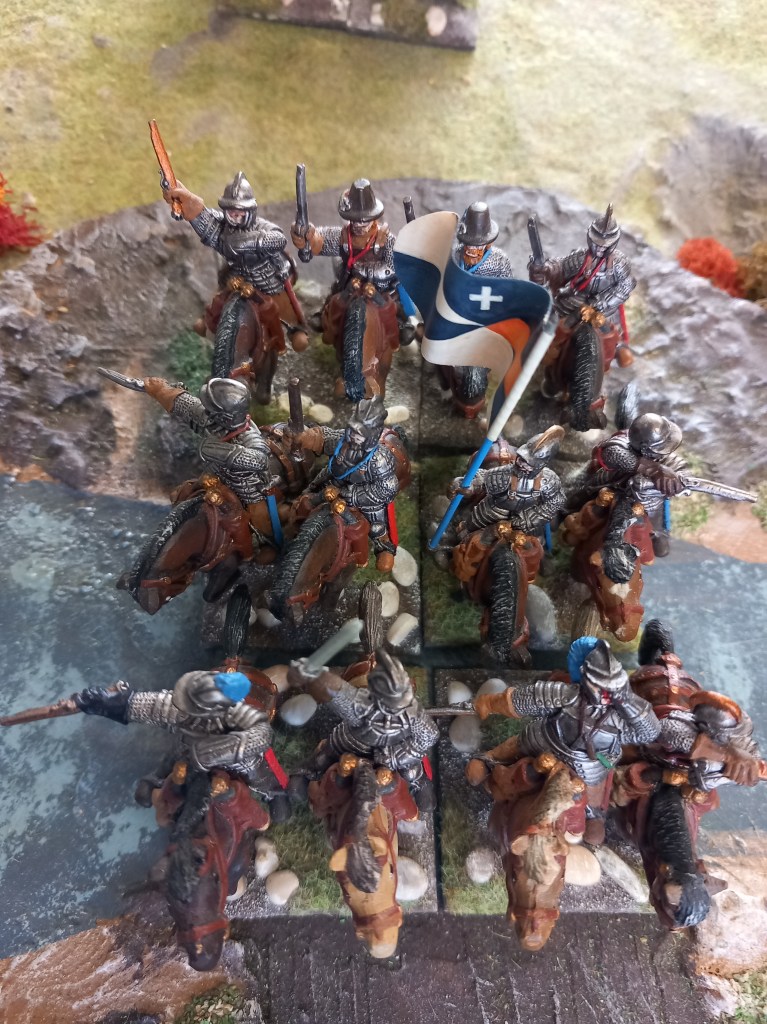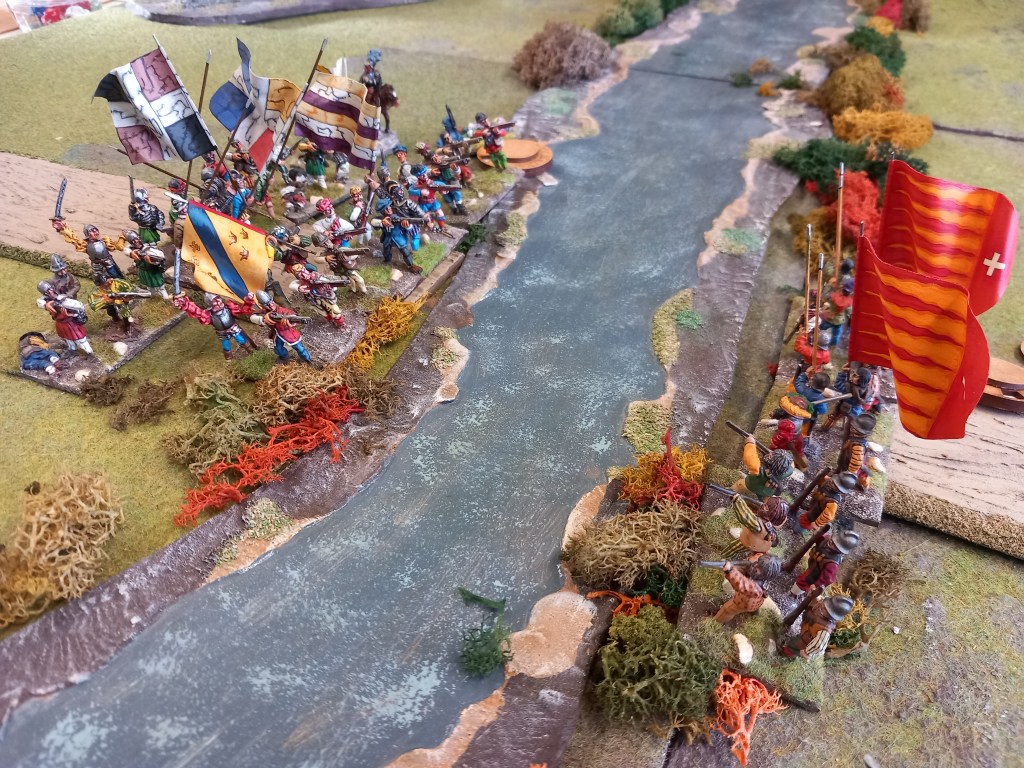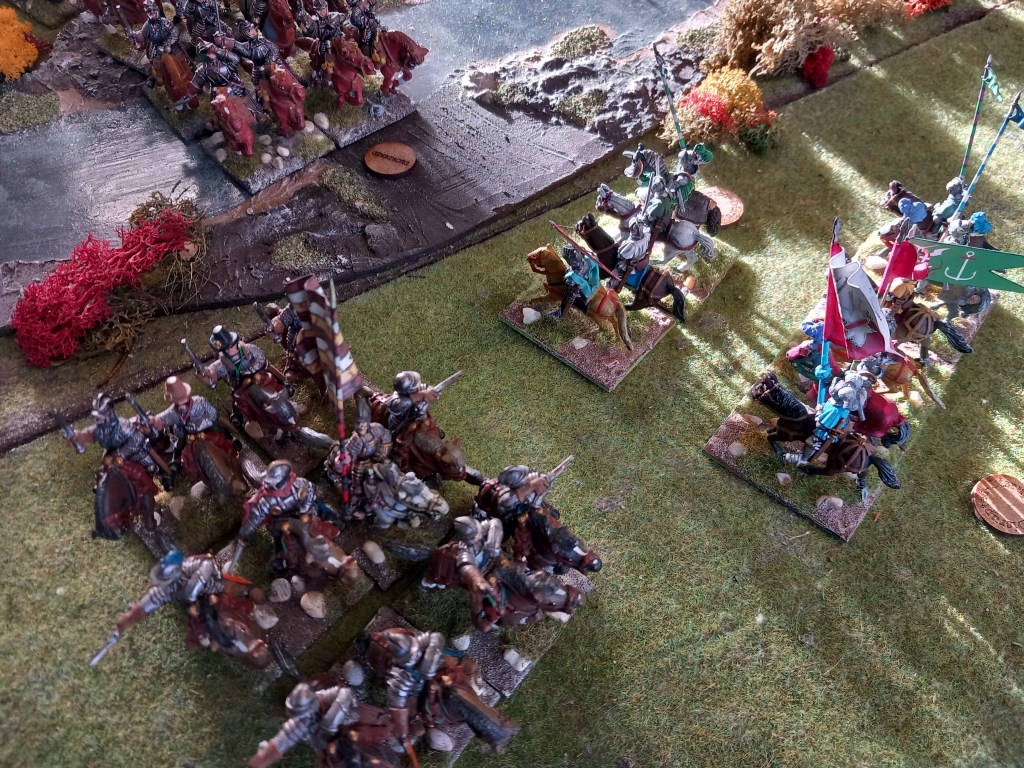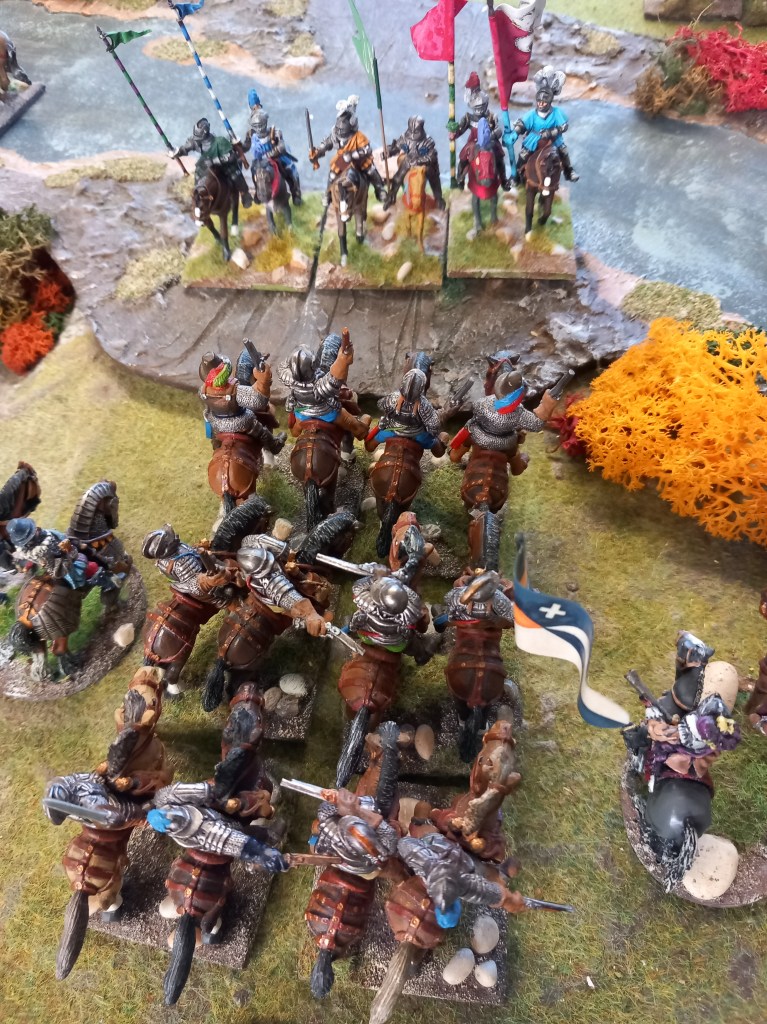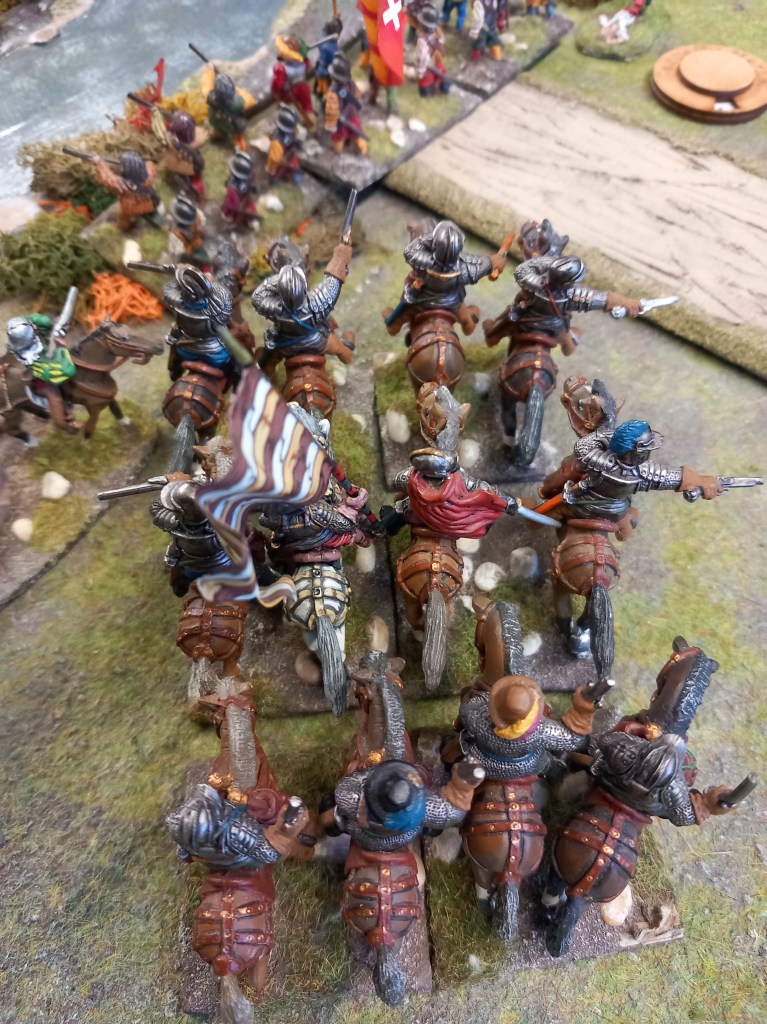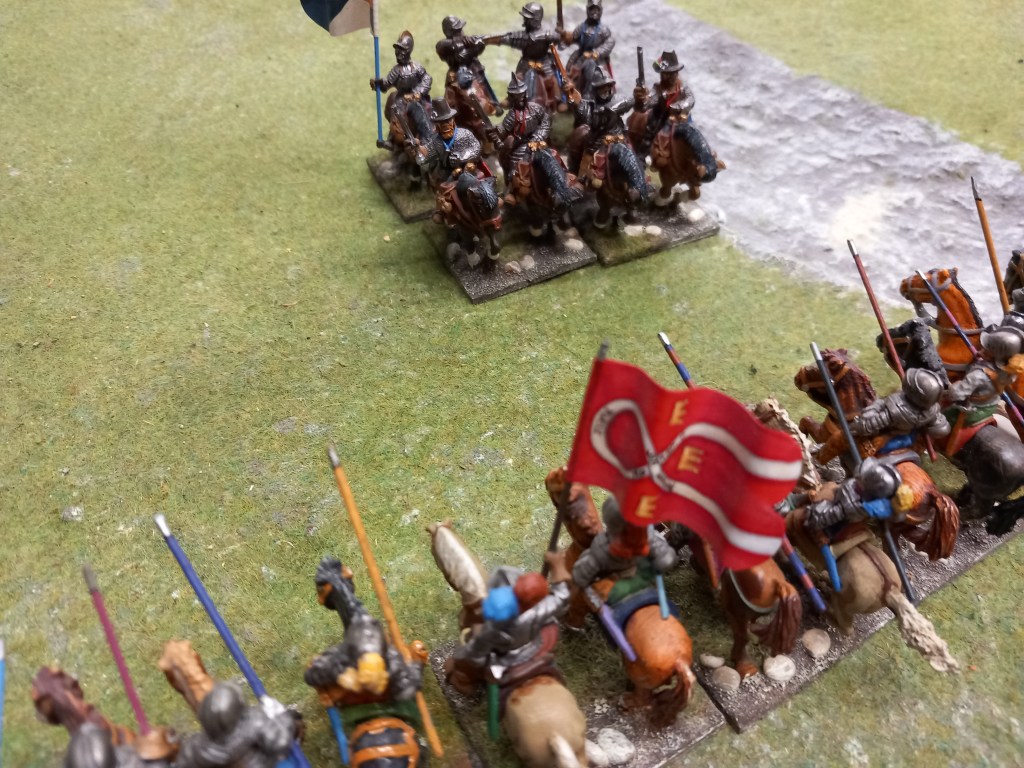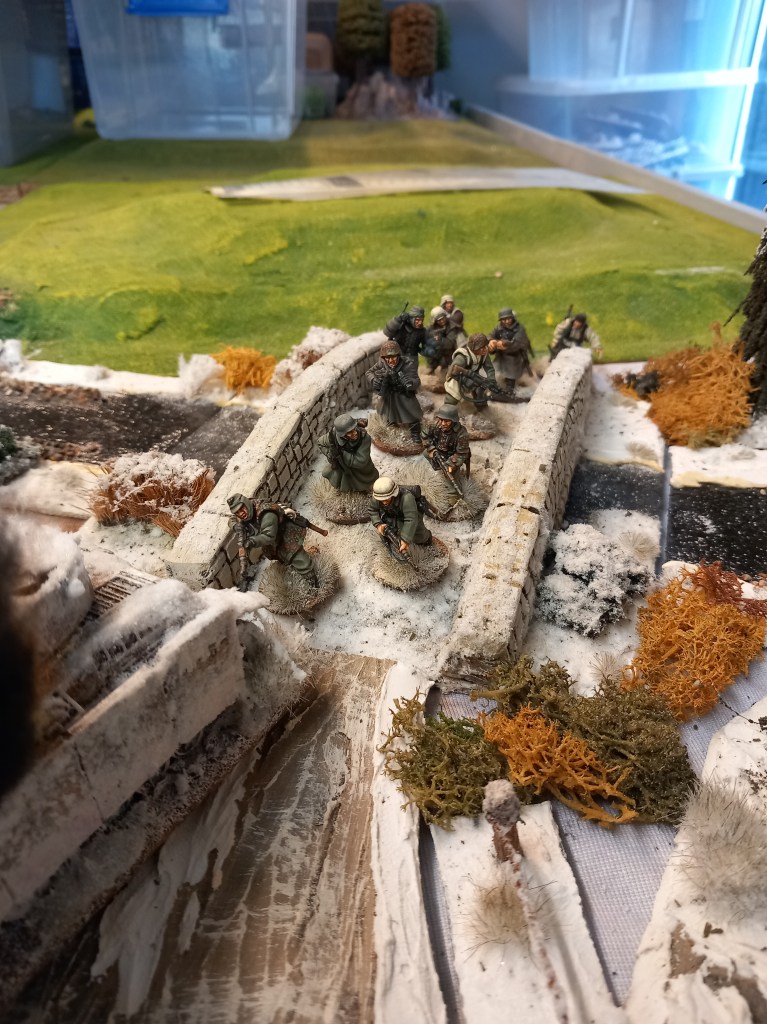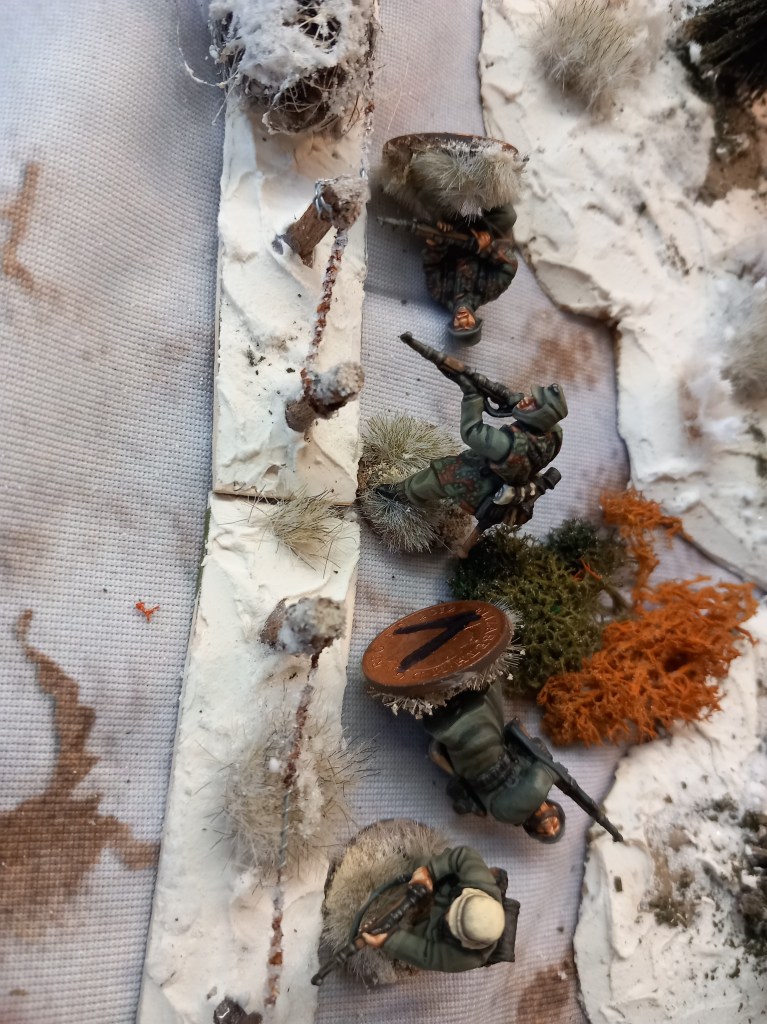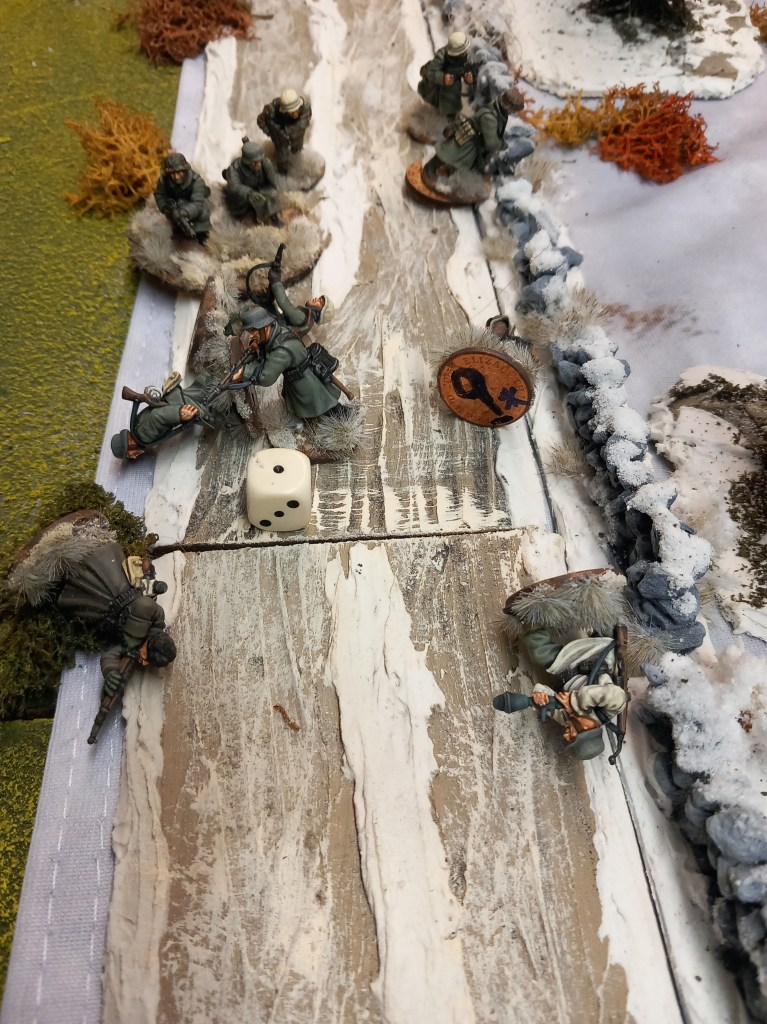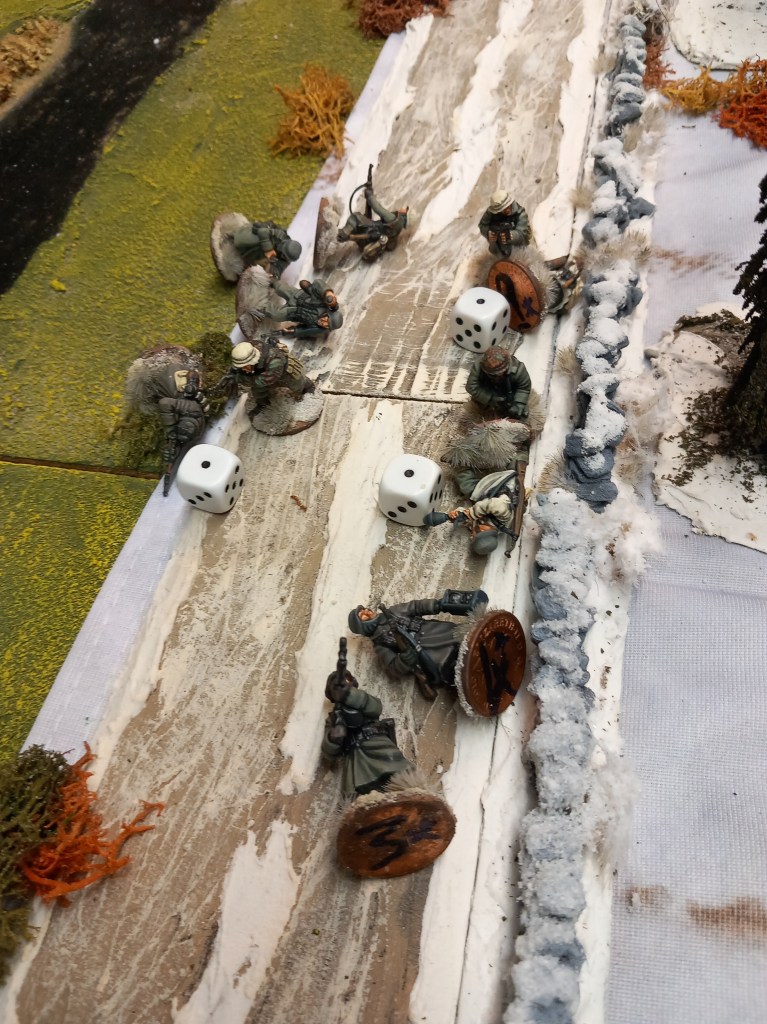
A bit late with getting this one out, a family holiday inconveniently got in the way 🤣
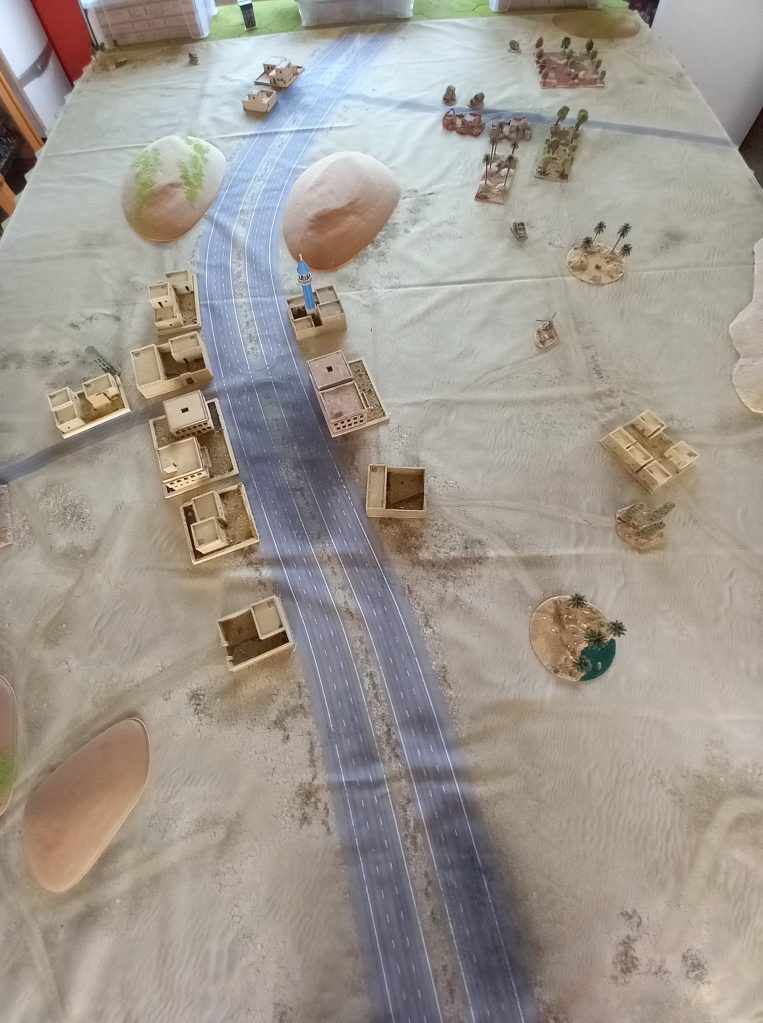
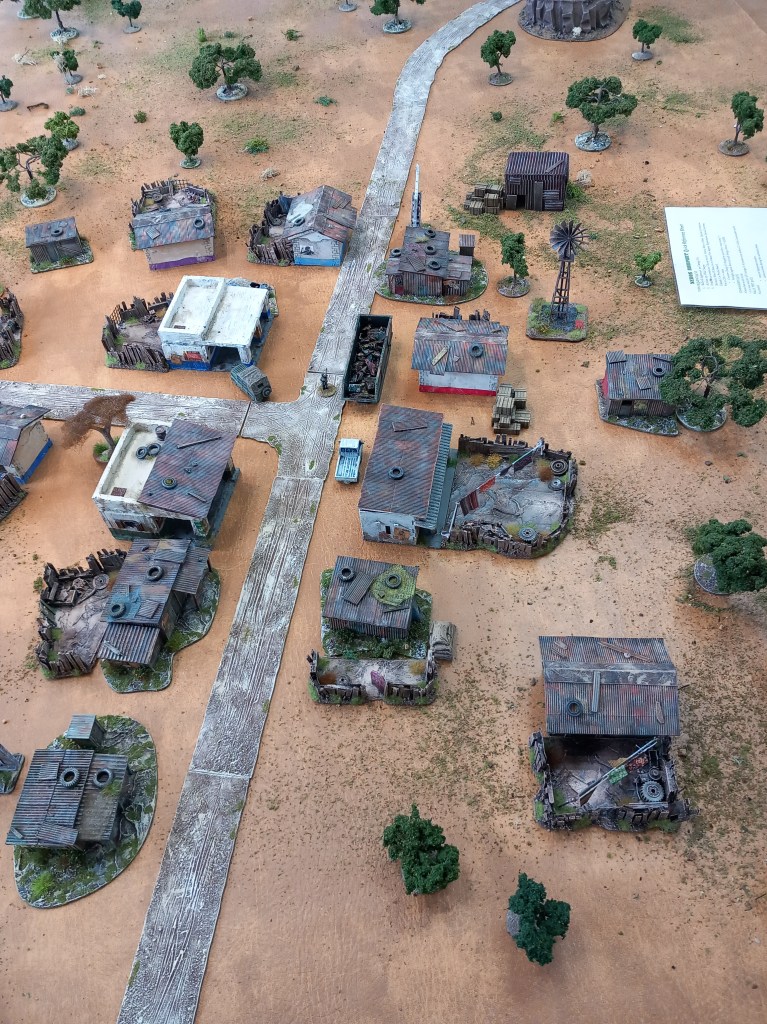
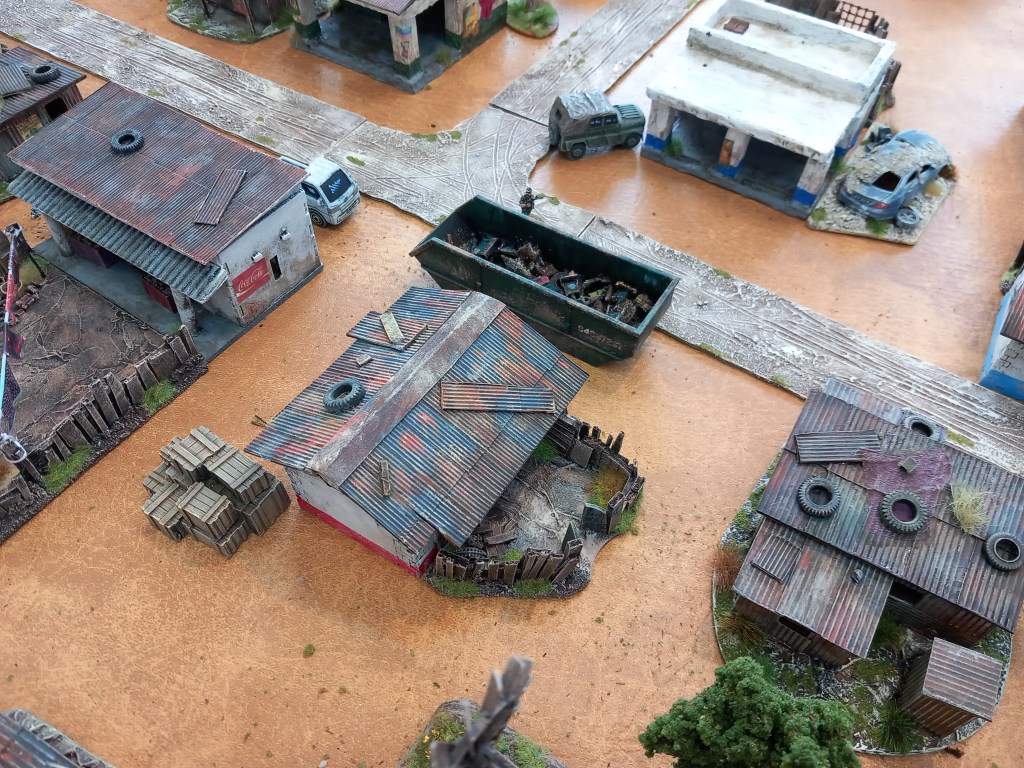
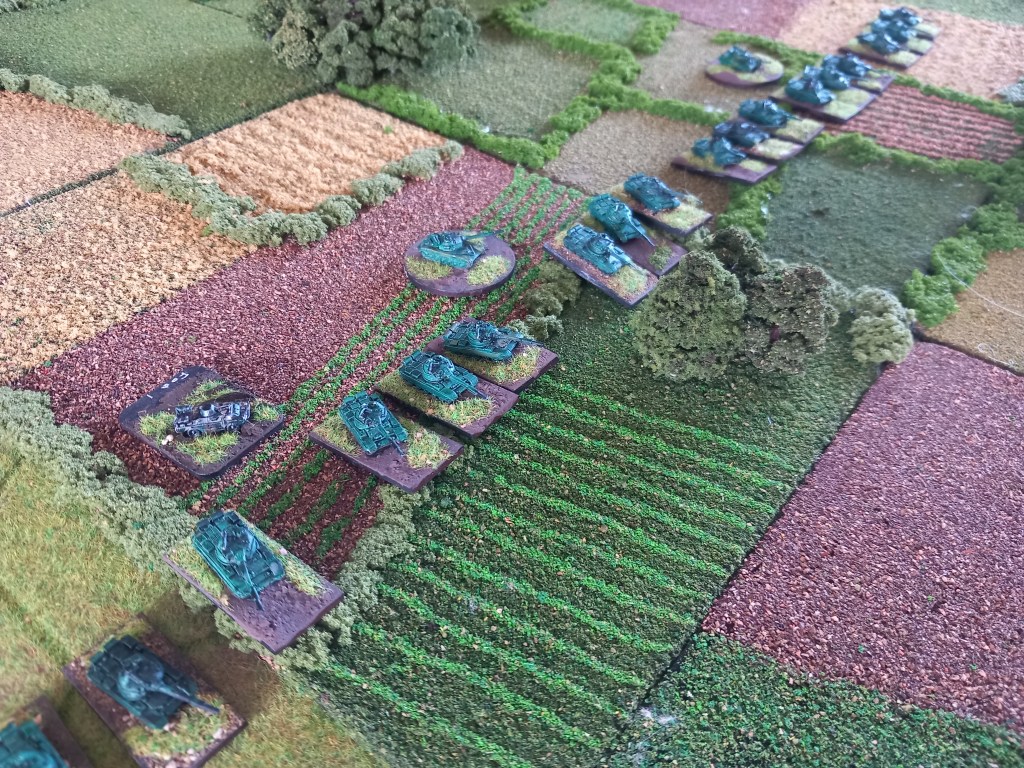
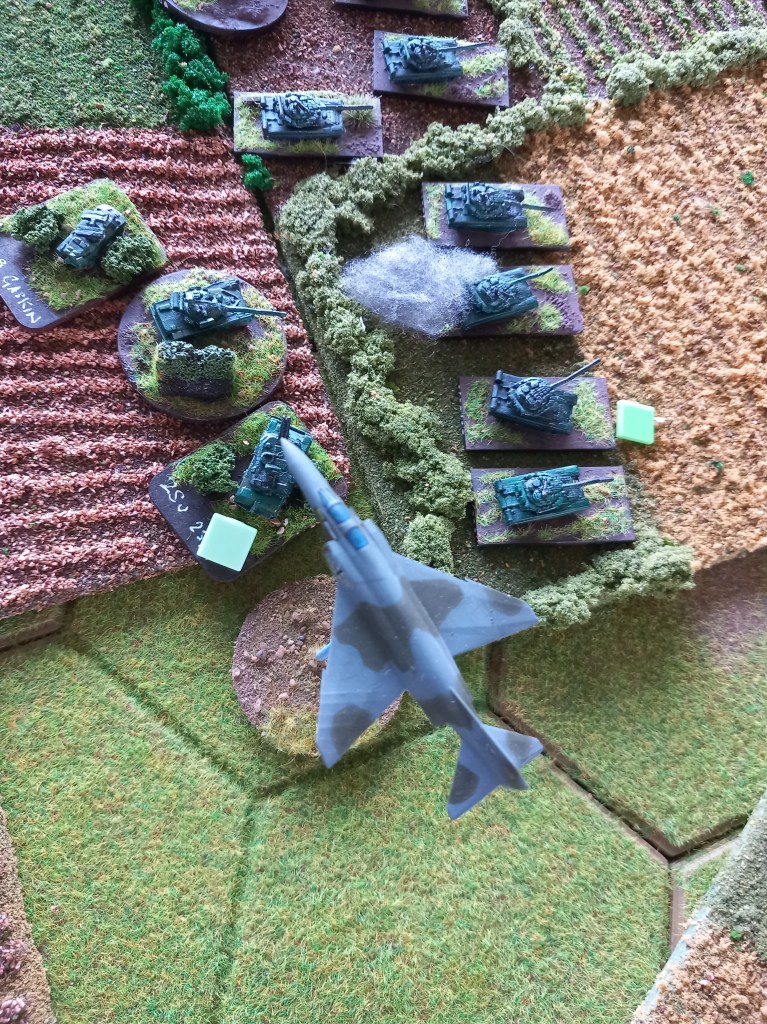
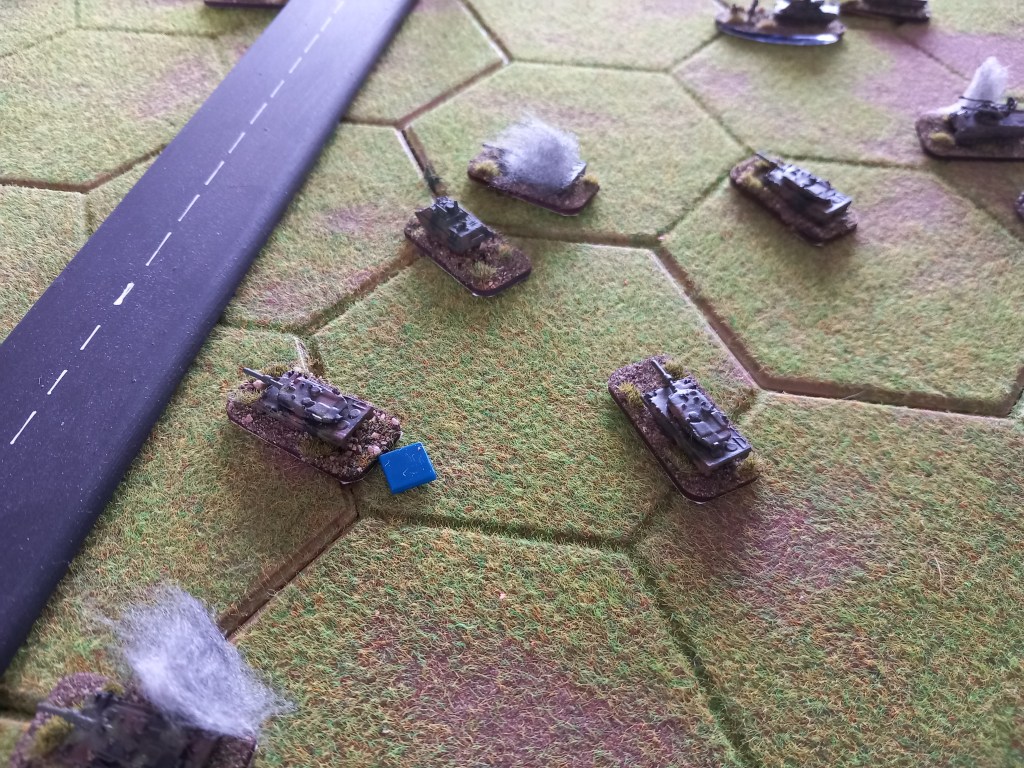
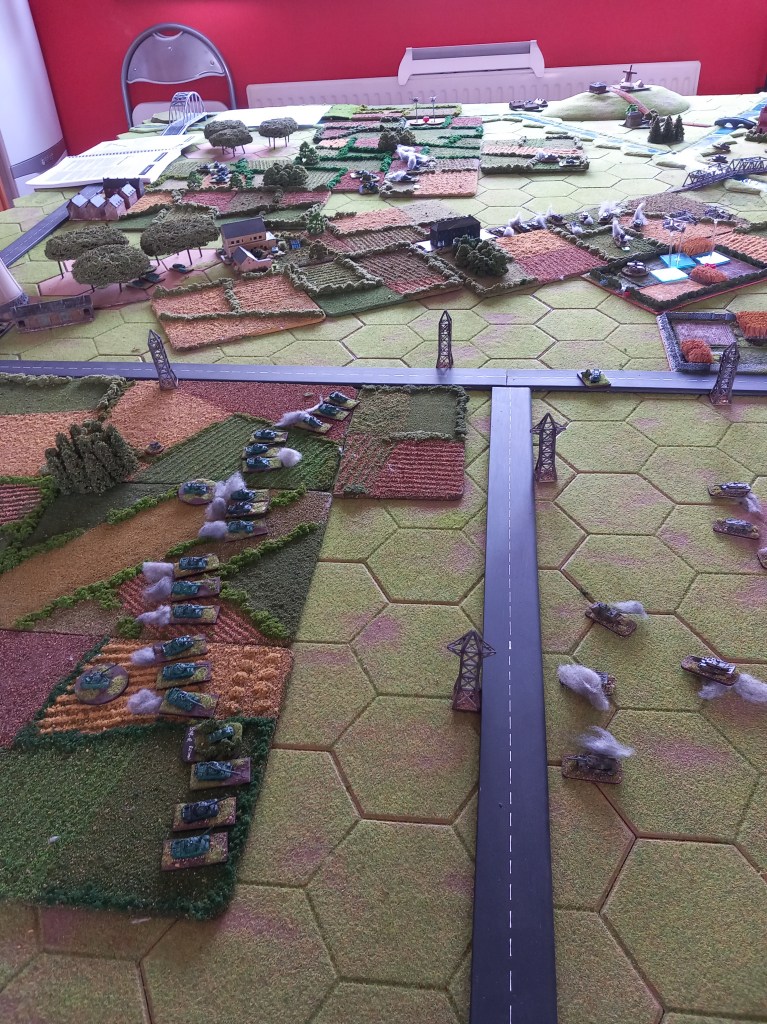
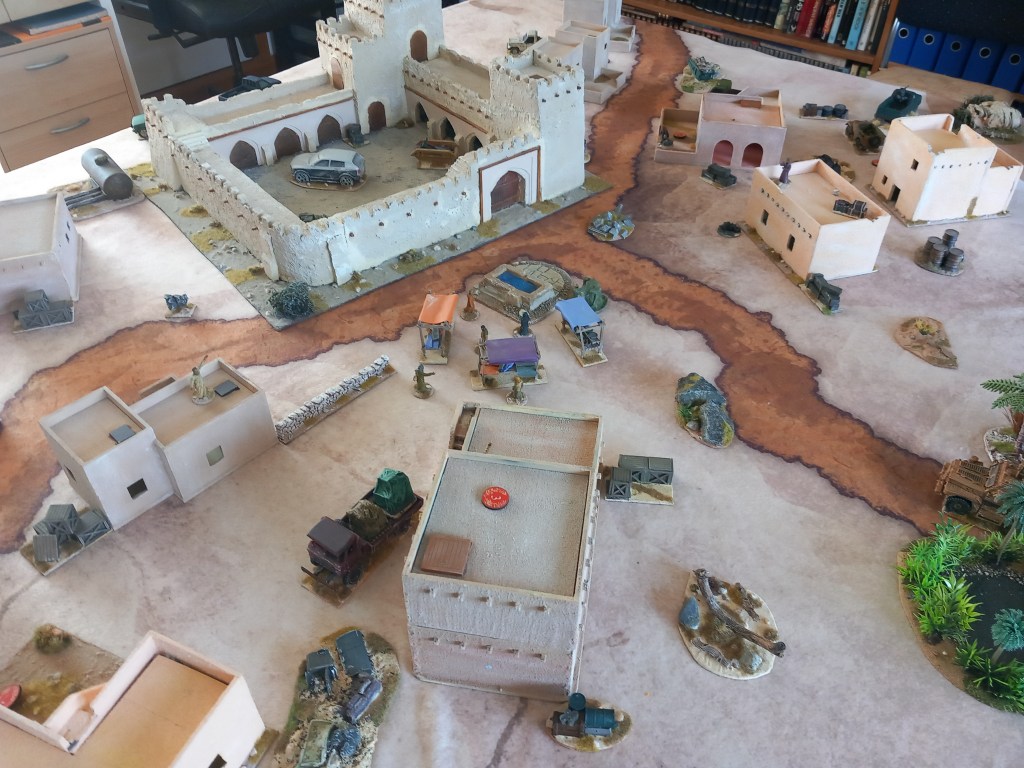
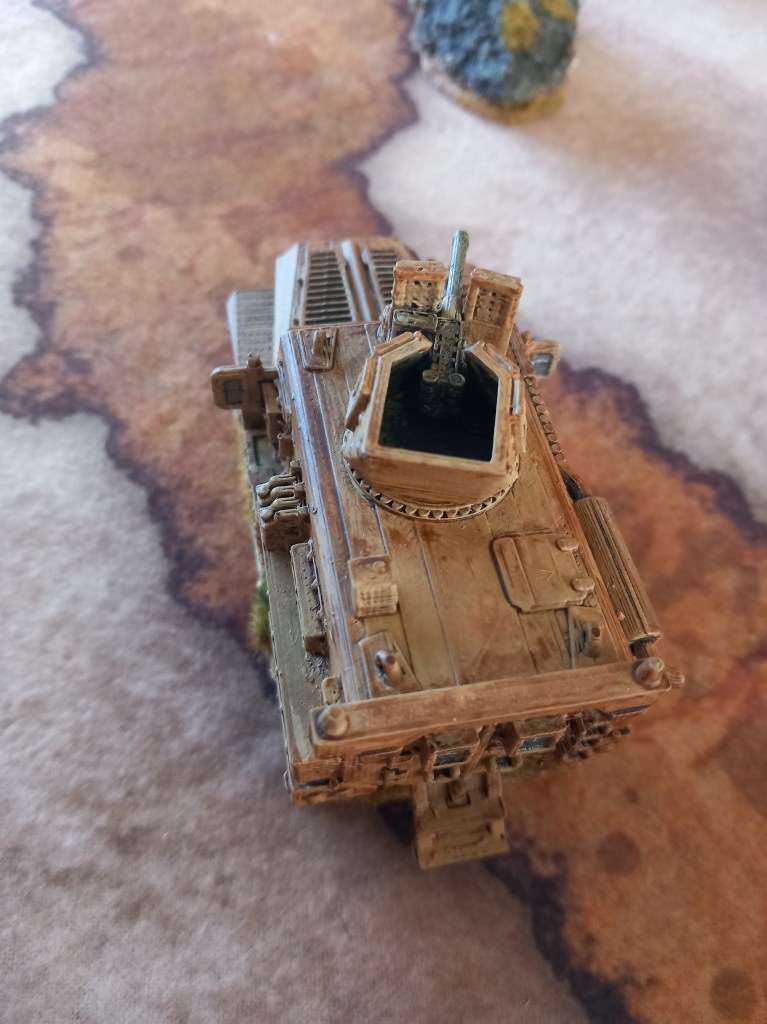
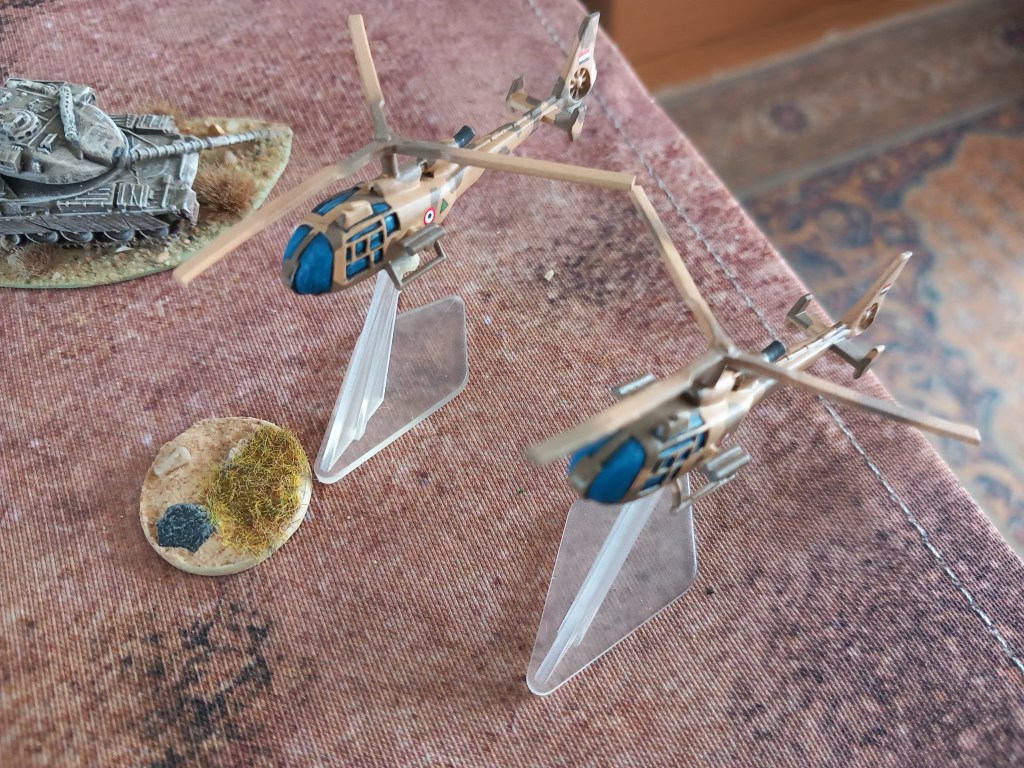
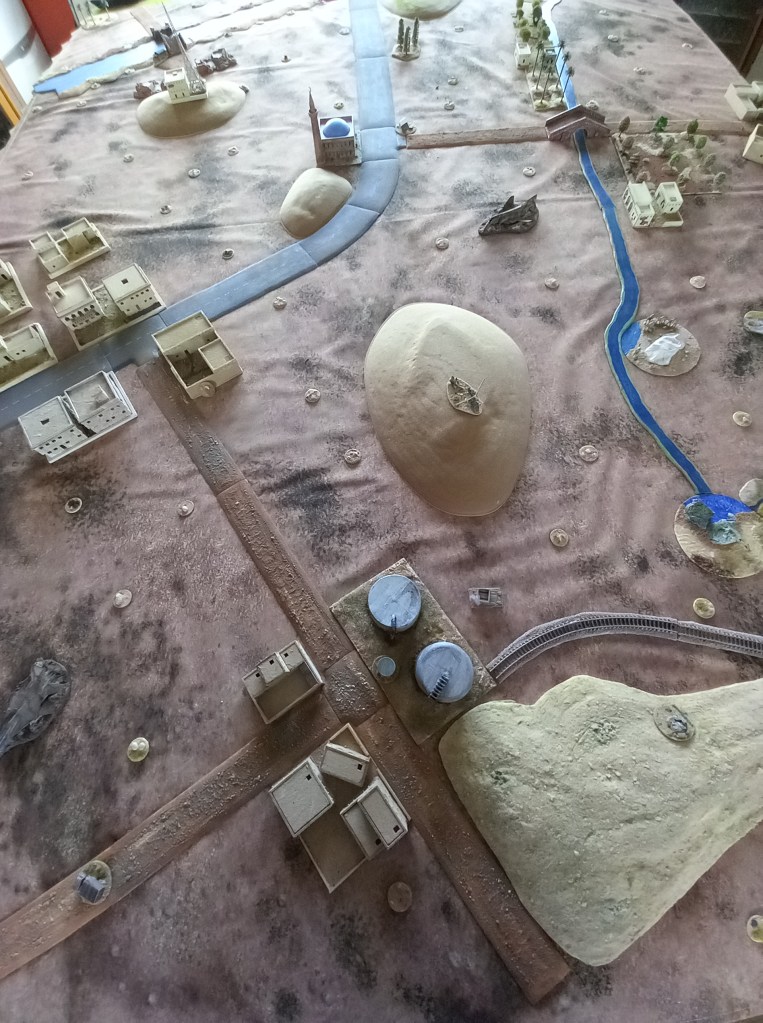
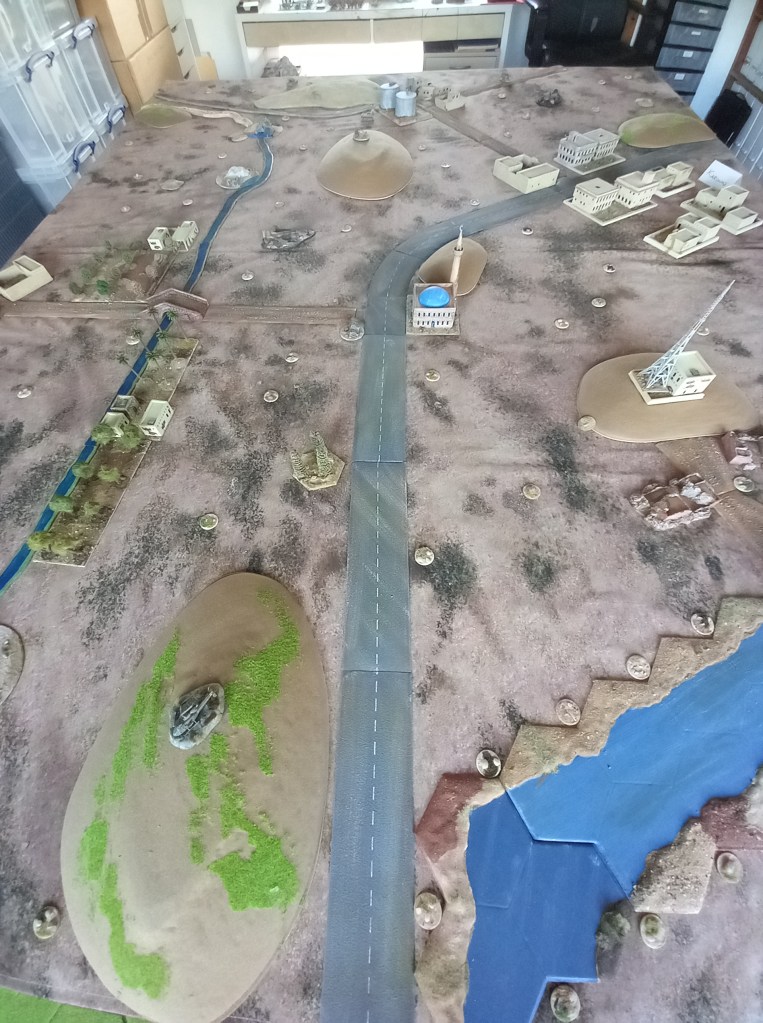
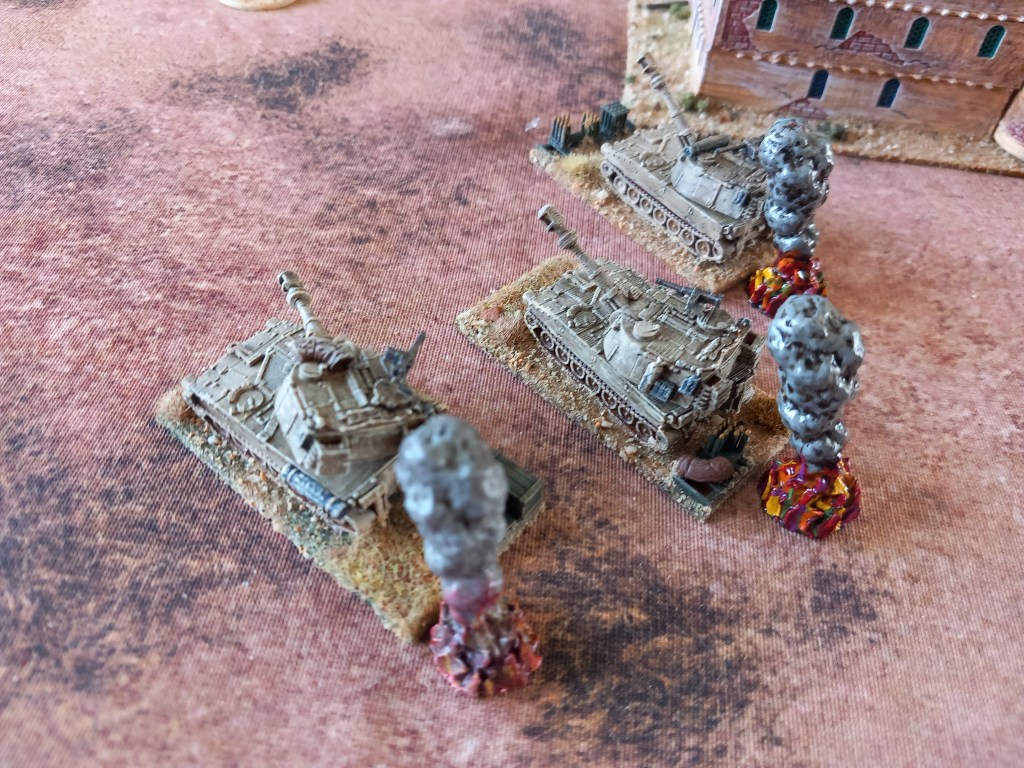
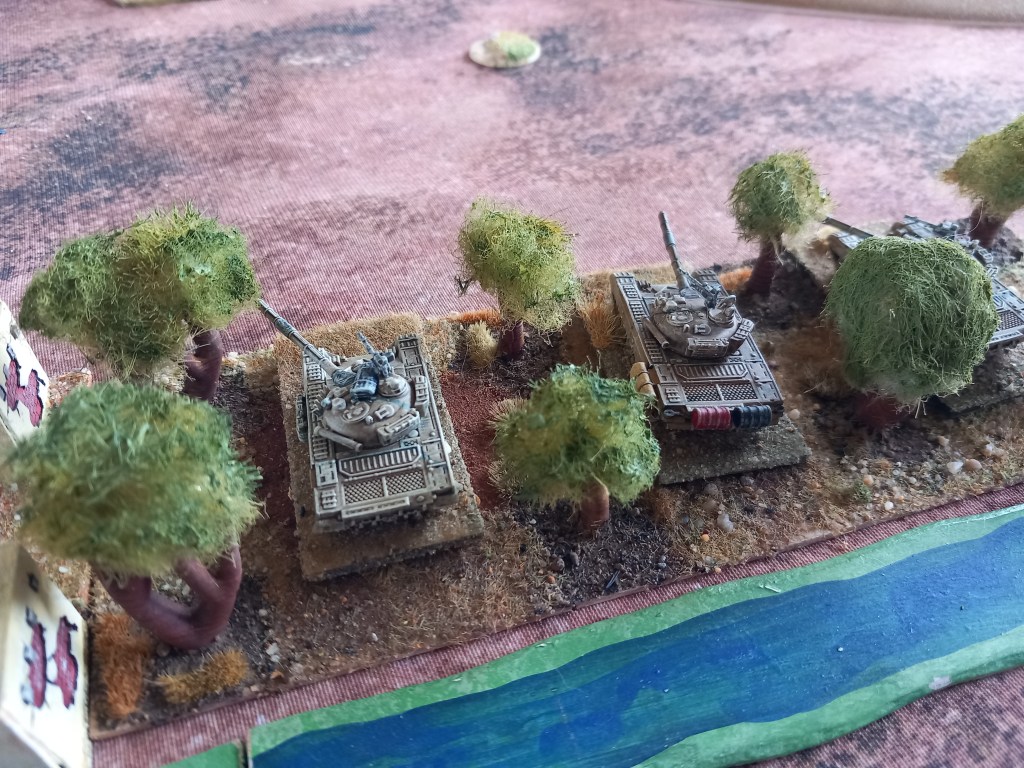
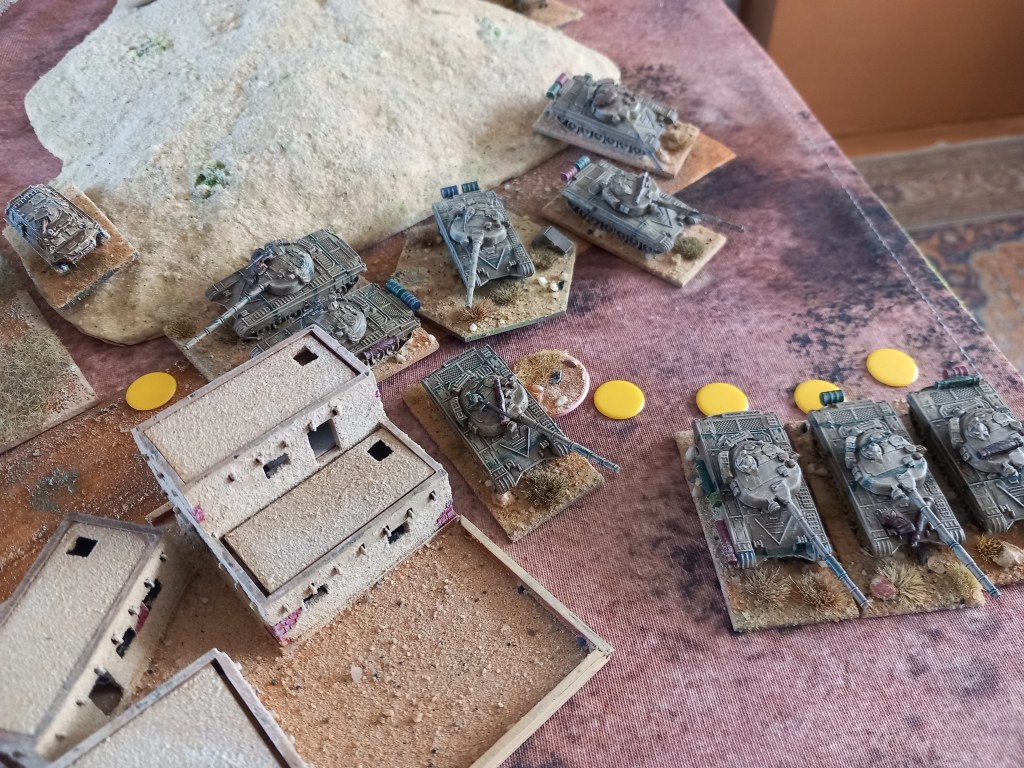
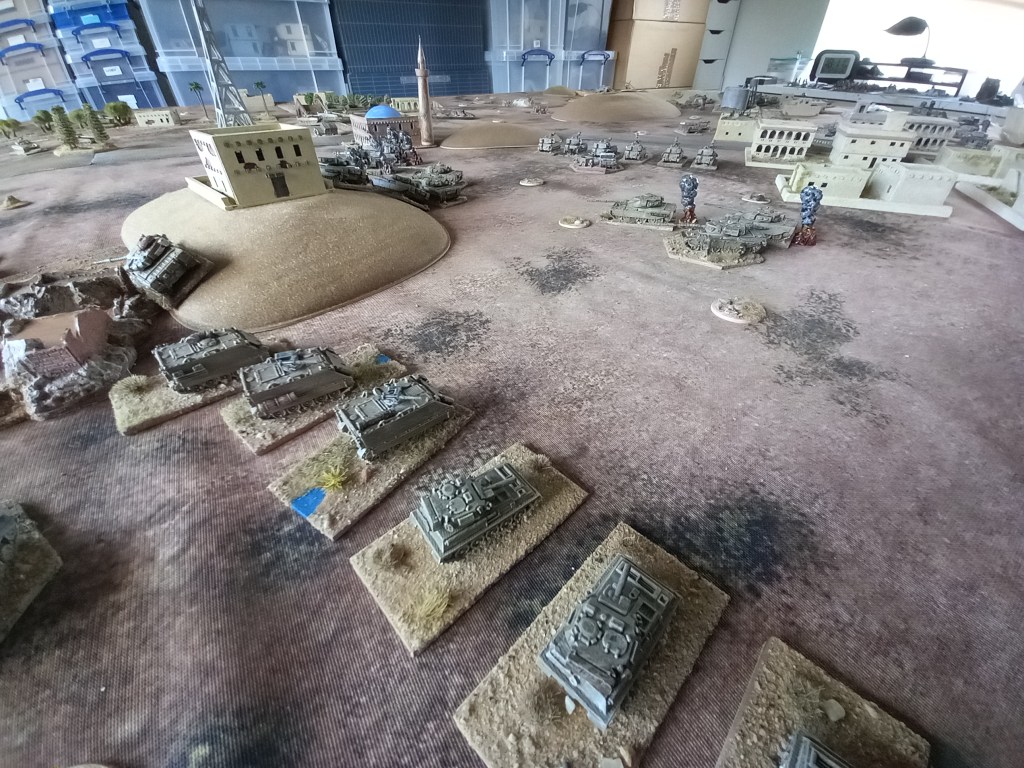
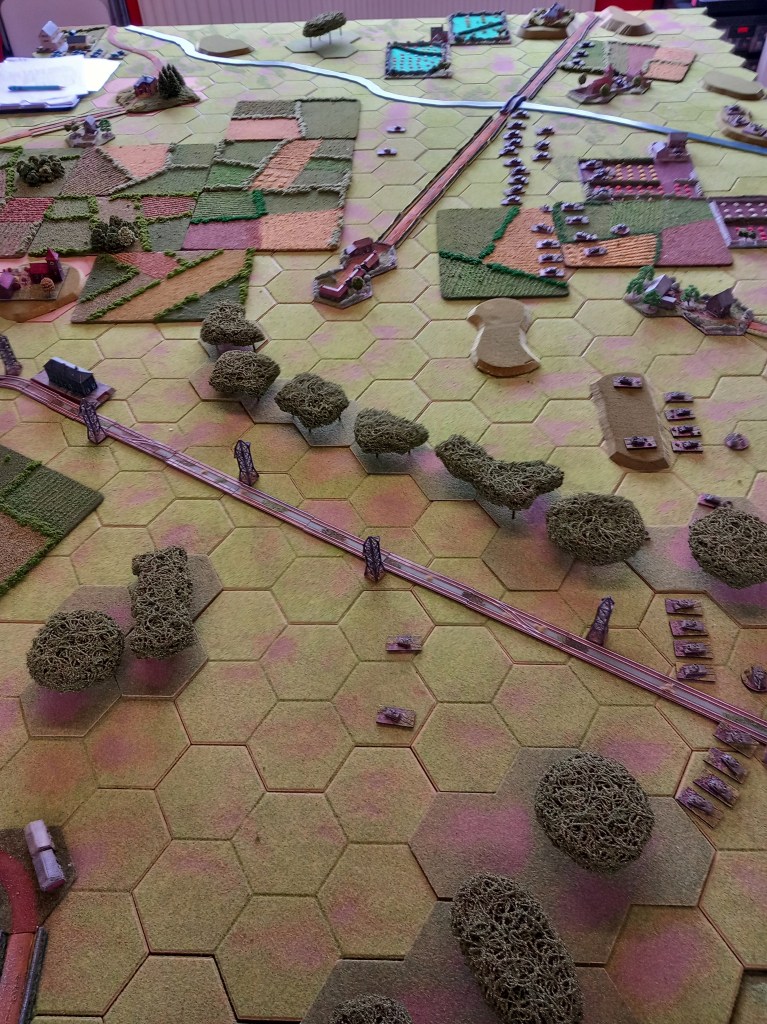
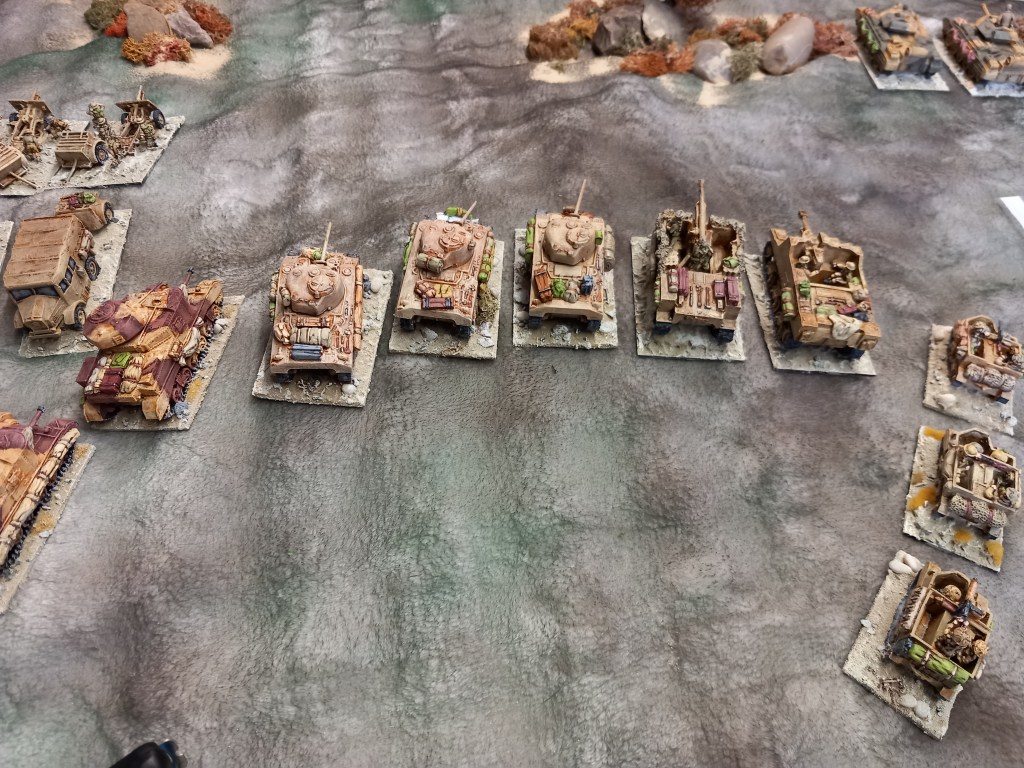
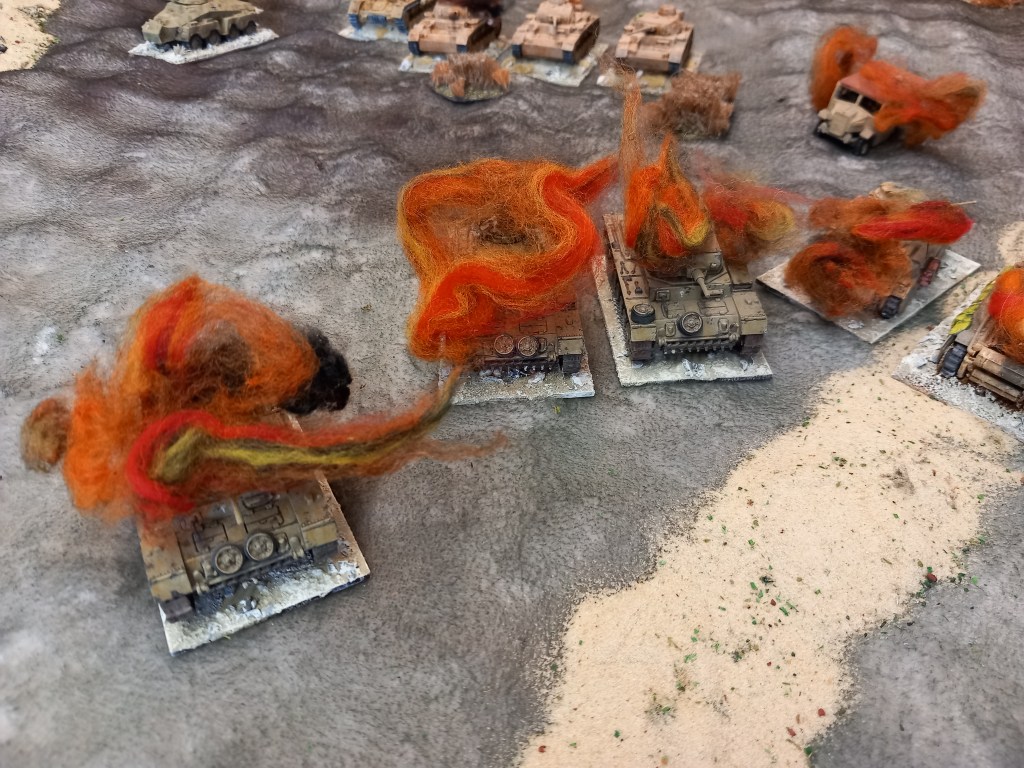
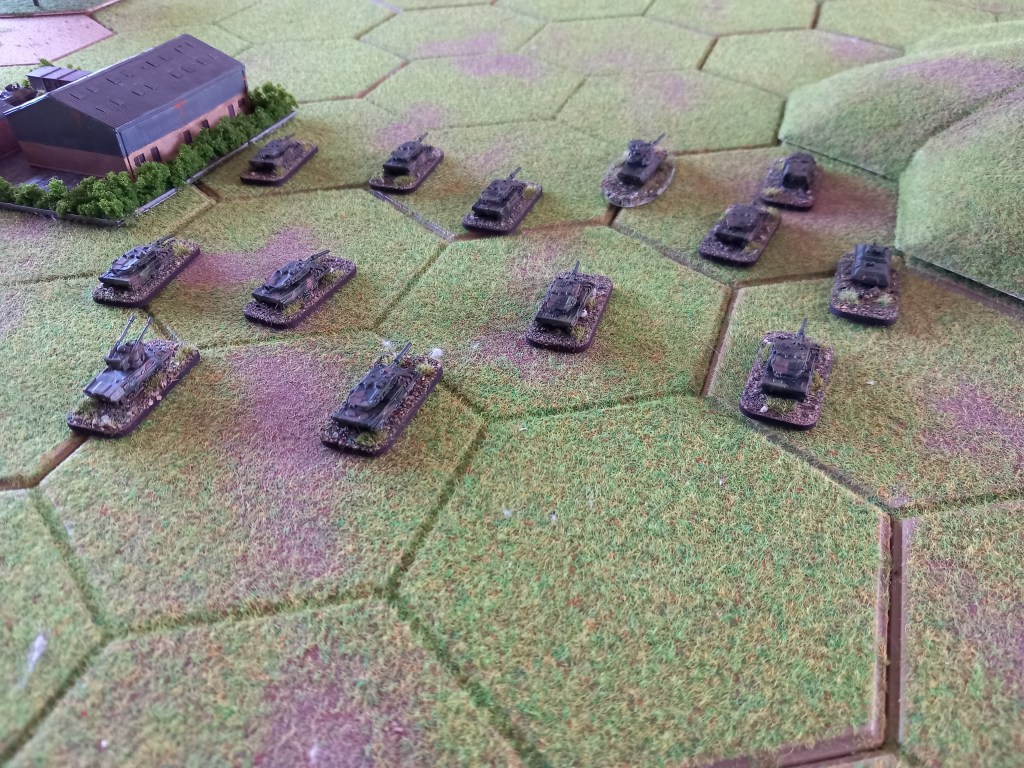
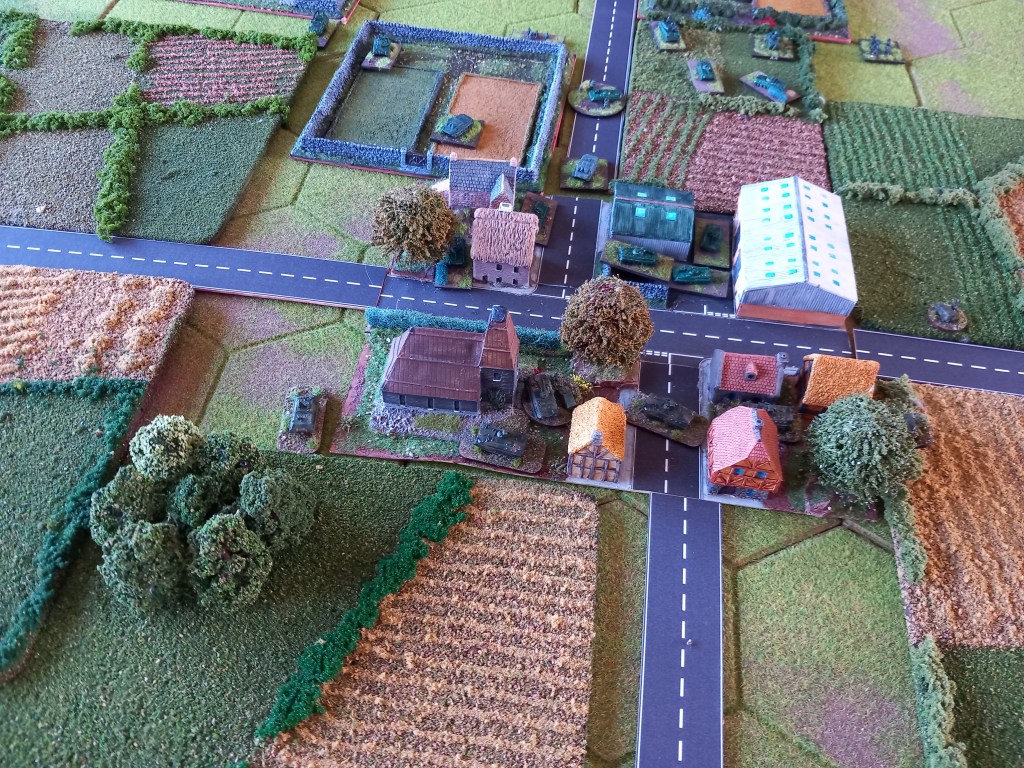
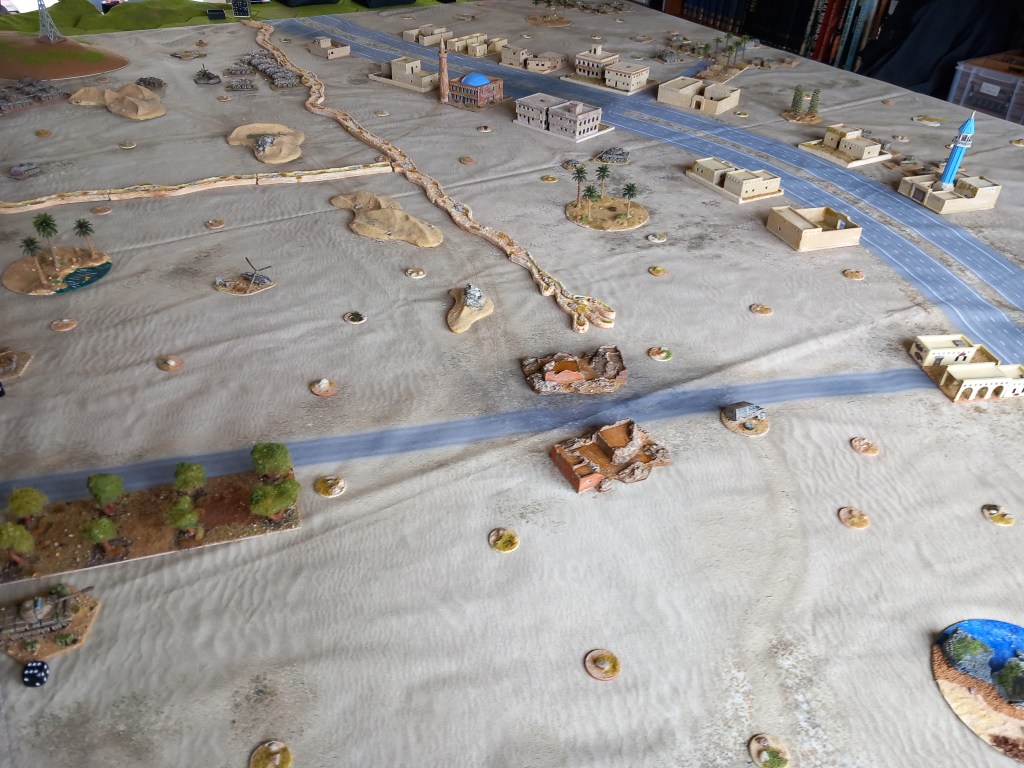
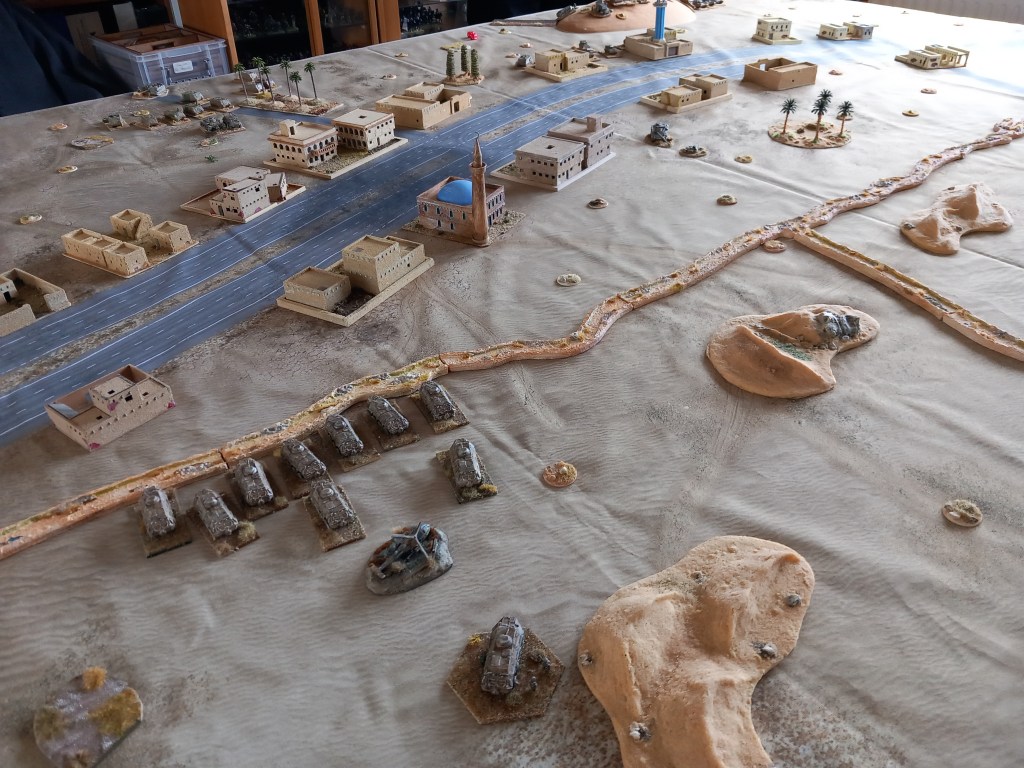
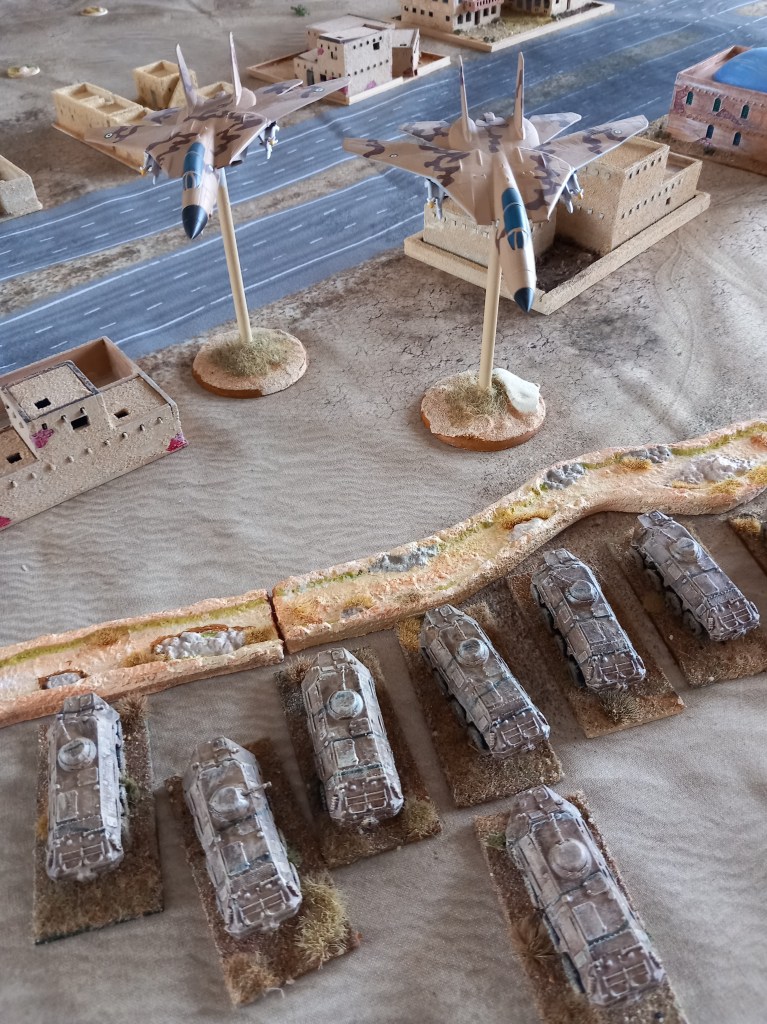
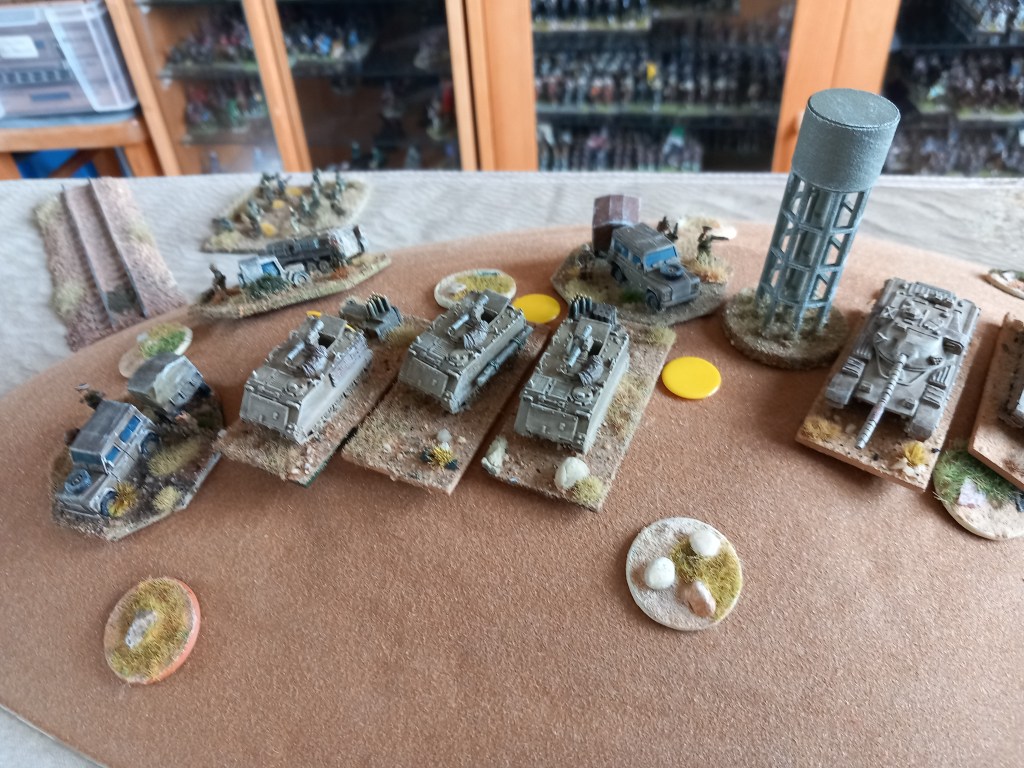
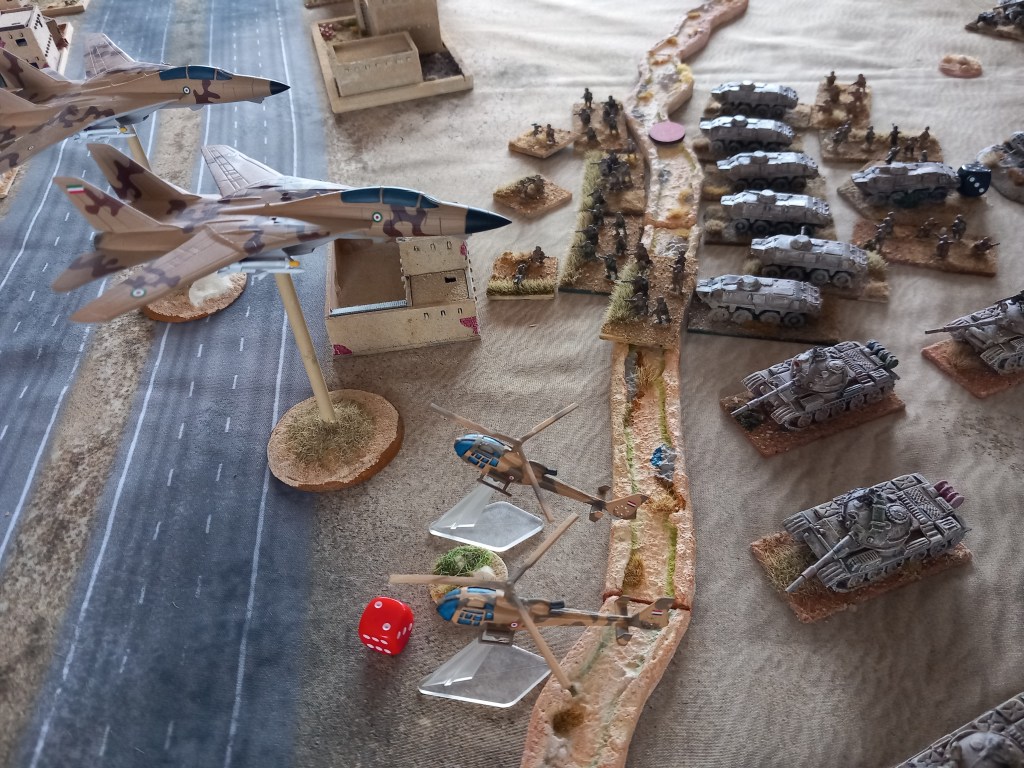
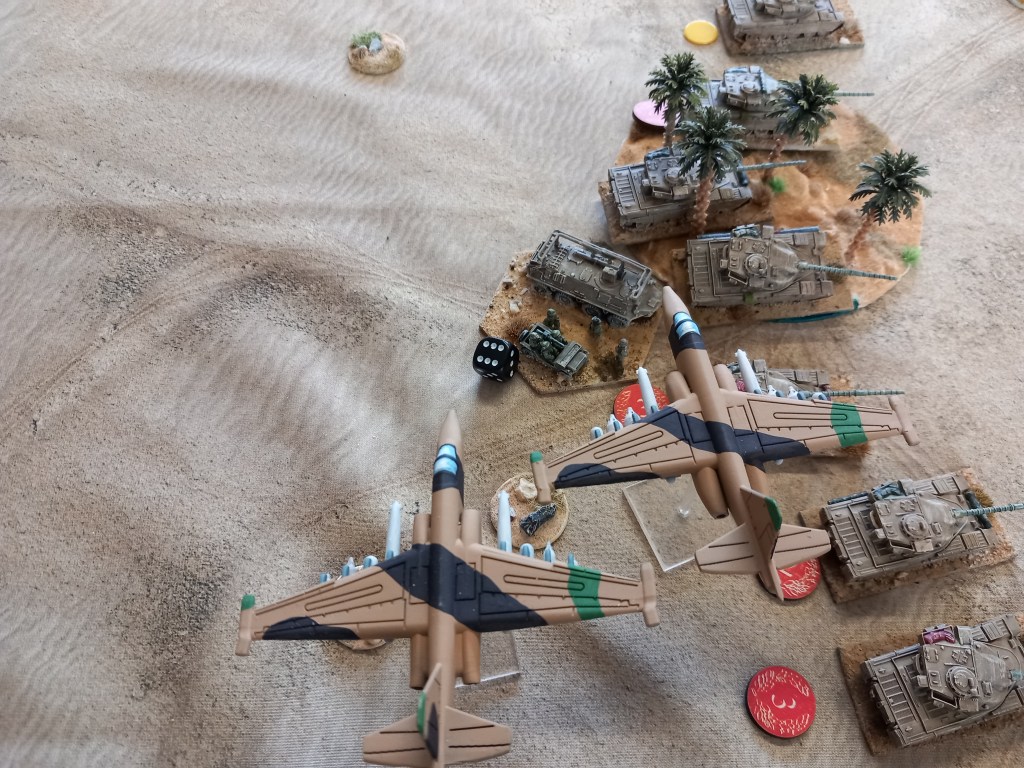
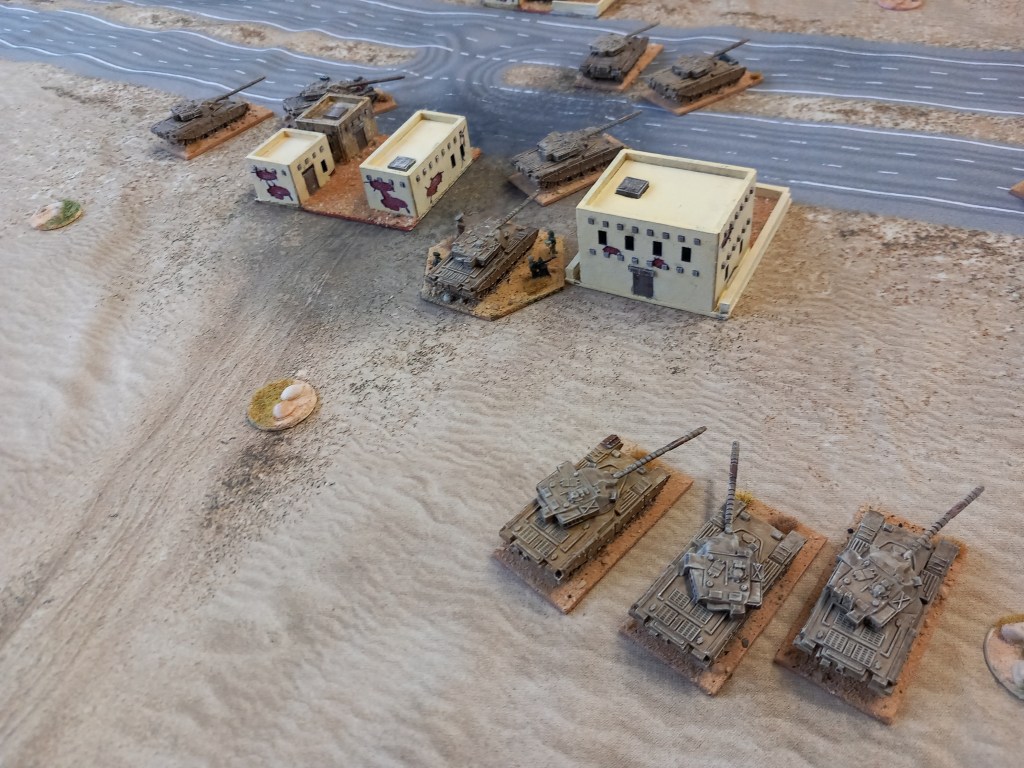
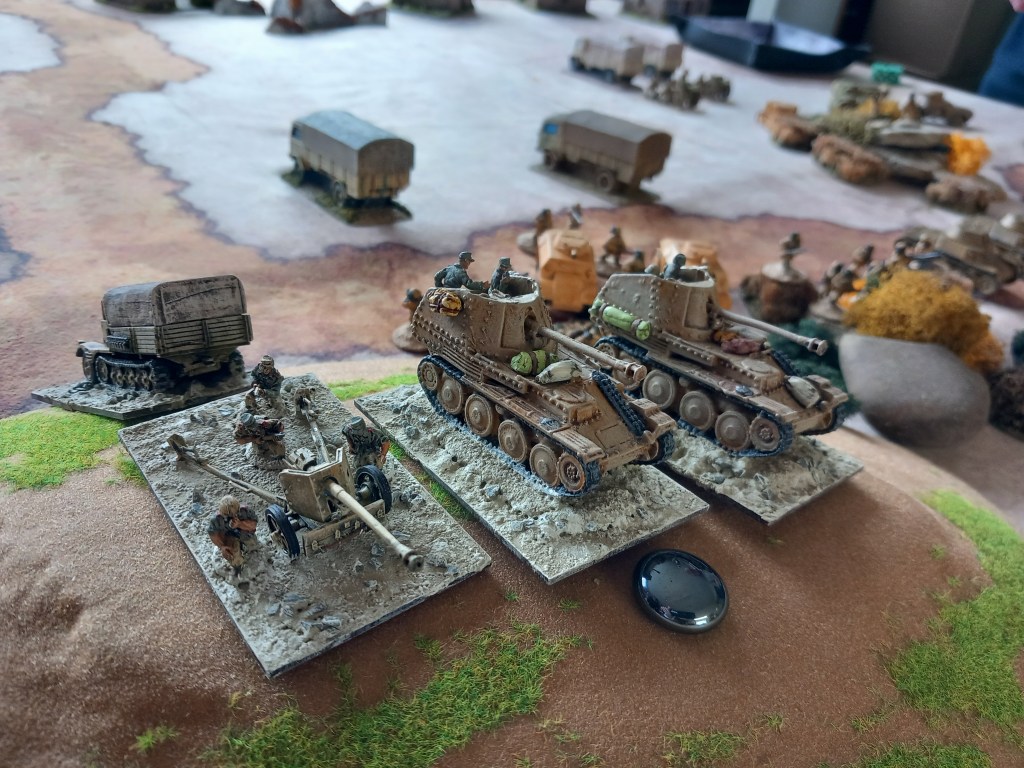
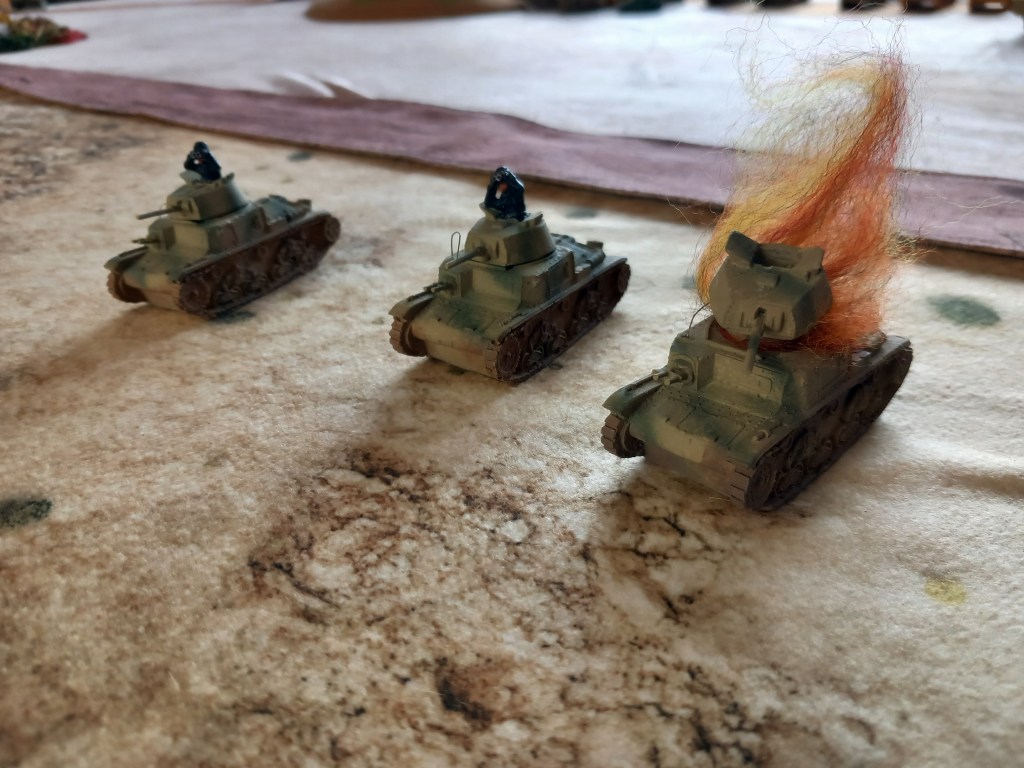
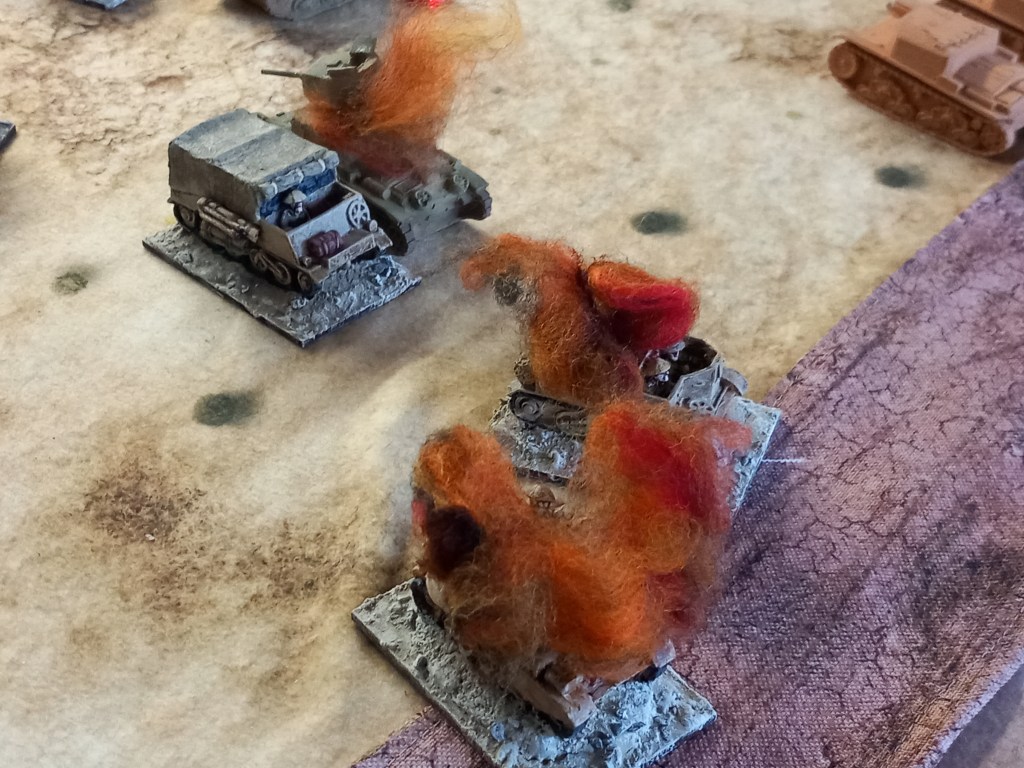
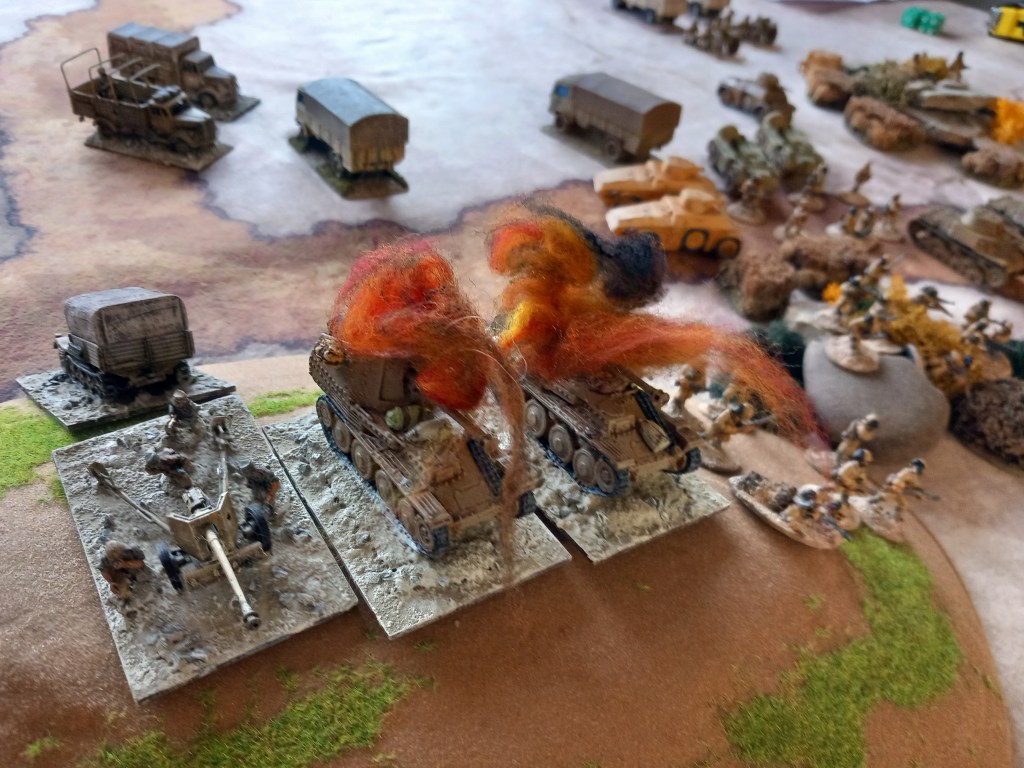
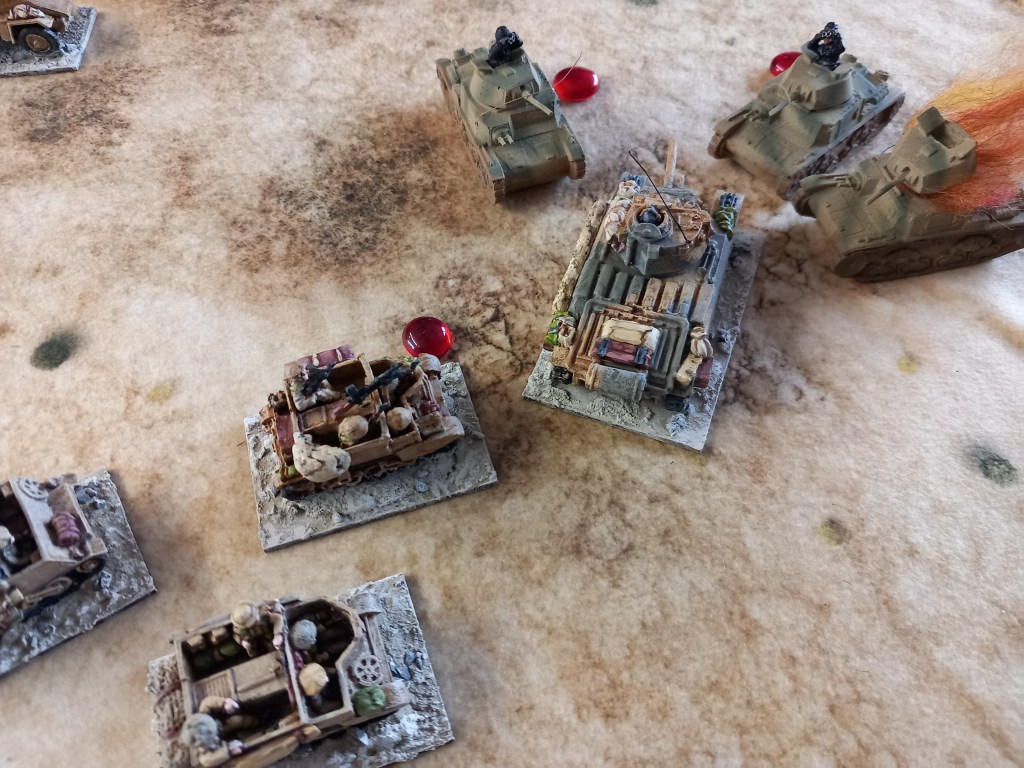
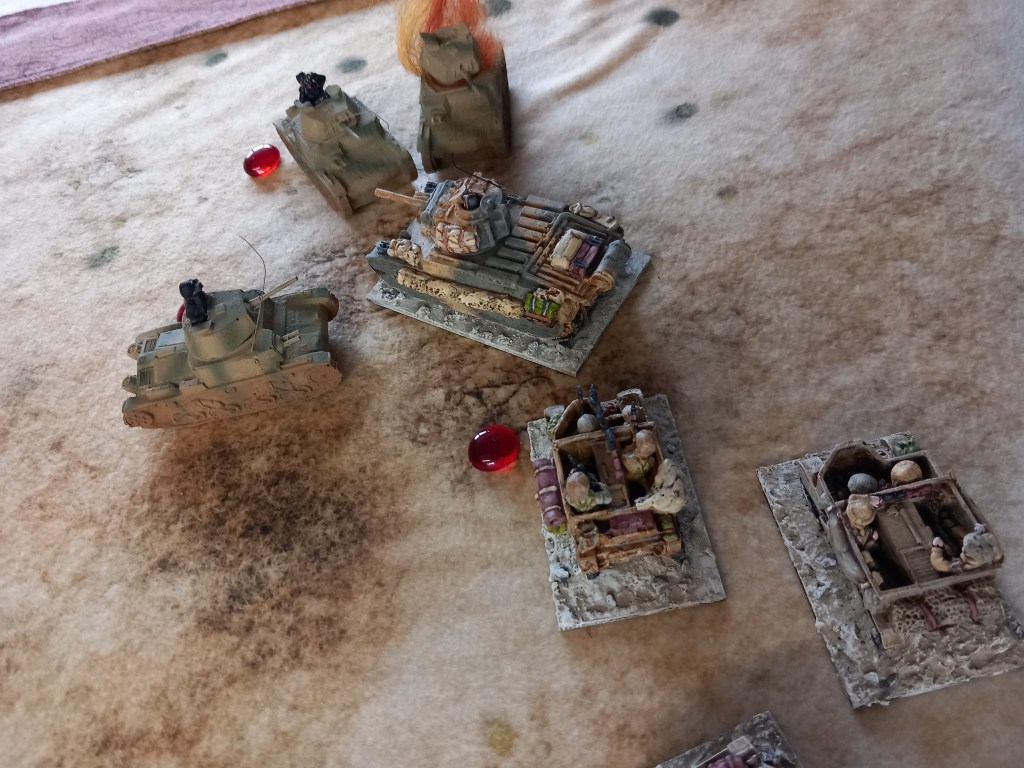
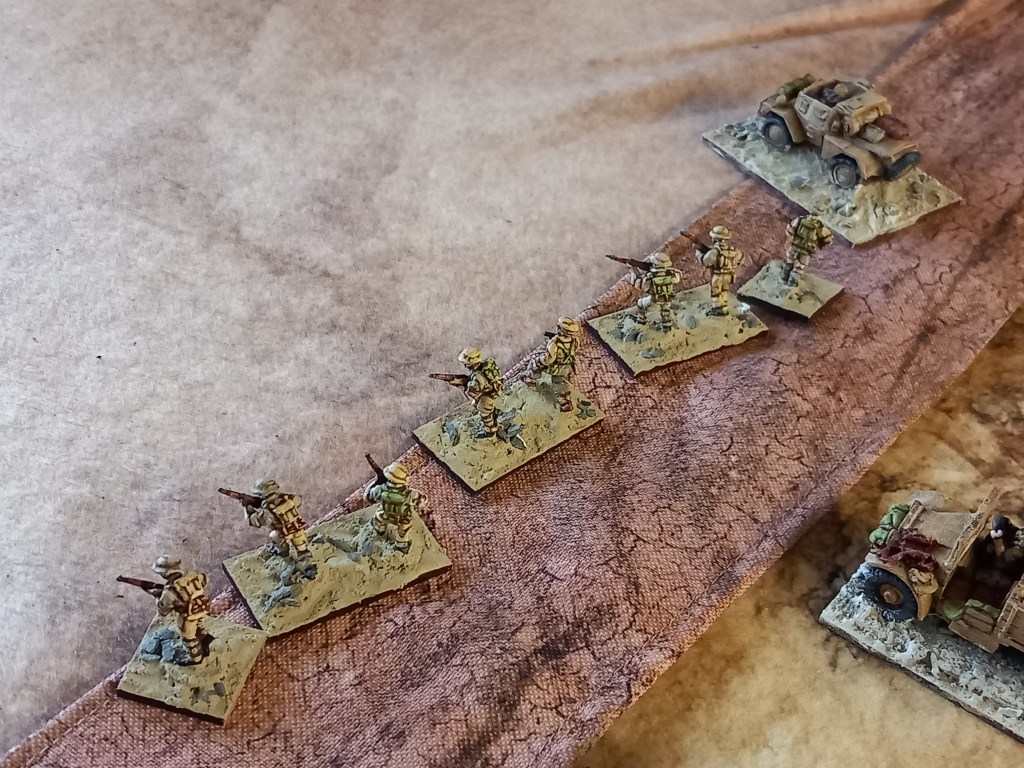
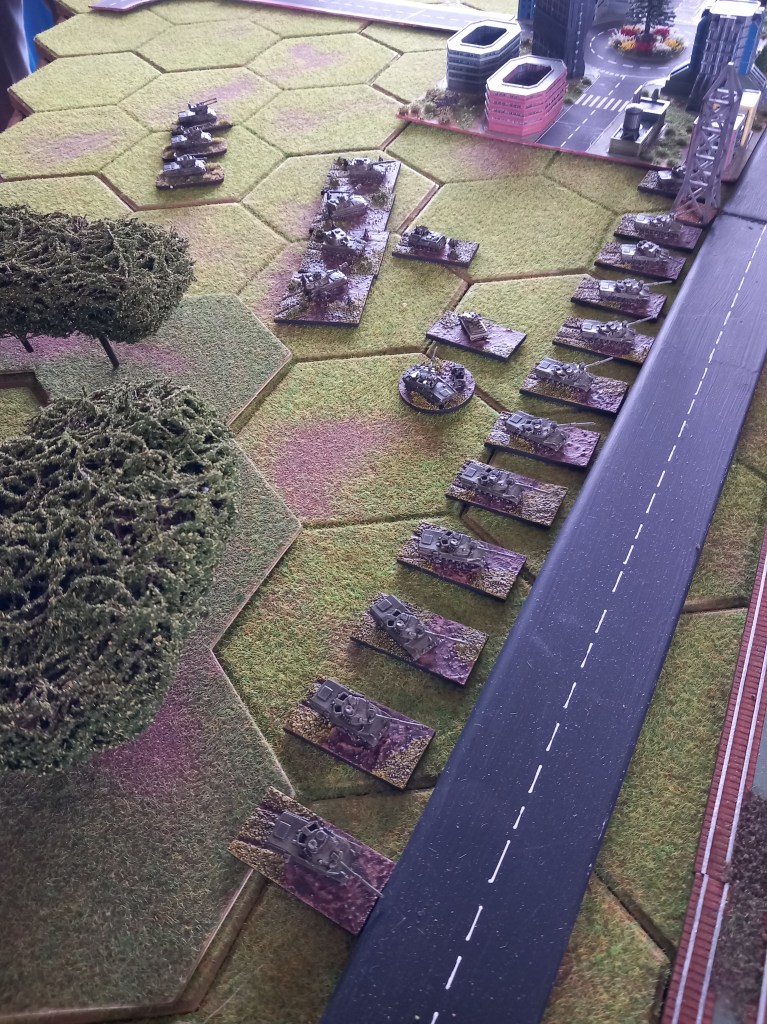
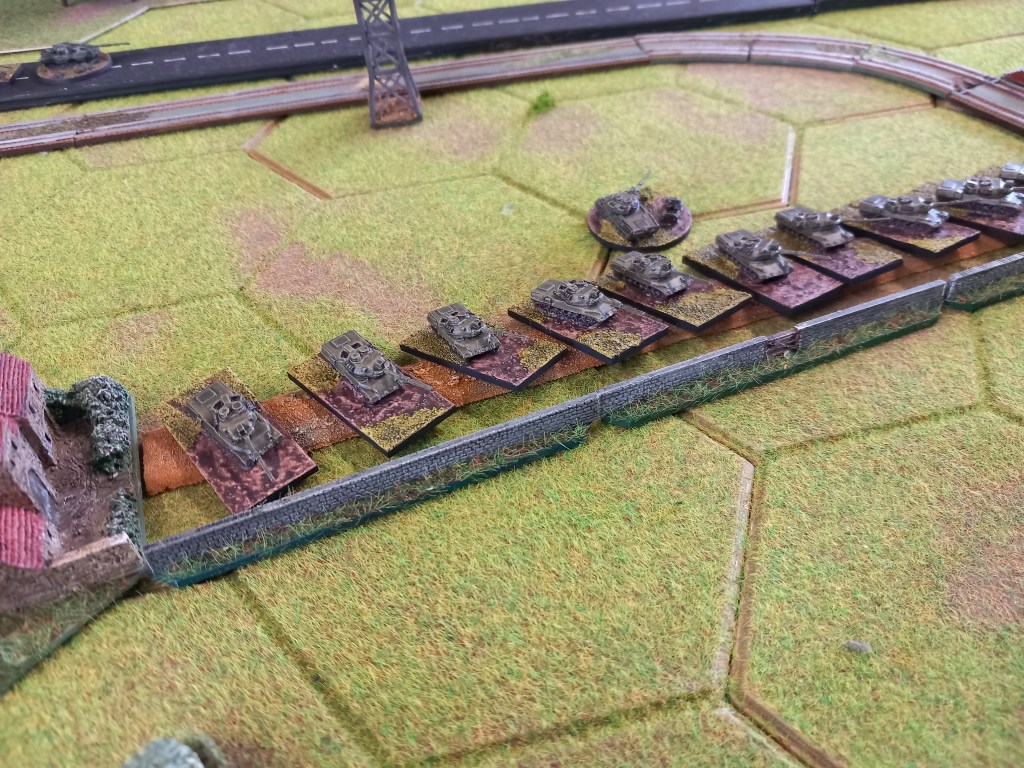
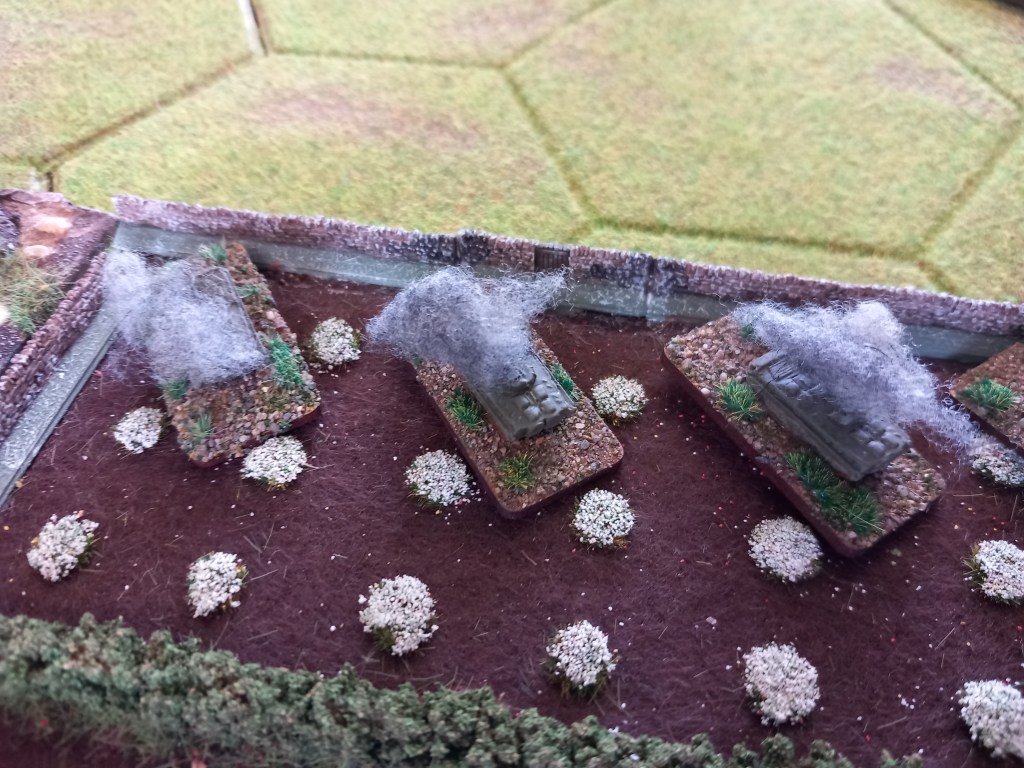
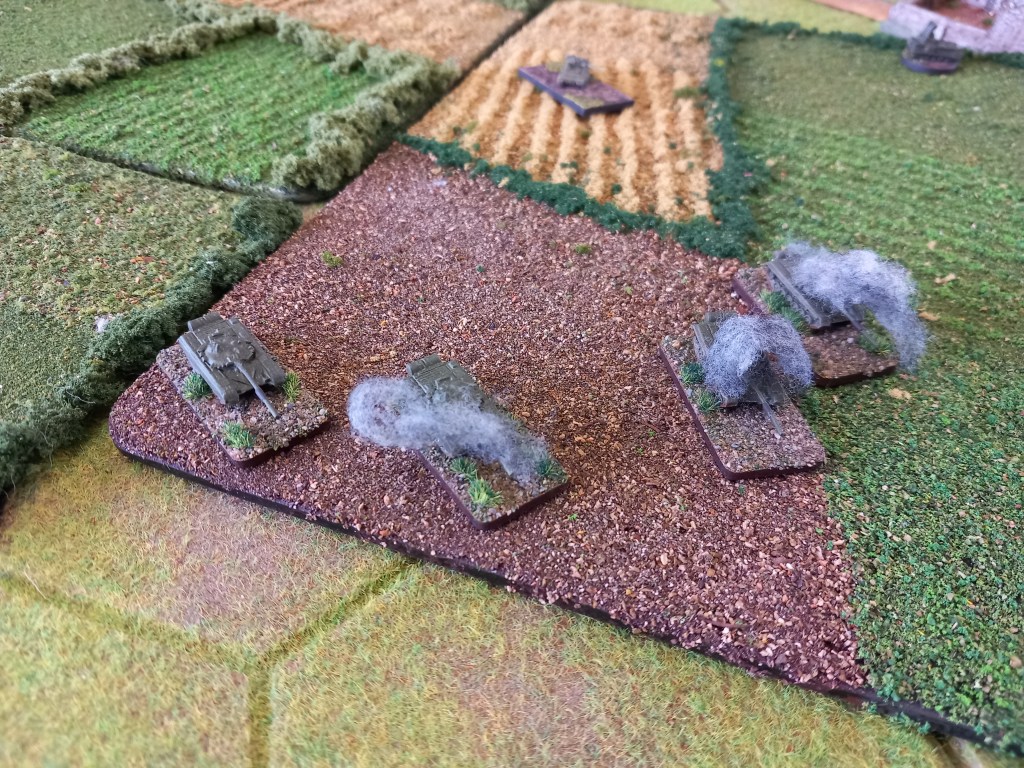
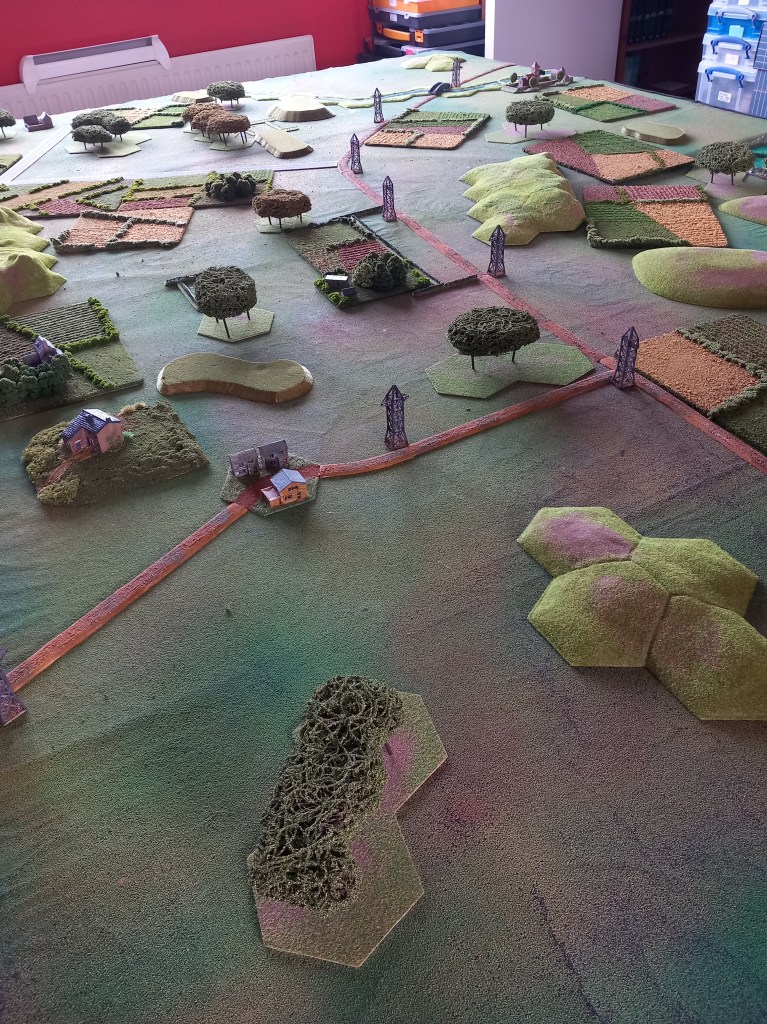
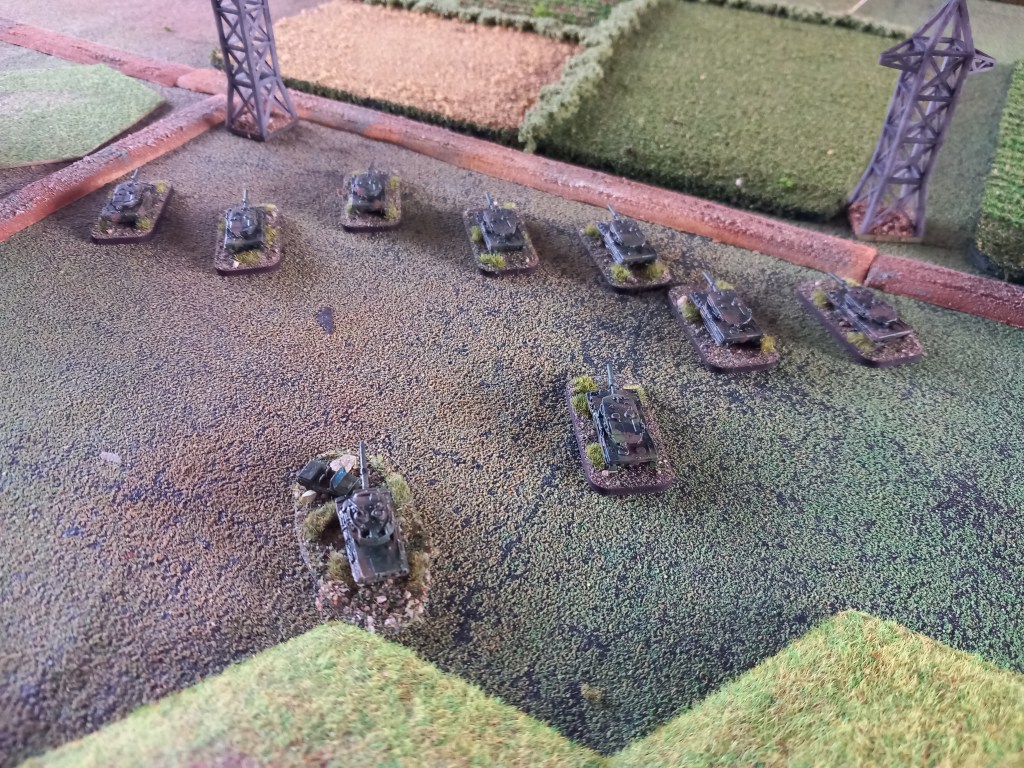
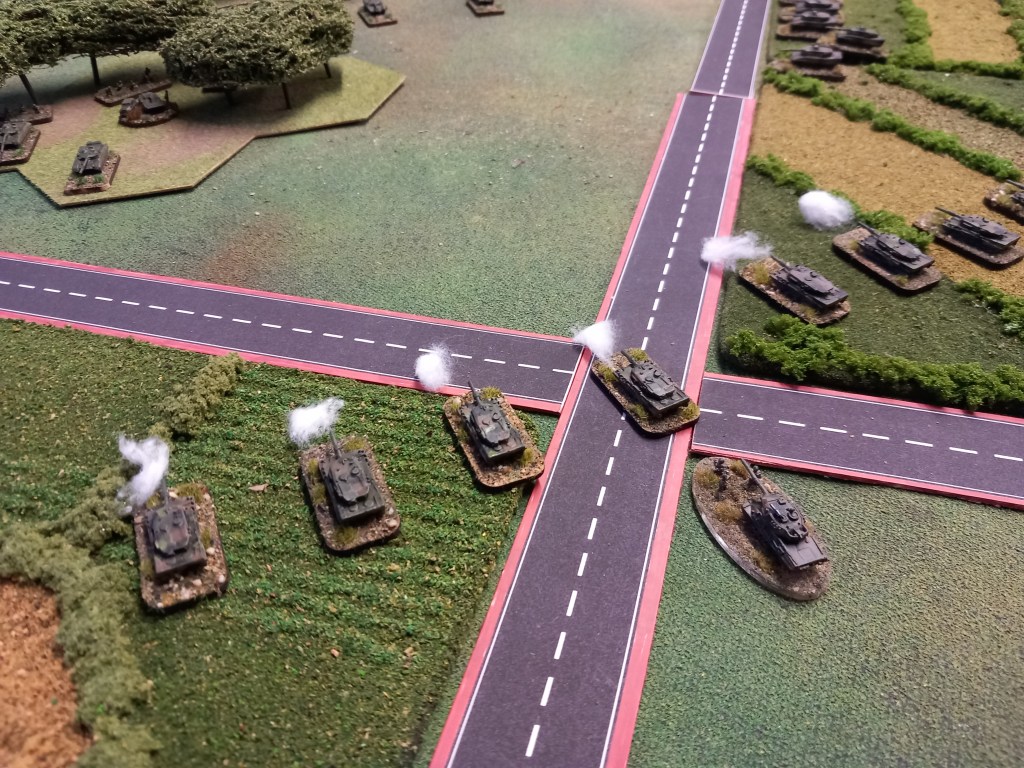
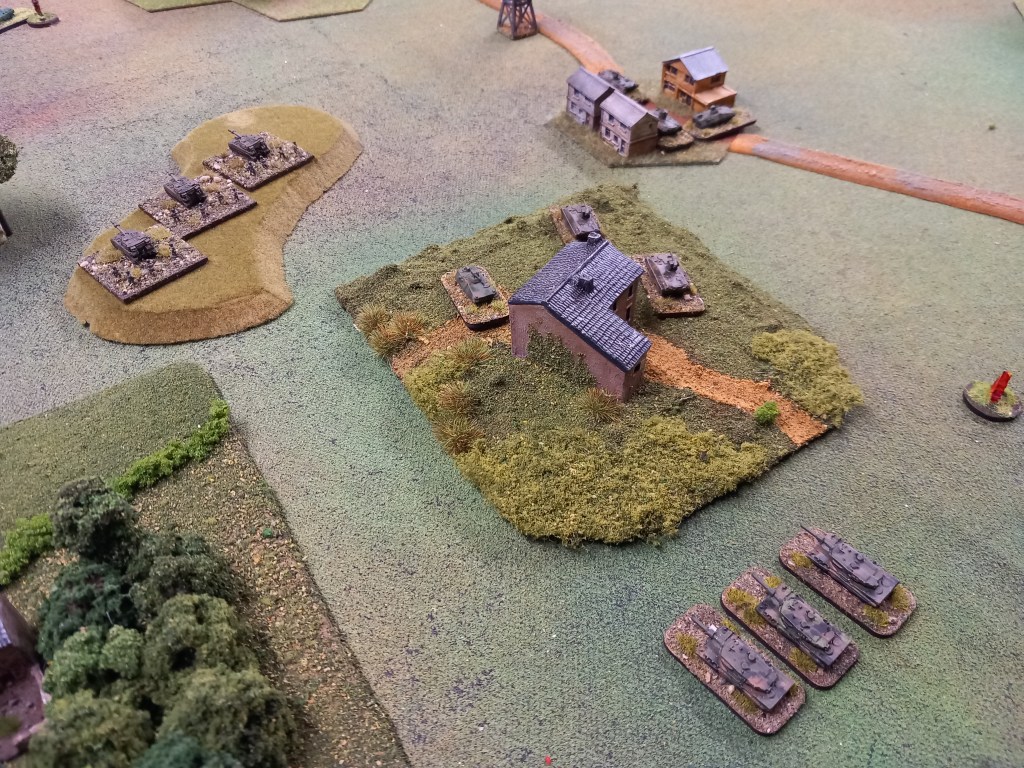
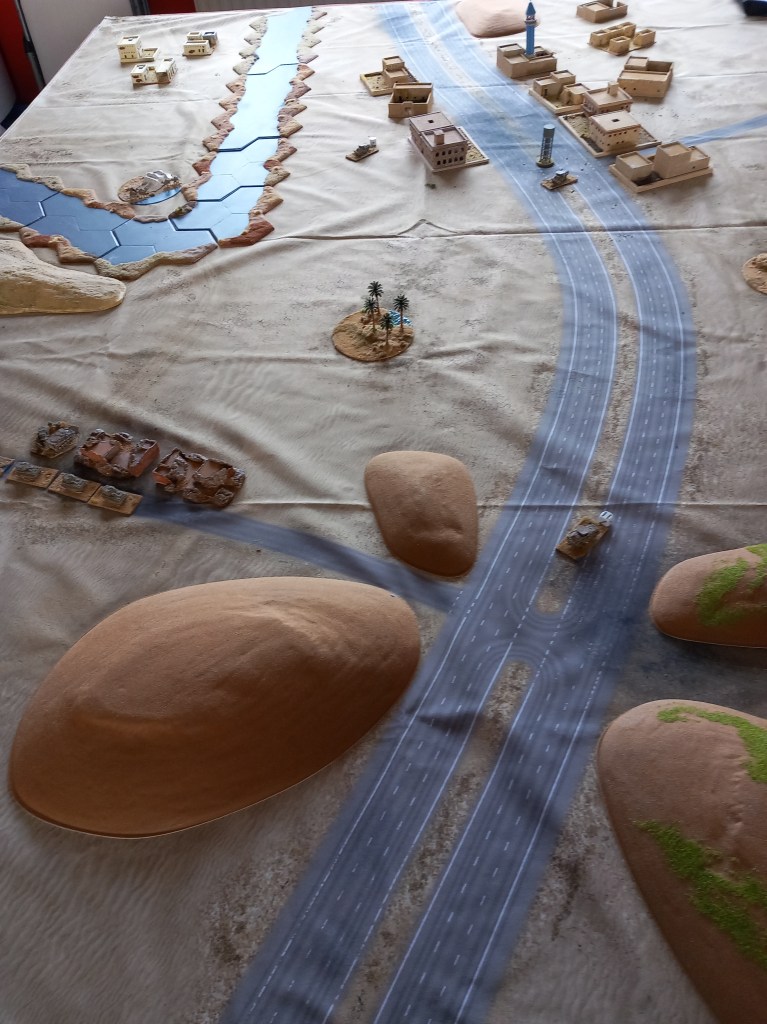
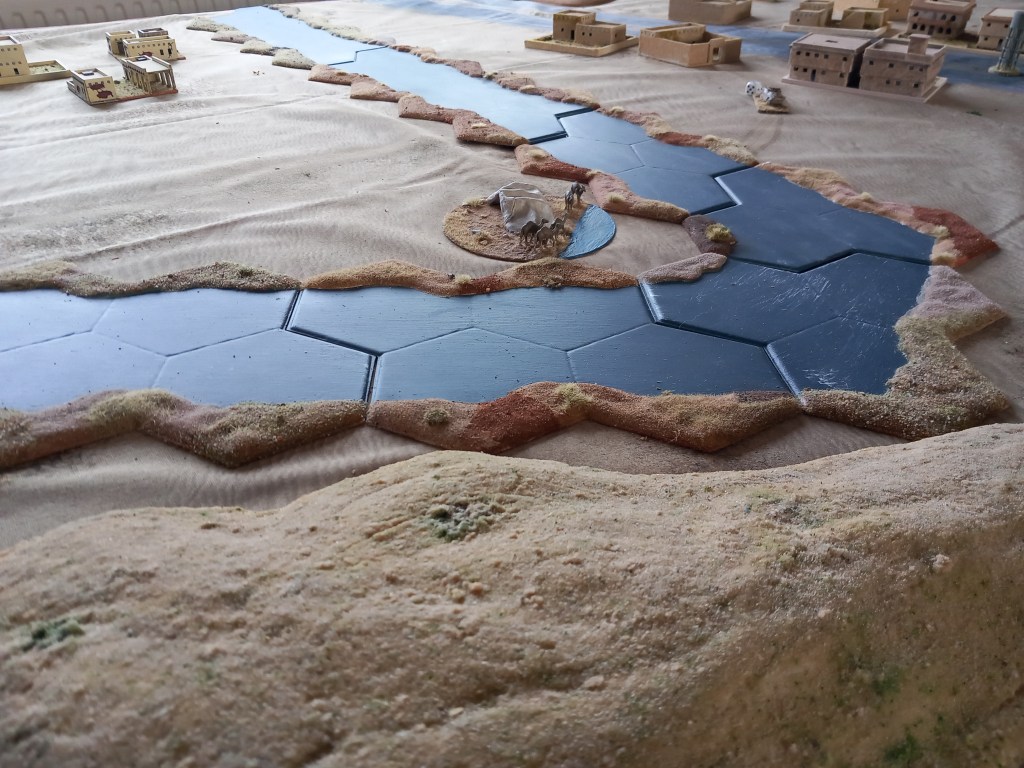
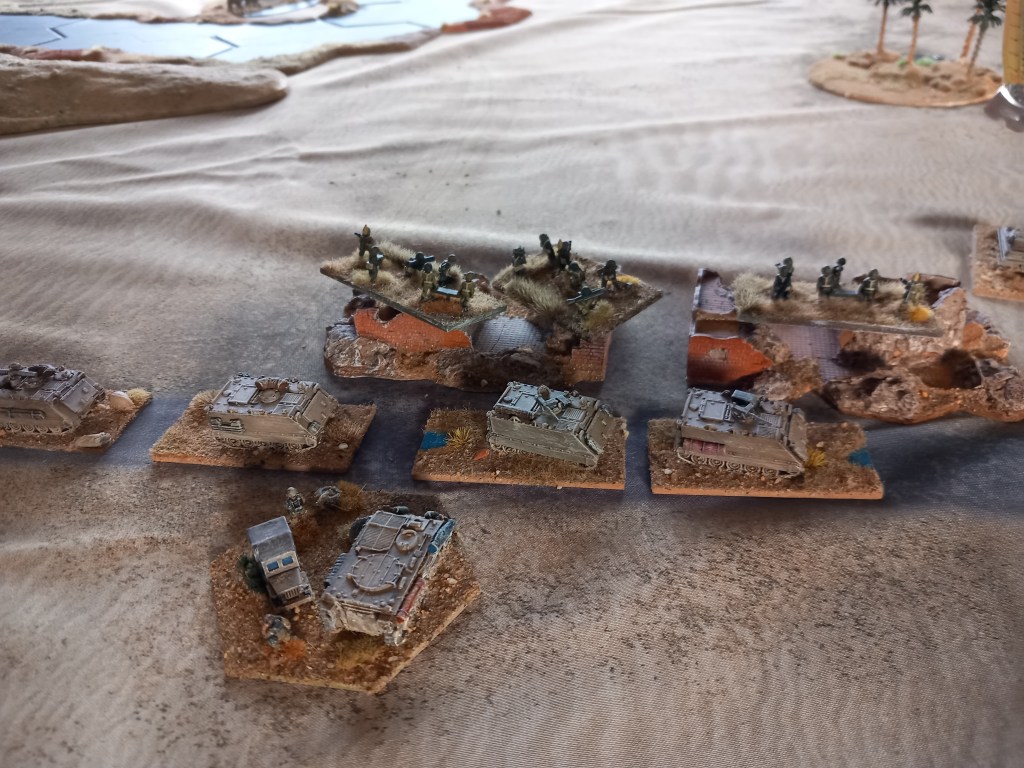
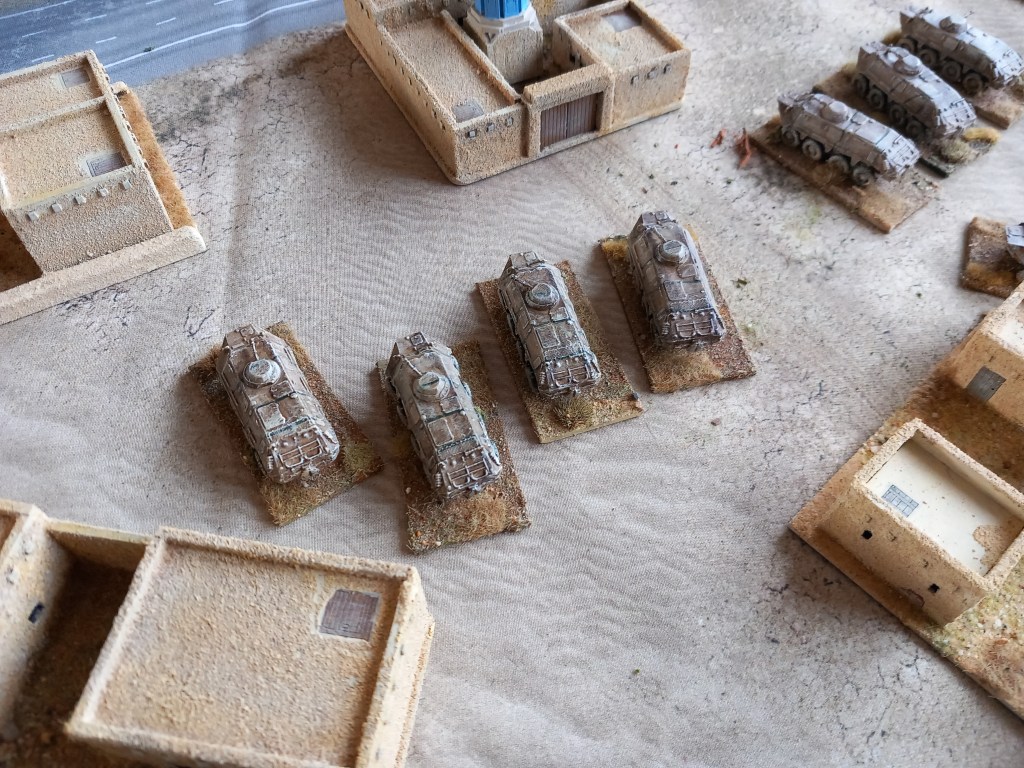
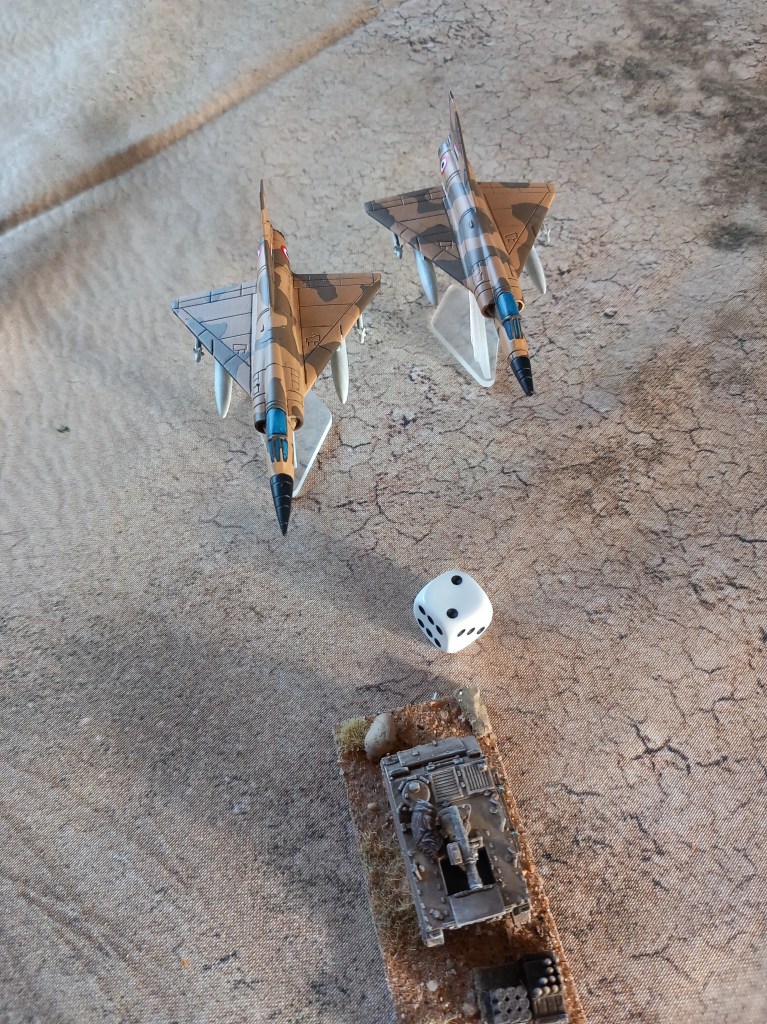
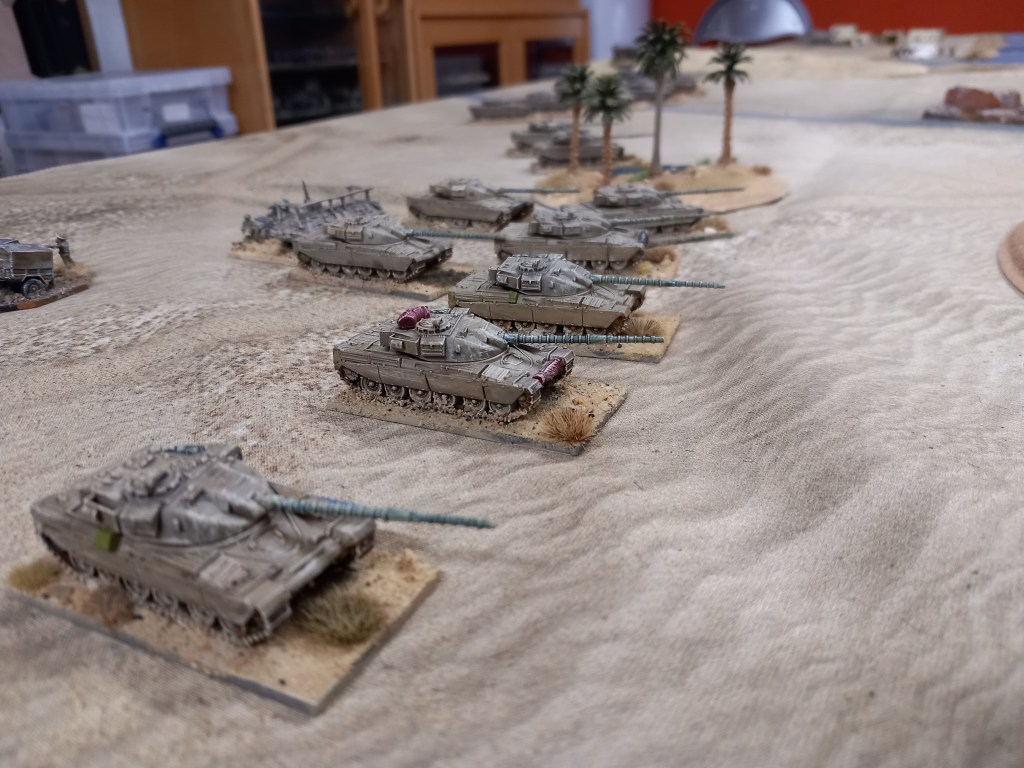
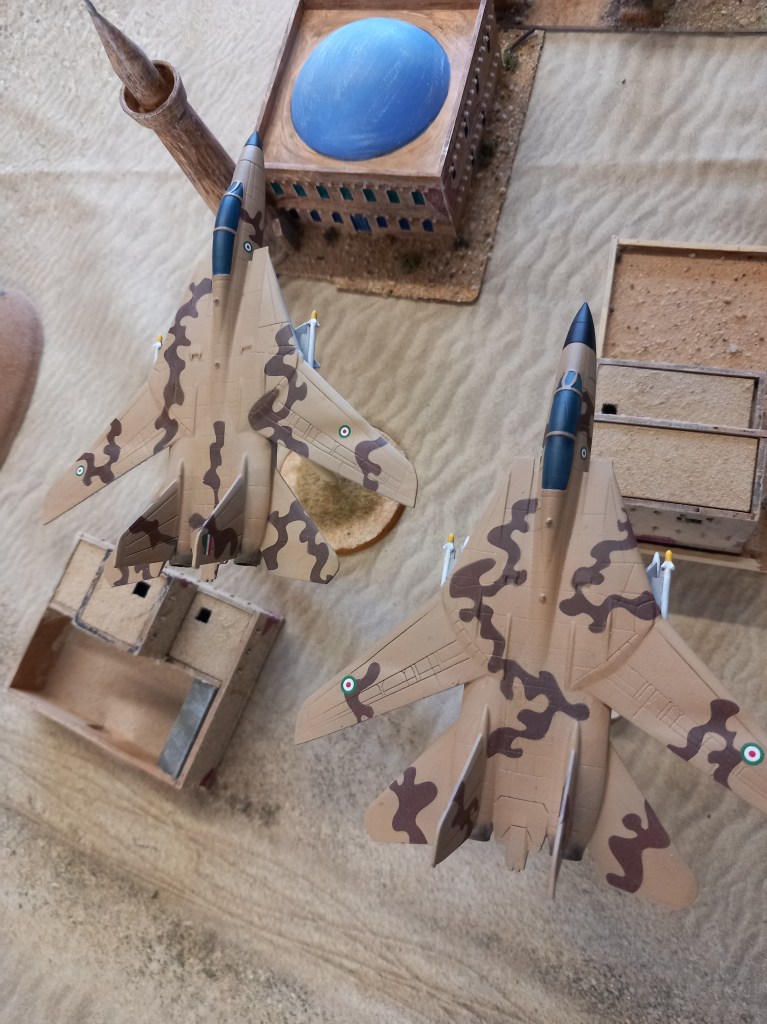
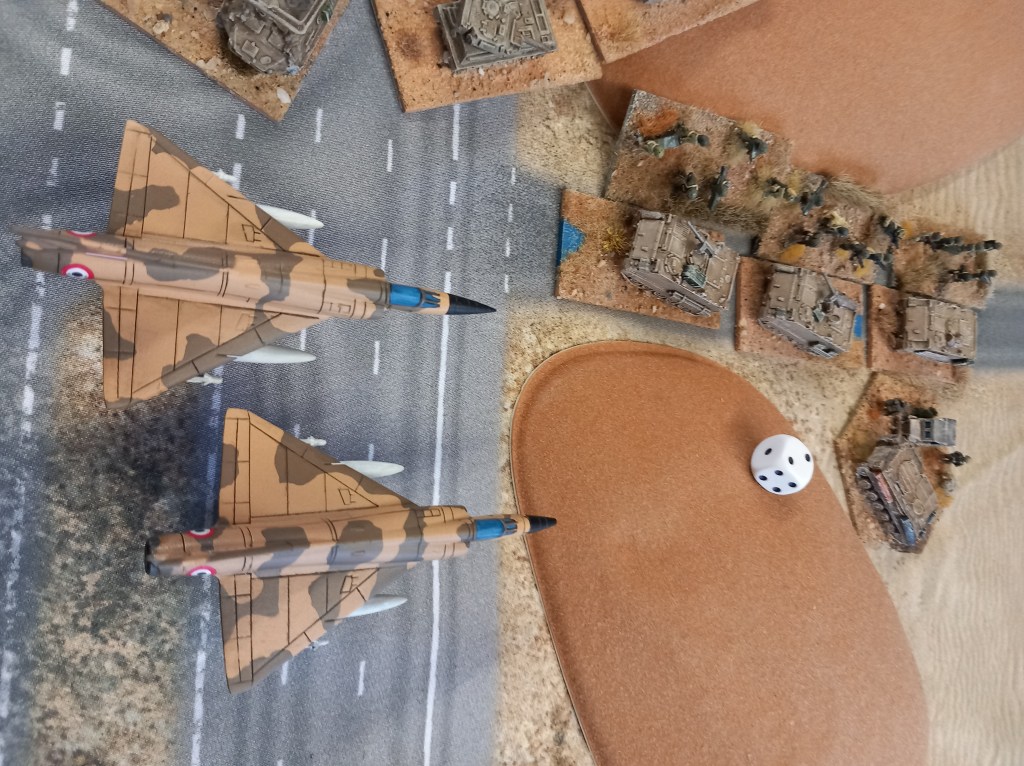
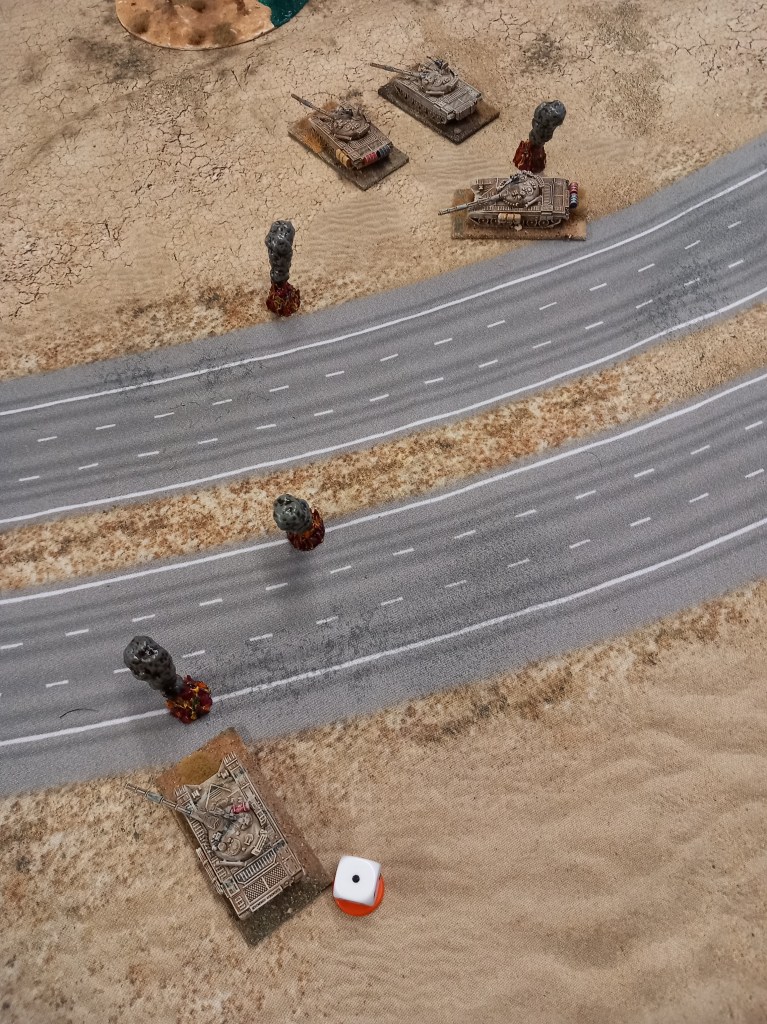
The month kicked off with another of our Iran Iraq games. On this occasion the Iraqi 15th Mechanised Brigade were defending a town from an attack by the Iranian Task Force Karbala in a 12 turn game.
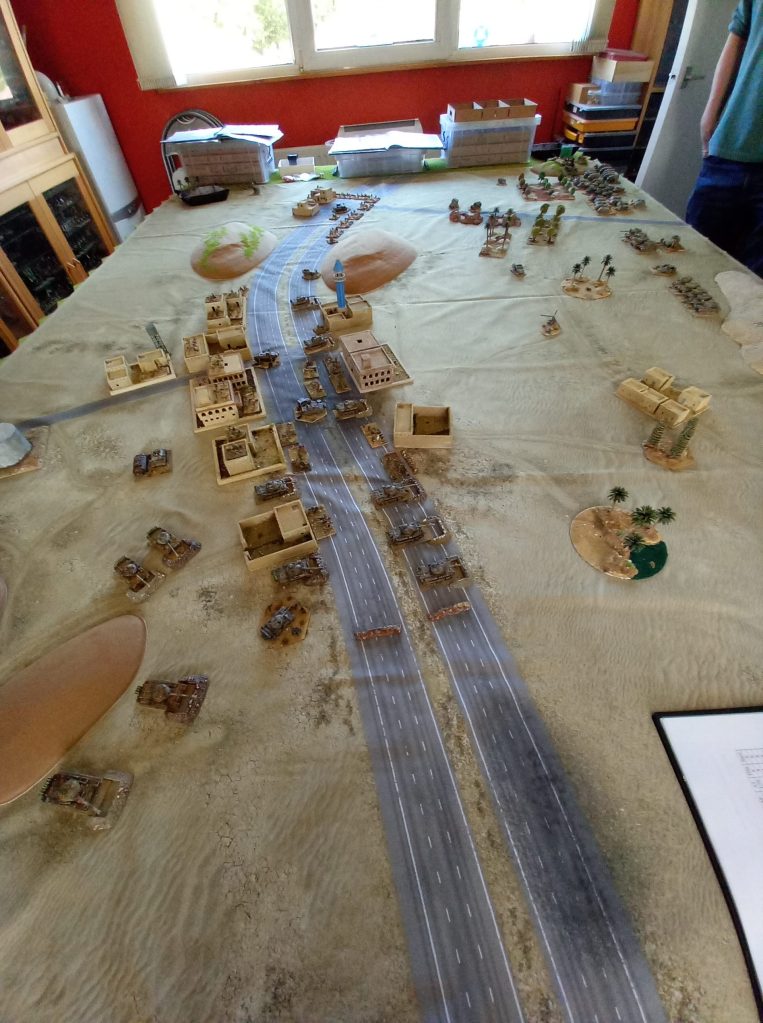
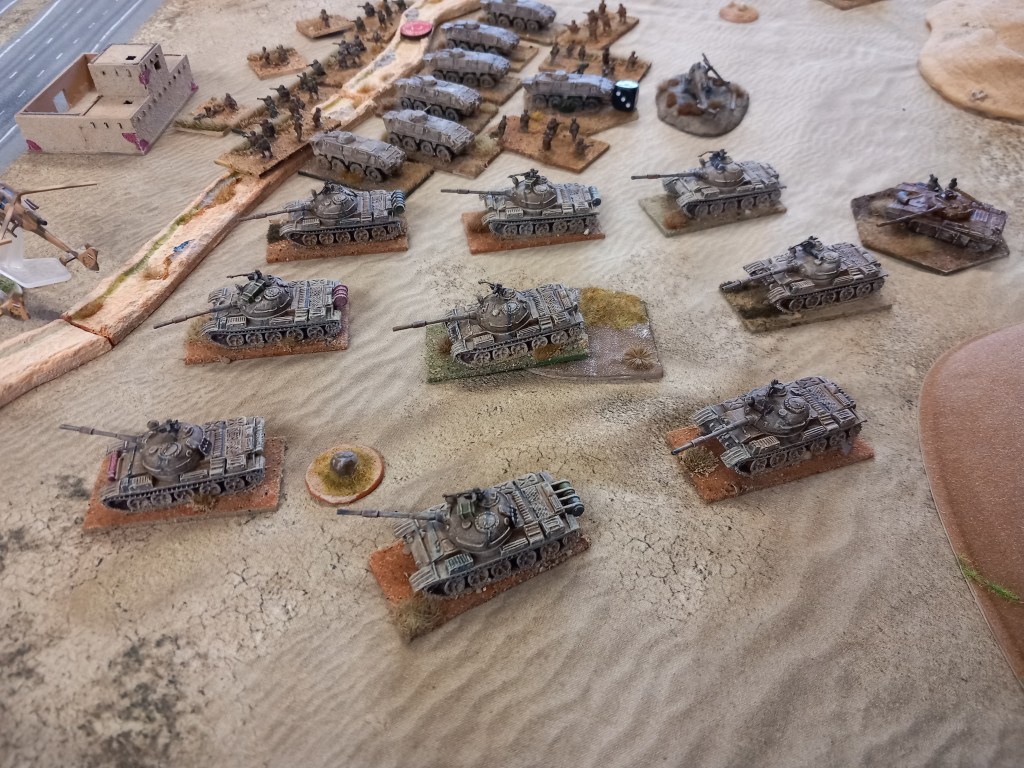
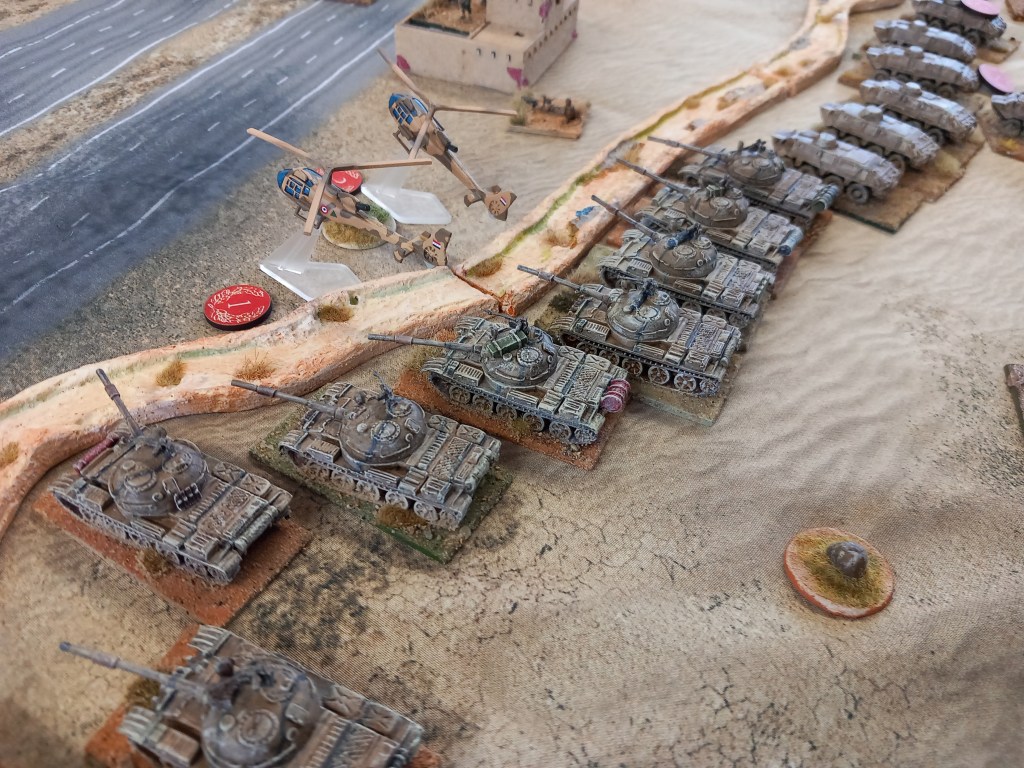
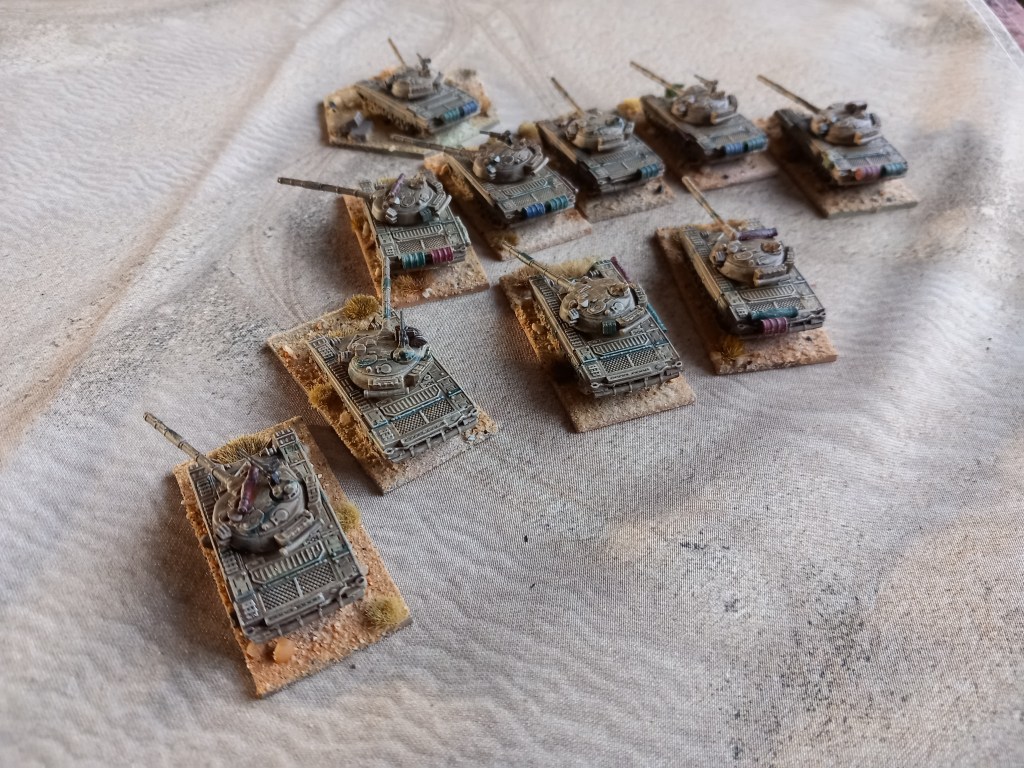
The Iraqis comprised 3 mechanised battalions and 1 armoured battalion plus a BM-21 Grad off table to be called in by the FAO; they also had the option to place their armour in tank scrapes and had trenches for 1 battalion. The Iranians comprised 2 Pasdaran battalions supported by a 120mm mortar company and a 105mm artillery battery plus 2 mechanised battalions and 1 armoured battalion.
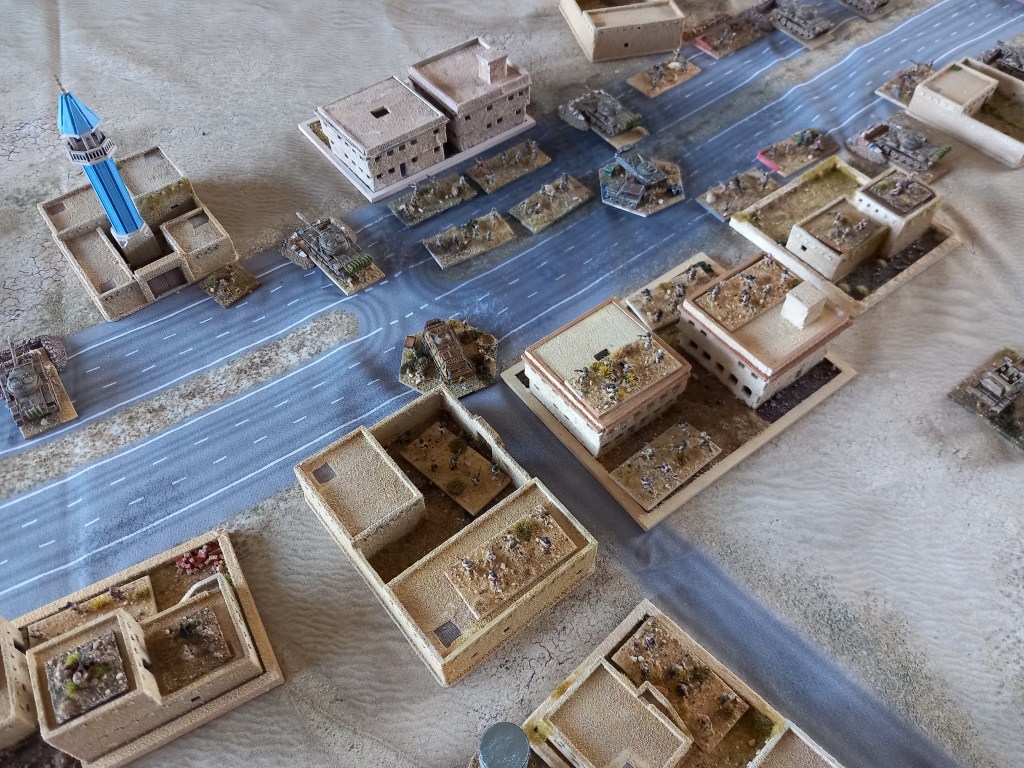
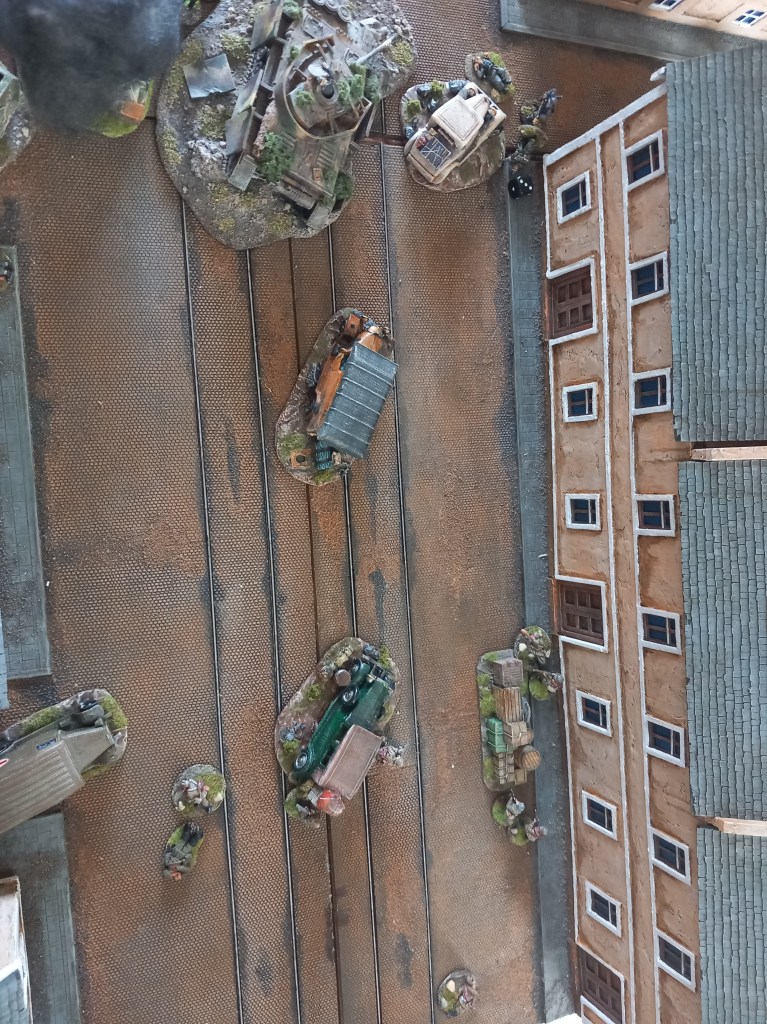
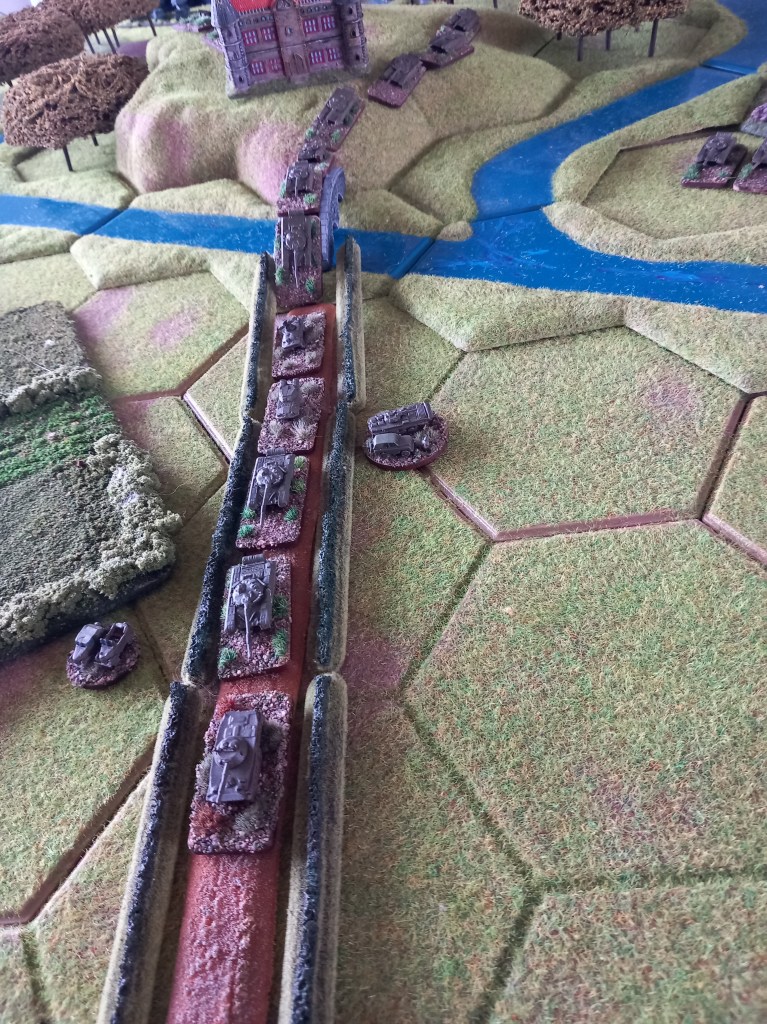
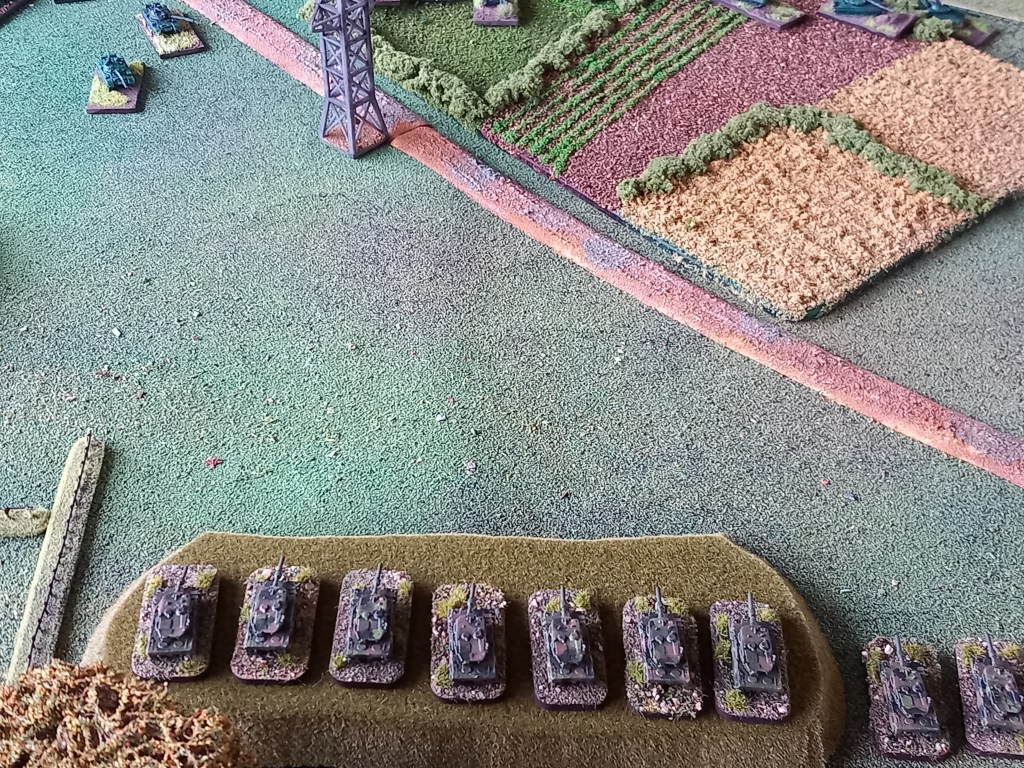
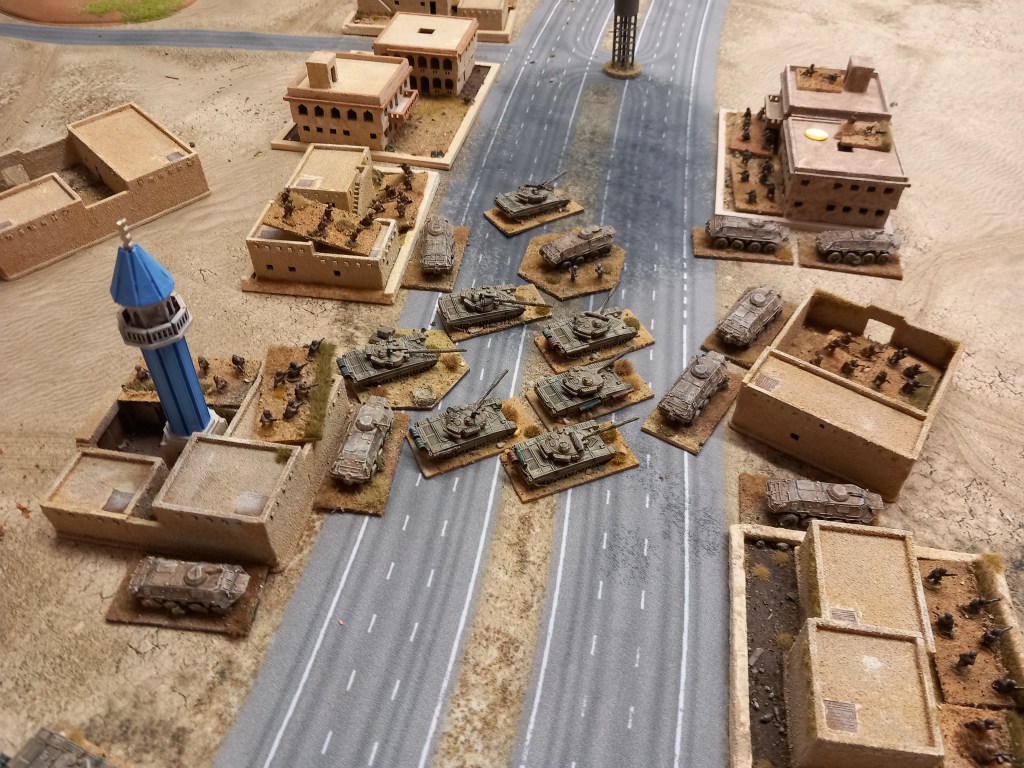
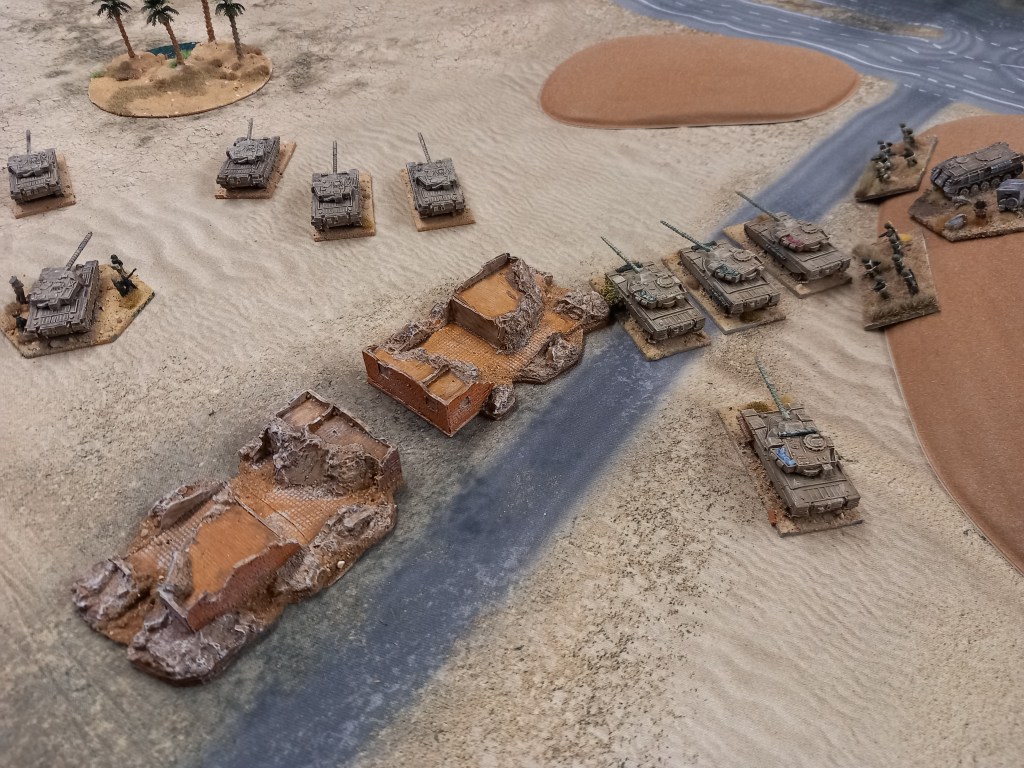
The Iraqis occupied the town with 2 of their mechanised battalions (vehicles sent to the rear) supported by the armoured battalion in the scrapes extending out to the right; the remaining mechanised battalion was entrenched out on the left around an outlying village.
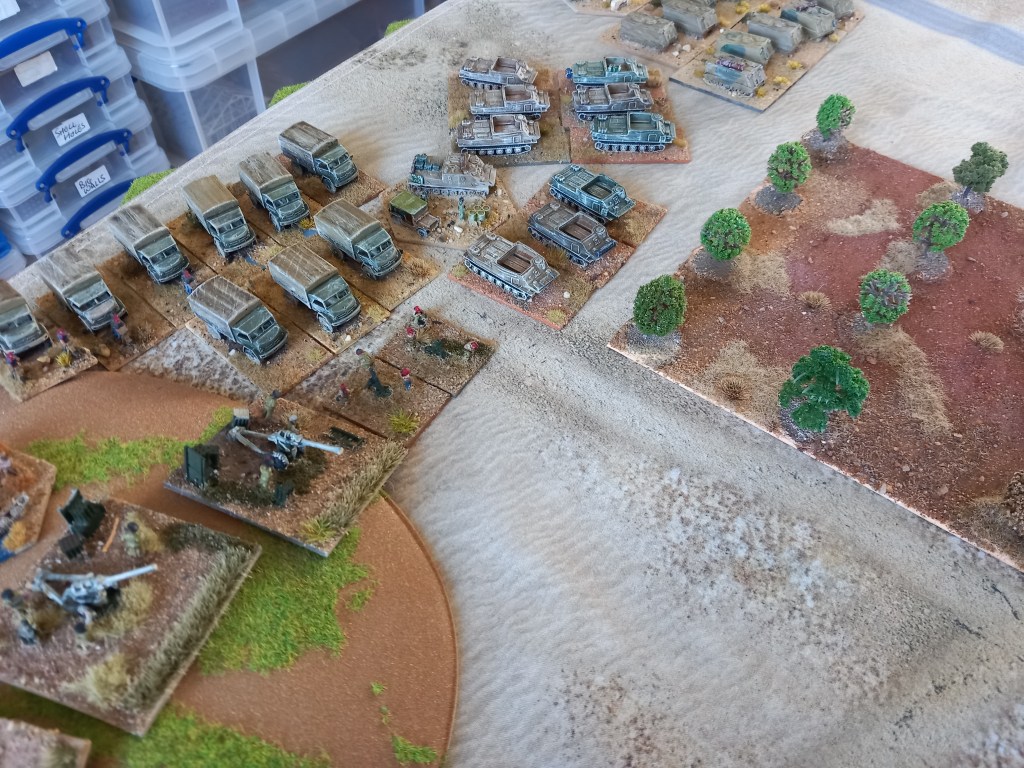
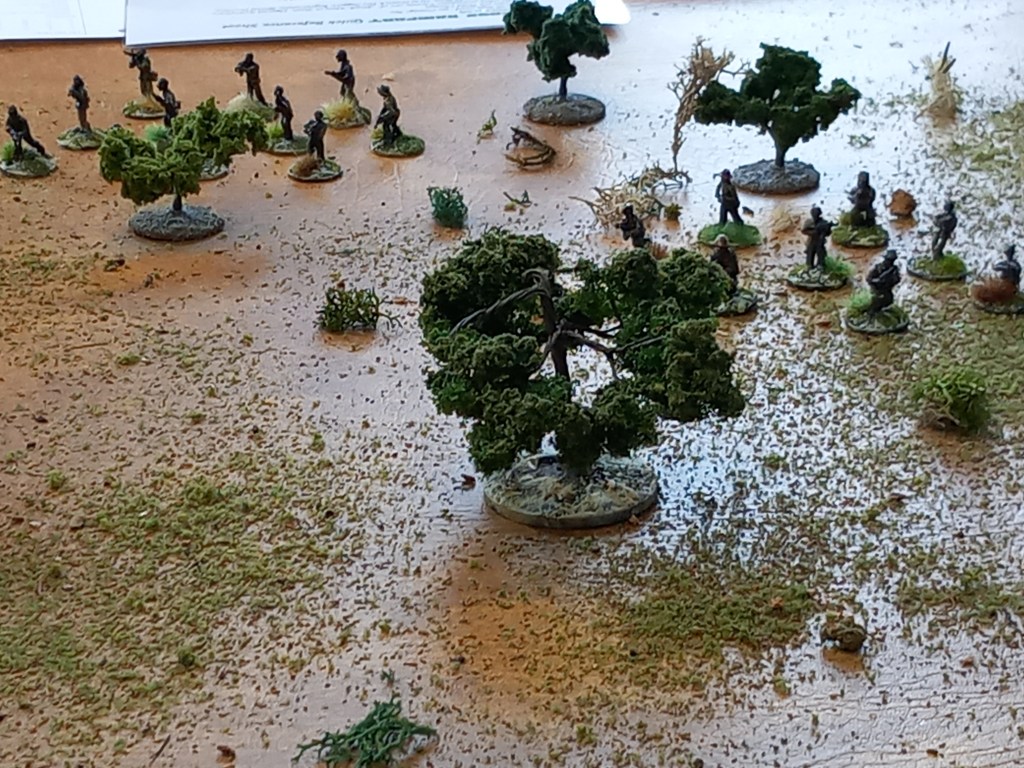
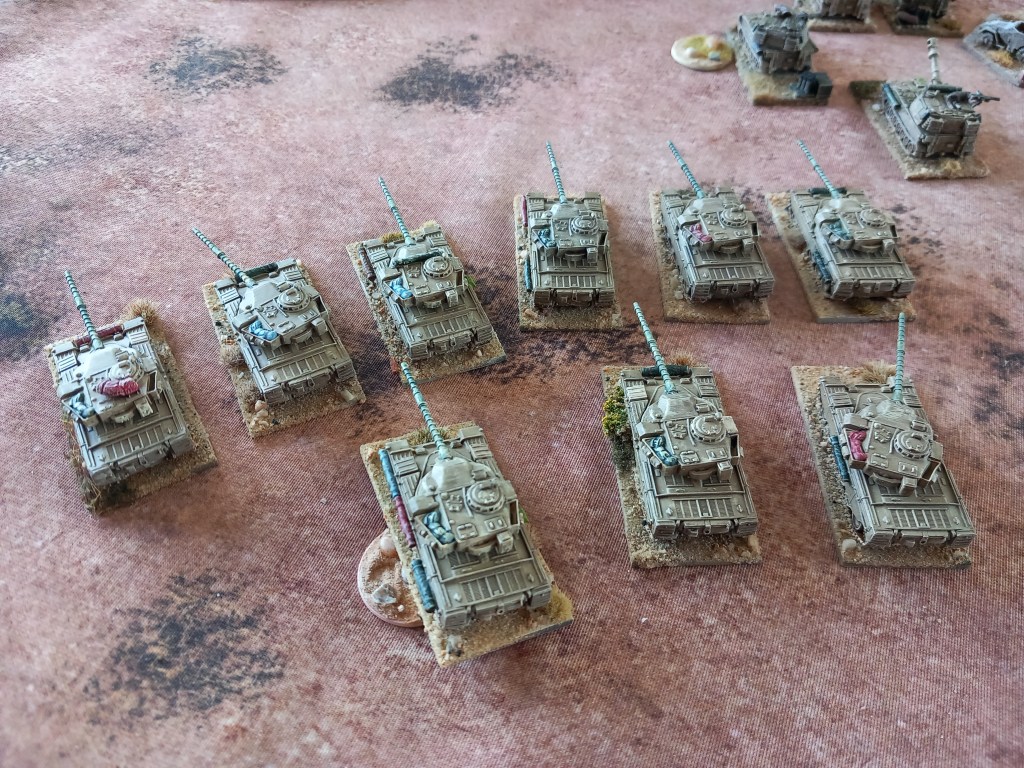
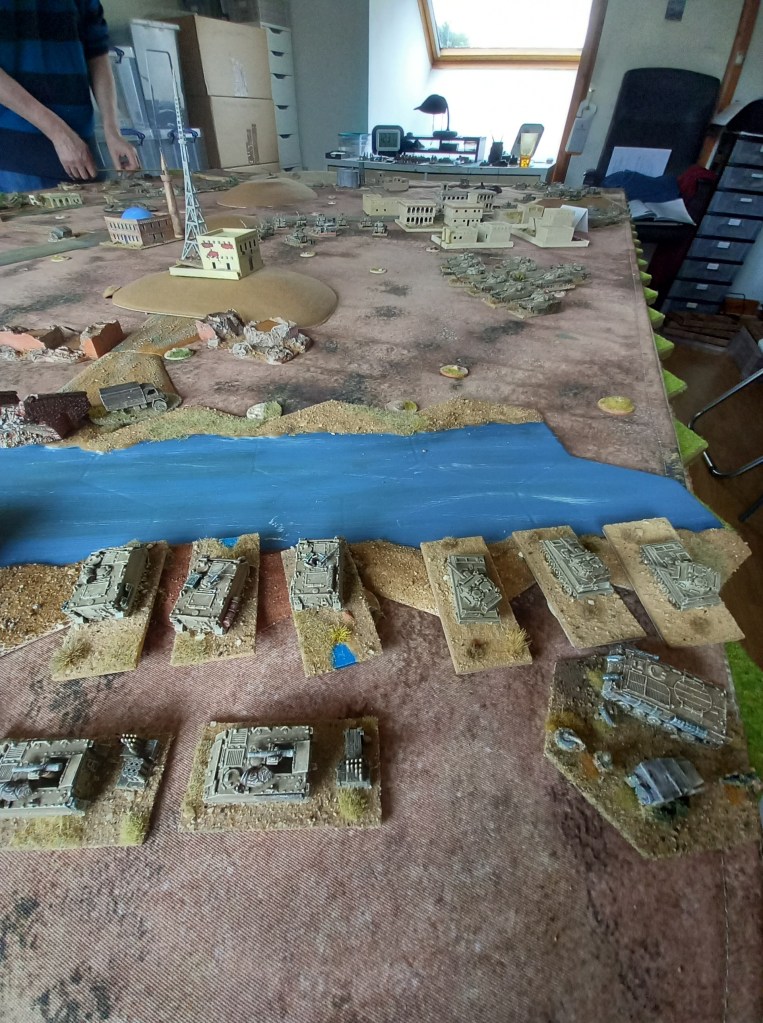
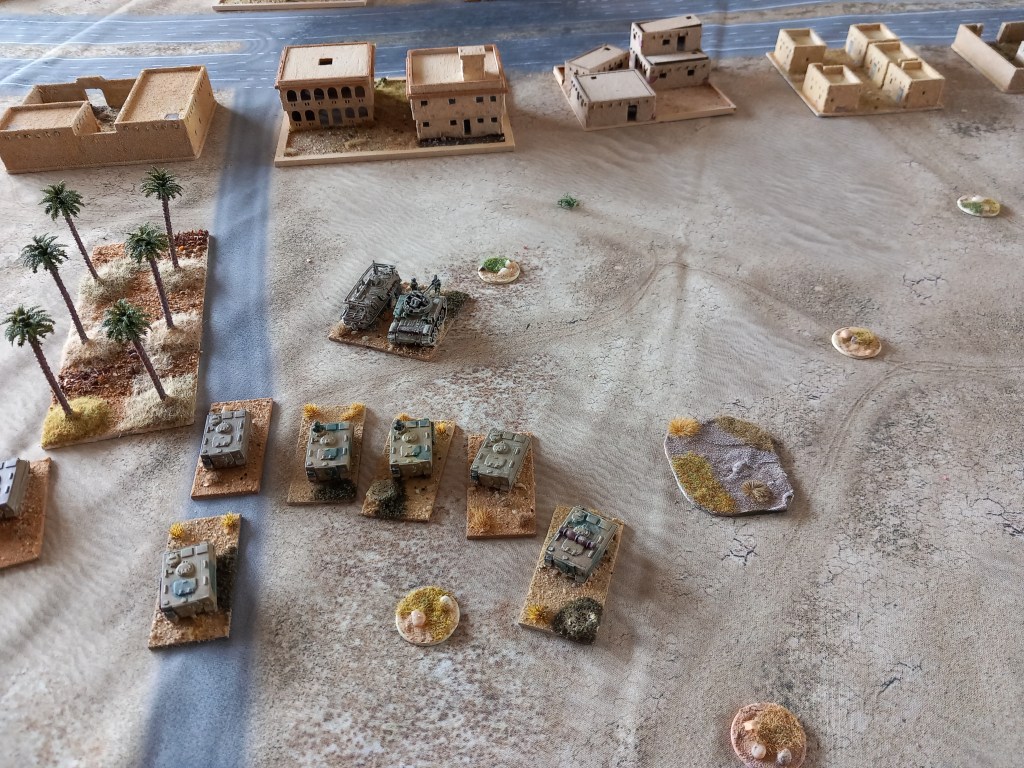
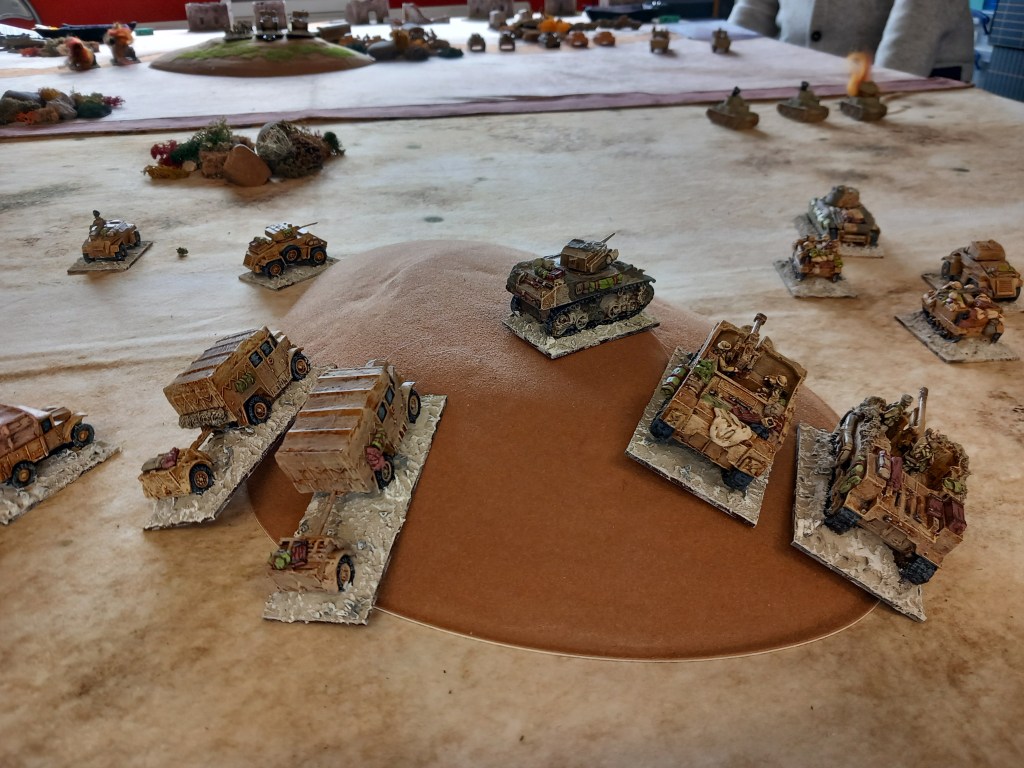
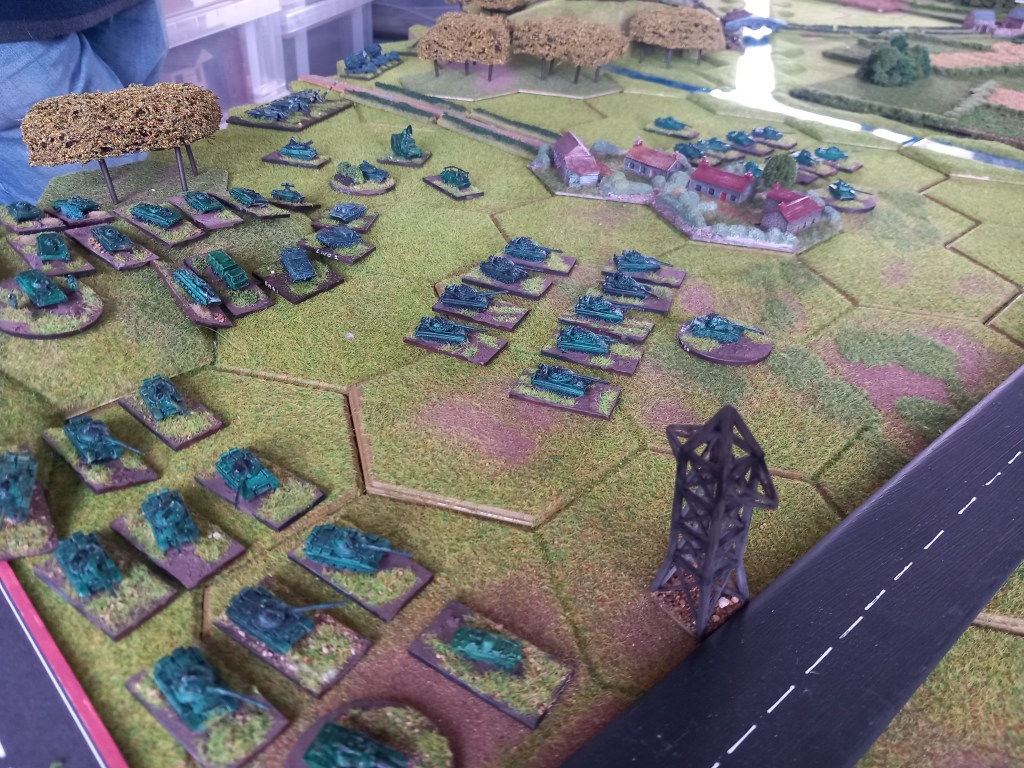
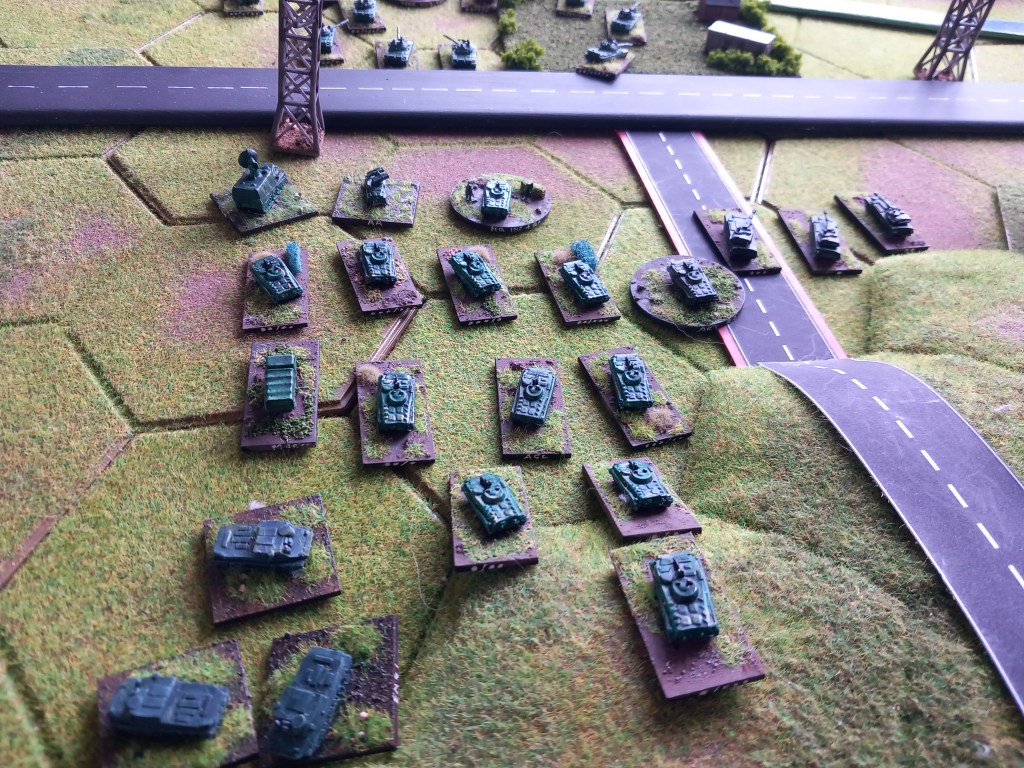
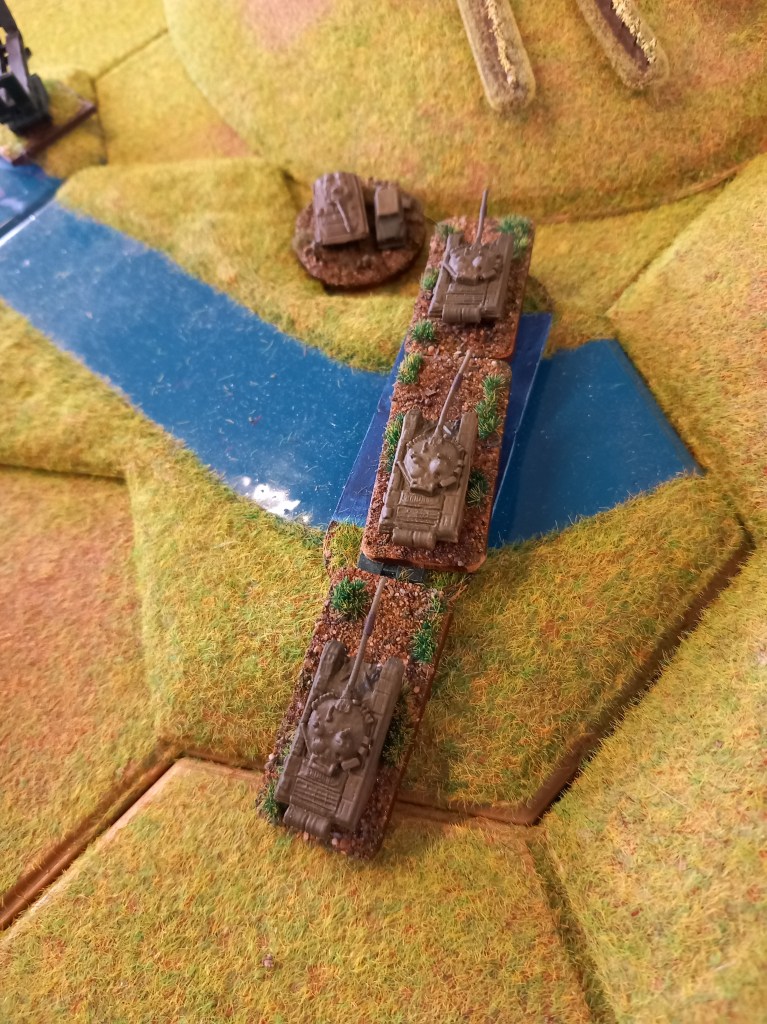
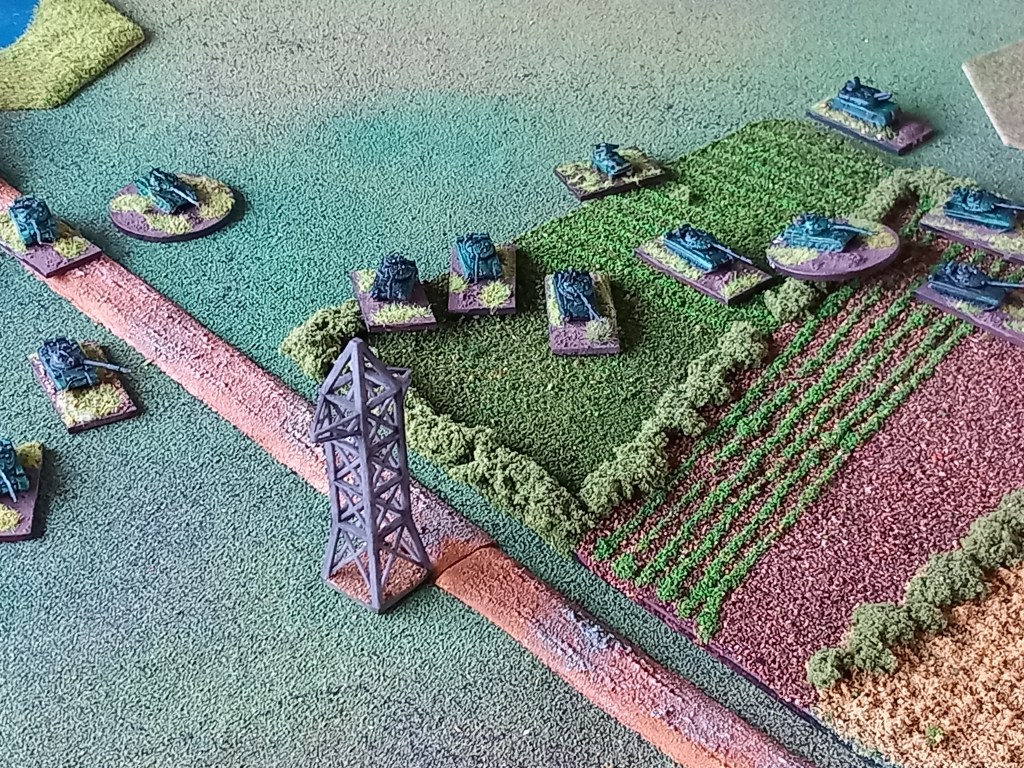
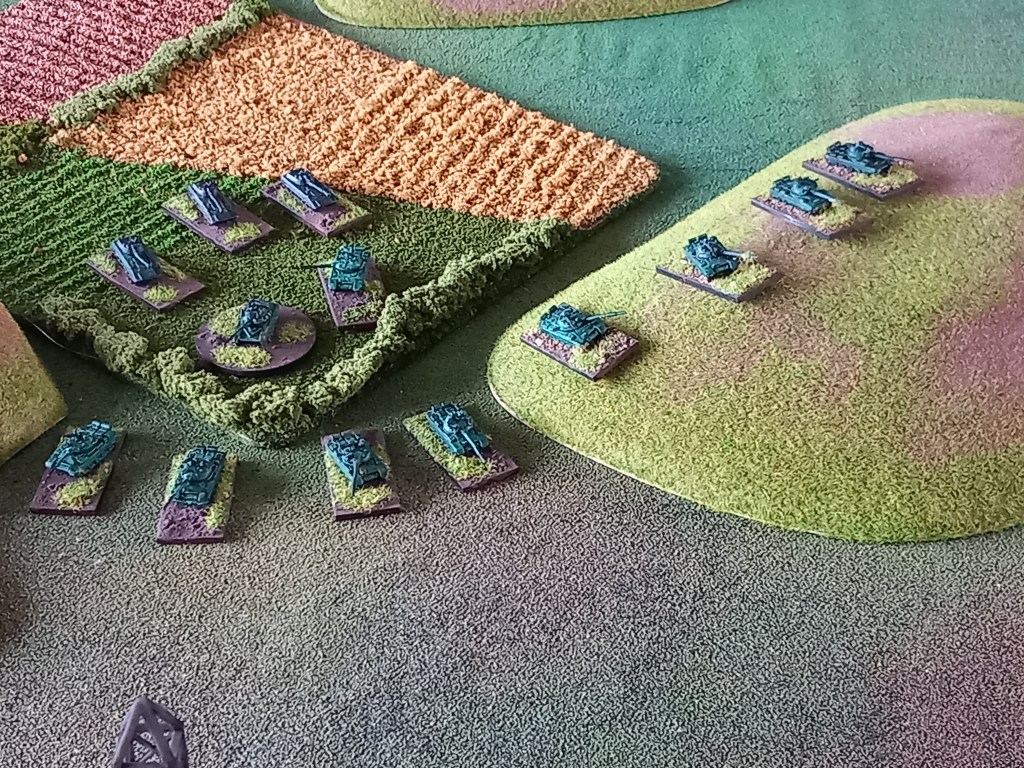
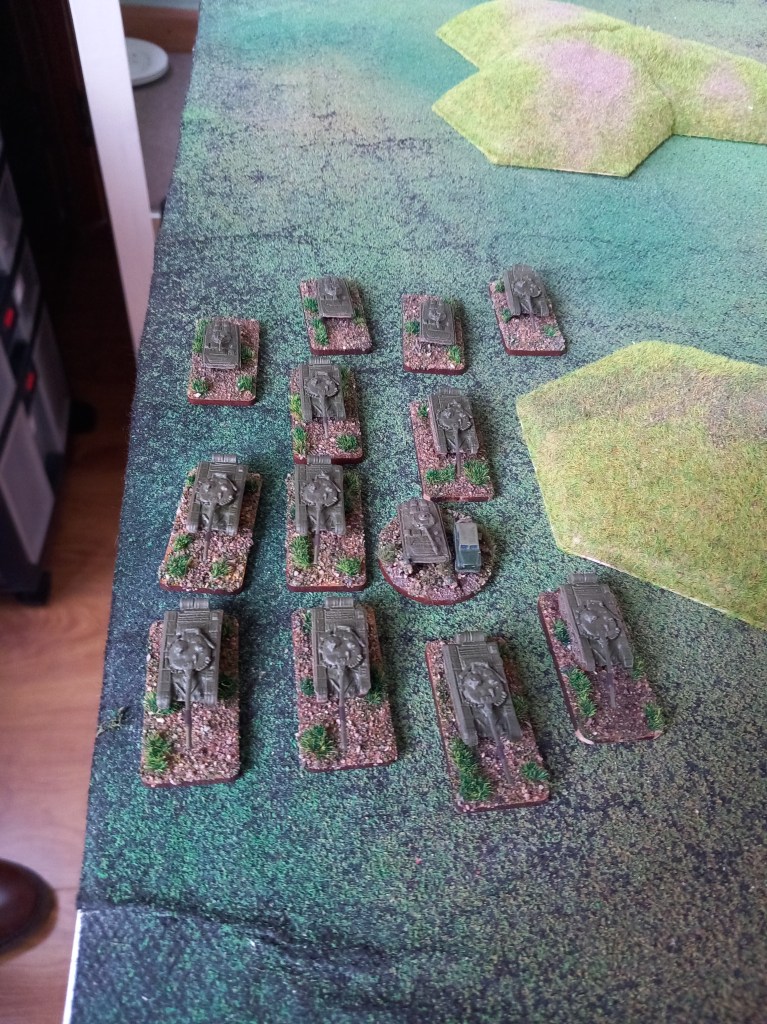
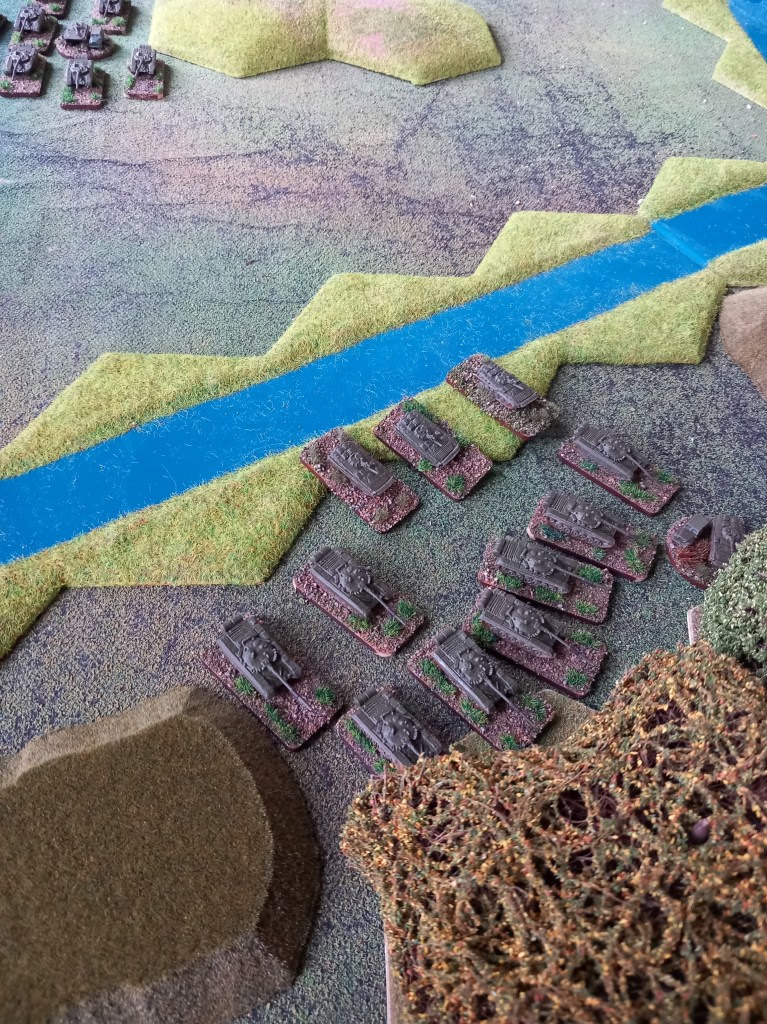
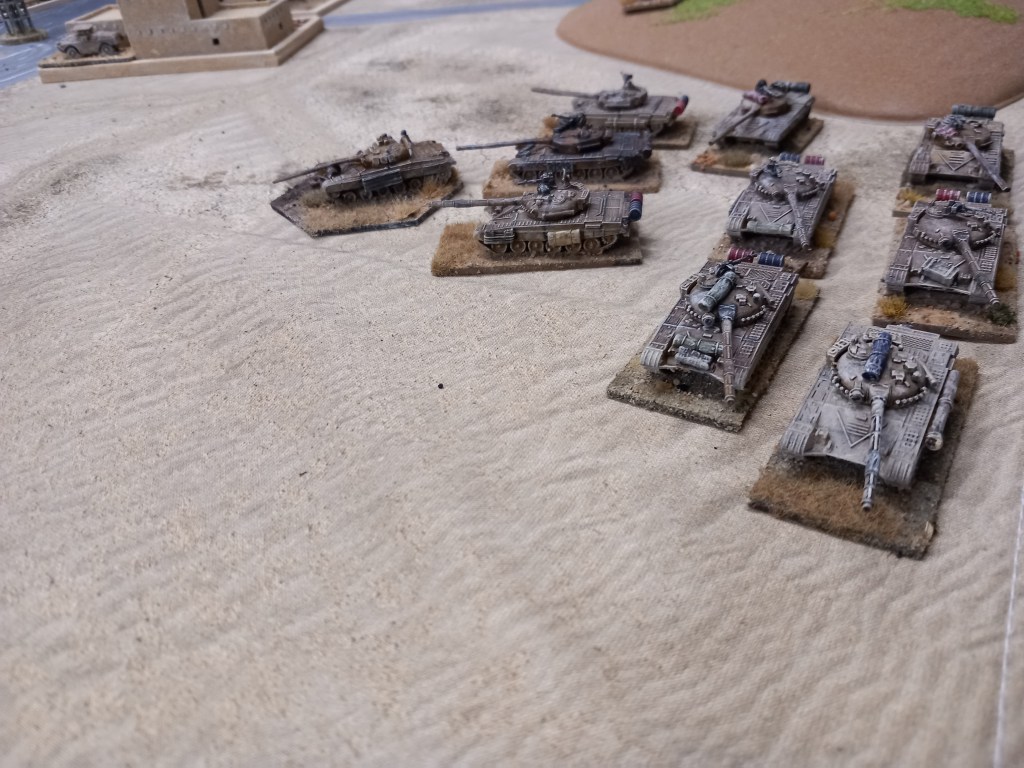
The Iranians massed on their right with the lorry born Pasdaran and the APC born regulars while the armour deployed out on the centre left hidden by a large hill. Unknown to the Iraqis one Pasdaran battalion had been detached on a flank march.
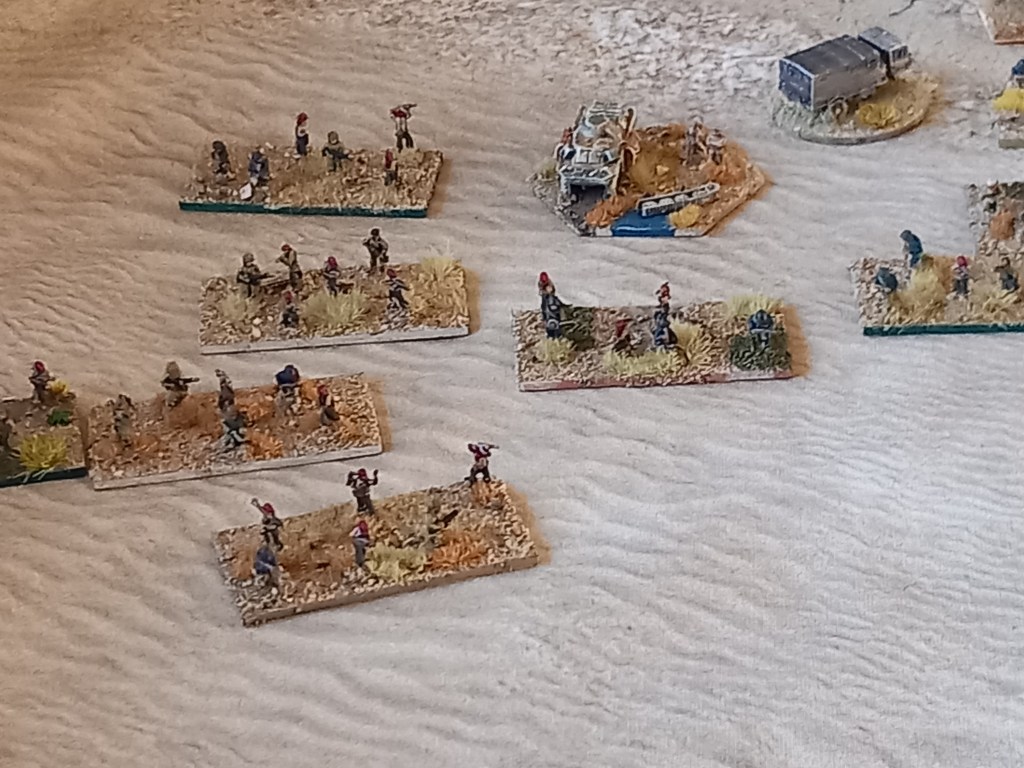
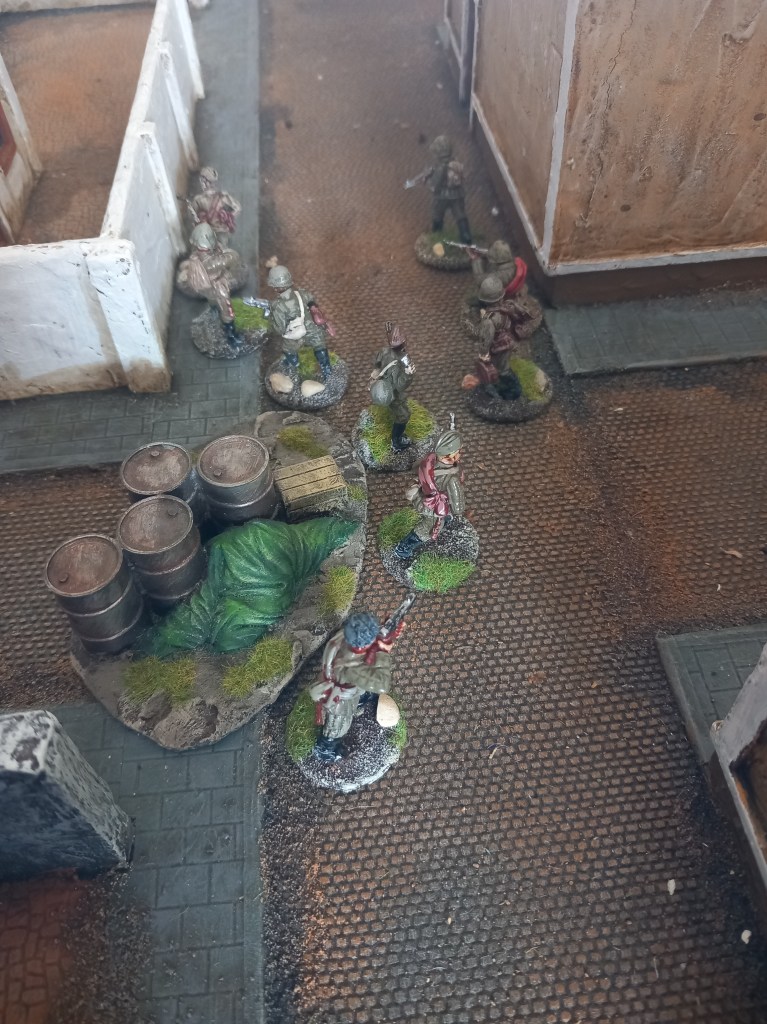
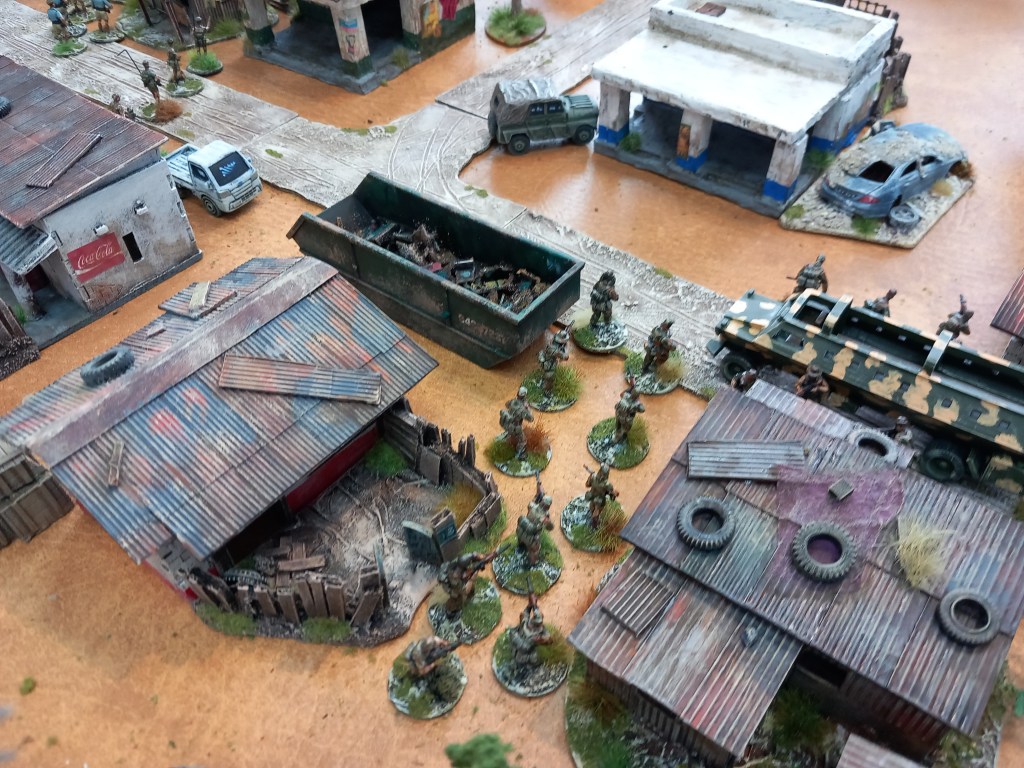
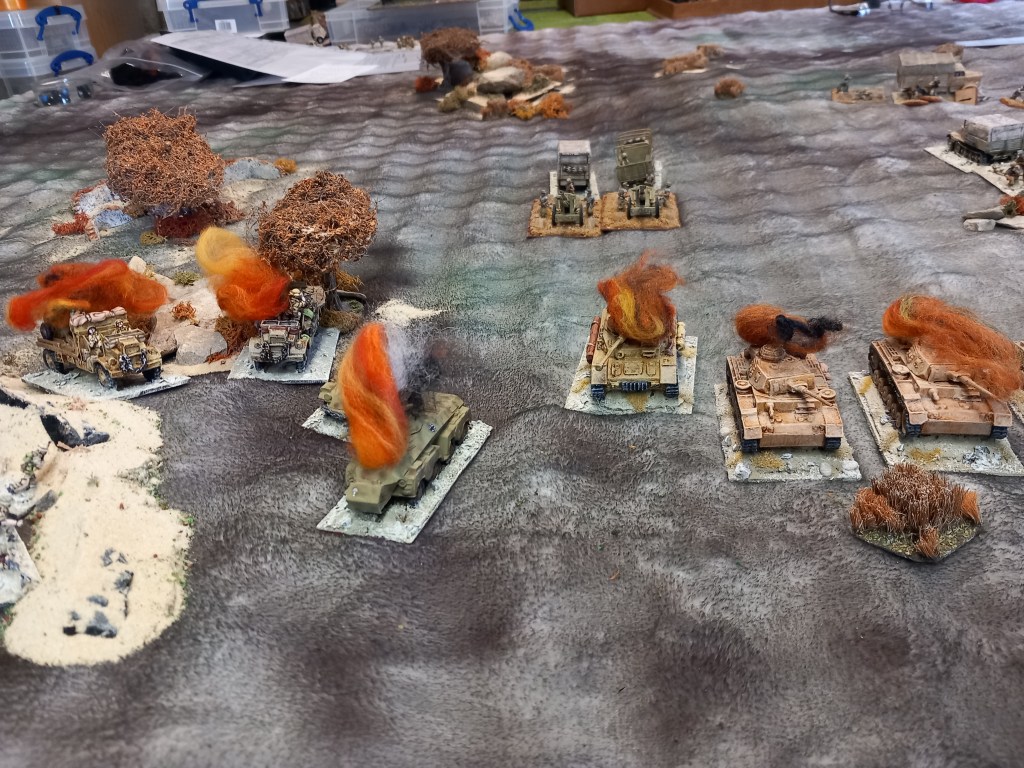
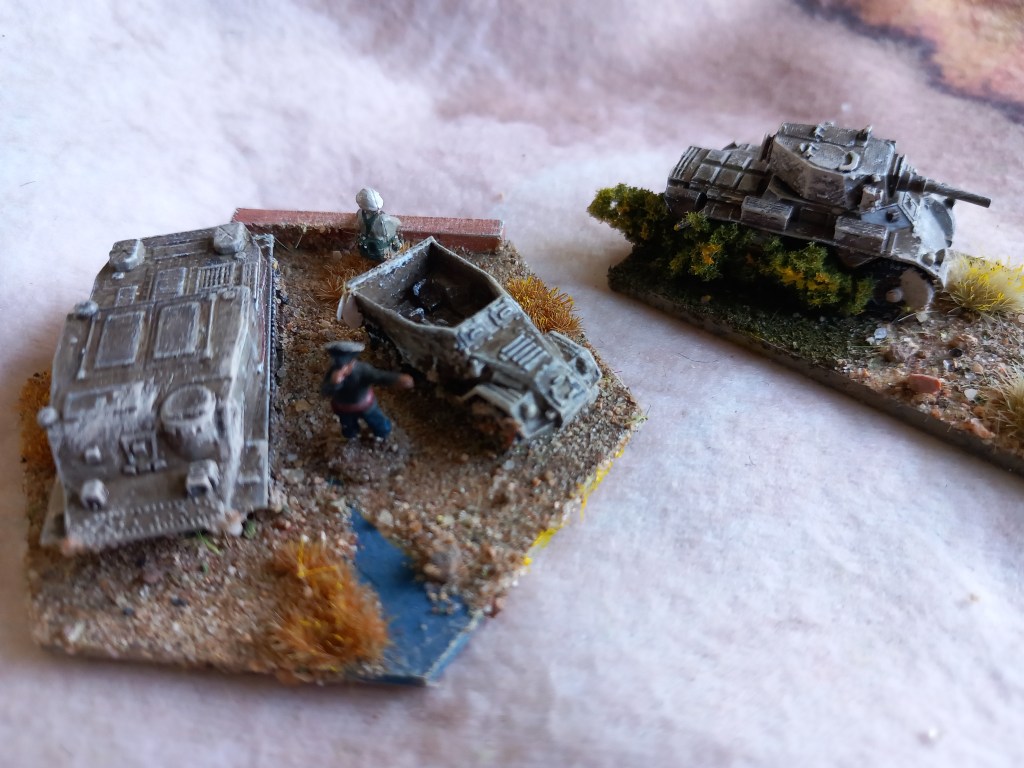
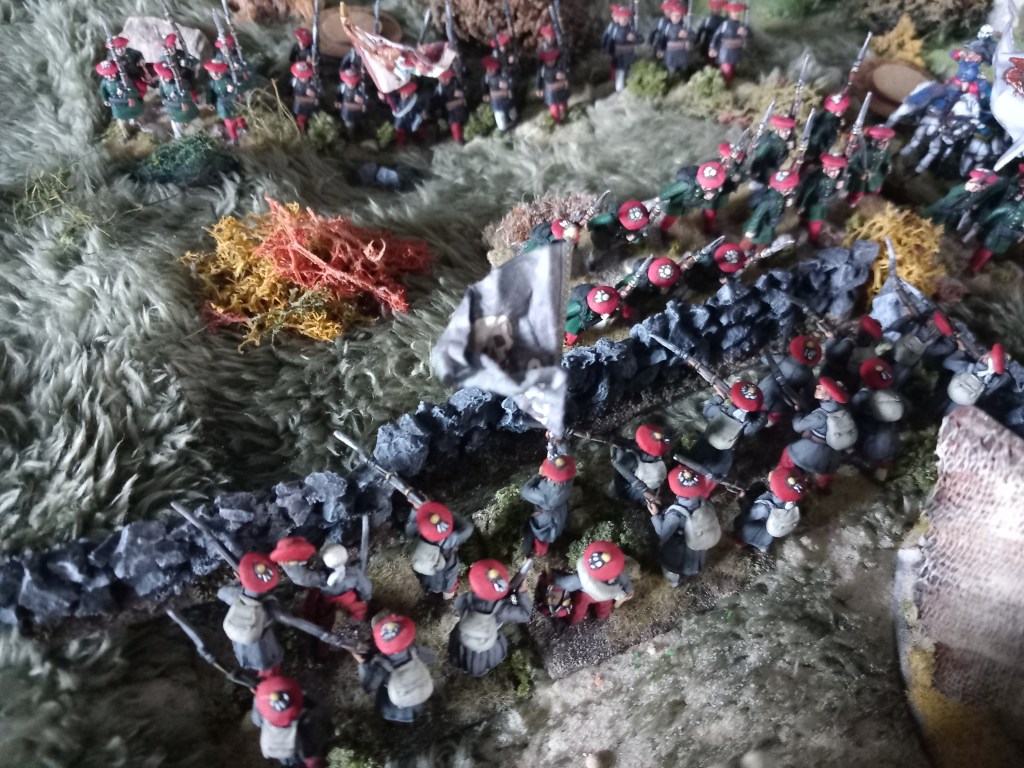
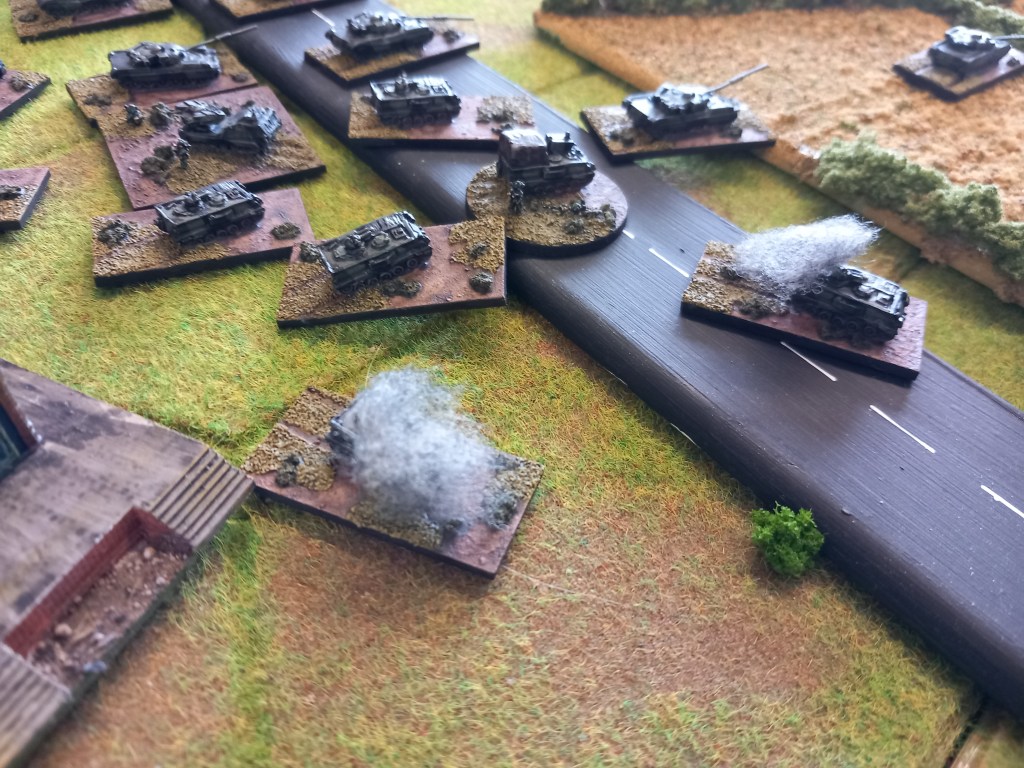
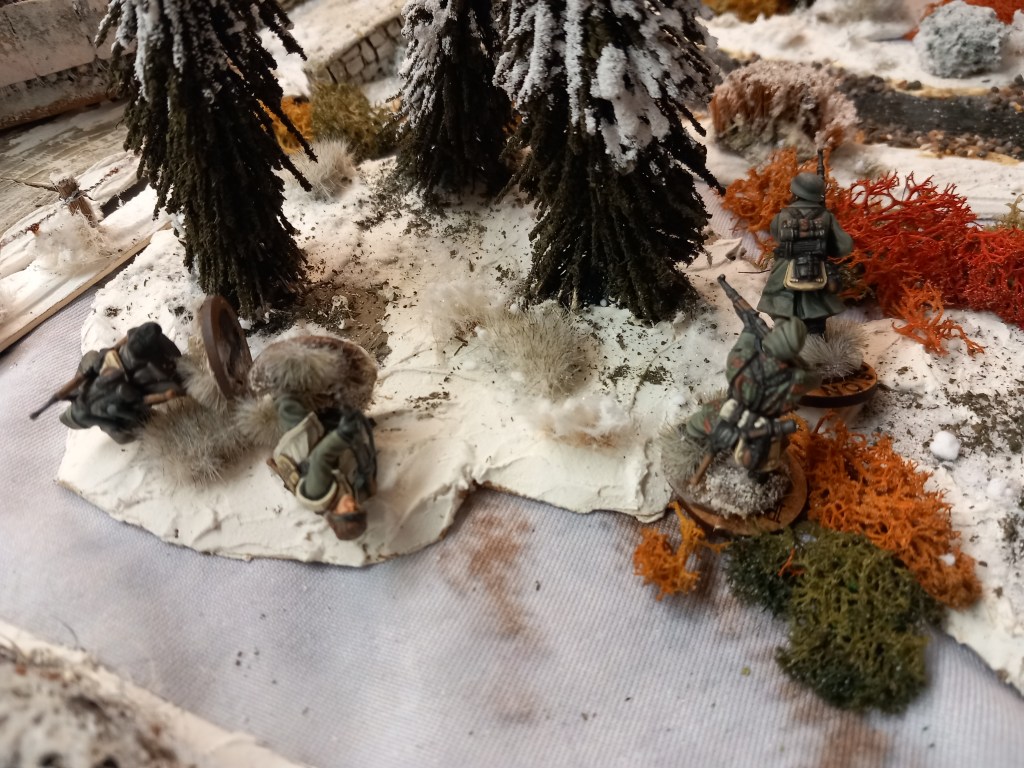
After some unfortunate hits on their transport the Iranians debussed and advanced on the entrenched Iraqis.
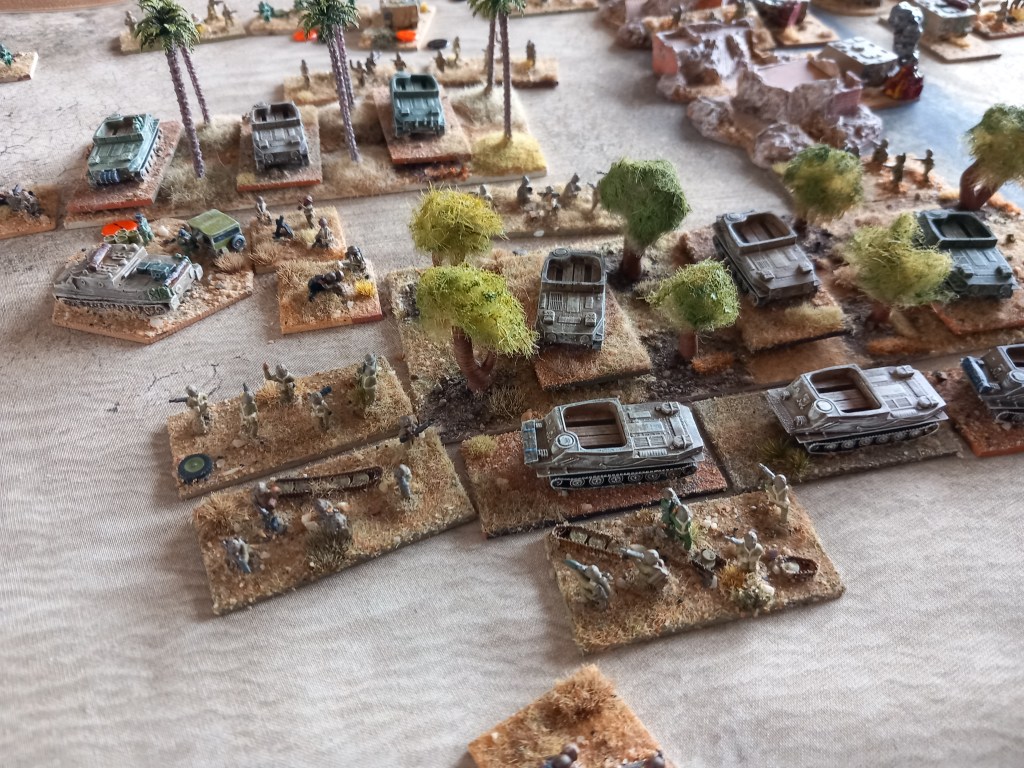
The regulars soon followed suit.
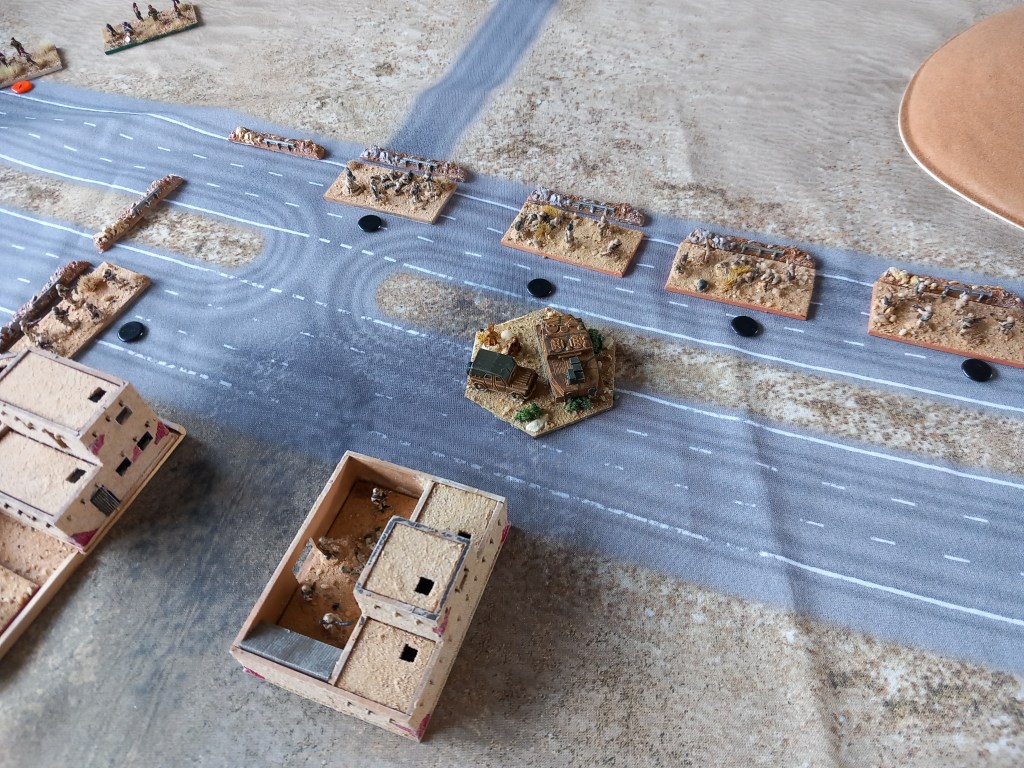
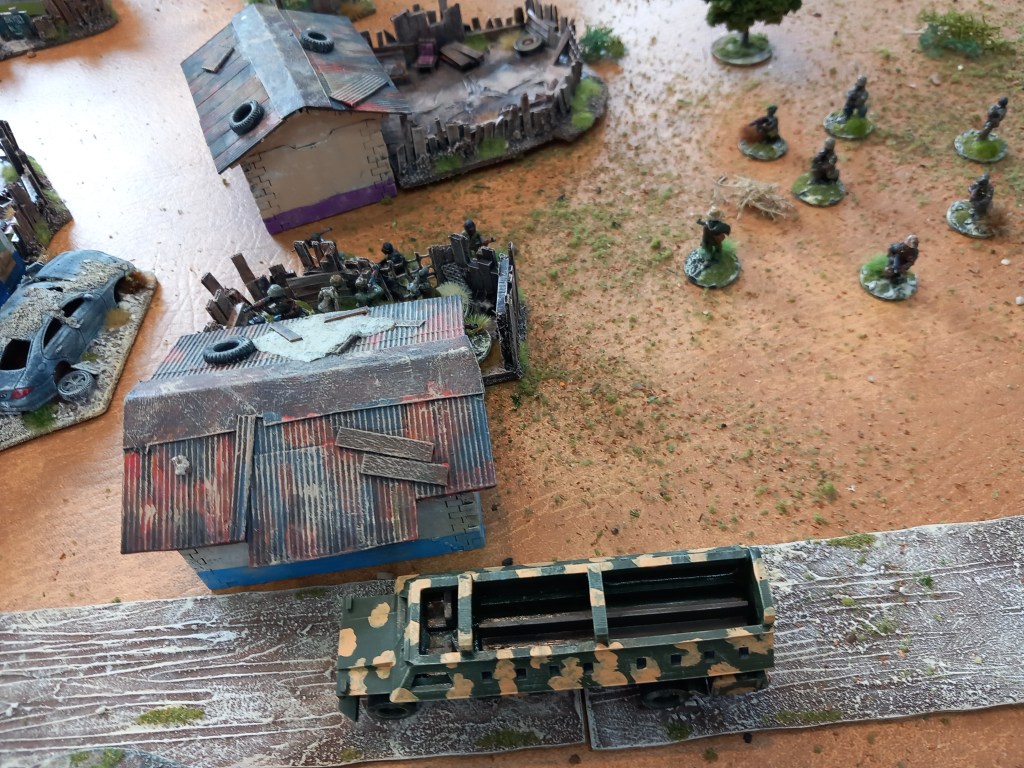
As the Iranians closed, supported by the mortars and artillery, the entrenched Iraqis started to feel the pain.
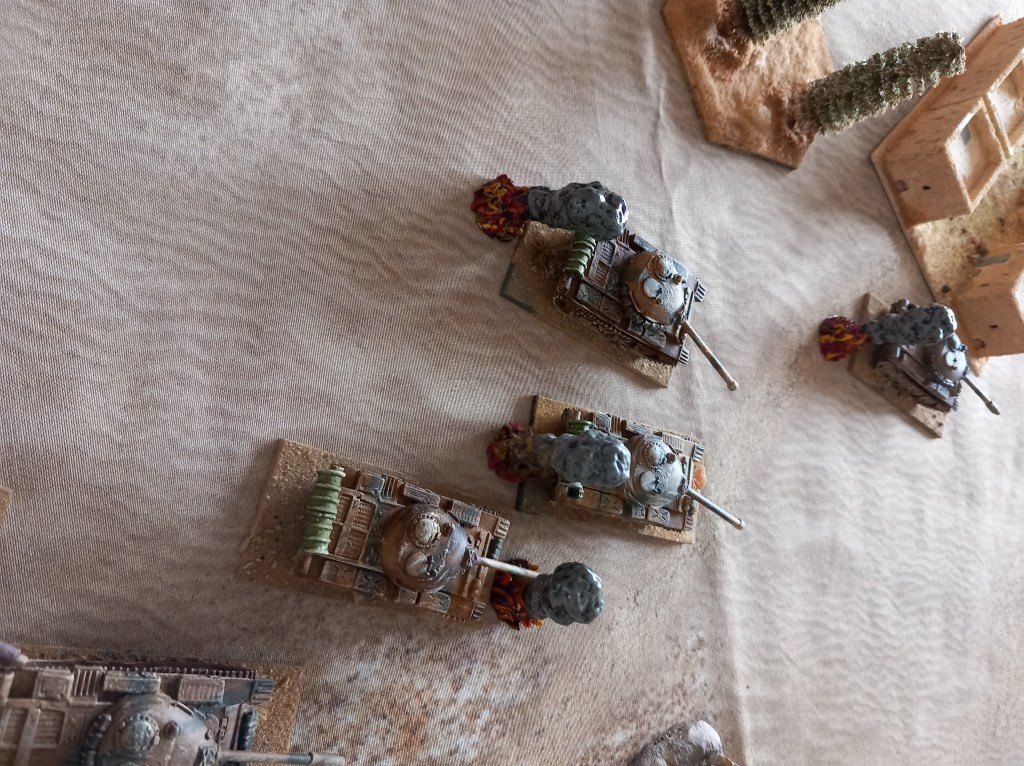
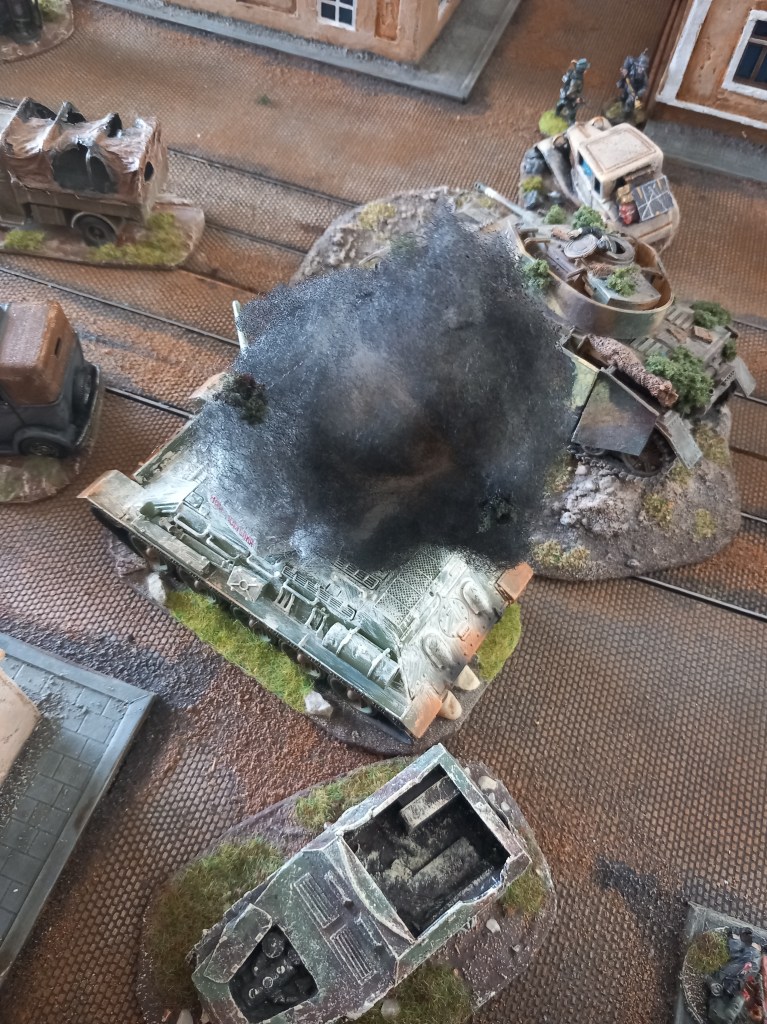
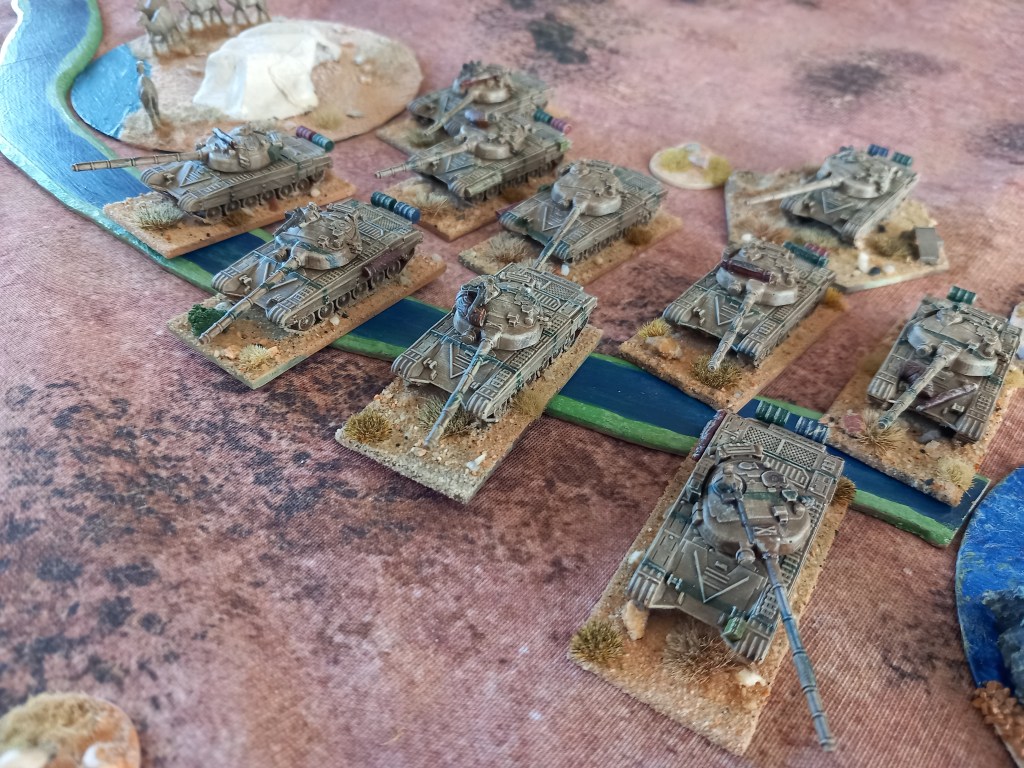
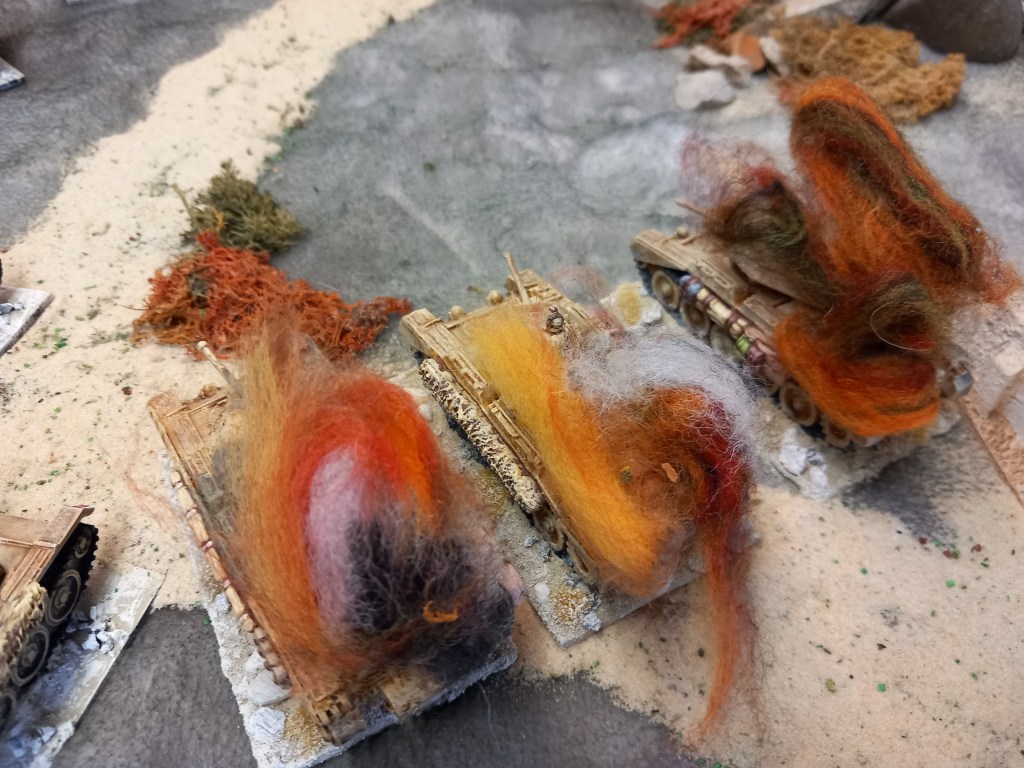
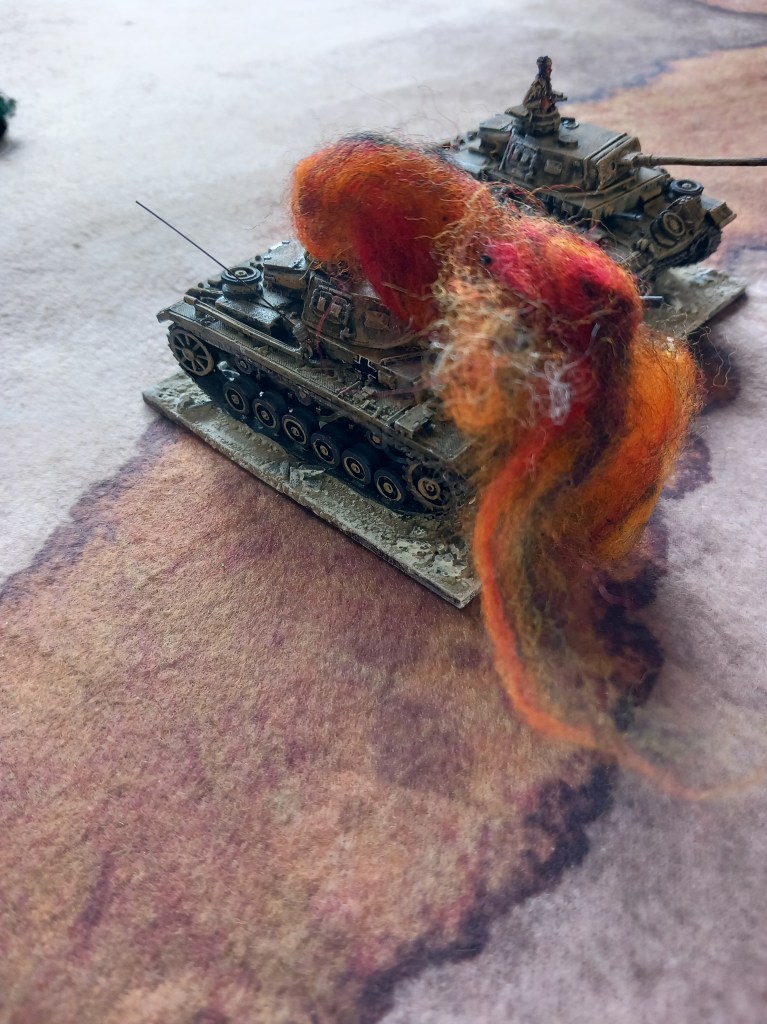
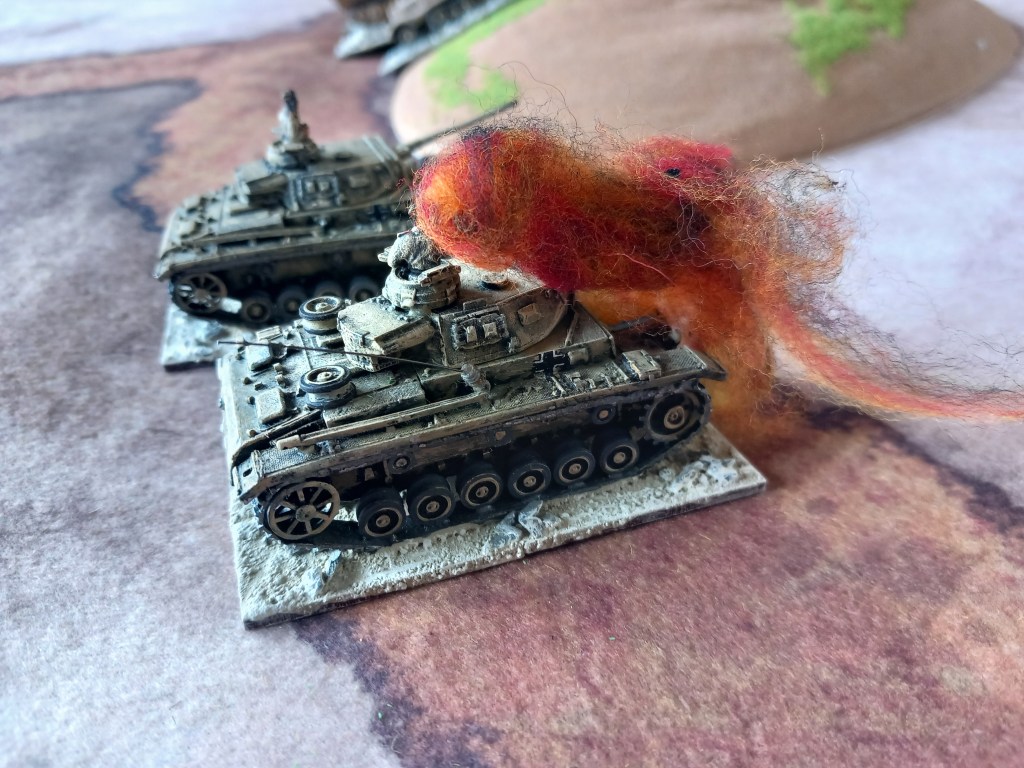
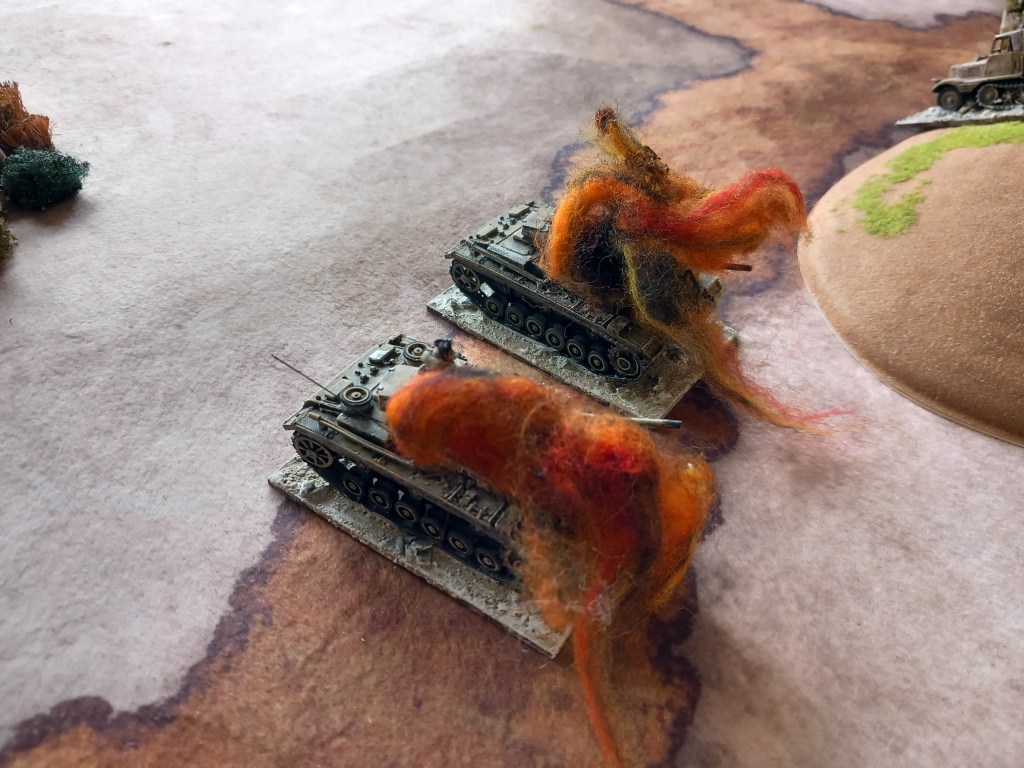
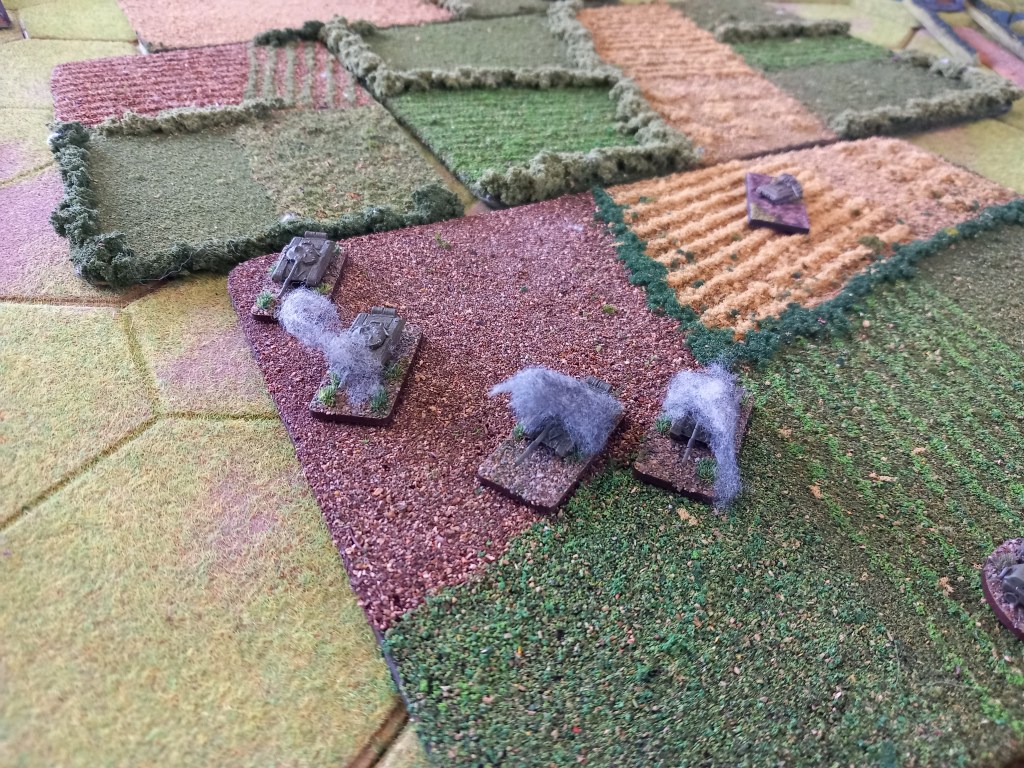
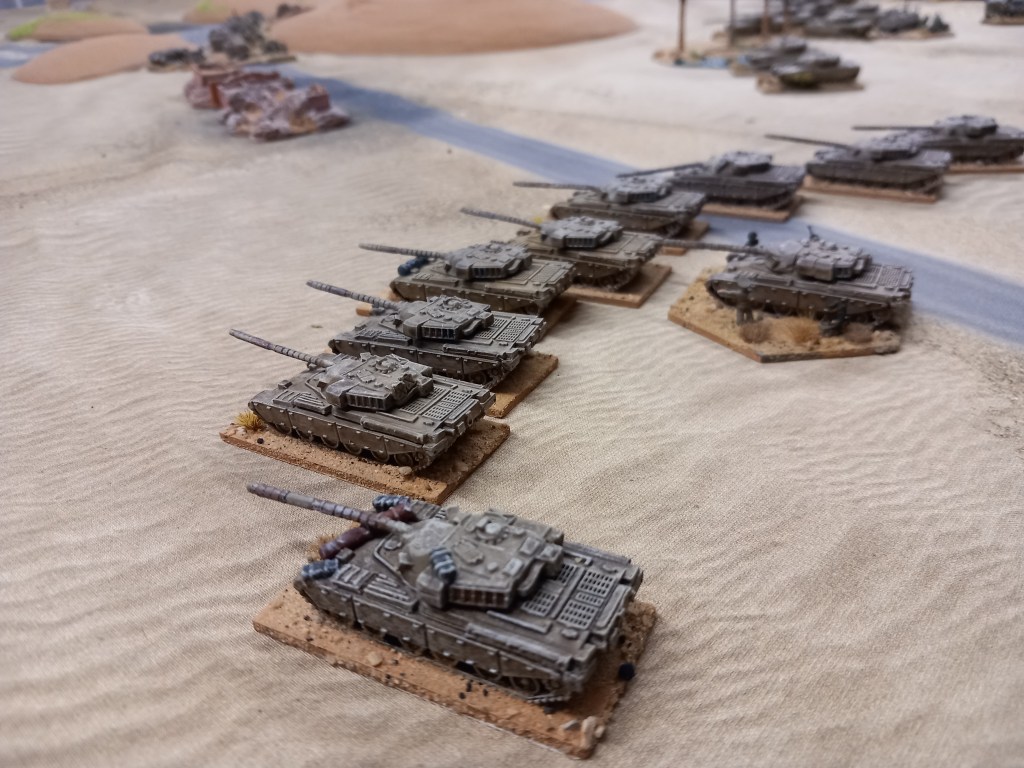
Out on the right of the Iraqi defence the armoured battalion made the fateful decision to take the fight to the Iranians mainly due to the fact that their T-54/55s were being out ranged by the Iranian M60s and even in tank scrapes they were still being picked off.
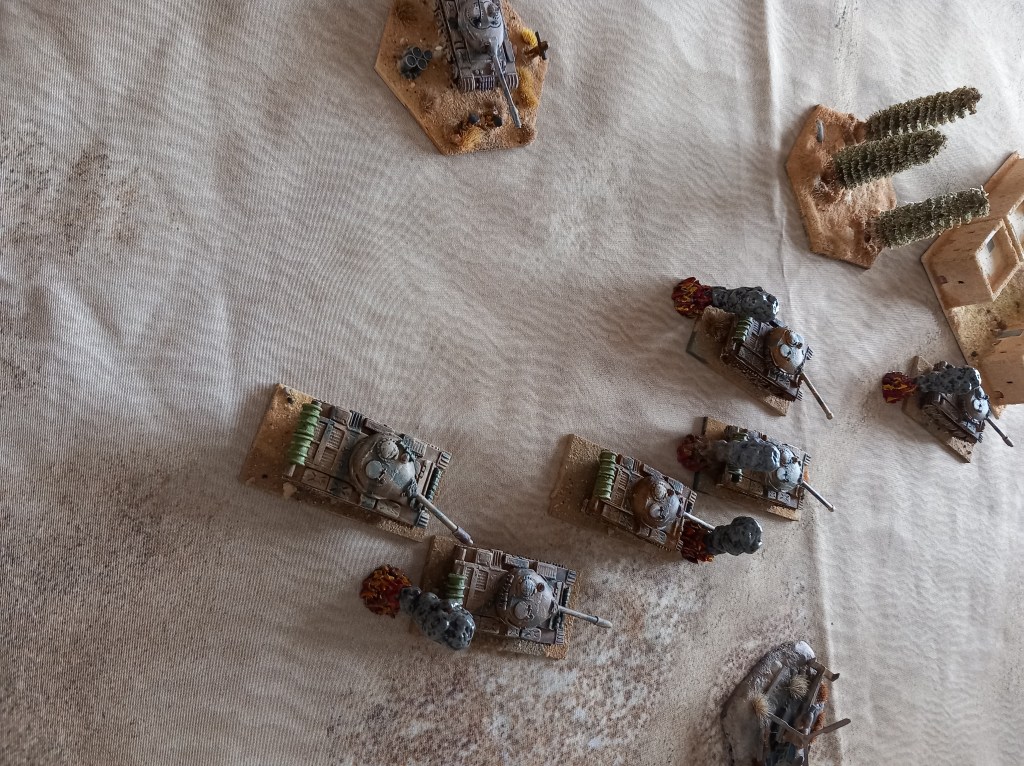
This didn’t go well and the Iraqis were shot to pieces.
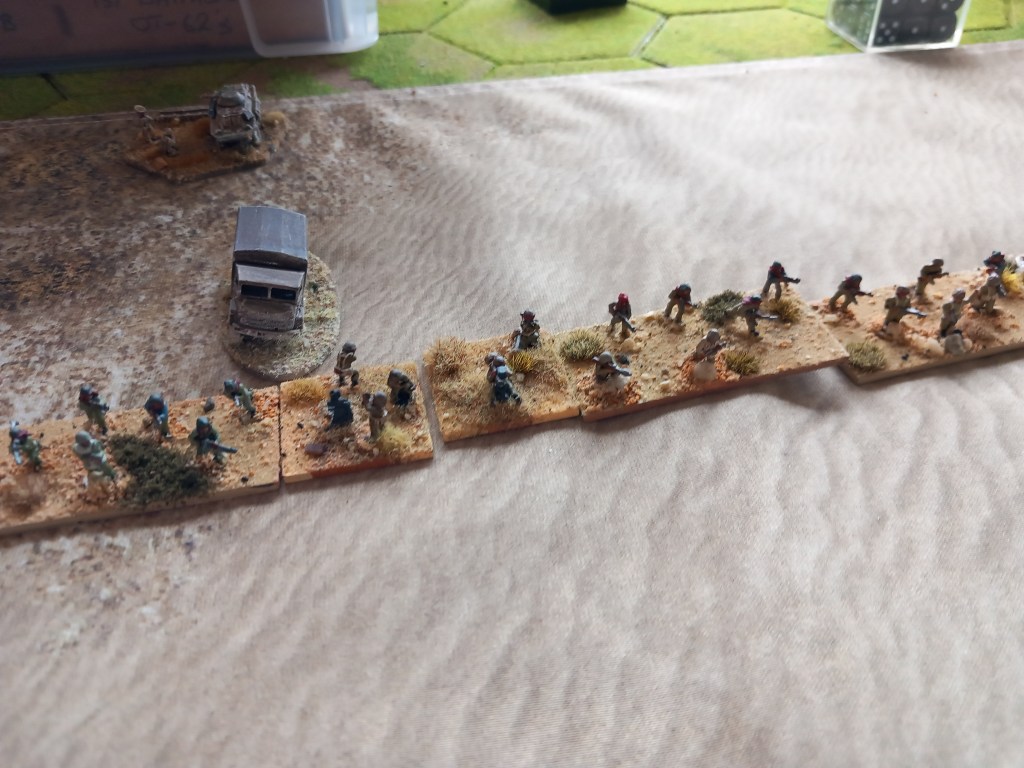
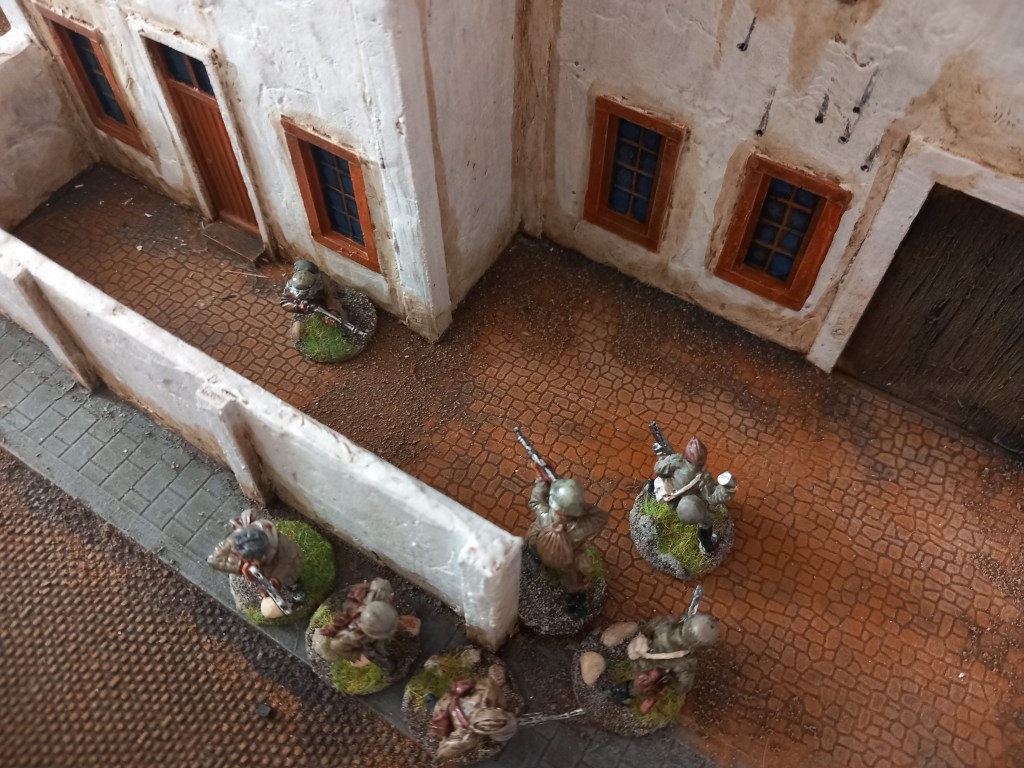
The battle ground on and the late arriving Pasdaran flank march turned the Iraqis out of the village.
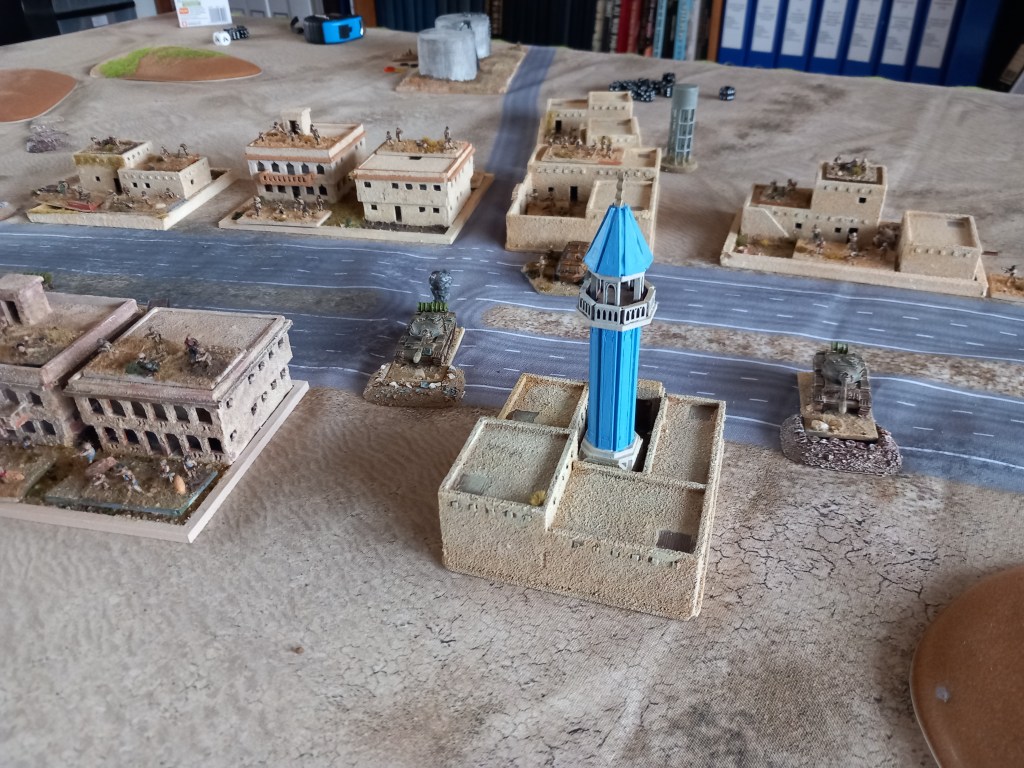
However the Iraqis were still very much in control of the town and neither side had reached it’s break point so we called it as a minor Iraqi victory.
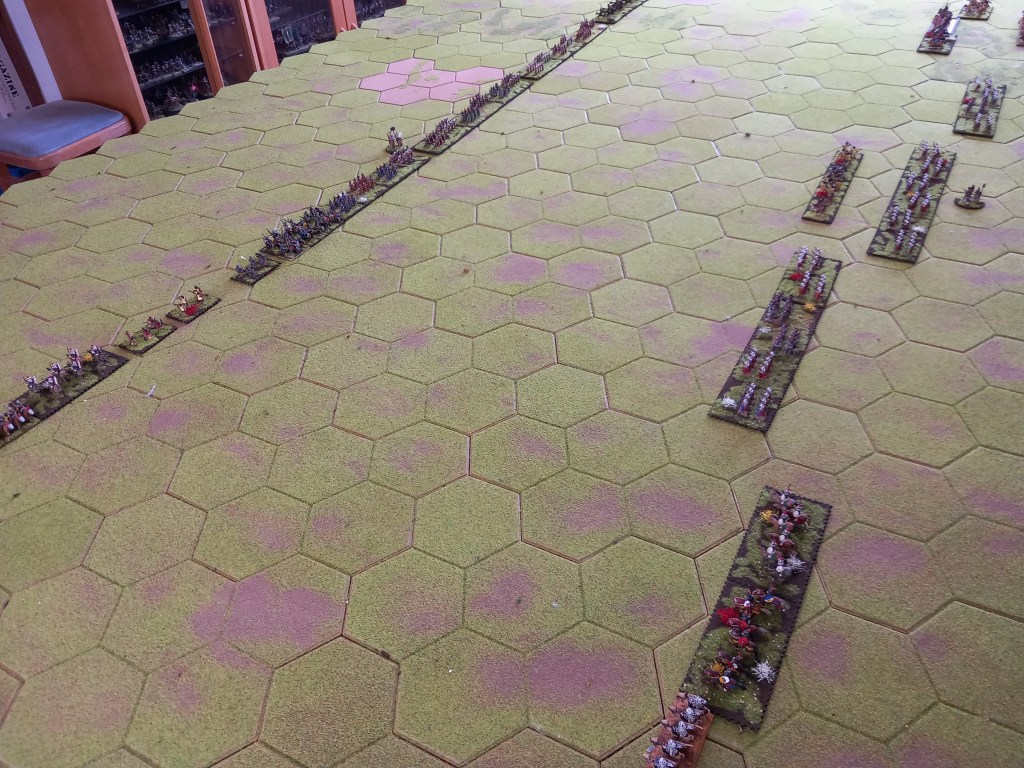
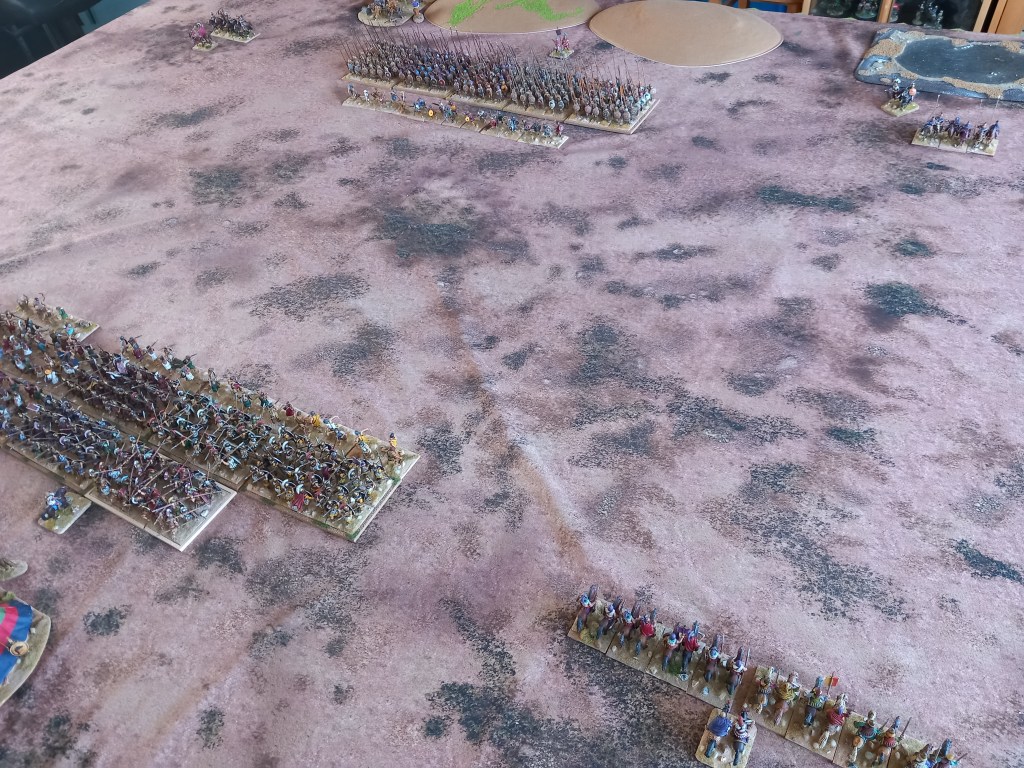
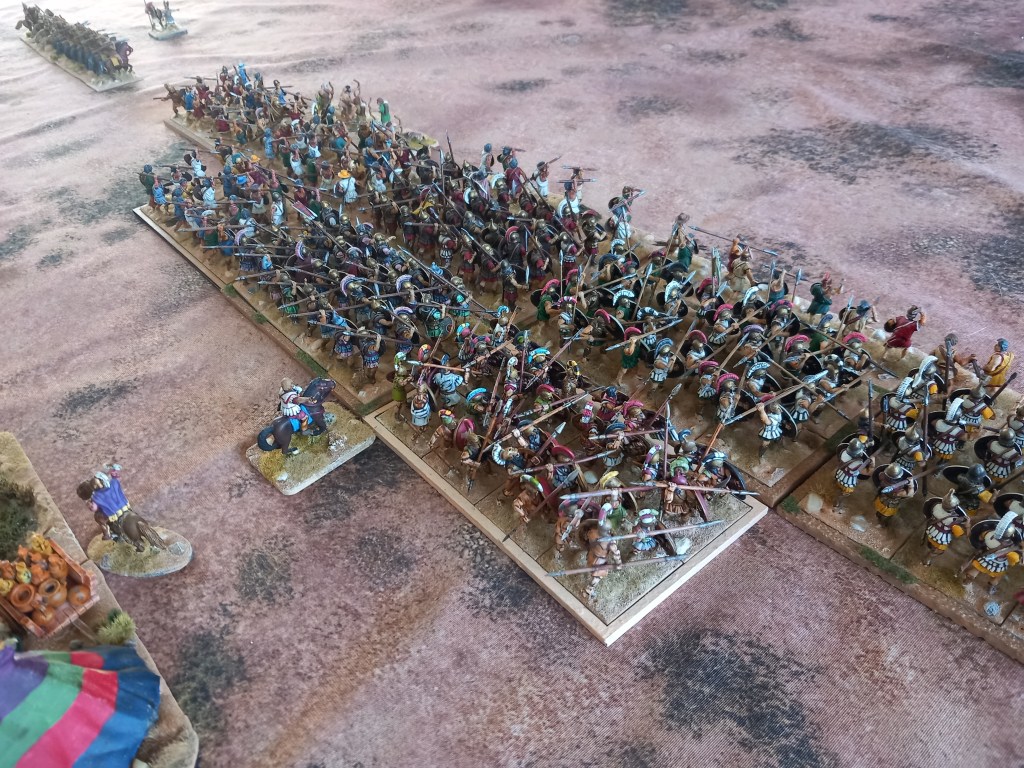
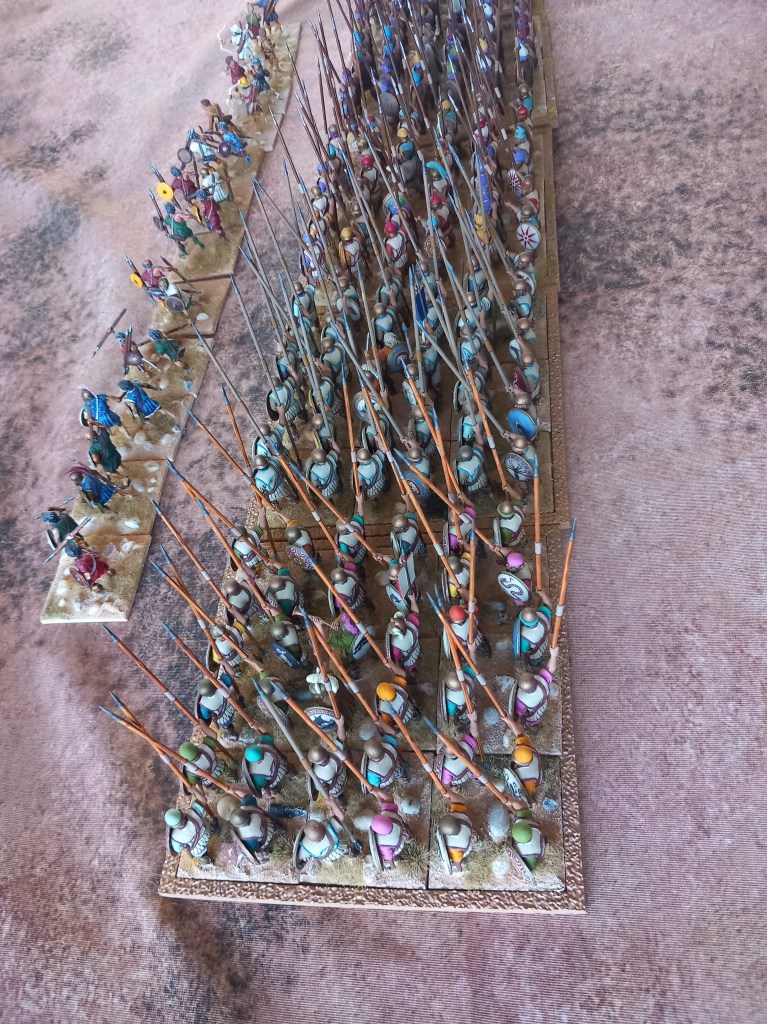
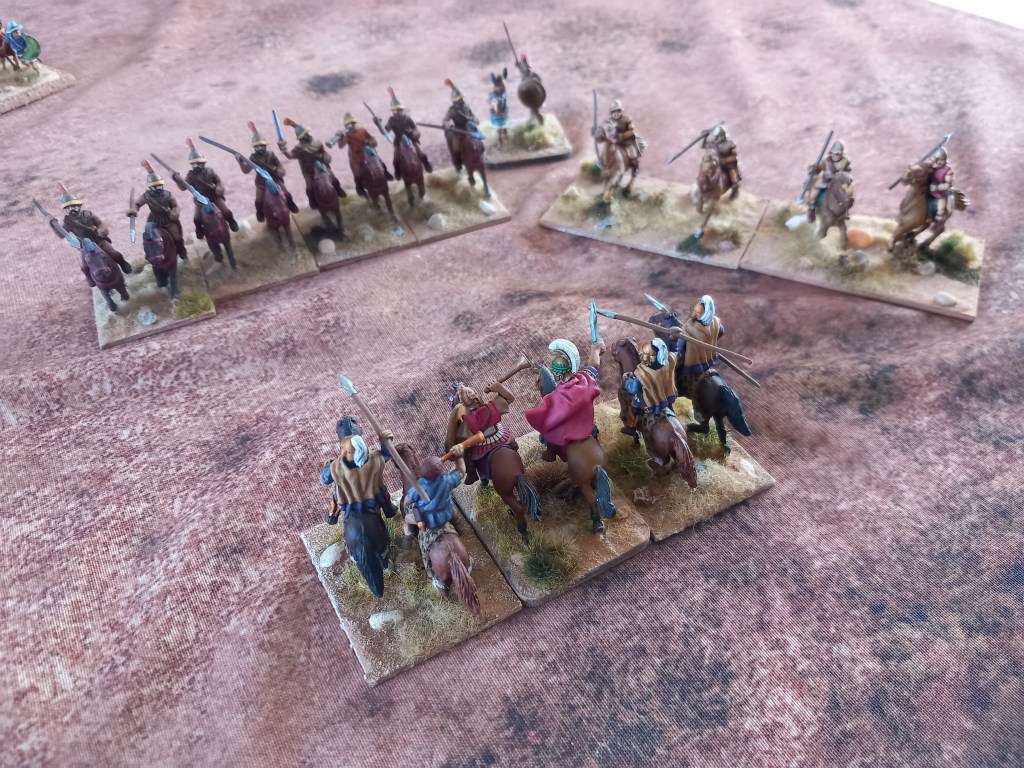
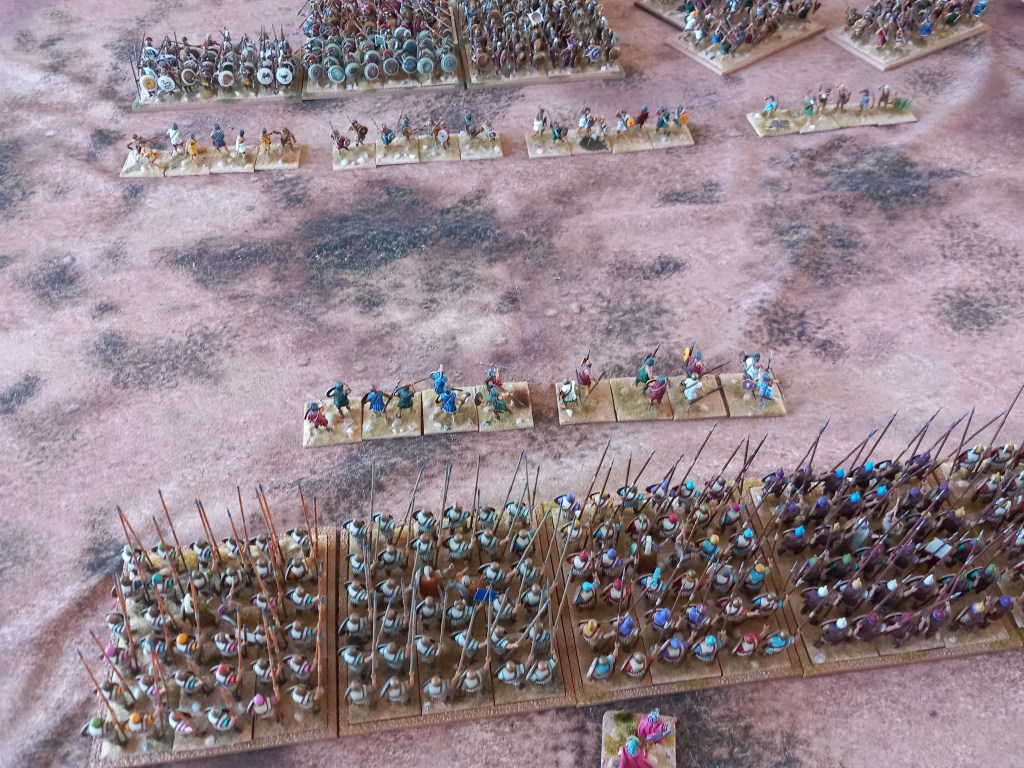
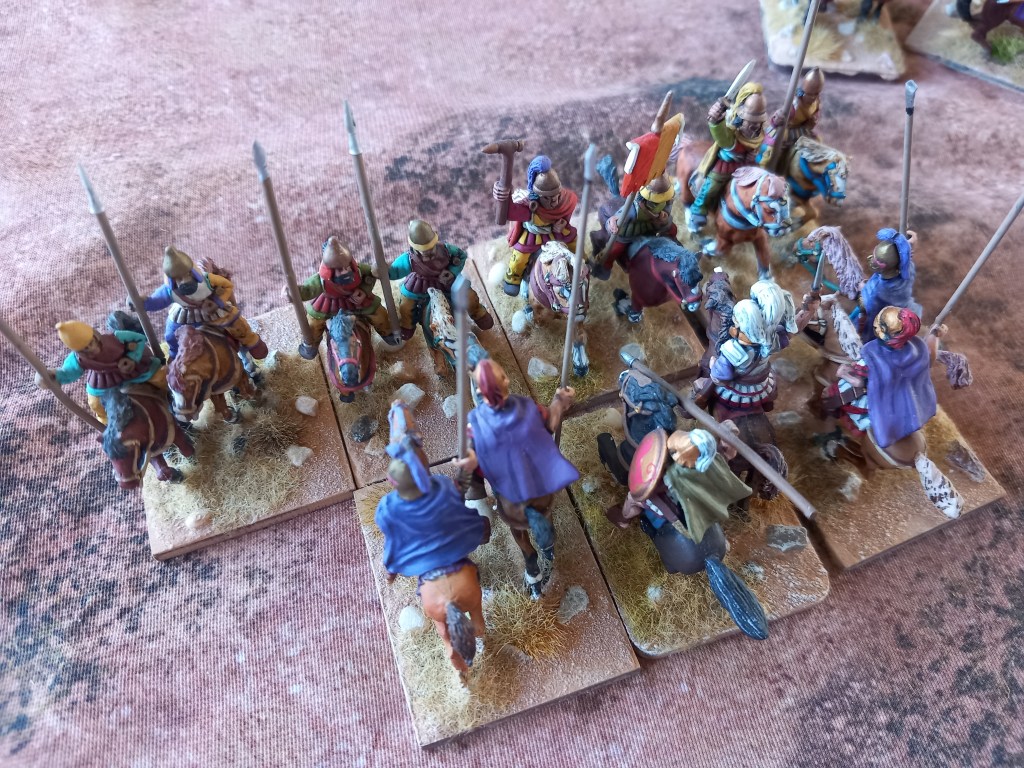
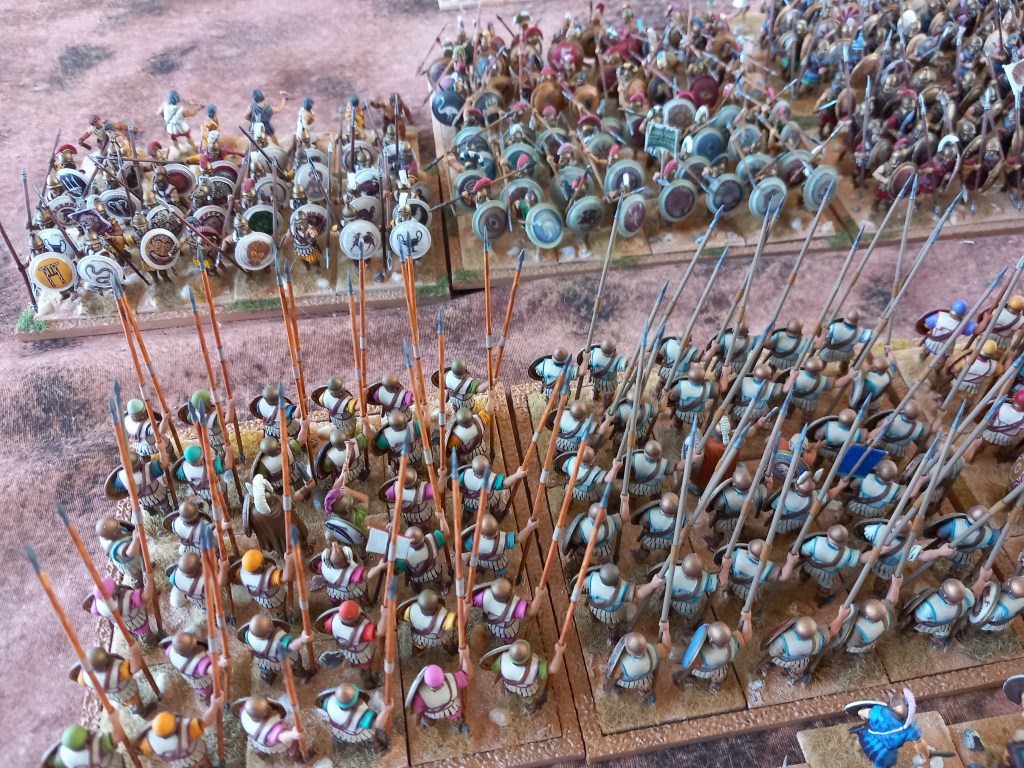
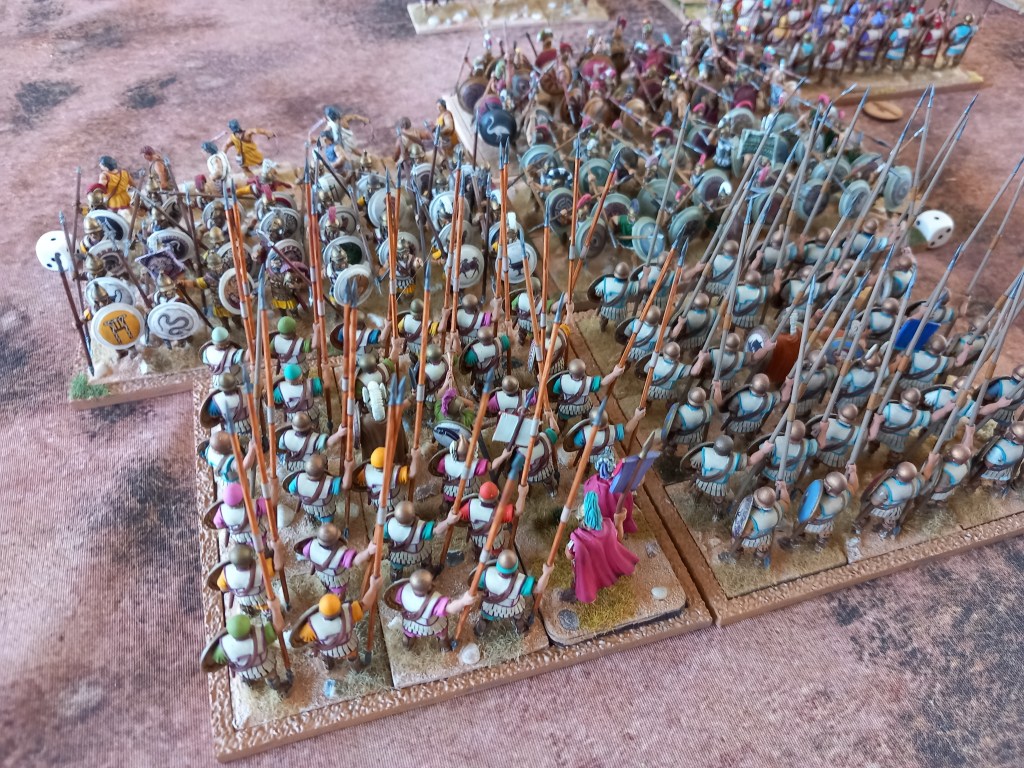
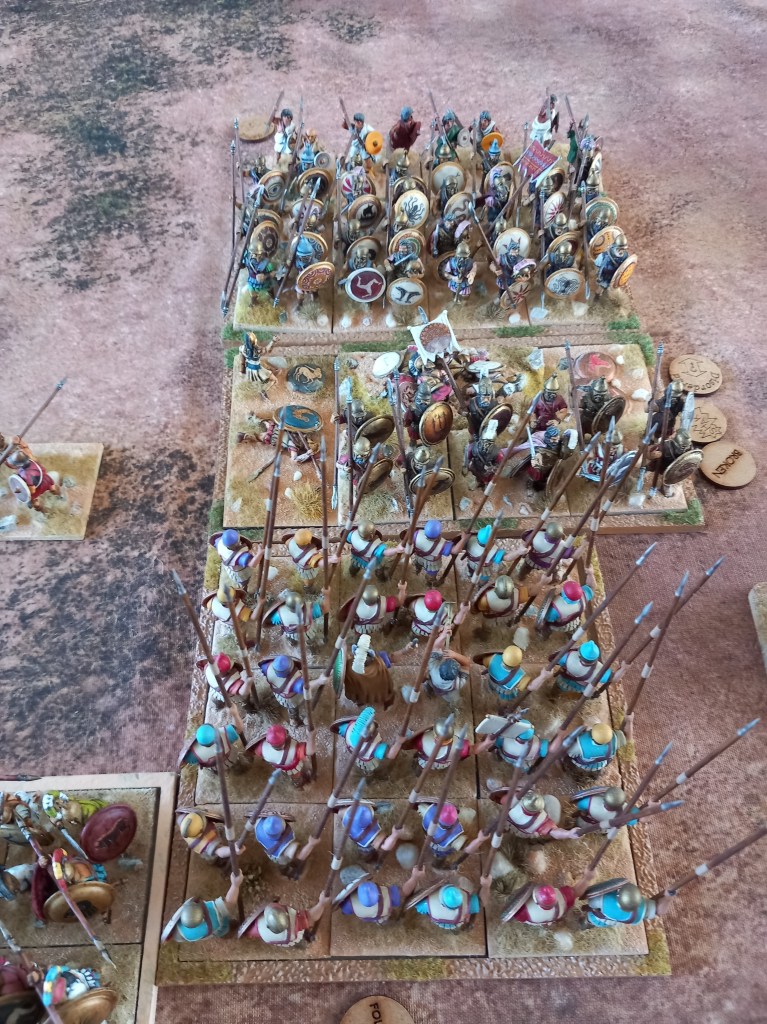
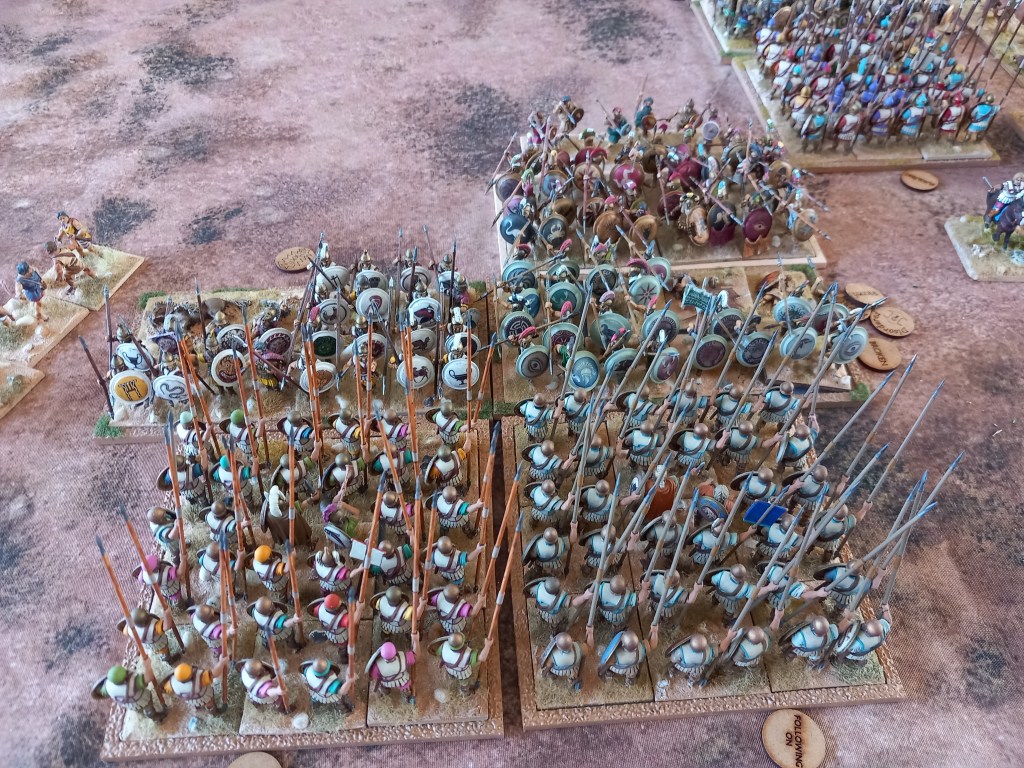
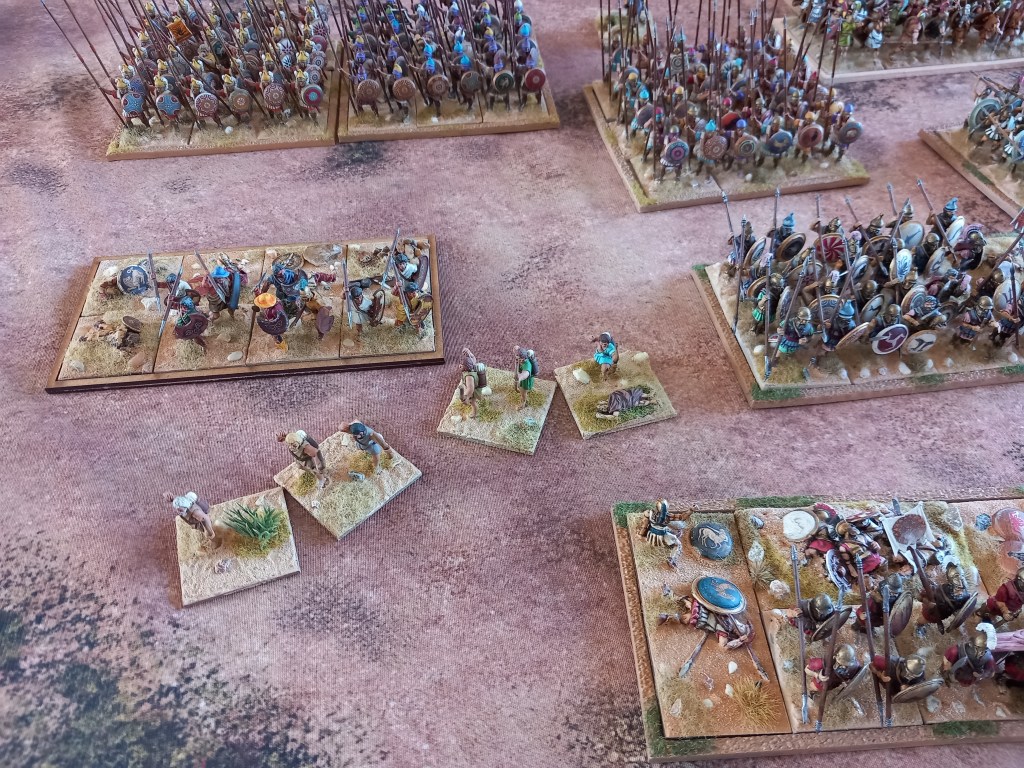
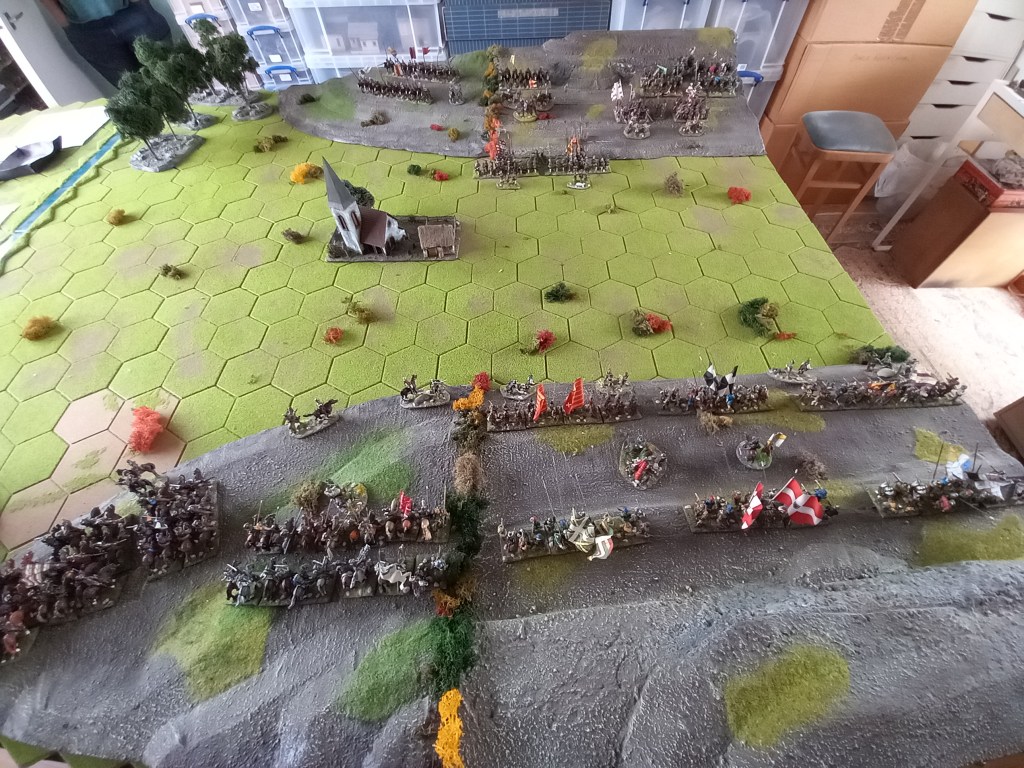
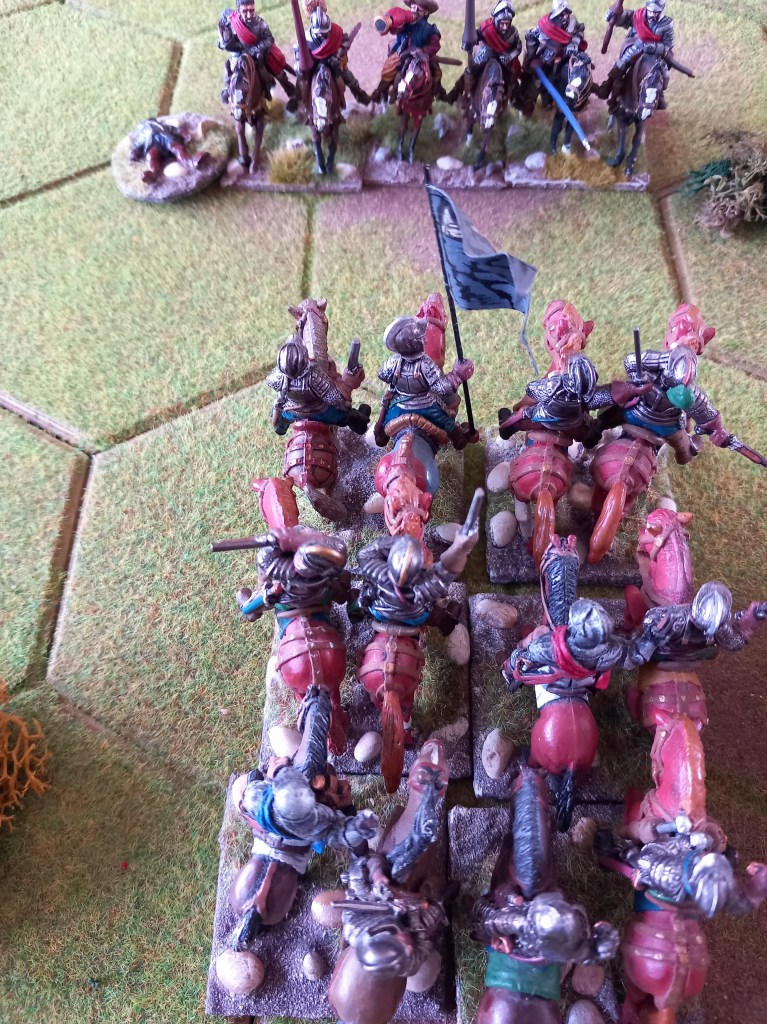
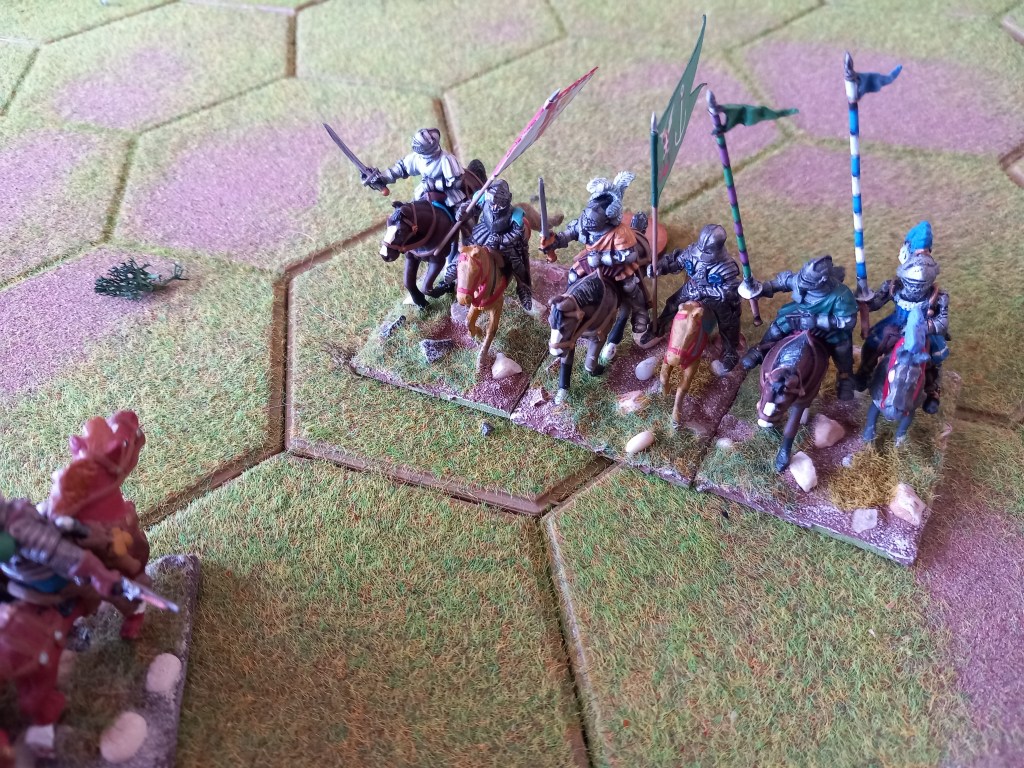
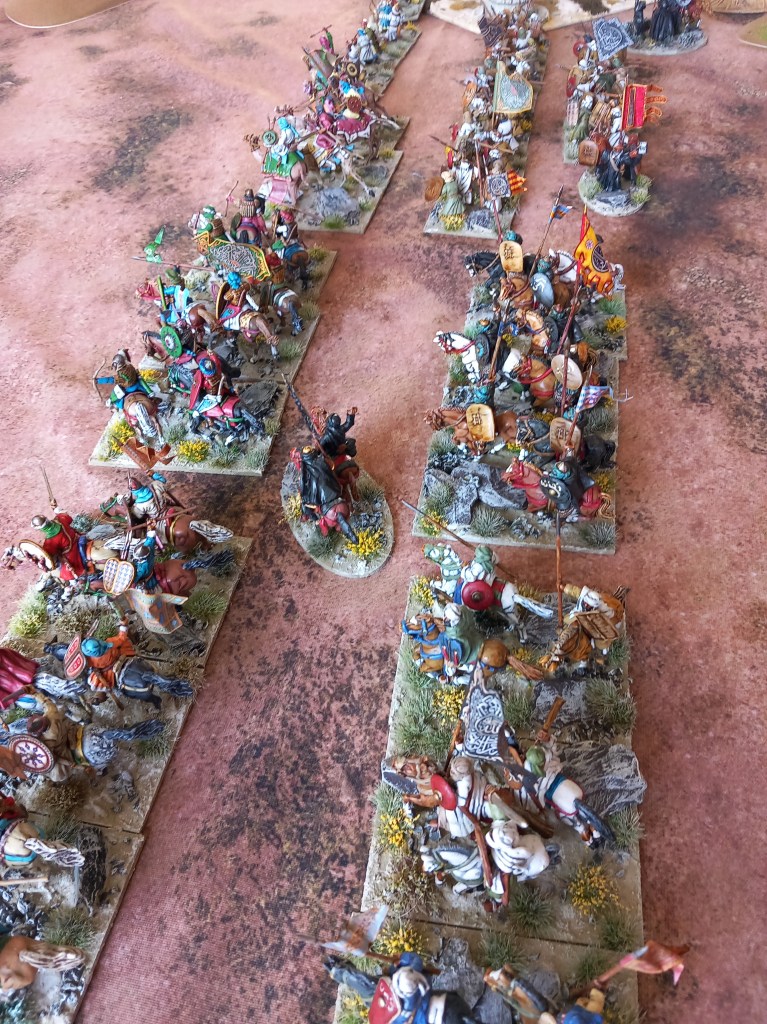
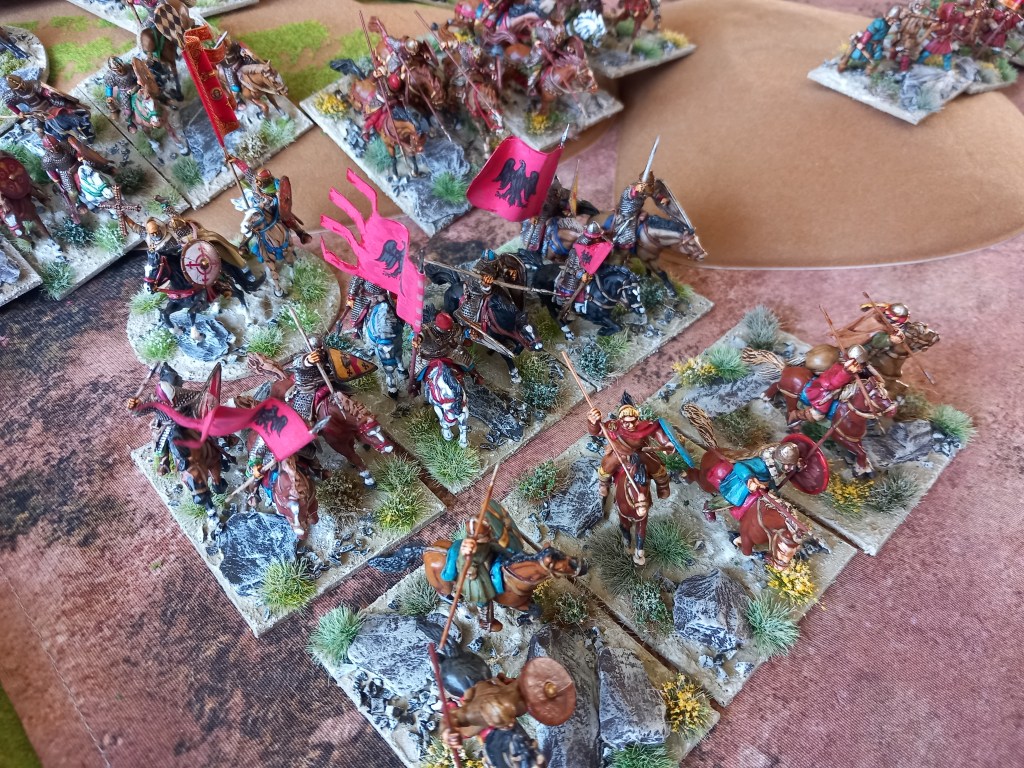
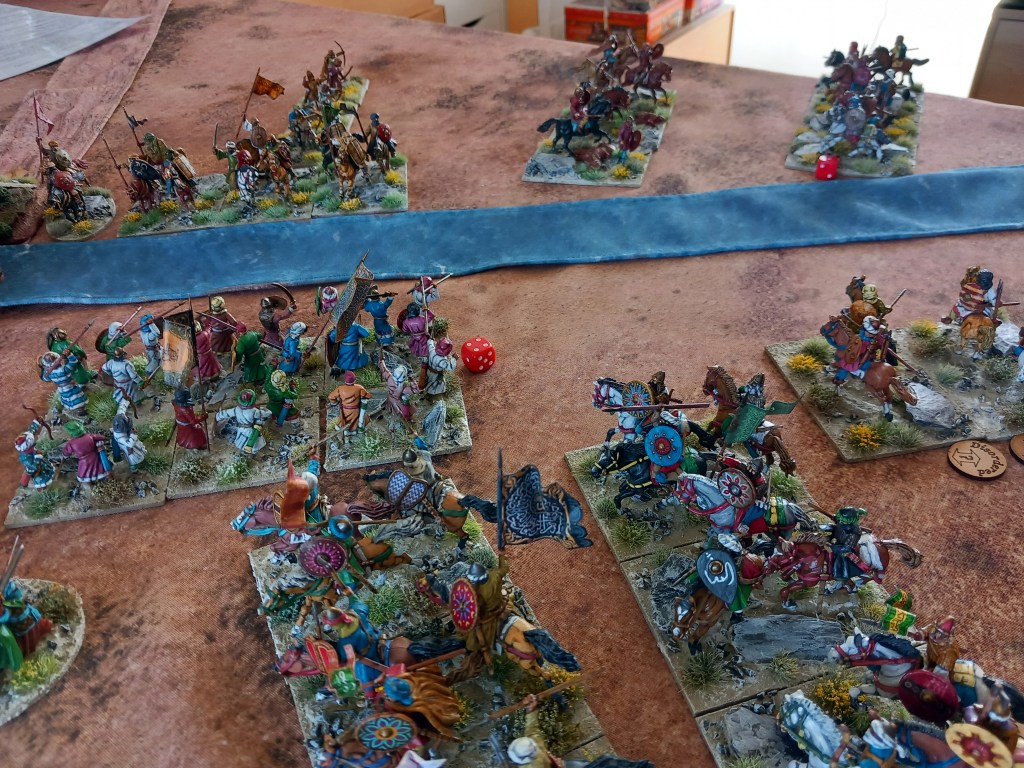
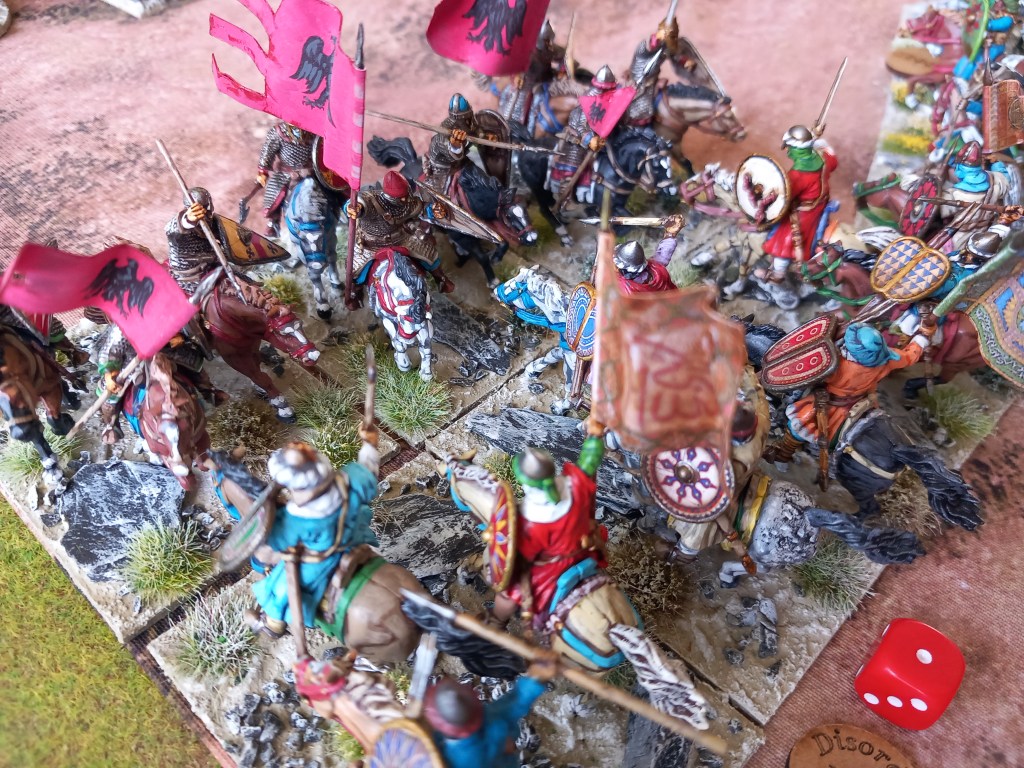
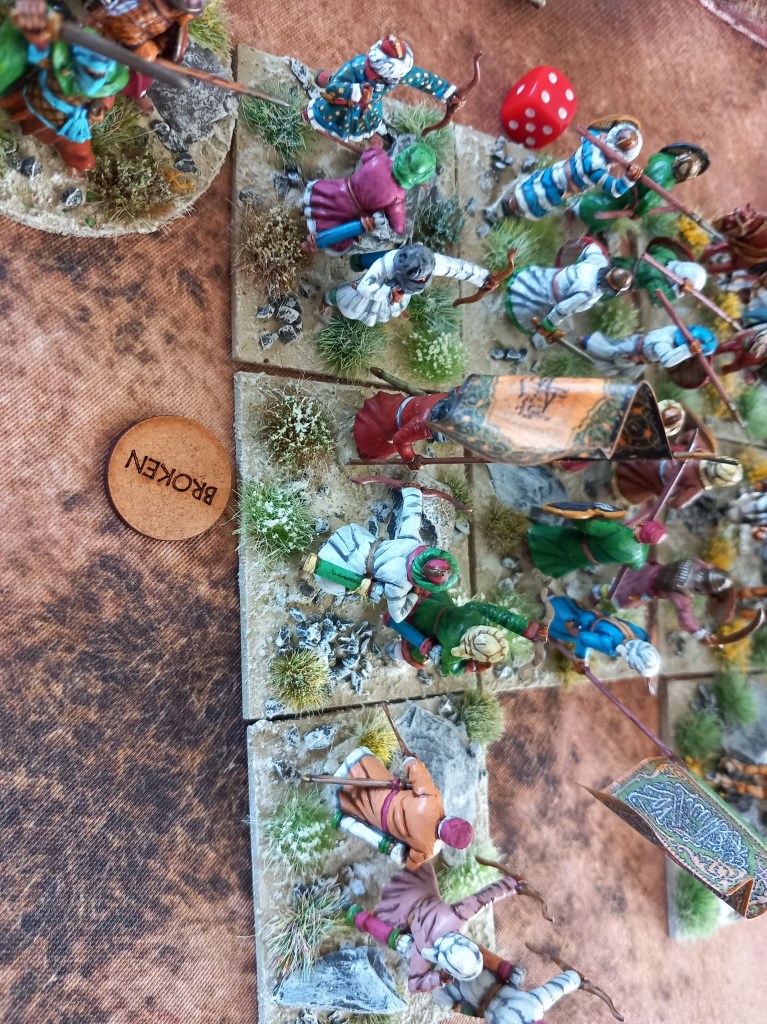
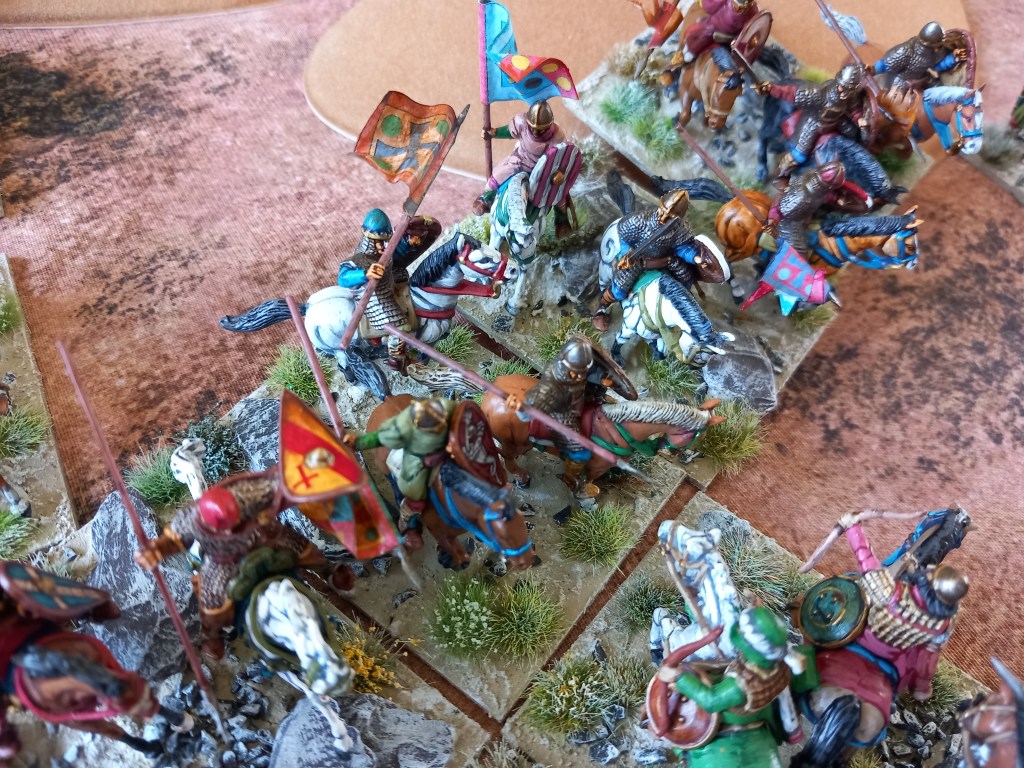
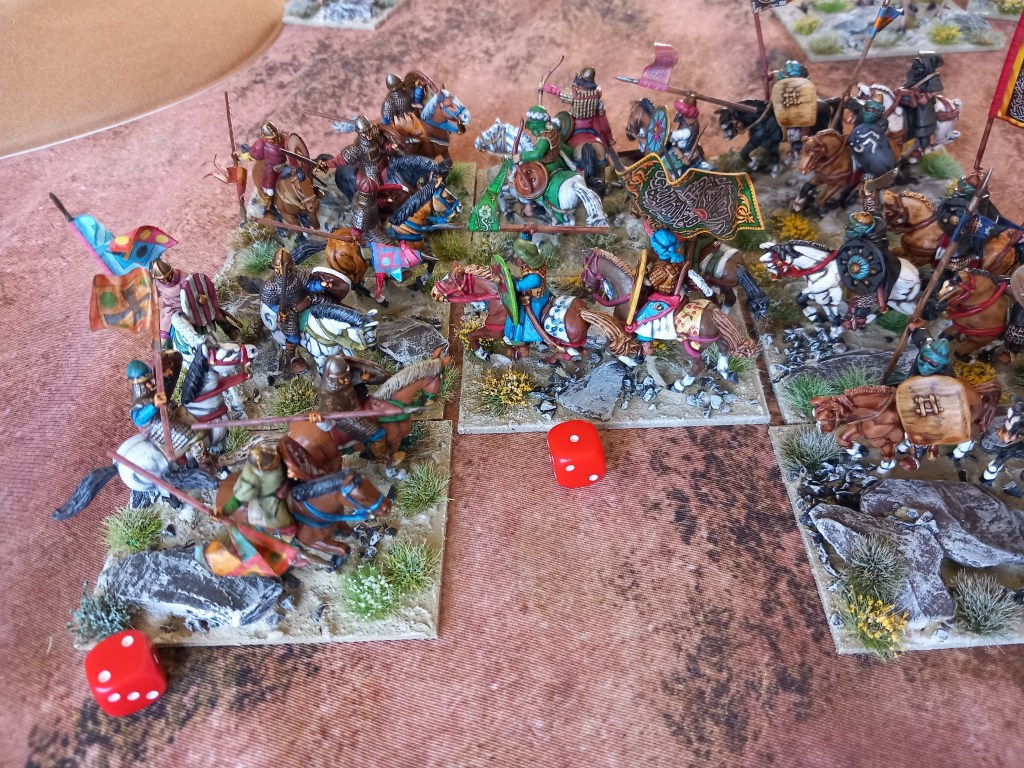
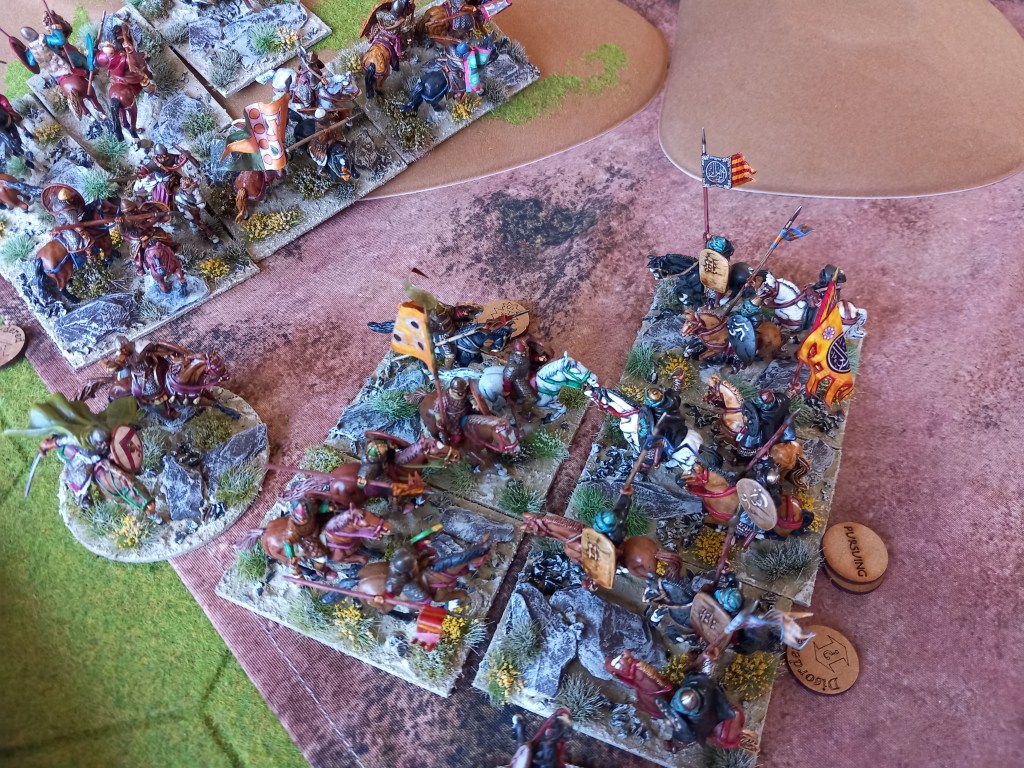
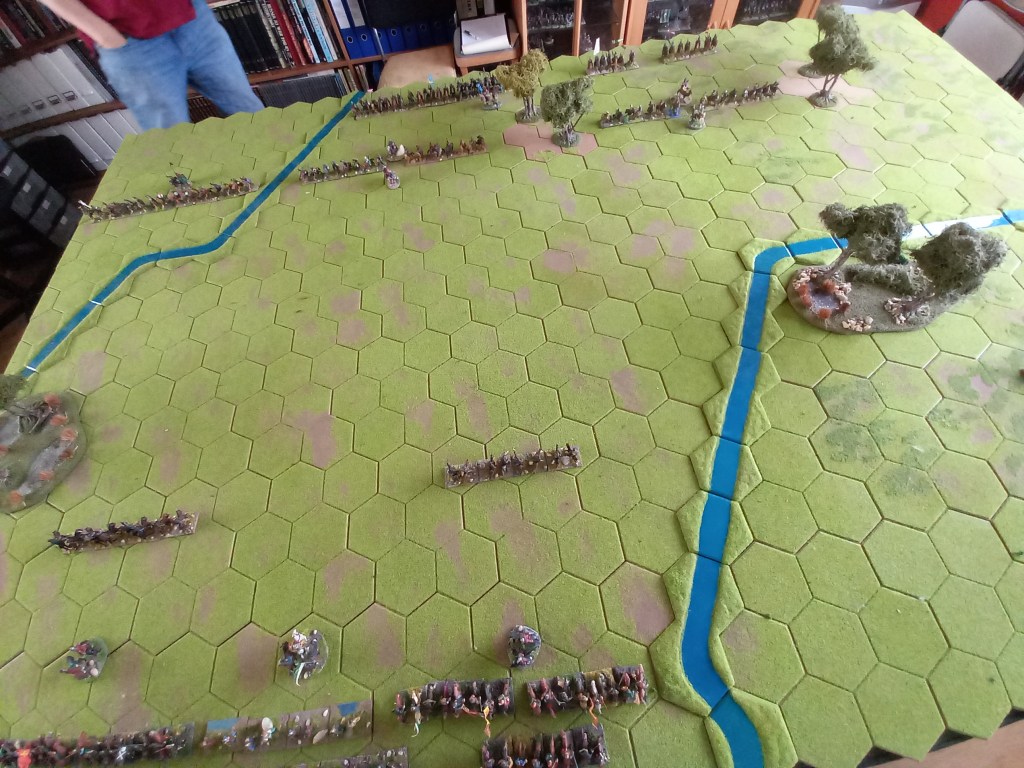
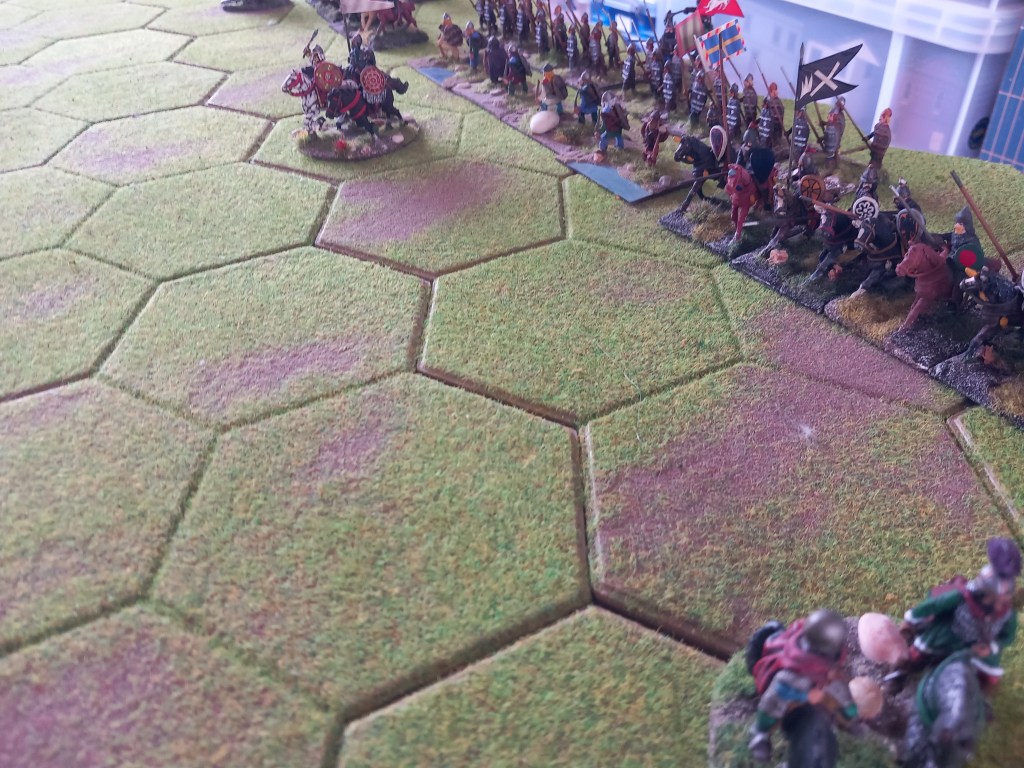
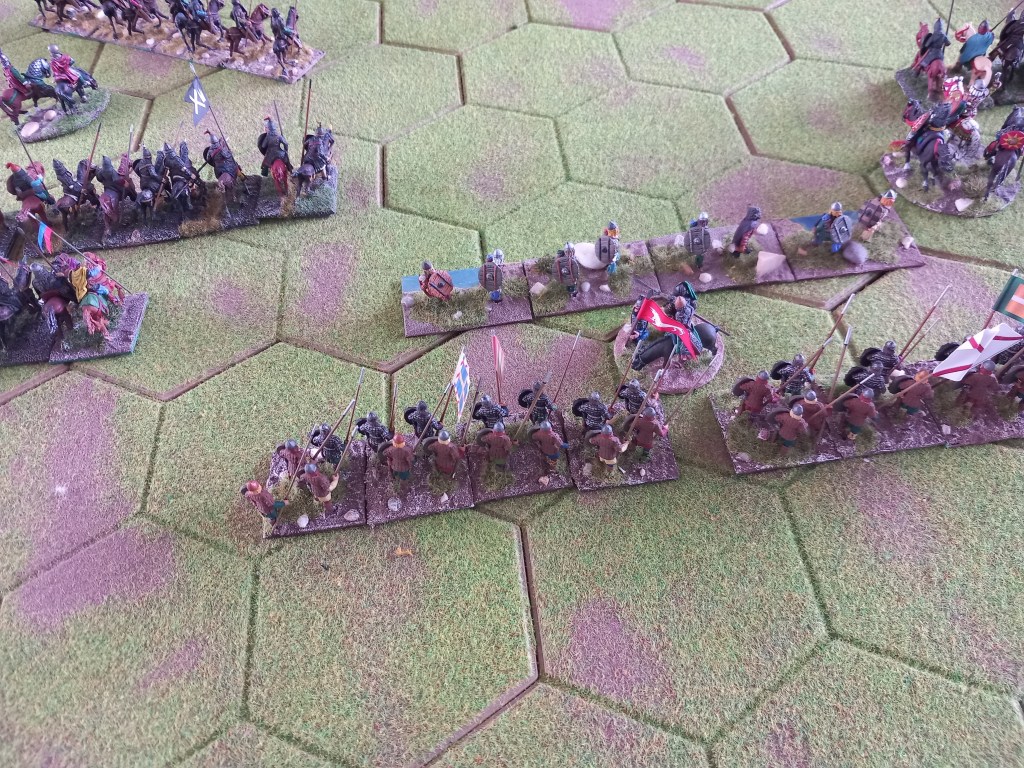
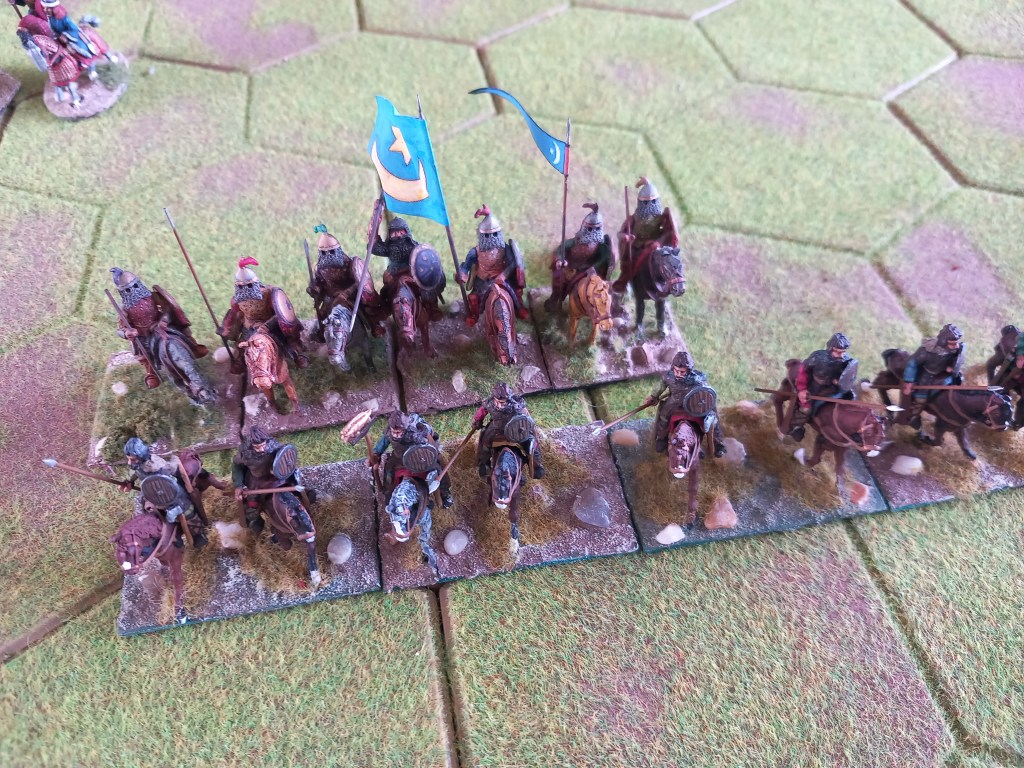
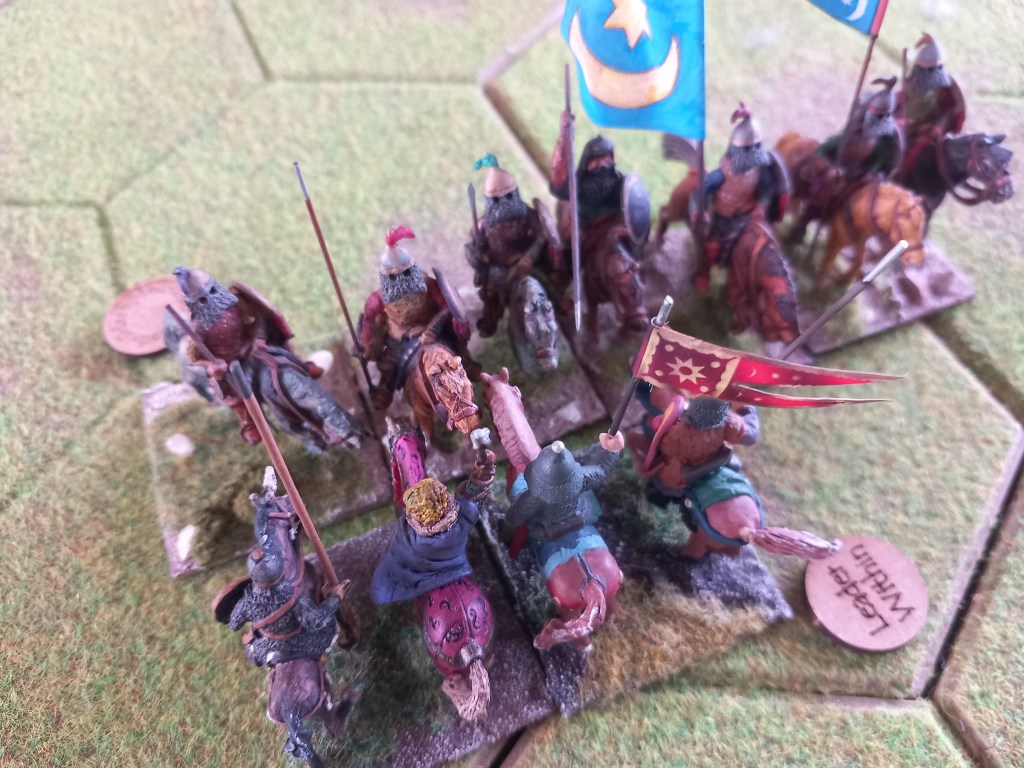
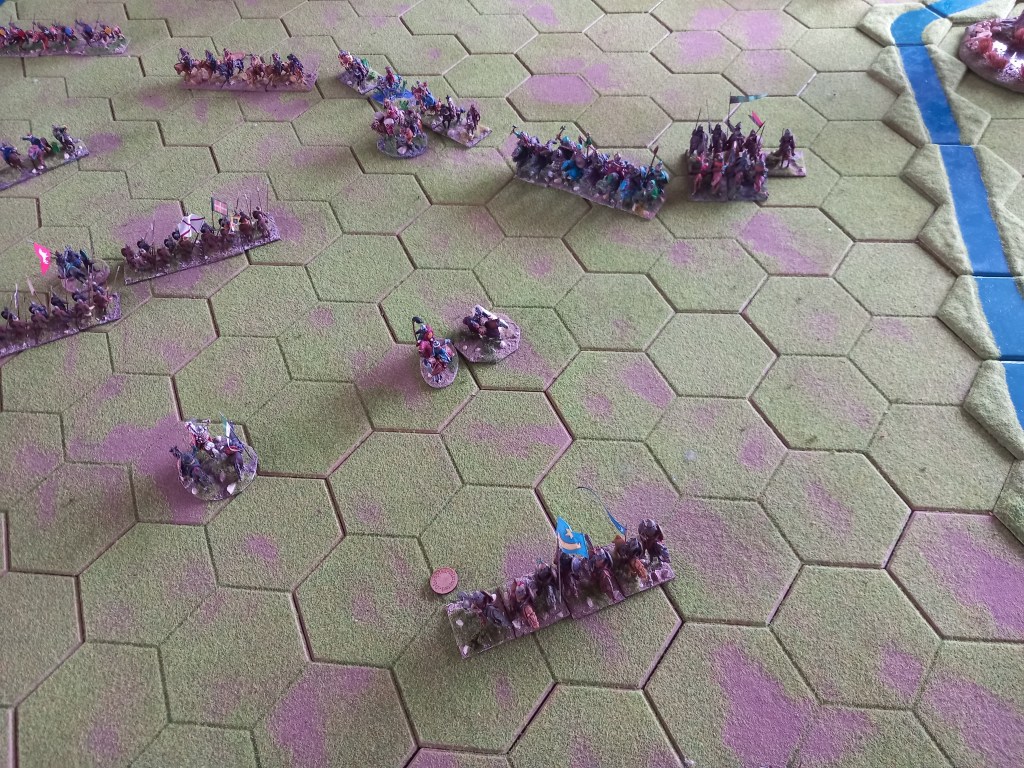
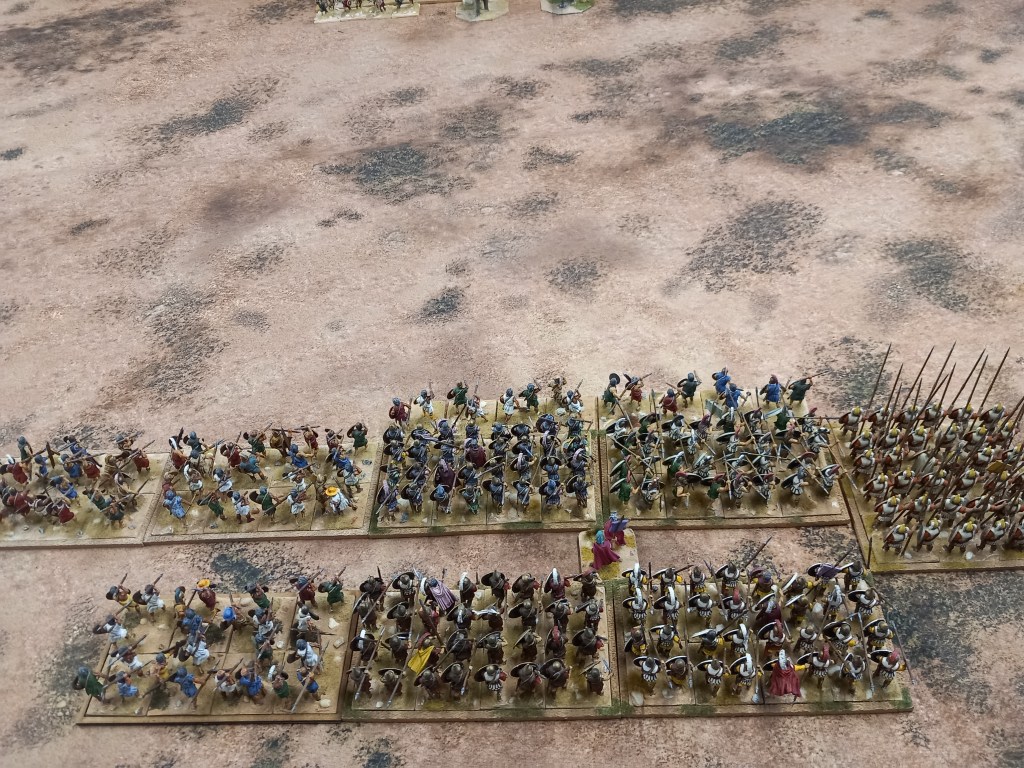
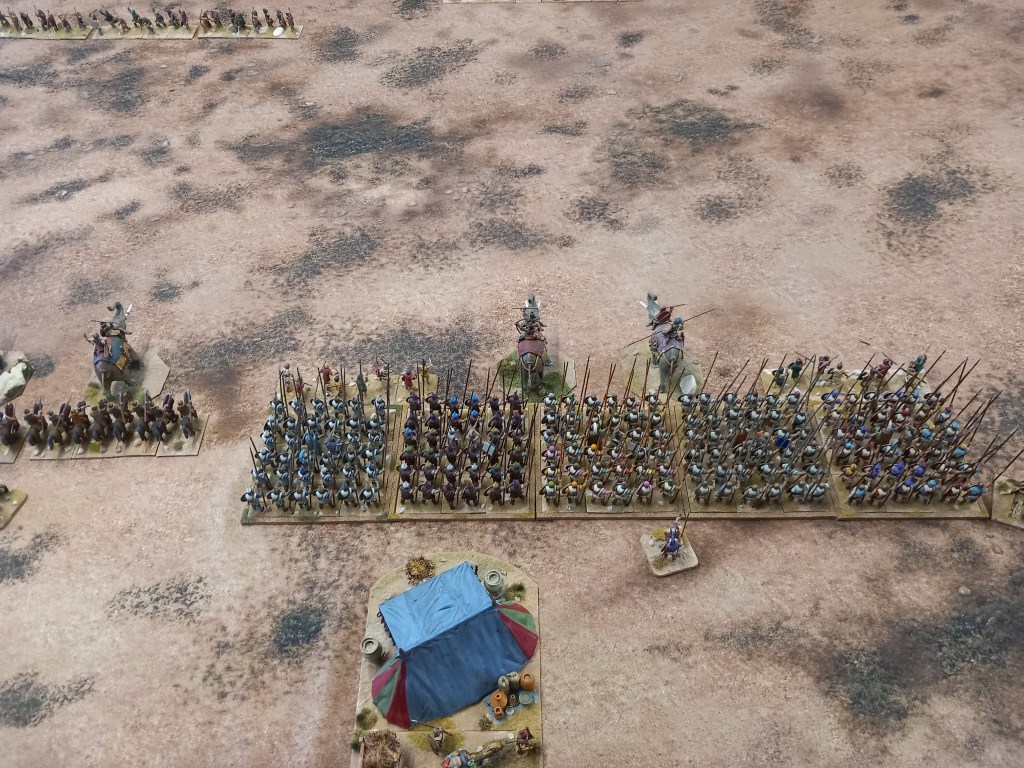
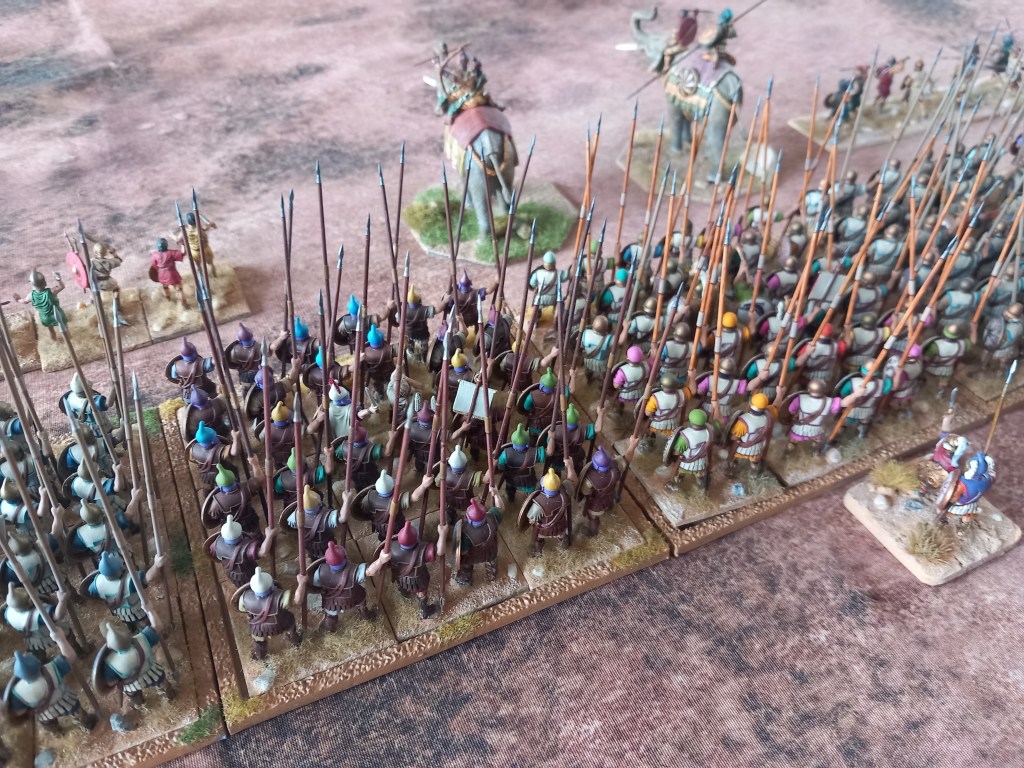
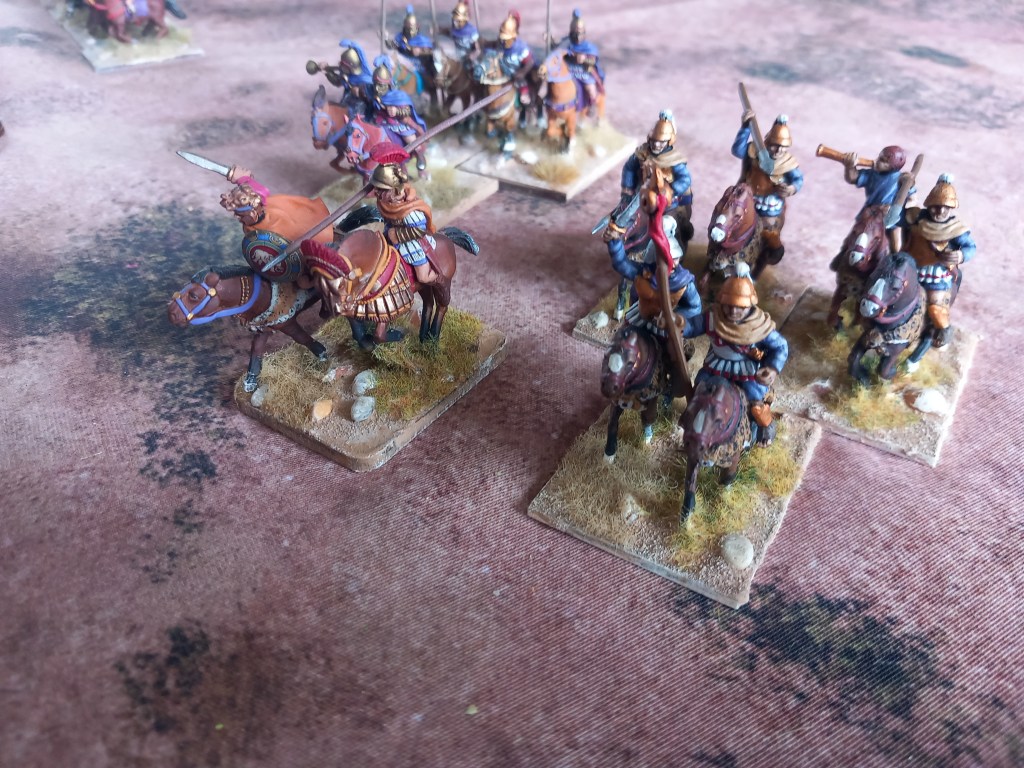
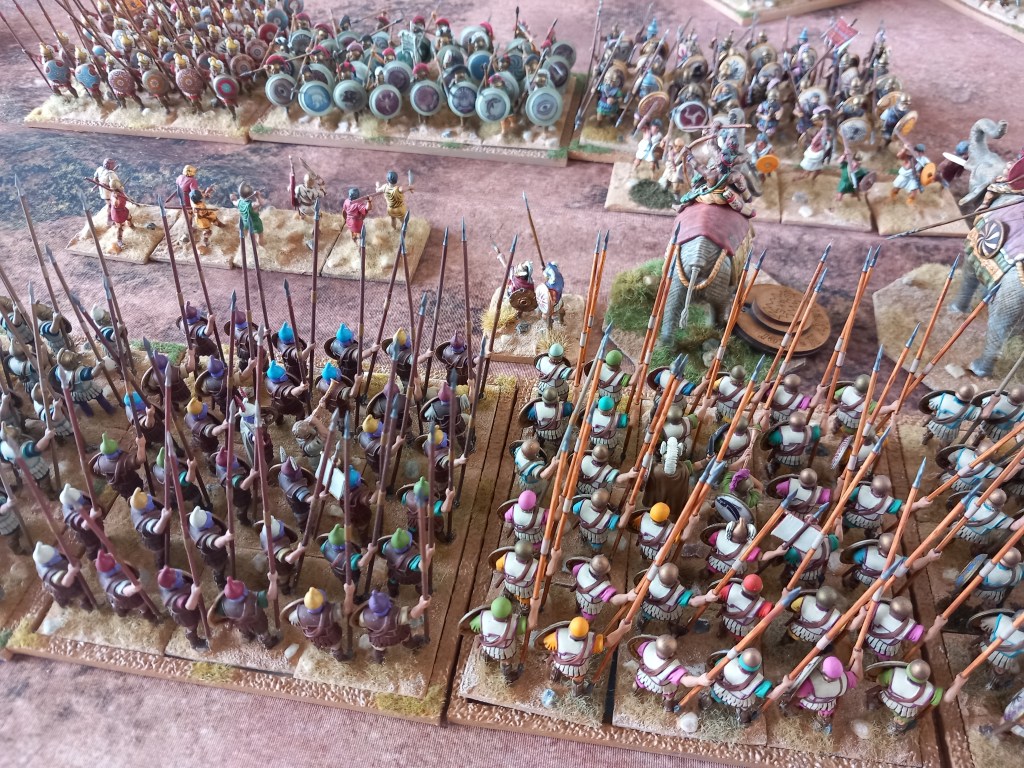
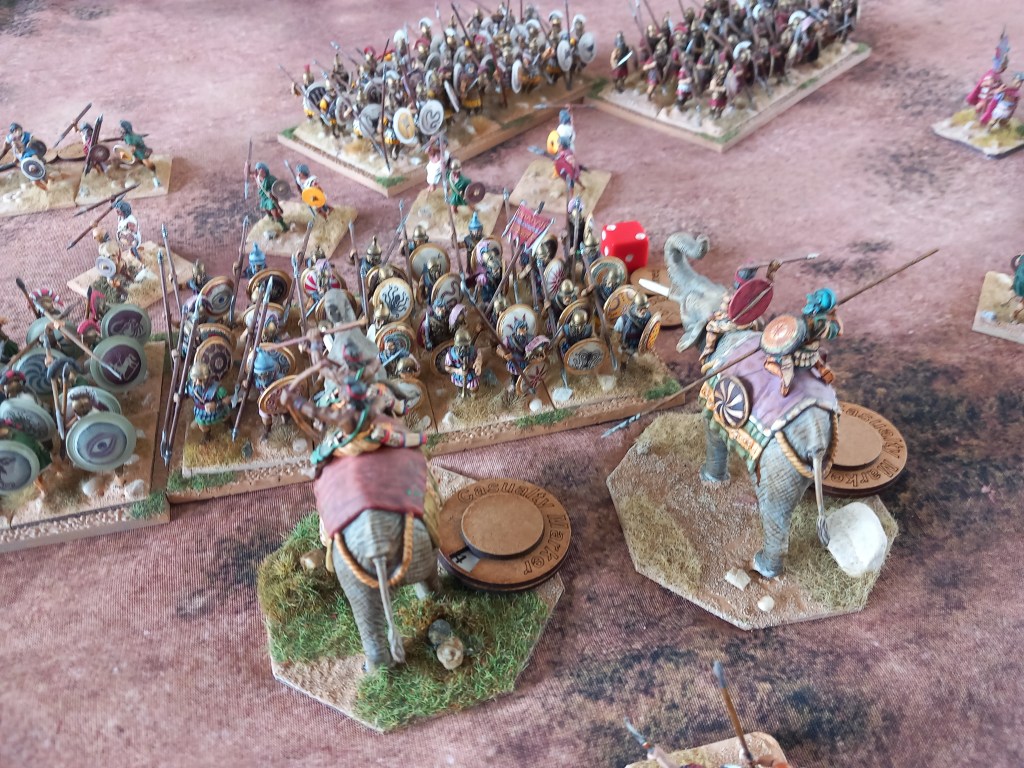
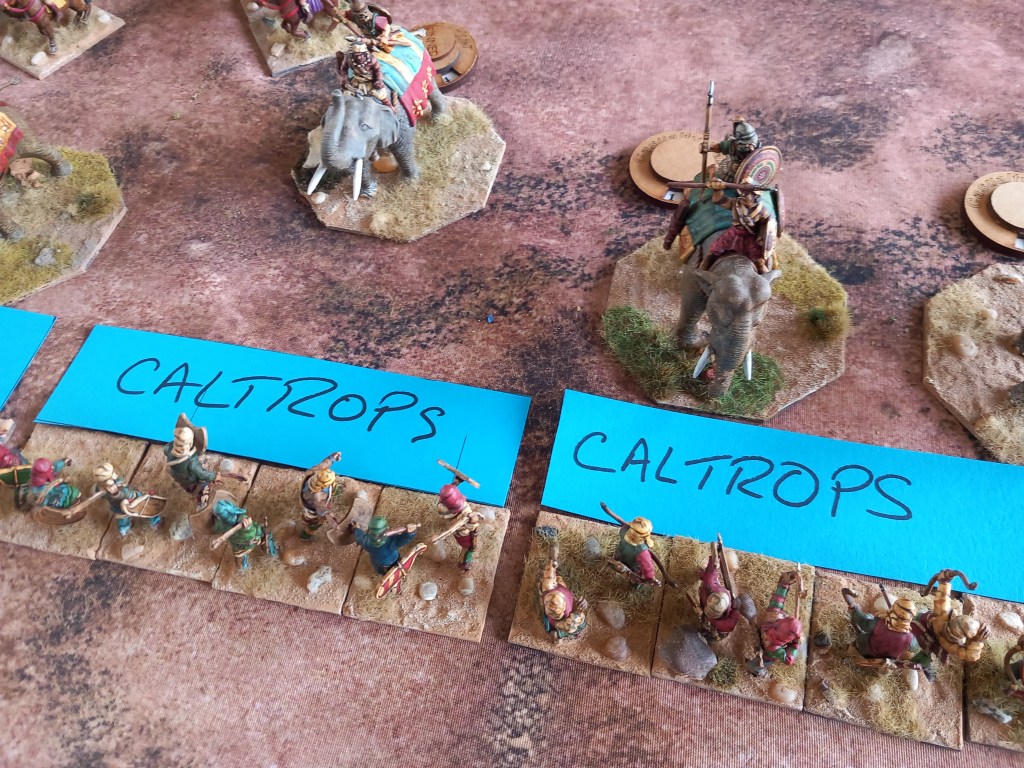
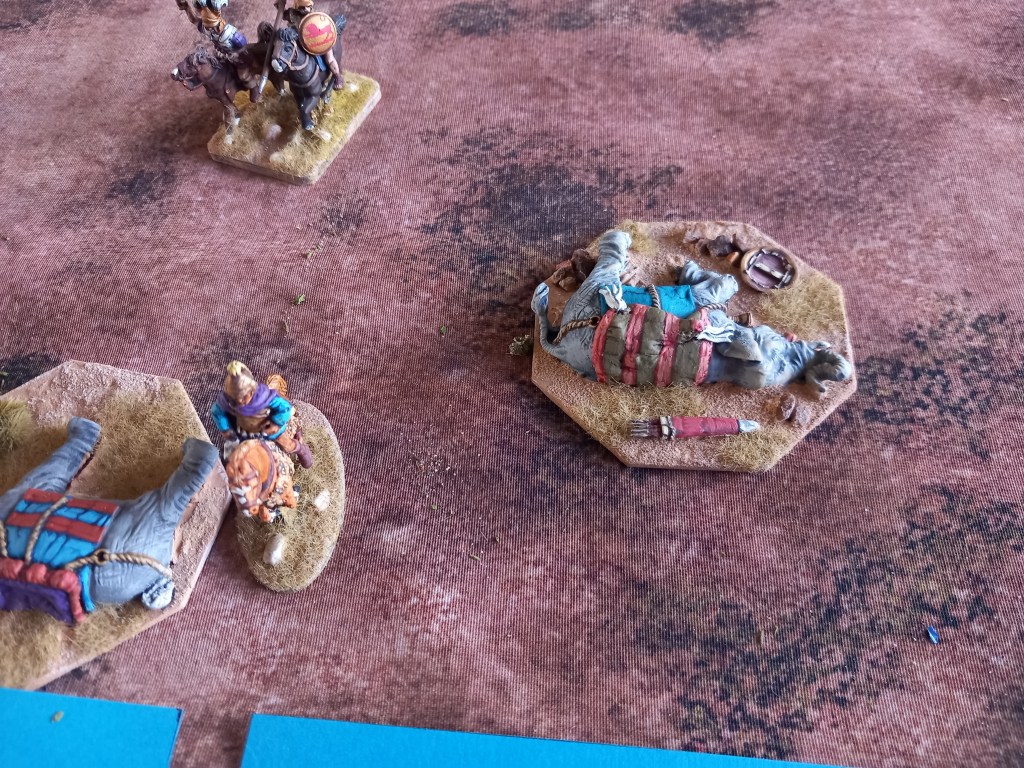
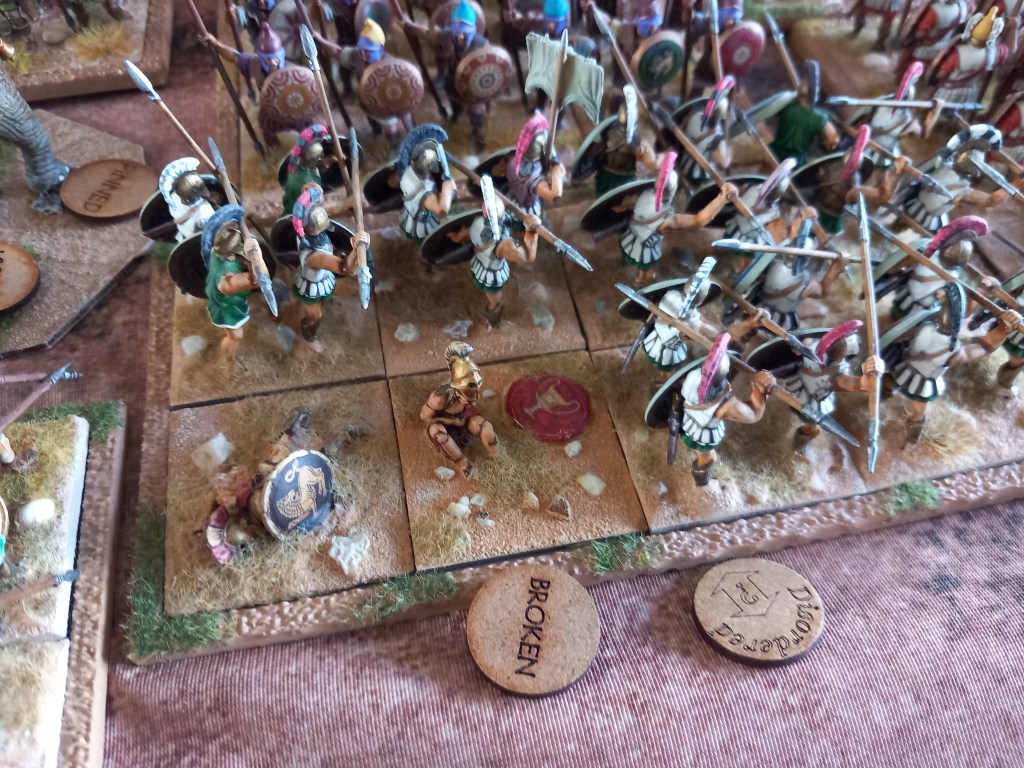
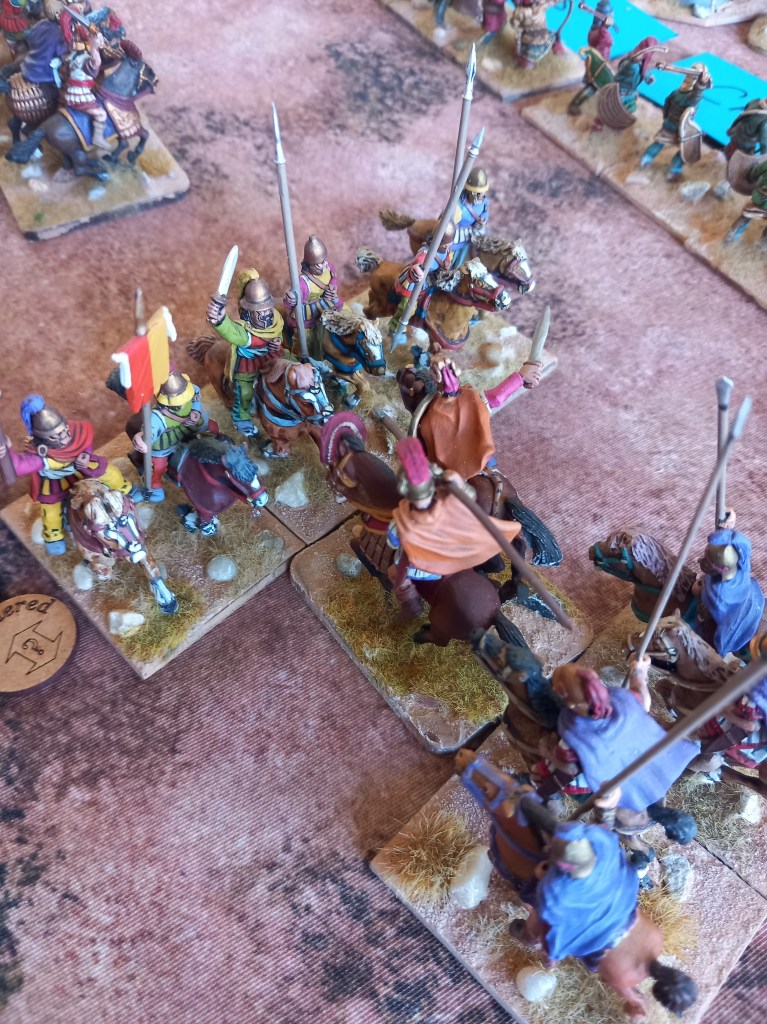
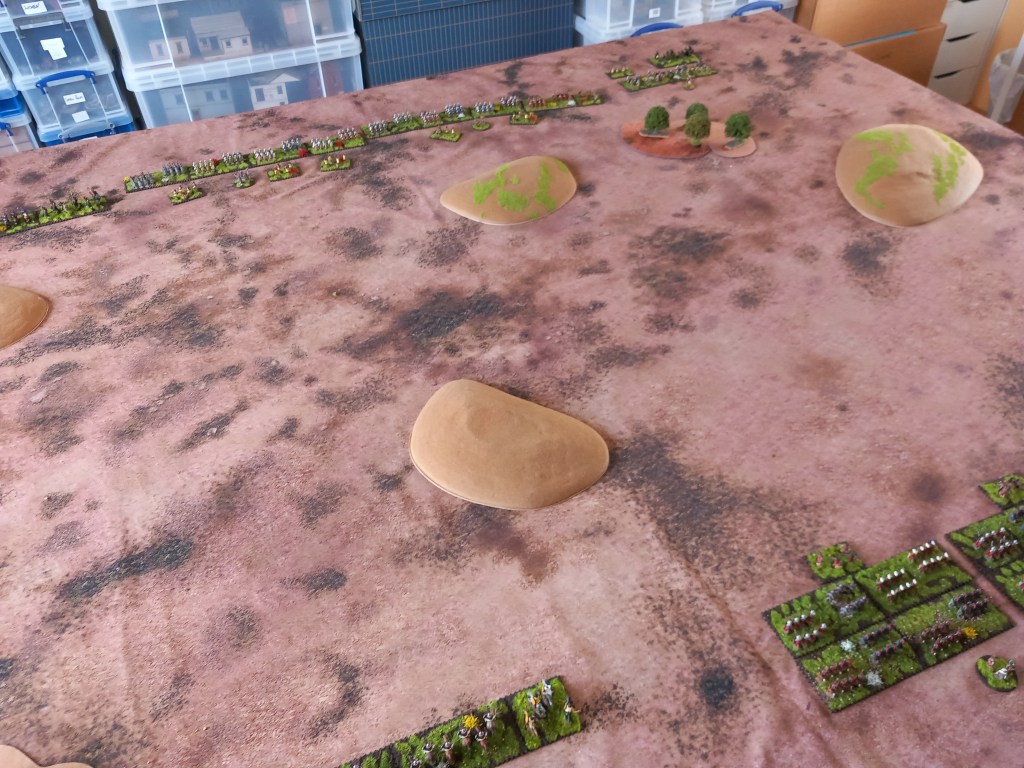
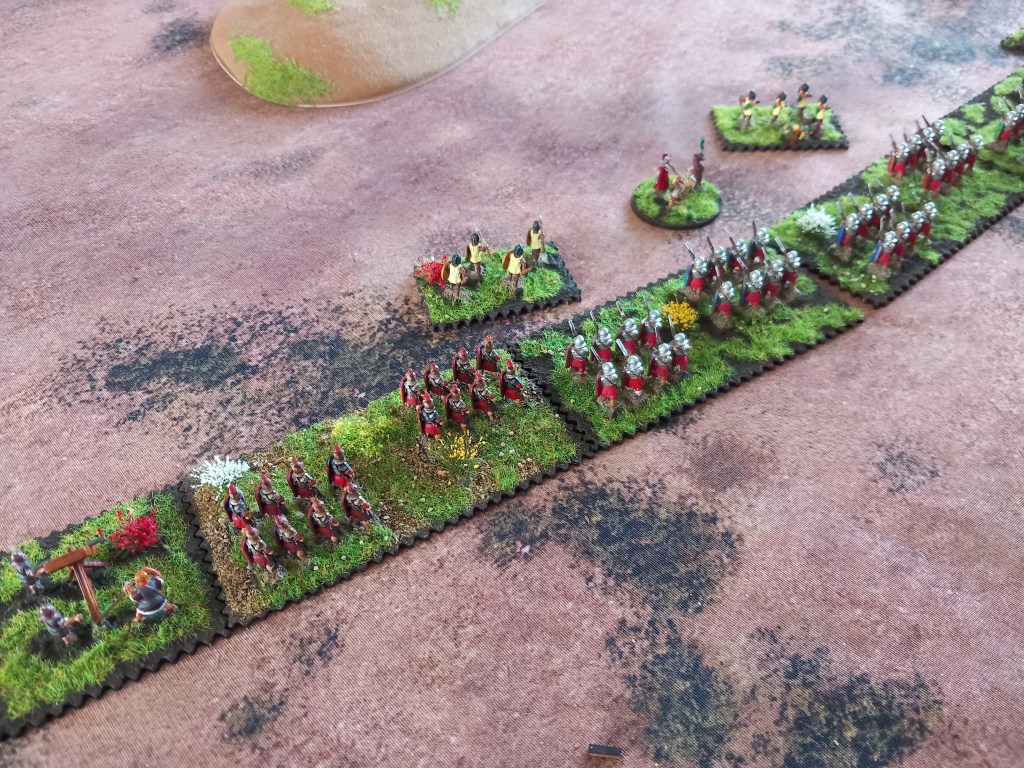
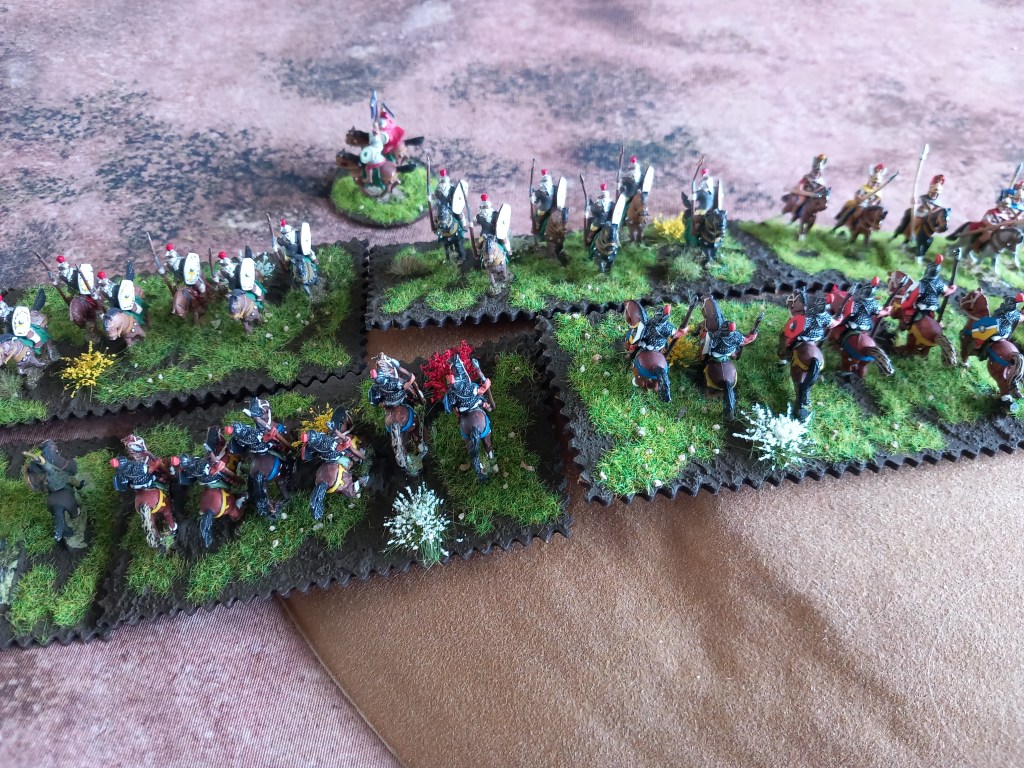
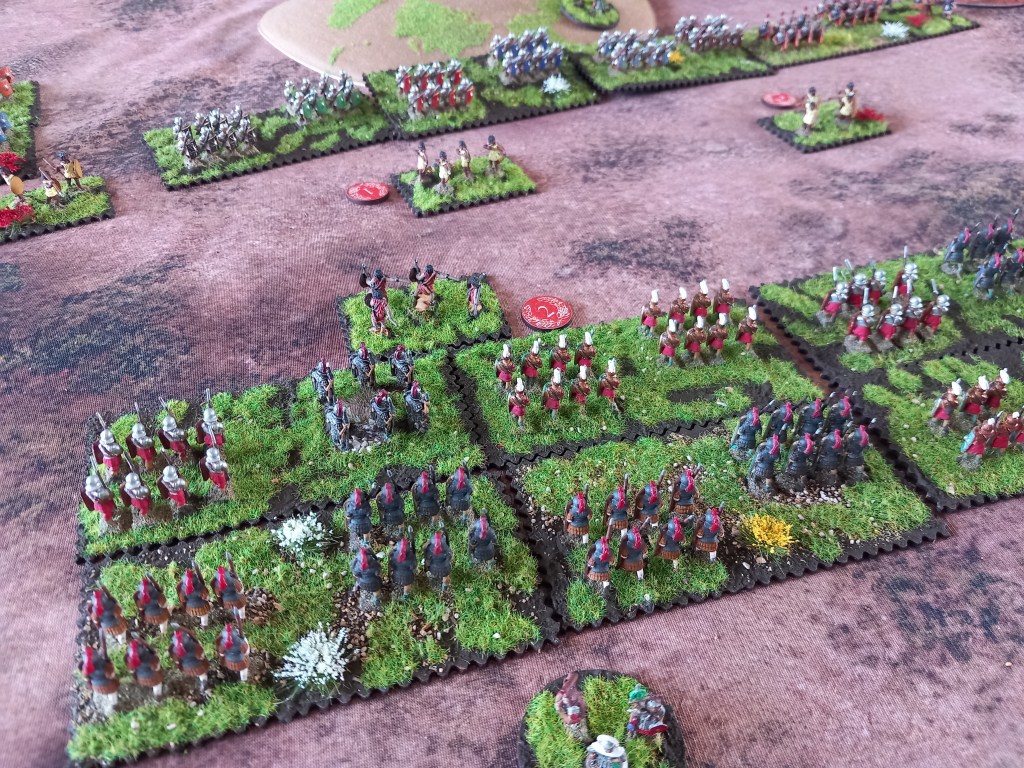
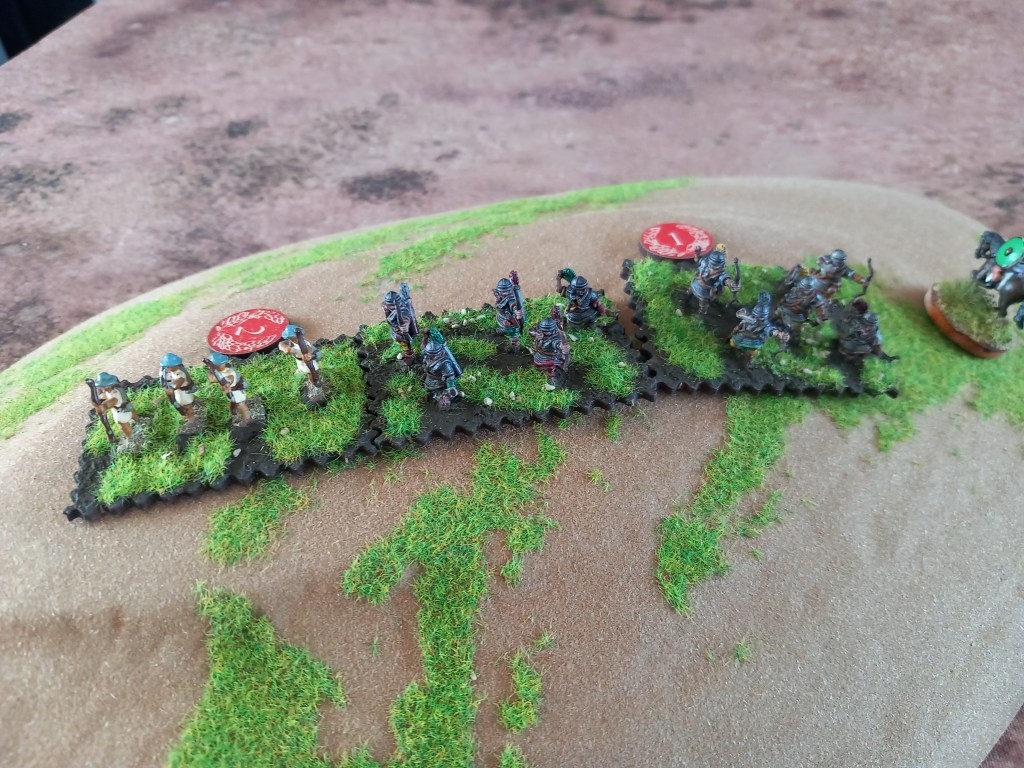
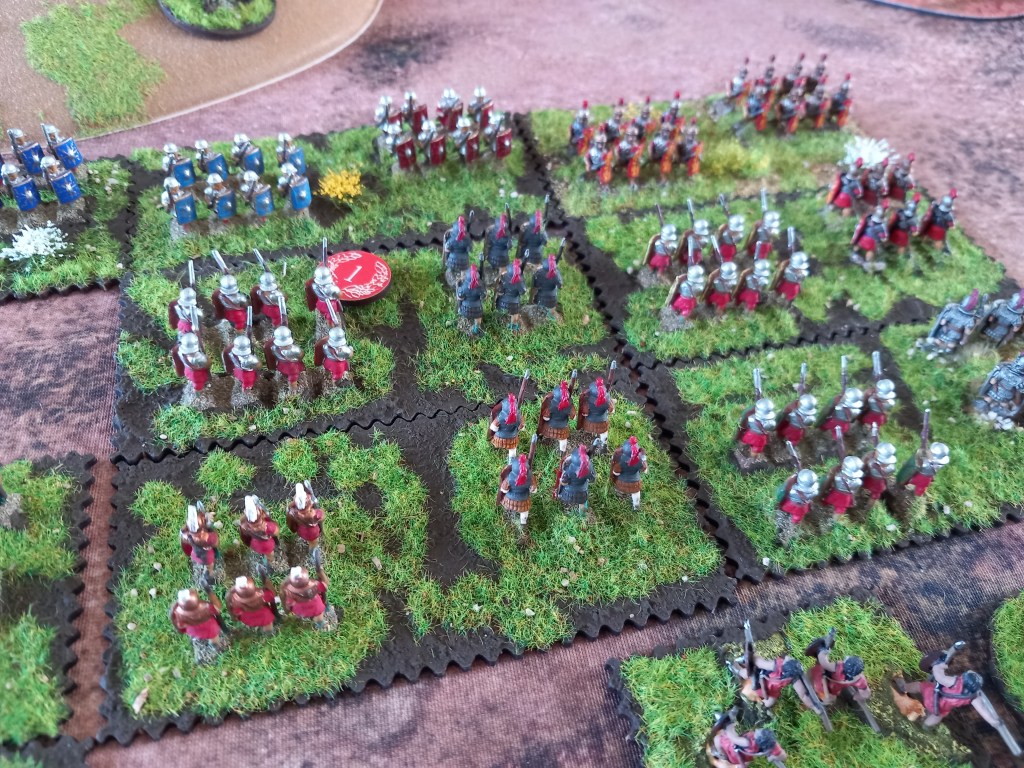
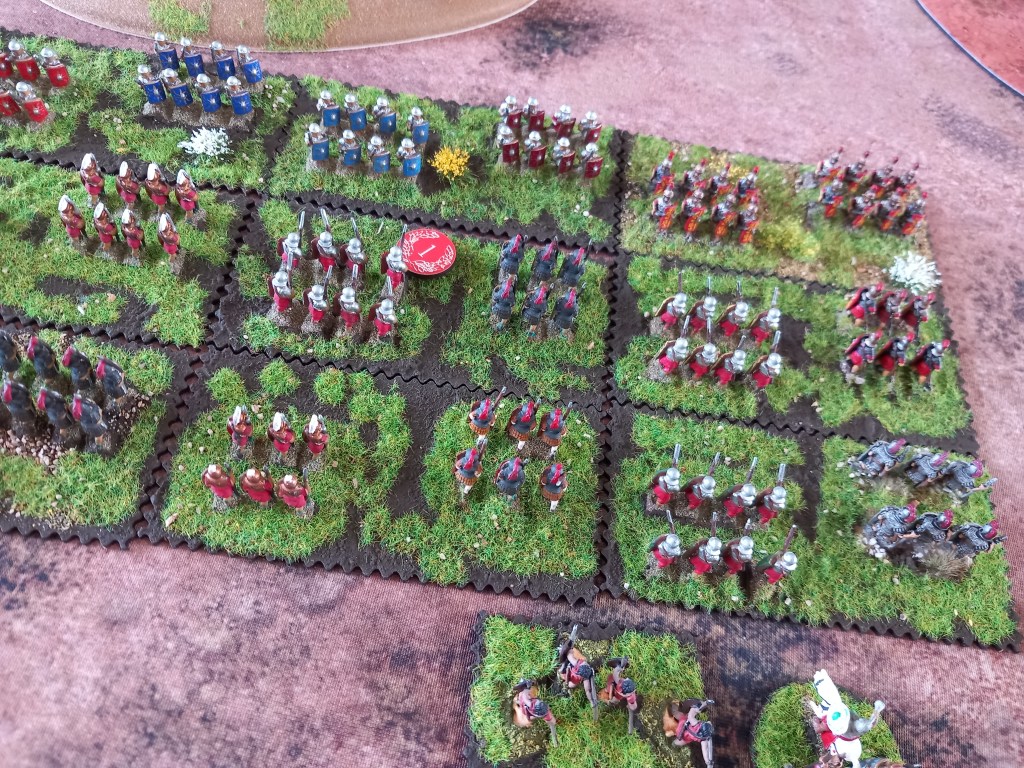
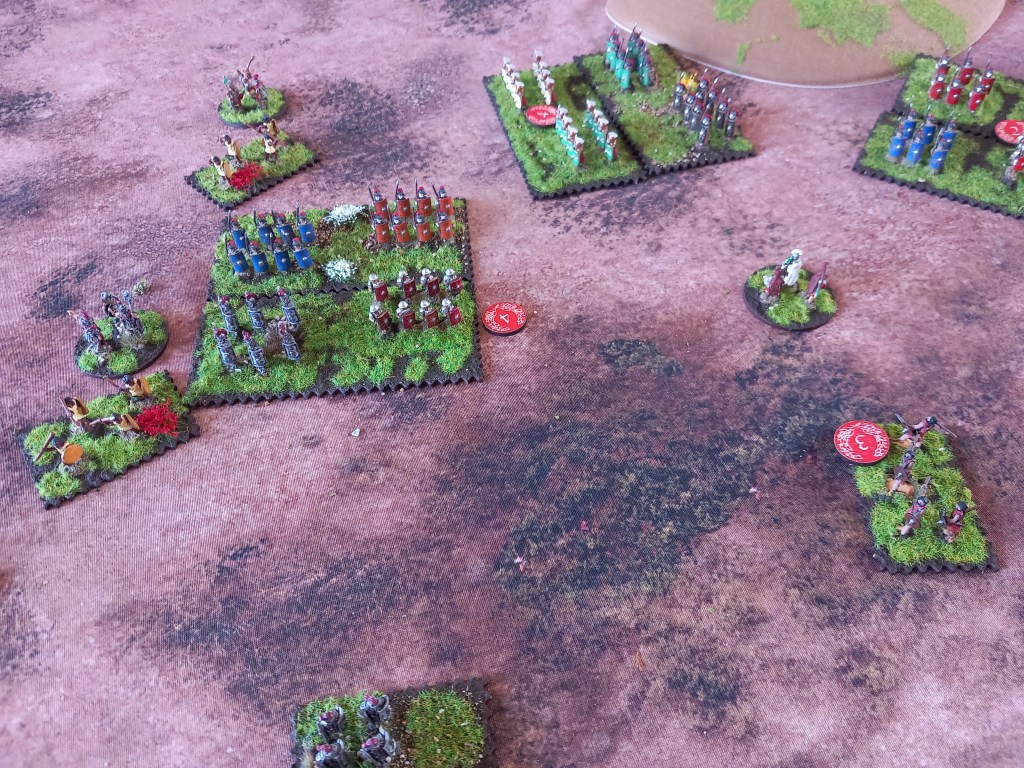
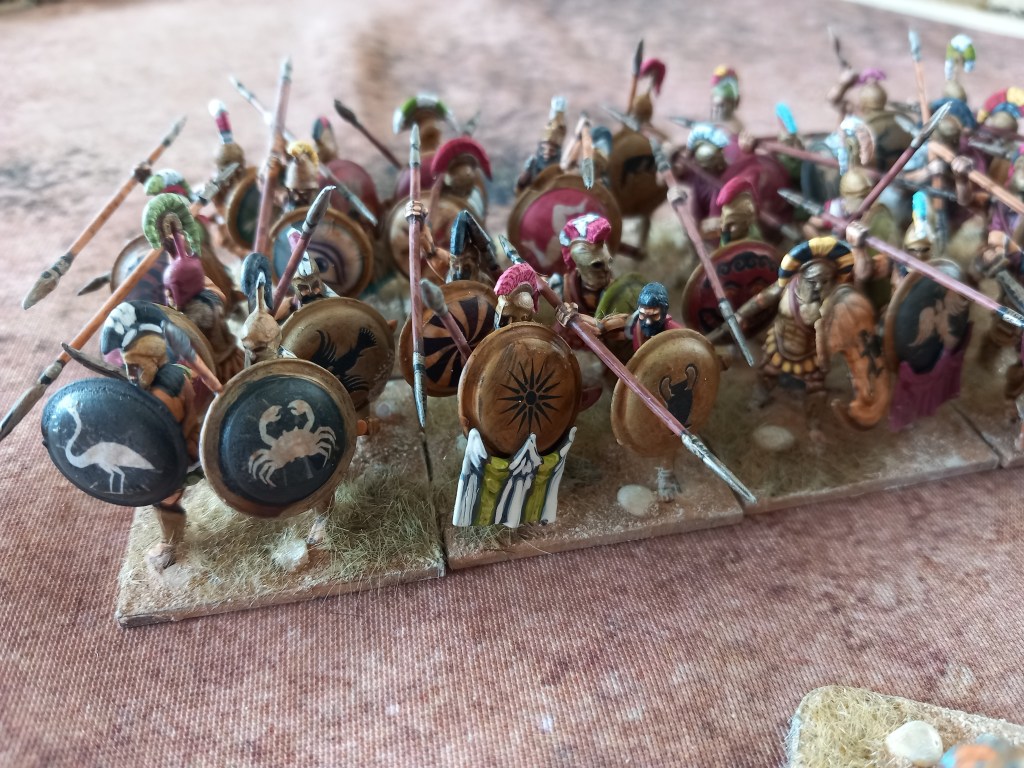
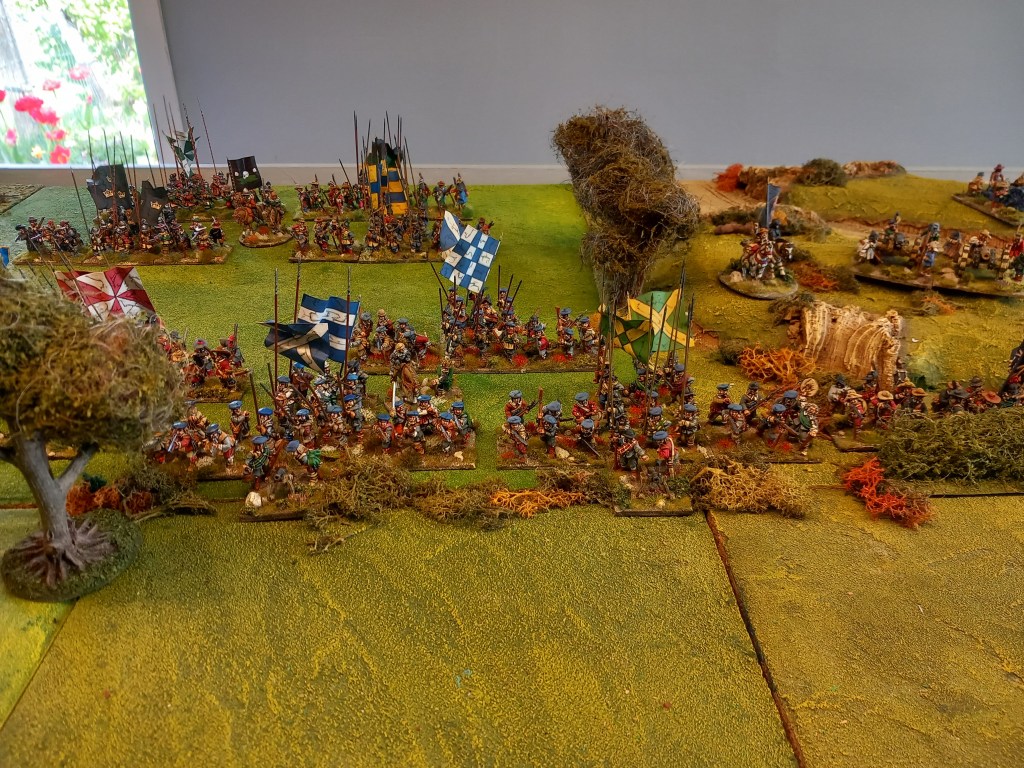
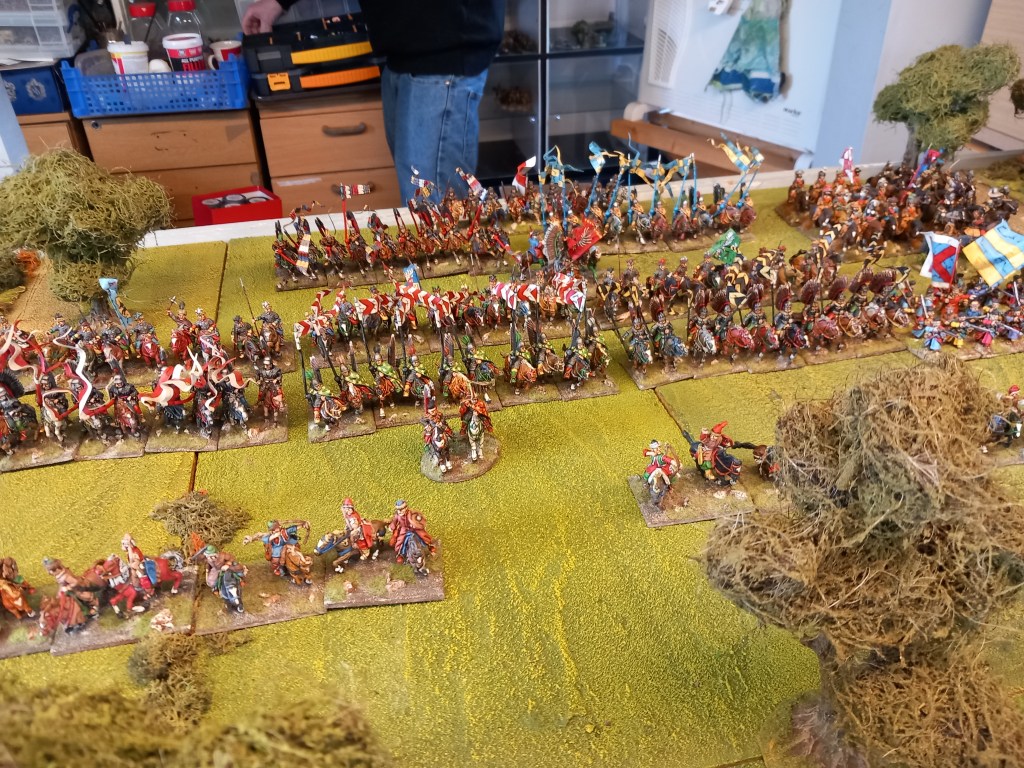
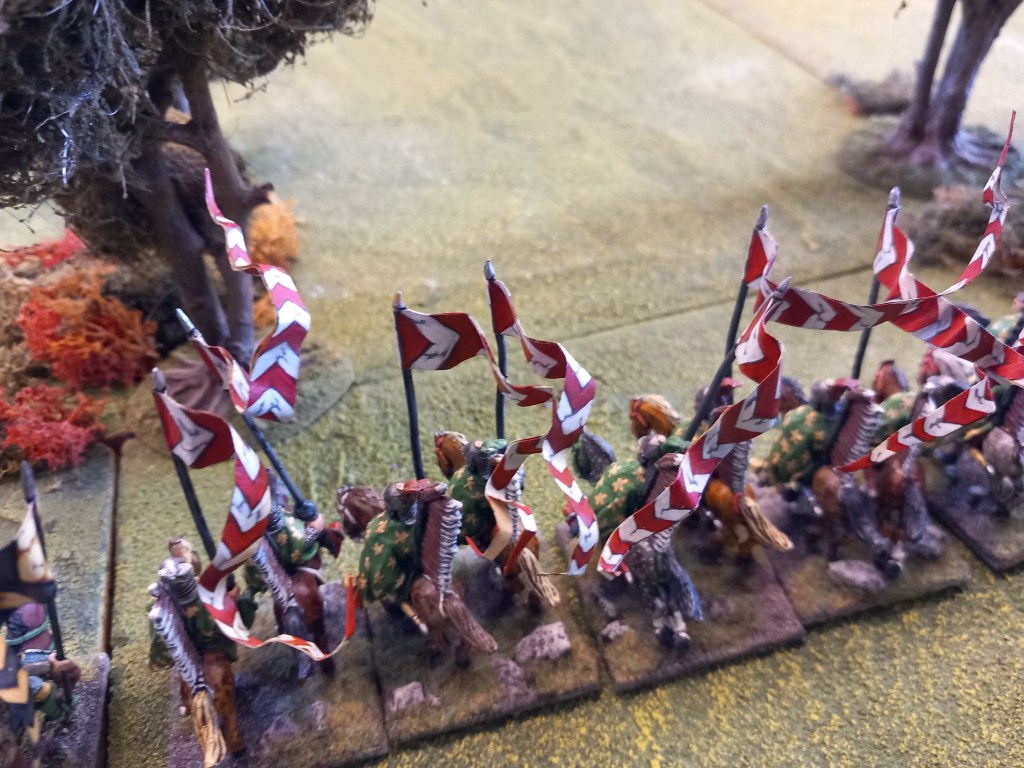
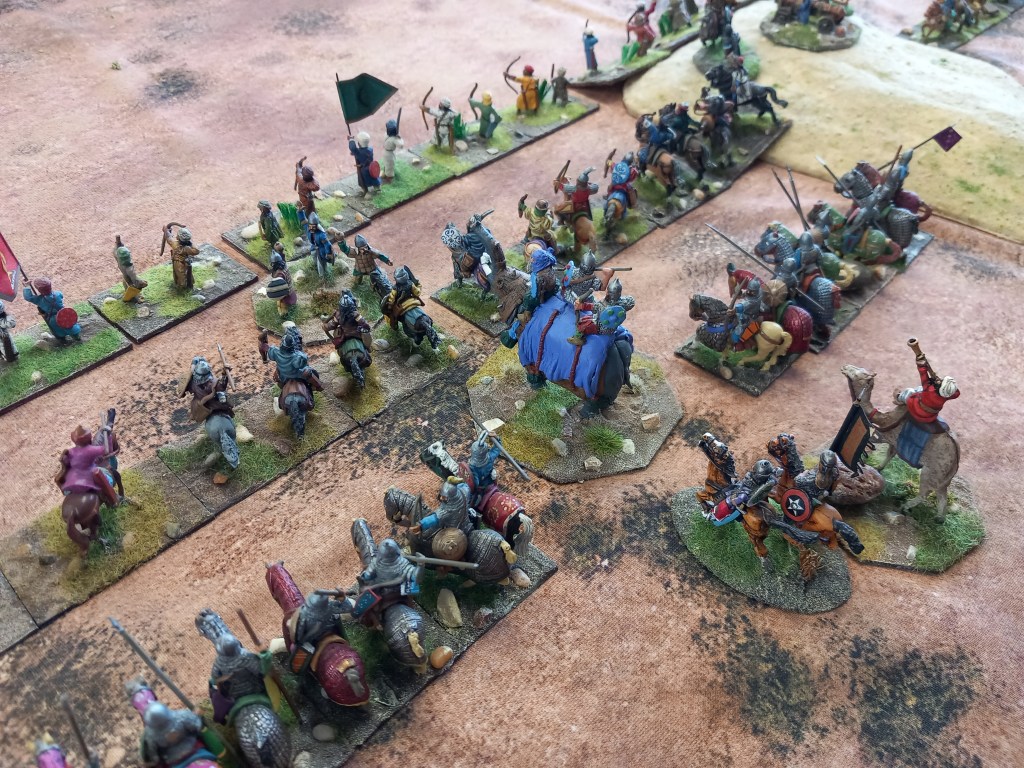
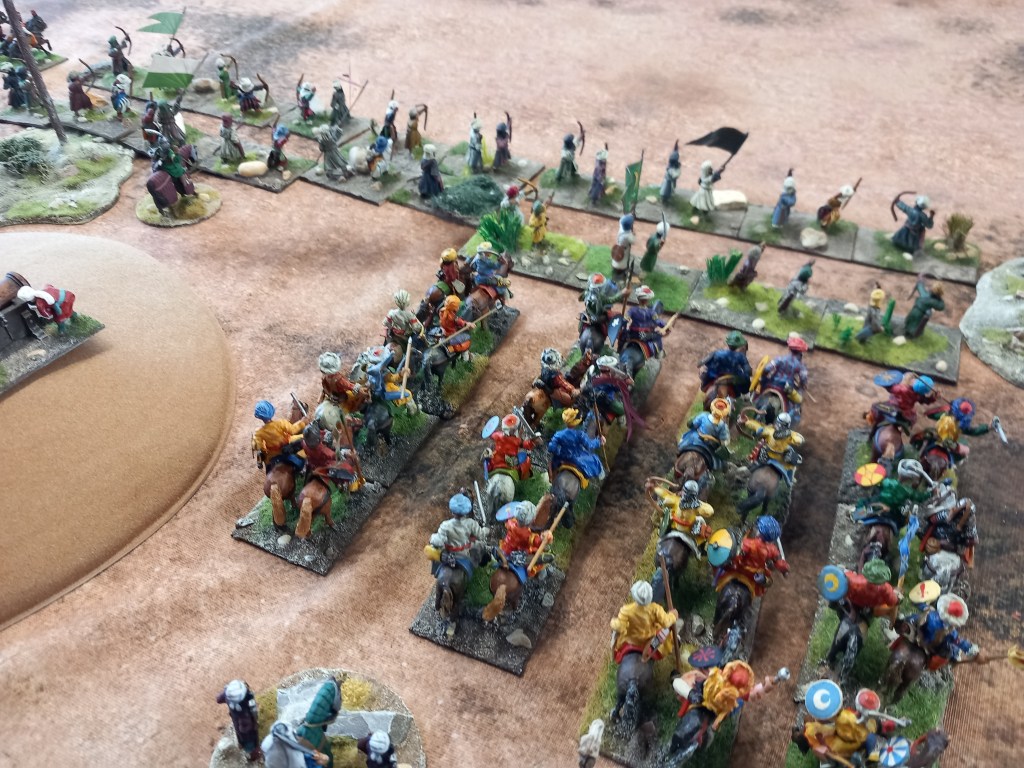
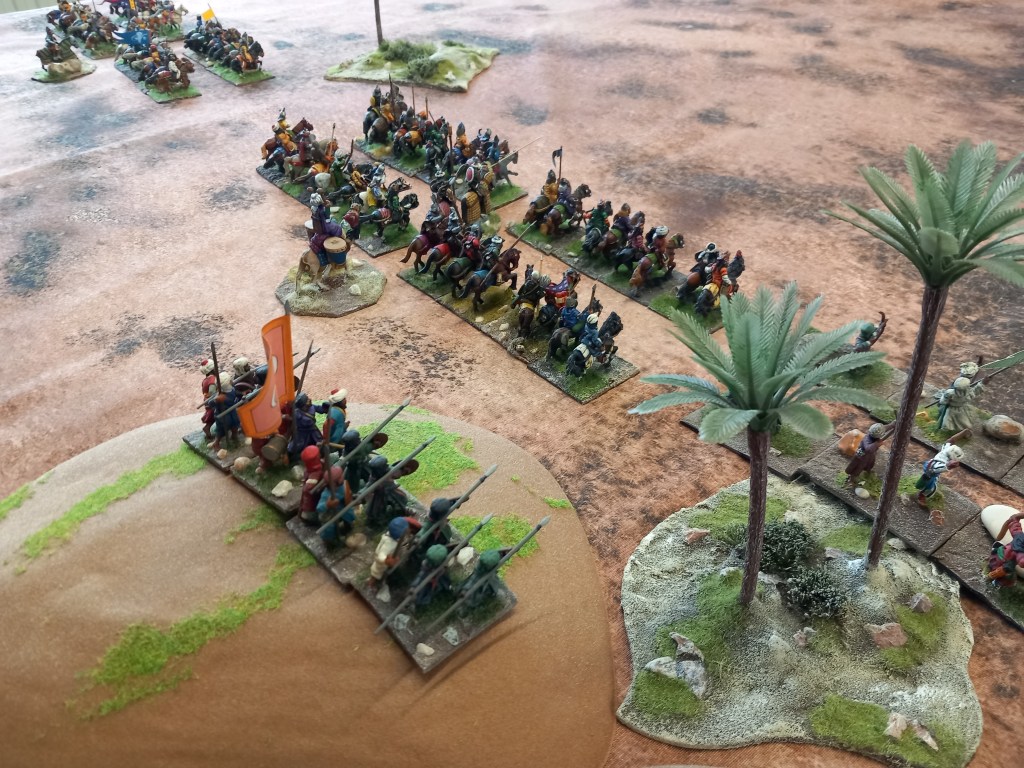
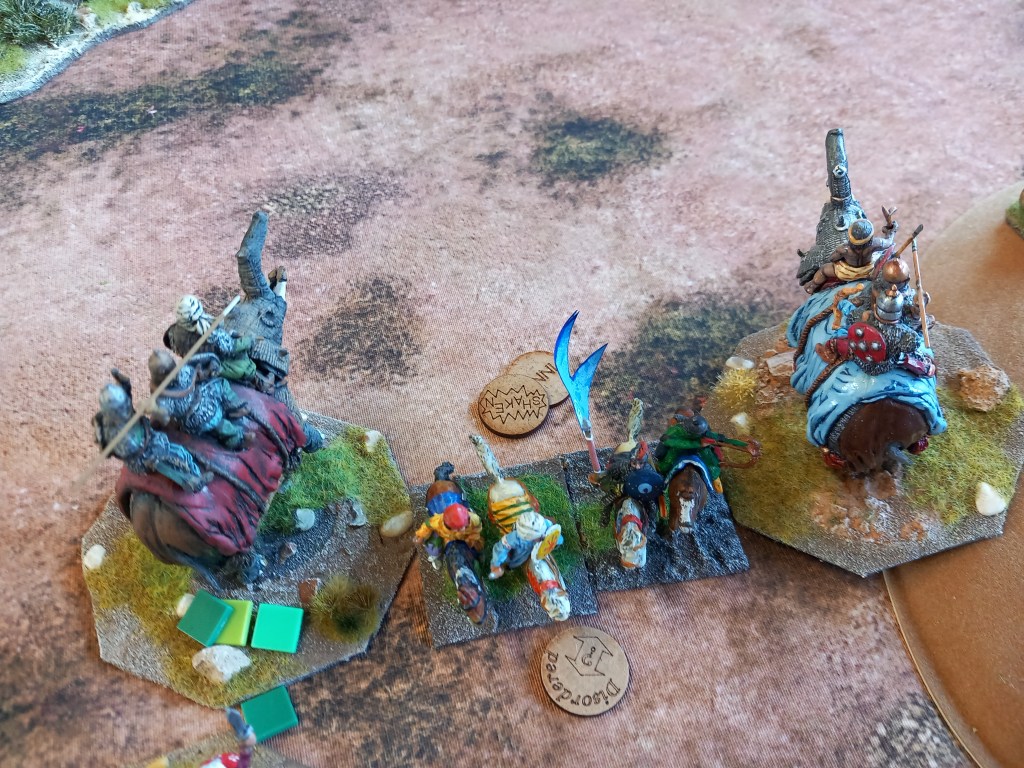
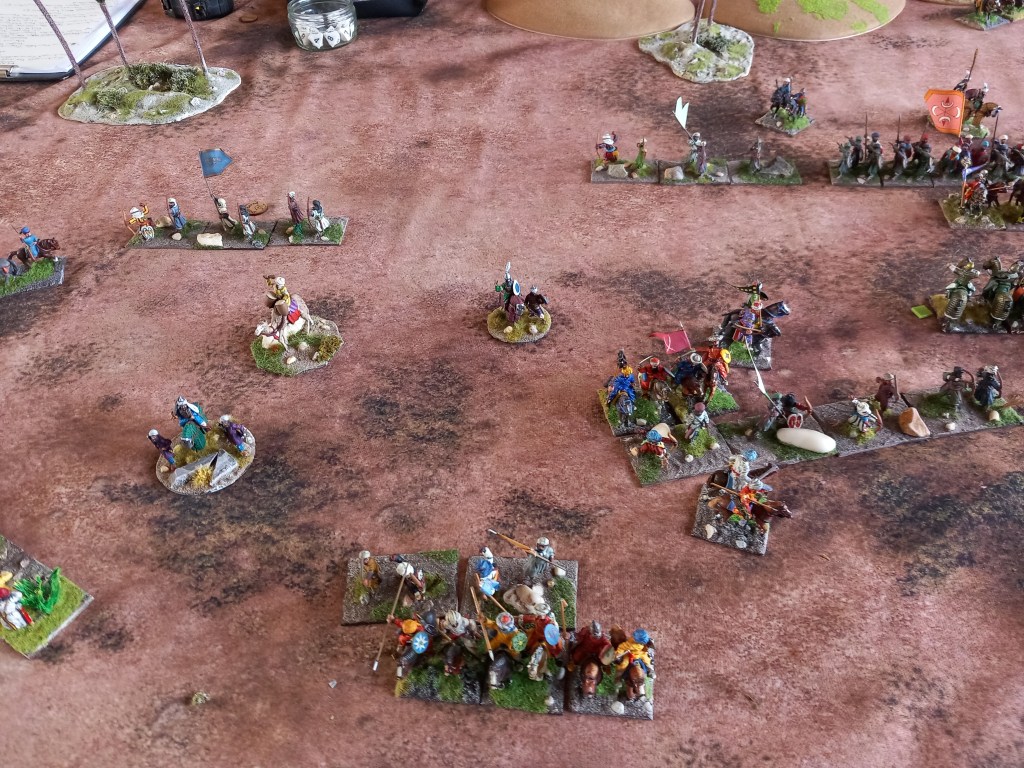
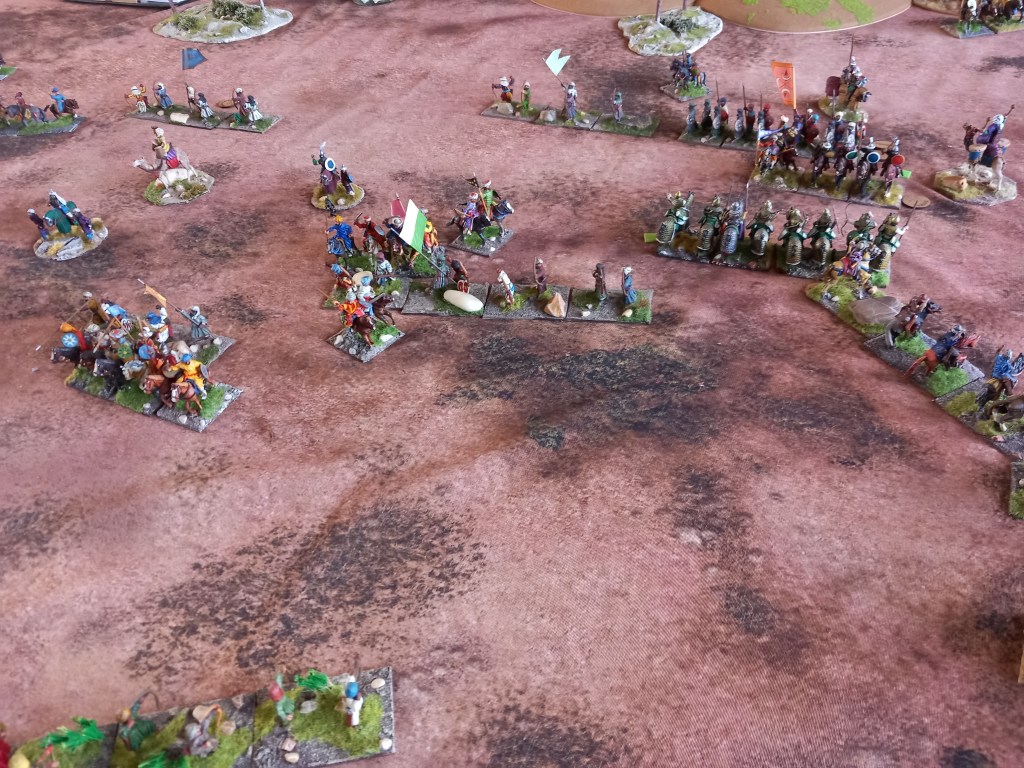
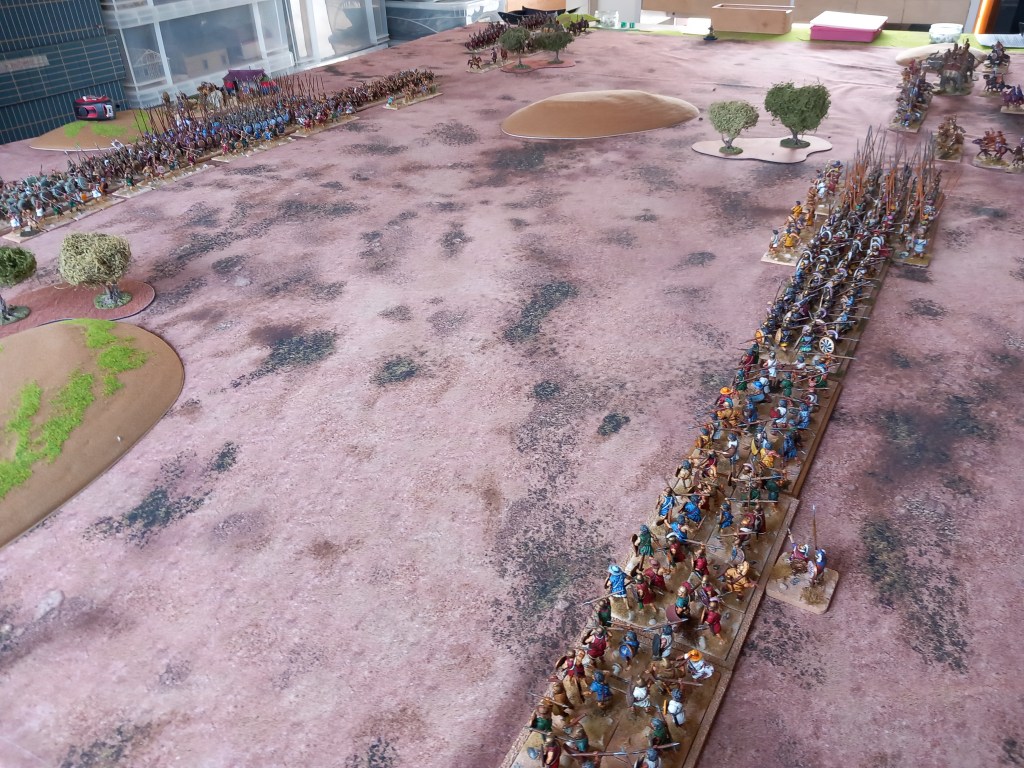
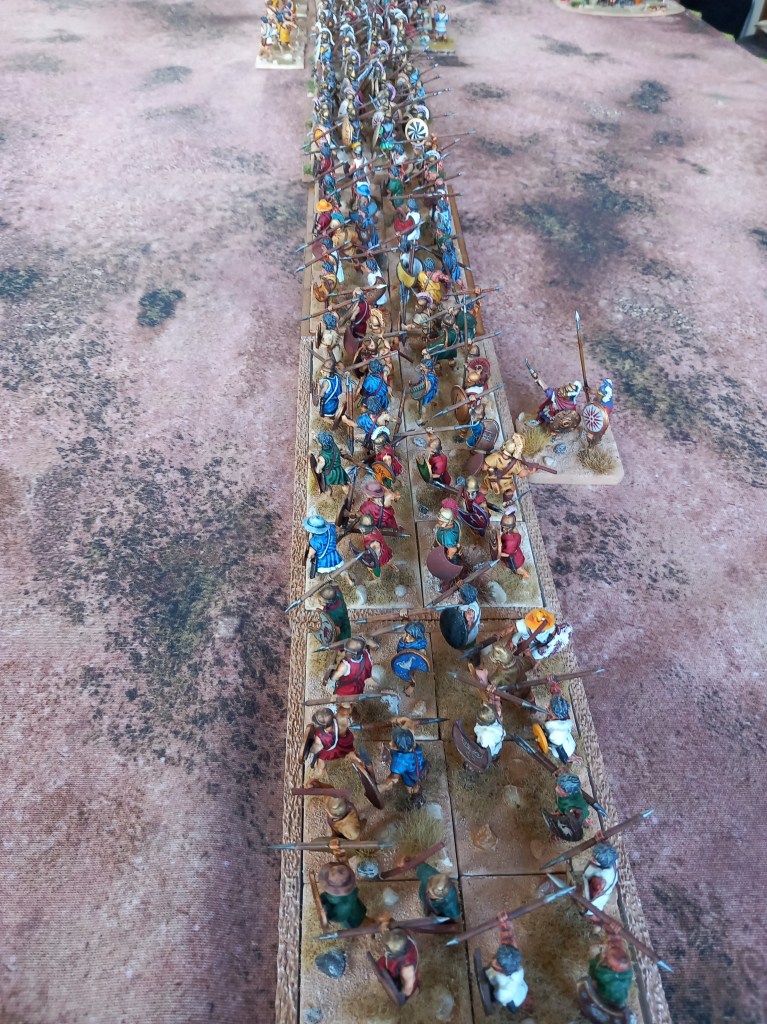
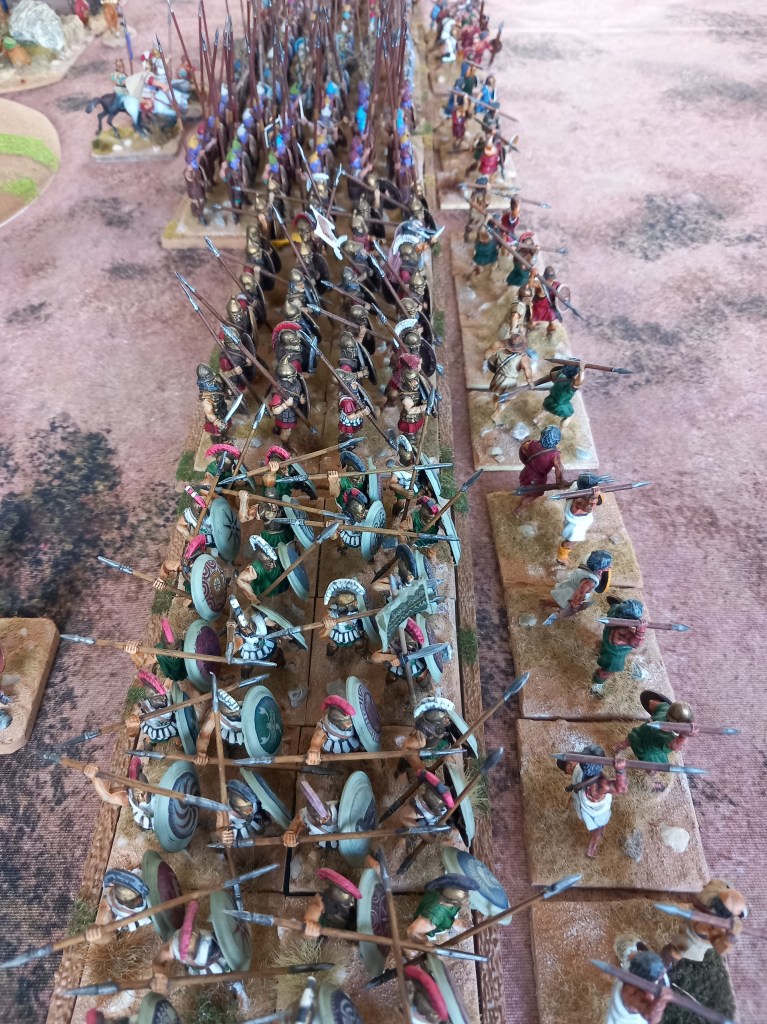
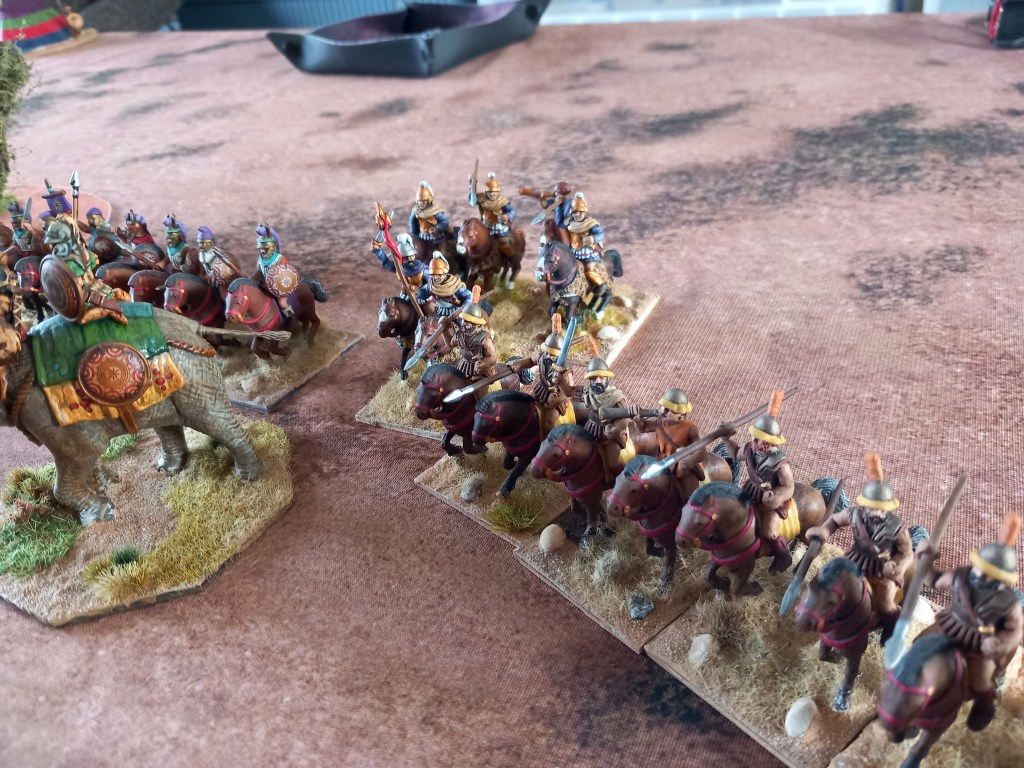
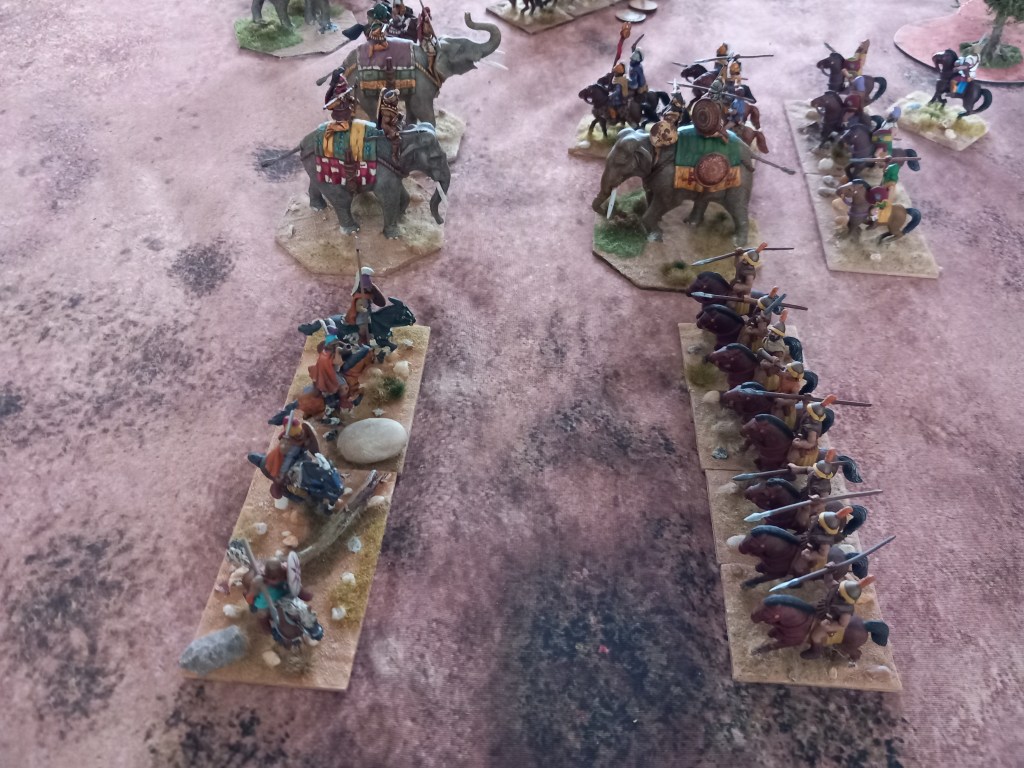
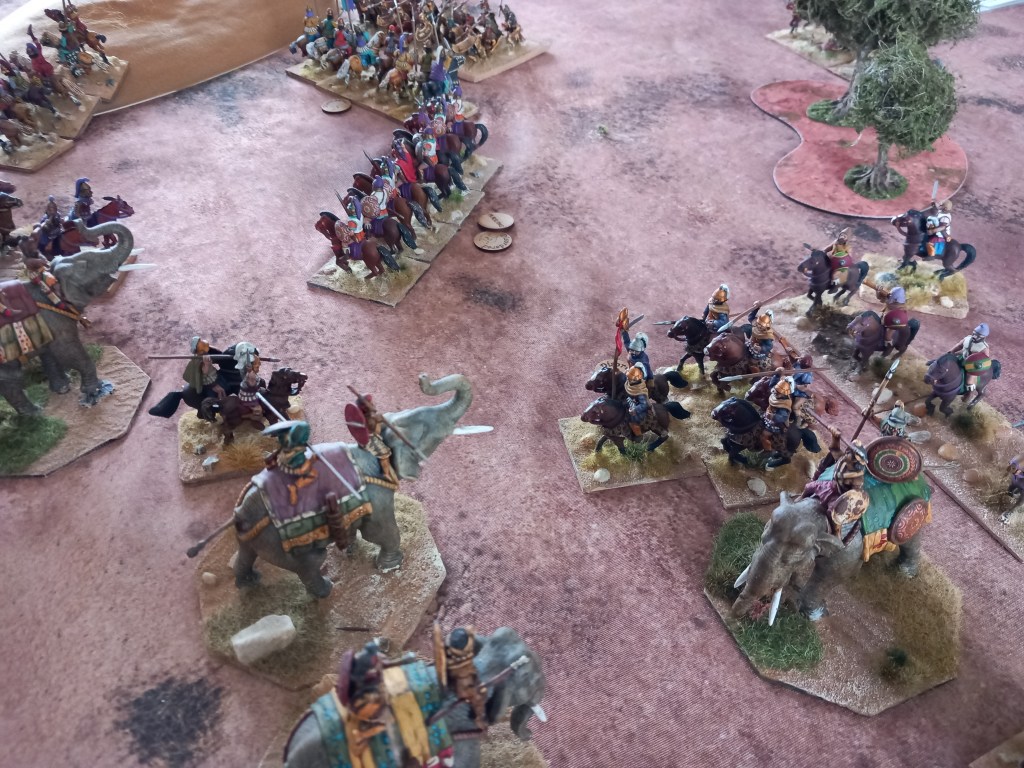
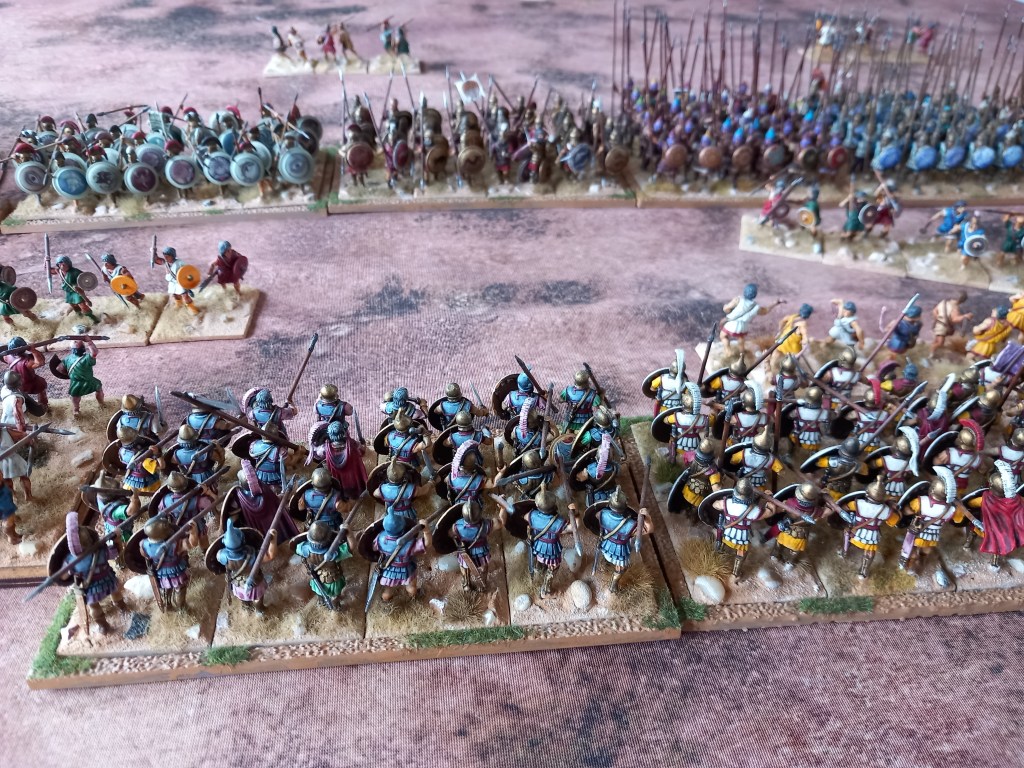
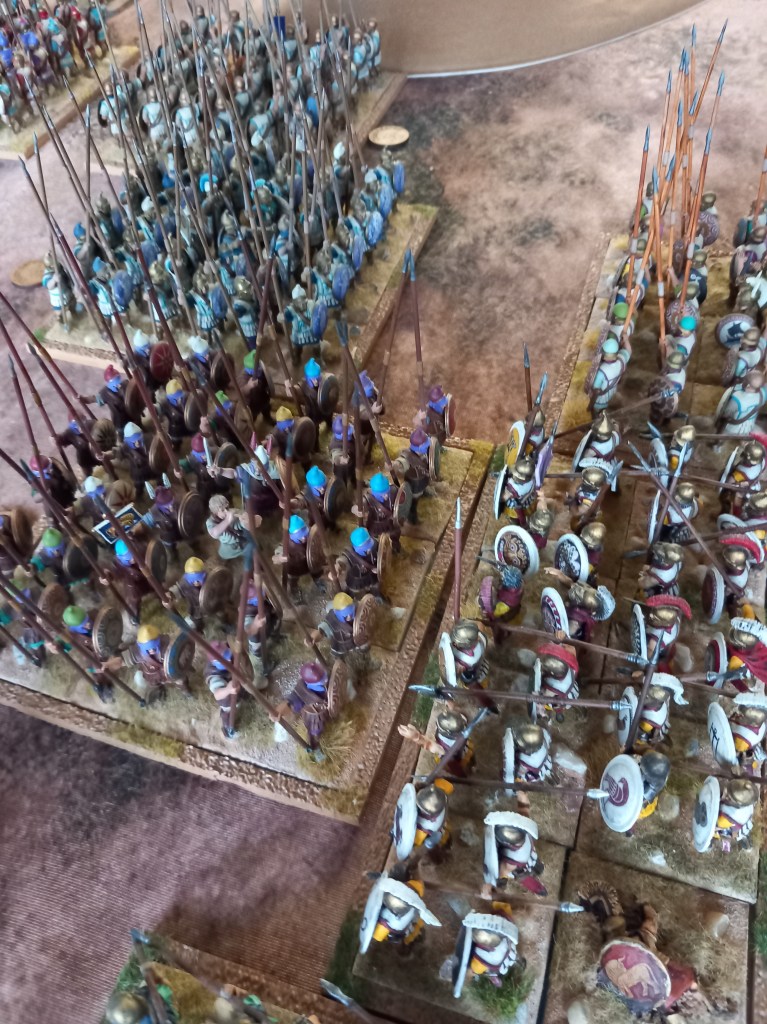
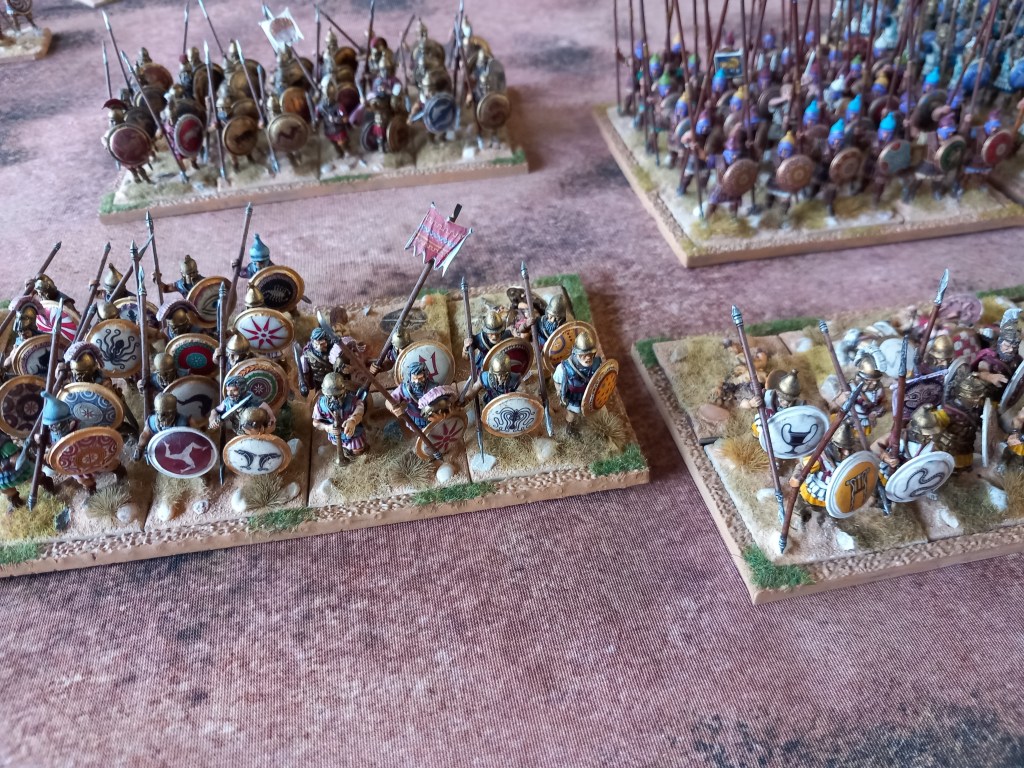
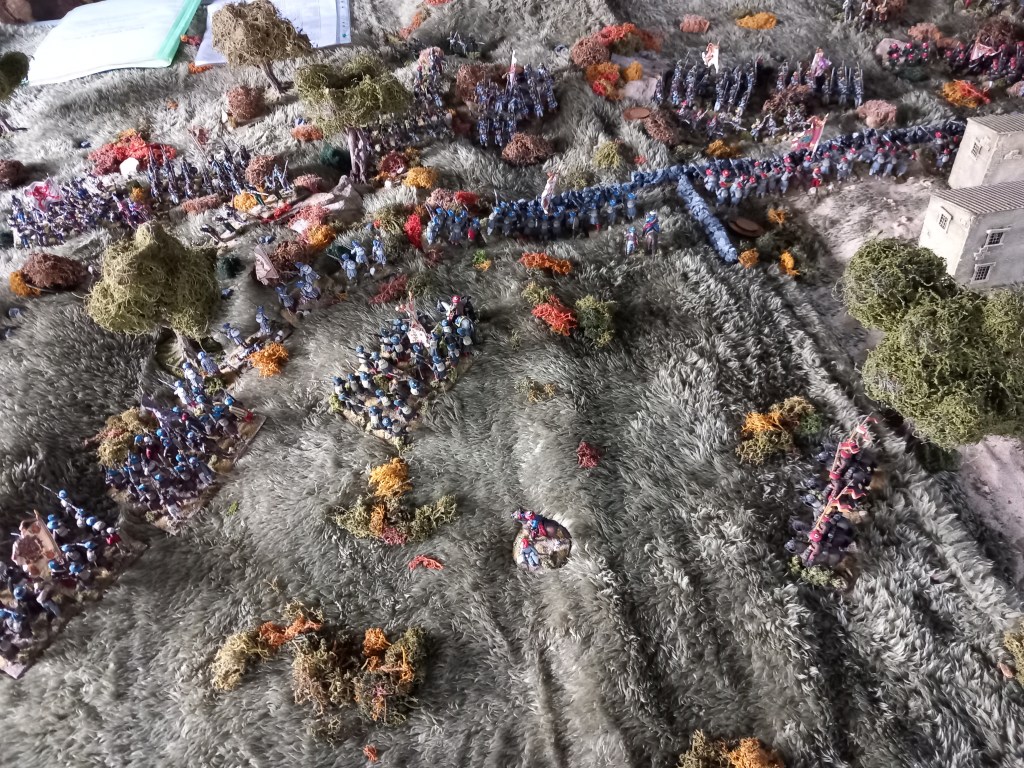
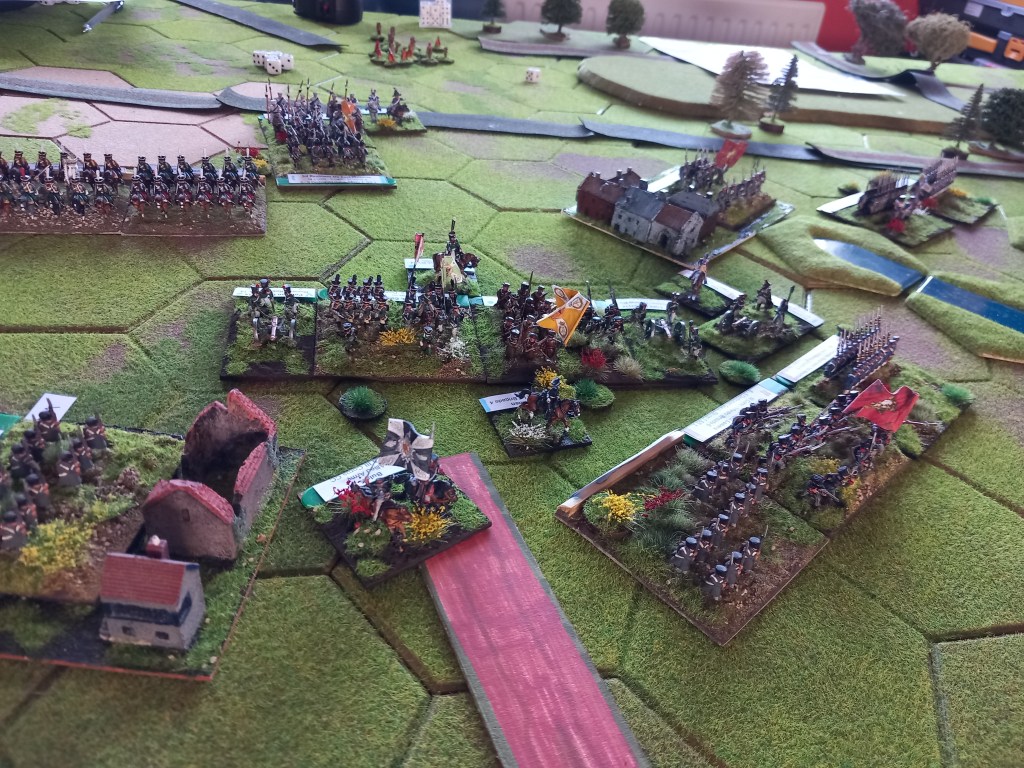
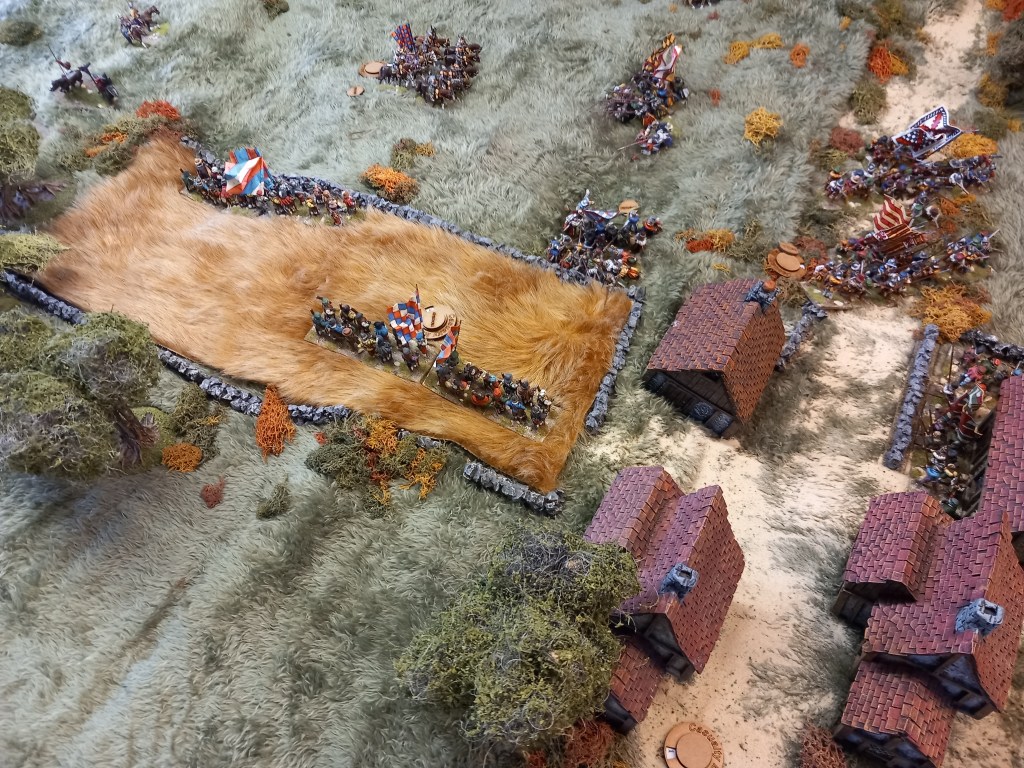
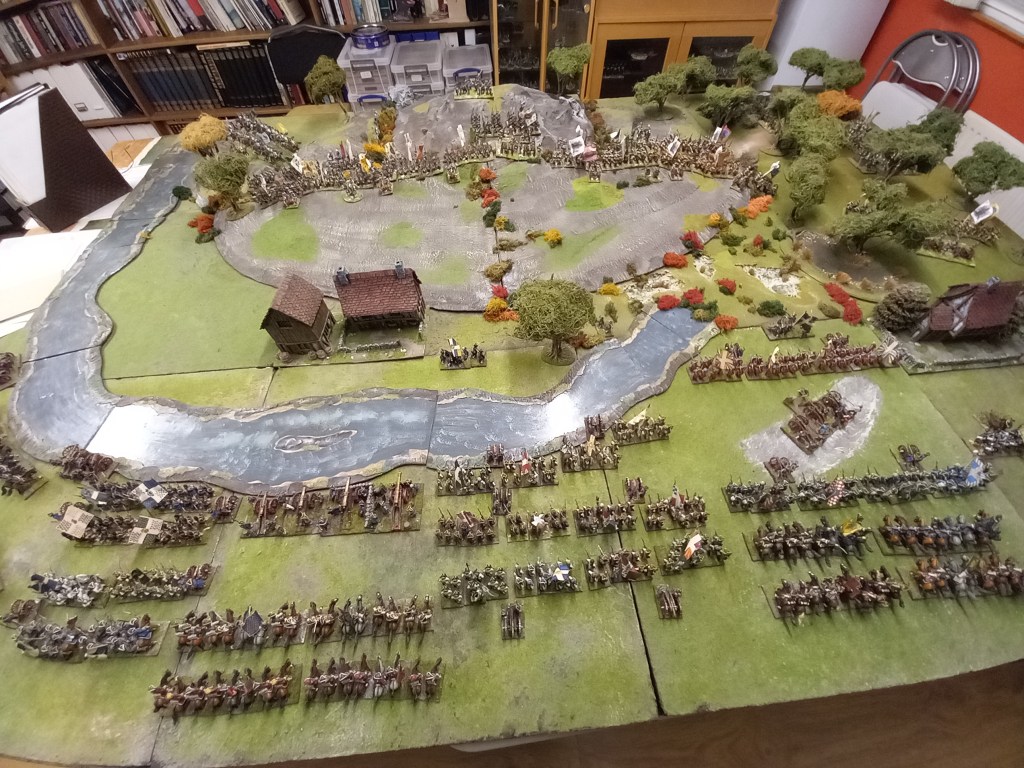
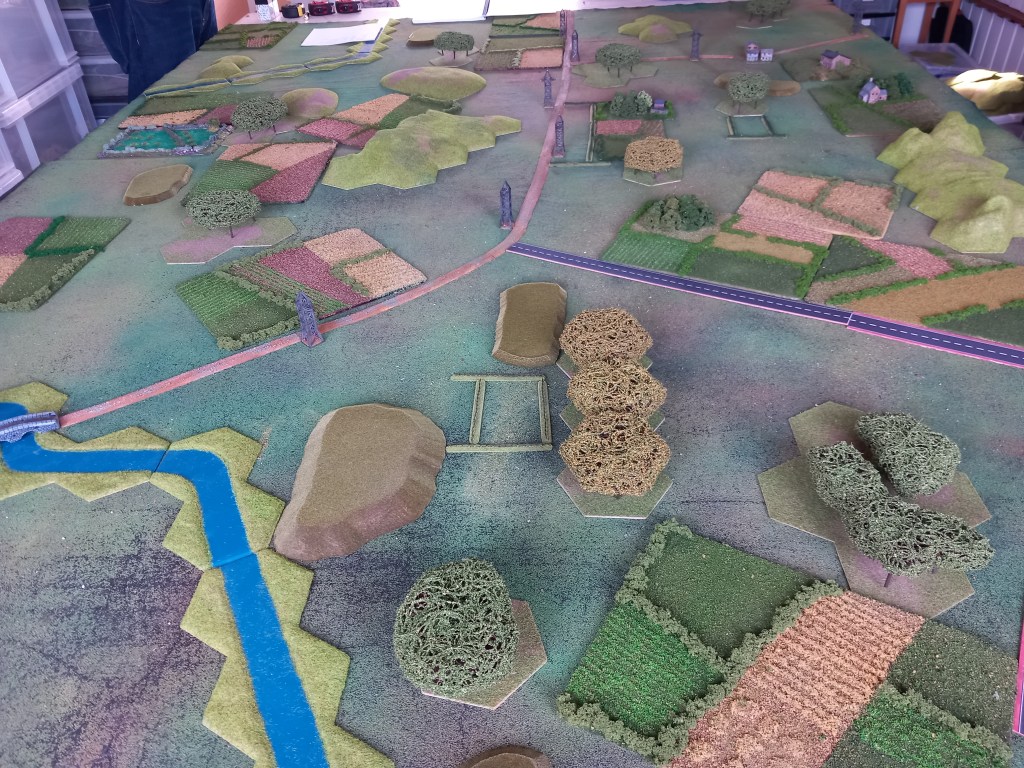
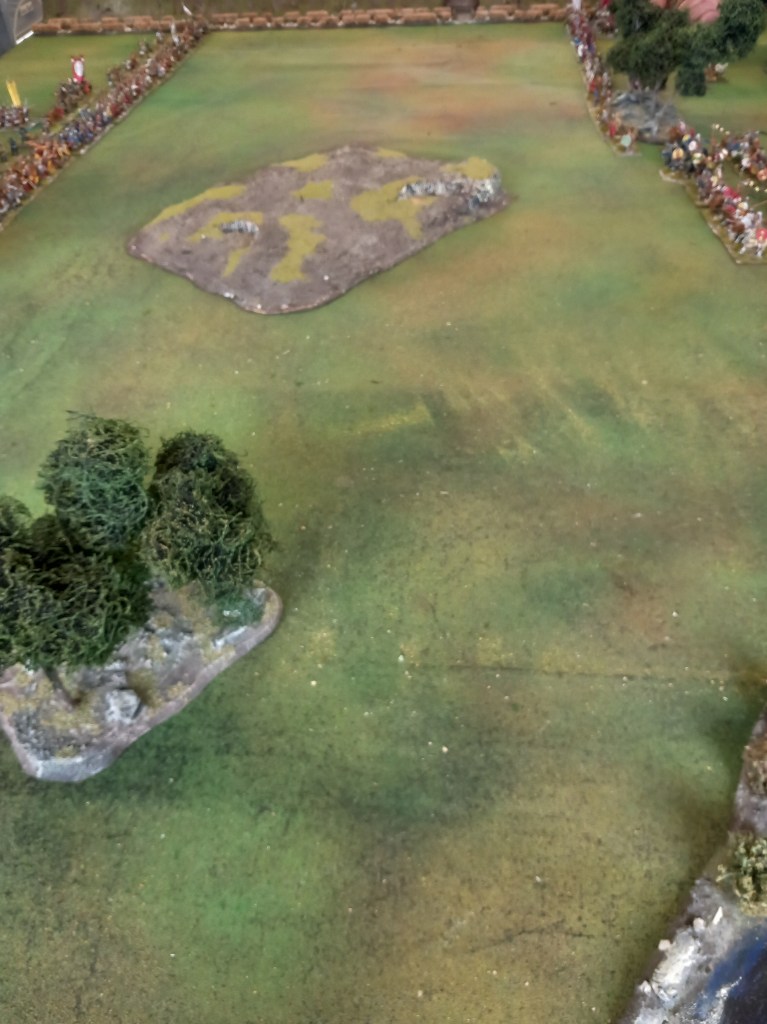
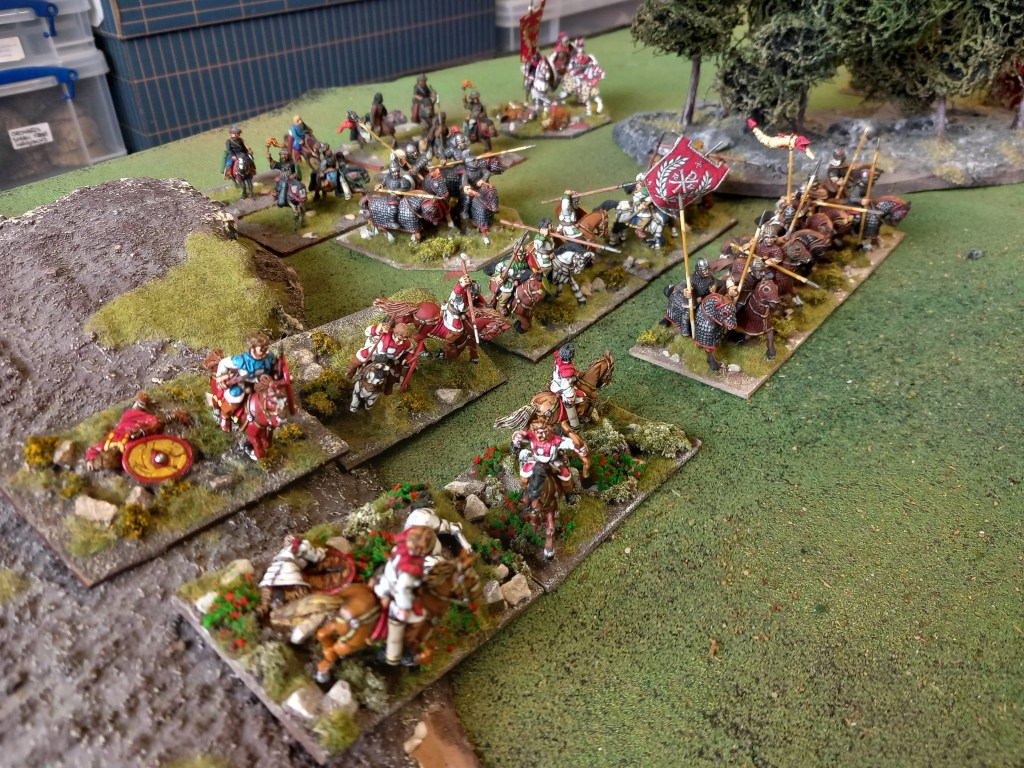
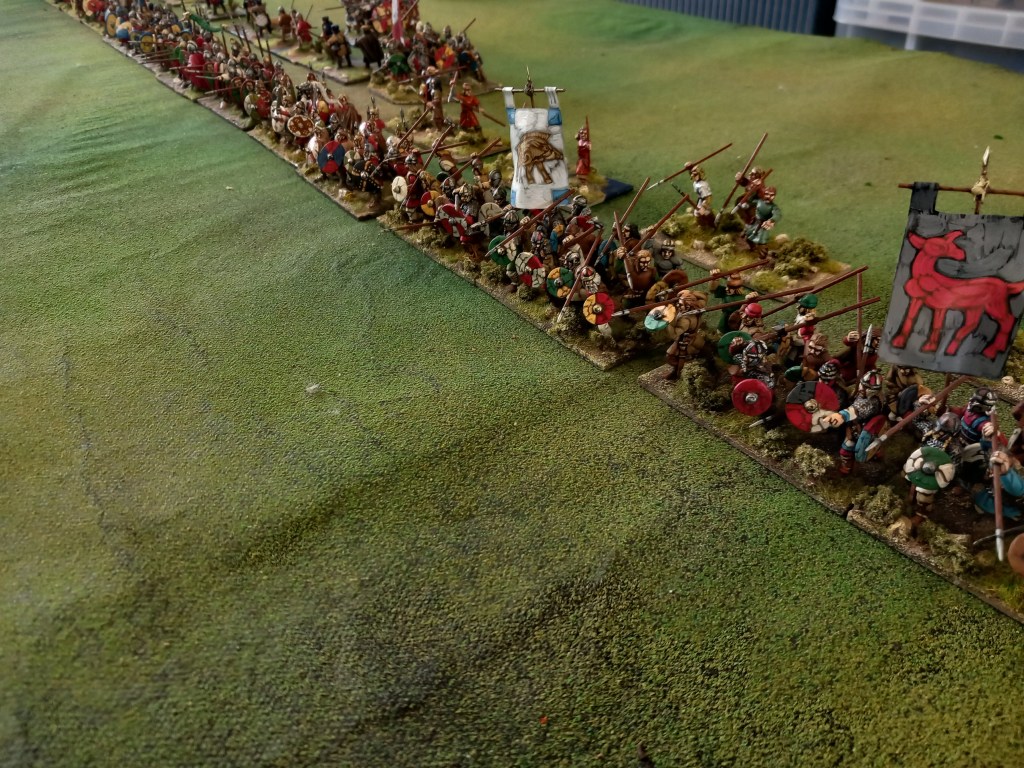
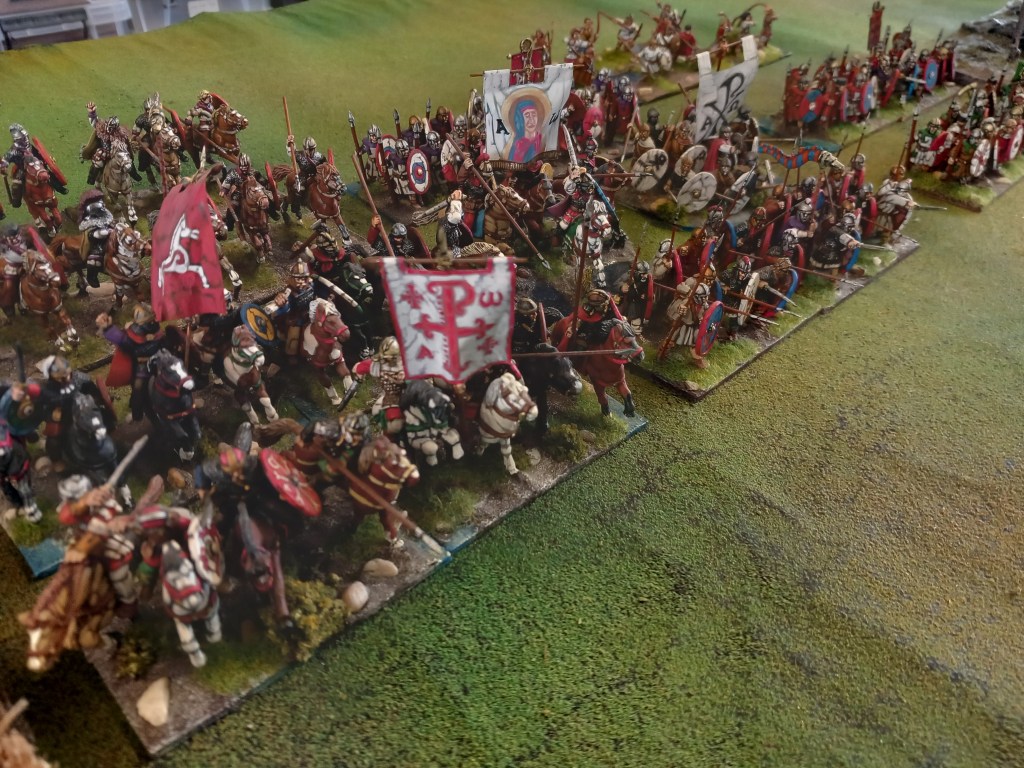
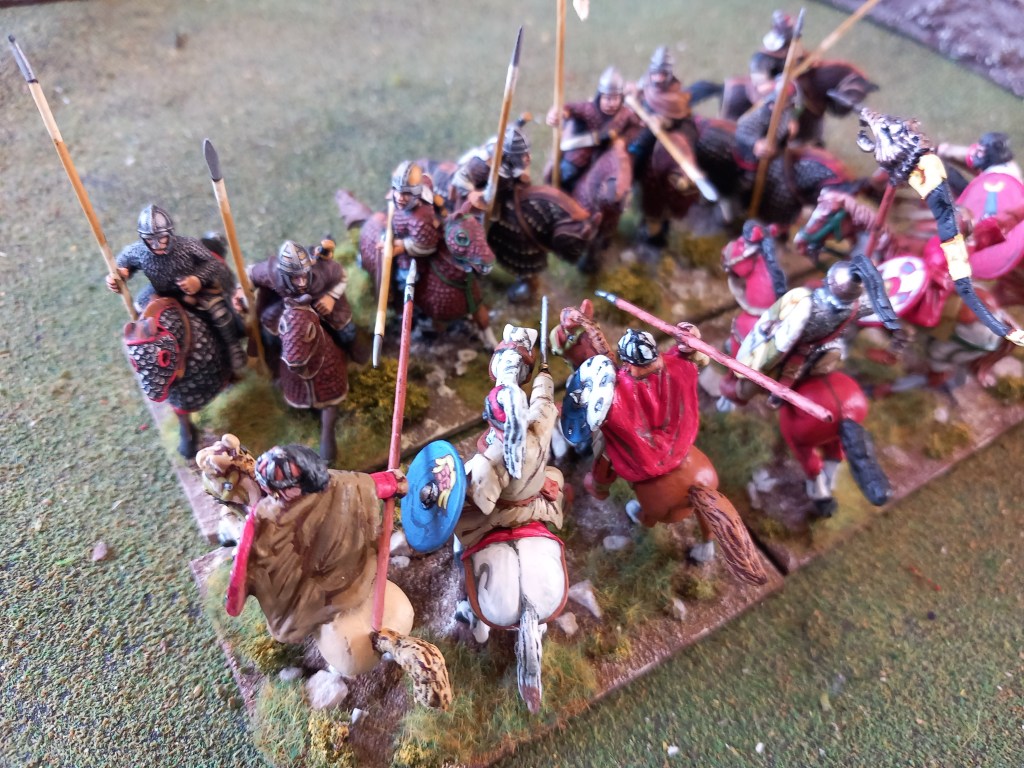
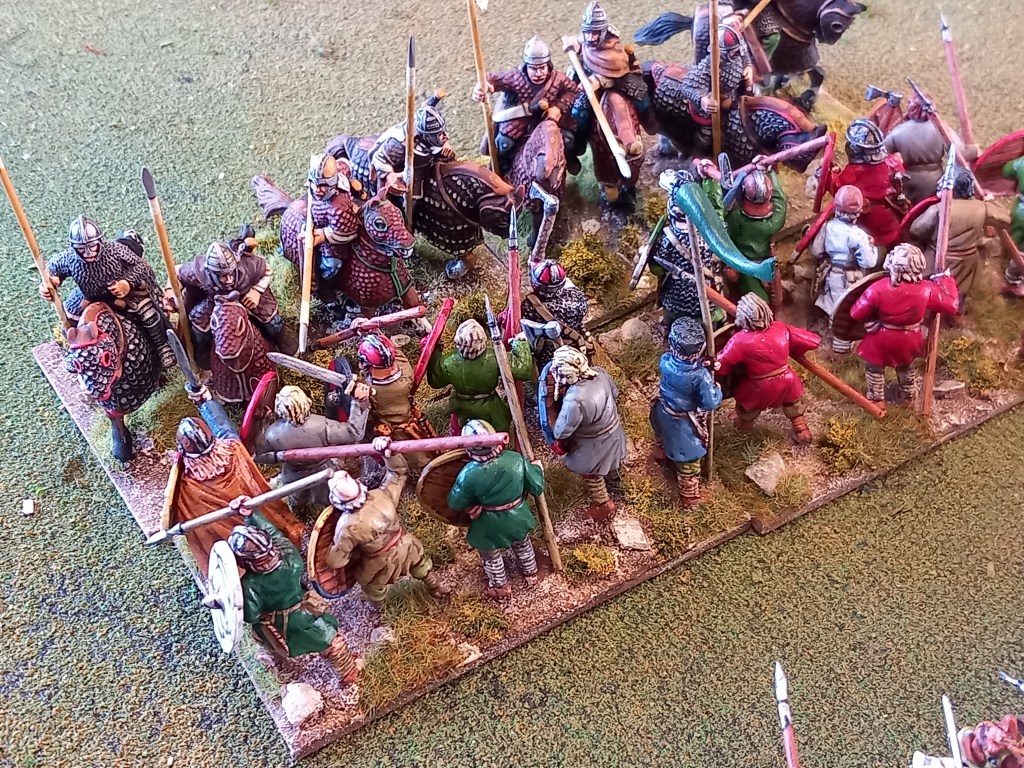
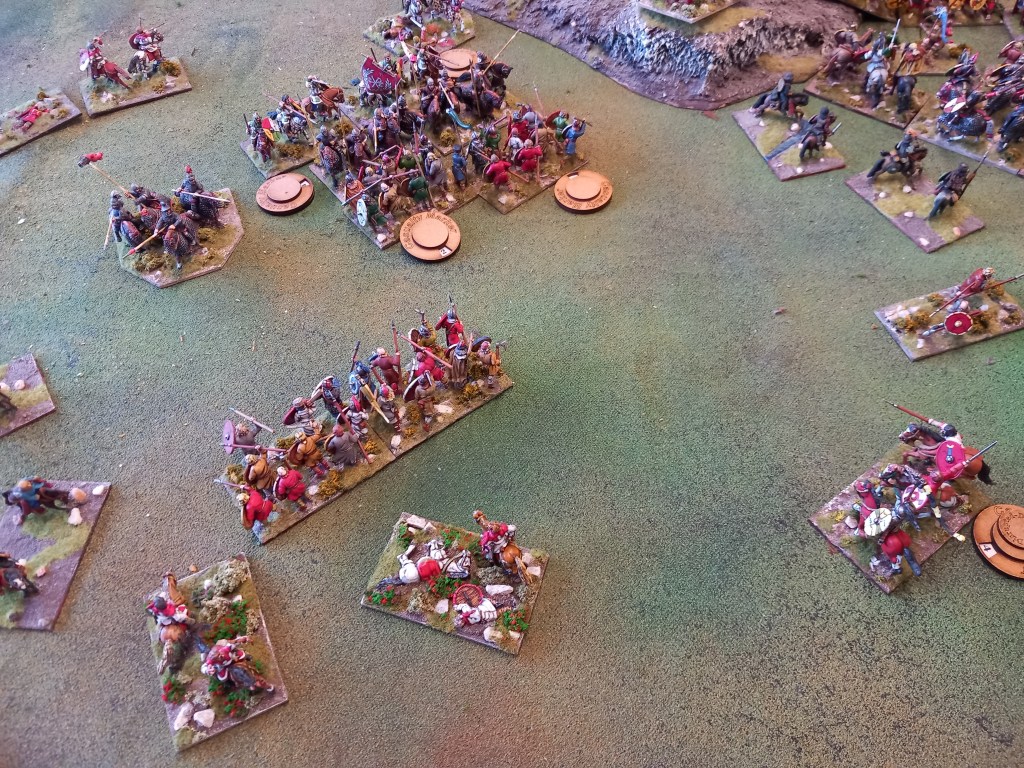
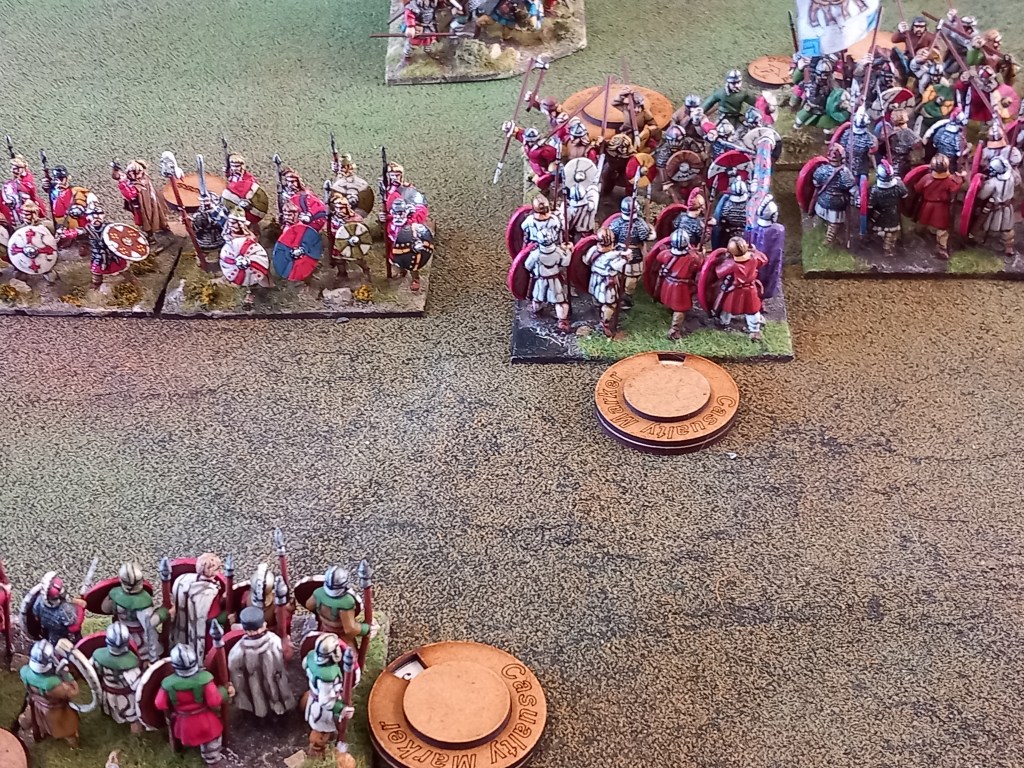
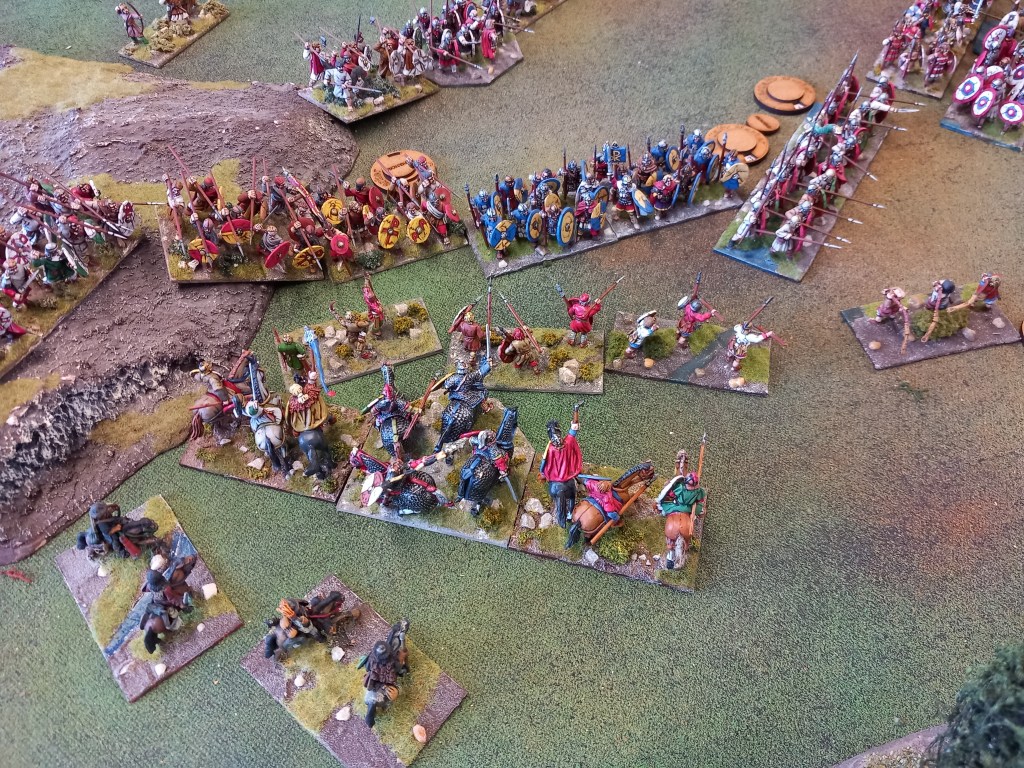
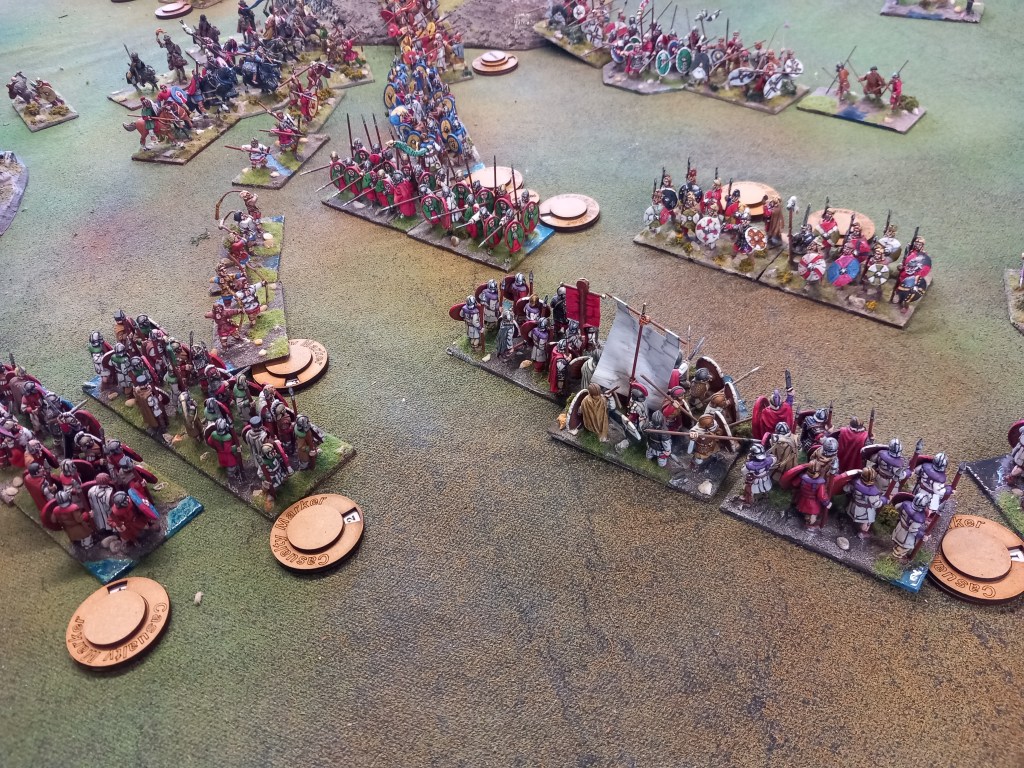
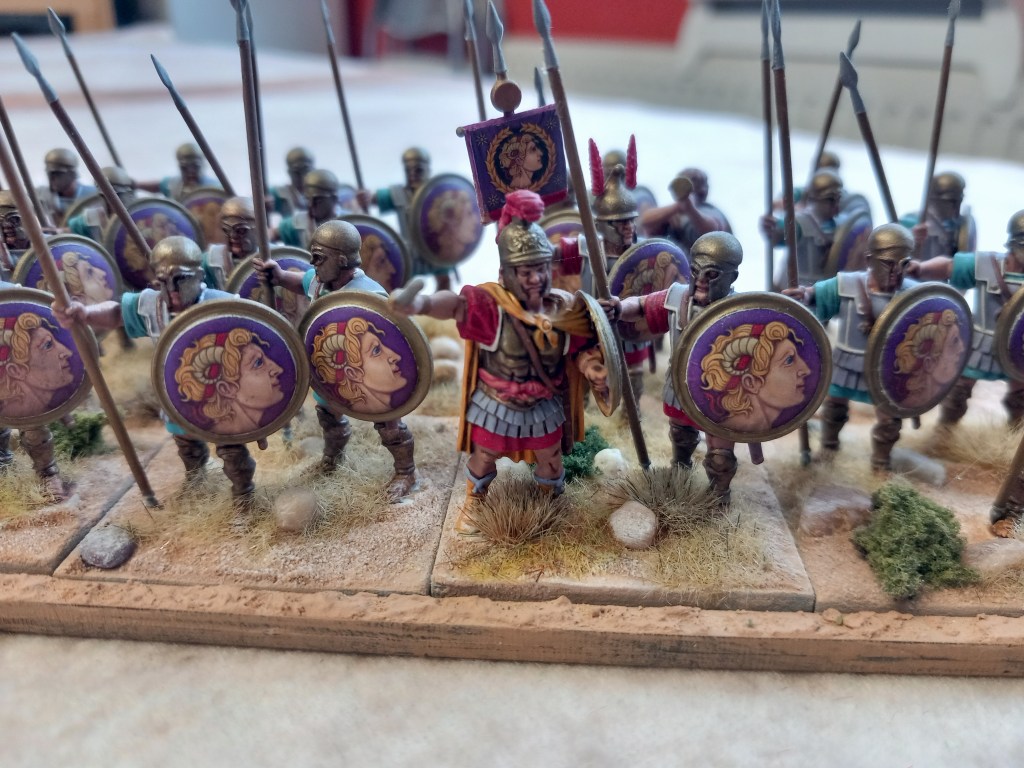
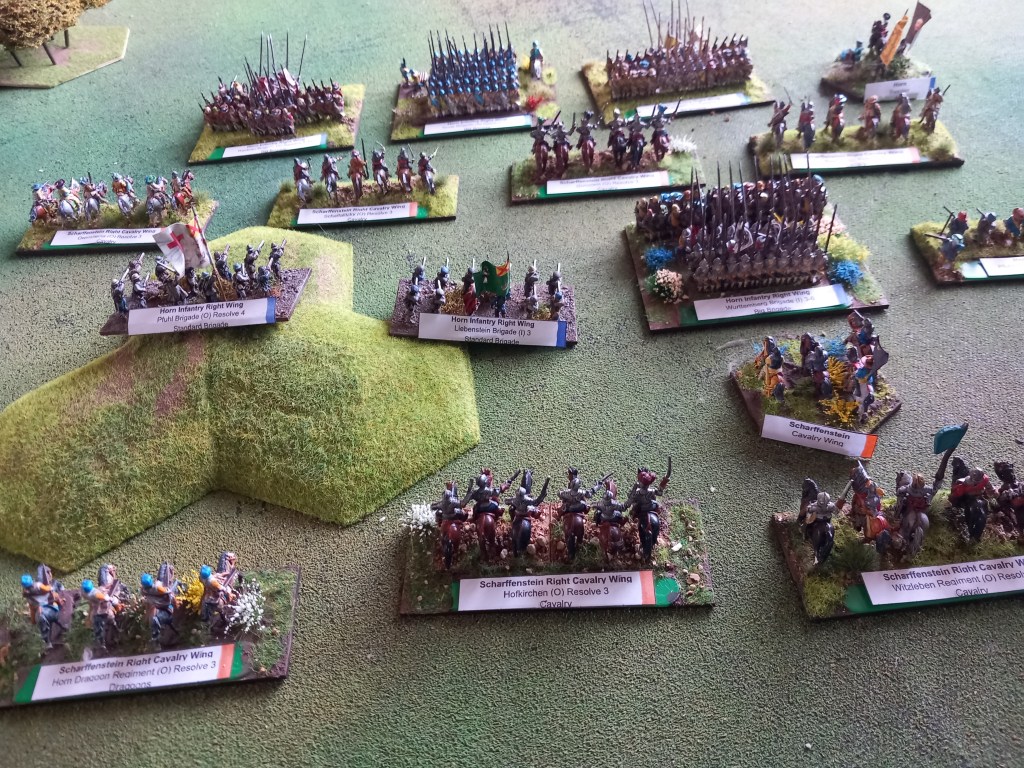
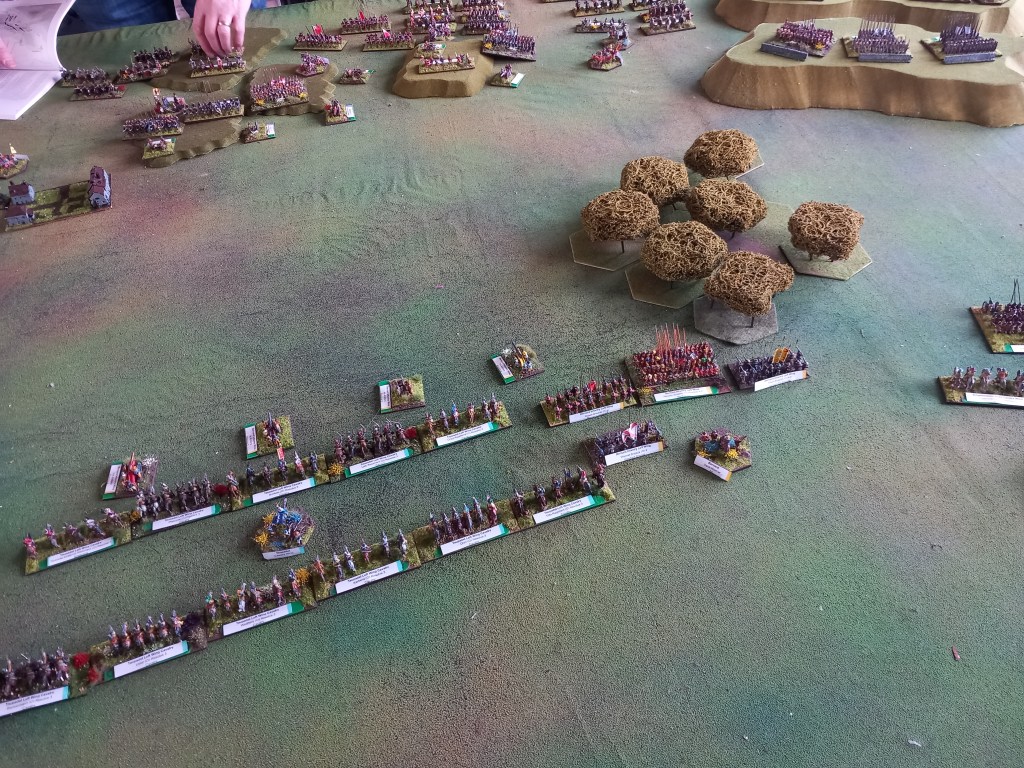
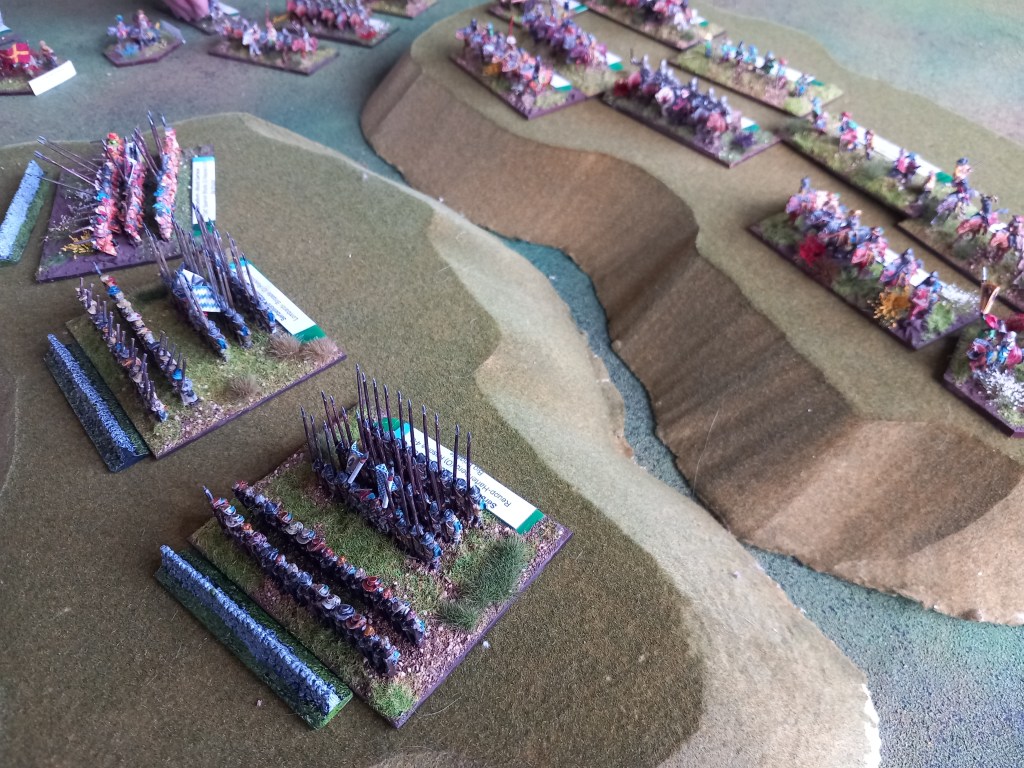
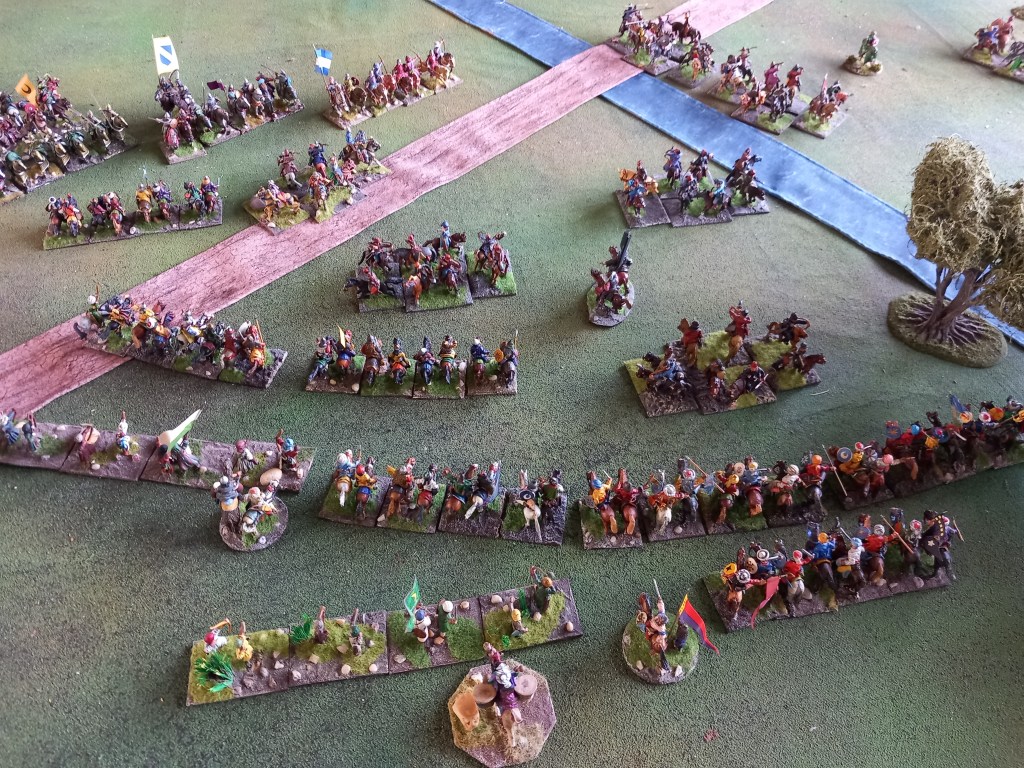
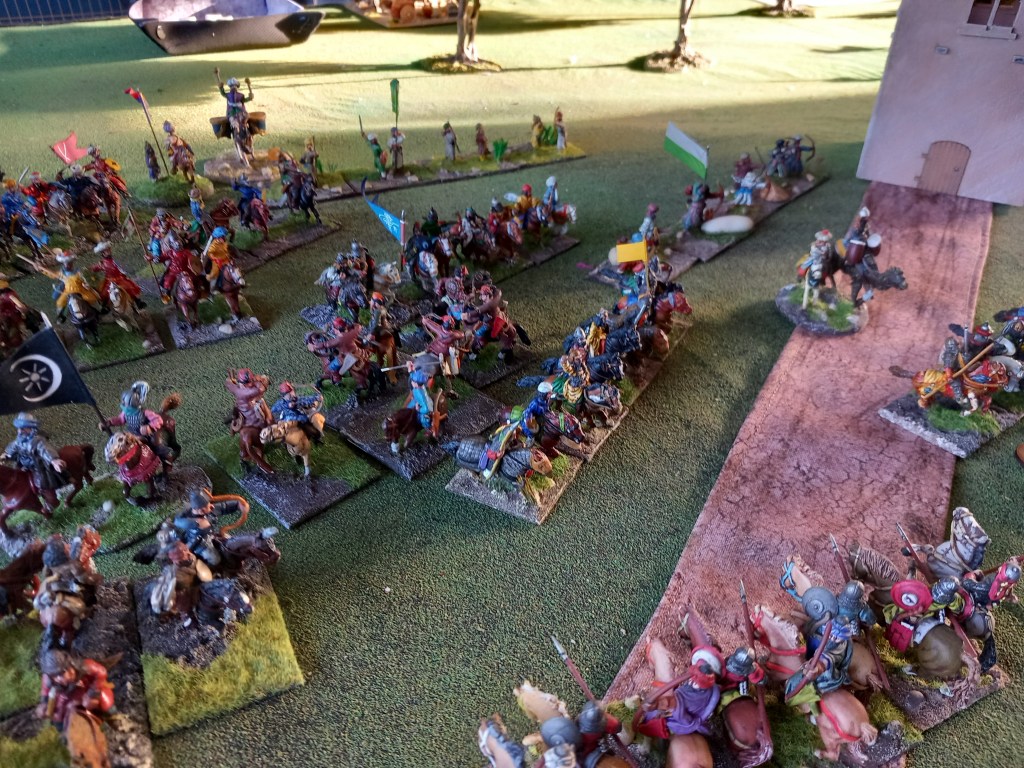
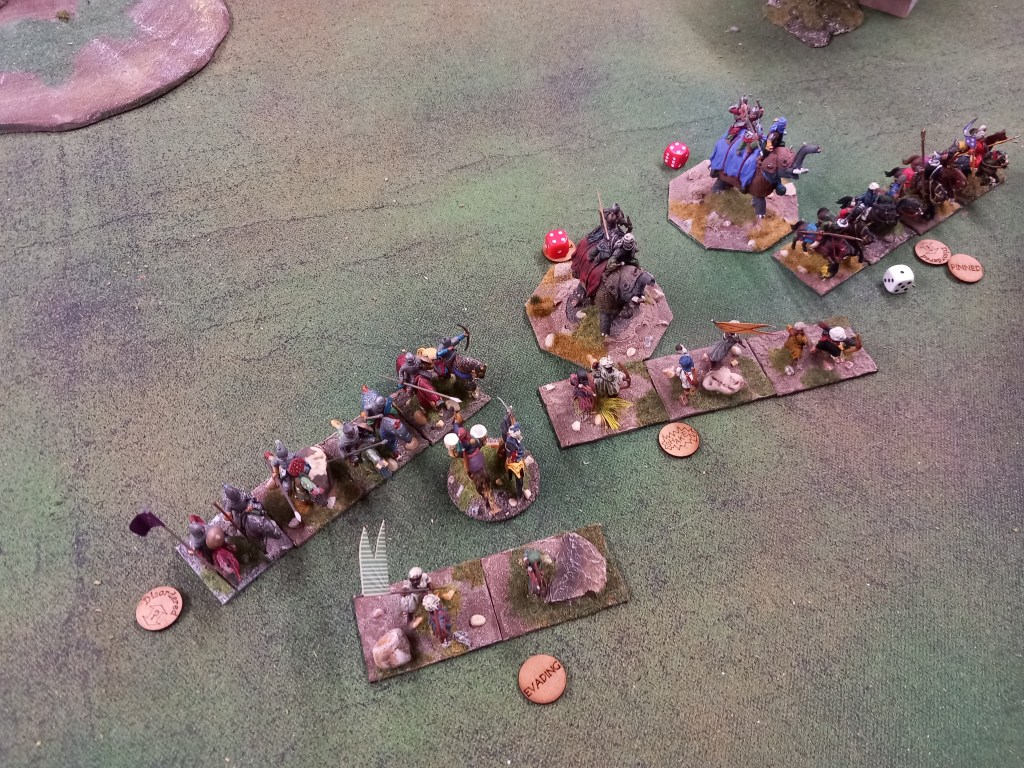
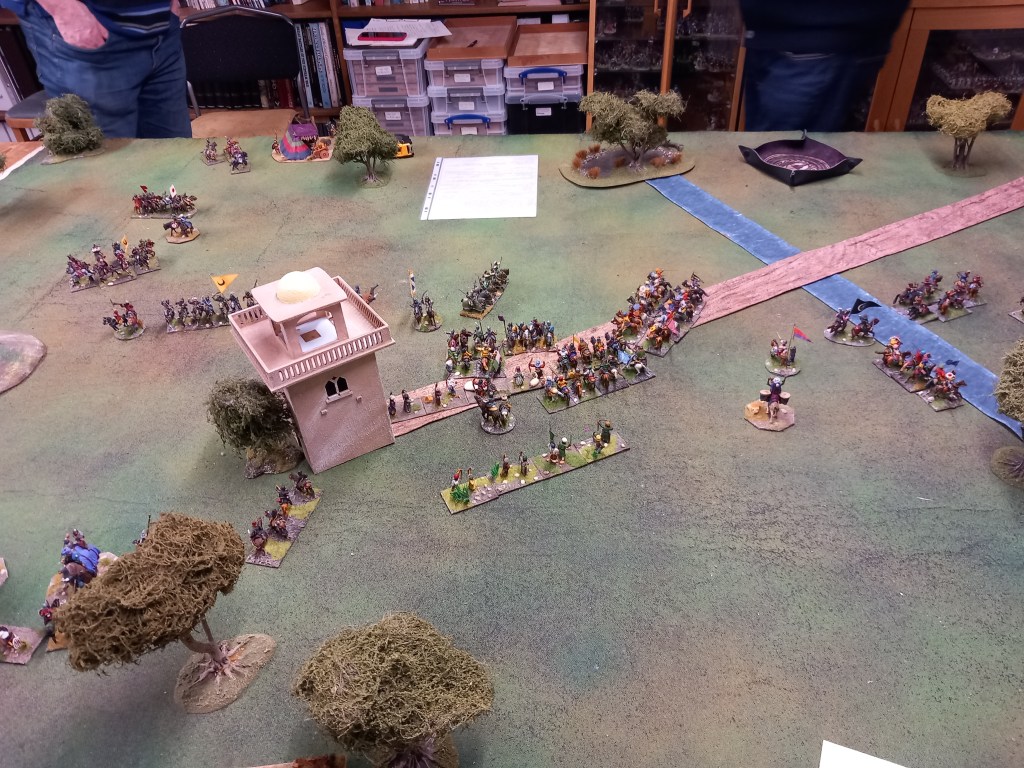
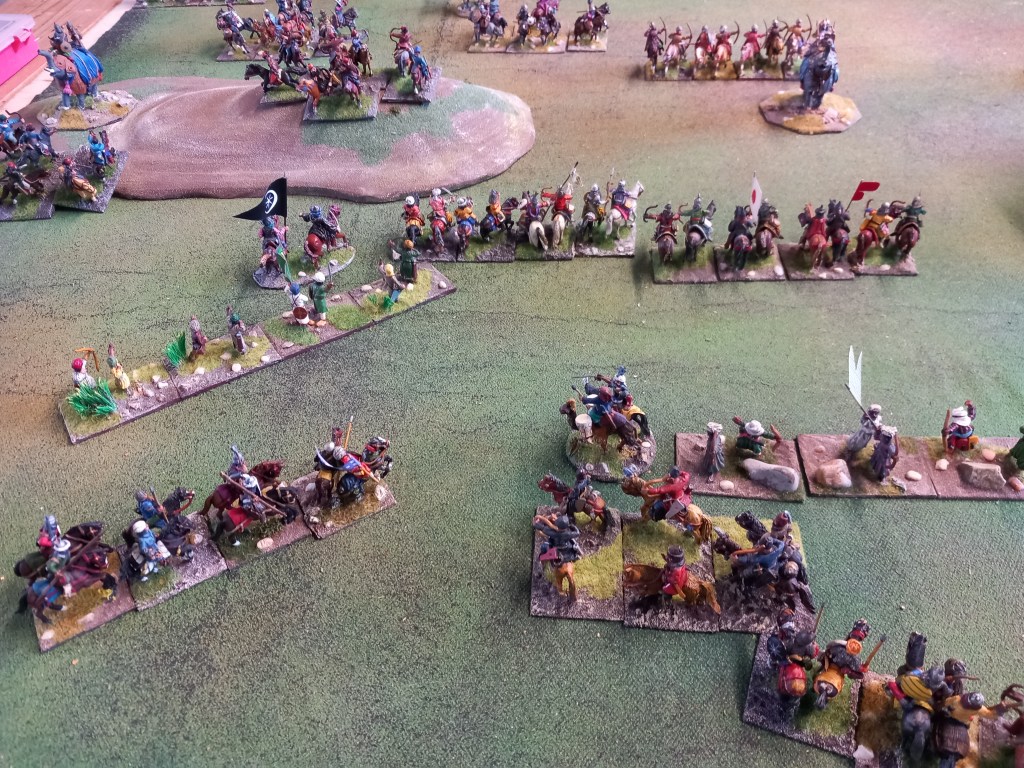
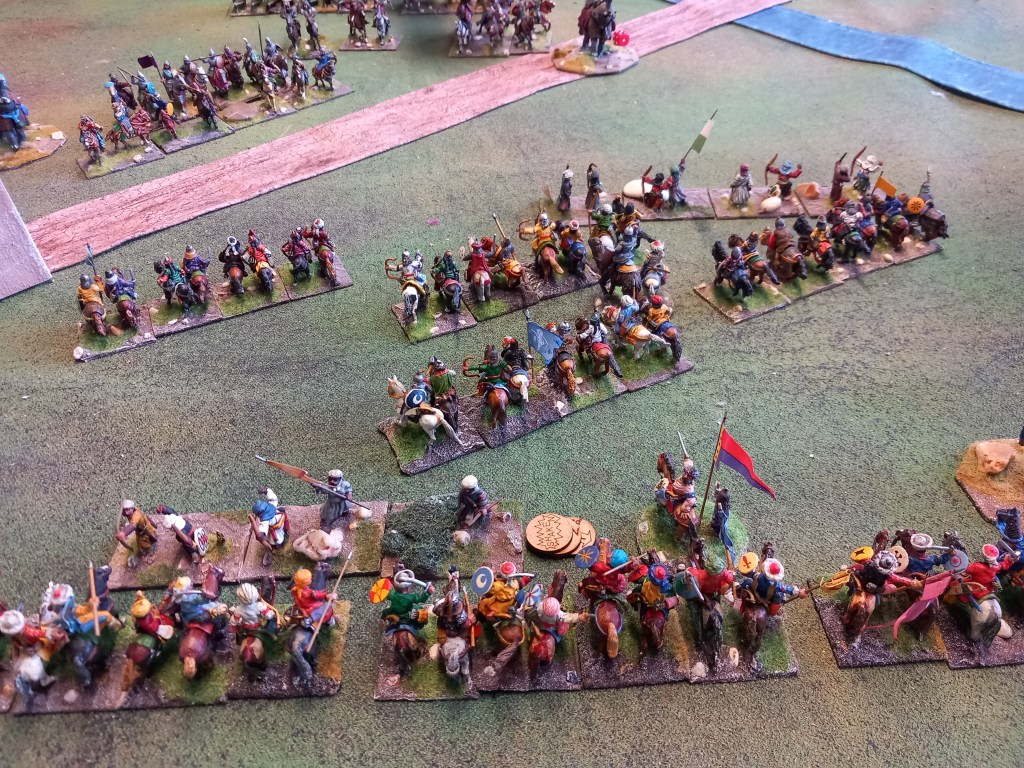
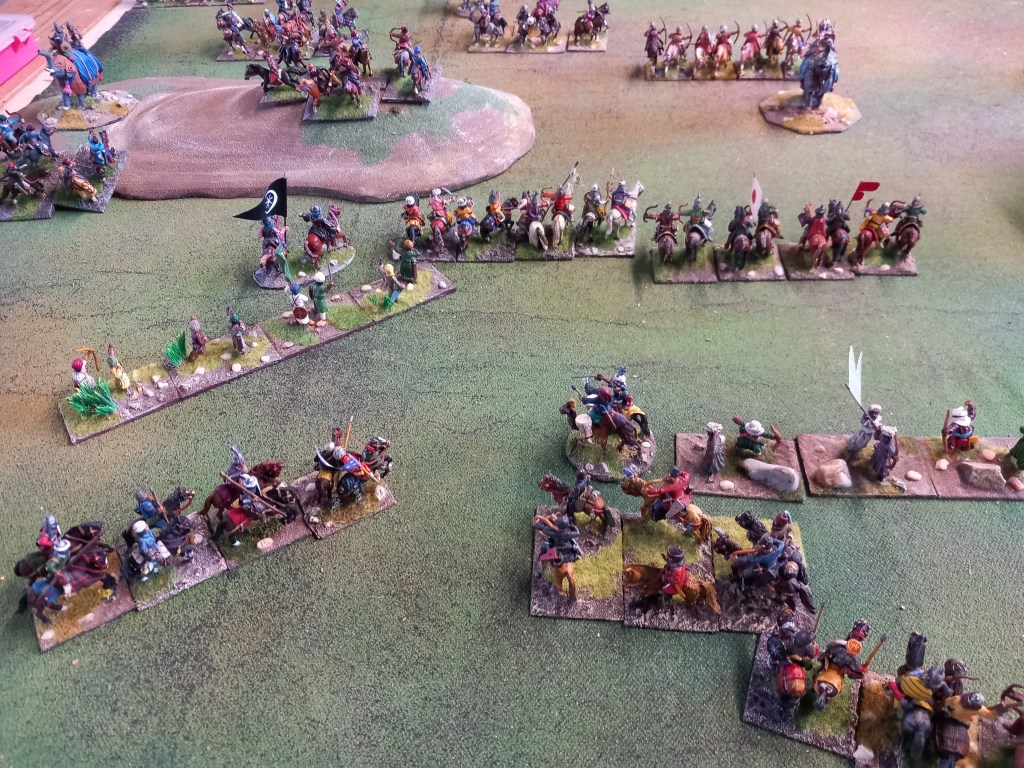
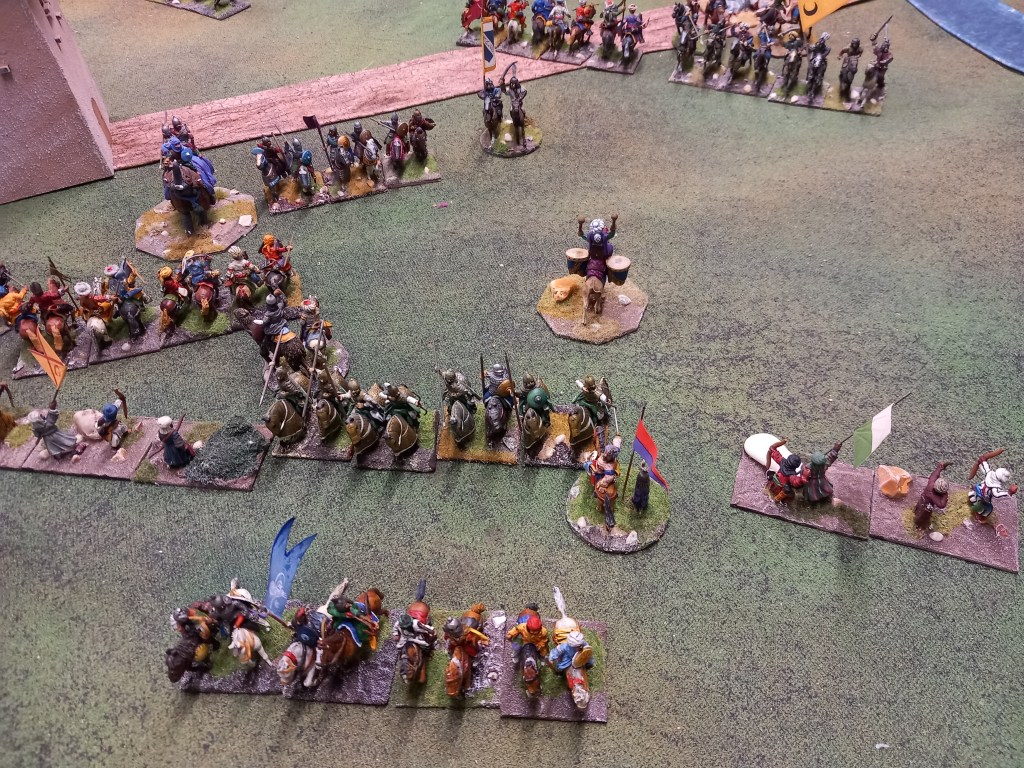
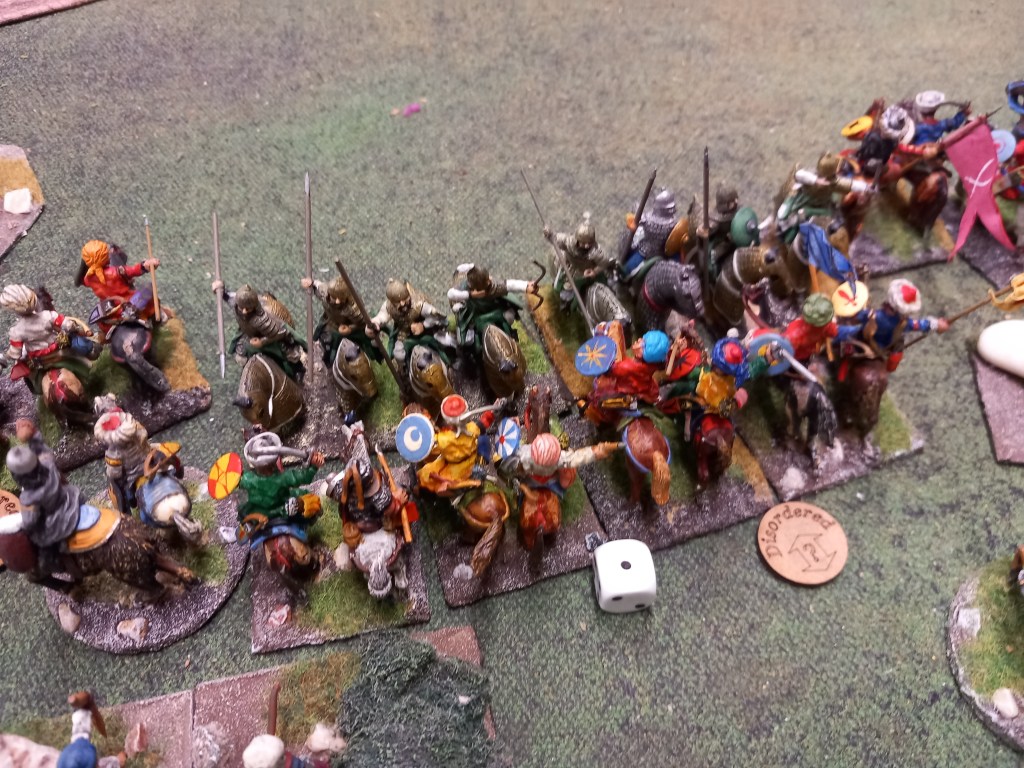
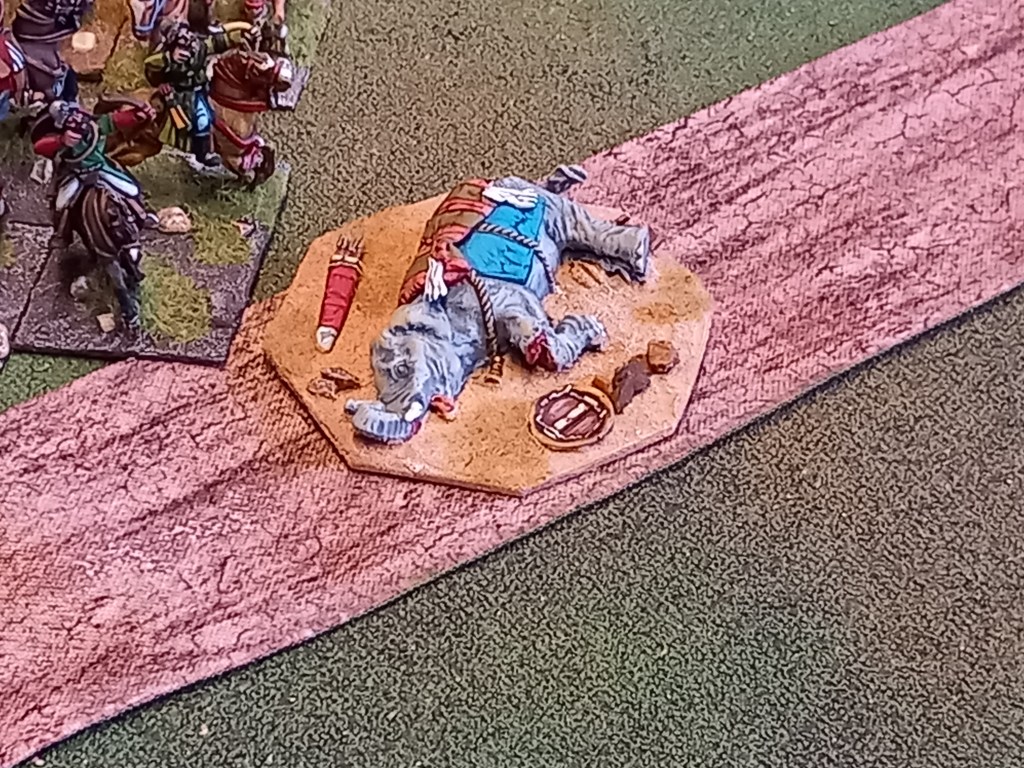
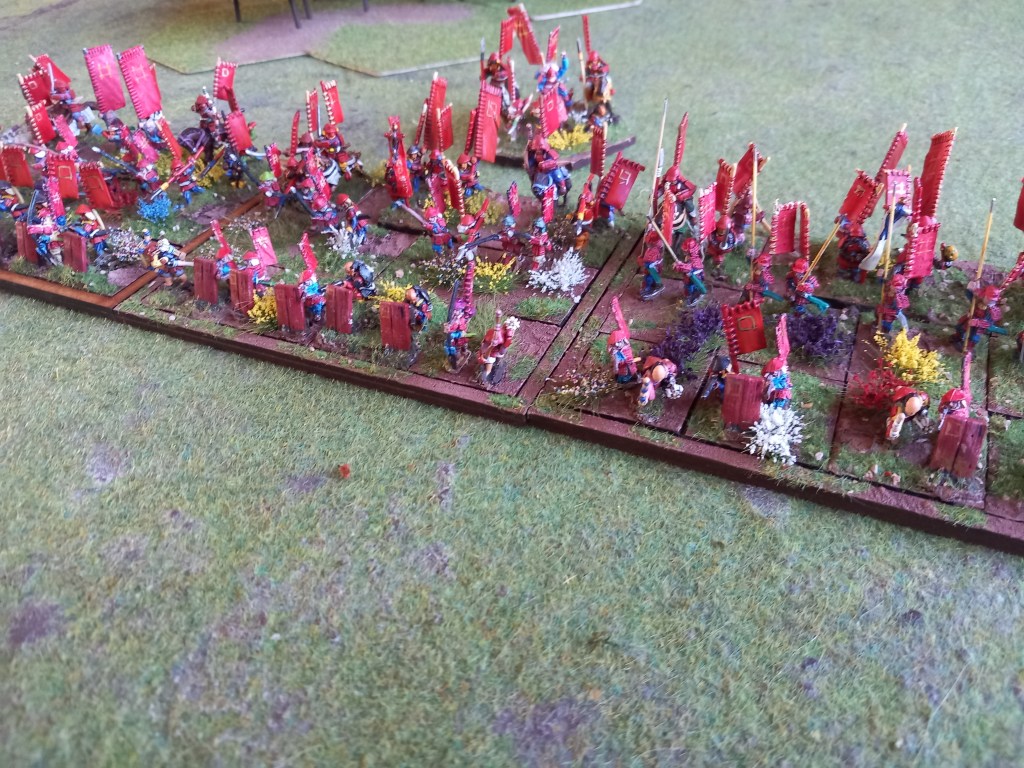
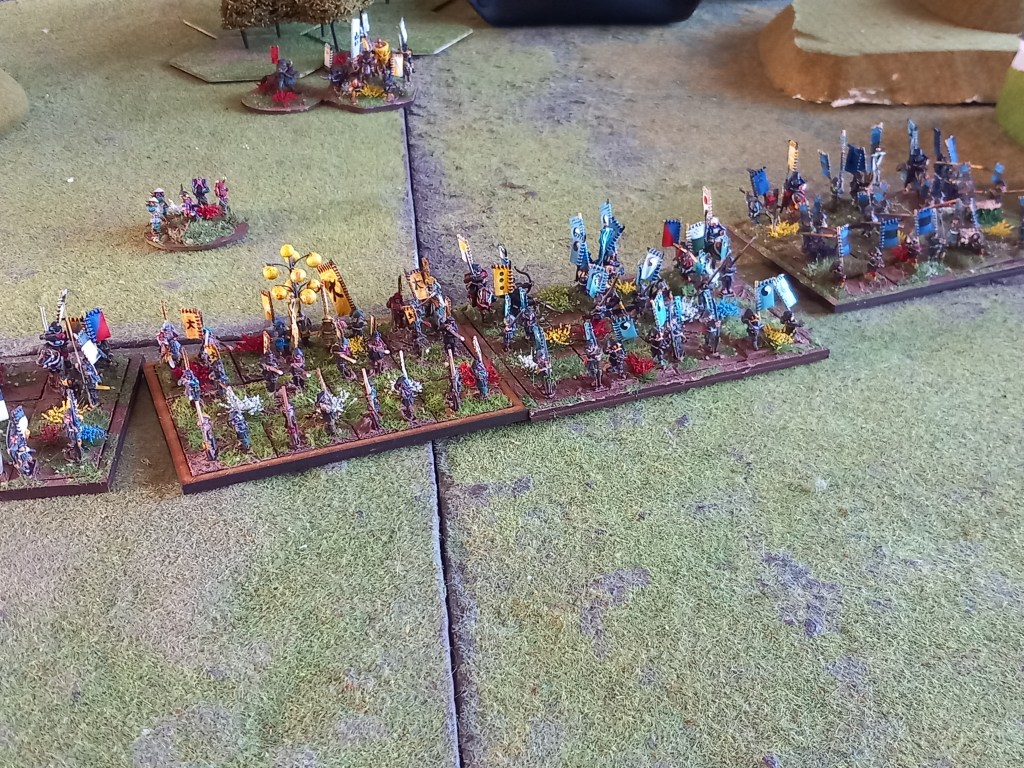
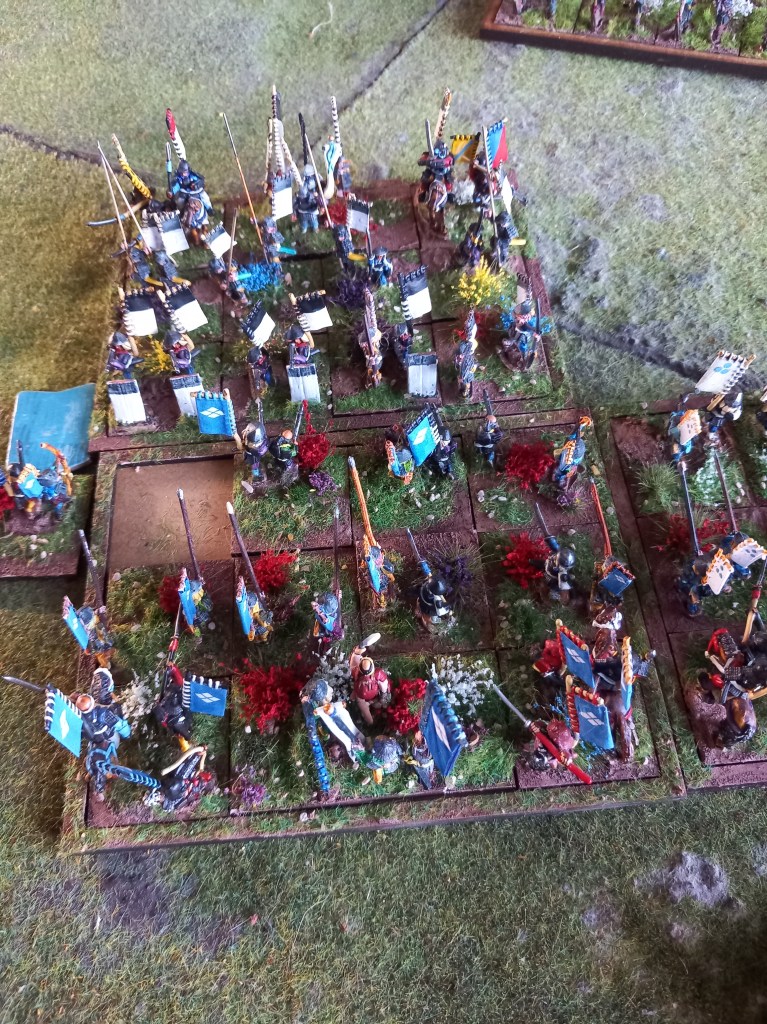
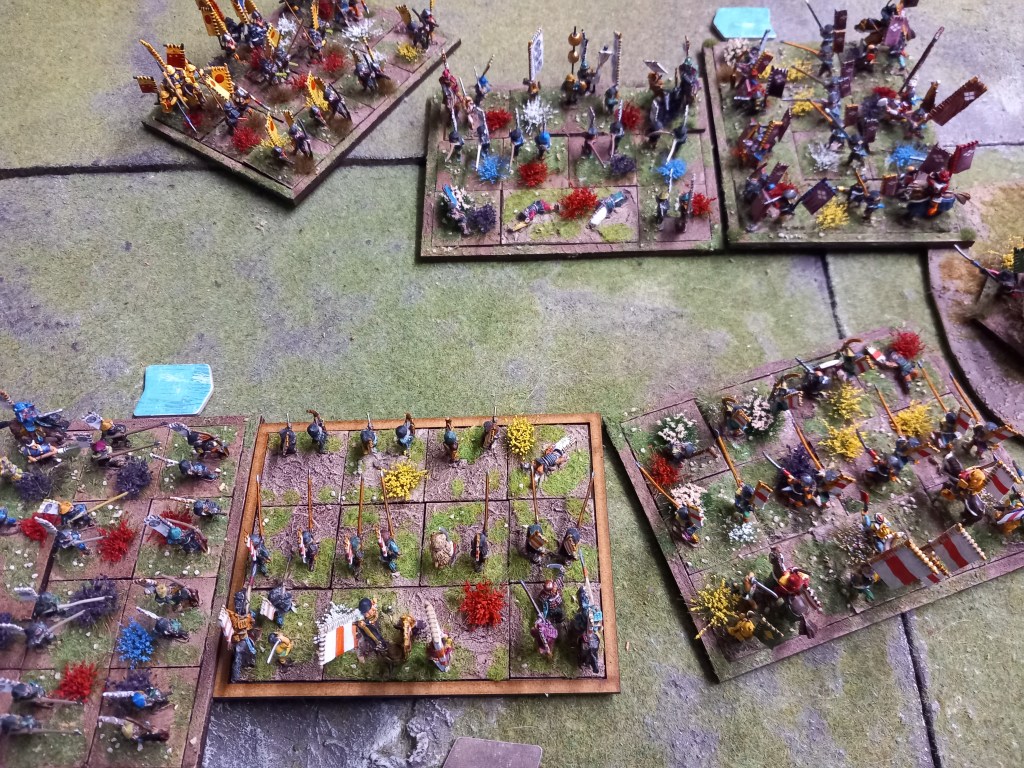
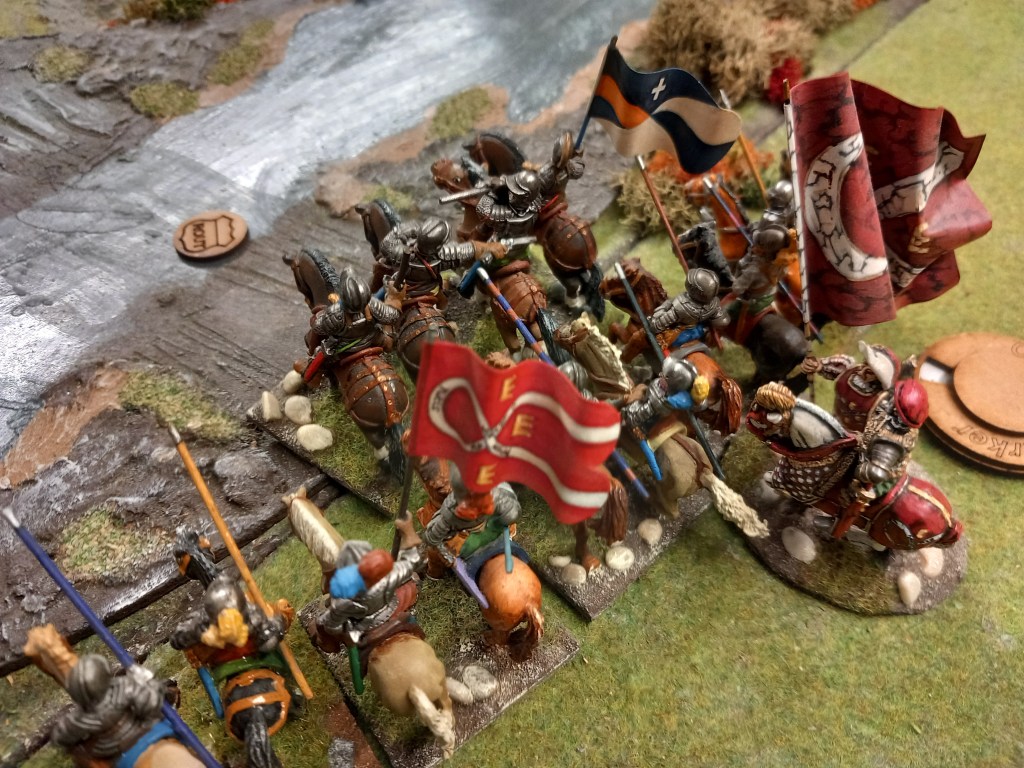
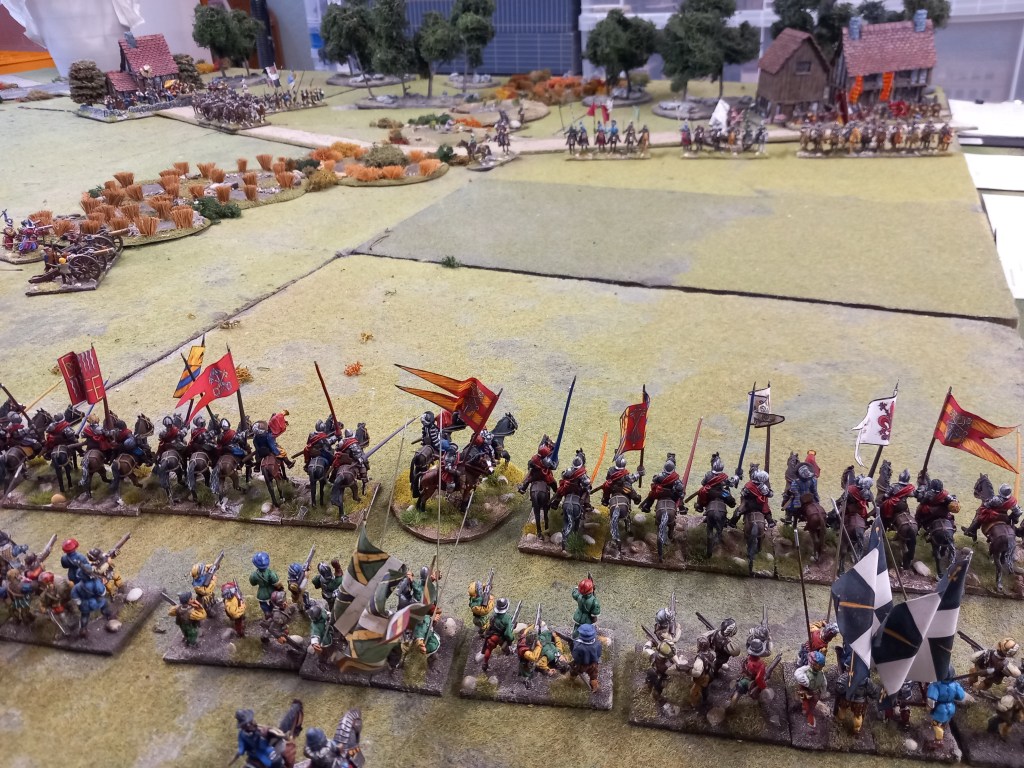
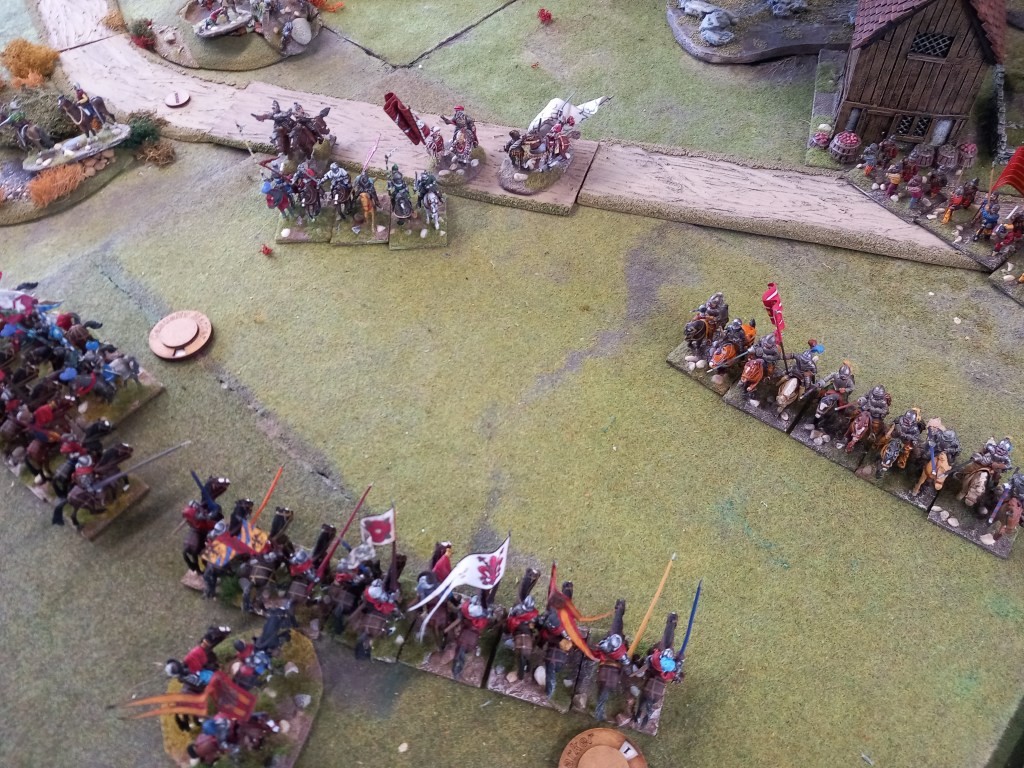
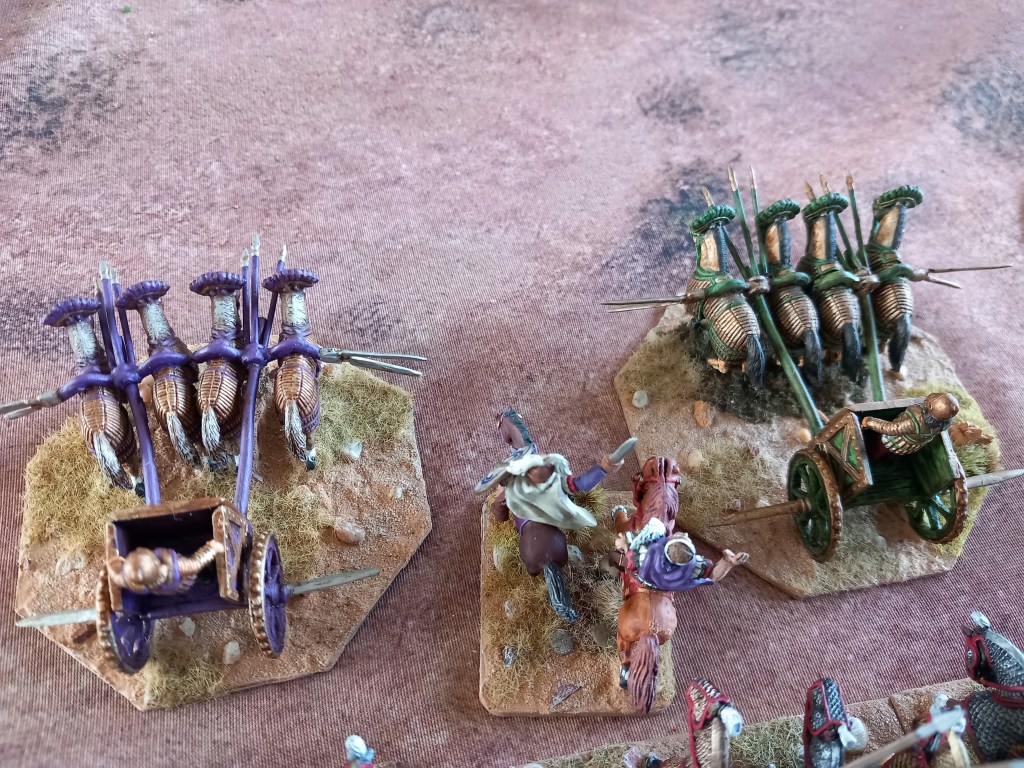
Next up was another ‘old school’ ancients game, this time using Armati II. WE deployed two Trajanic armies on a fairly uncluttered table, one side had a bunch of German allies the other Armenian allies.
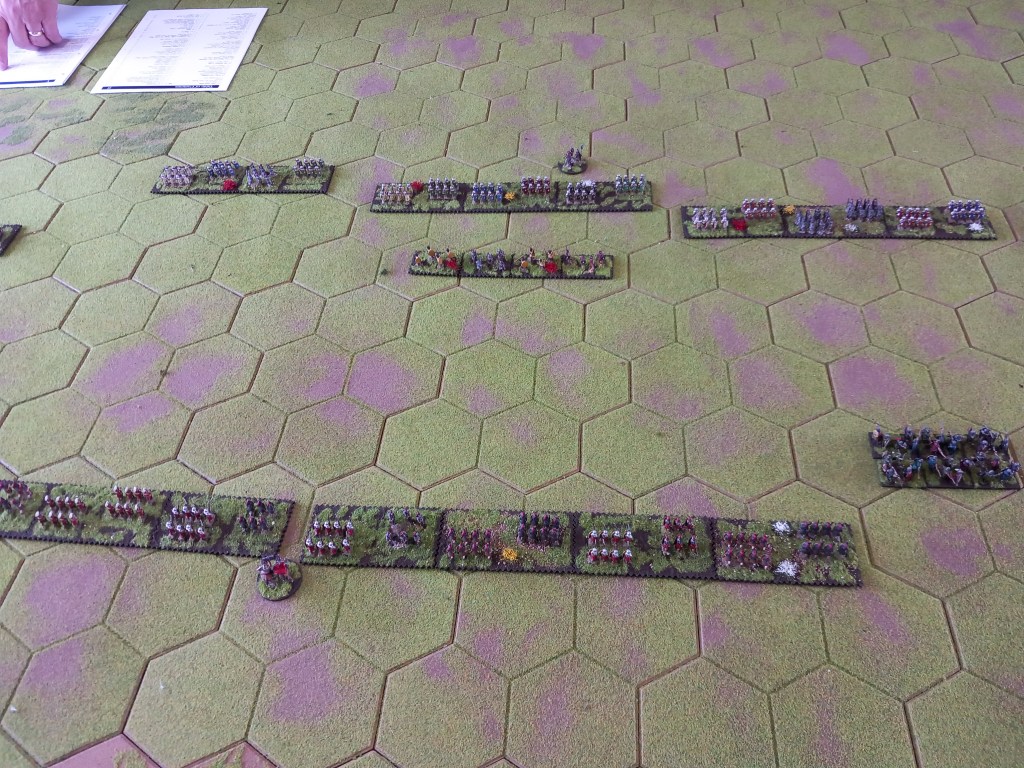
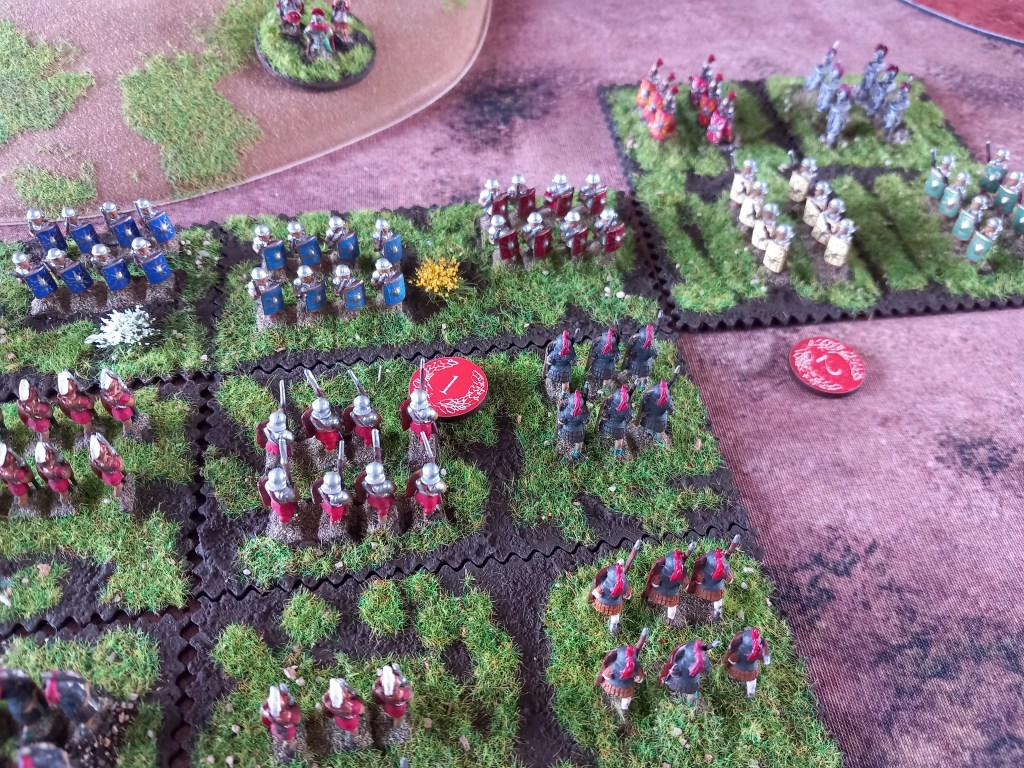
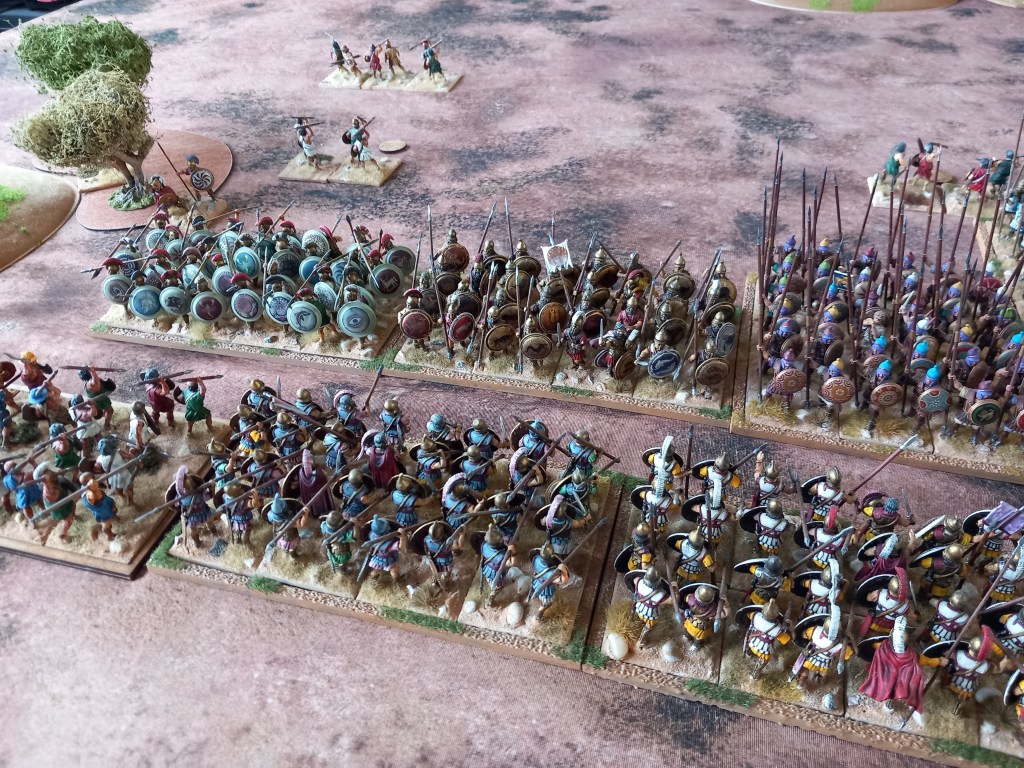
There isn’t a lot of nuance to this and both sides cracked on with their infantry baring down on each other.
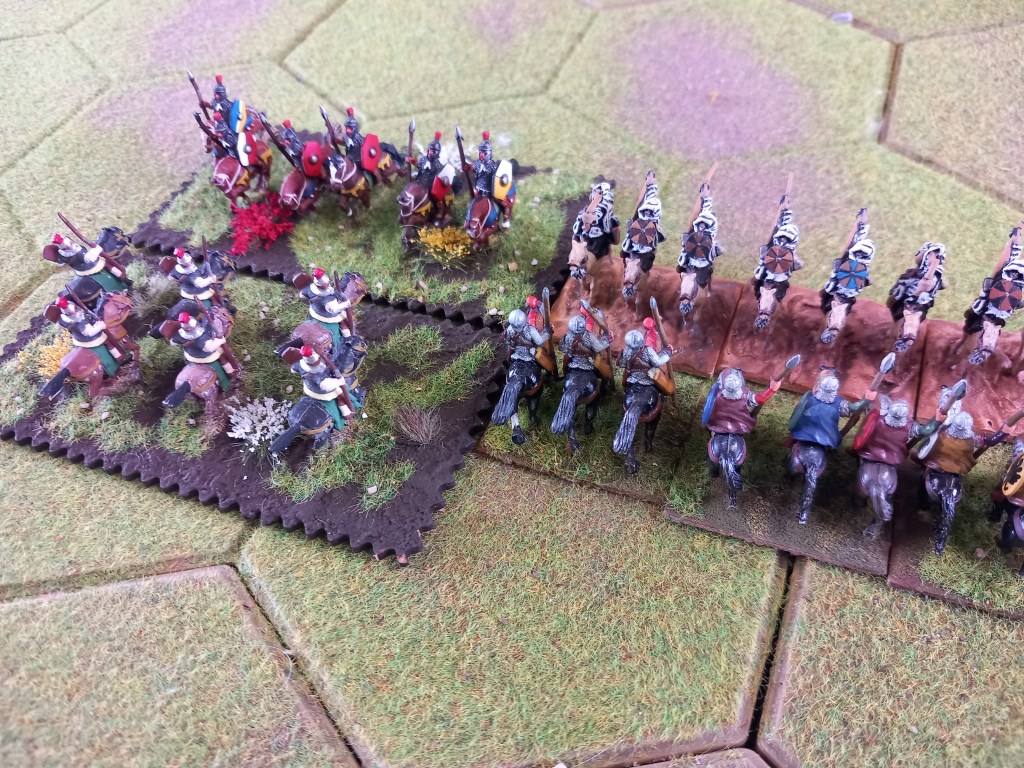
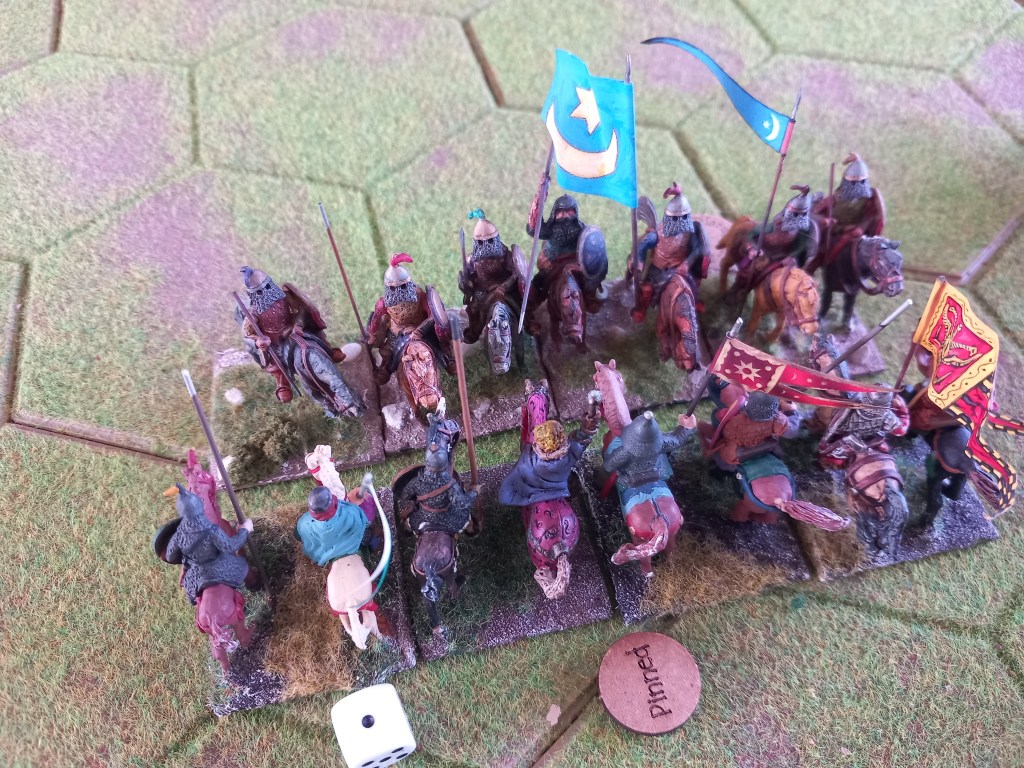
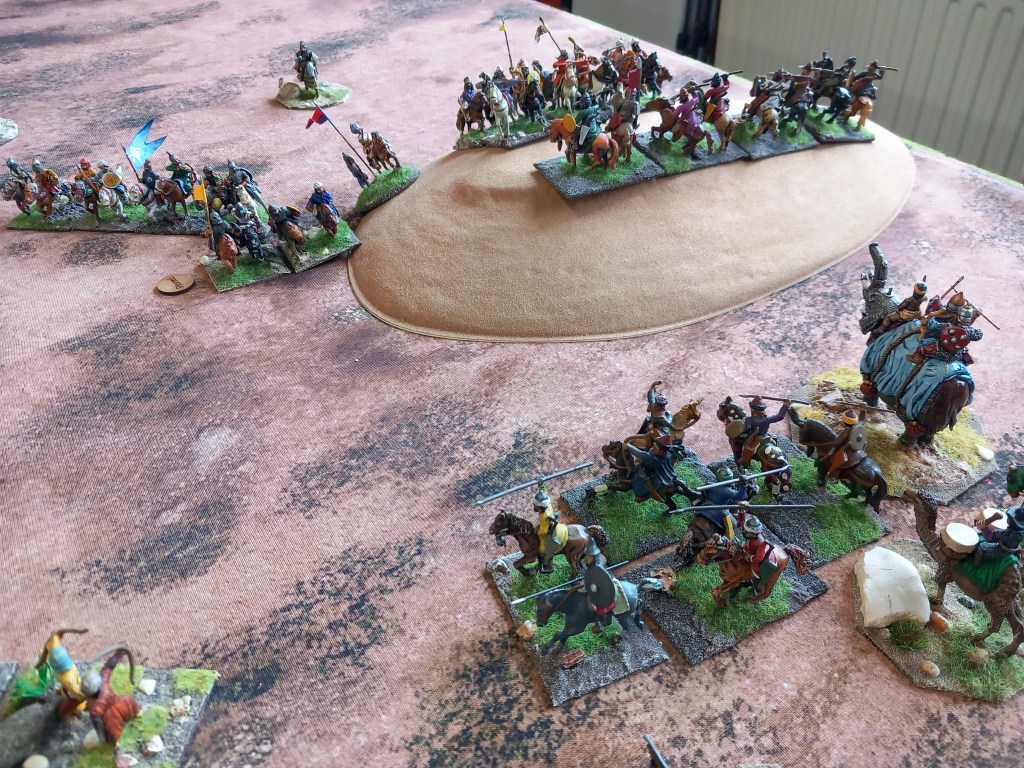
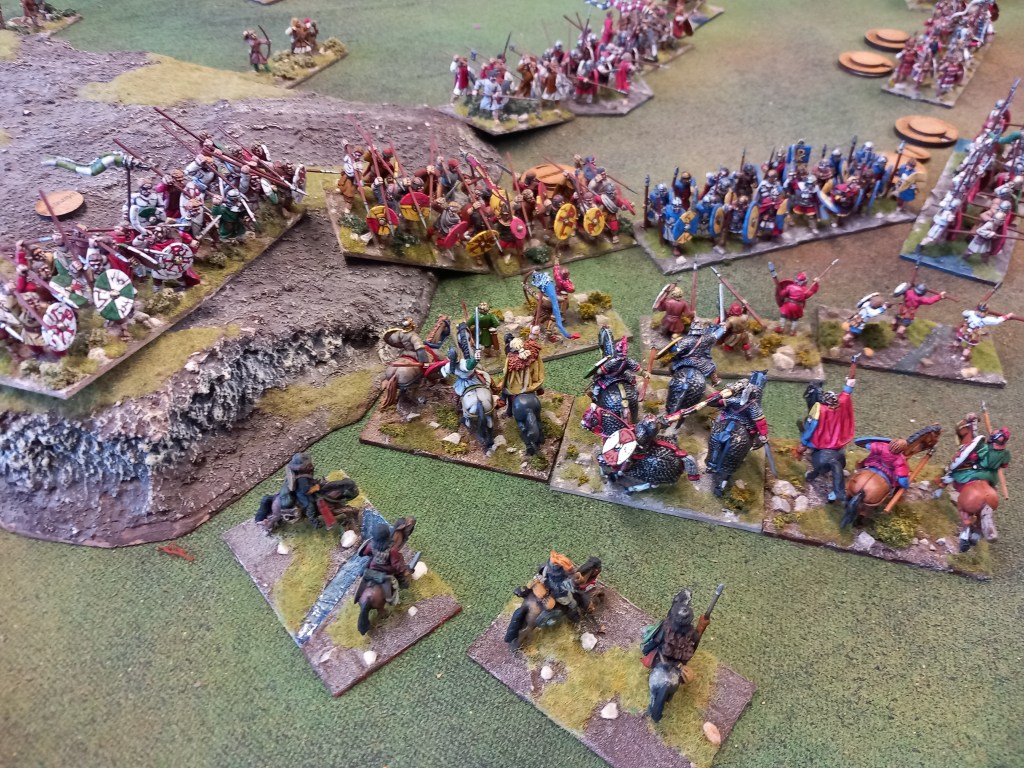
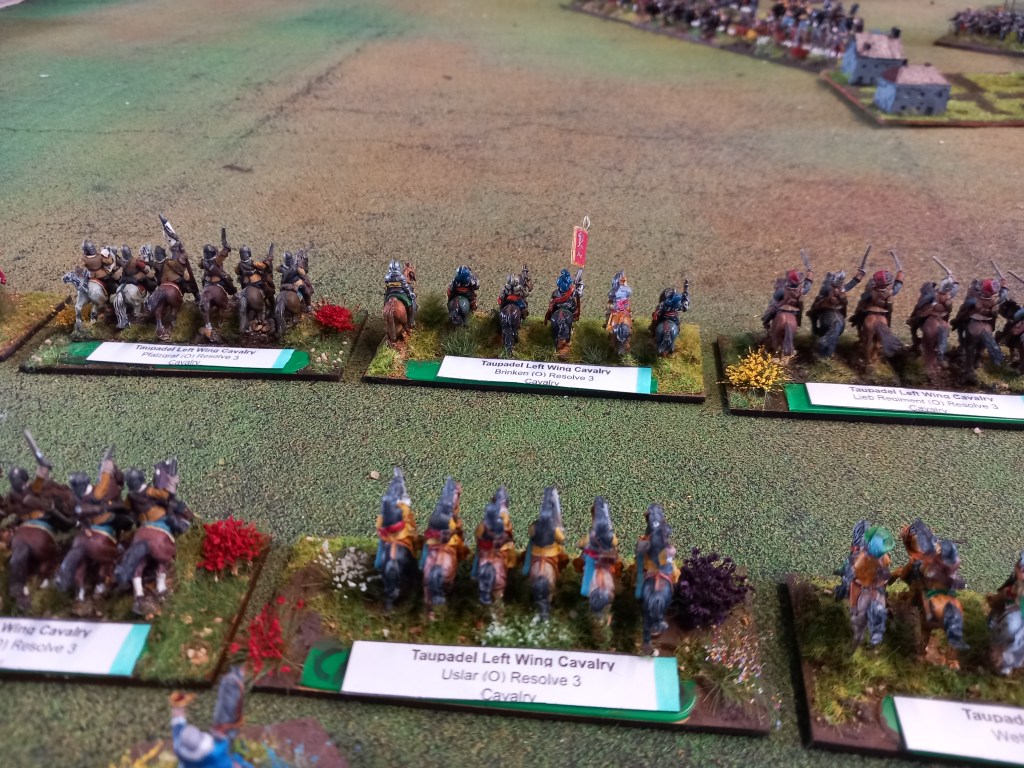
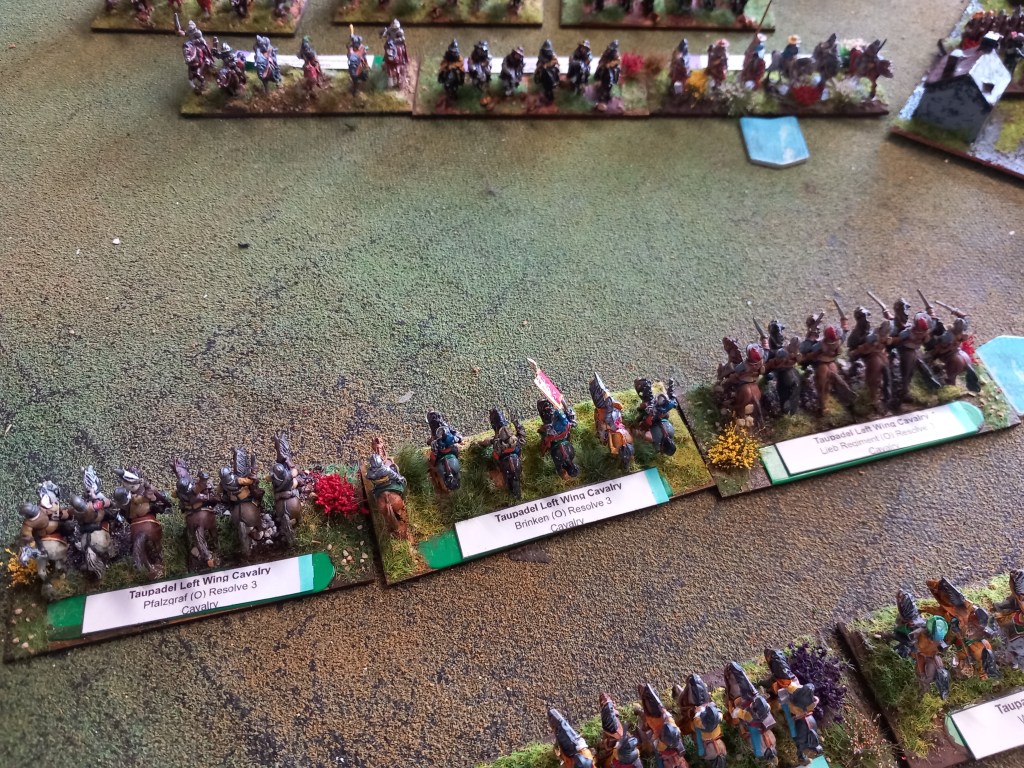
Although out on the flanks we did have a bit of cavalry action.
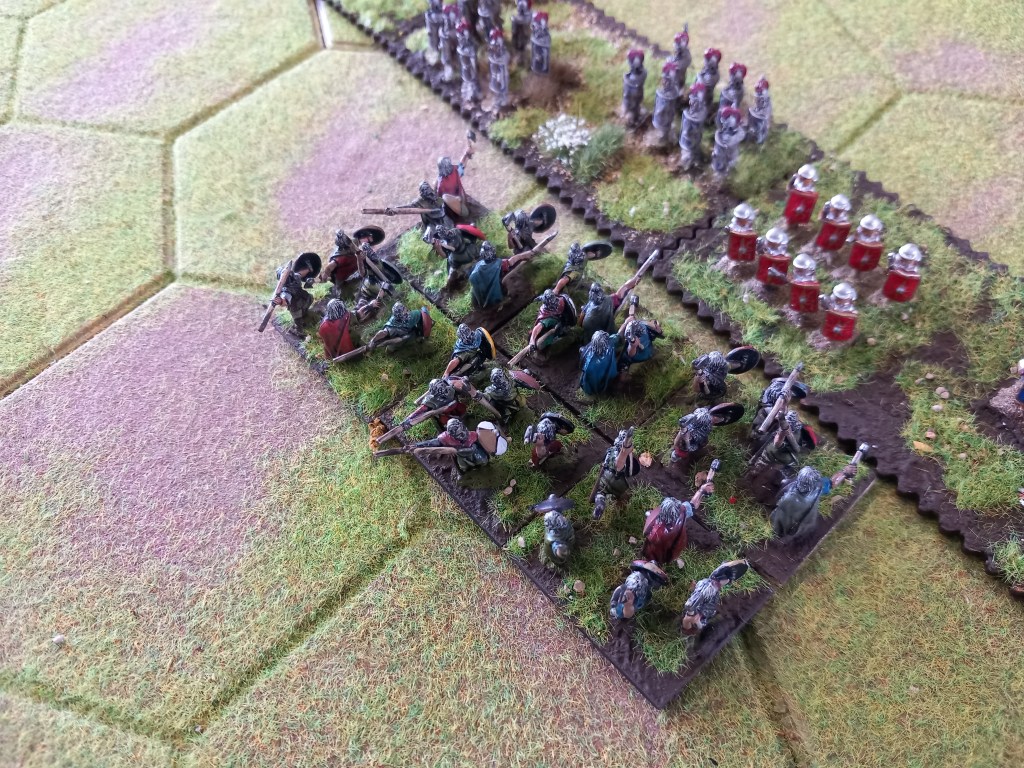
The Germanic warband was first into contact but just didn’t do enough for the all important breakthrough.
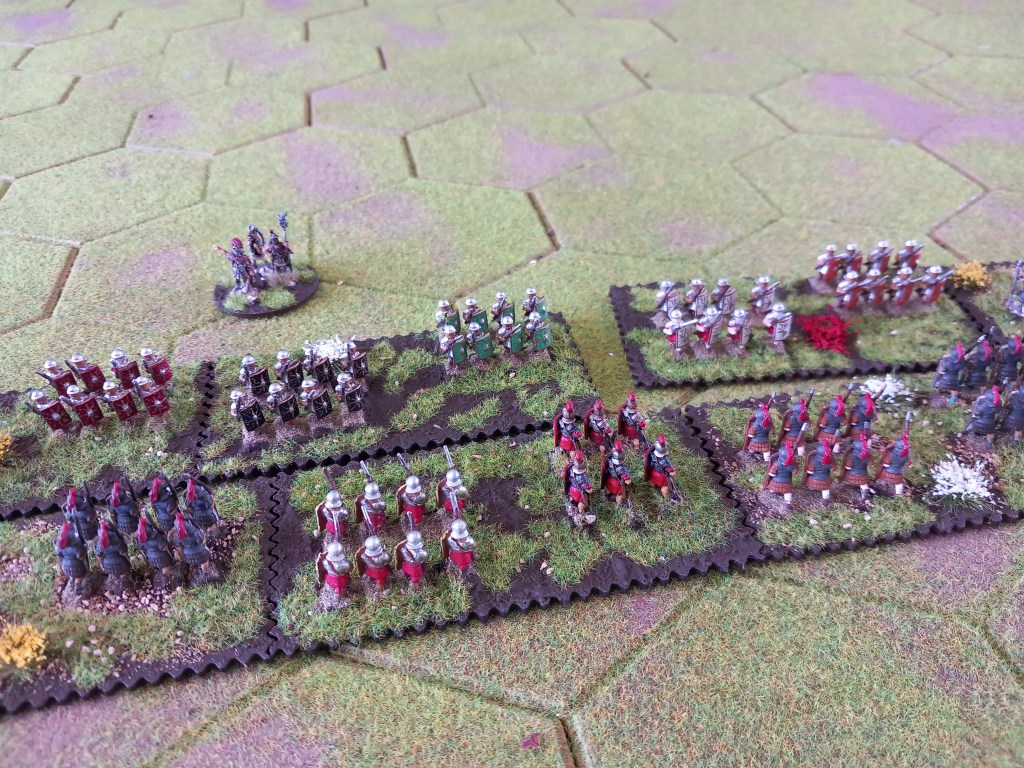
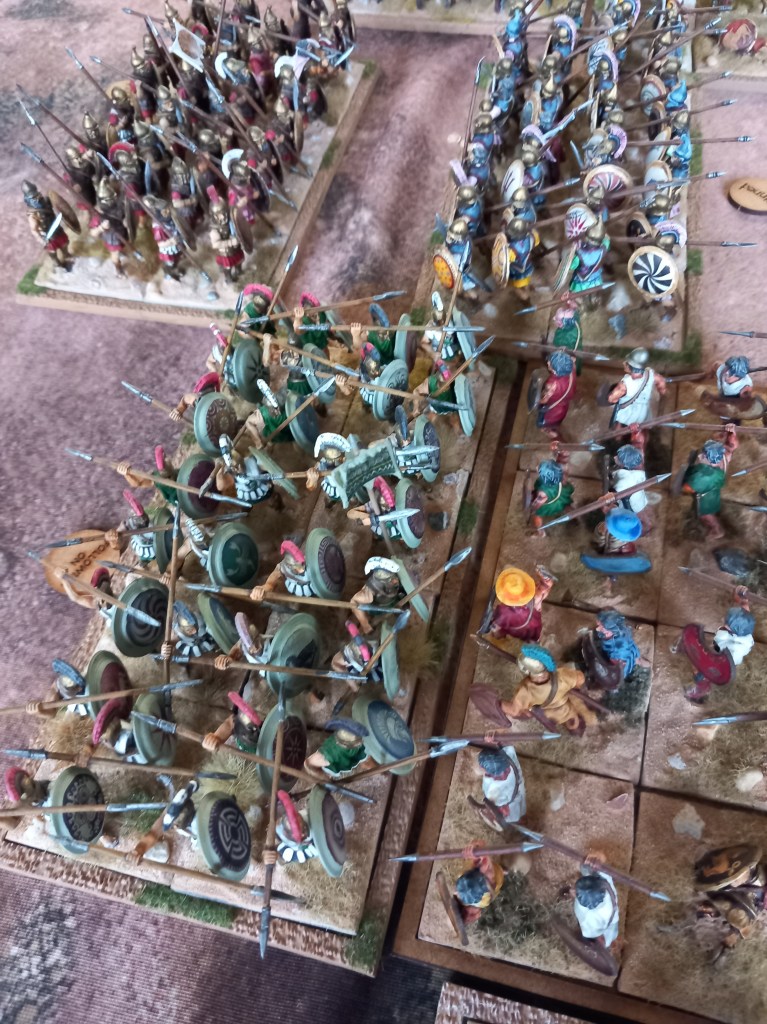
Soon however, we got to the main event and the legions got stuck in.
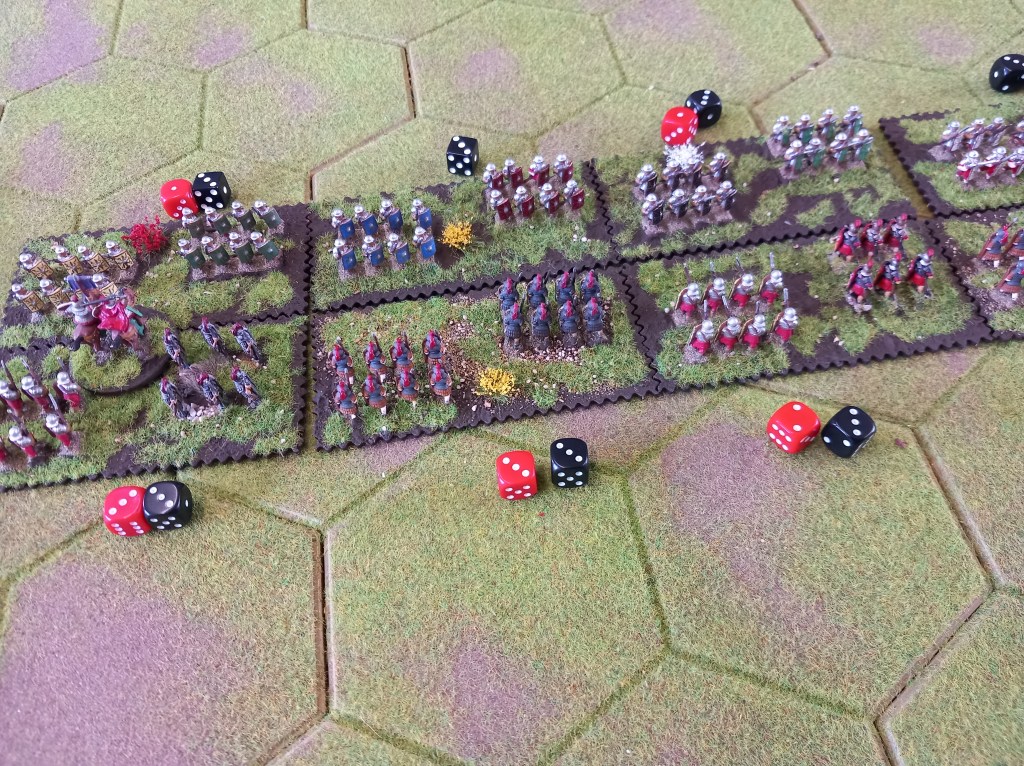
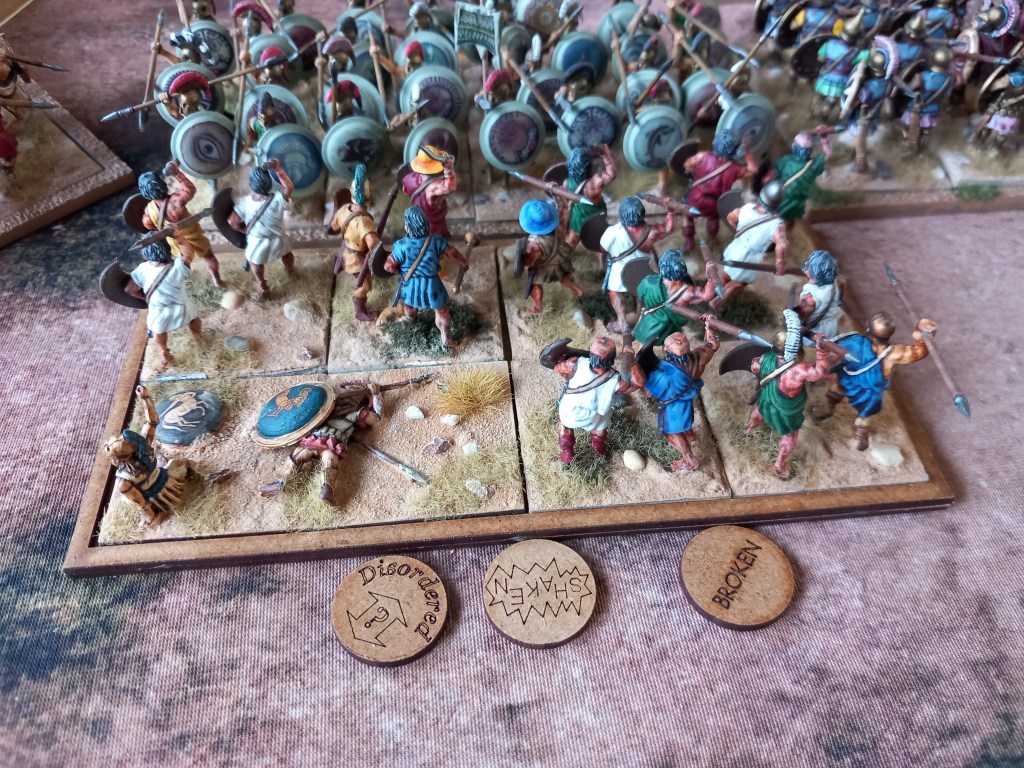
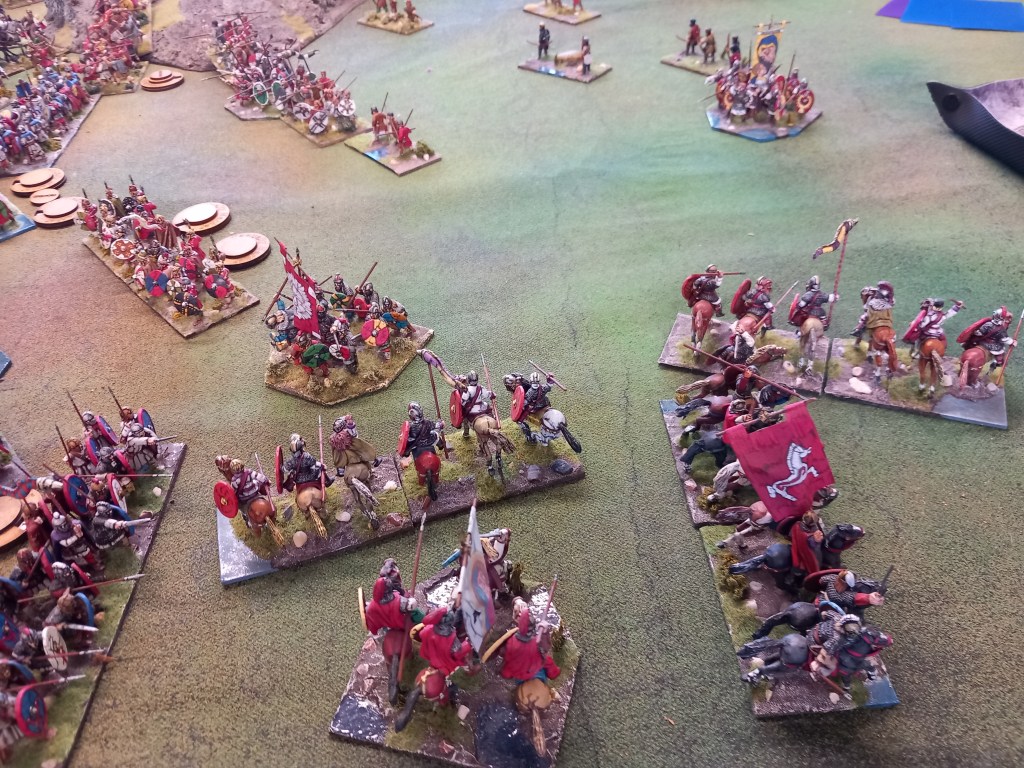
As the slog went on one side threw their General in, a risky move.
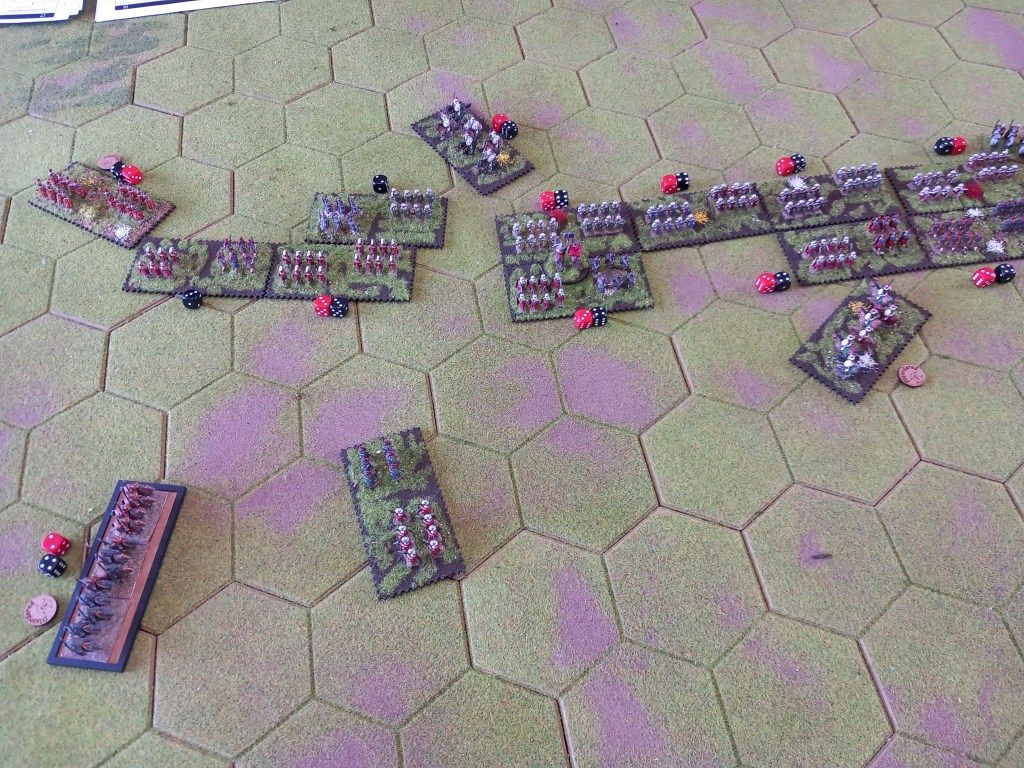
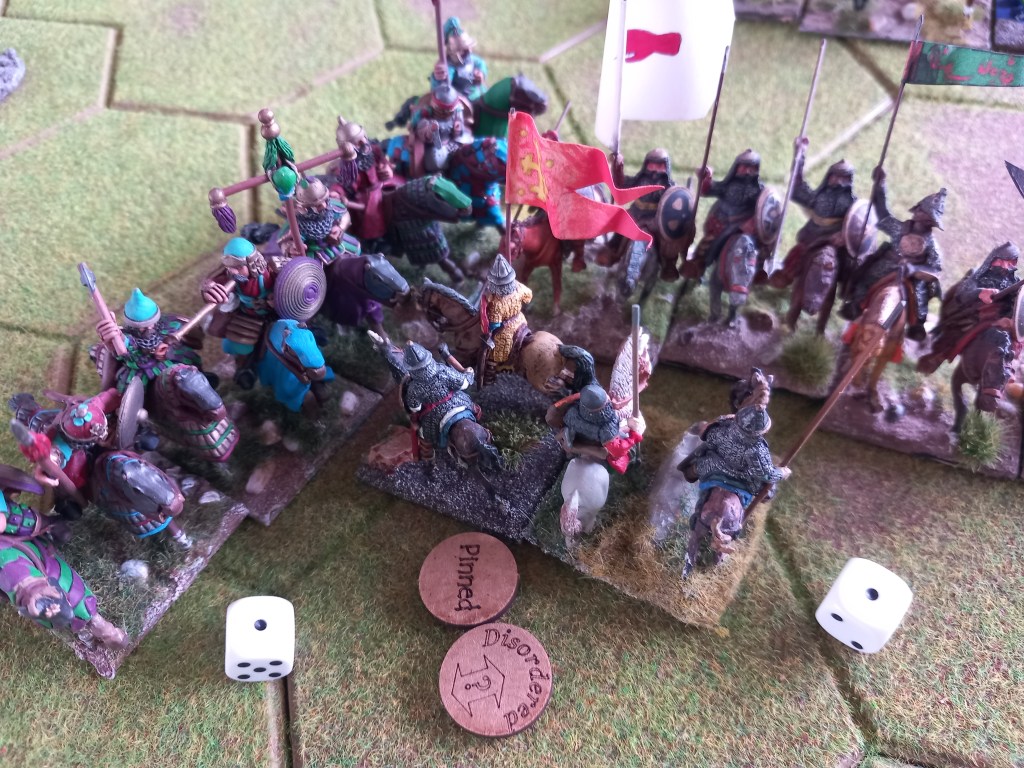
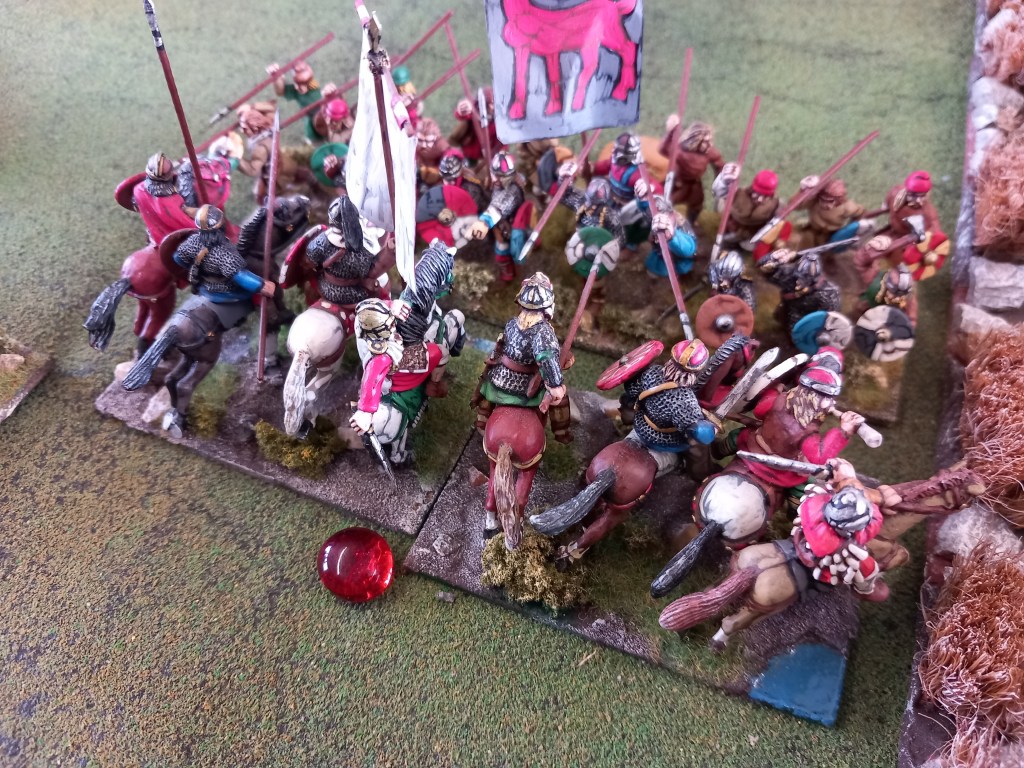
Both sides had now got cavalry into the rear of the opponents but those cavalry were exhausted so this was going to be a make or break turn.
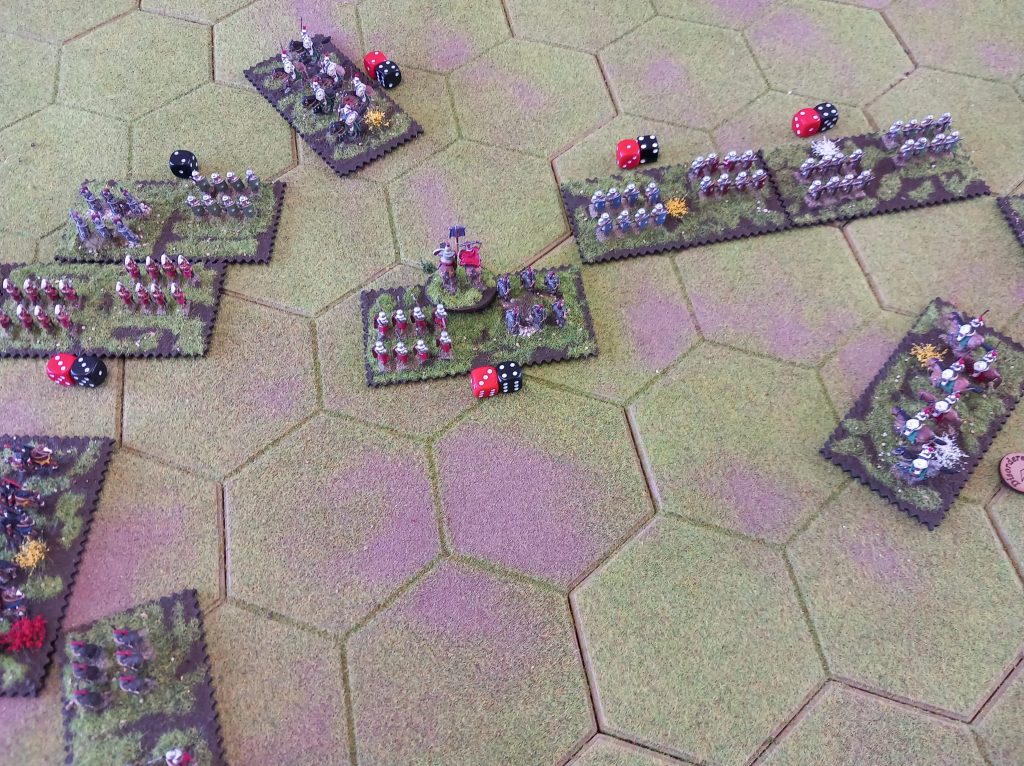
And so it was. One side was on the run and the other sat back and let them go.
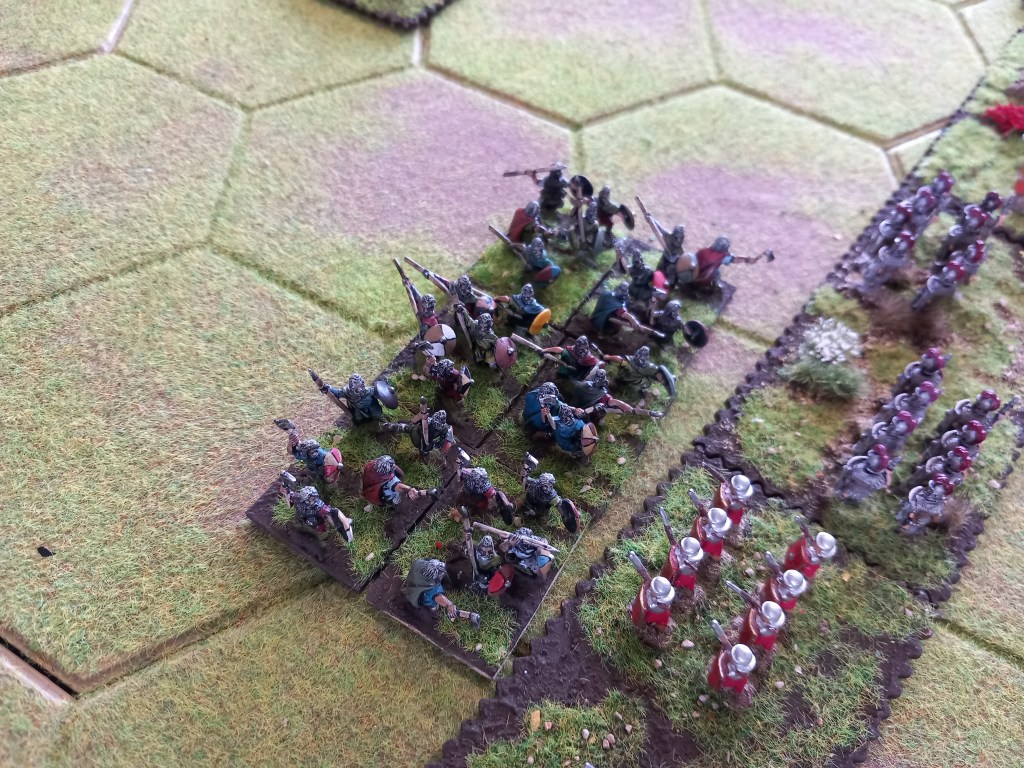
Overall this was a pretty good exercise and a better game than our Hail Caesar outing. In fact our resident 15mm guy was enthused enough to get on with finishing off some armies that had laid dormant for another future outing.
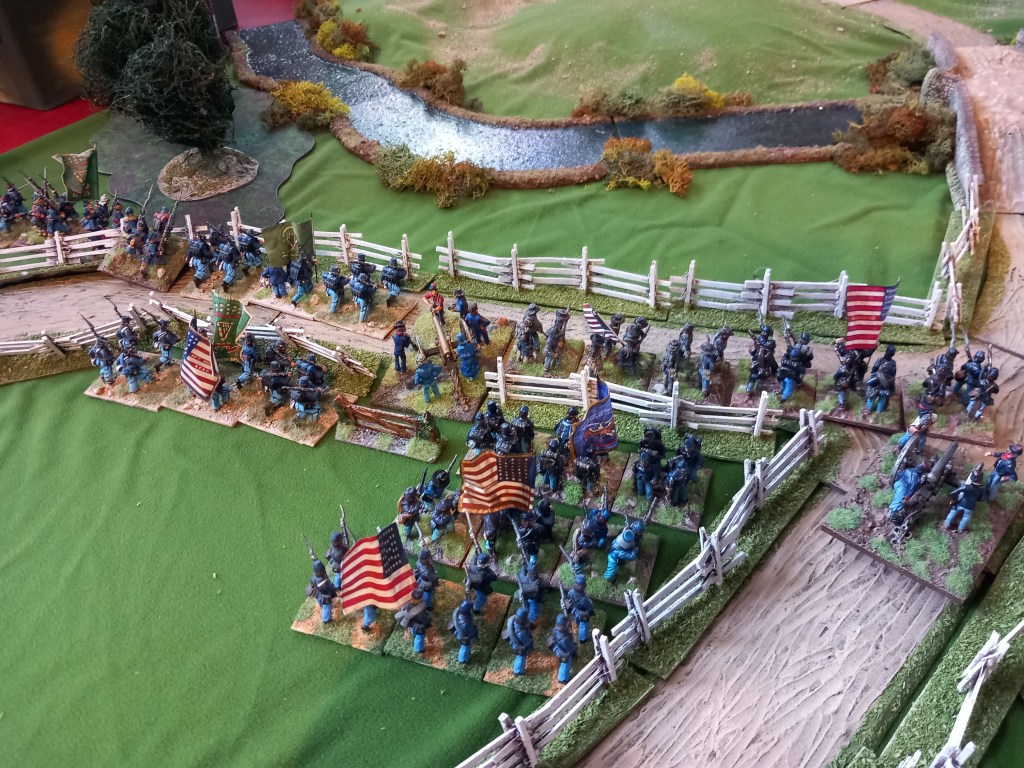
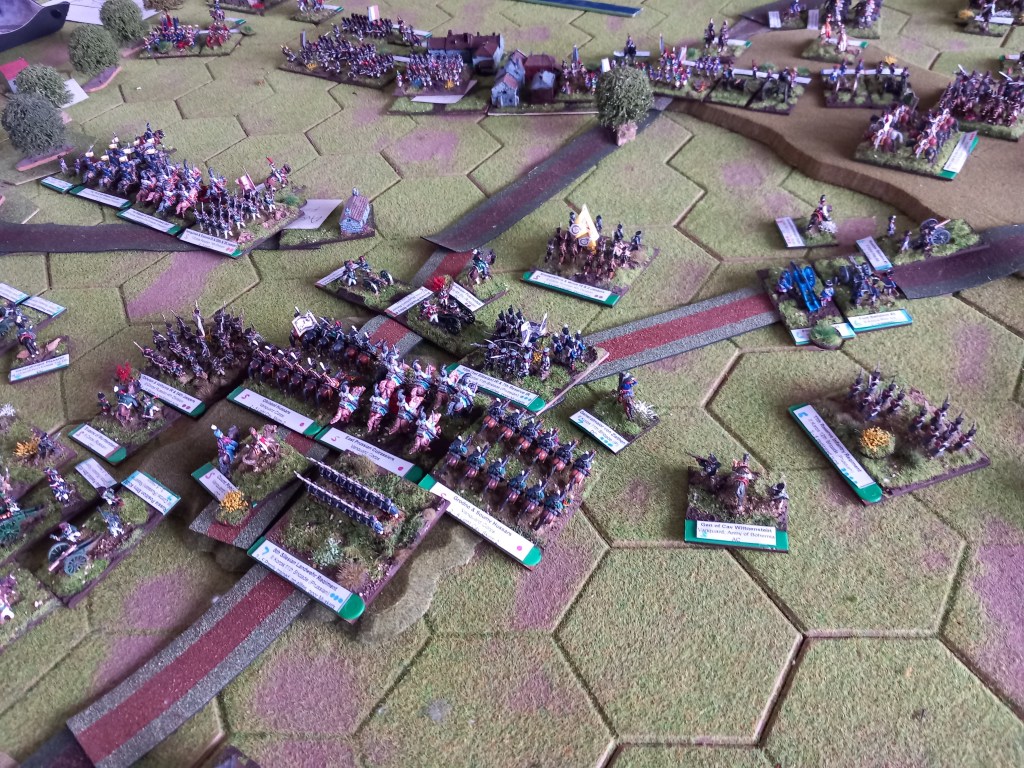
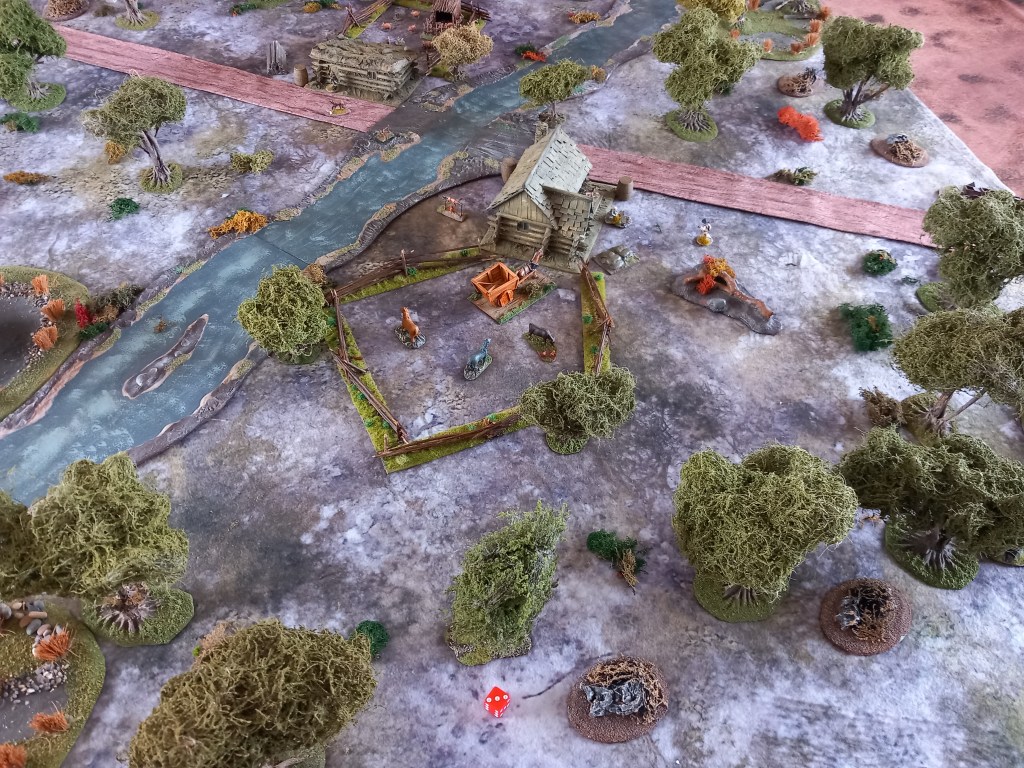
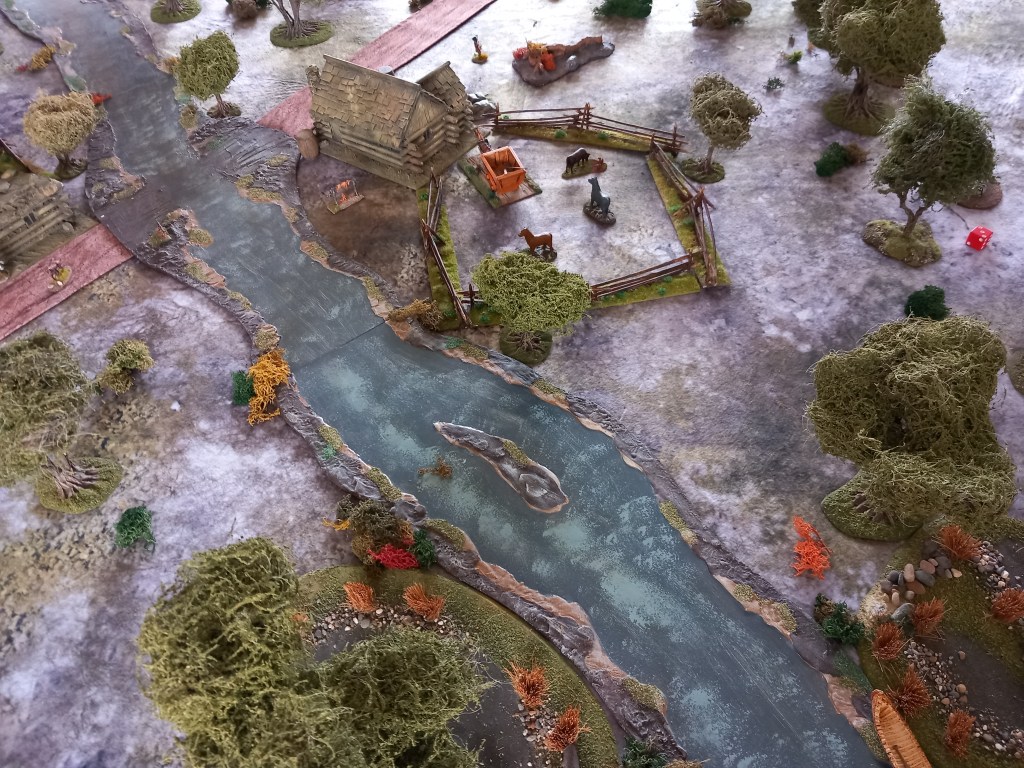
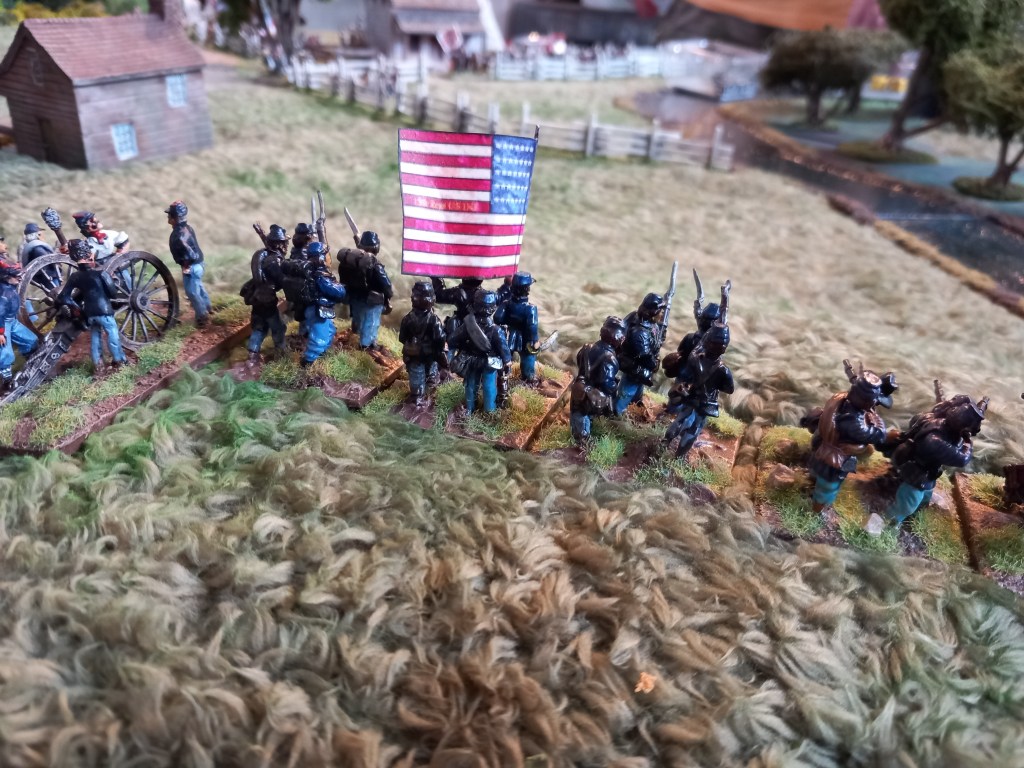
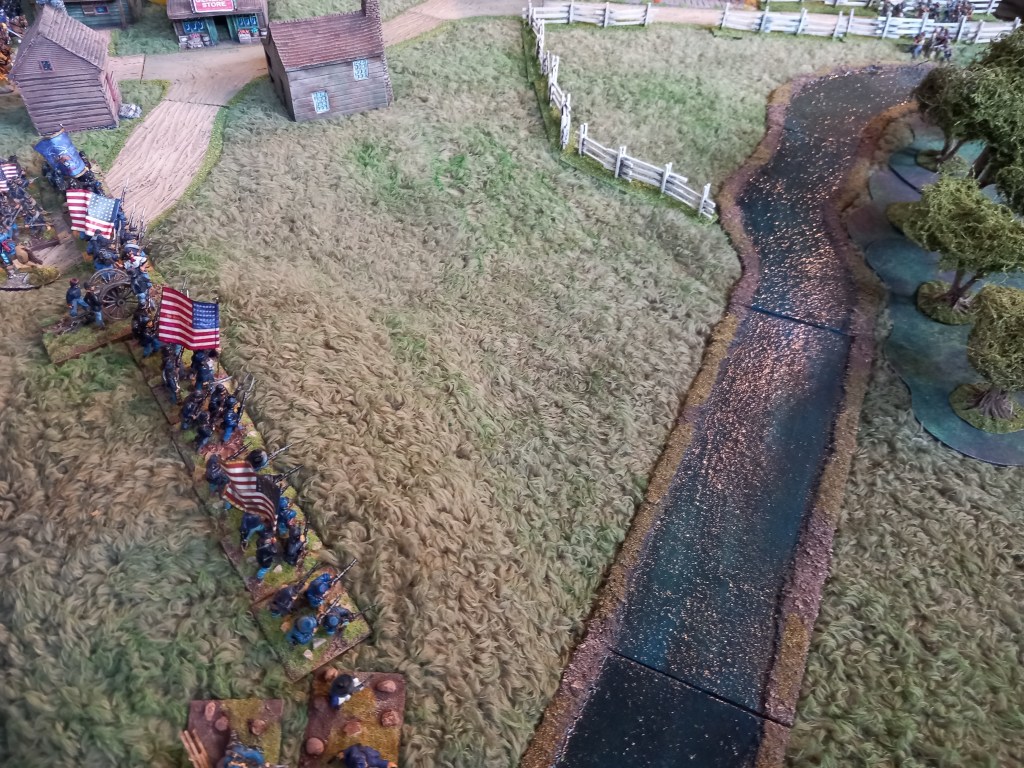
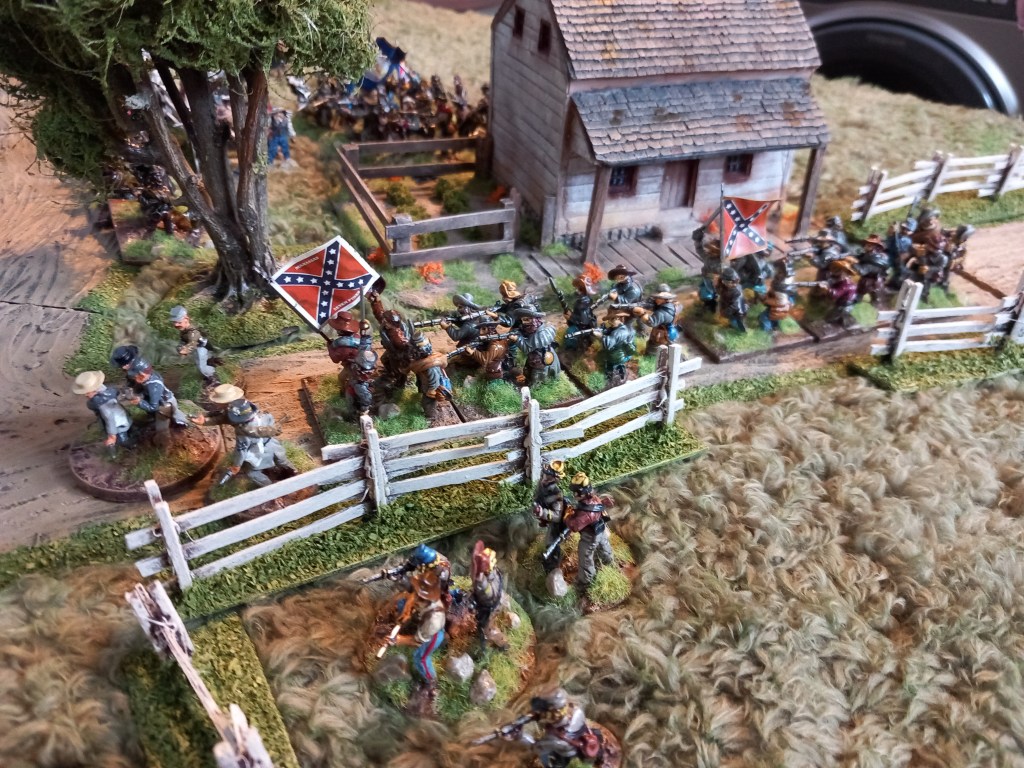
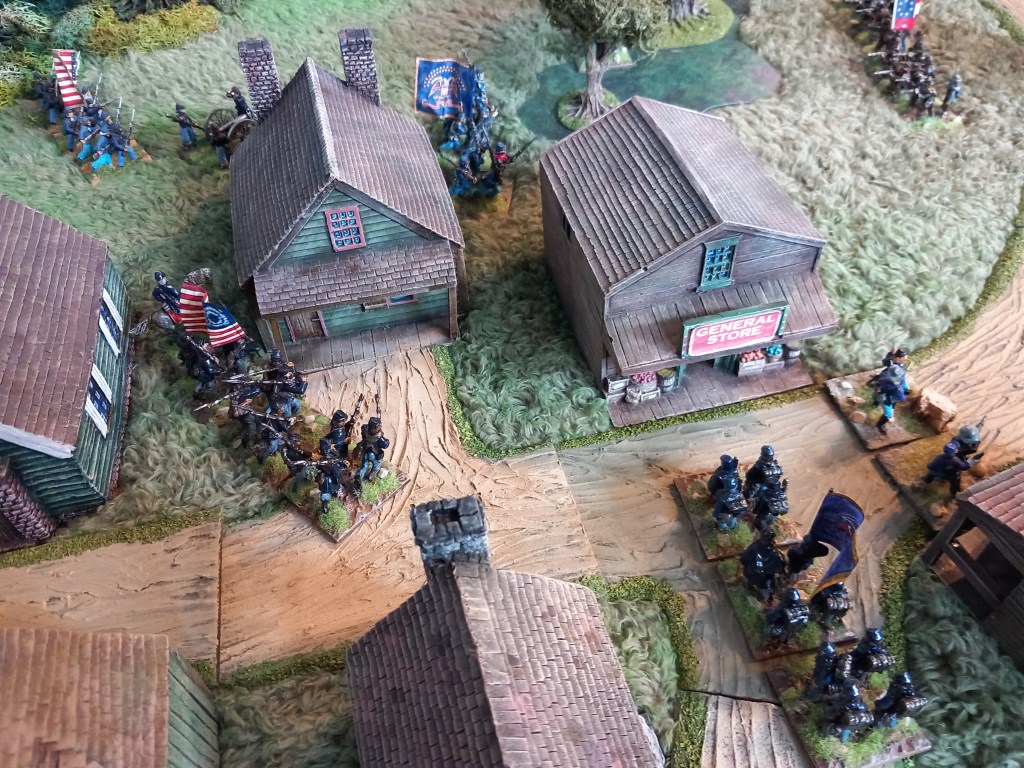
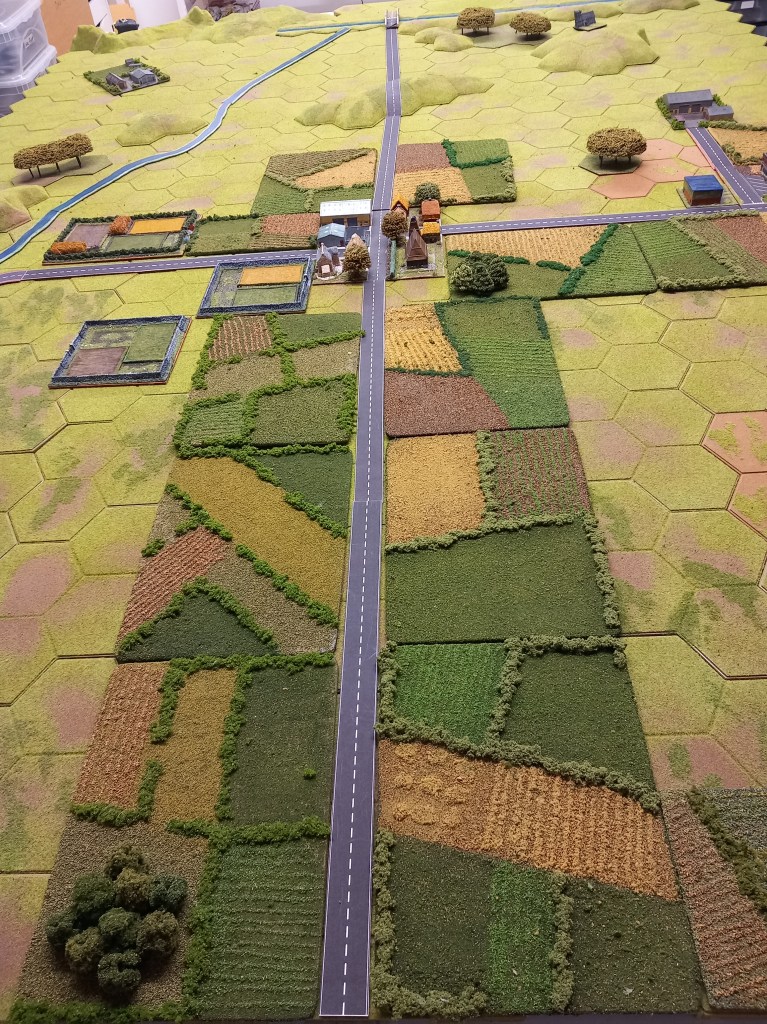
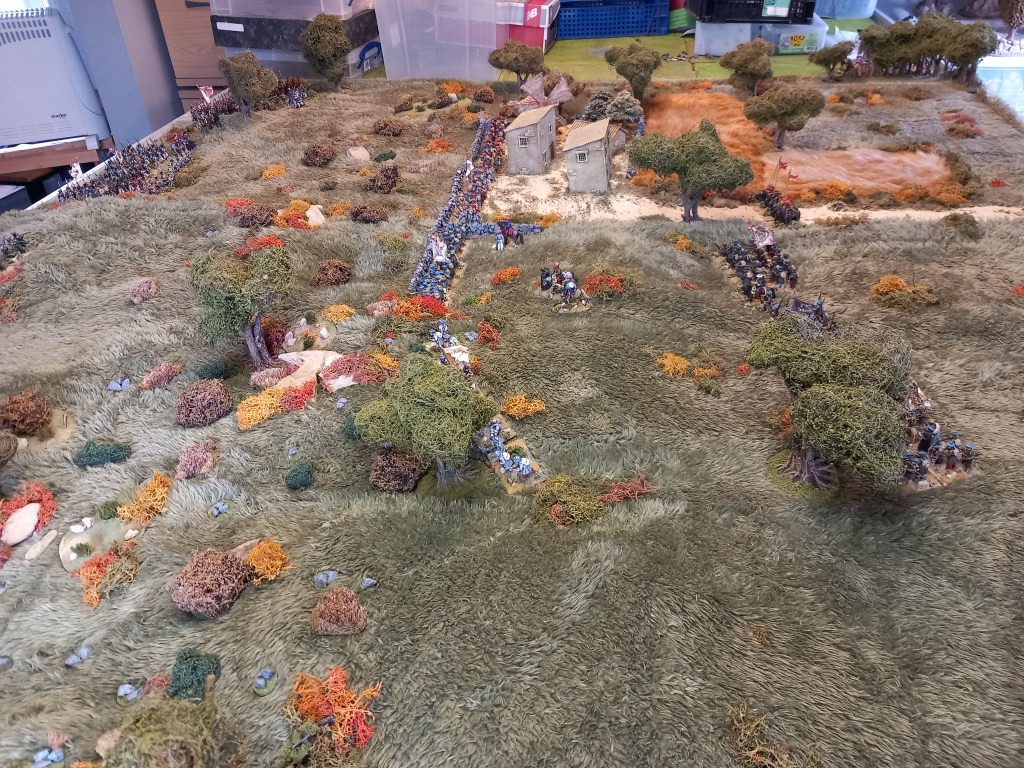
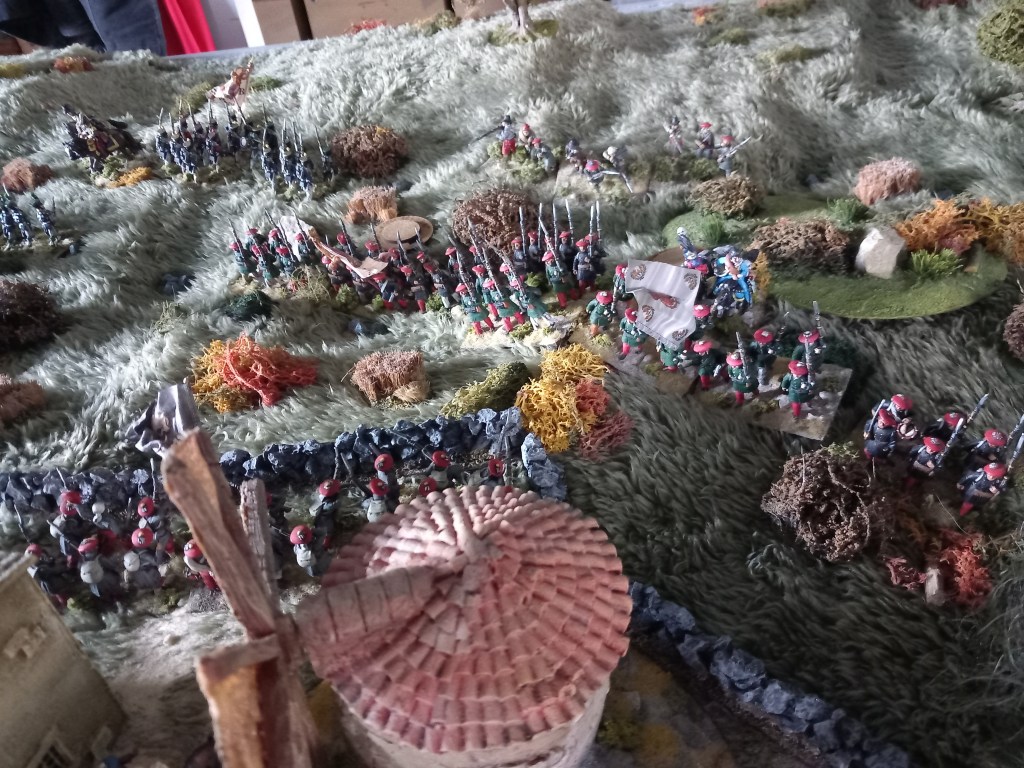
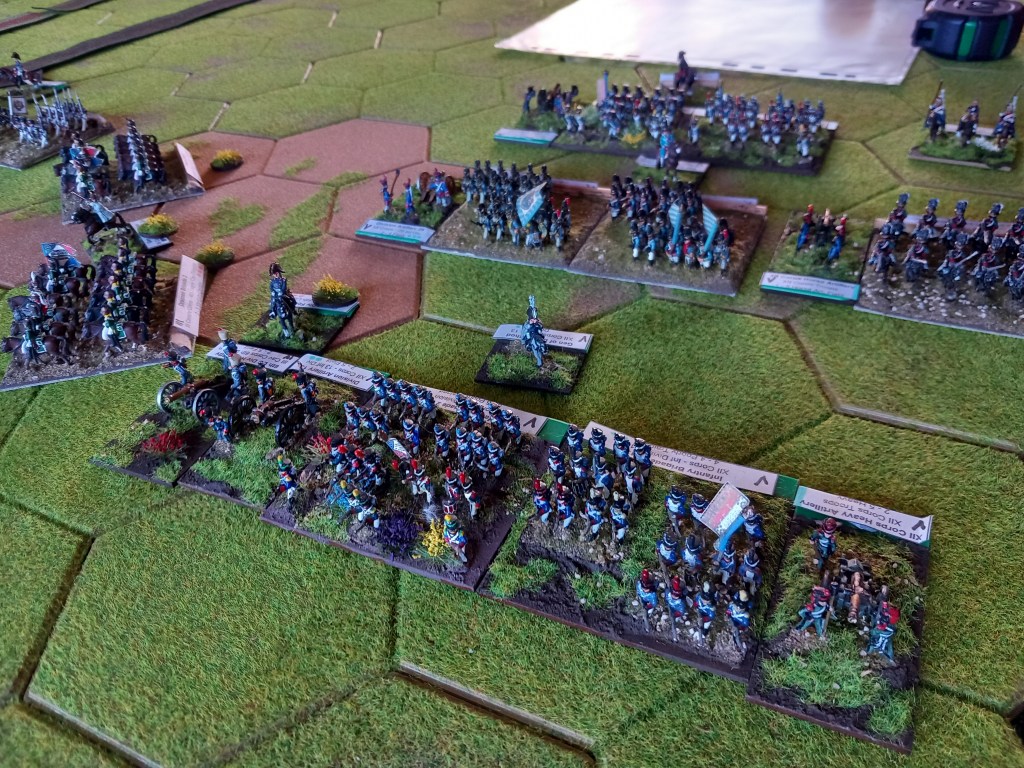
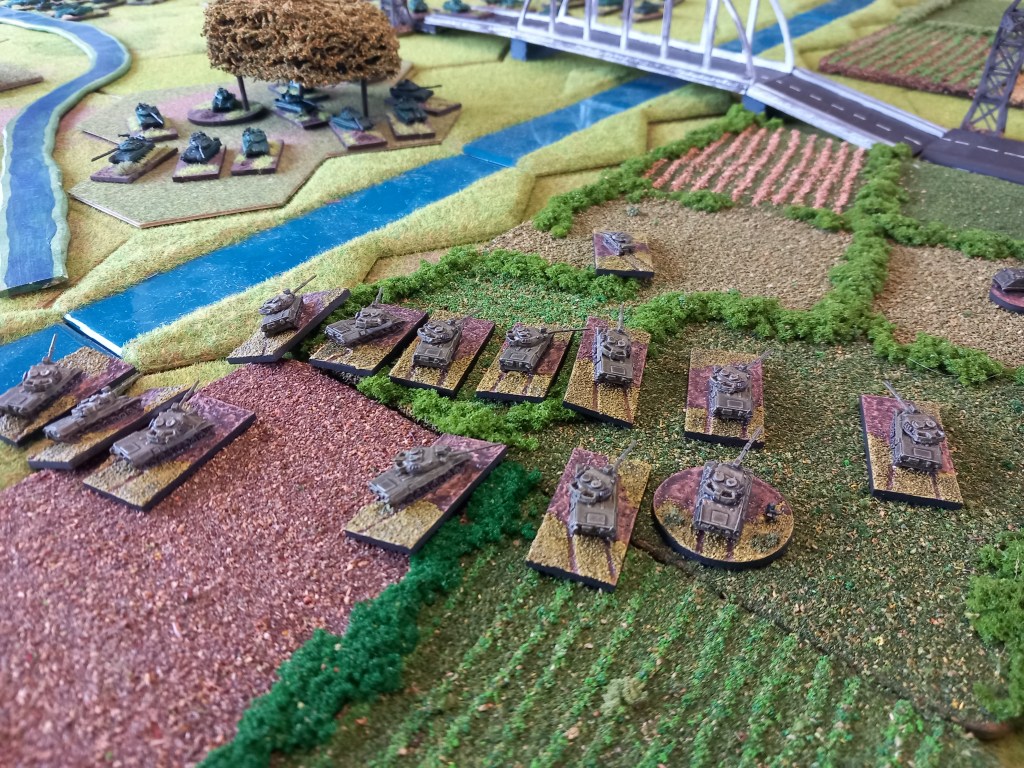
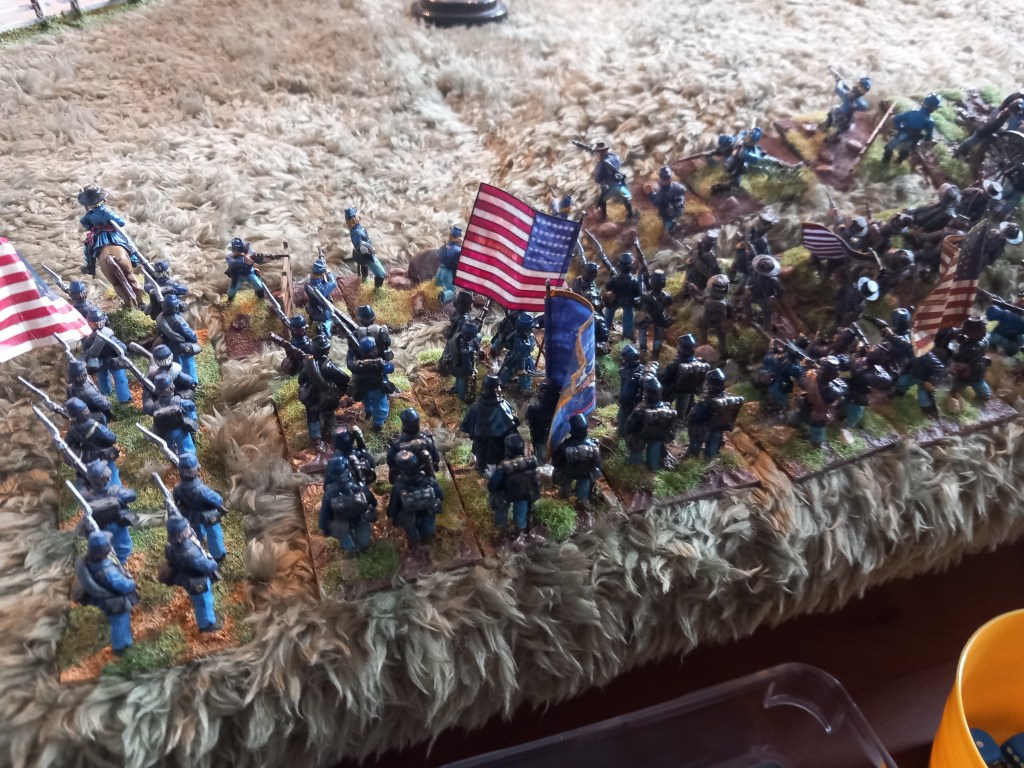
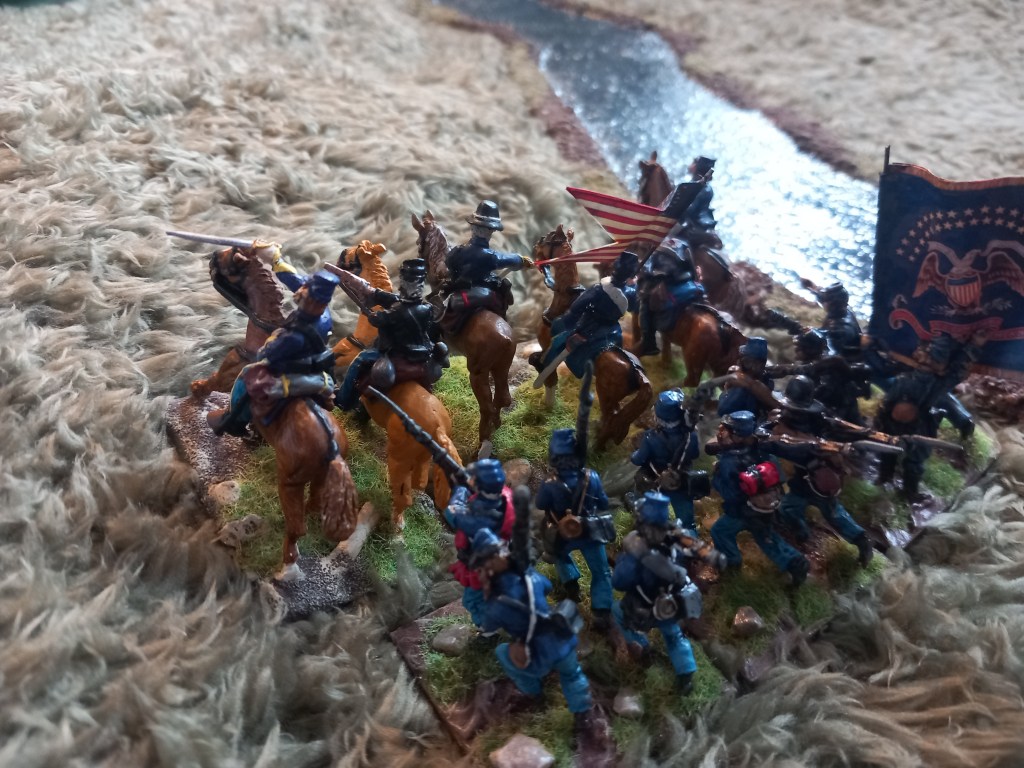
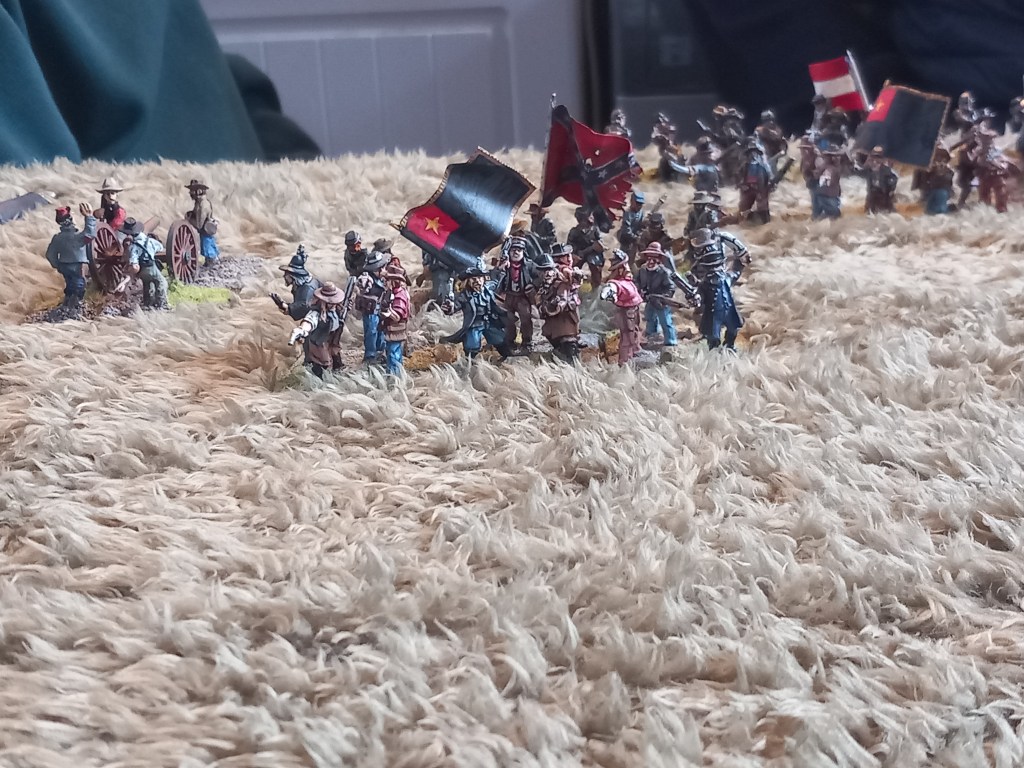
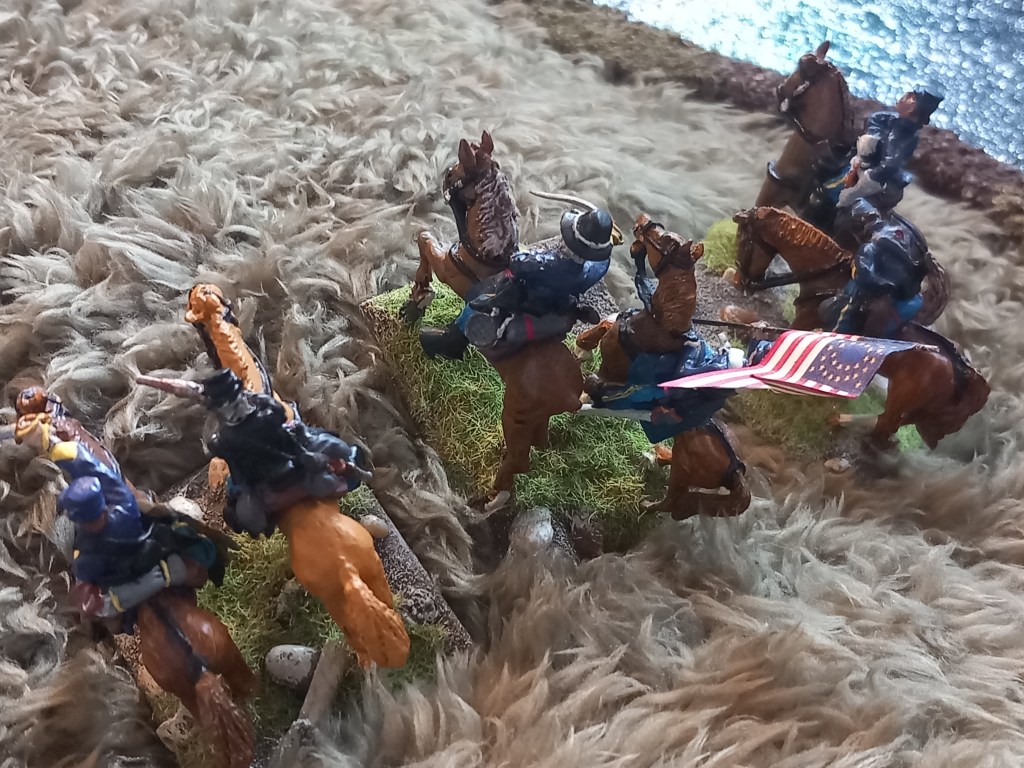
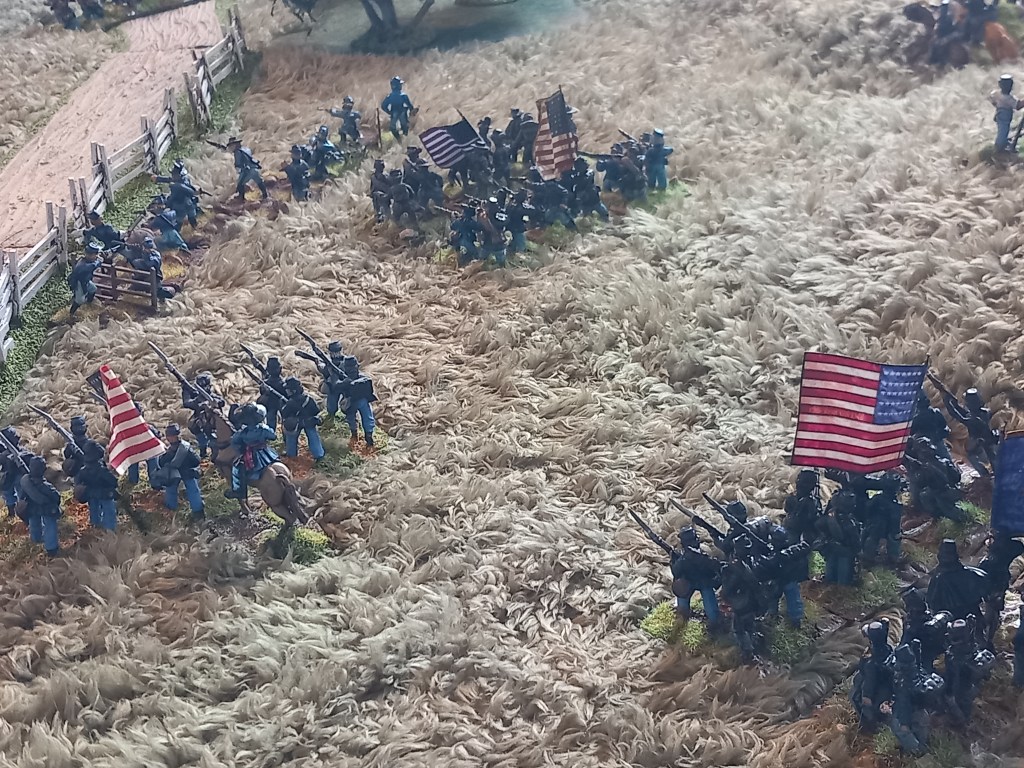
Next was another ACW away day in the continuing Shenandoah valley campaign. On this occasion 3 Union brigades took on 2 of the previously victorious Confederate brigades for control of a bridge. The Union hoped to swamp the Confederates before the third late arriving brigade got there.
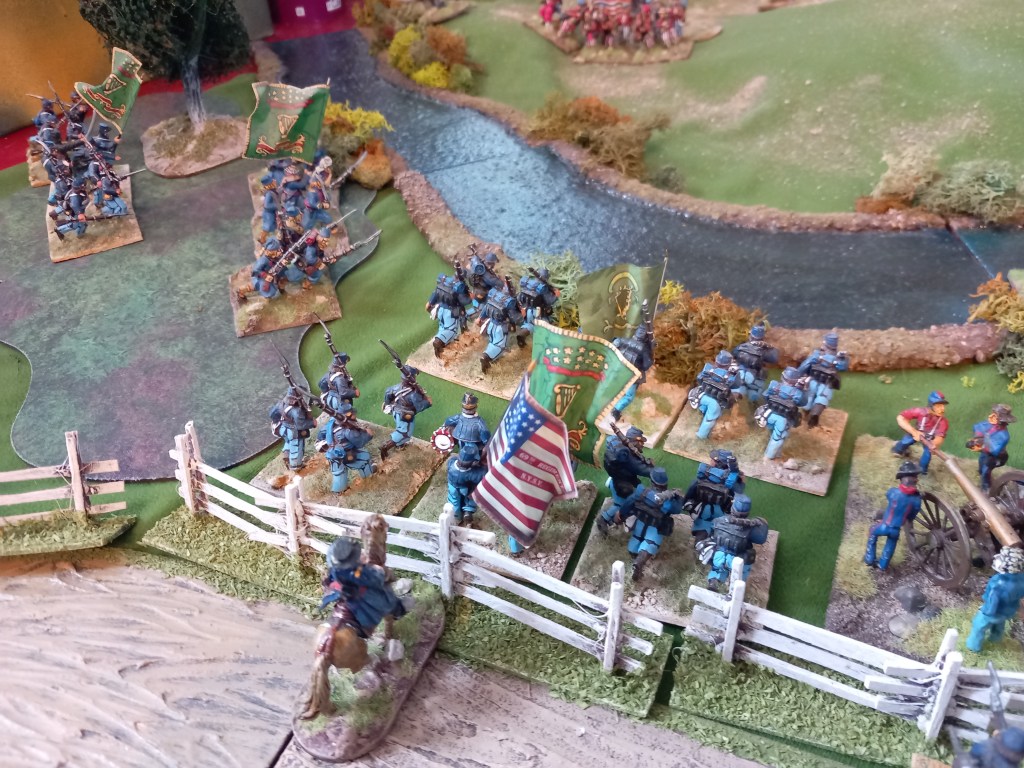
Essentially an attack-defend game with the Union doing all the work and what hard work it was!
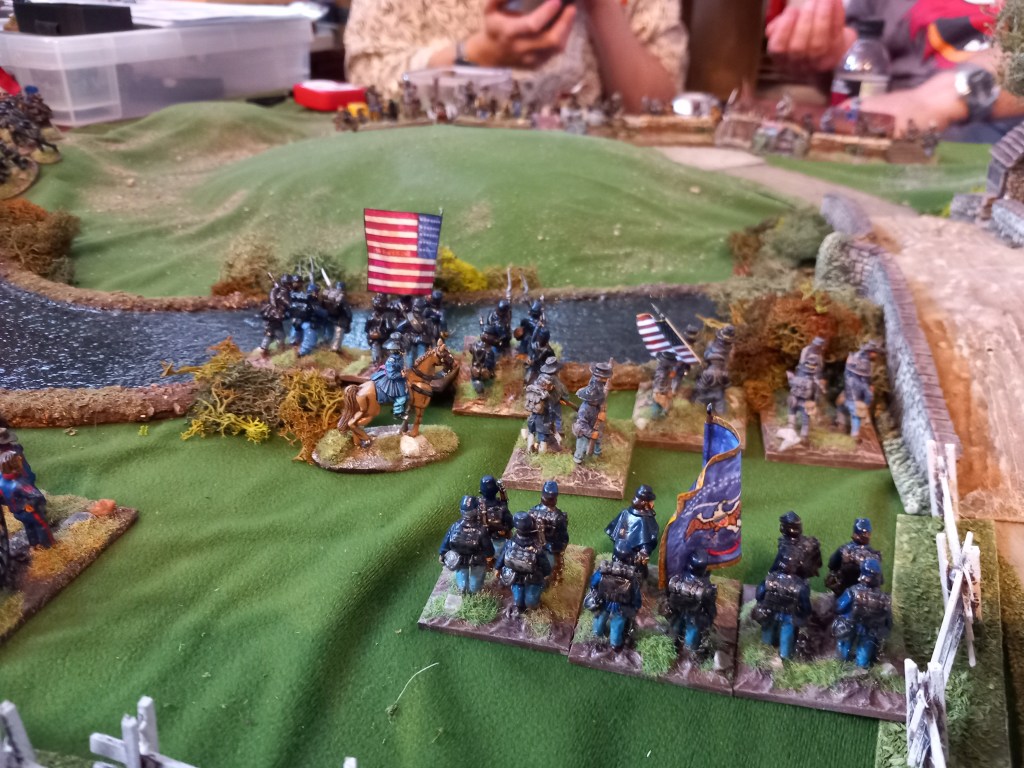
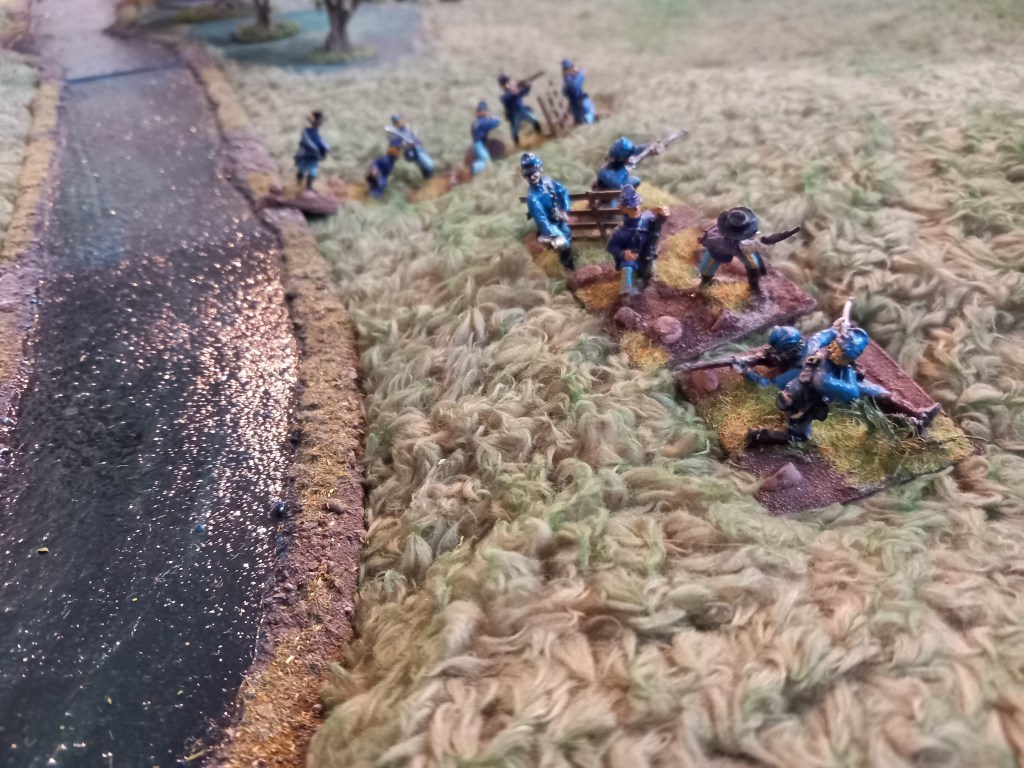
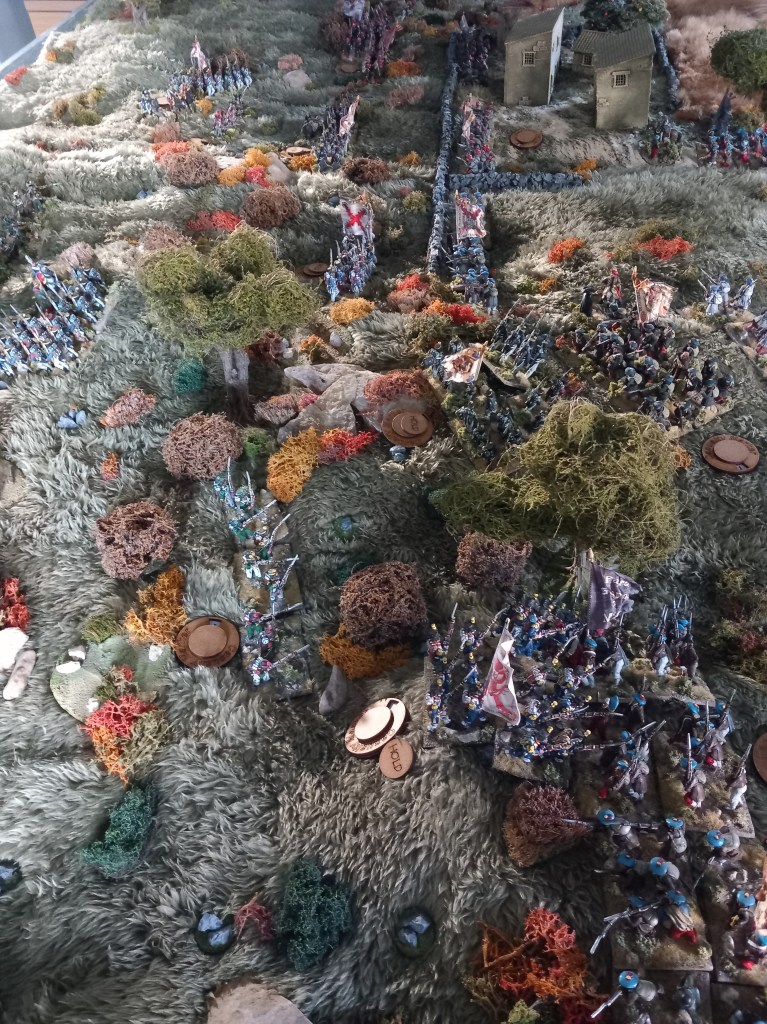
All three Union brigades advanced but their enemy wasn’t the Rebs it was the terrain, fences, marshes, river, woods, narrow roads and hills with the enemy on. Losses were high on the right where the more numerous and better Confederate artillery stopped that brigade with heavy losses.
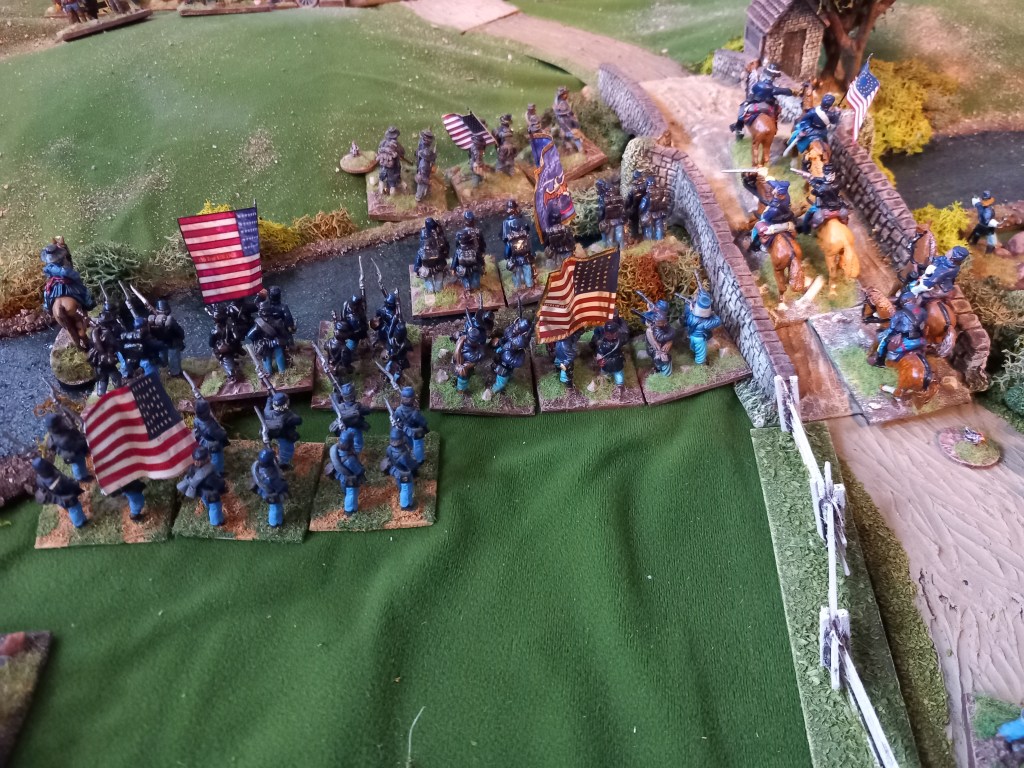
On the Union left the opposing Confederate brigade tried to bring the fight to the river but fire from two brigades forced it to retire leaving the Union to claim the bridge.
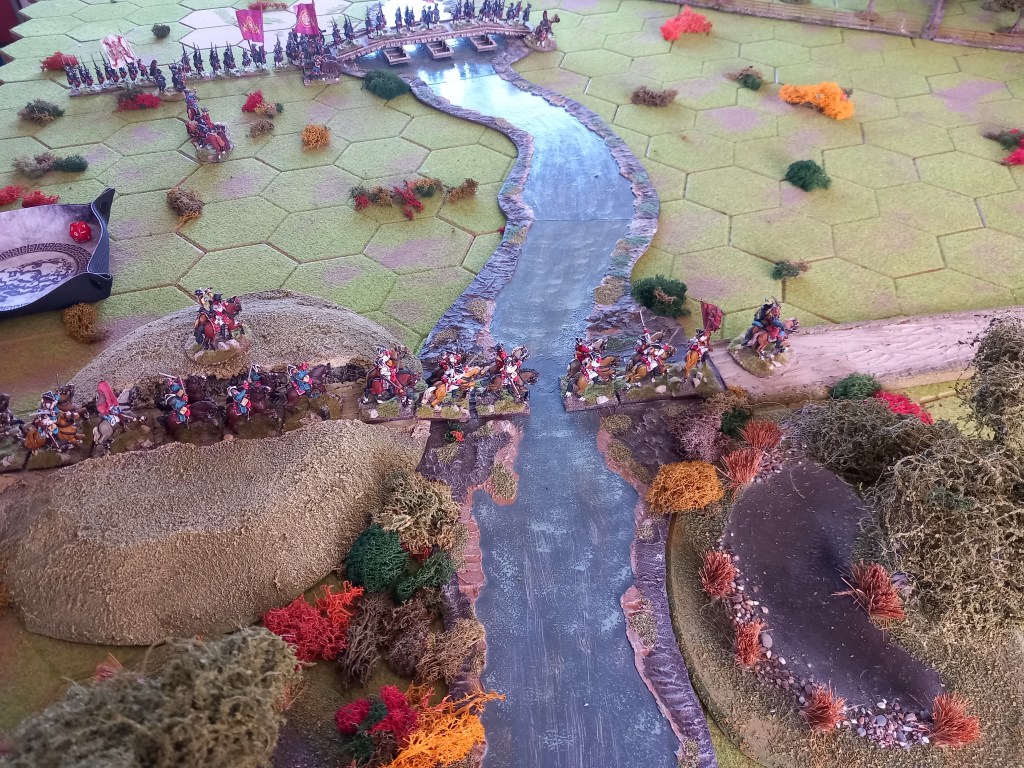
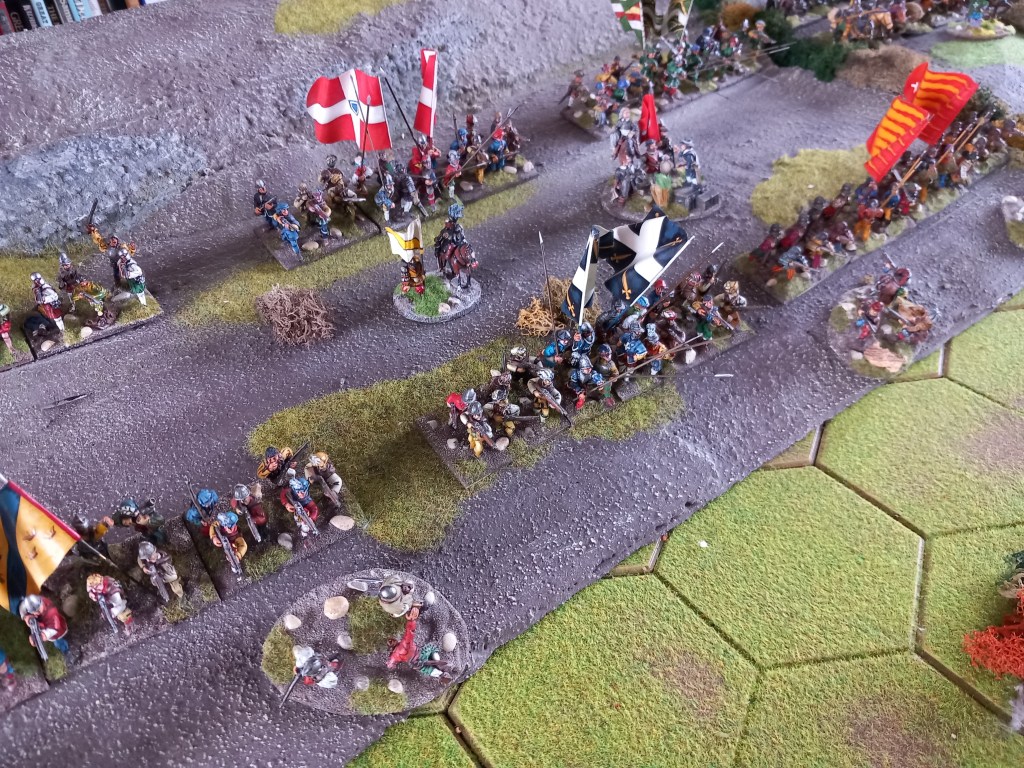
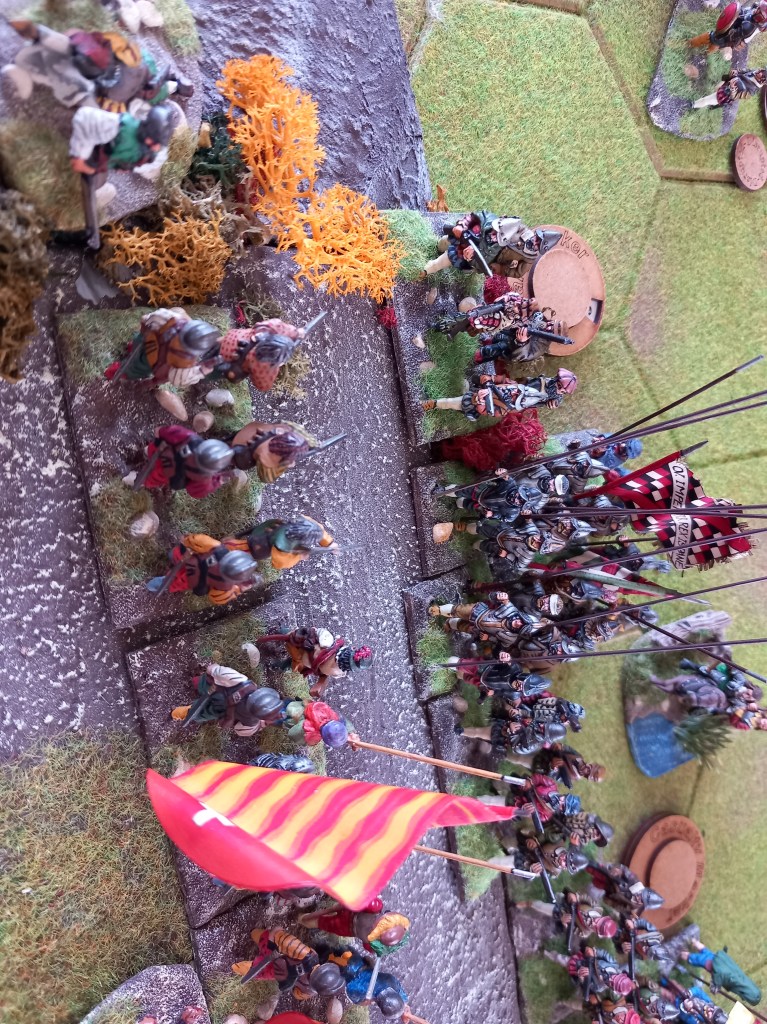
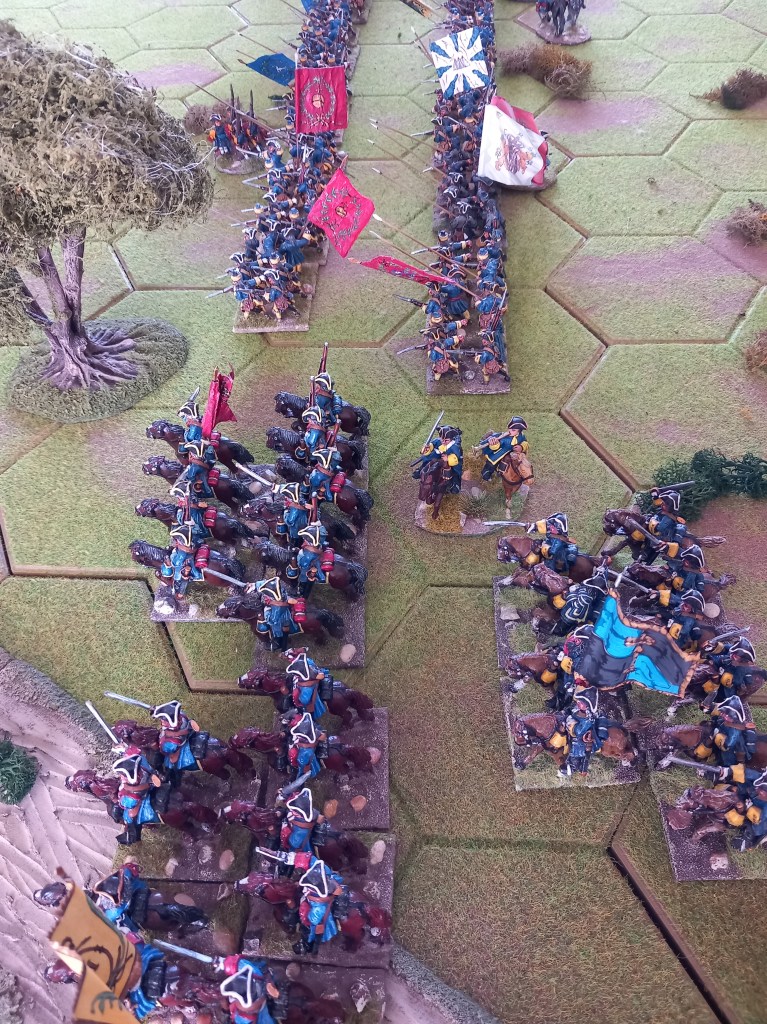
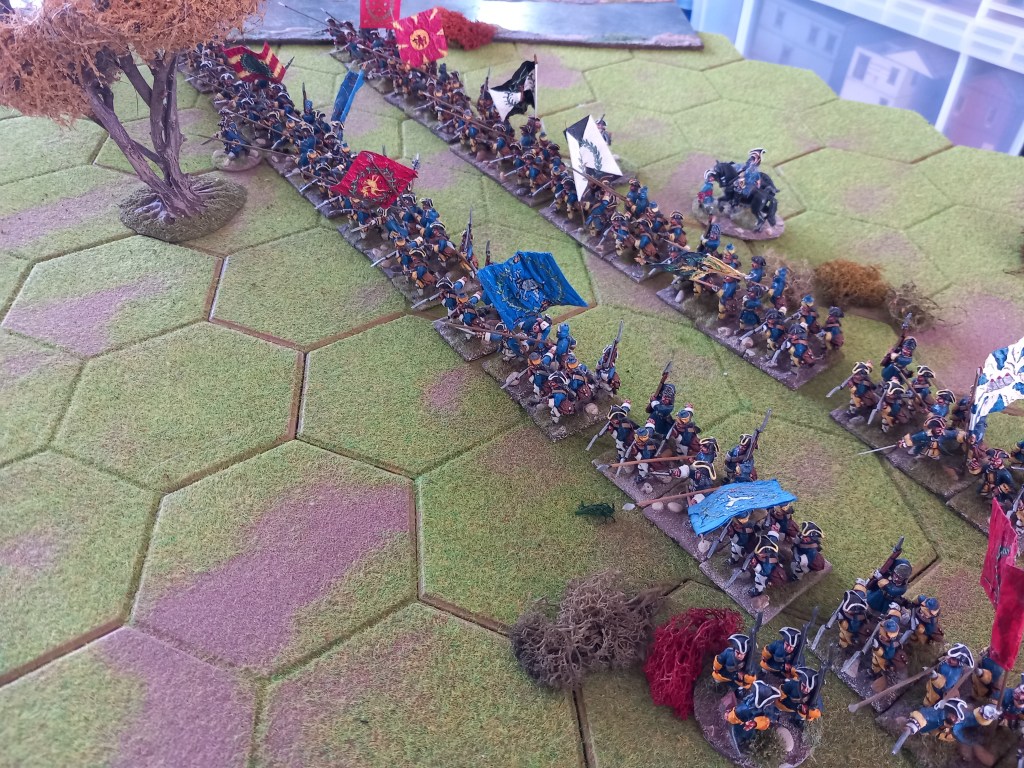
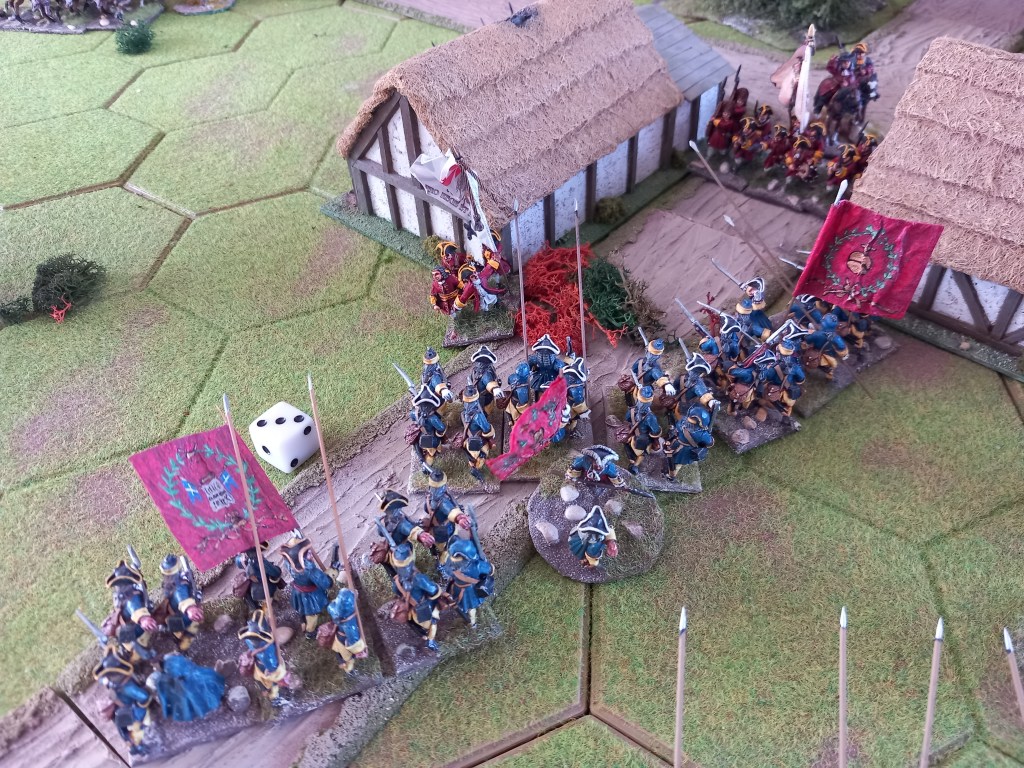
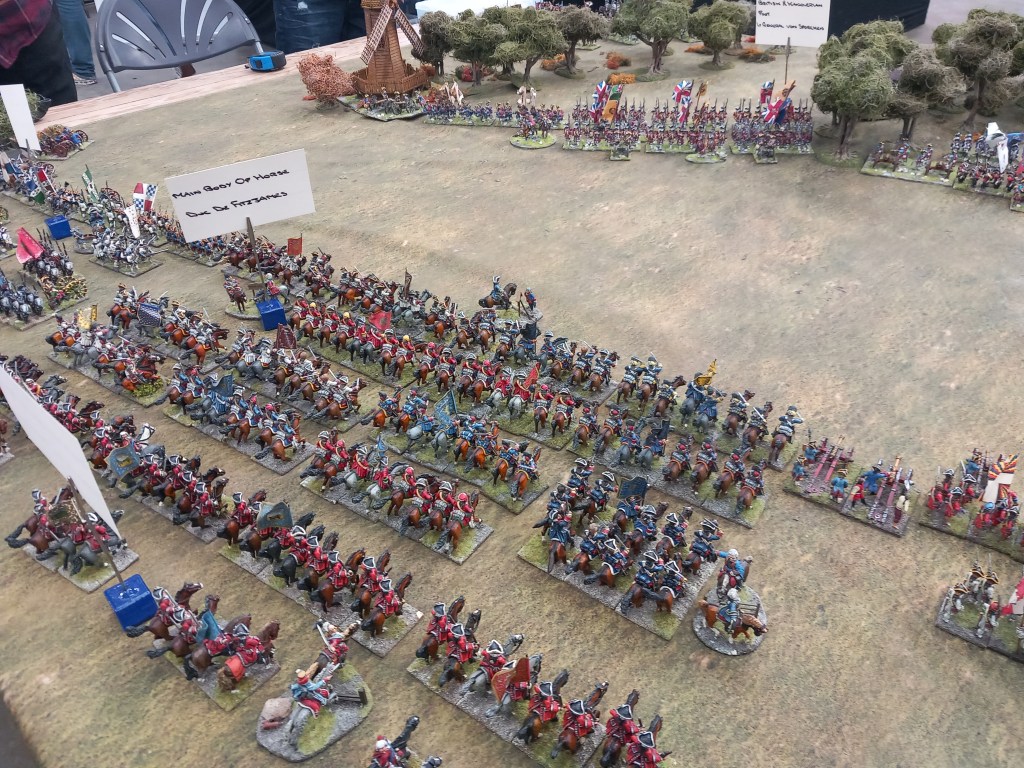
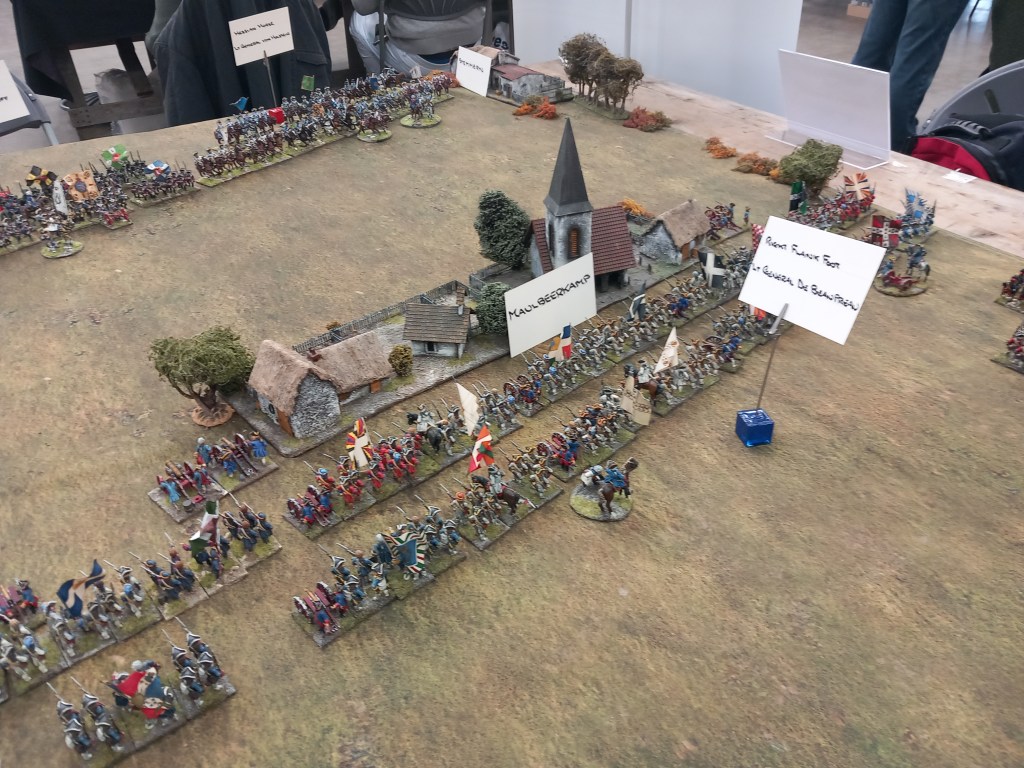
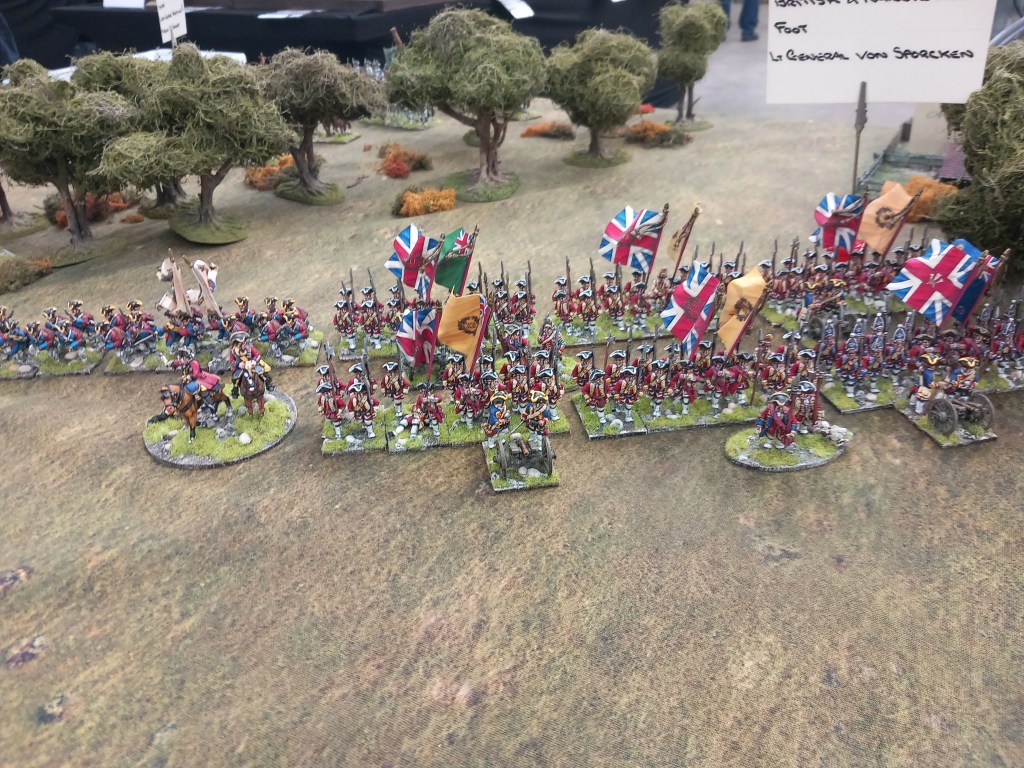
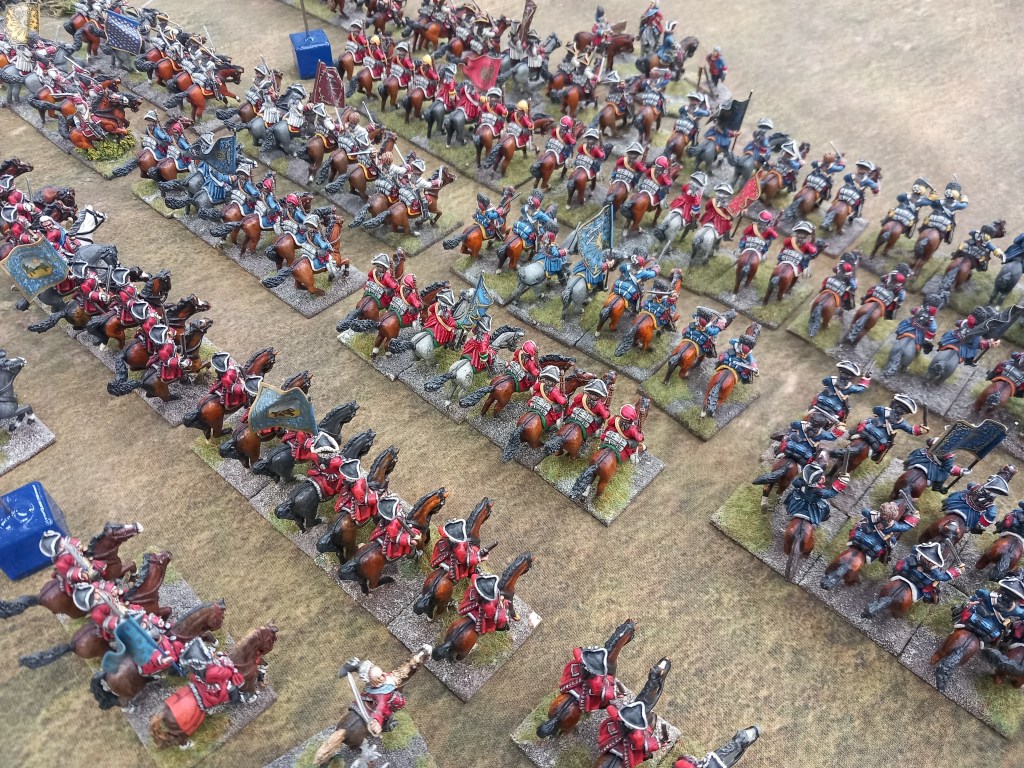
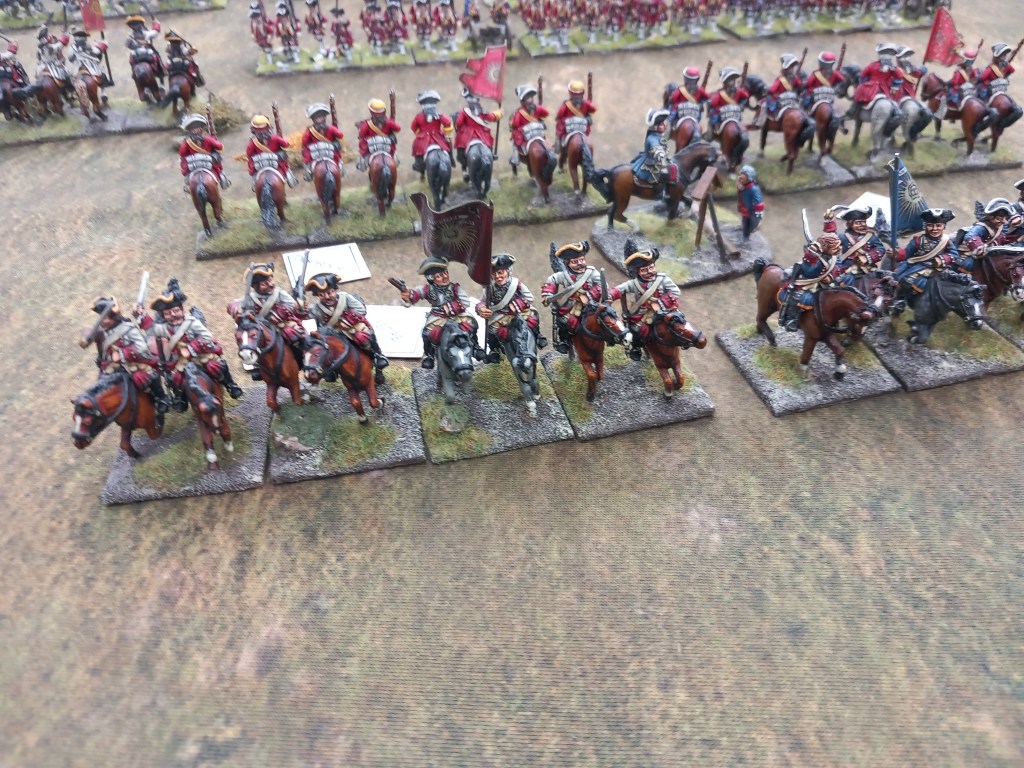
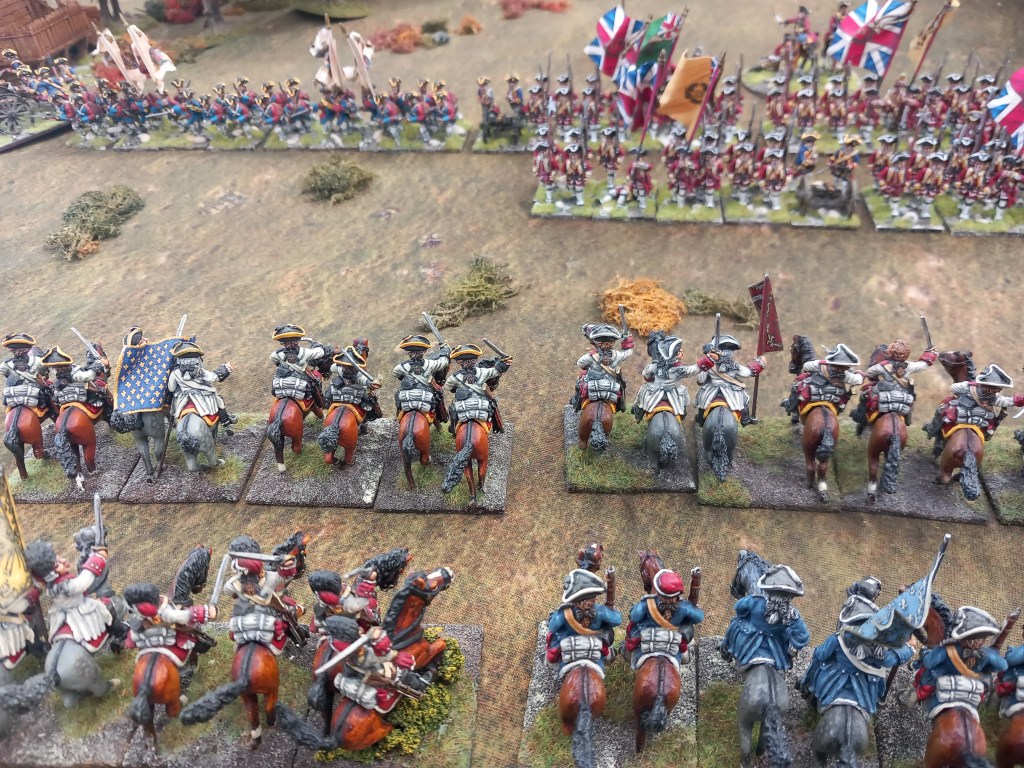
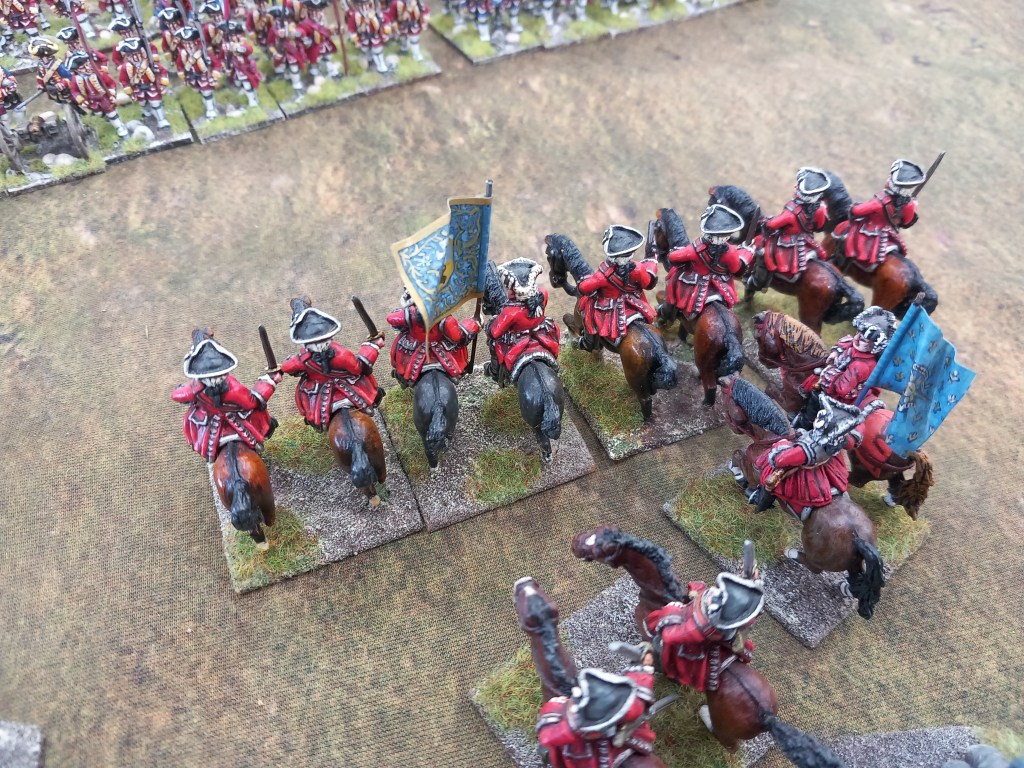
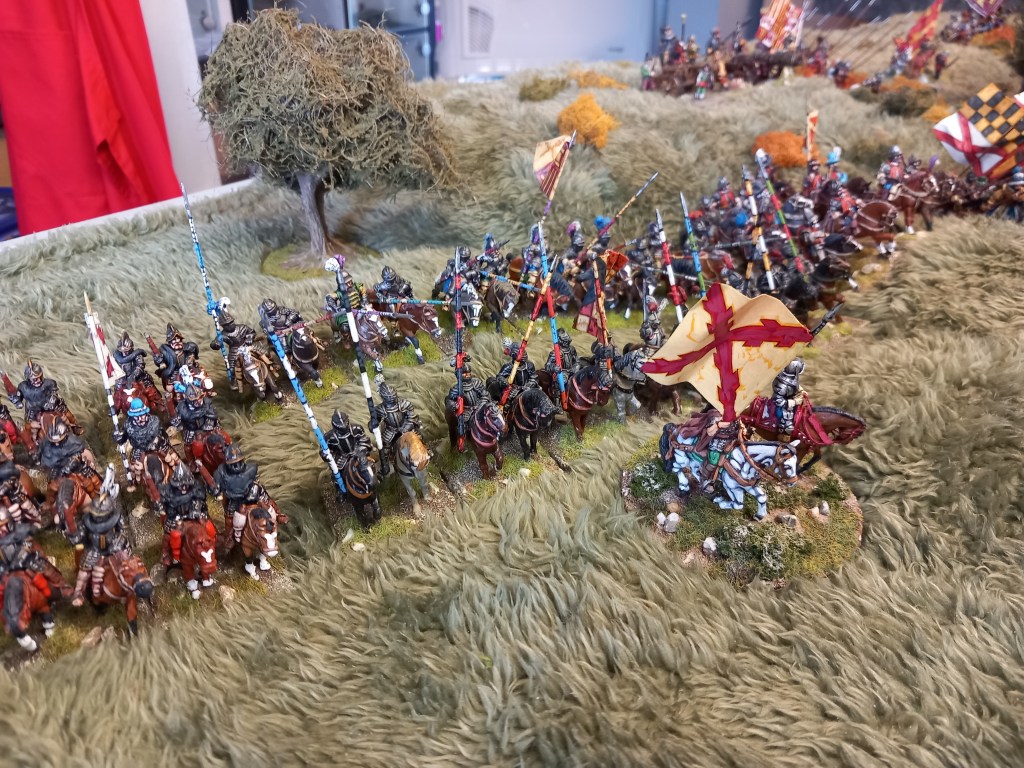
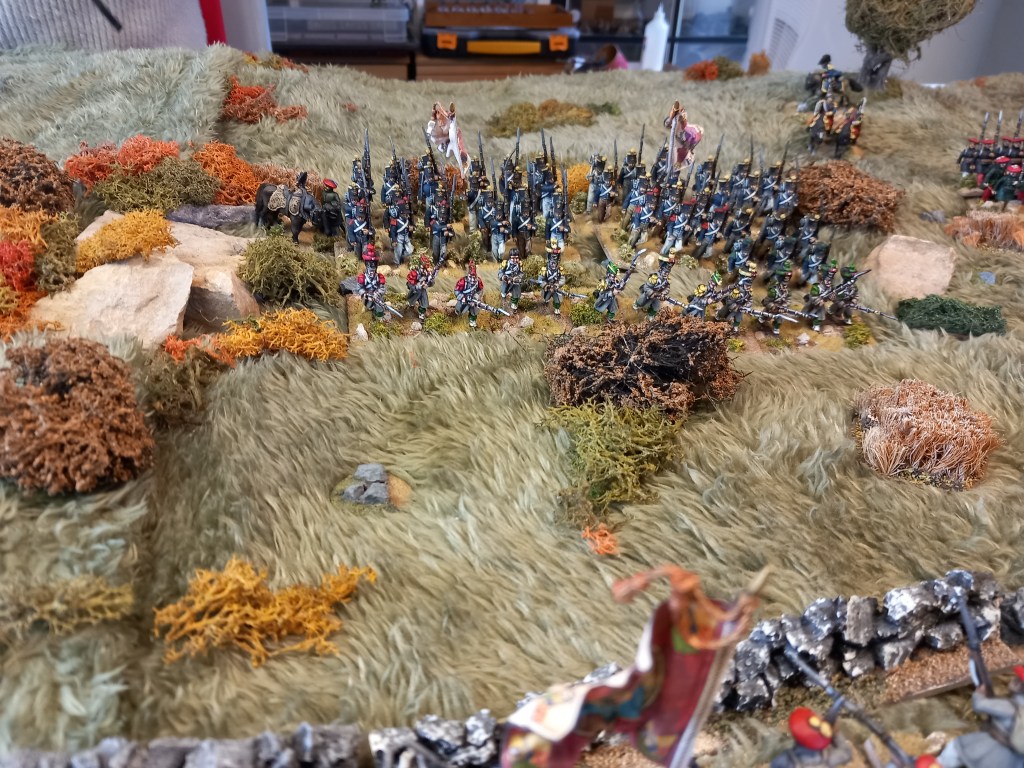
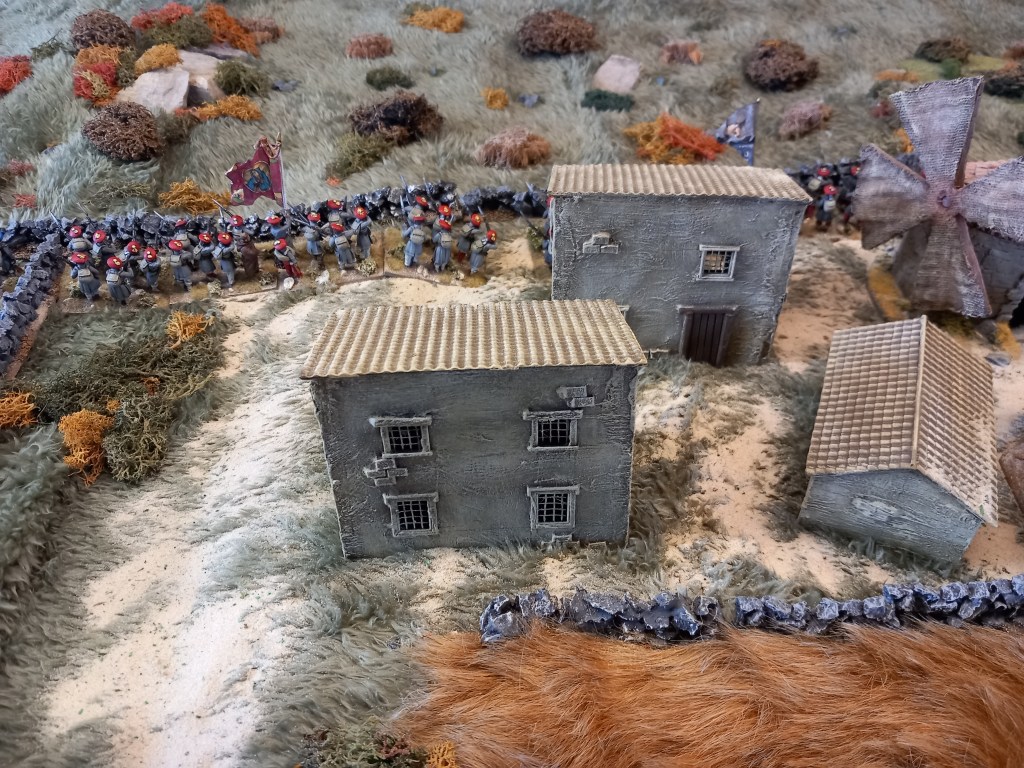
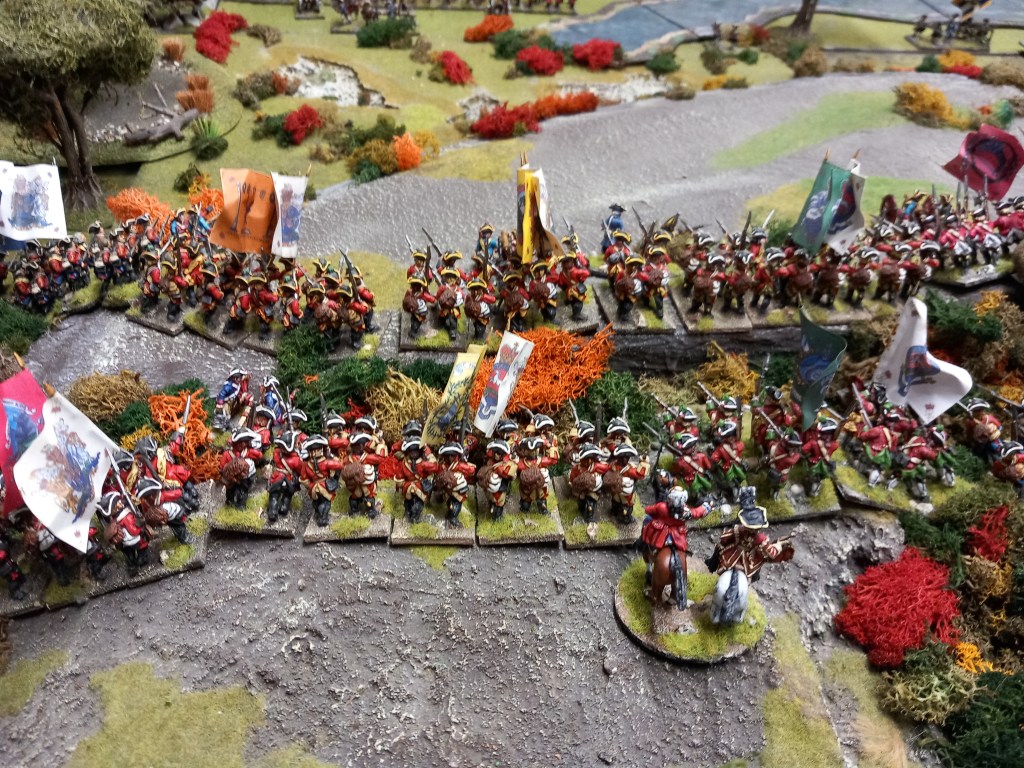
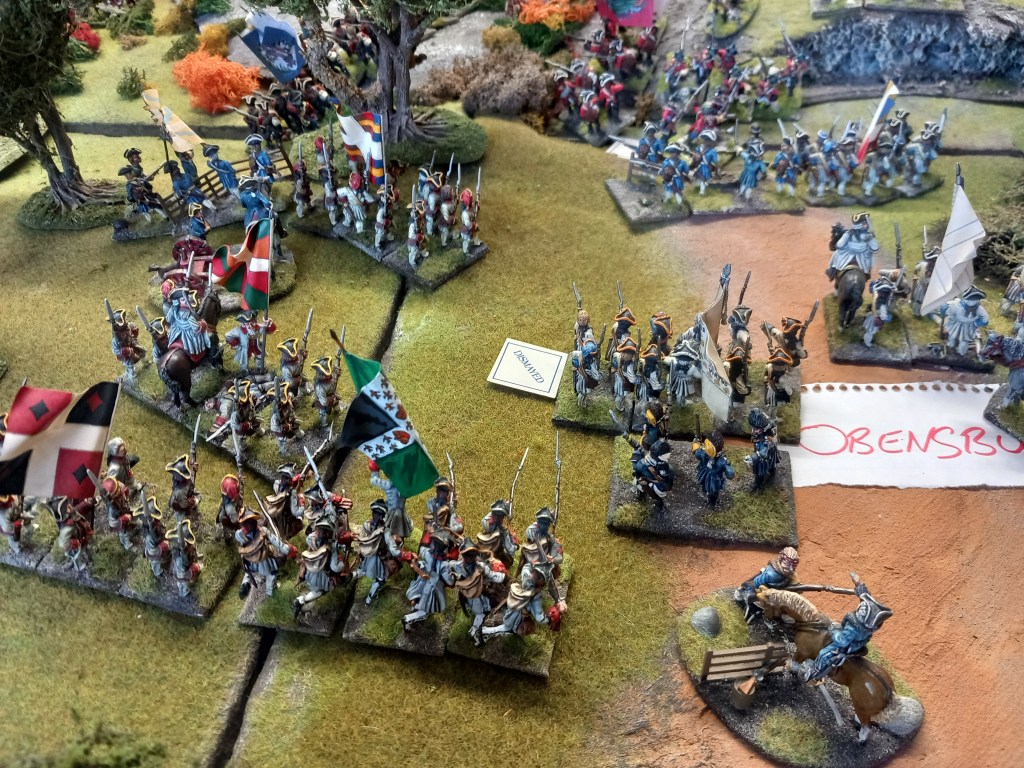
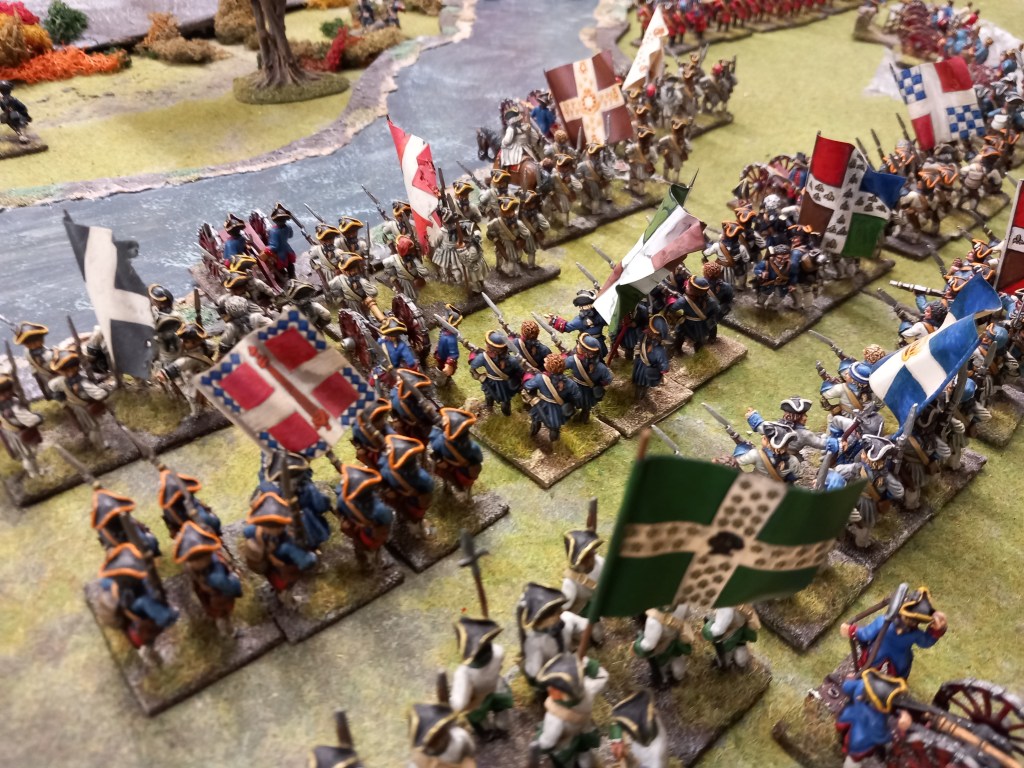
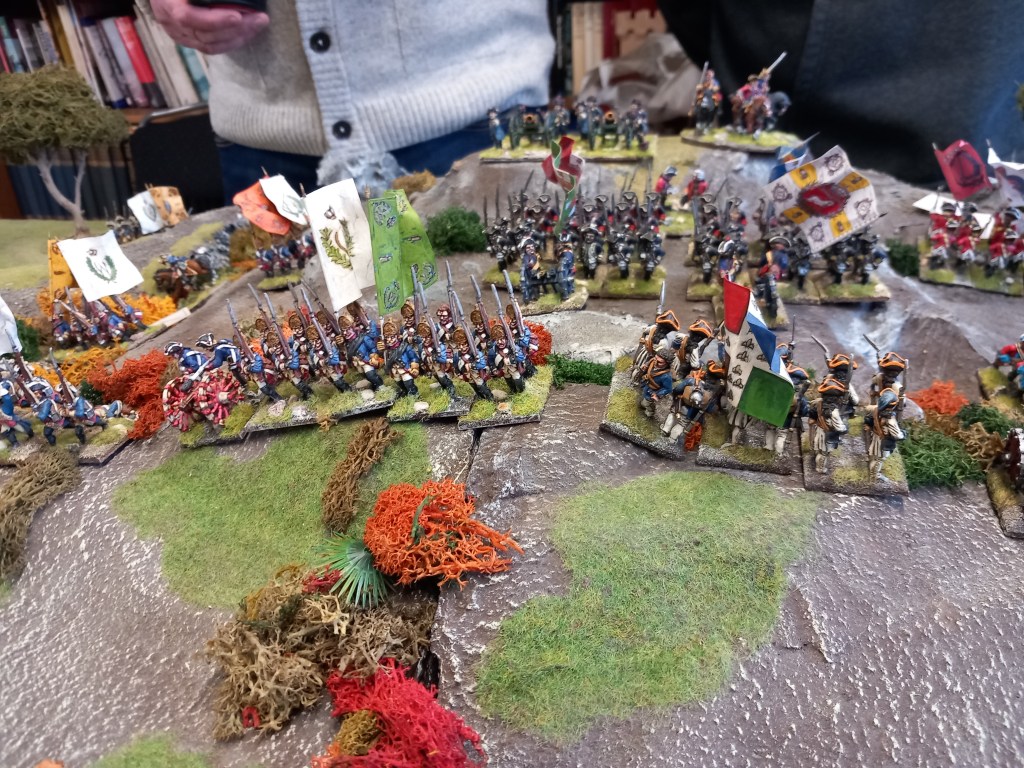
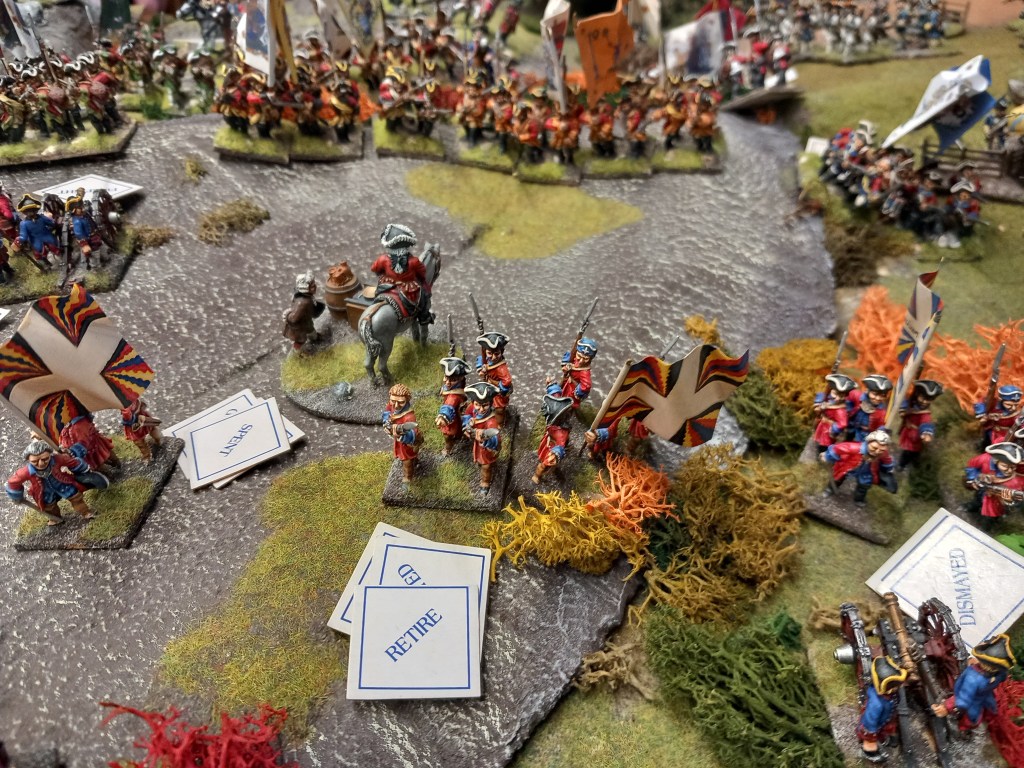
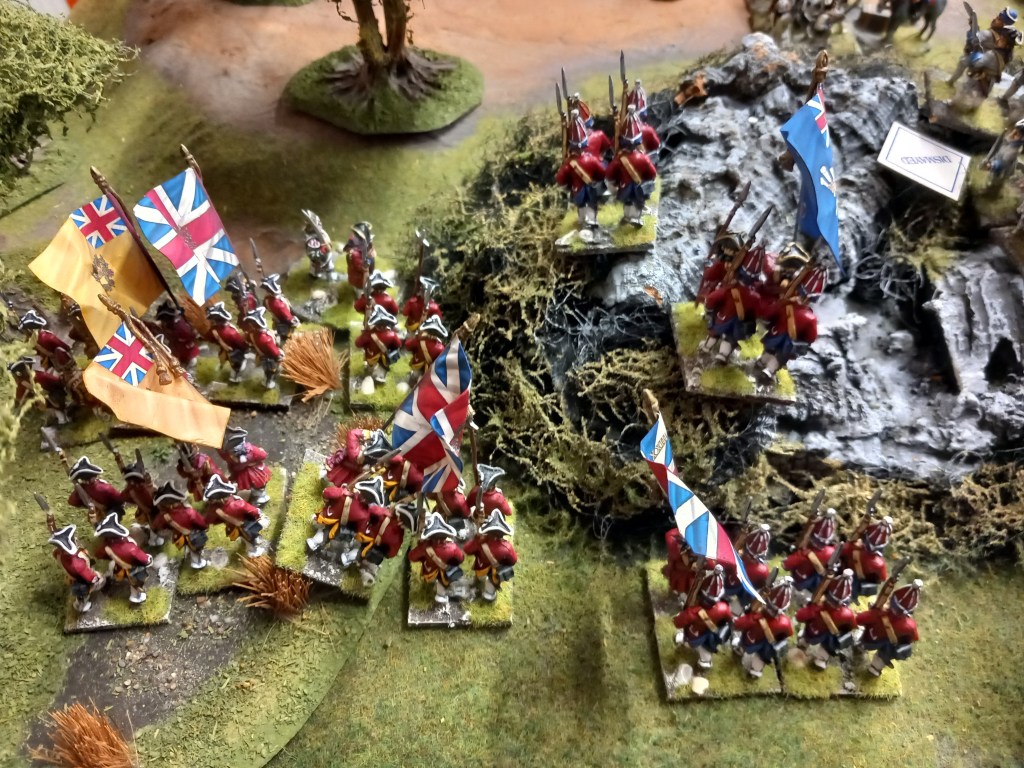
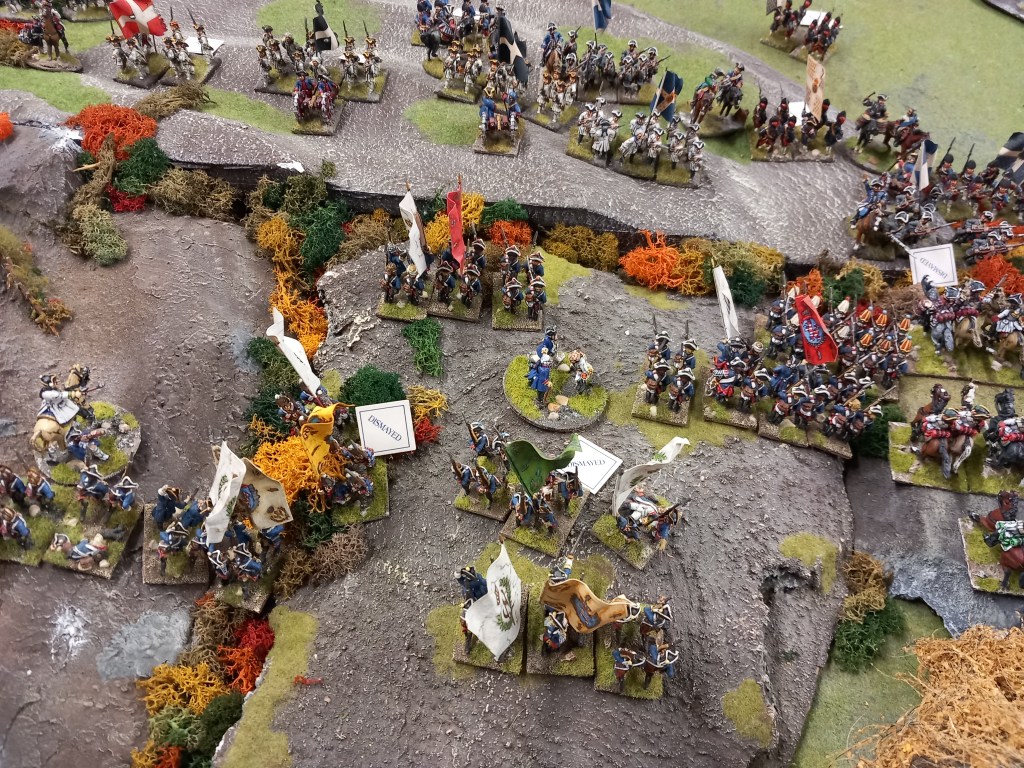
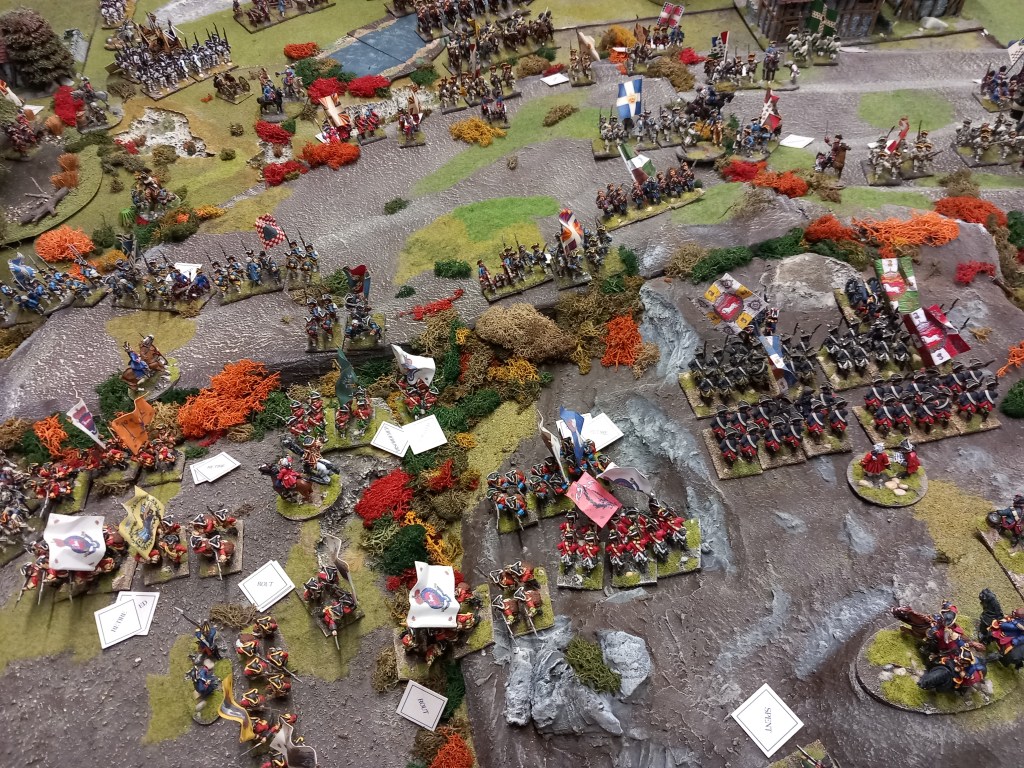
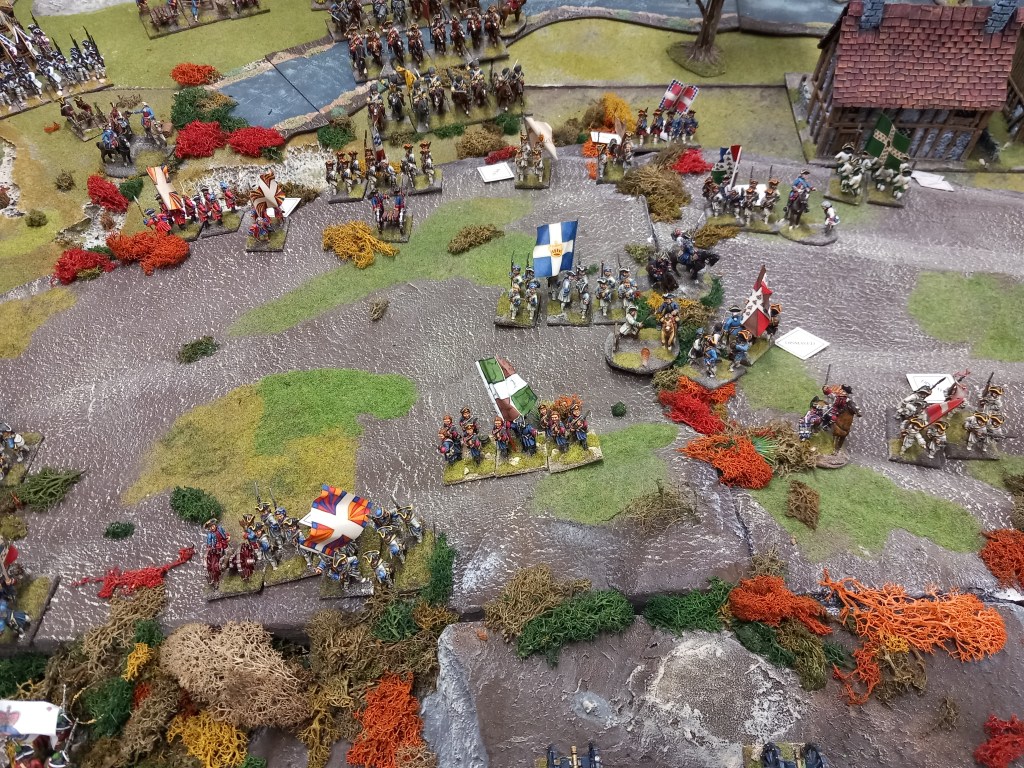
Our next game was War of the Austrian Succession in Italy, a personal favourite of mine.
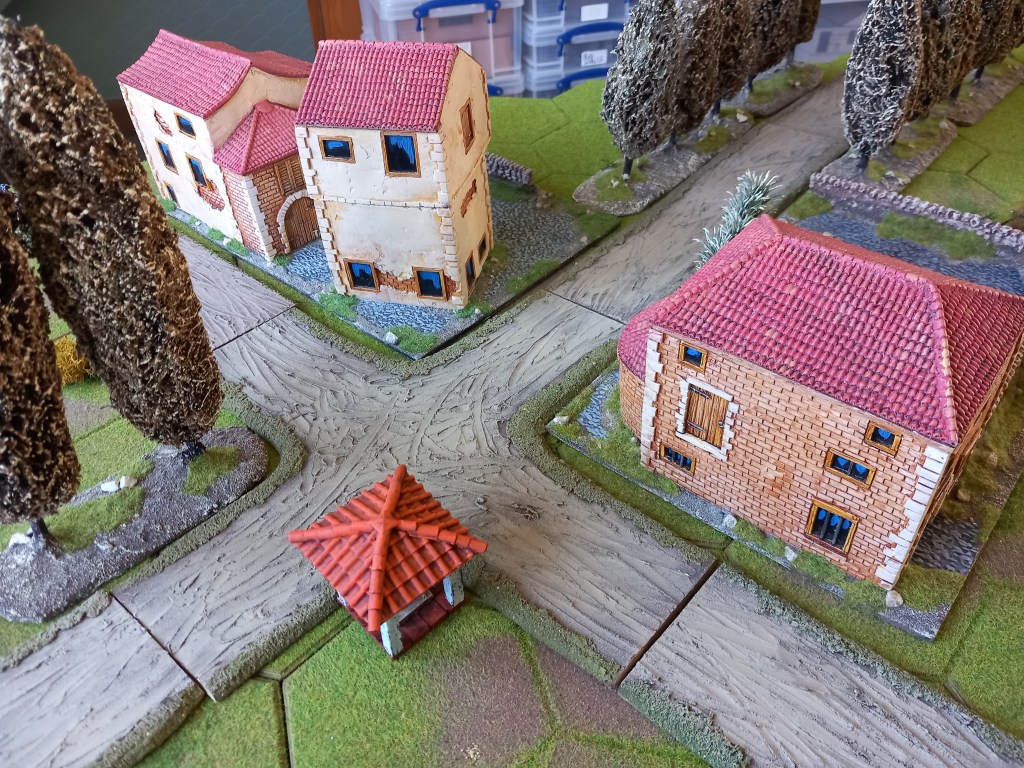
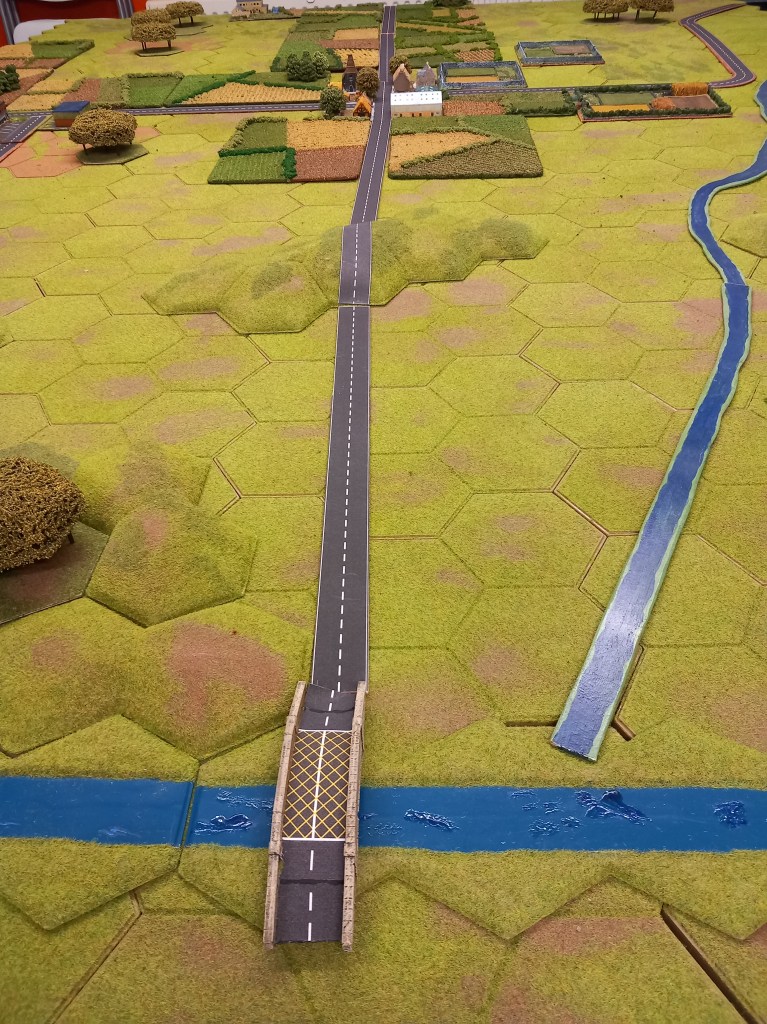
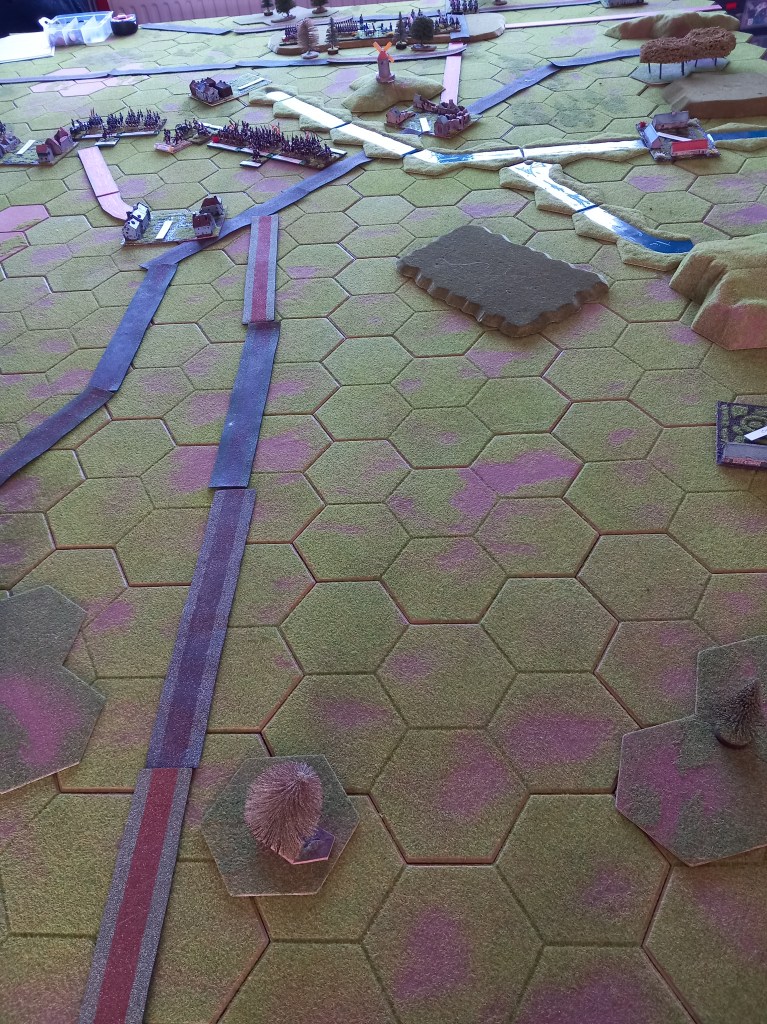
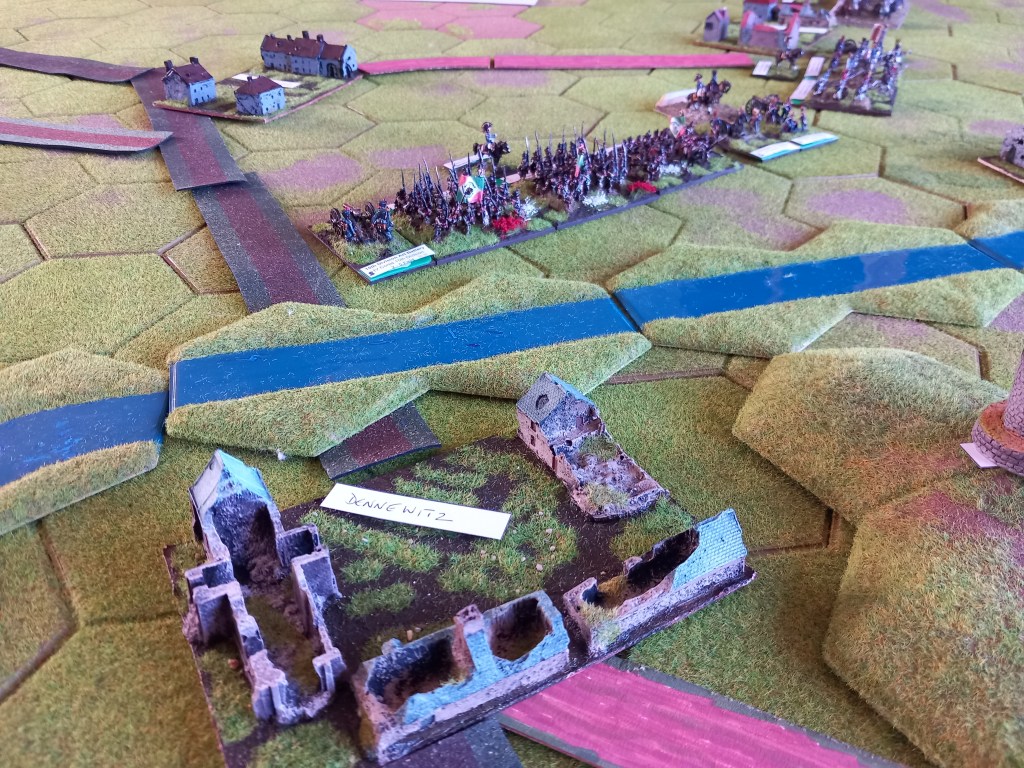
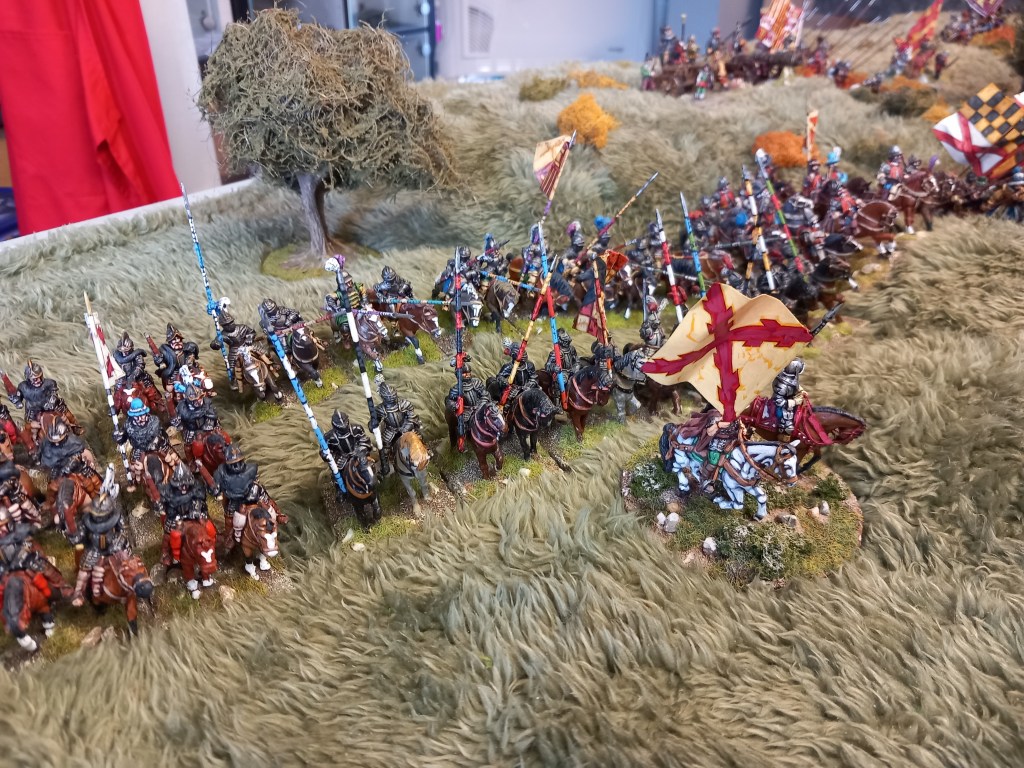
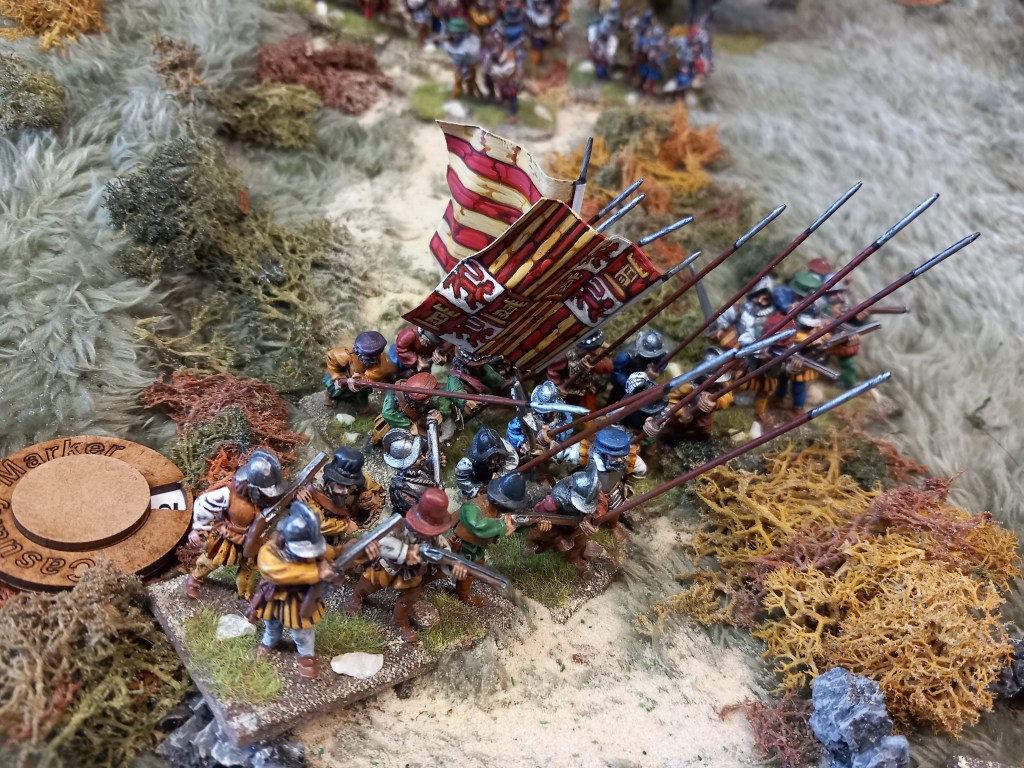
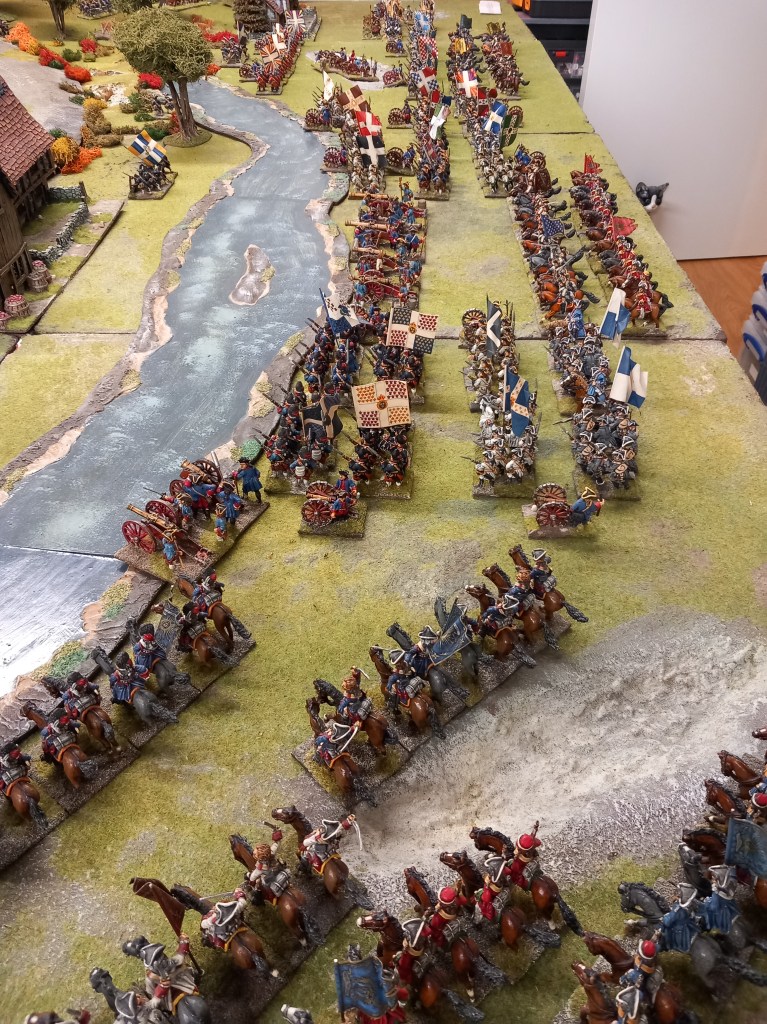
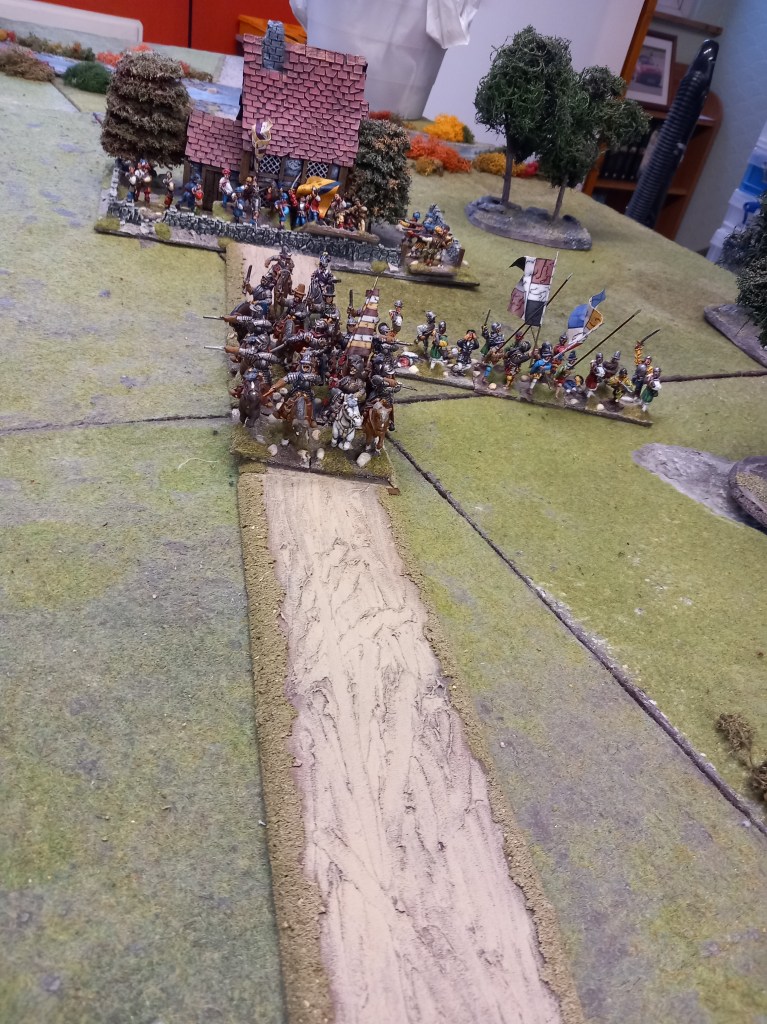
In this scenario the Spanish under the Comte de Gages were marching across the river Trento toward the town of Castelfondo to secure it for winter quarters. Unfortunately the main bridge had been destroyed and so valuable time had been taken up with building a pontoon. The Piedmontese had used this time well and were marching on the town and our game commenced.
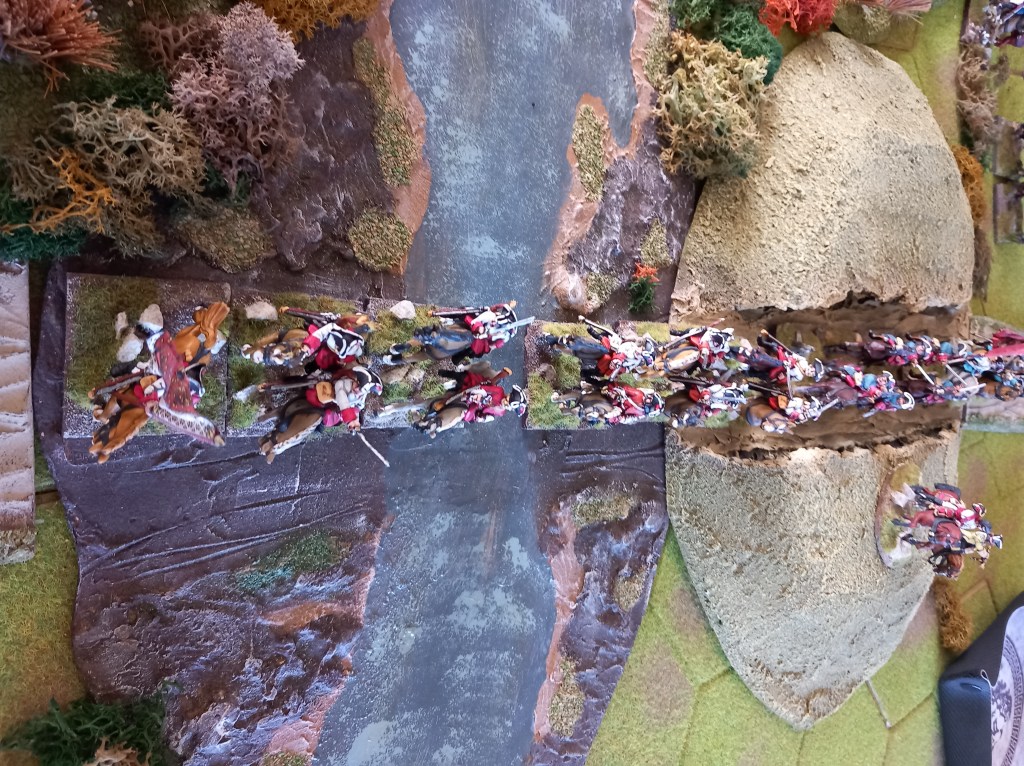
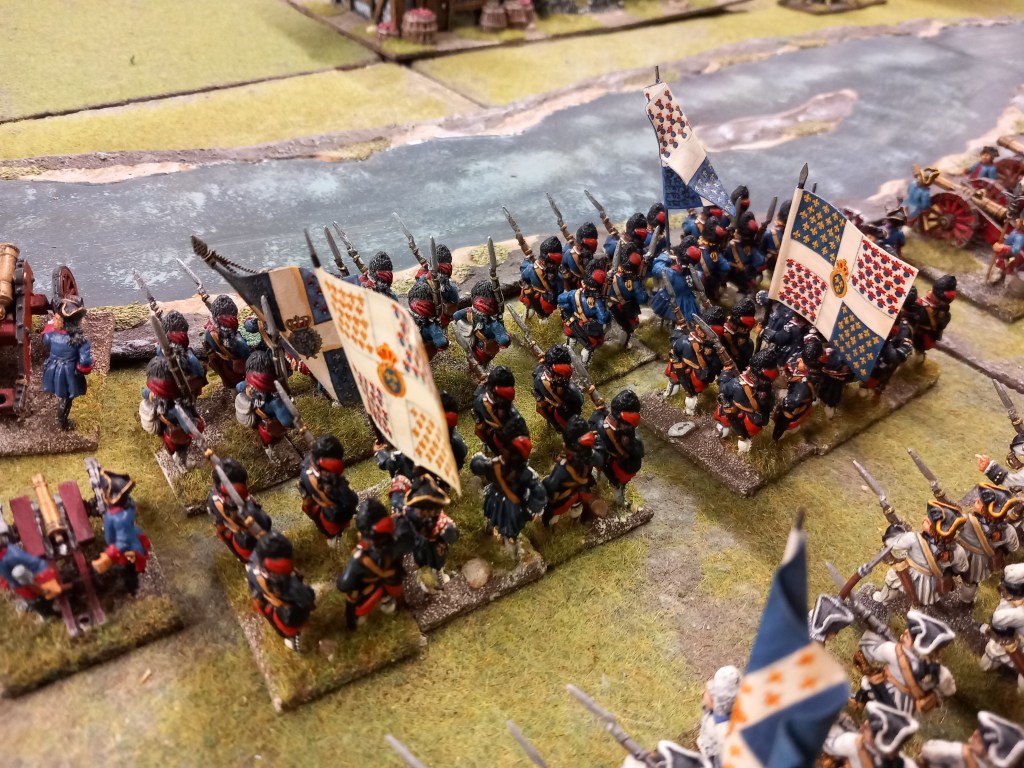
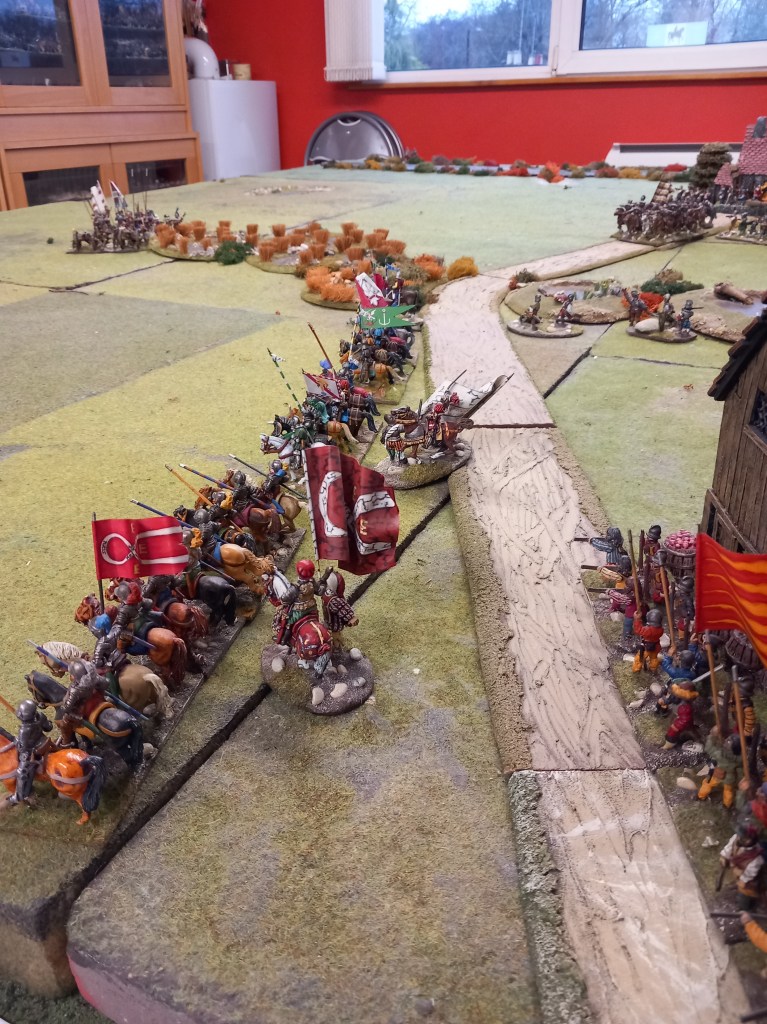
The Spanish dispositions were fixed by the scenario; the Spanish & Walloon Guards brigades were in column on the pontoon bridge and their cavalry brigades were down stream crossing the ford, their two infantry brigades could be positioned anywhere along the river bank – the player chose to deploy up stream, one brigade to wade across the river and the other to use the ruins of the old bridge. The Piedmontese had more leeway in that they could appear in column at the head of any or all of the four roads entering the playing area, the player detailed 3 of his brigades to converge on the town and one to head toward the pontoon while his cavalry brigade took on the Spanish cavalry.
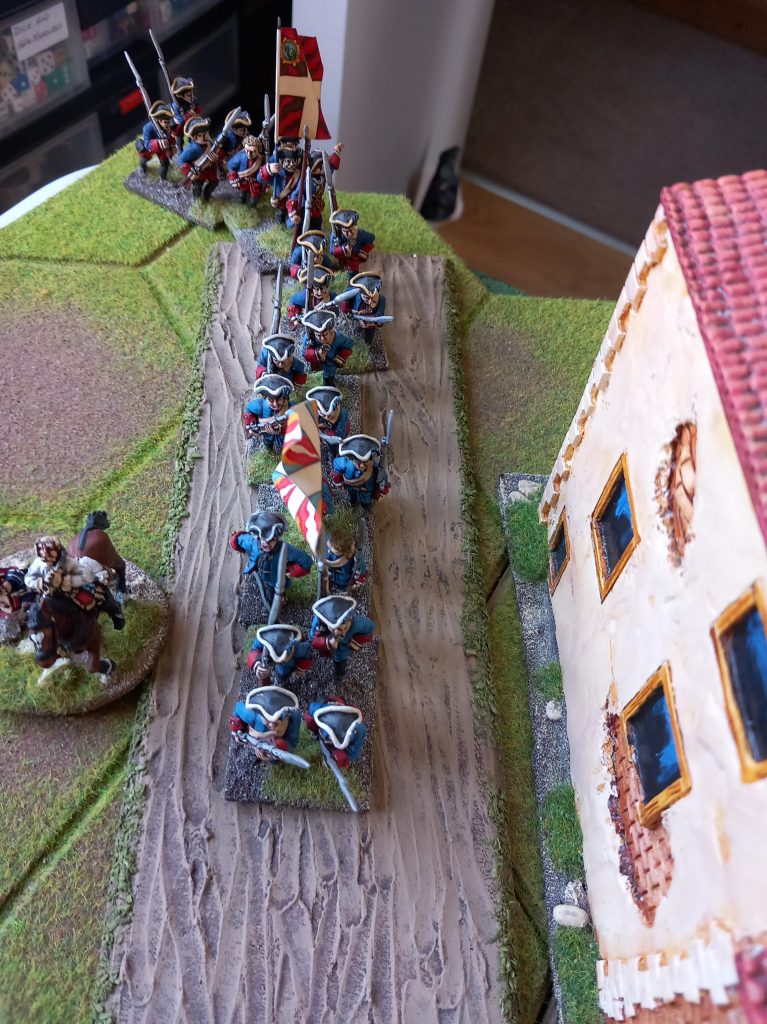
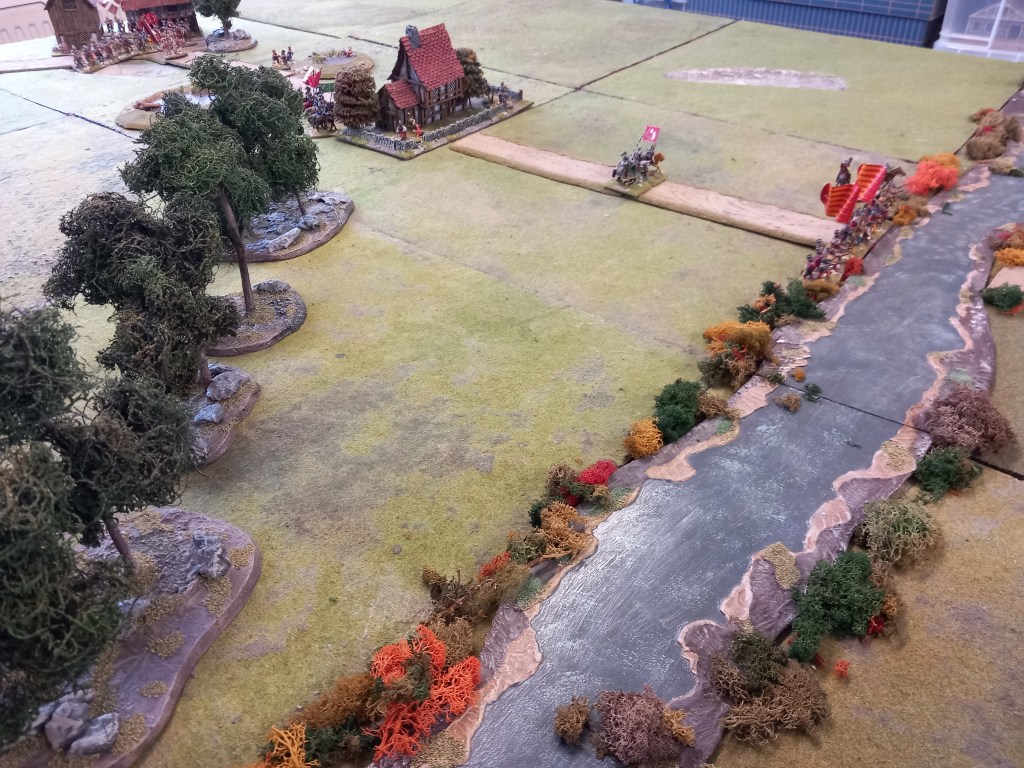
Early moves were pretty innocuous, Piedmontese infantry marched into the town, Spanish crossed the river.
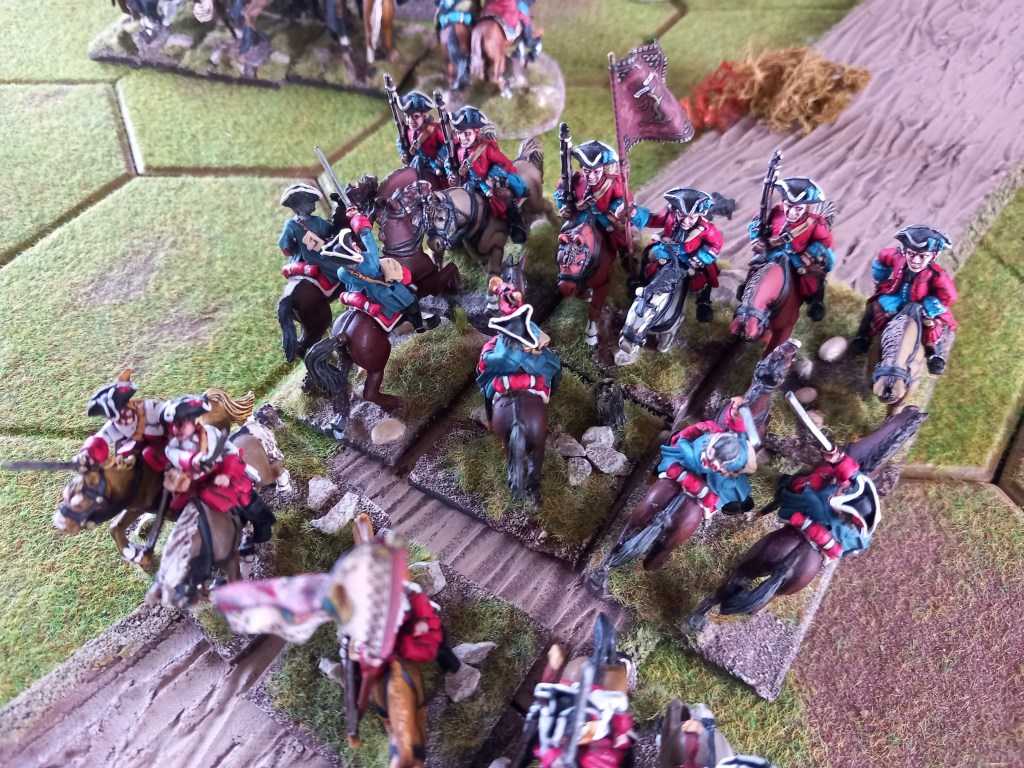
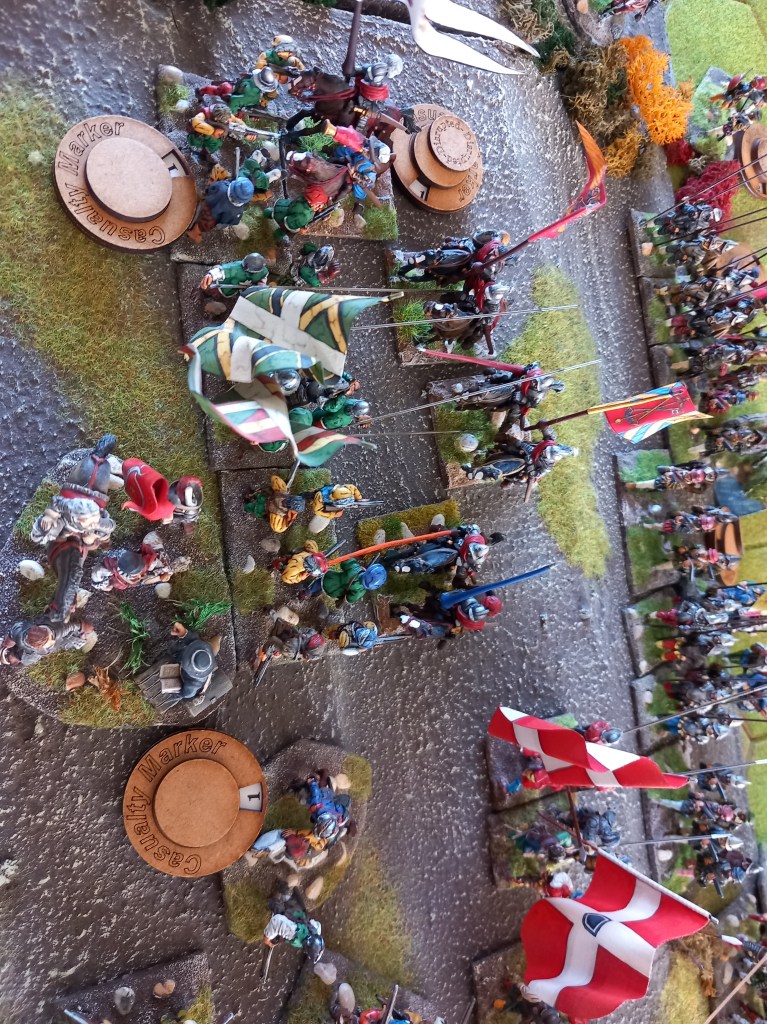
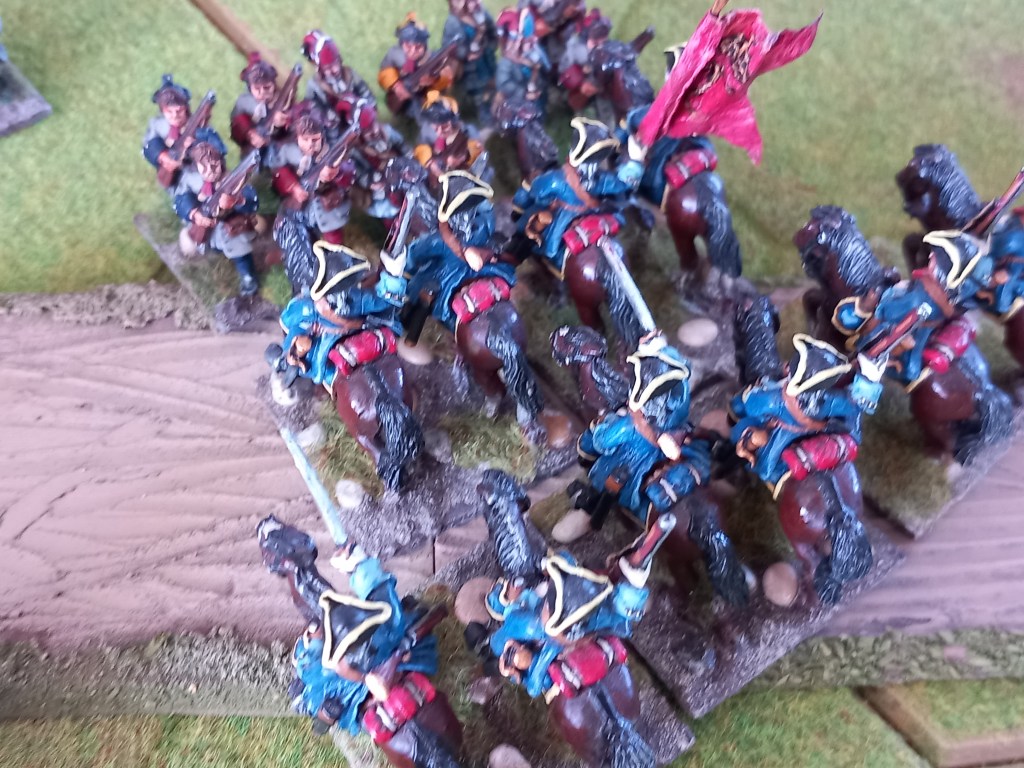
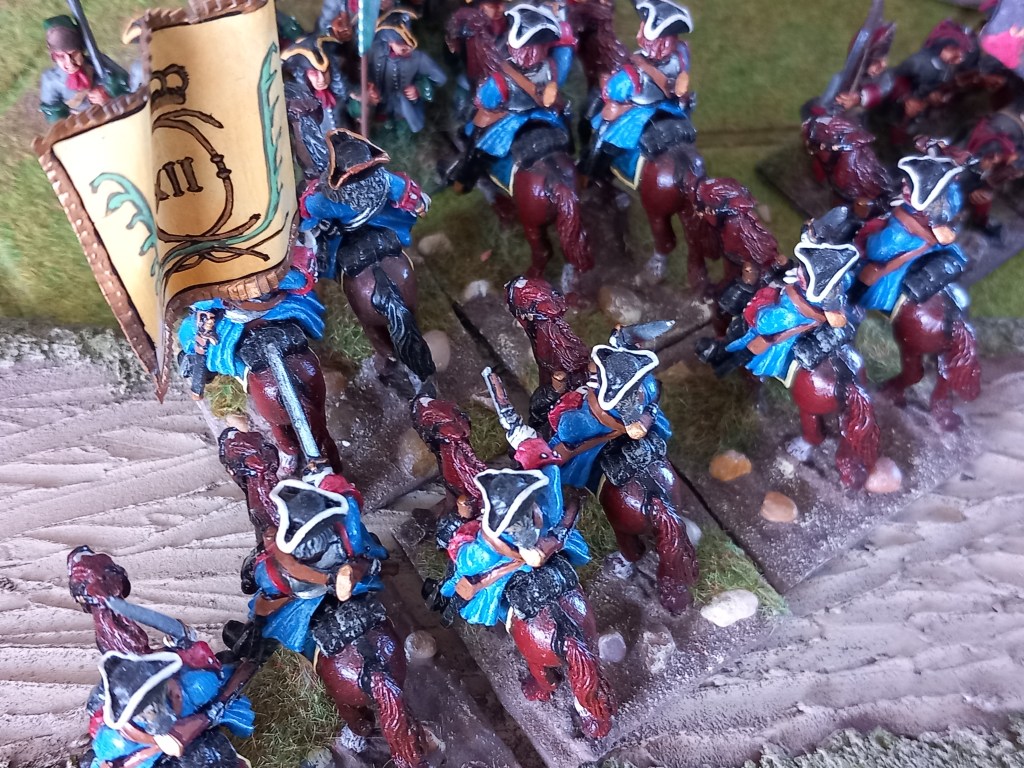
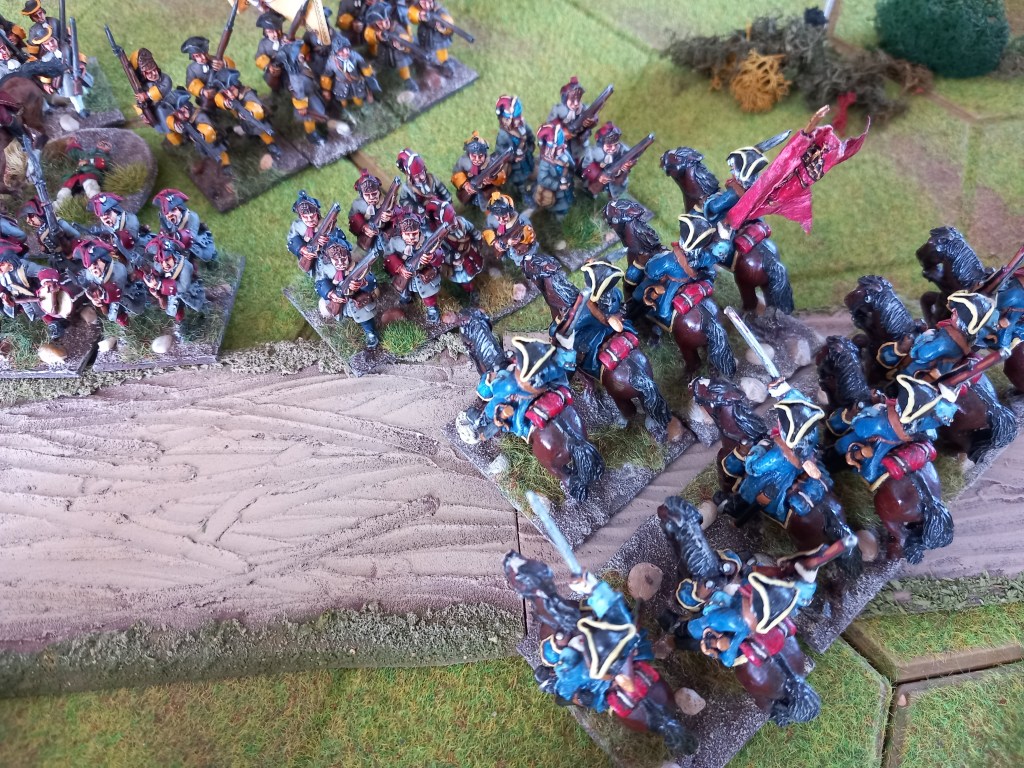
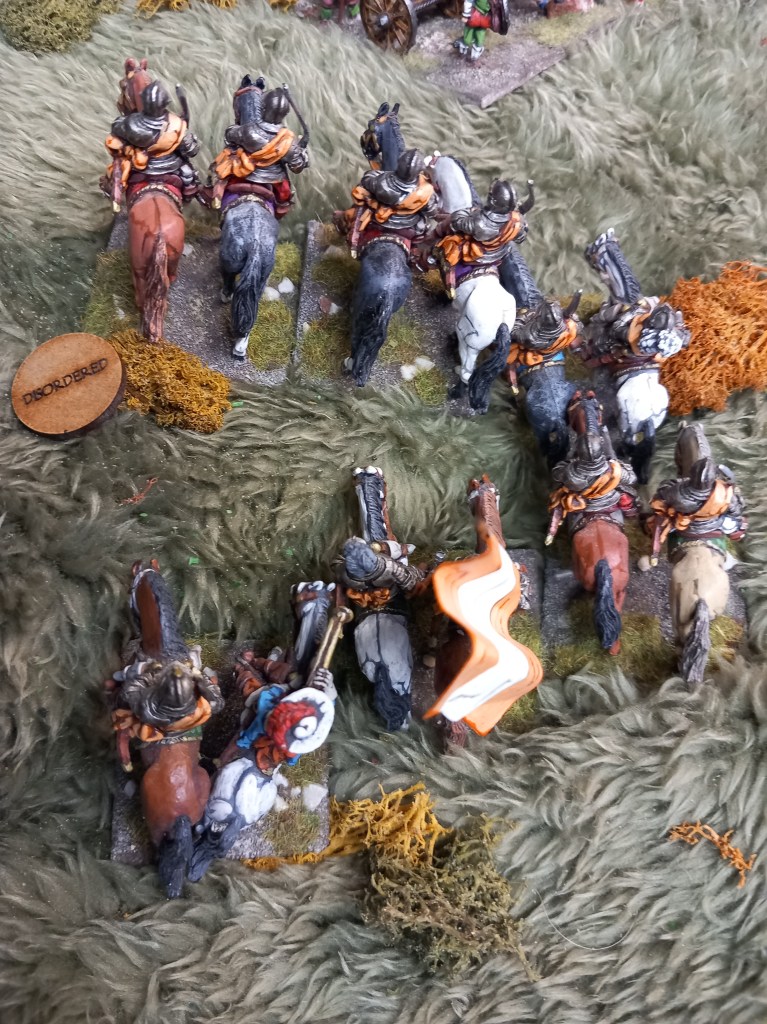
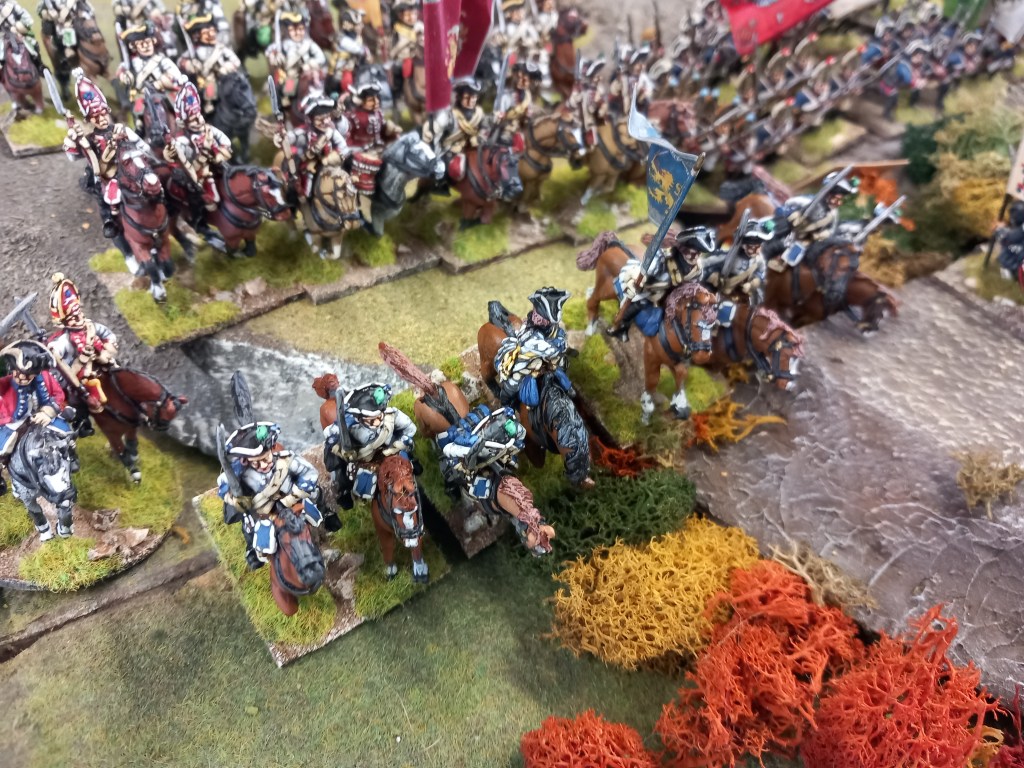
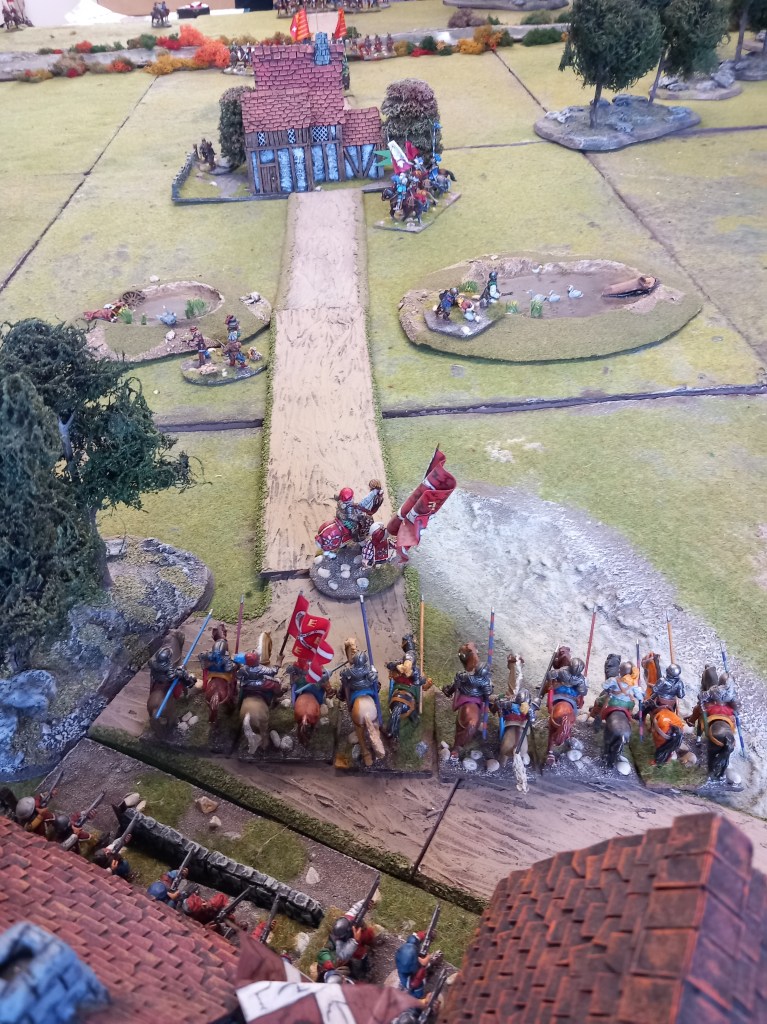
Not surprisingly the first actions were the cavalry with the denser Piedmontese regiments absorbing the first Spanish charges fairly well.
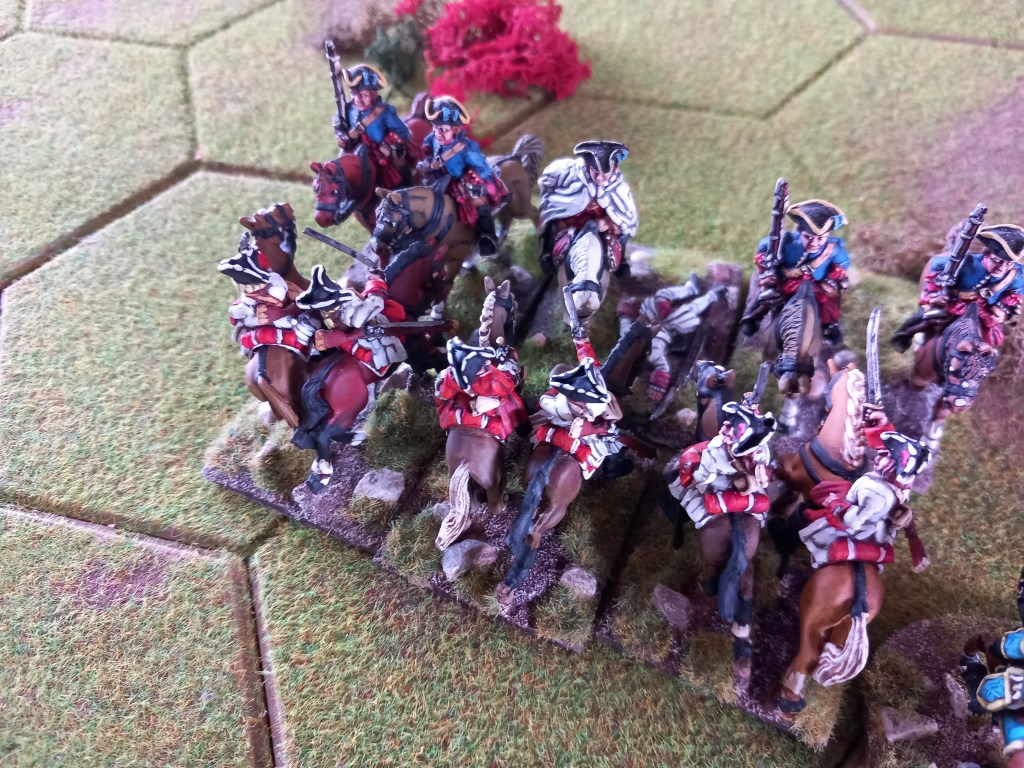
However, once all of the Spanish horse were across the ford numbers started to tell.
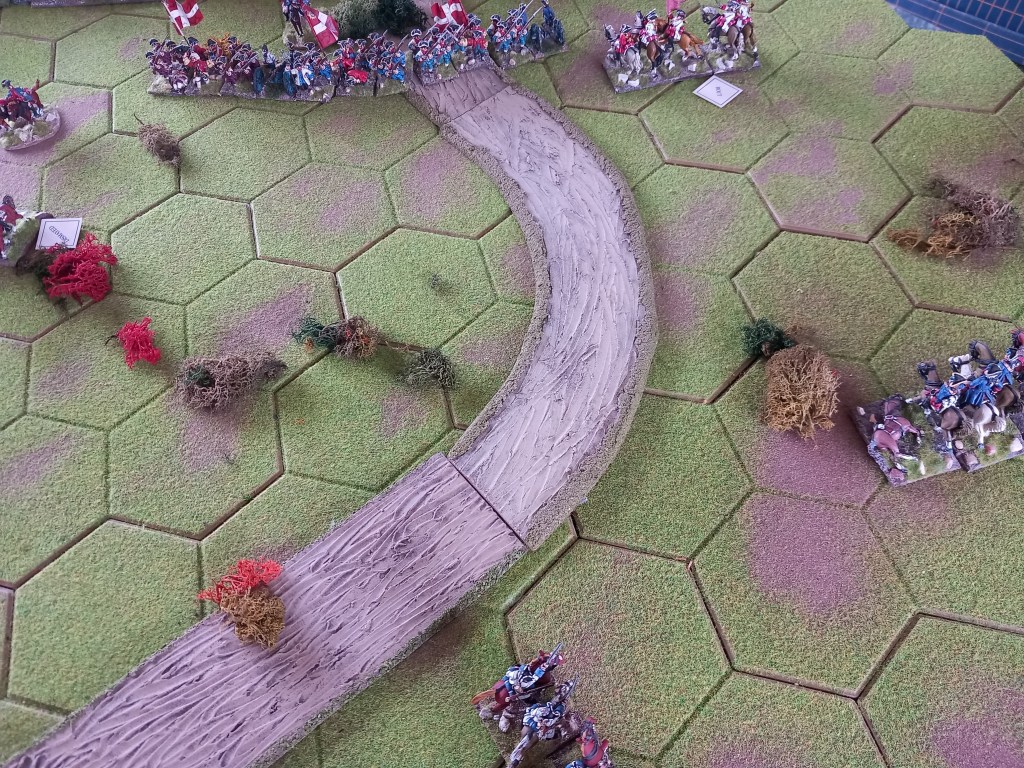
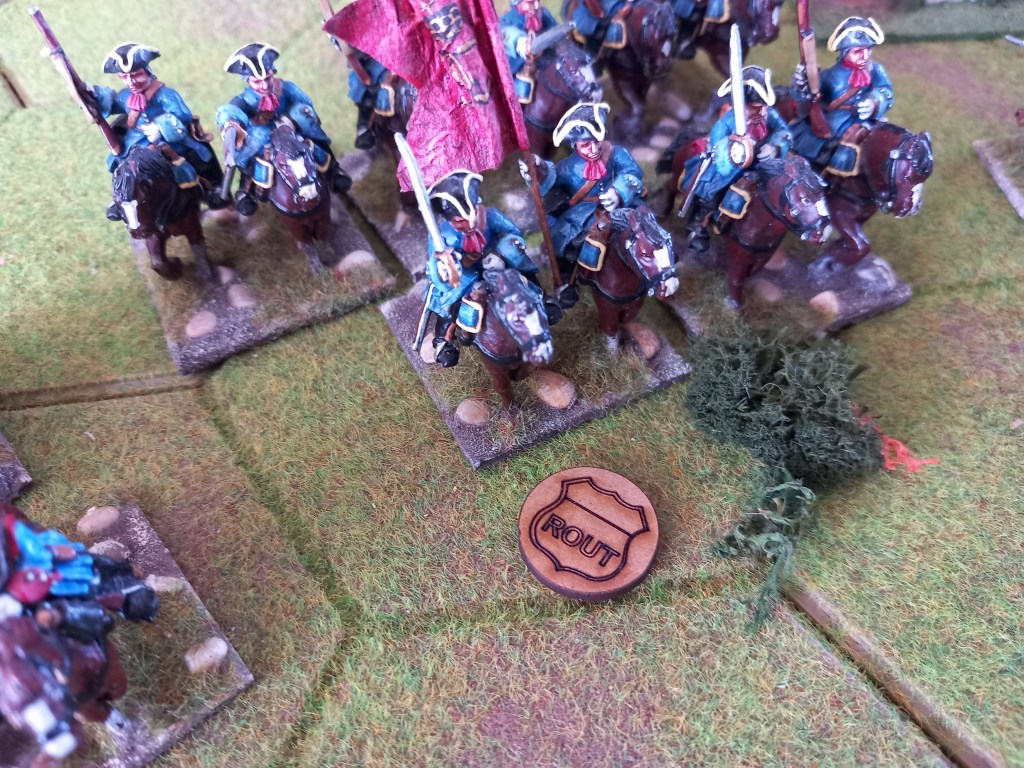
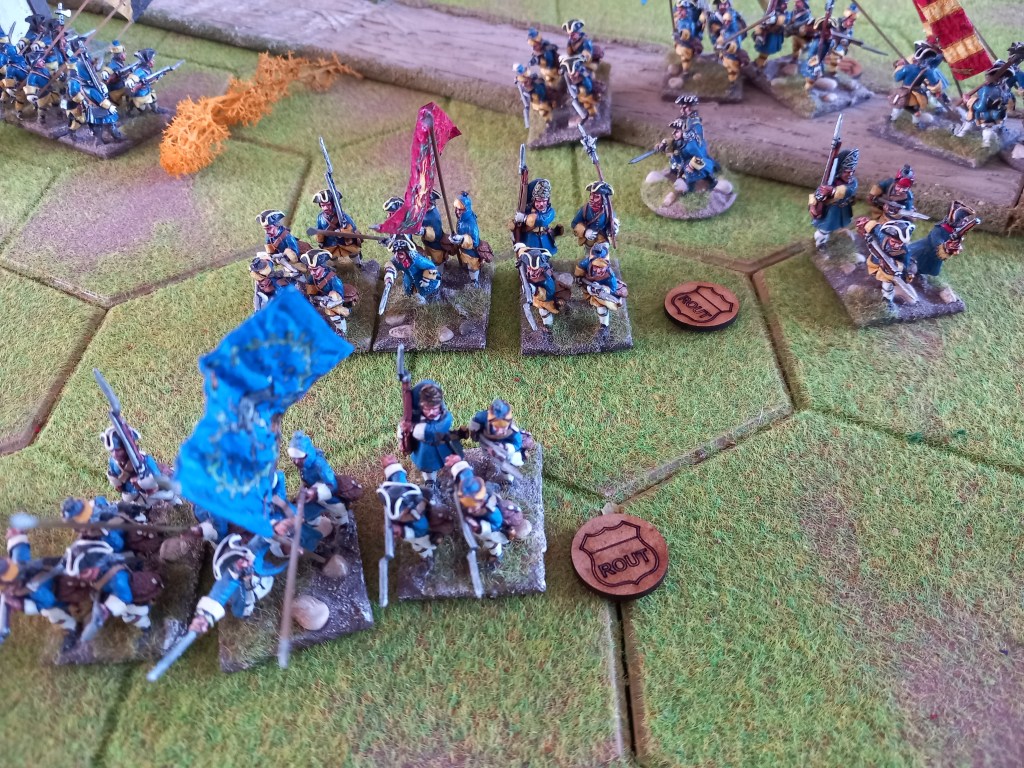
And soon there was a big hole where the Piedmontese cavalry used to be and the Piedmontese militia infantry previously tasked with halting the crossing of the pontoon had other things to deal with 🙄🙄
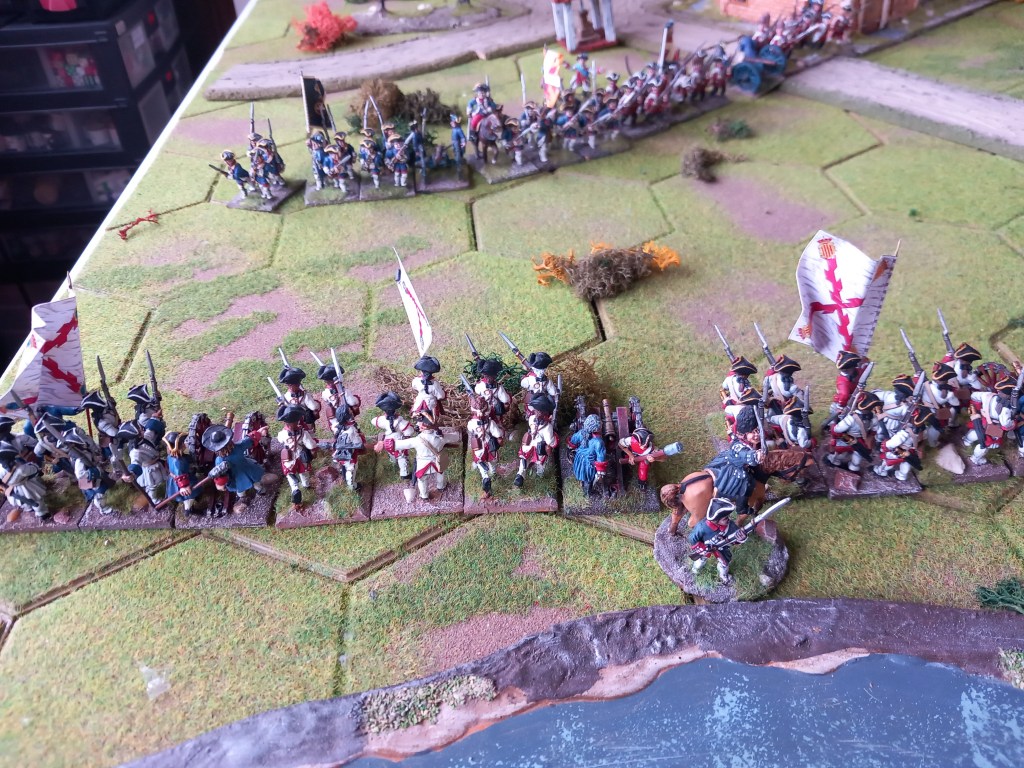
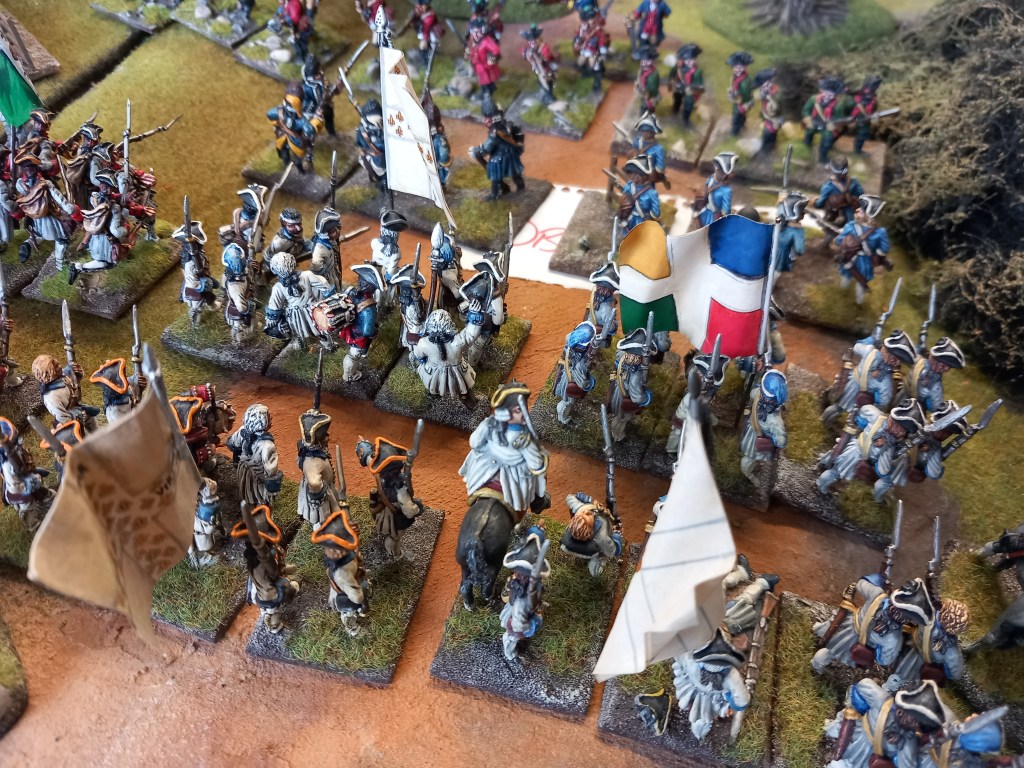
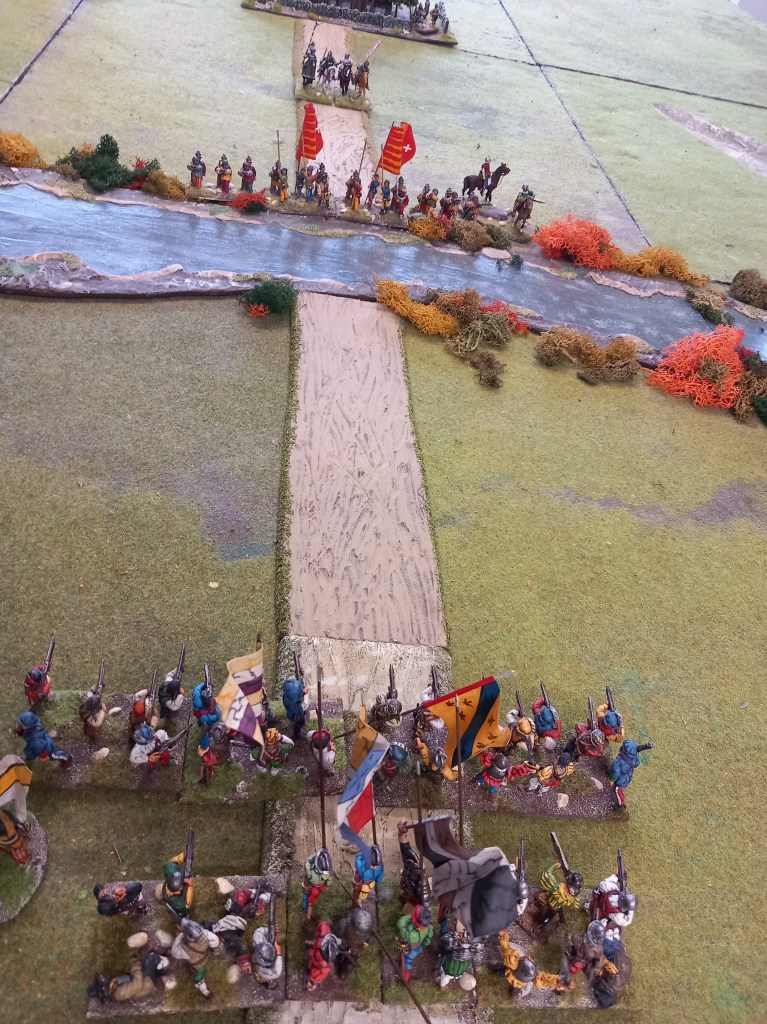
Whilst the cavalry action was taking place the infantry of both sides had formed up and the Spanish were ready to try their luck.
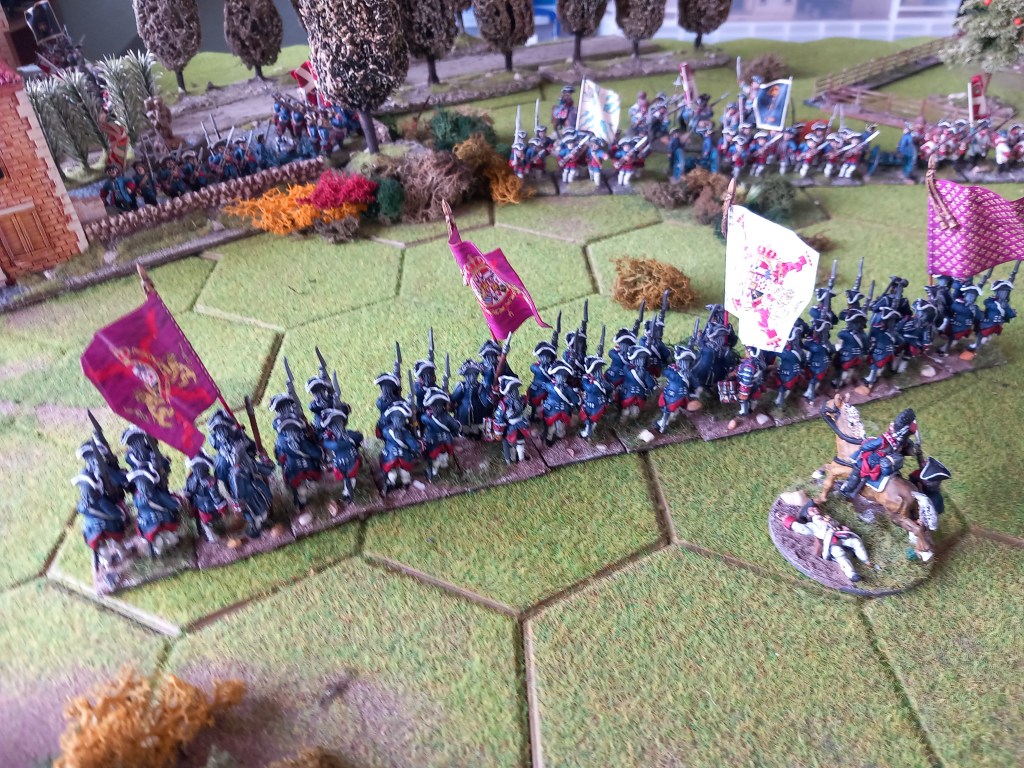
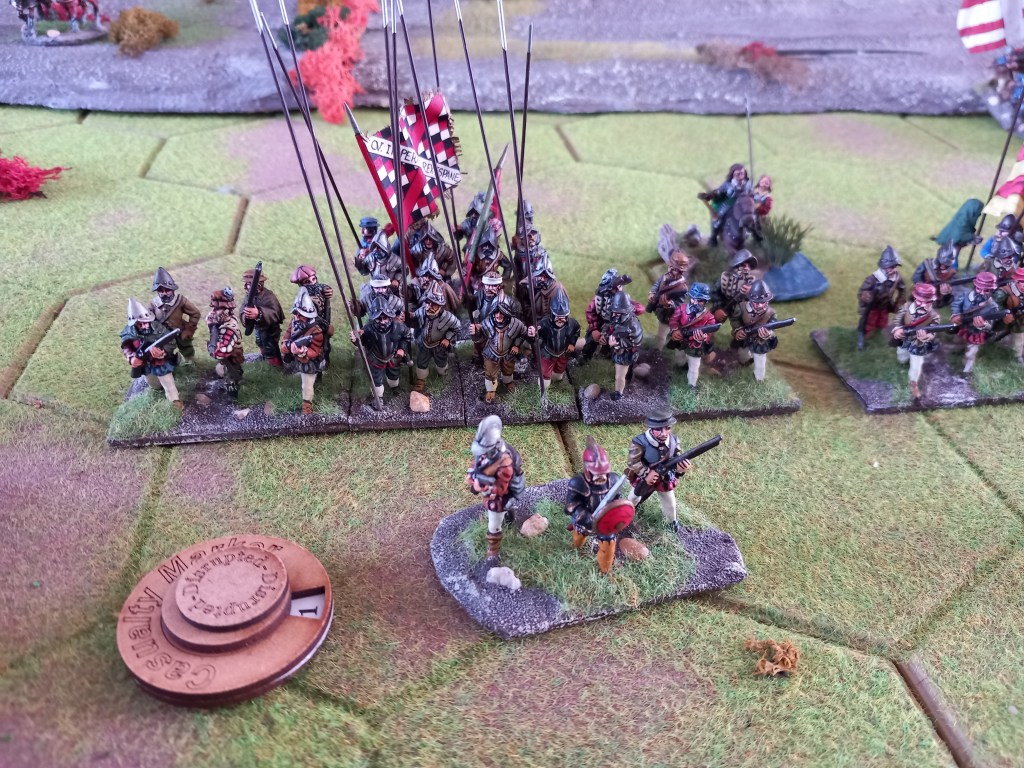
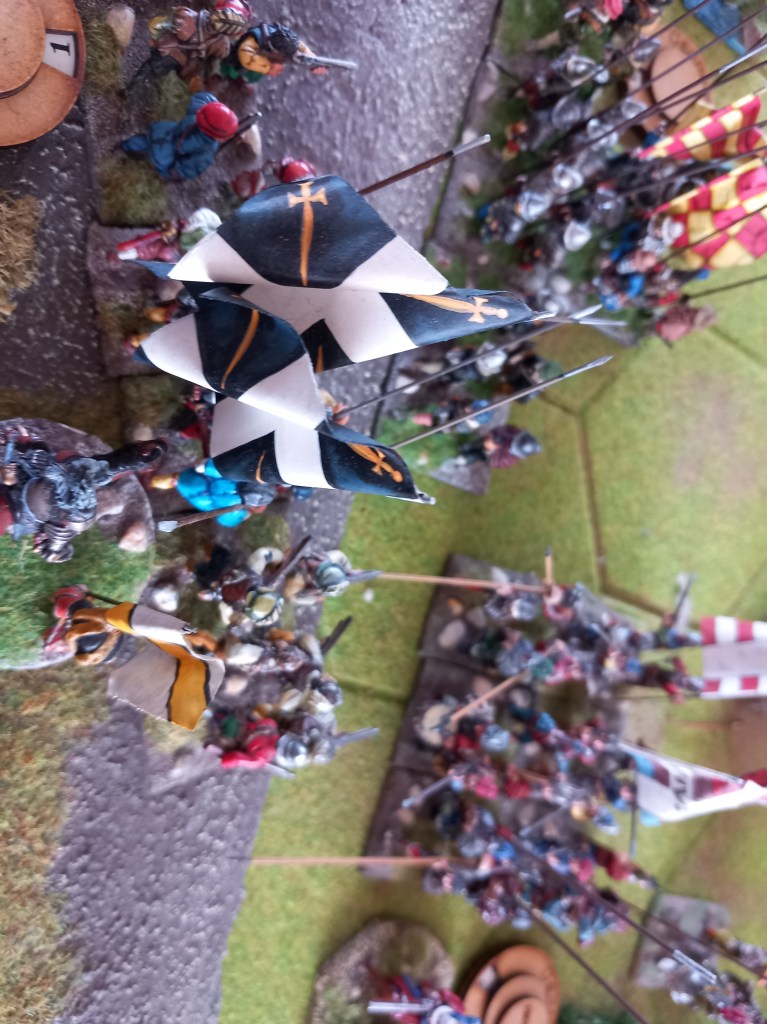
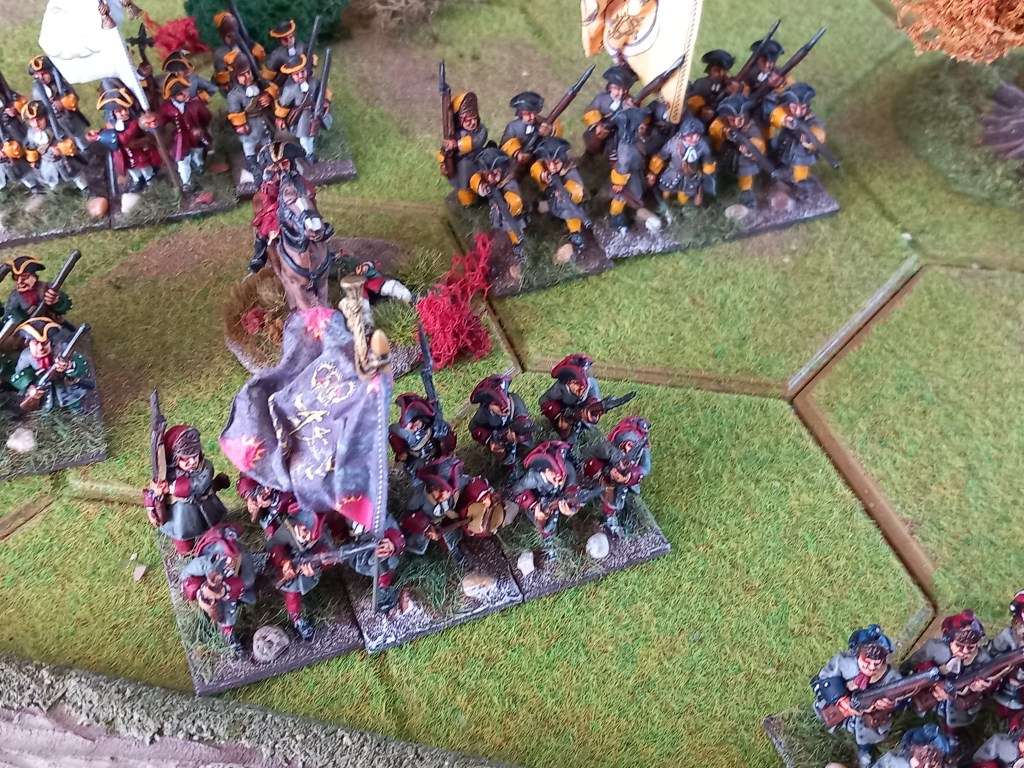
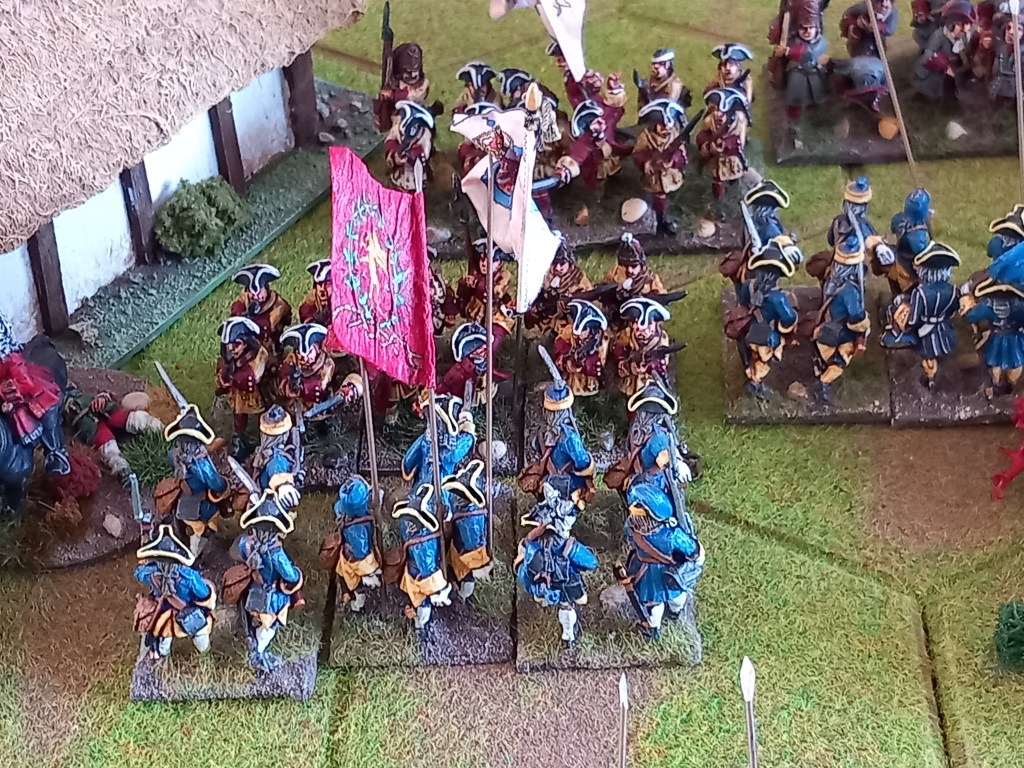
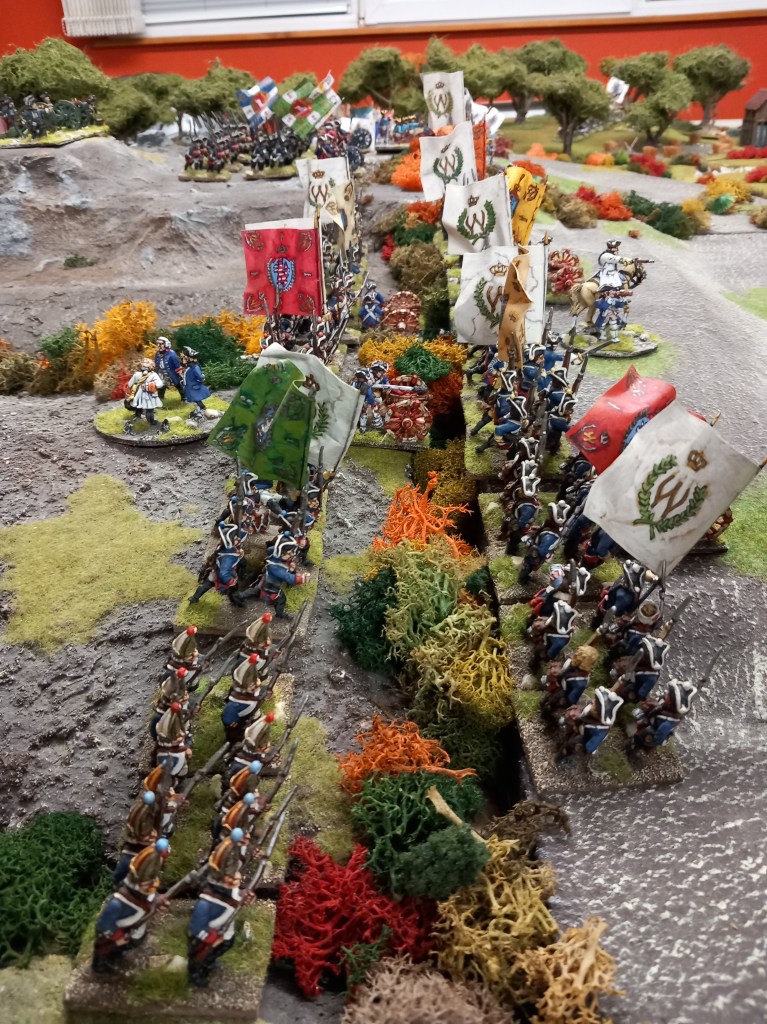
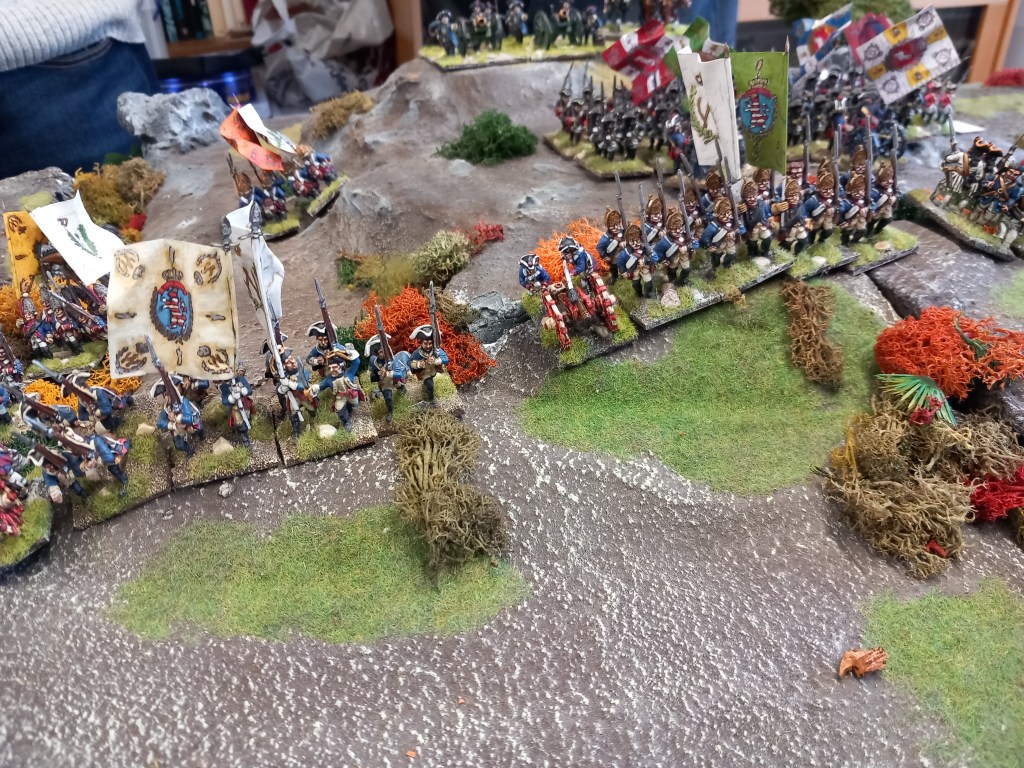
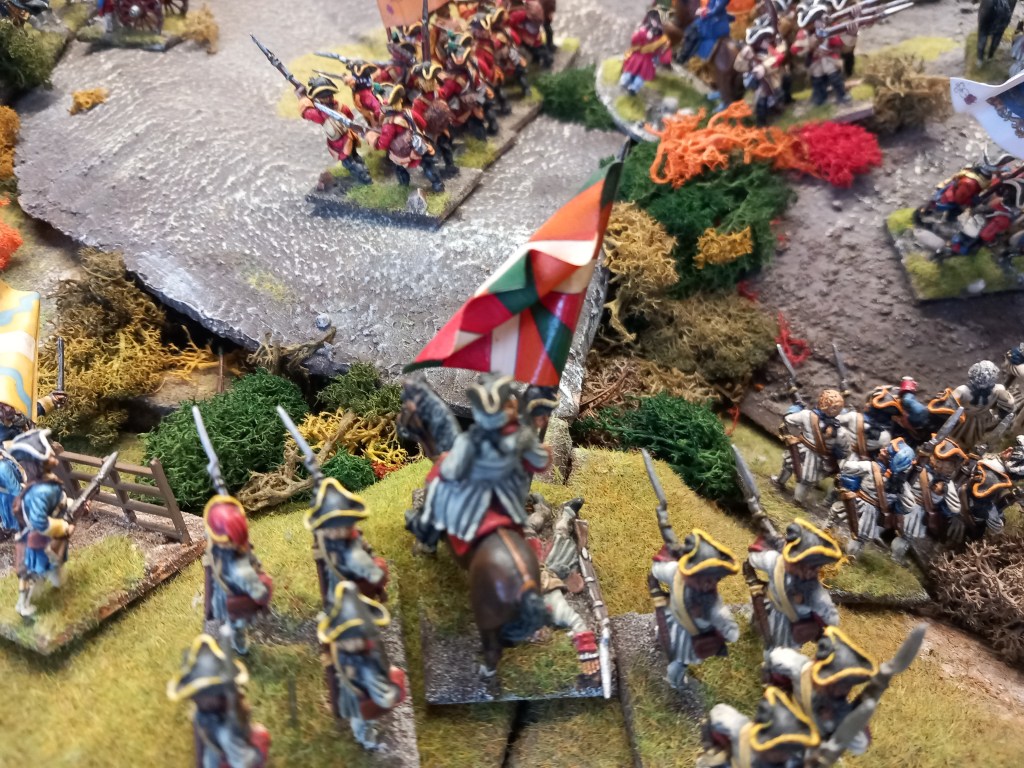
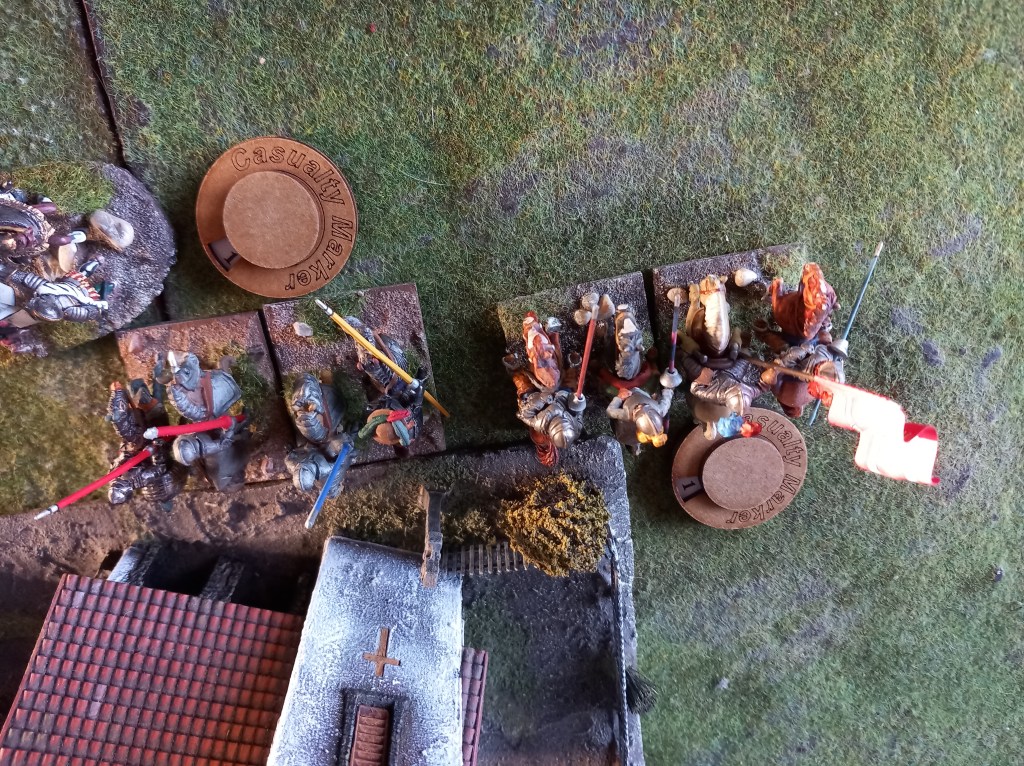
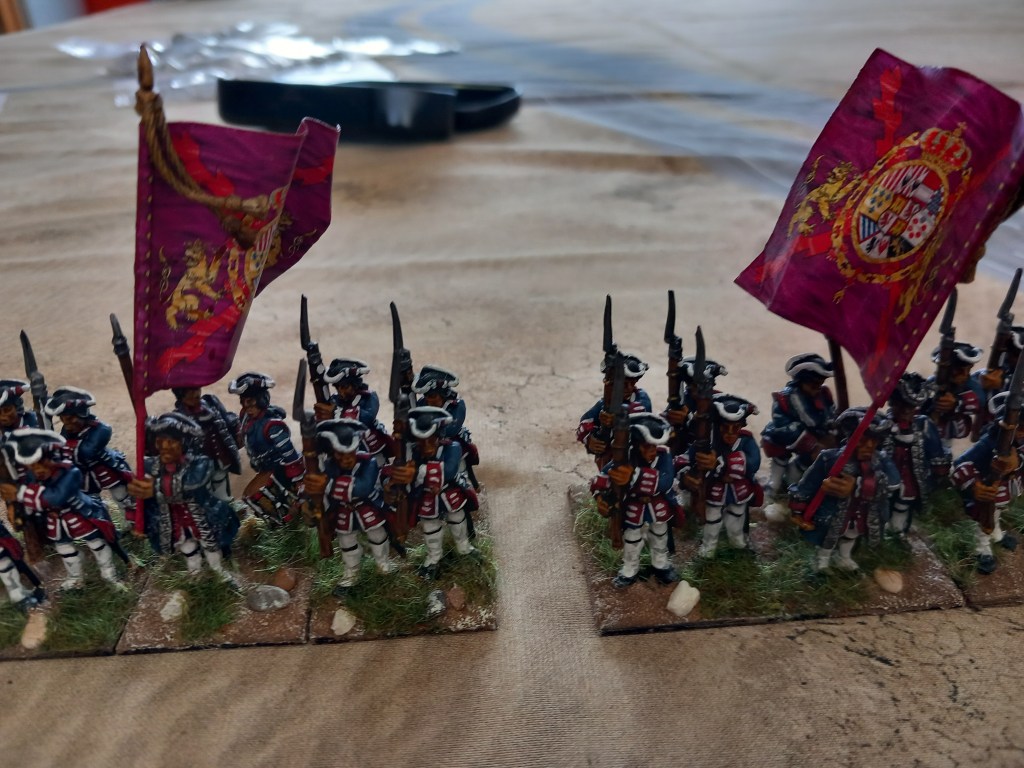
The freshly painted Spanish Guard ready for their first action.
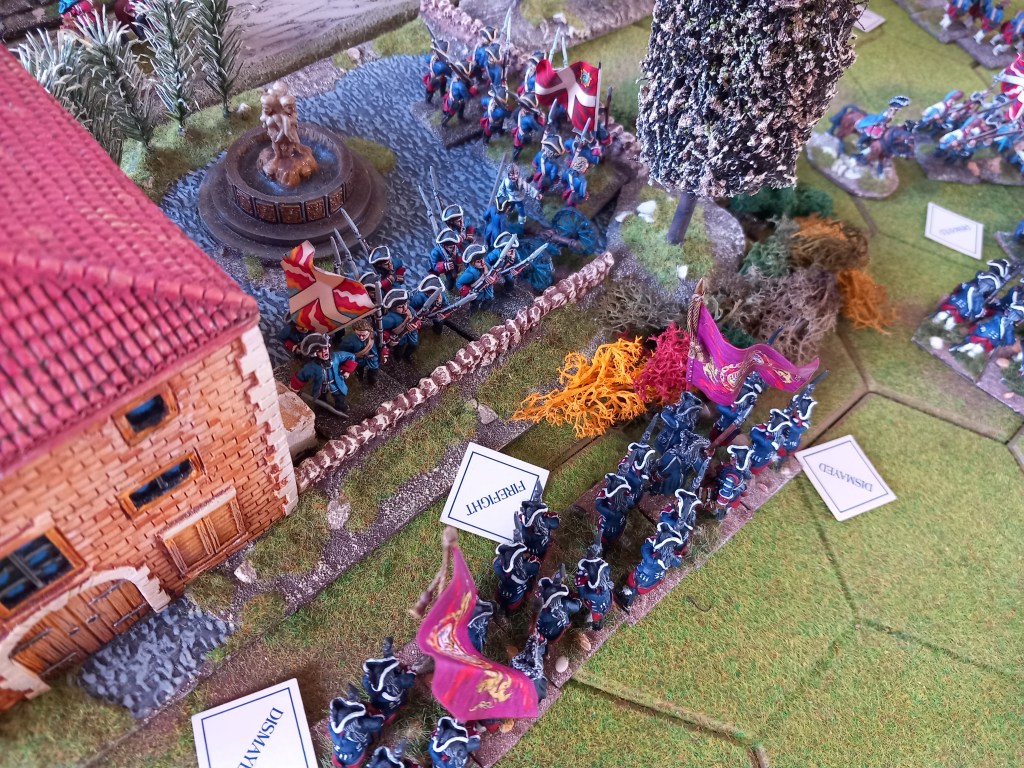
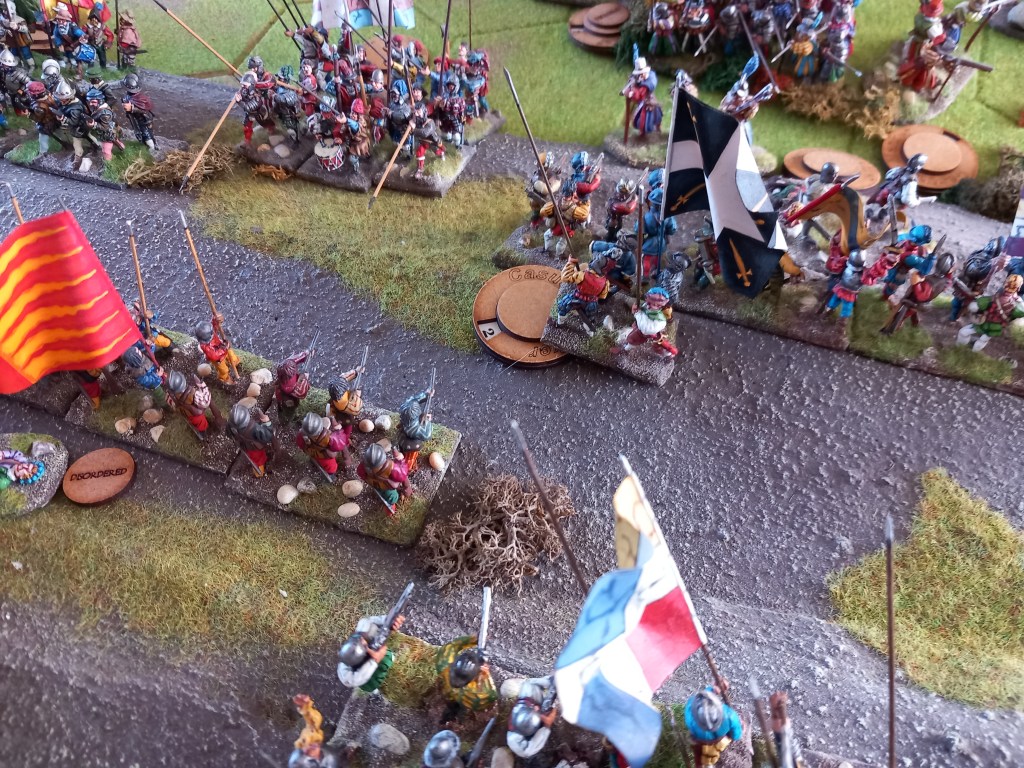
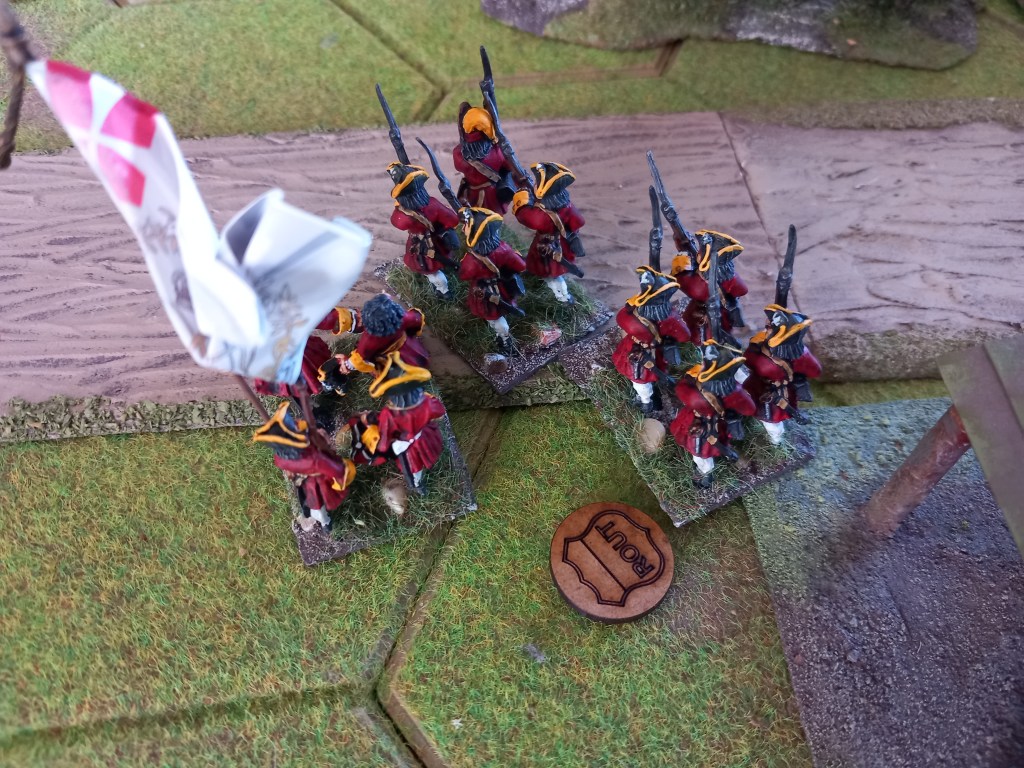
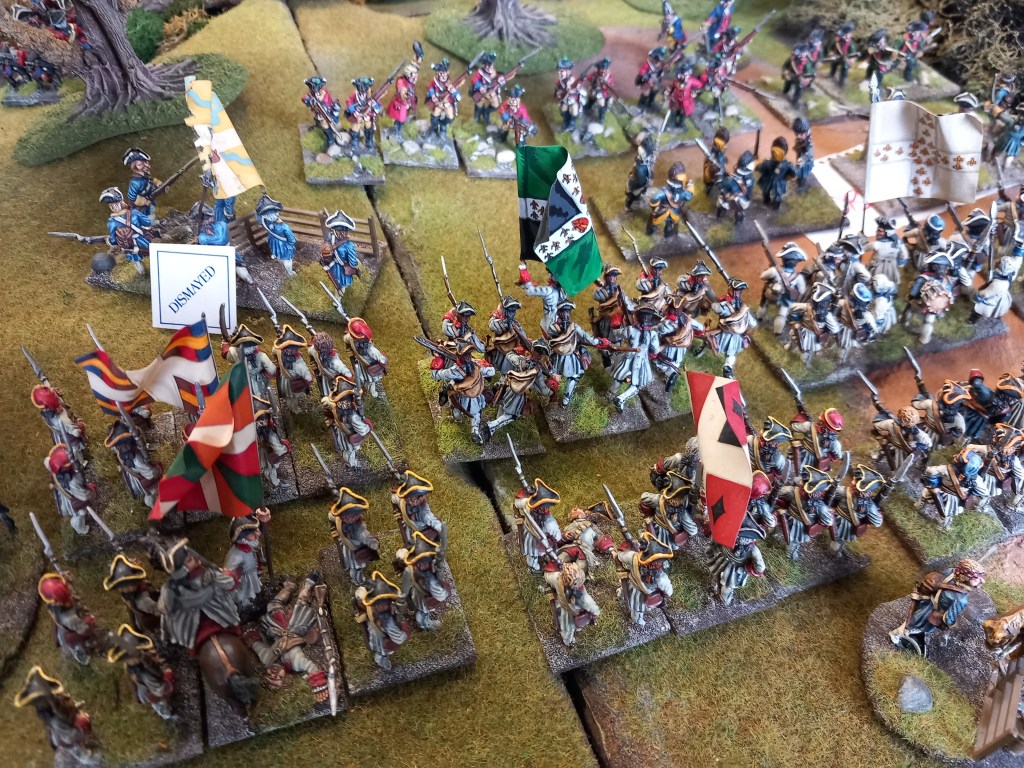
The assault on the town was bloody and only the better morale grade of the Guard kept them in the fight for a significant time.
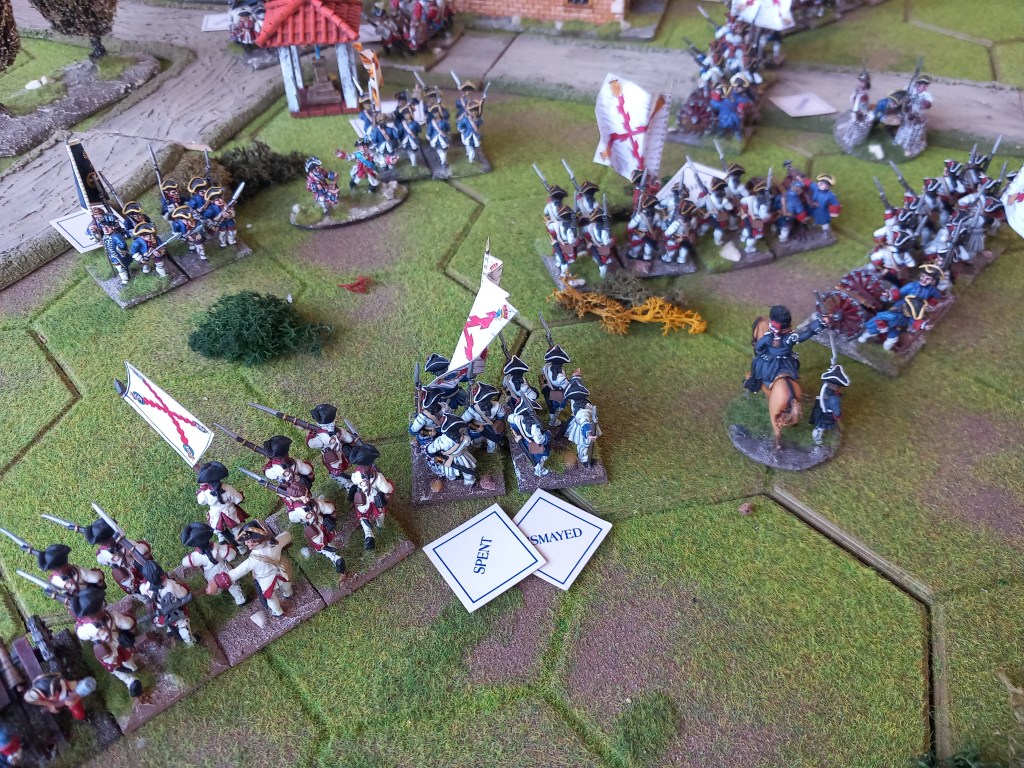
On the Spanish left, fortune favoured the brave, and the opposing Piedmontese retreated.
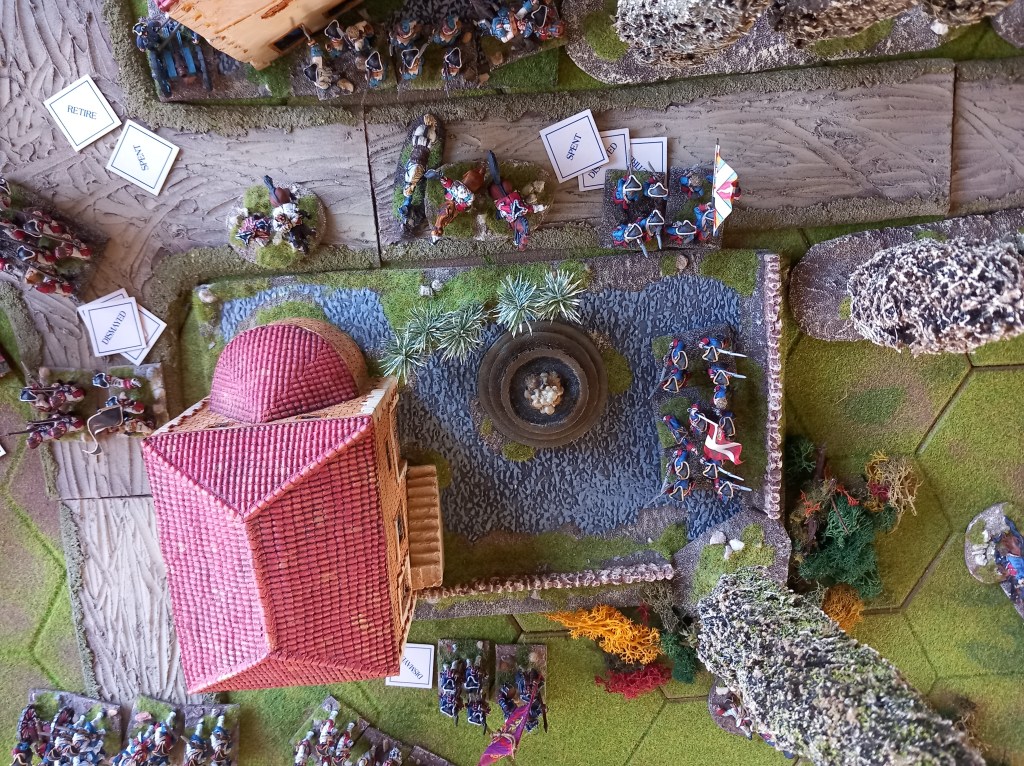
With their brigades spent the Piedmontese ceded the town.
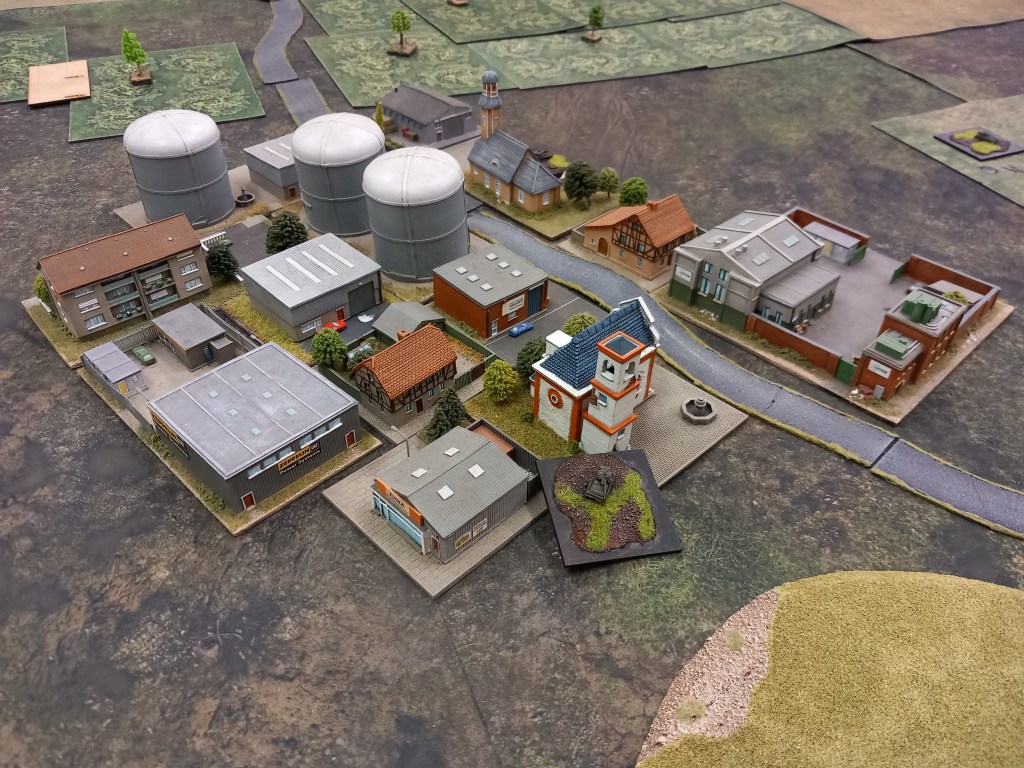
Next up was another away game this time sunny Oxfordshire to repeat the spring outing playing Alasdair Harley’s Corp level Cold War weekend wargame.
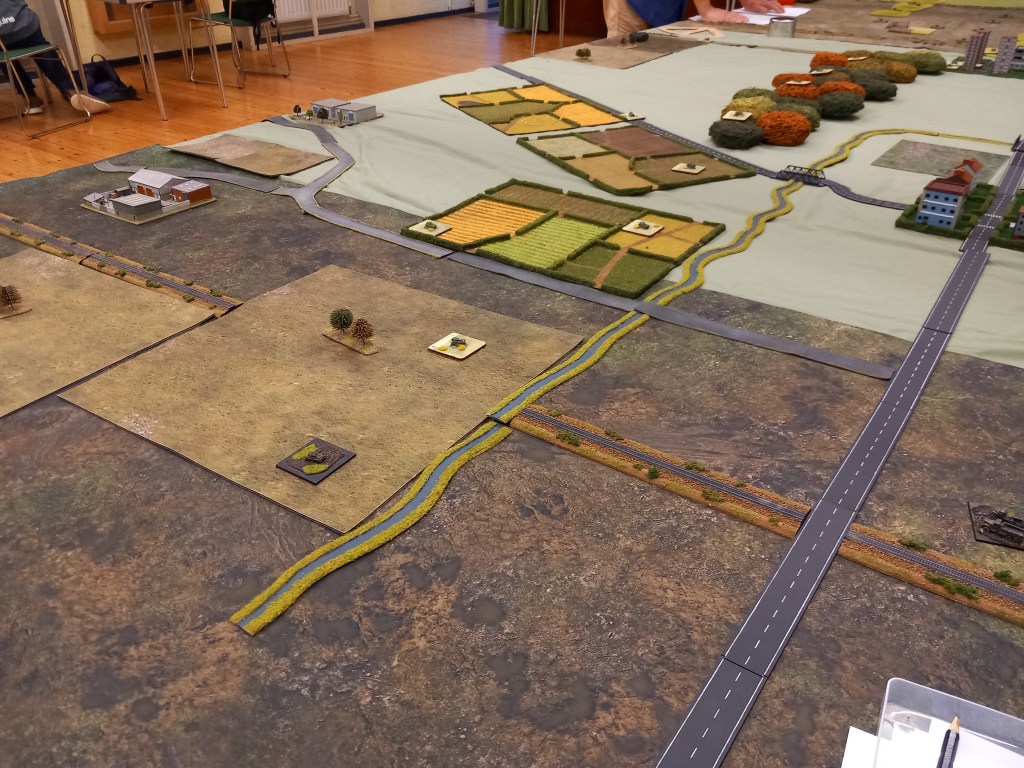
Only recee elements were visible as the game opened.
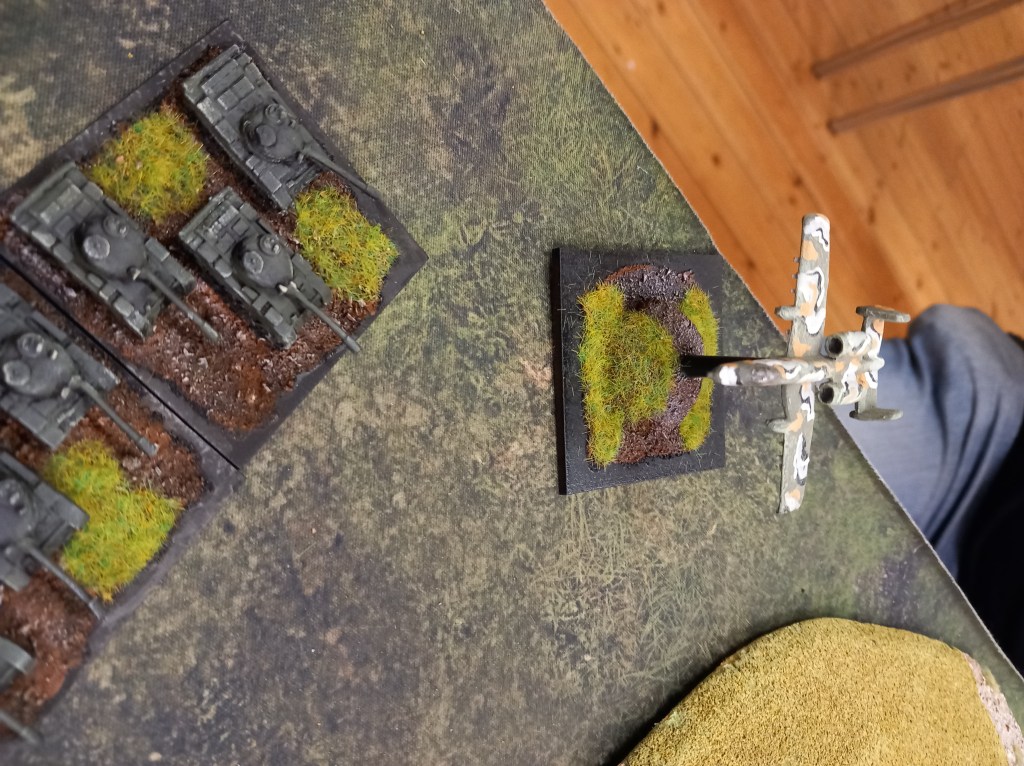
But soon things were heating up 😄😄
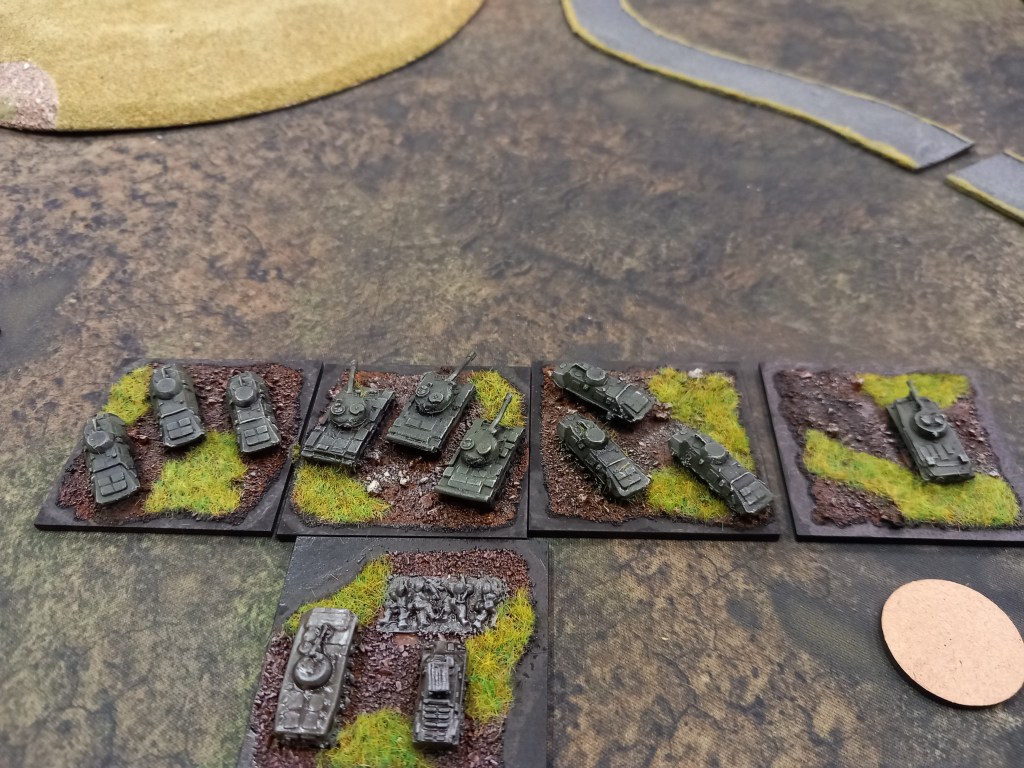
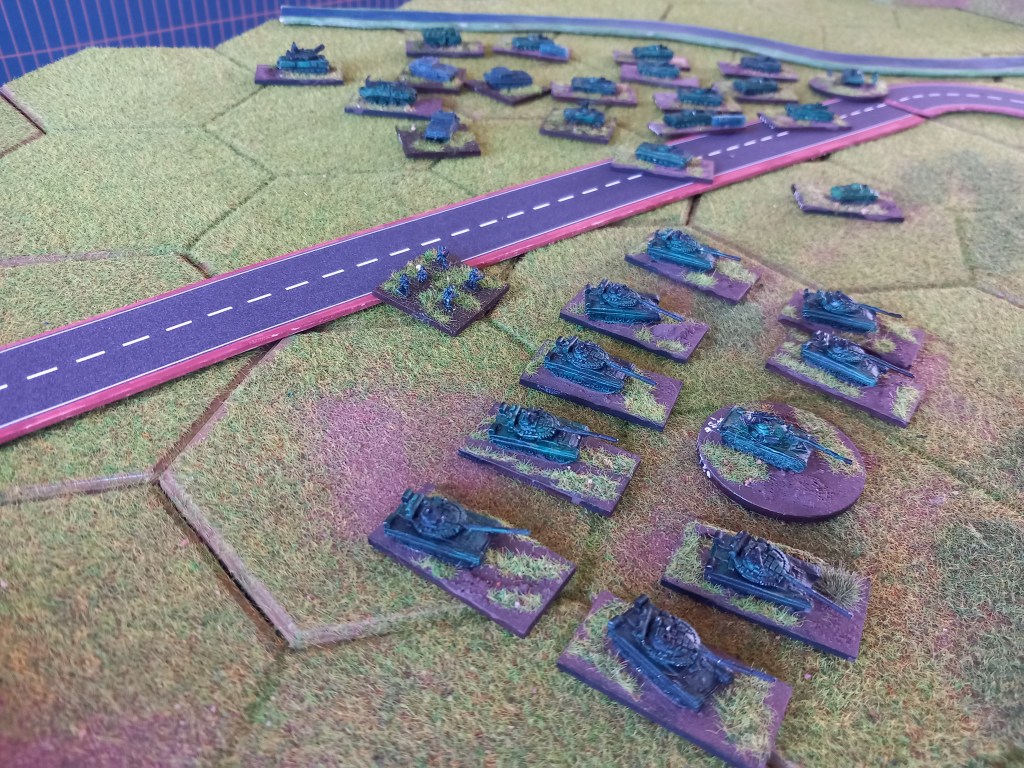
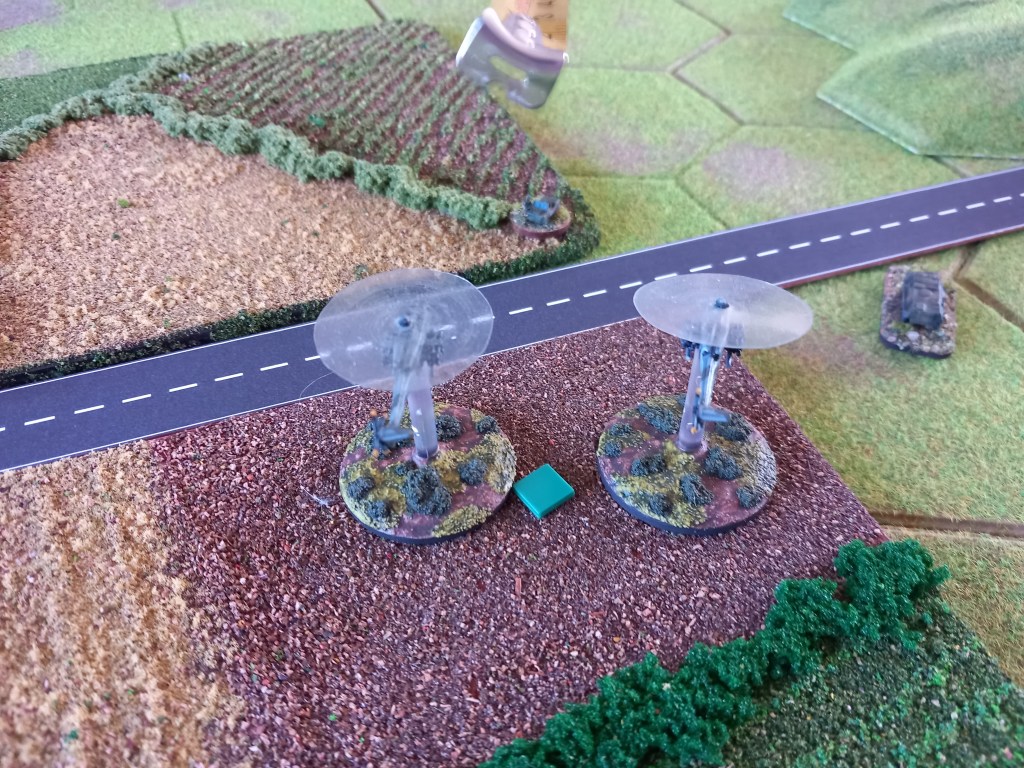
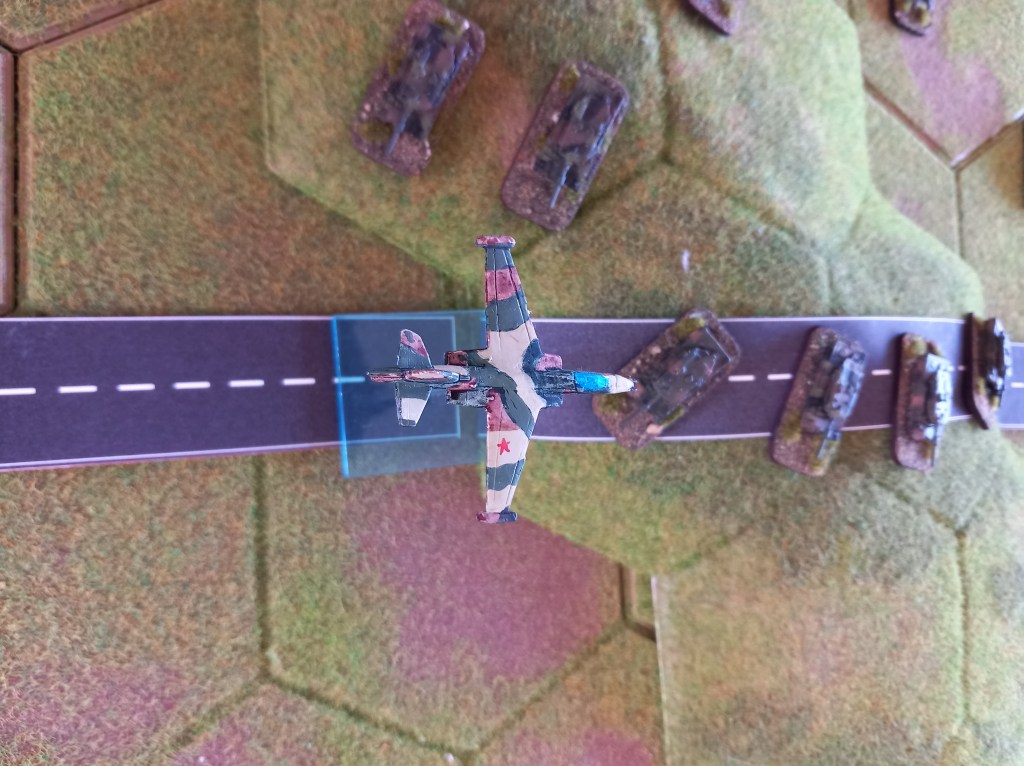
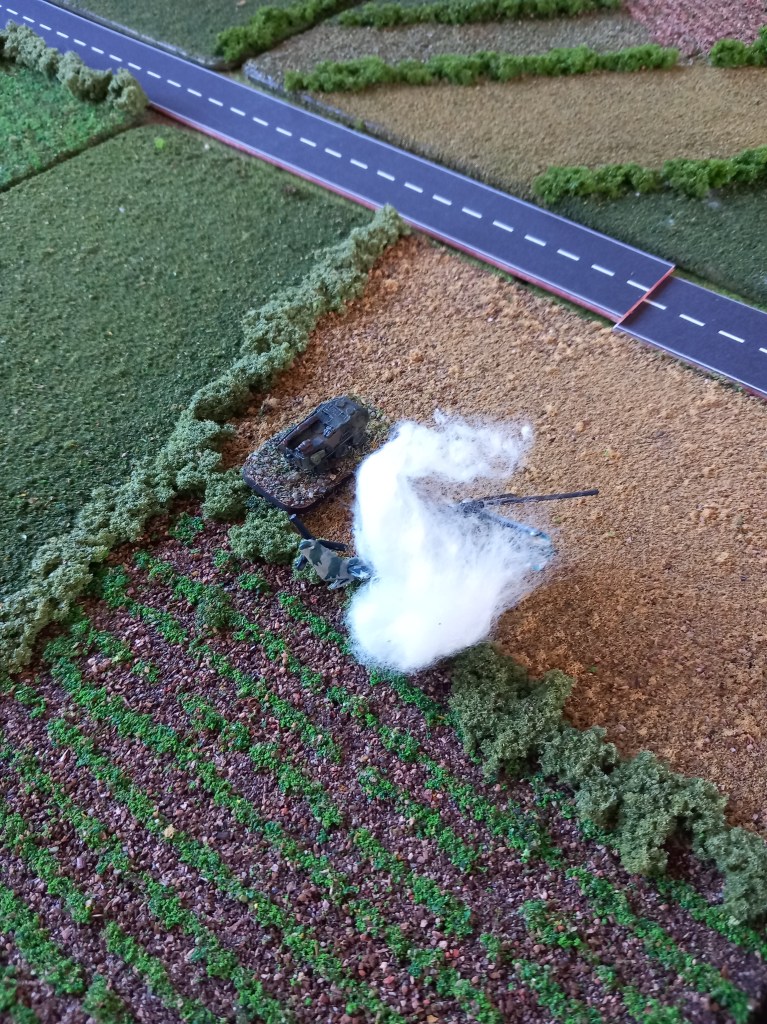
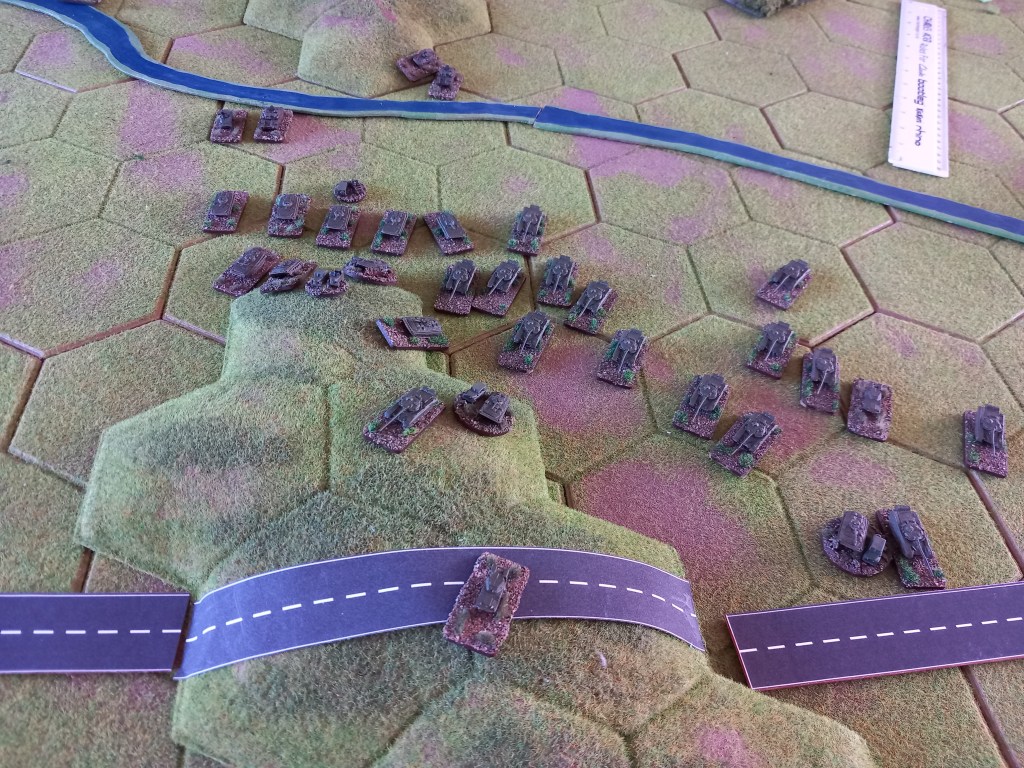
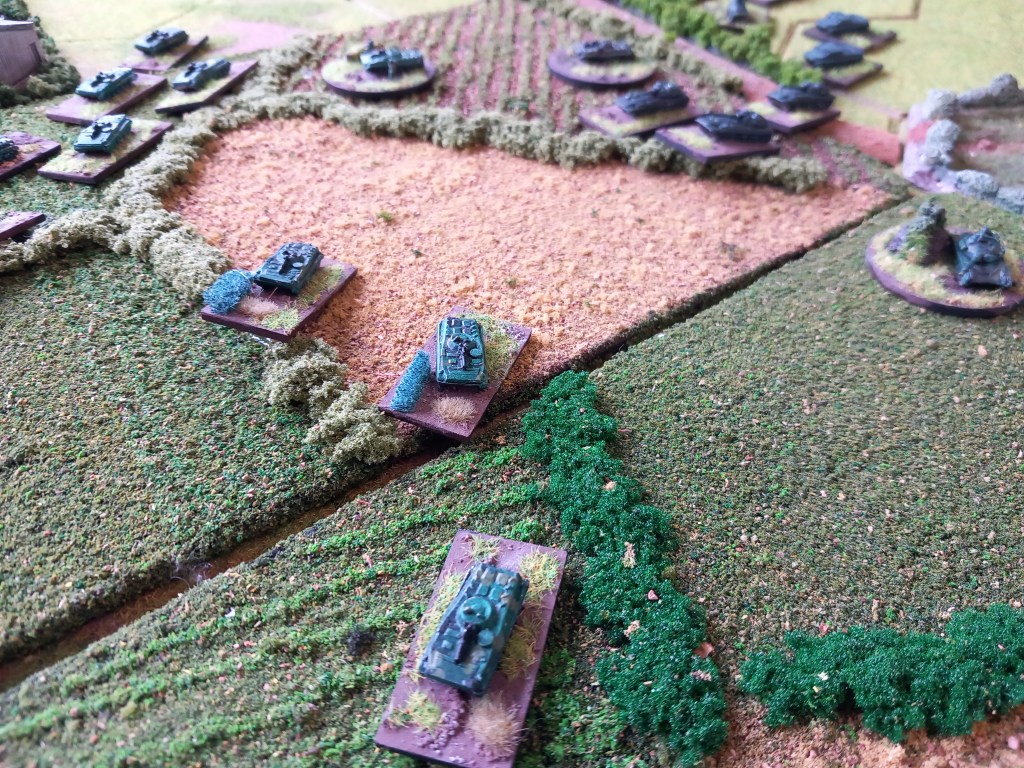
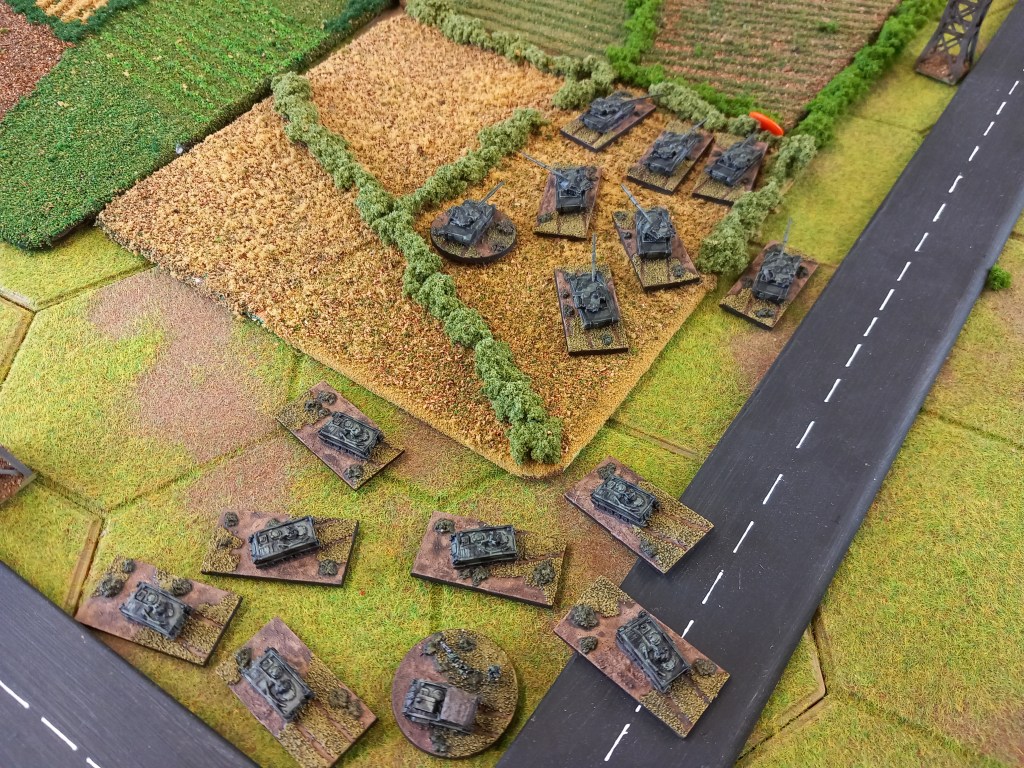
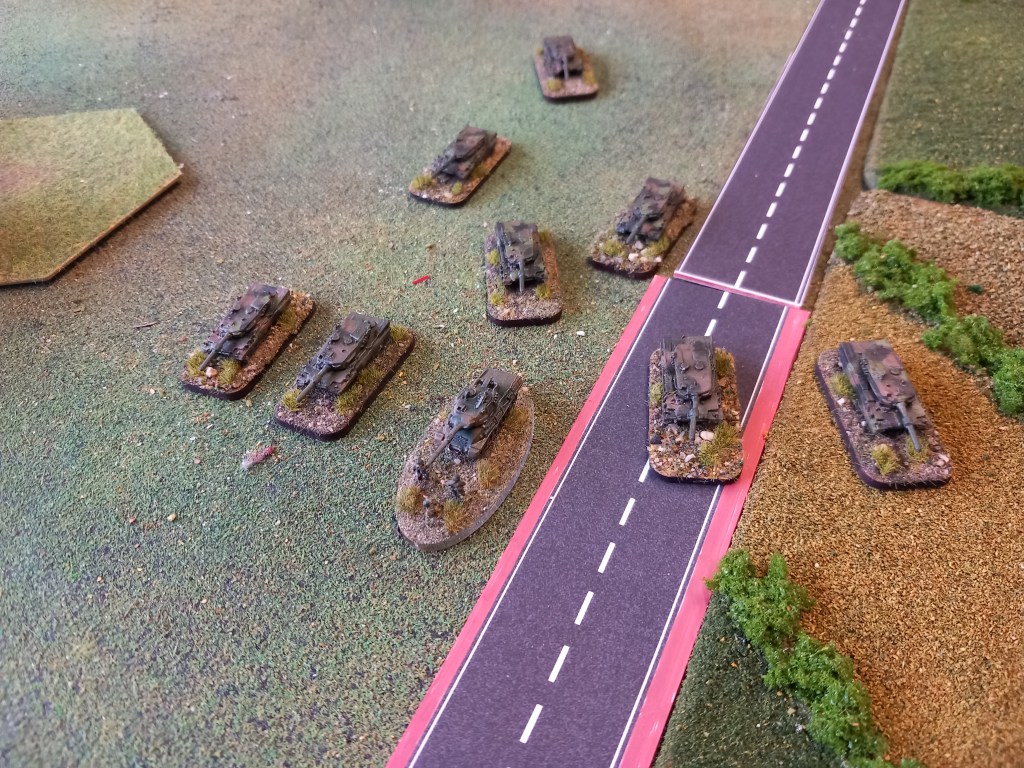
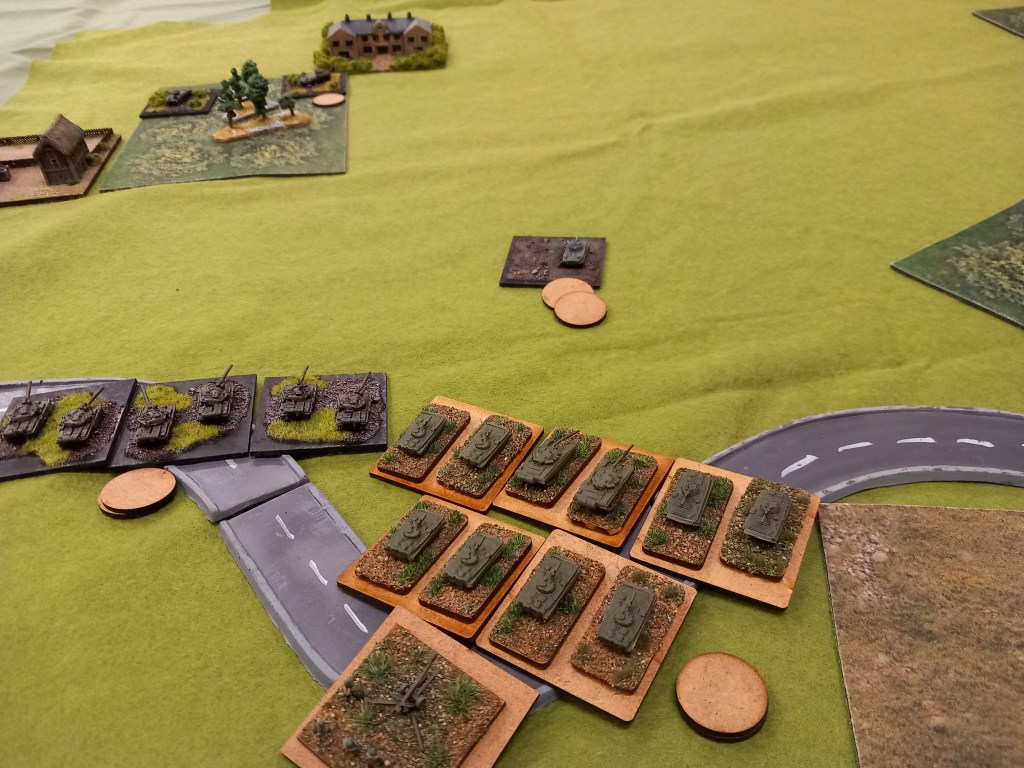
In broad terms we had the Soviet 38th Combined Arms Army and the 8th Tank Army advancing deep into Germany where they encounter a 4 Division strong NATO reinforcement line comprising, British, Belgian & West German elements.
Fighting was in urban areas as well as on the open countryside.
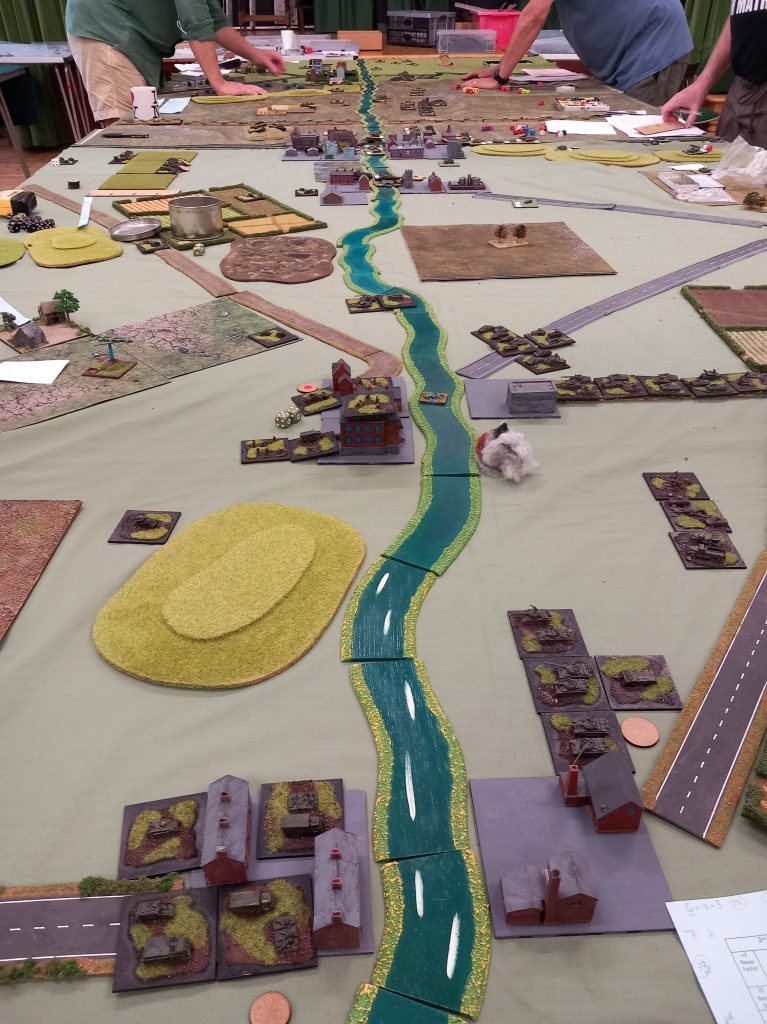
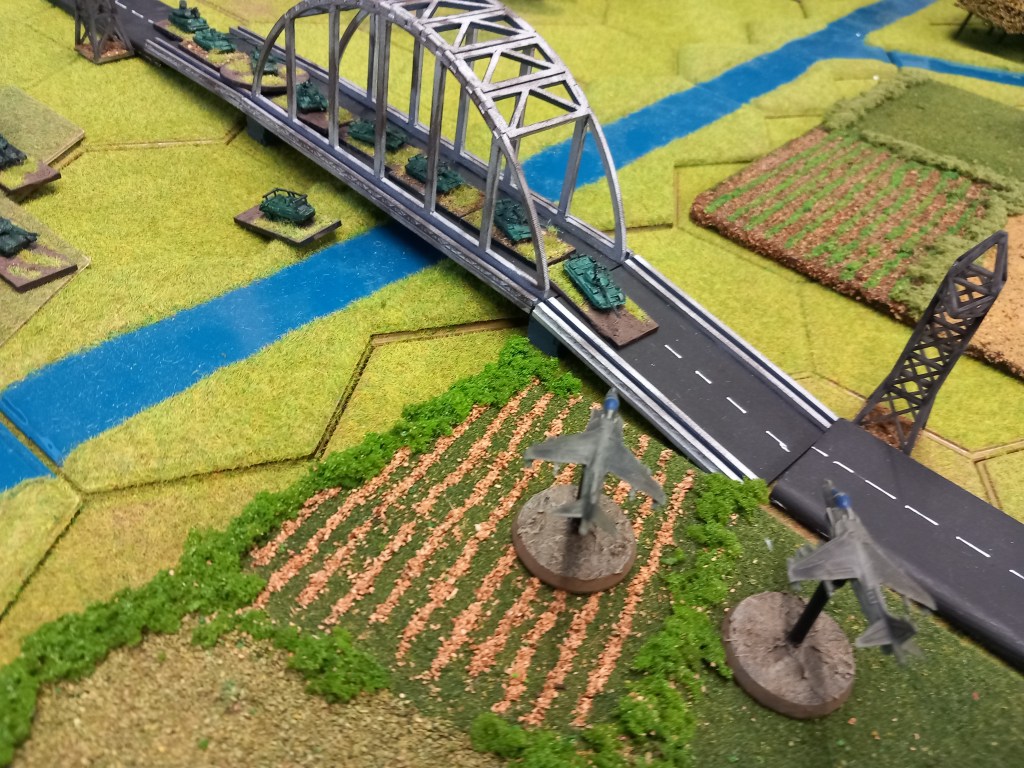
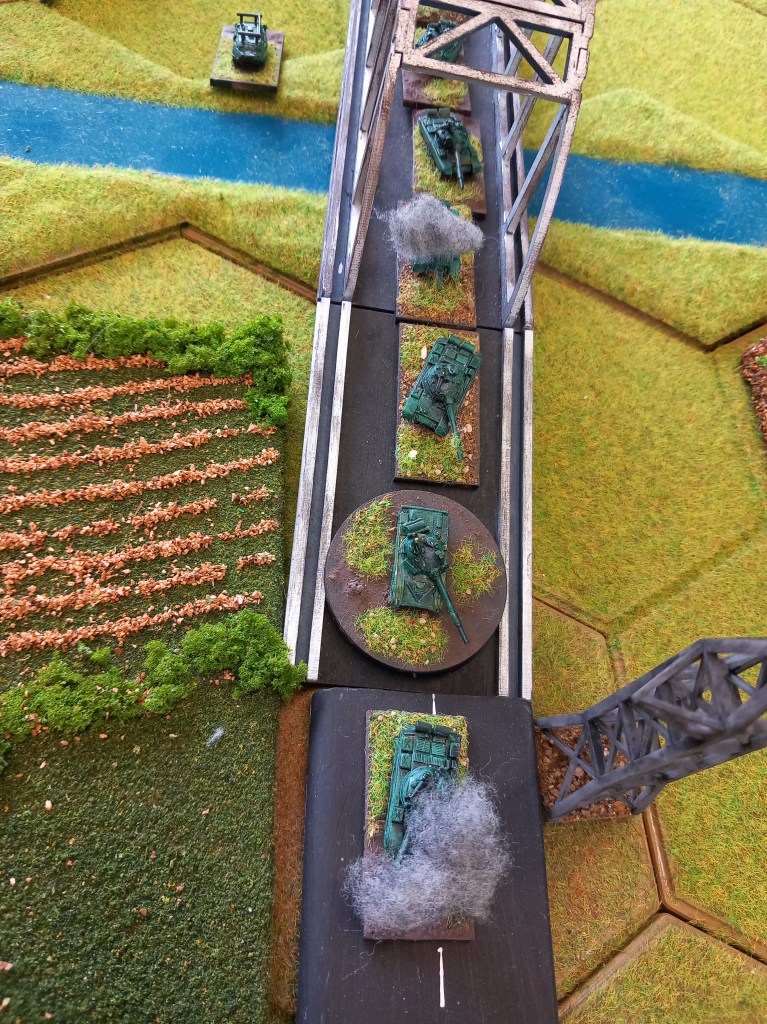
The second day was a major river crossing assault by the Soviets which despite local successes was ultimately held.
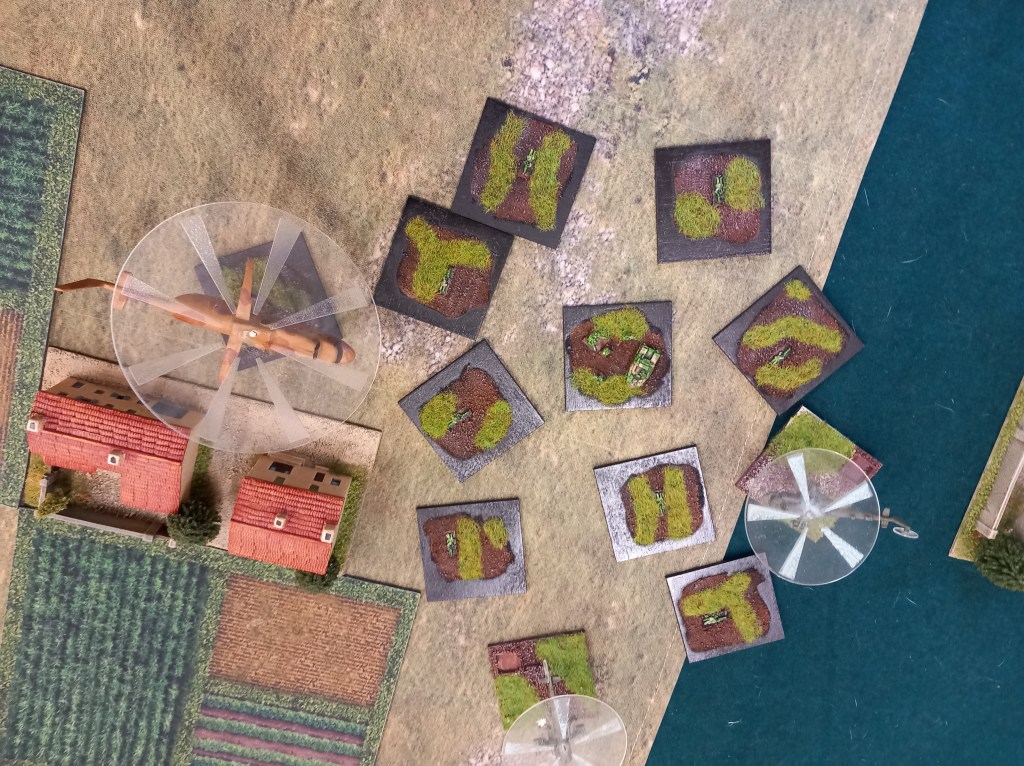
I’m not going to switch to these rules for our Cold War games but it is certainly a different experience and when the group reconvenes in January I intend to be there.
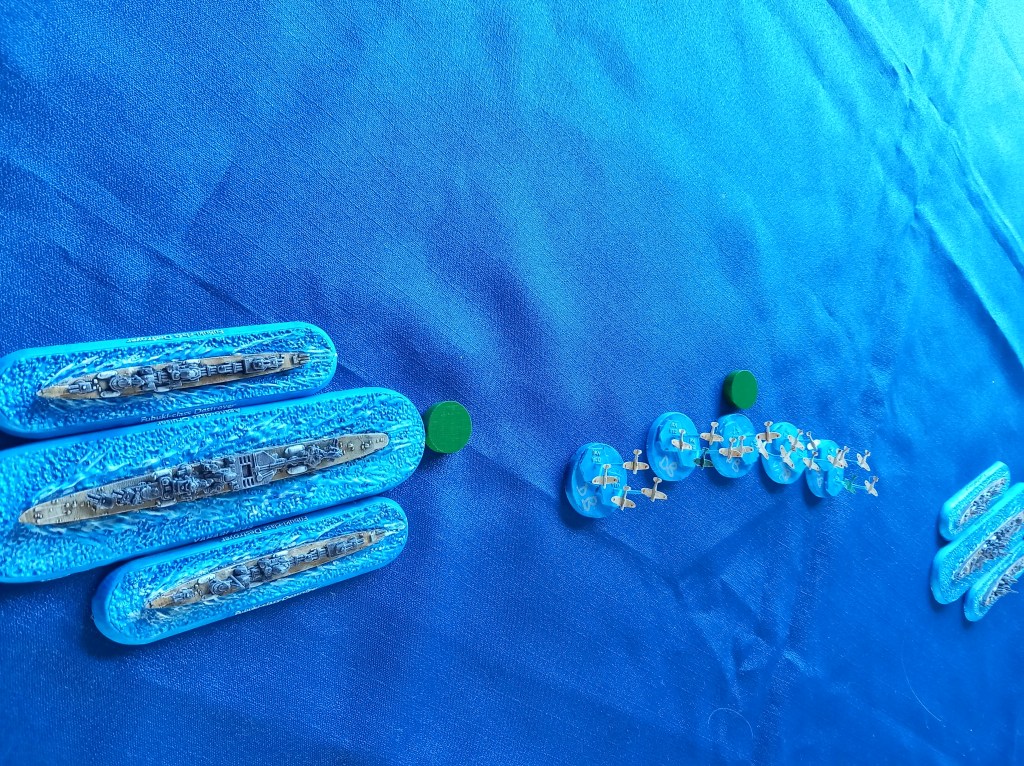
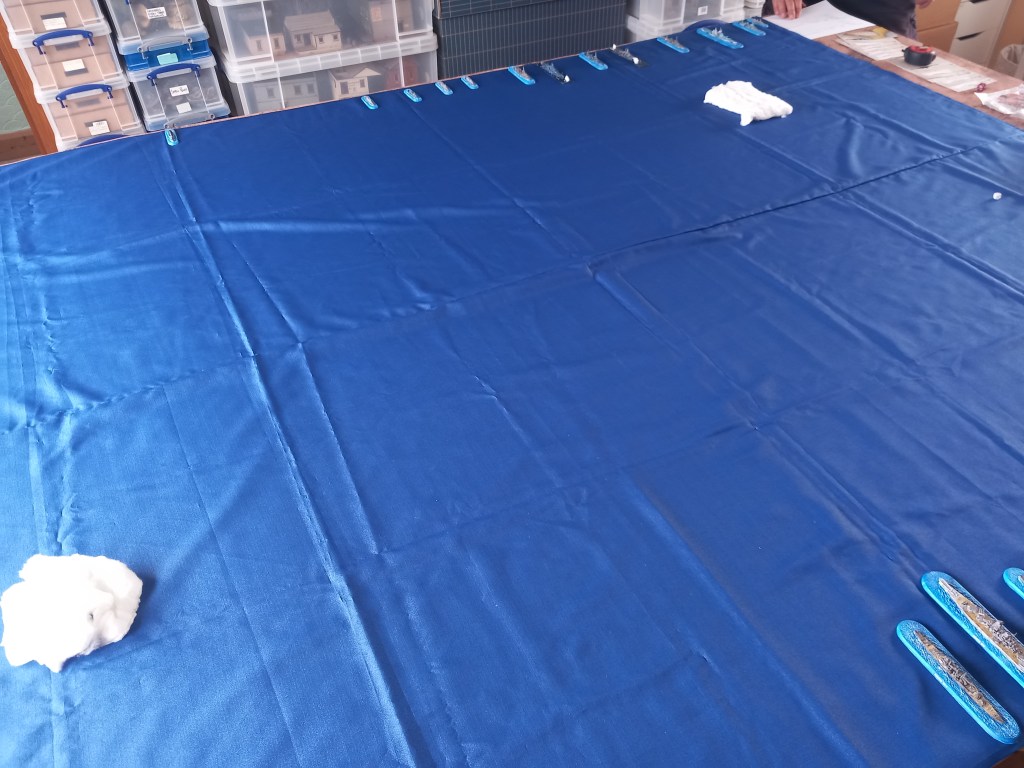
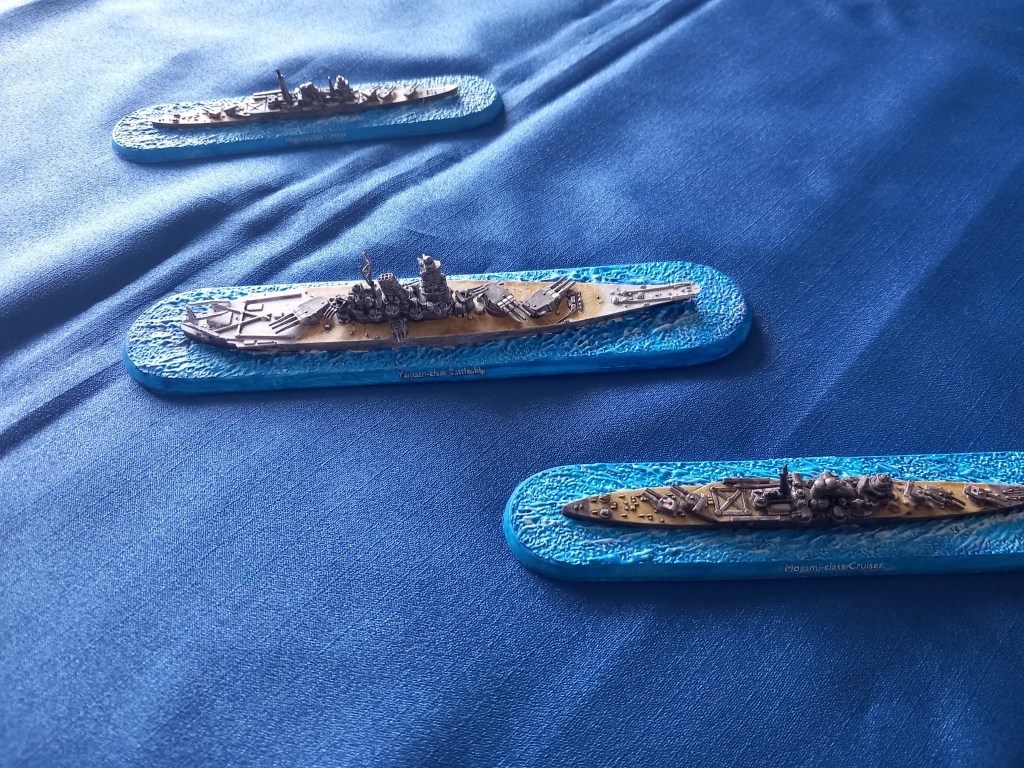
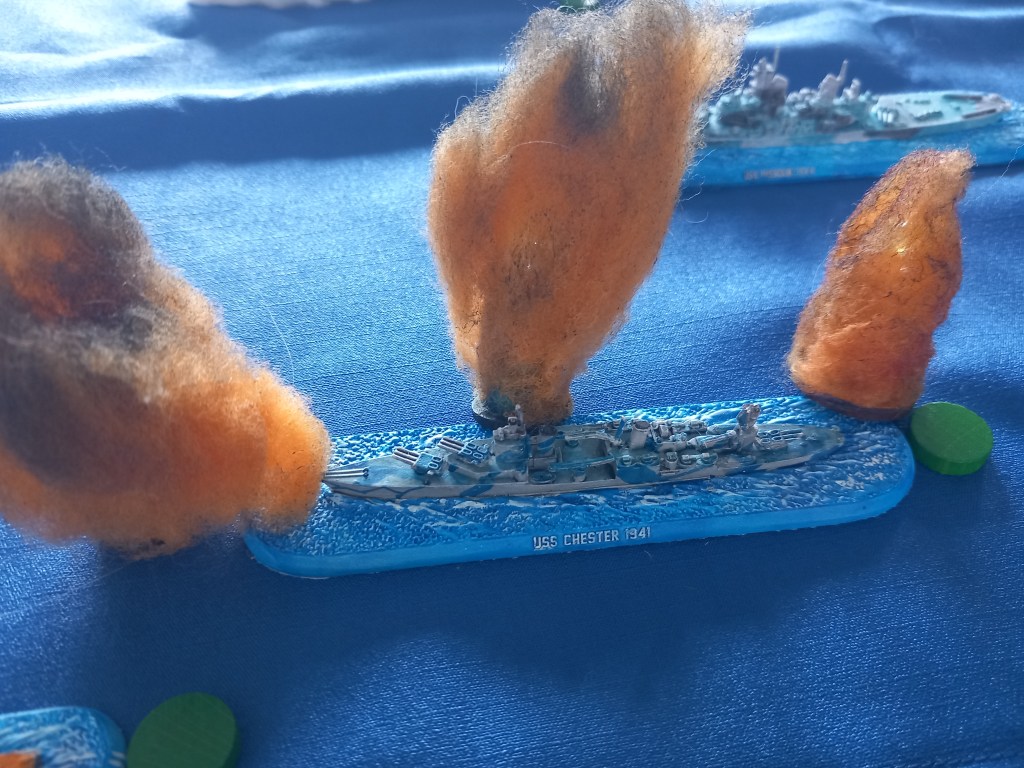
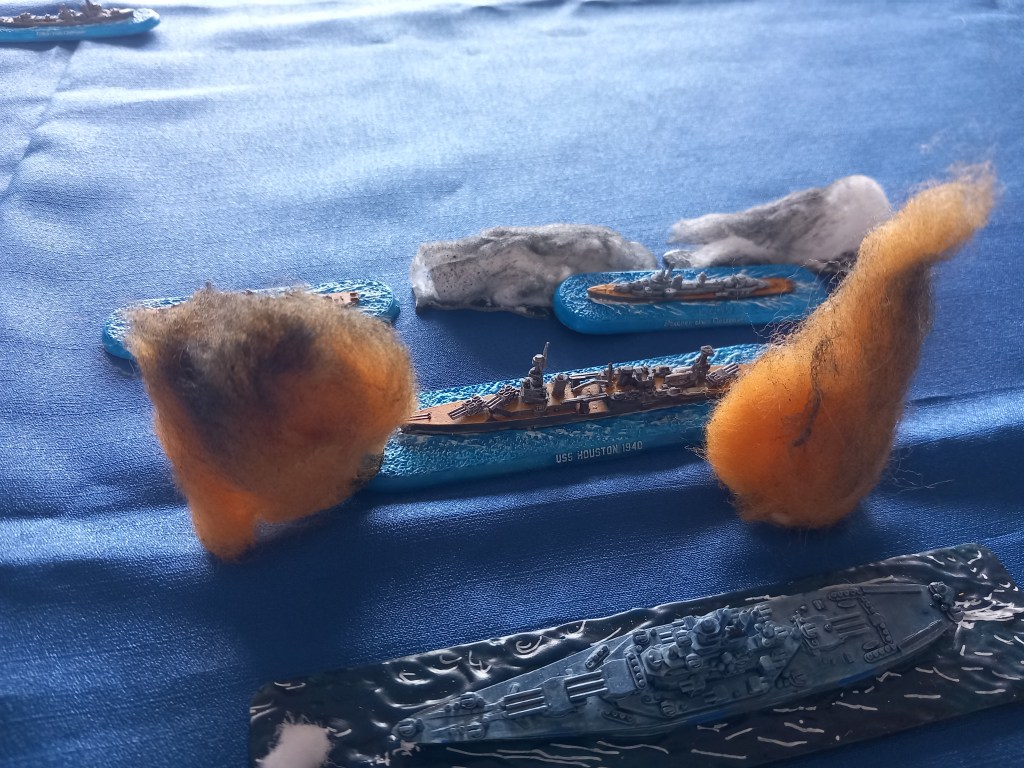
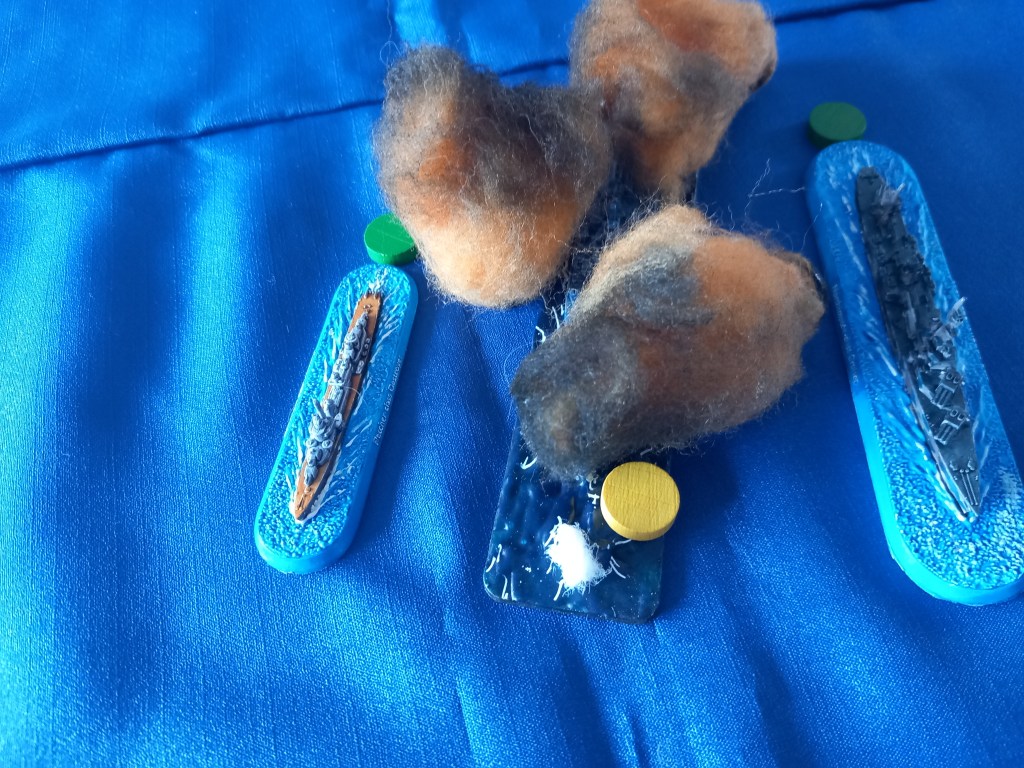
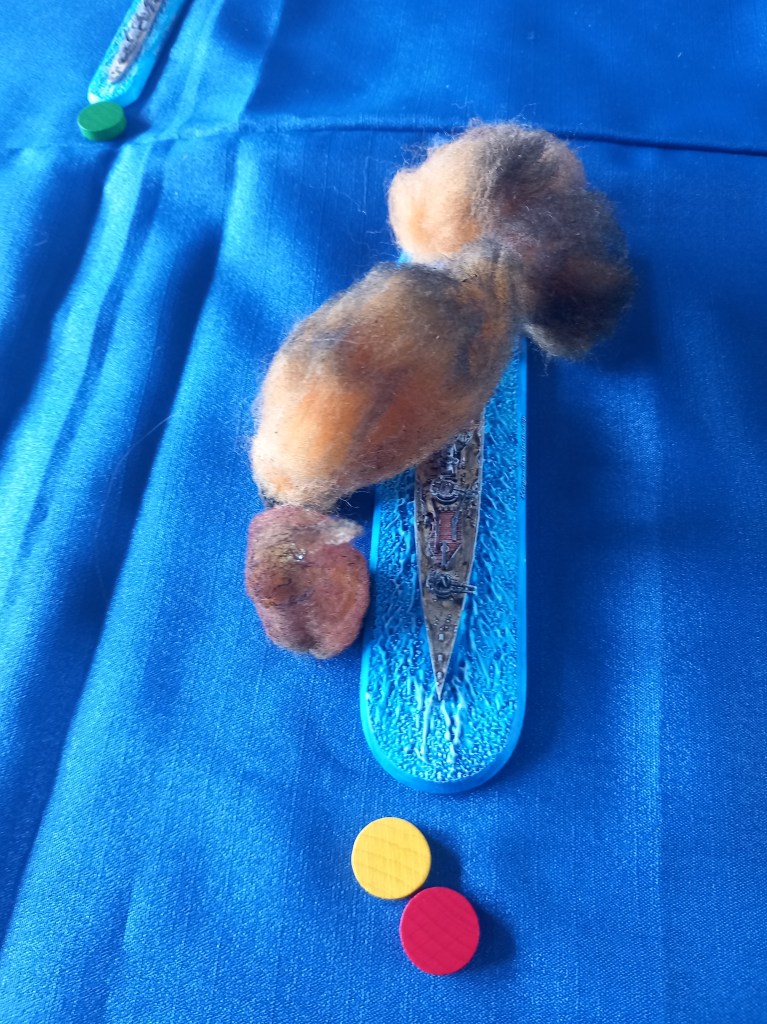
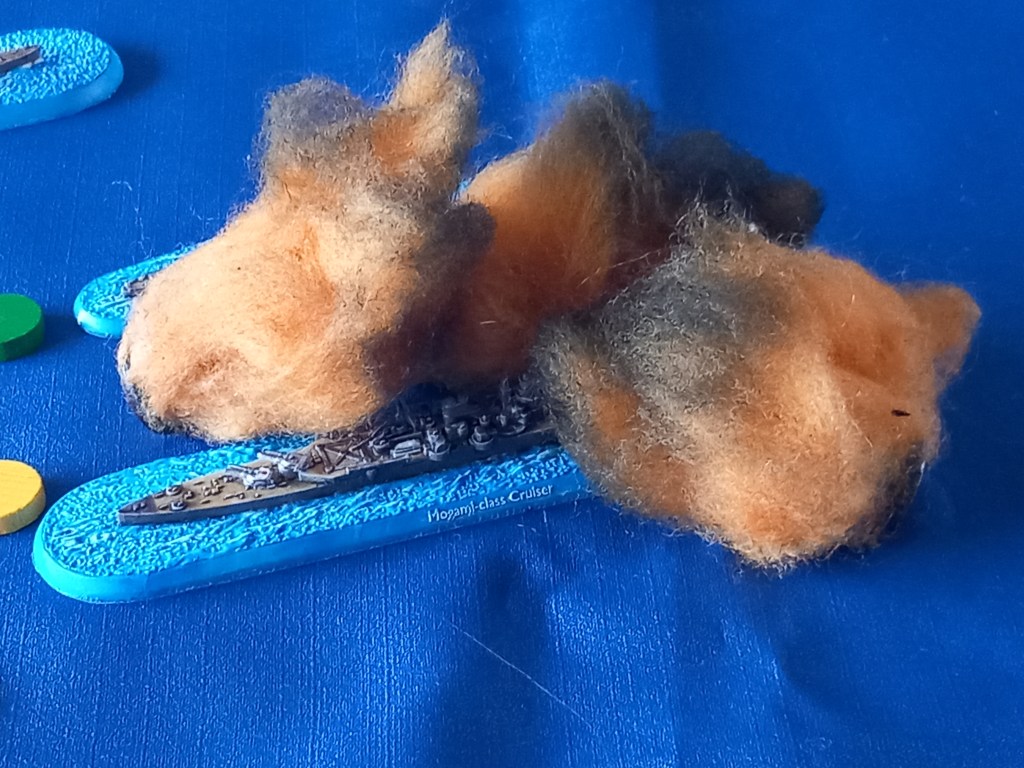
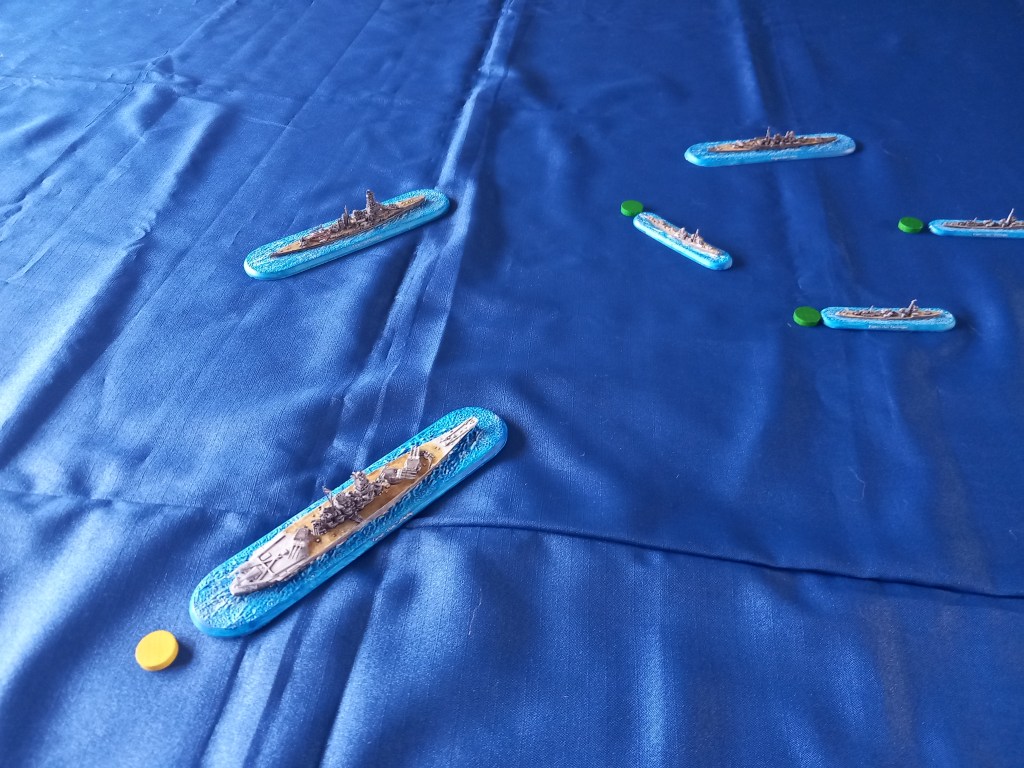
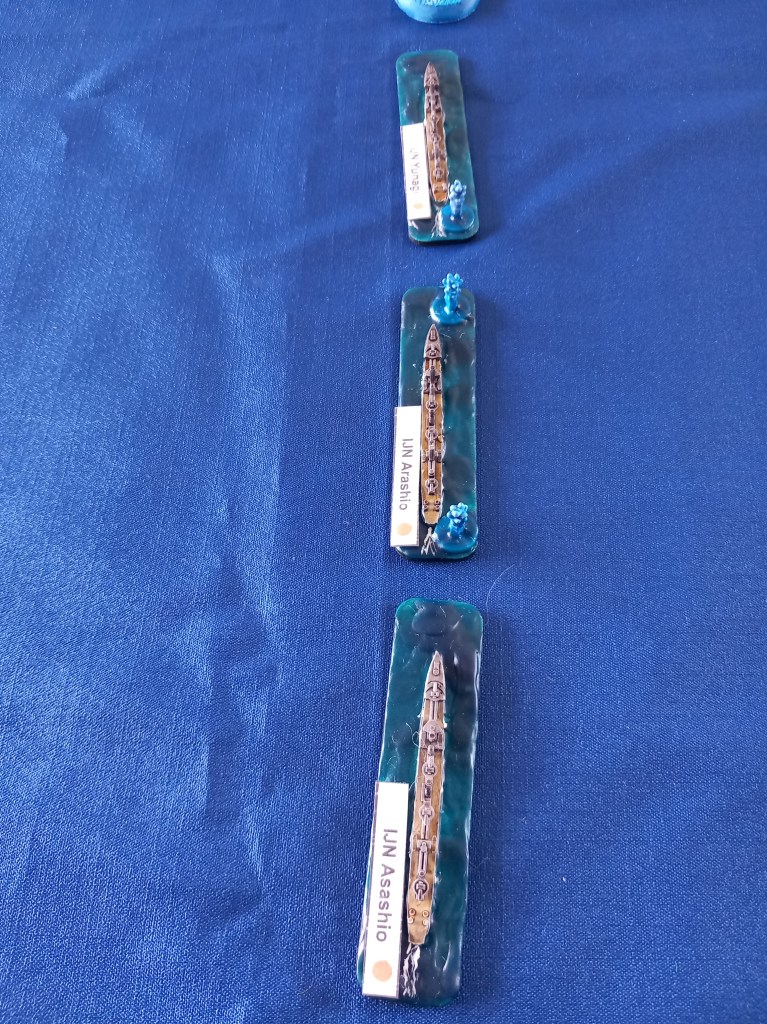
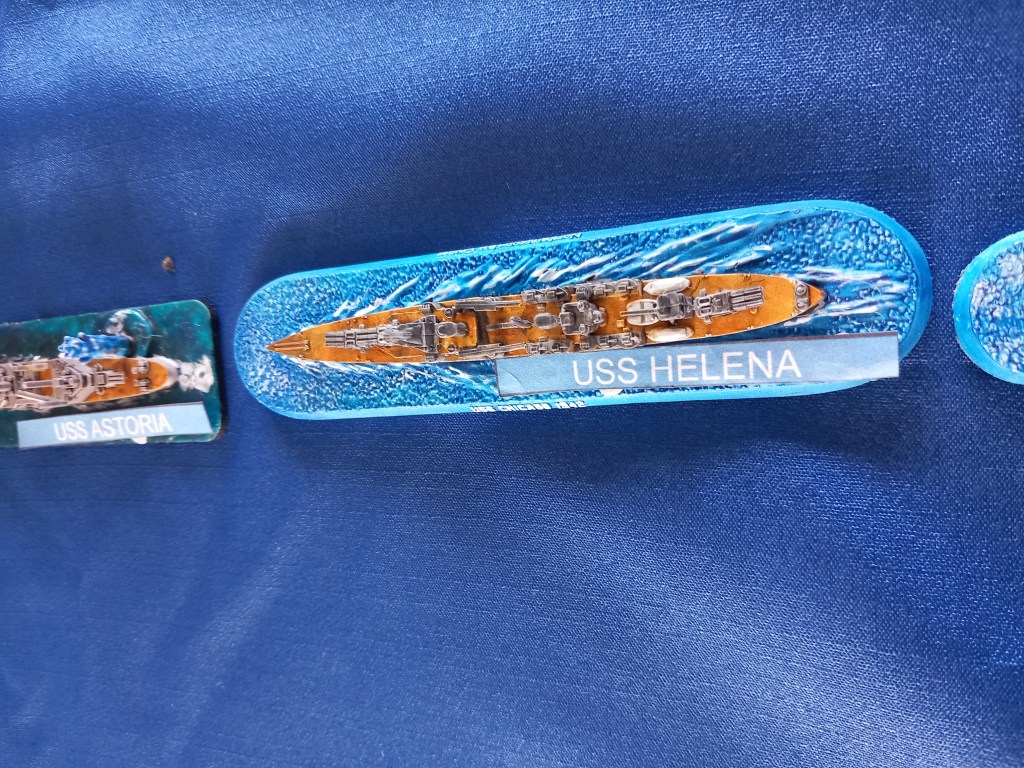
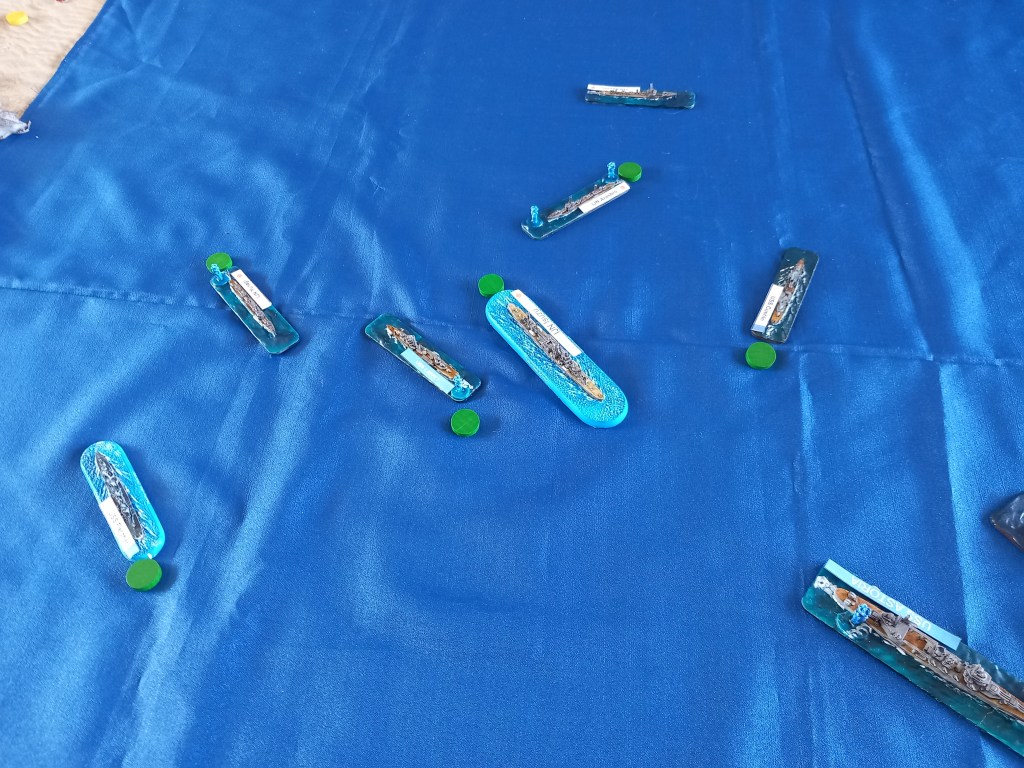
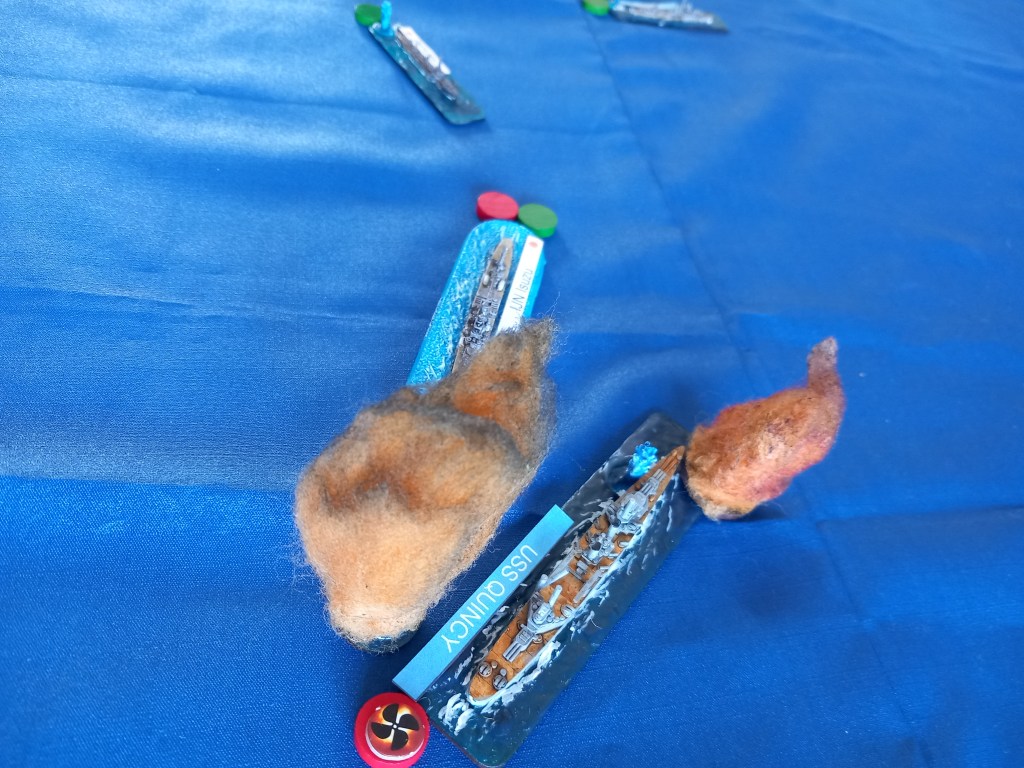
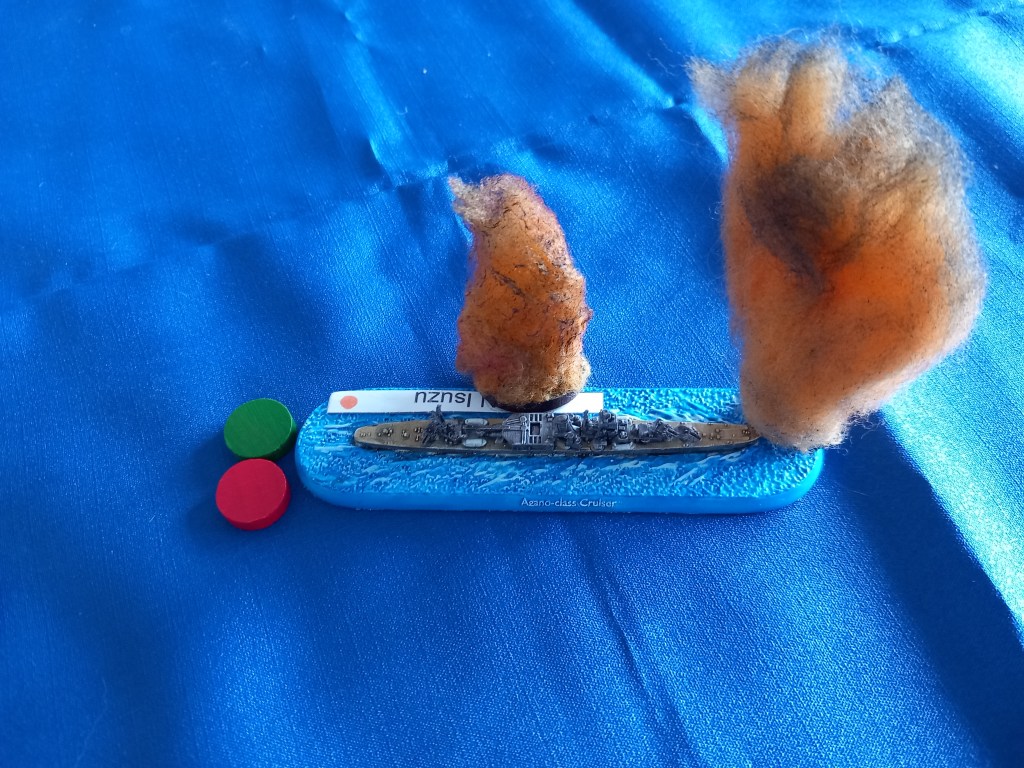
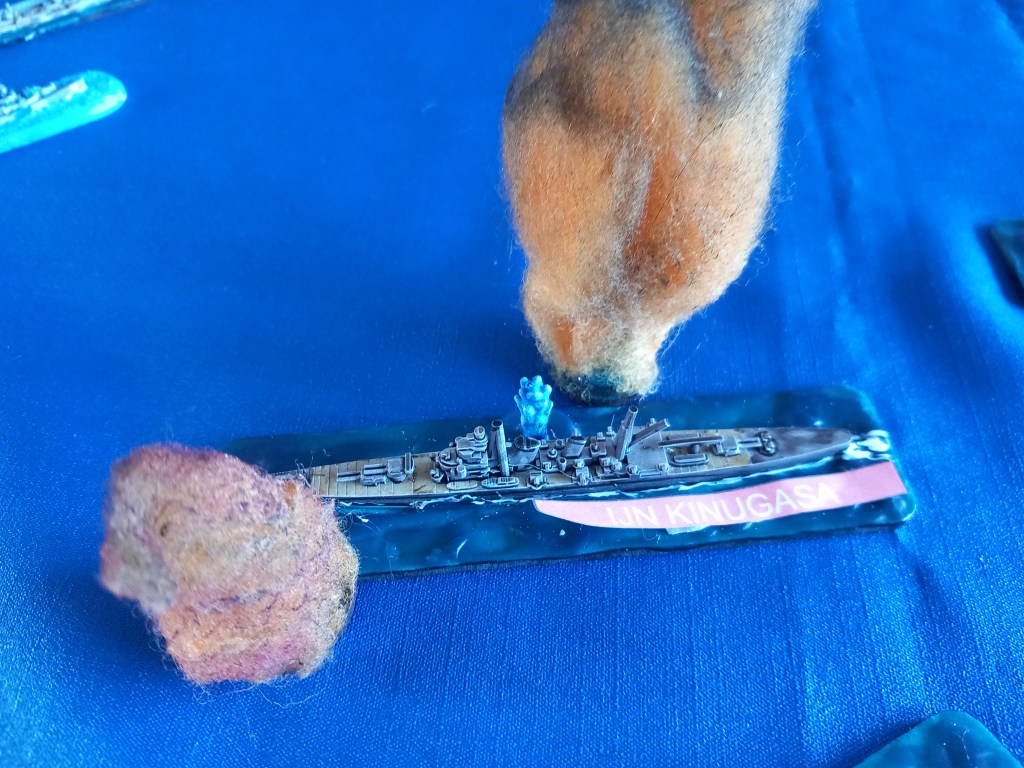
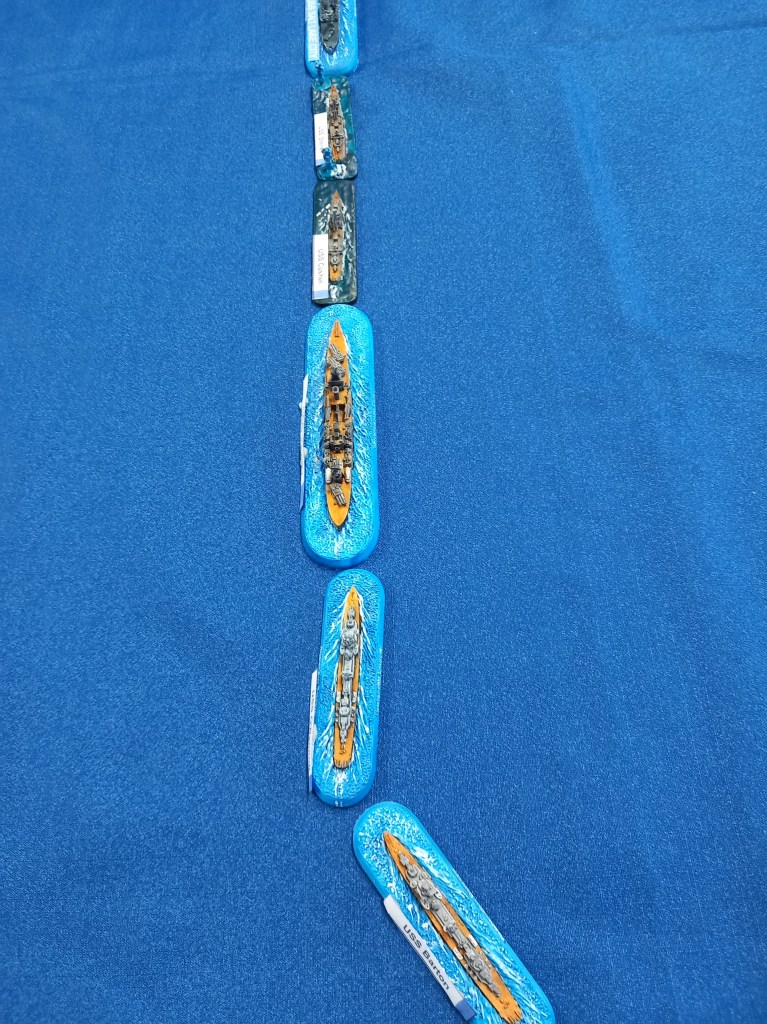
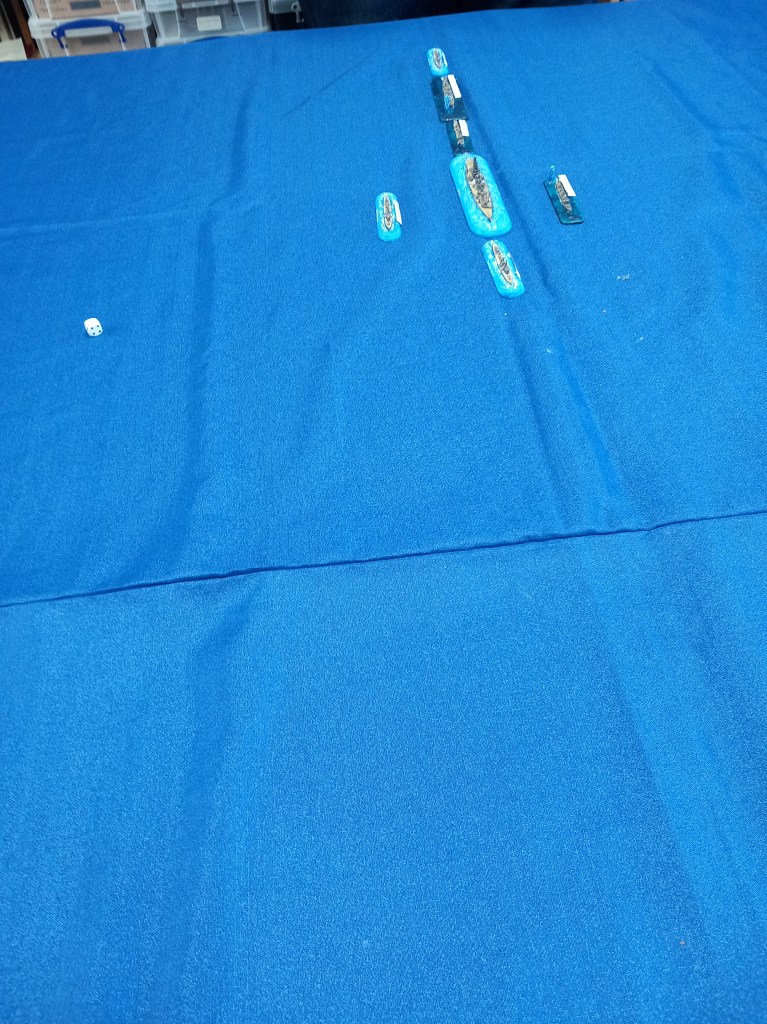
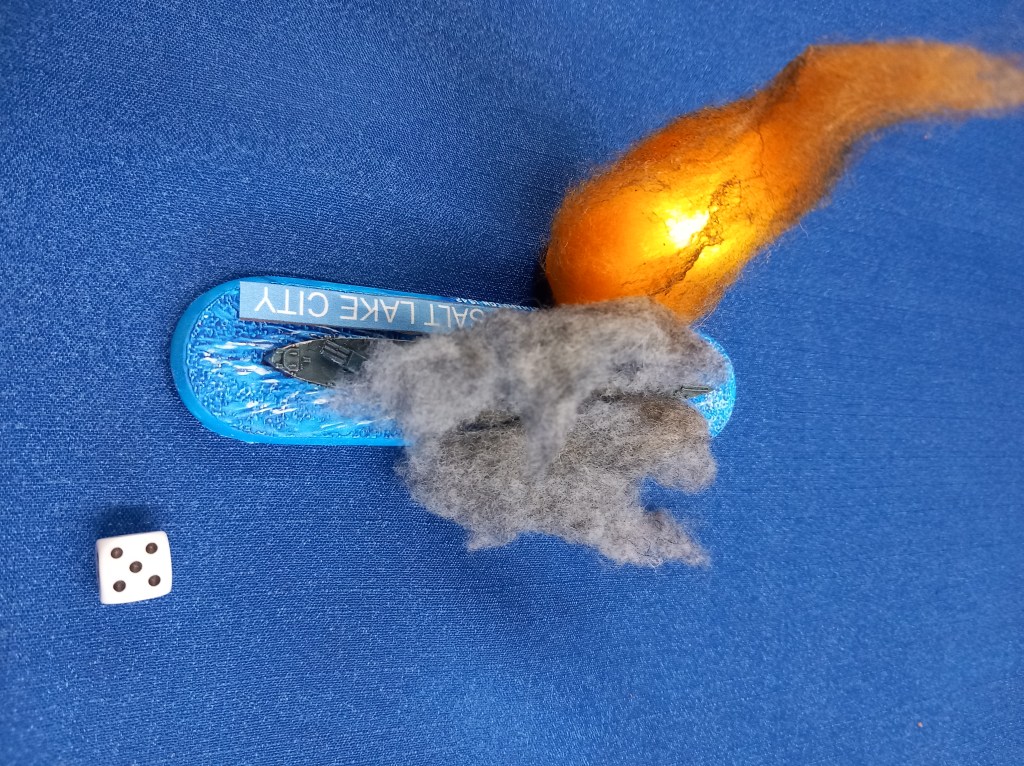
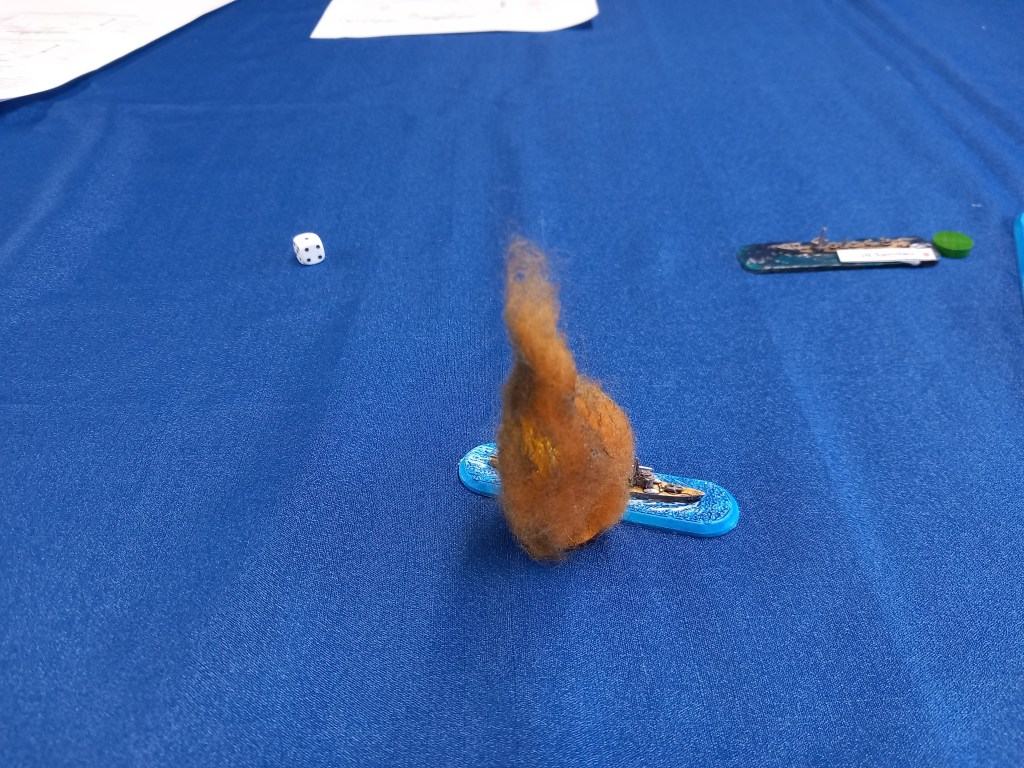
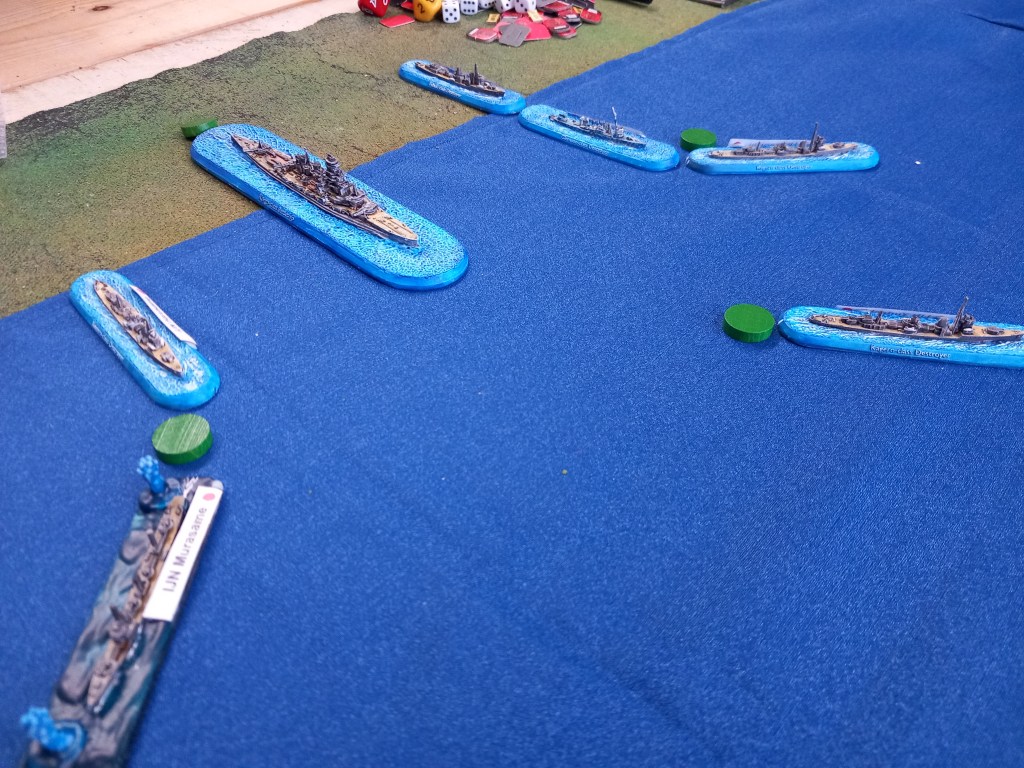
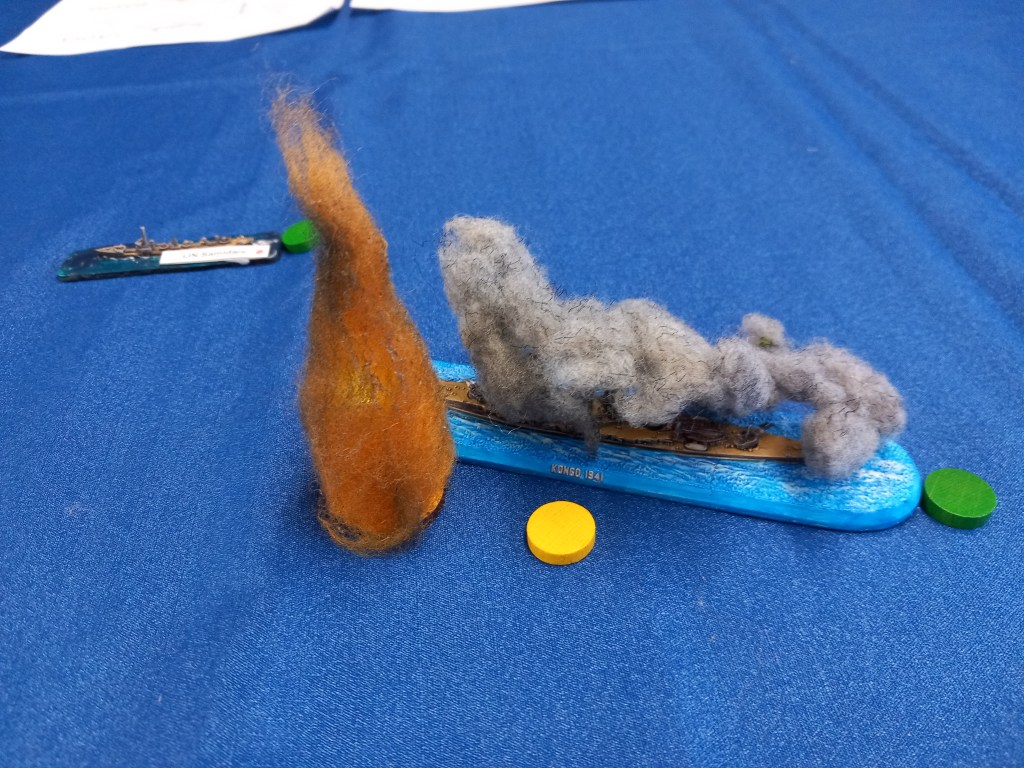
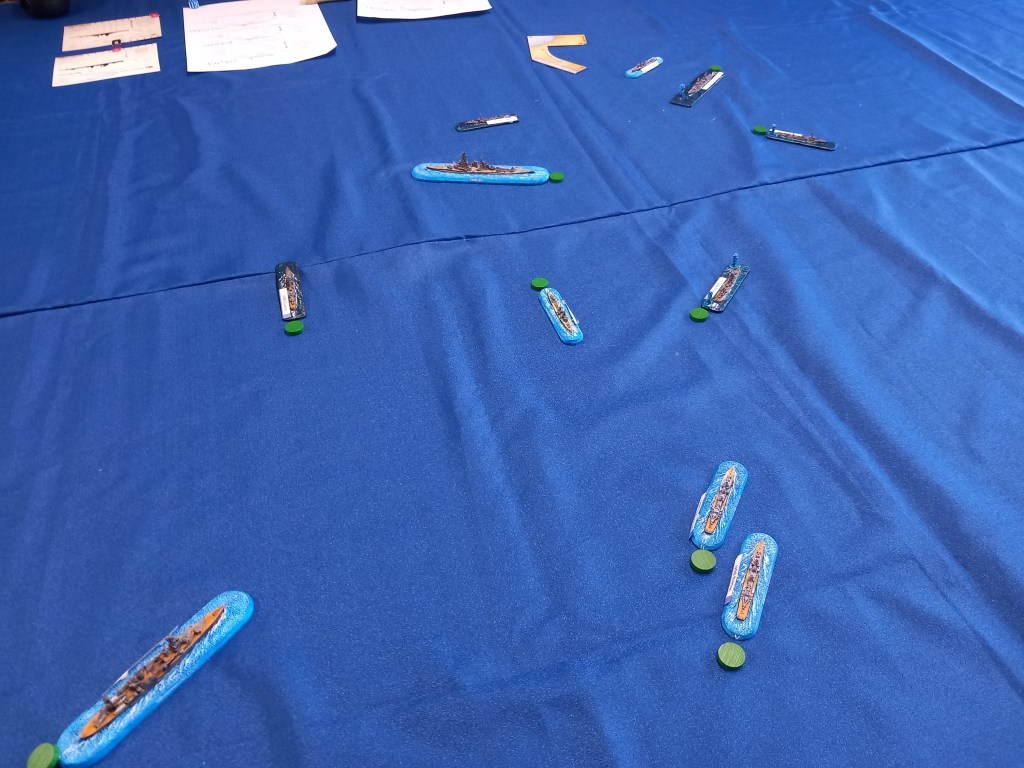
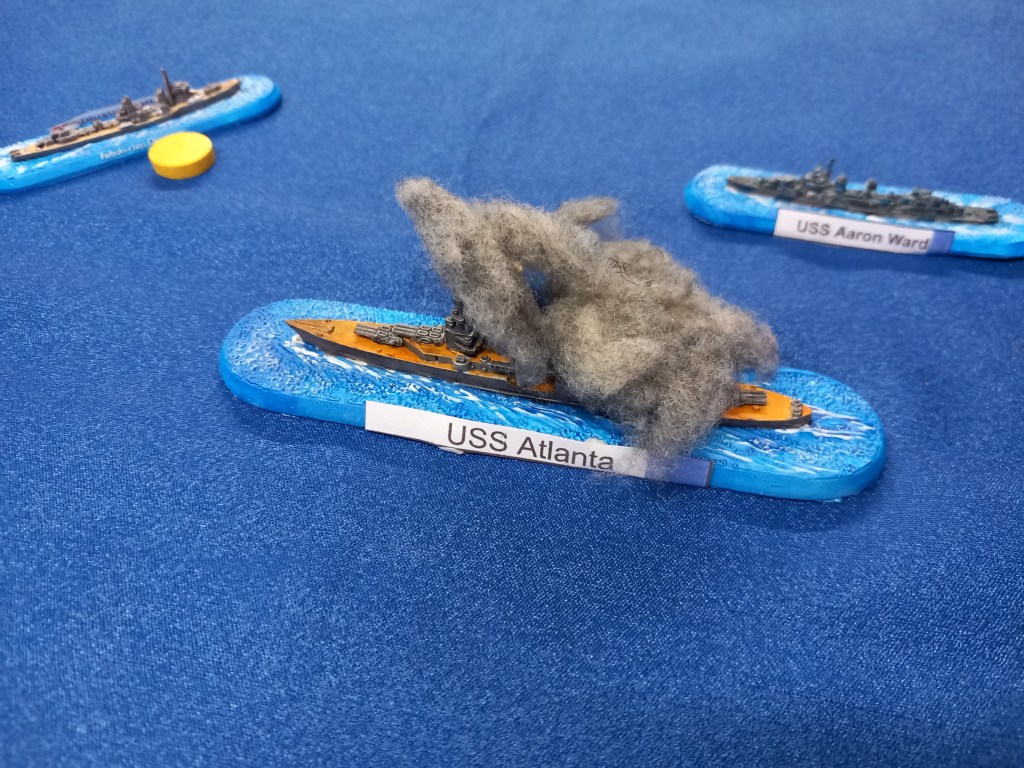
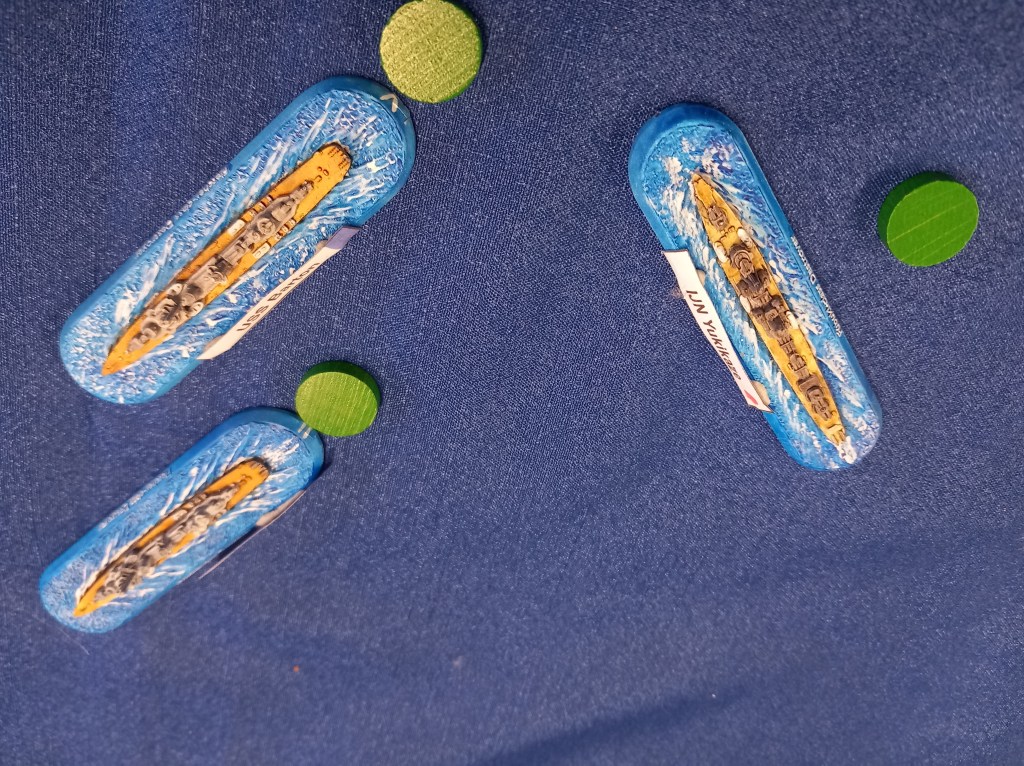
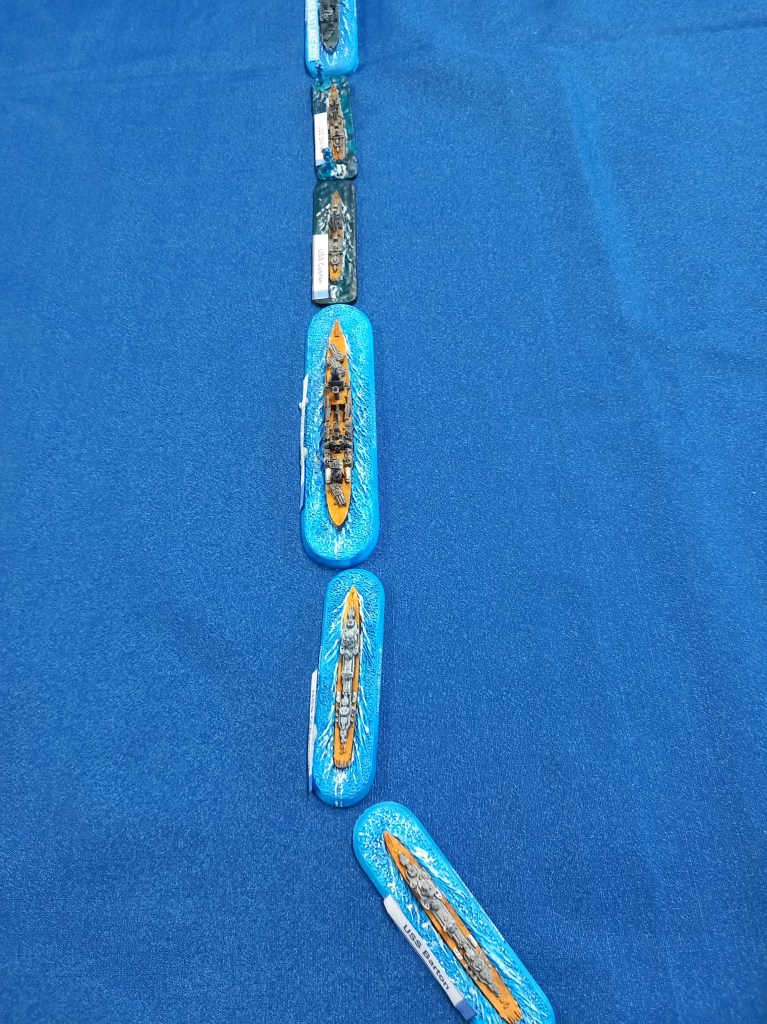
Next up was a return to the Pacific and two roughly equal forces pitching their wits against each other. For this one each side had a carrier off table from which air sorties could be flown and which needed to be protected. The challenge for both sides was how much air power to deploy as CAP and how much to send out on the hunt, similarly how many ships to deploy off table in a protection role and how many to set to sail the seas.
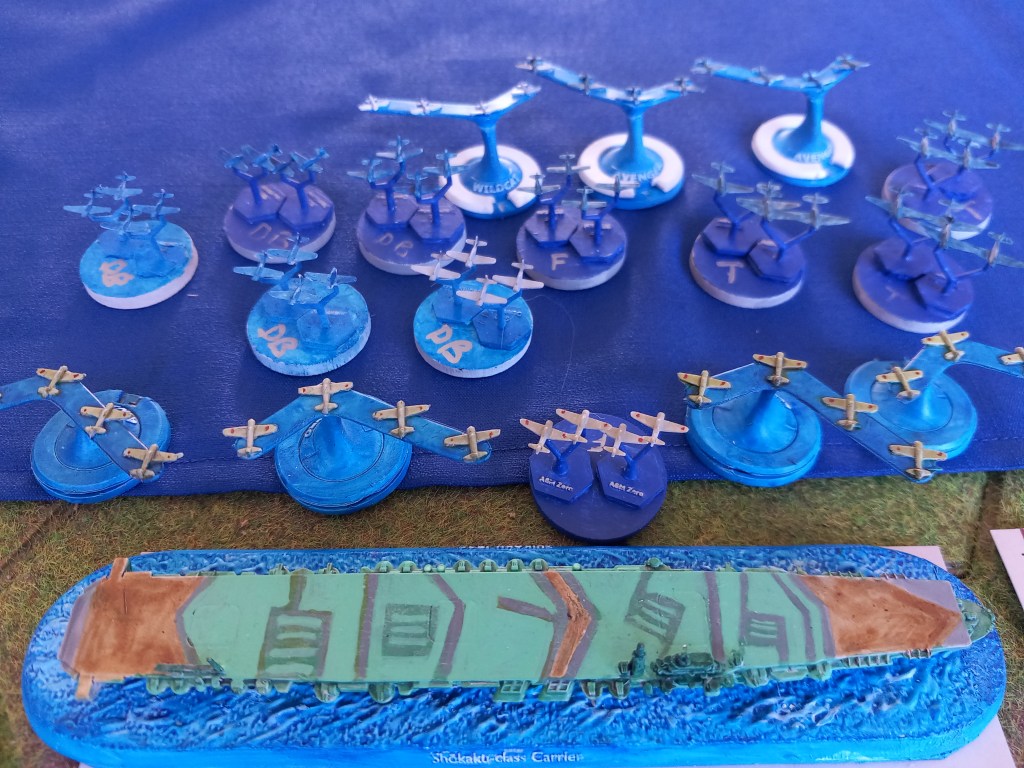
The Americans swarmed the Zuikako early in the game and did some dame but not enough.
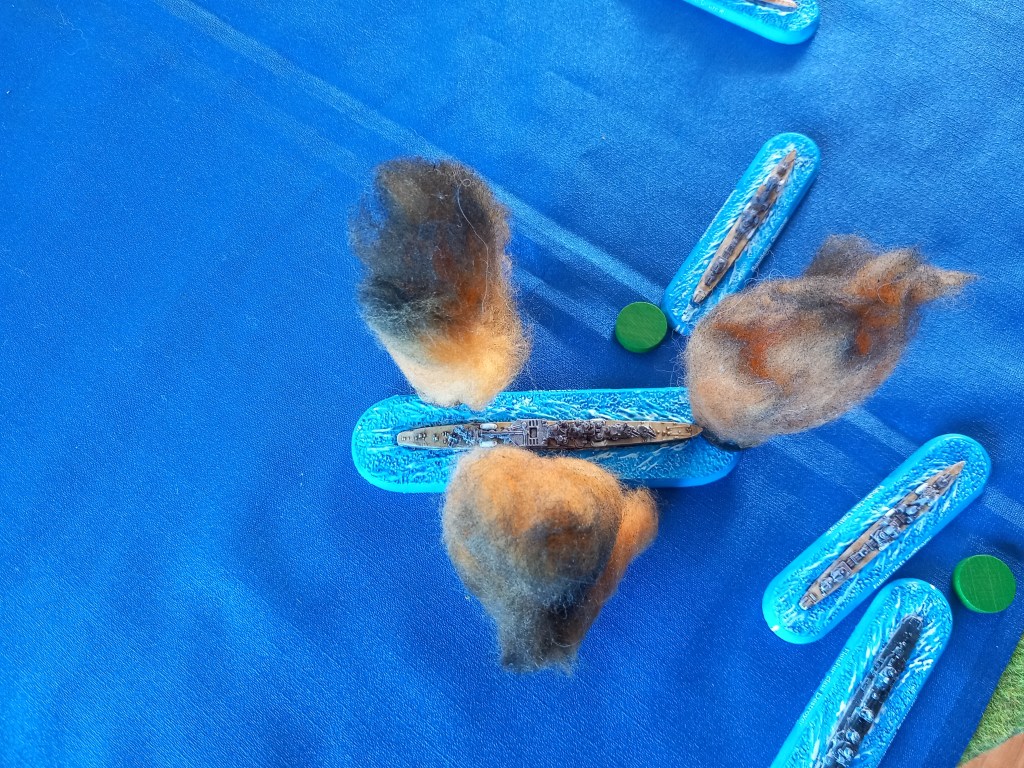
Meanwhile on the high seas it became a war of torpedoes with the Yahagi being the first to go.
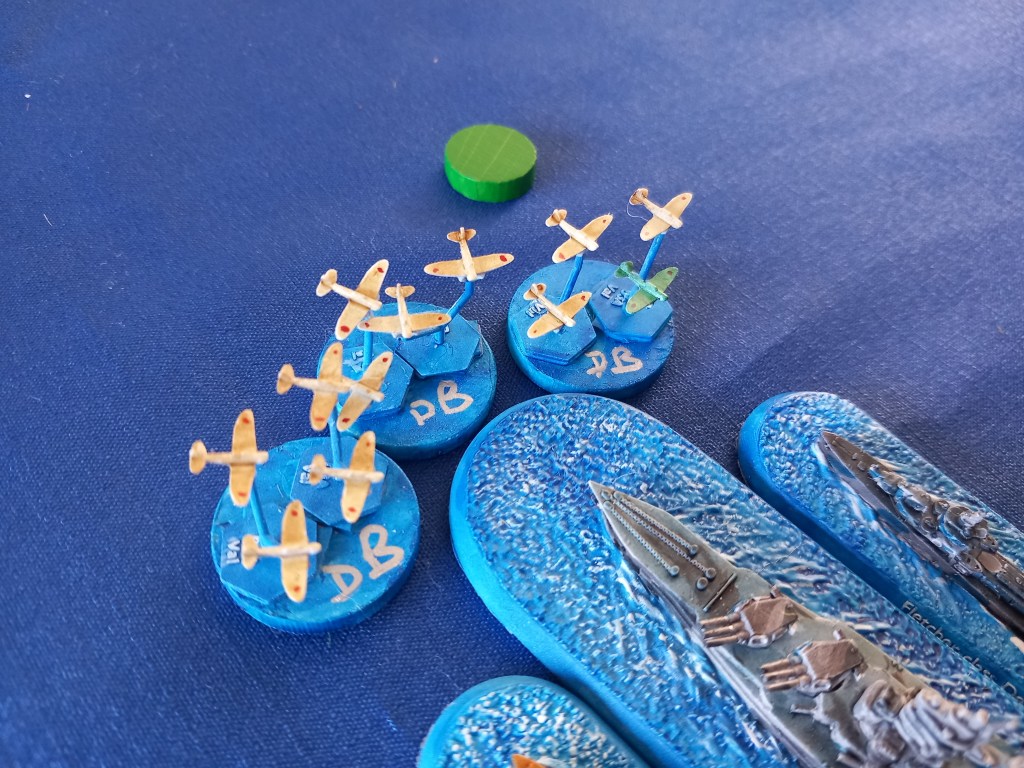
The Japanese deployed more of their planes to the open sea in the hope of damaging the US big ships like the New Mexico.
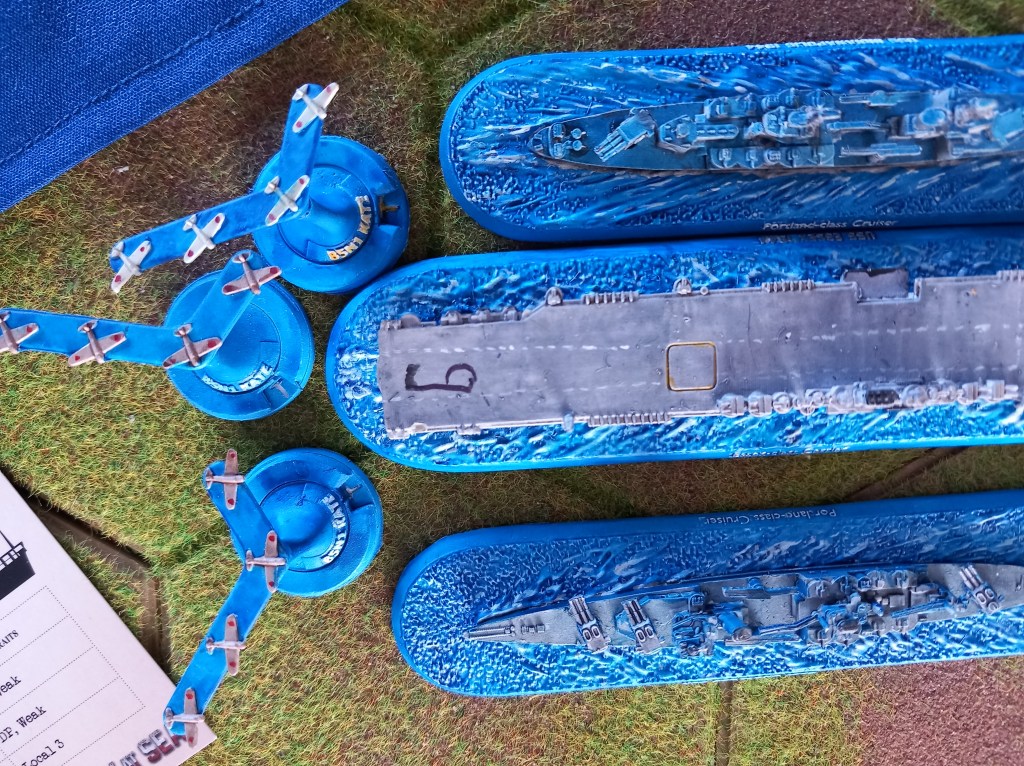
Only a few got through to the Essex and these were swatted away.
Ultimately the better armaments of the US prevailed and the Japanese were all but destroyed.
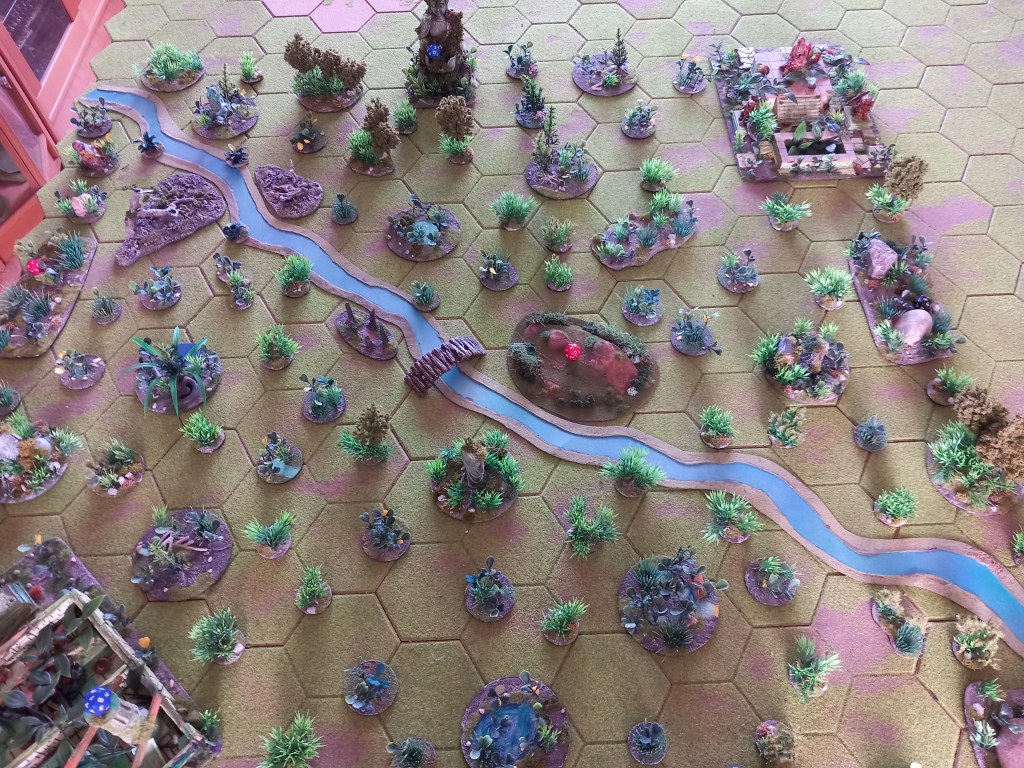
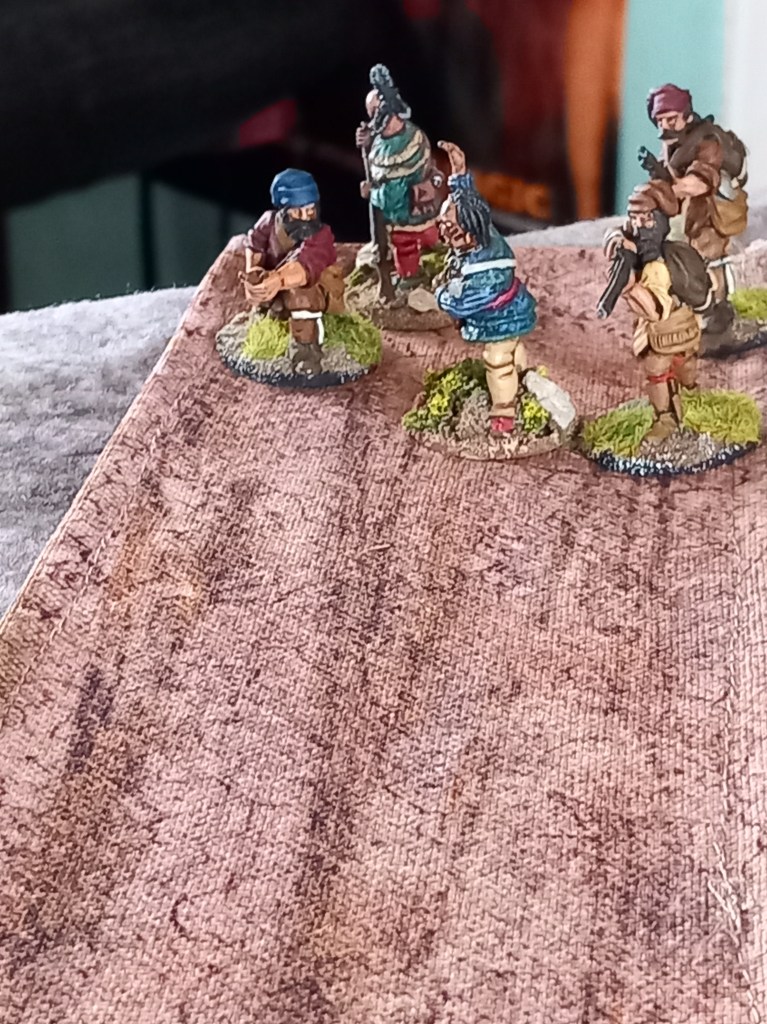
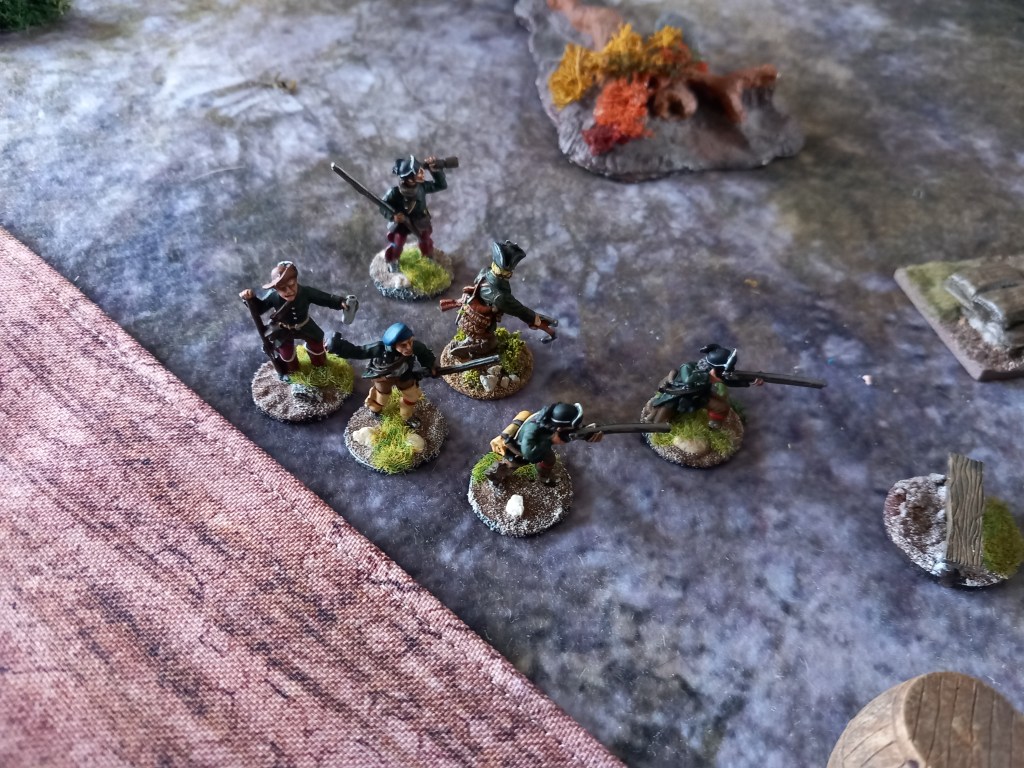
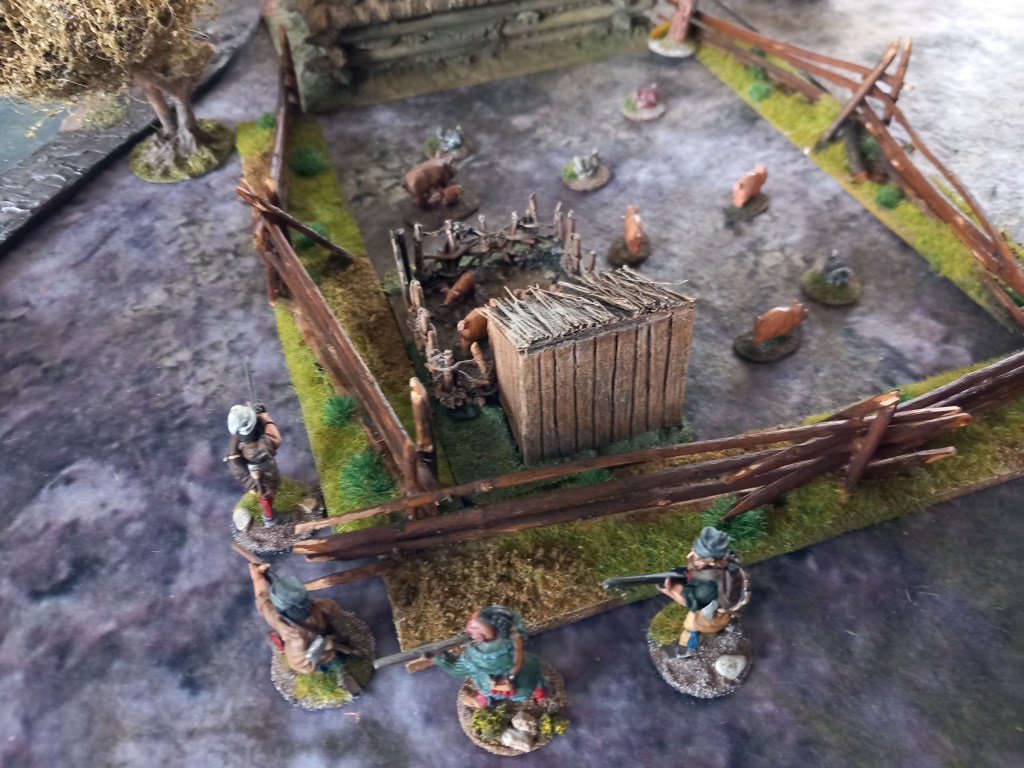
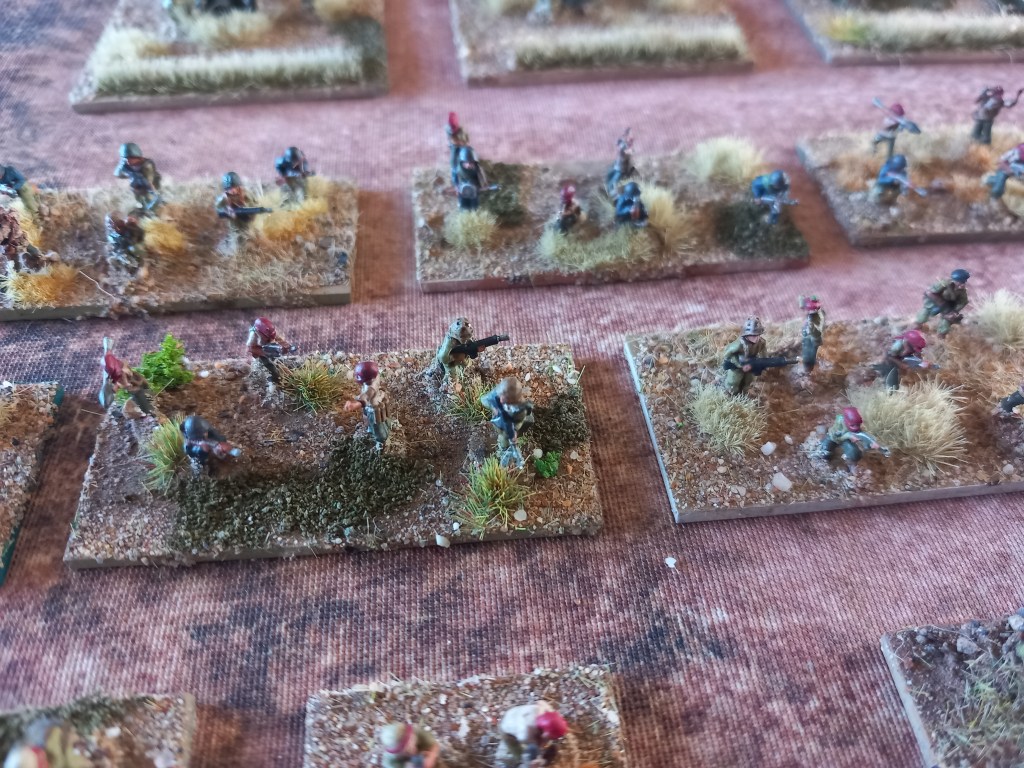
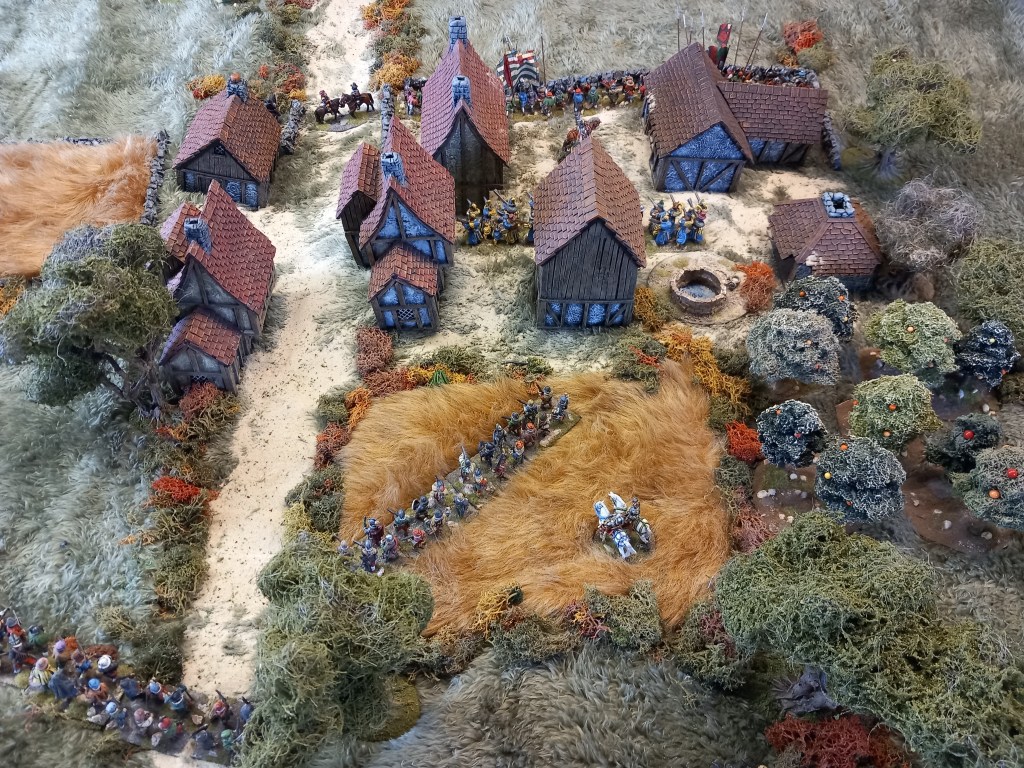
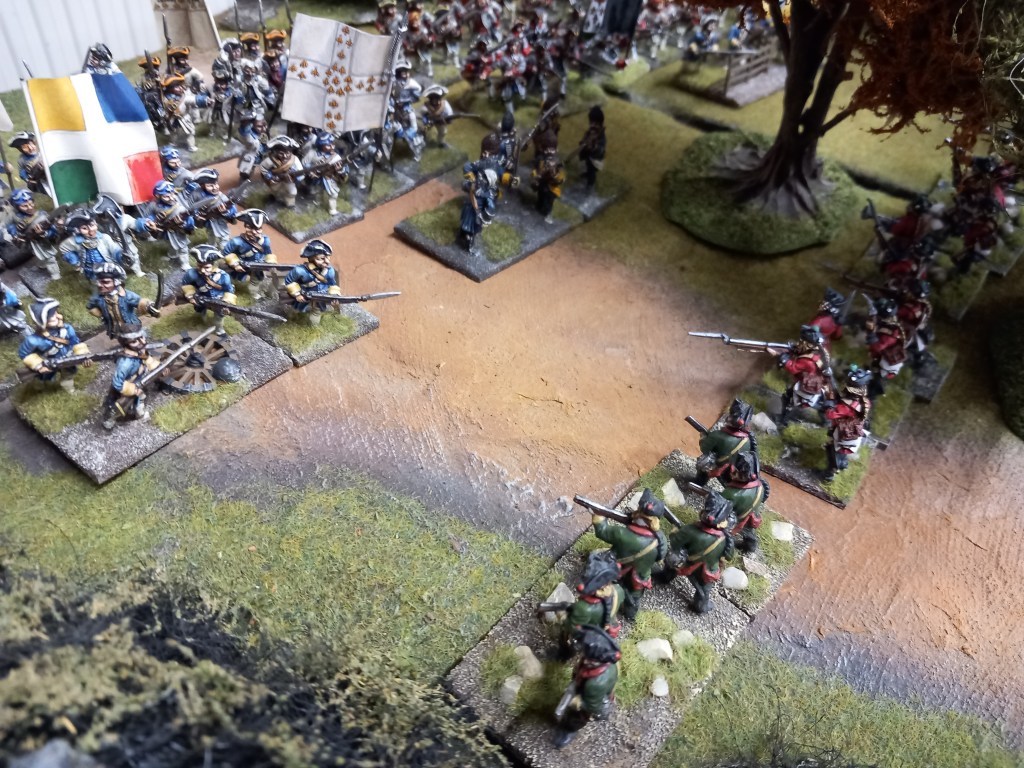
Our final game was a dusting off of our Indo China set up with an encounter in the jungle between a Viet Minh platoon moving to a rendezvous point and a Colonial Para platoon on patrol. Entry points and initial movement was random but once a glimpse of the enemy was caught it was over to the players.
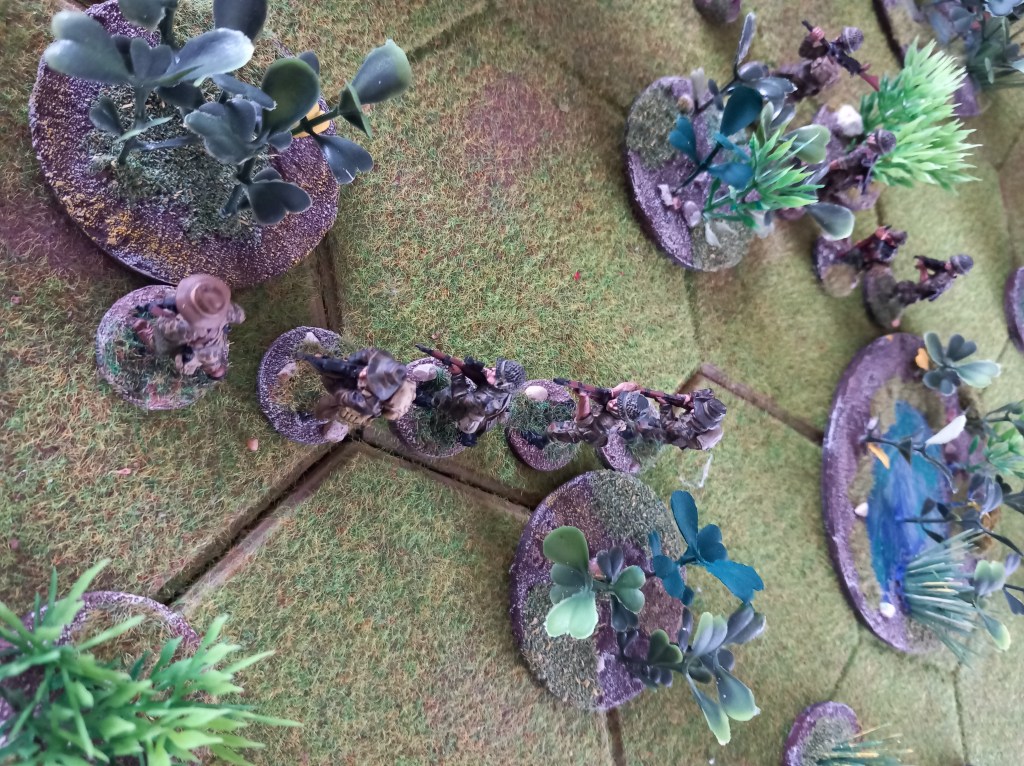
First spot was by the Paras and with that first shot all hell let loose.
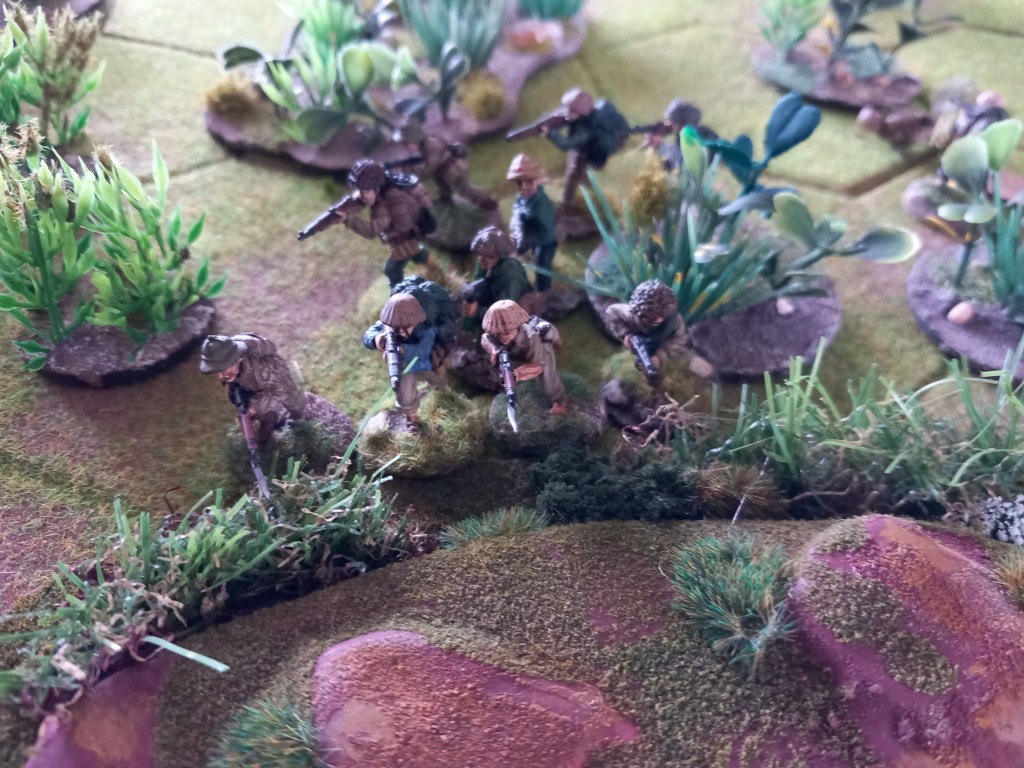
The Viet Minh seized the only piece of raised ground on the board and used it to spot and fire. This certainly helped in the initial exchange of shots but it did also tell the Paras where to zero in on/
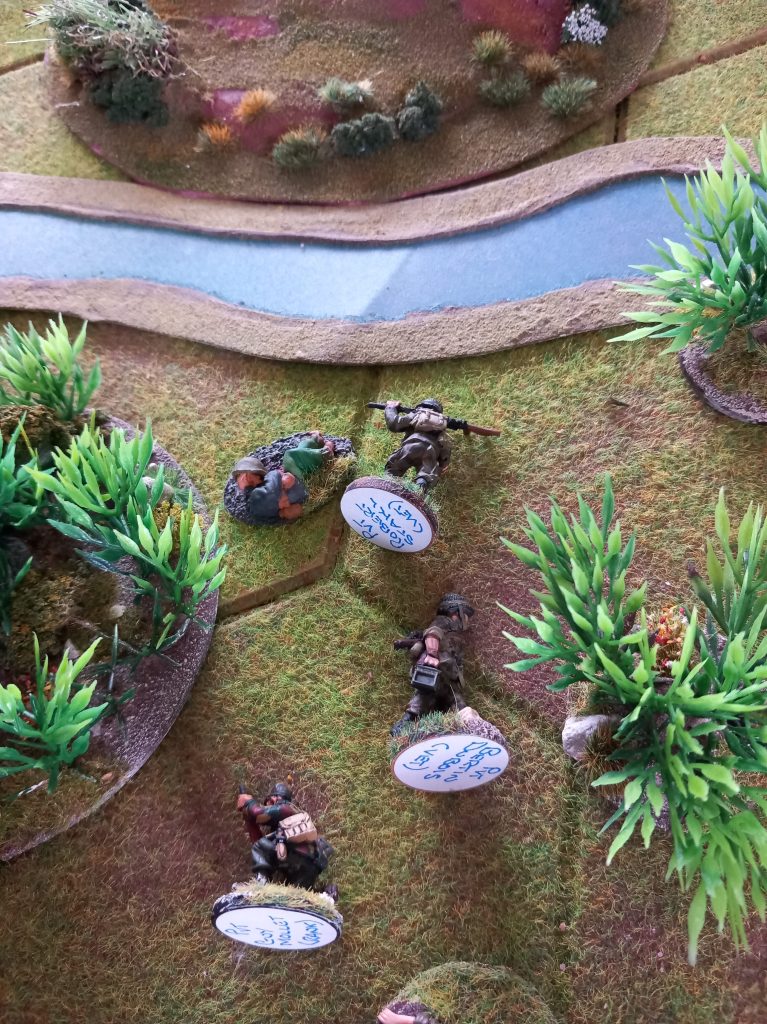
The firefights were pretty savage. Visibility was limited and spotting became imperative.
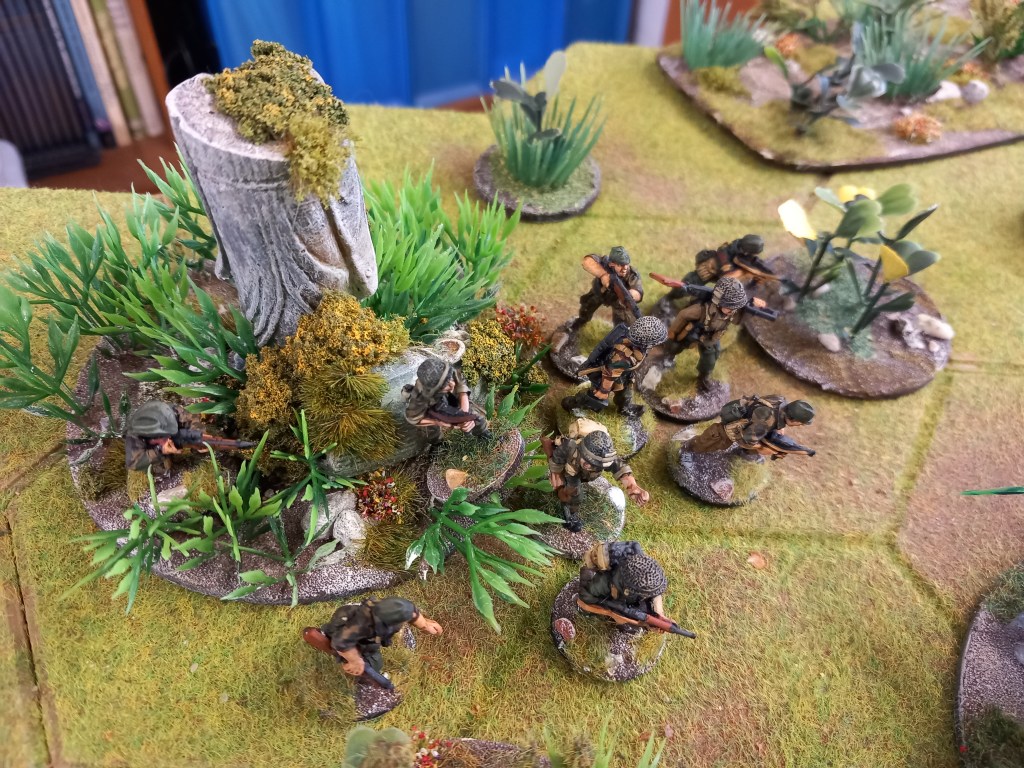
As the game cracked along both sides diced for reinforcements and got them, adding more intensity to the firefights.
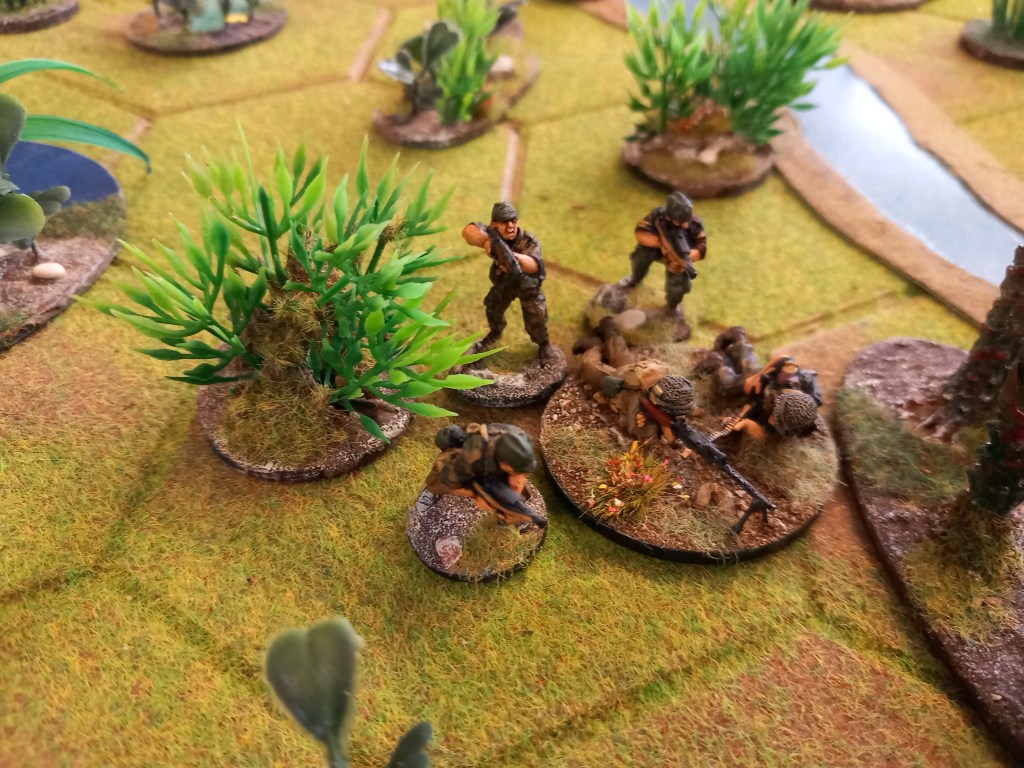
Paras giving it all they’ve got.
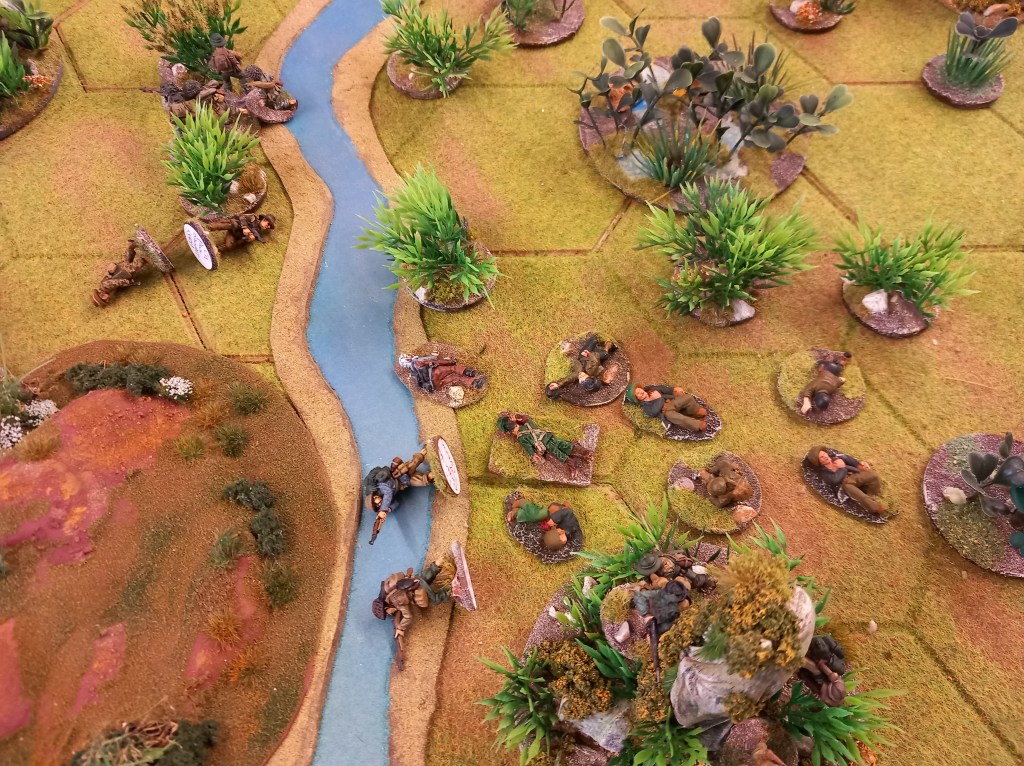
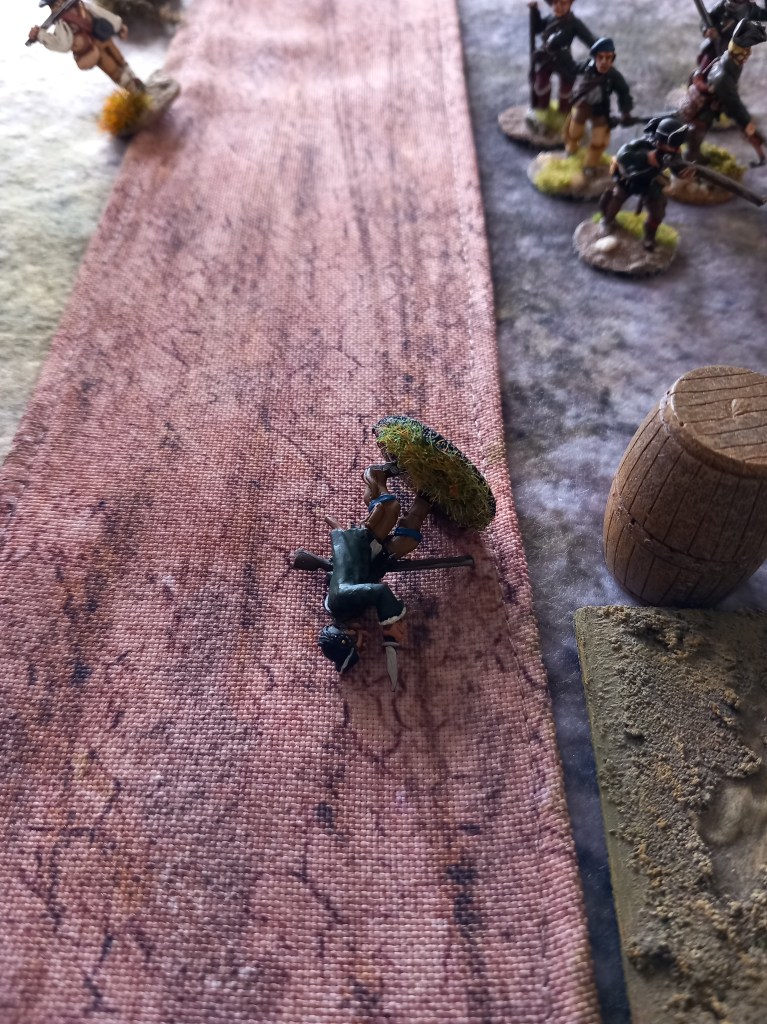
Ultimately it was a bit of a bloodbath with the French coming off the worse. As a game though it worked fine and it was great to get the figures out after a two year hiatus.
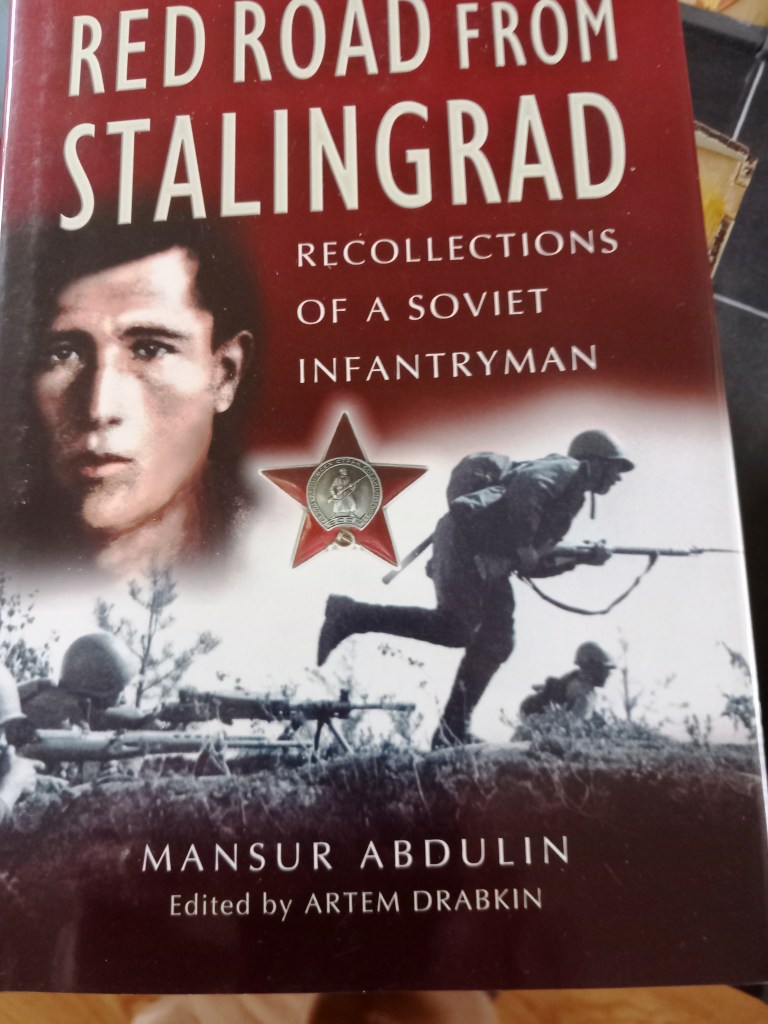
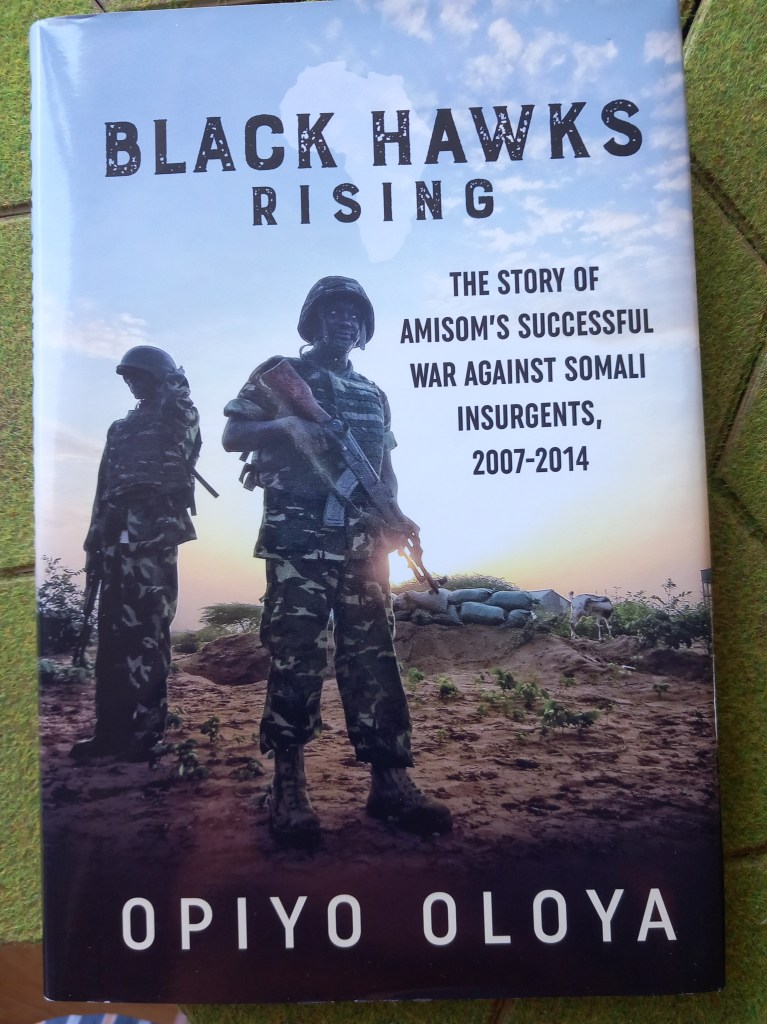
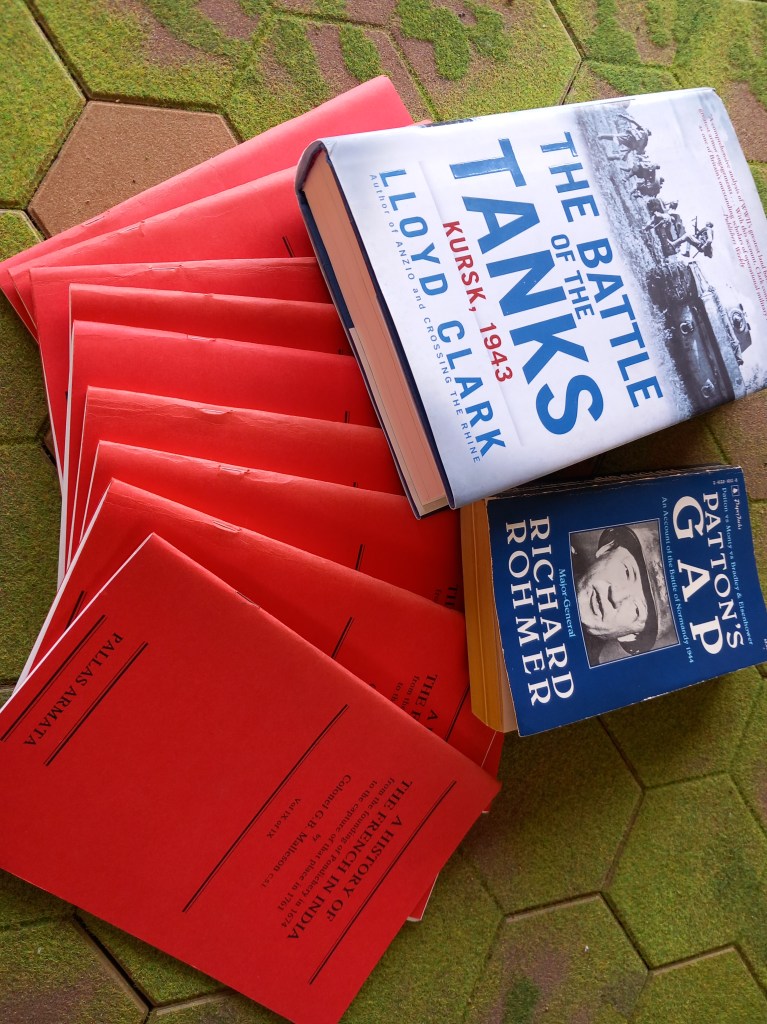
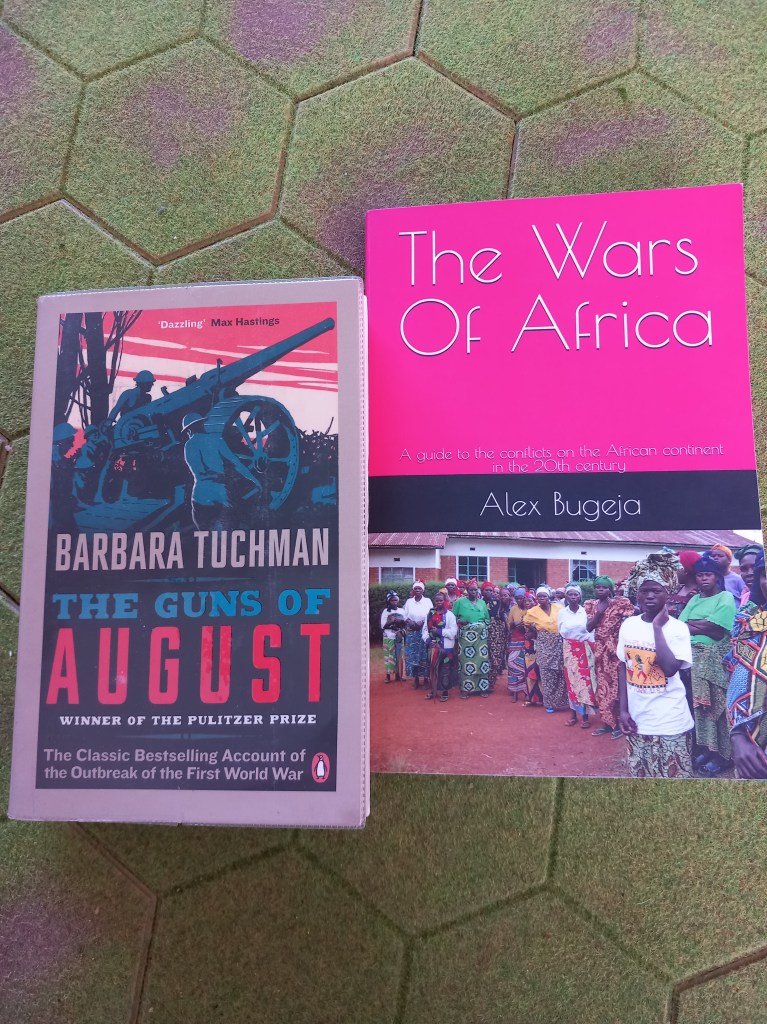
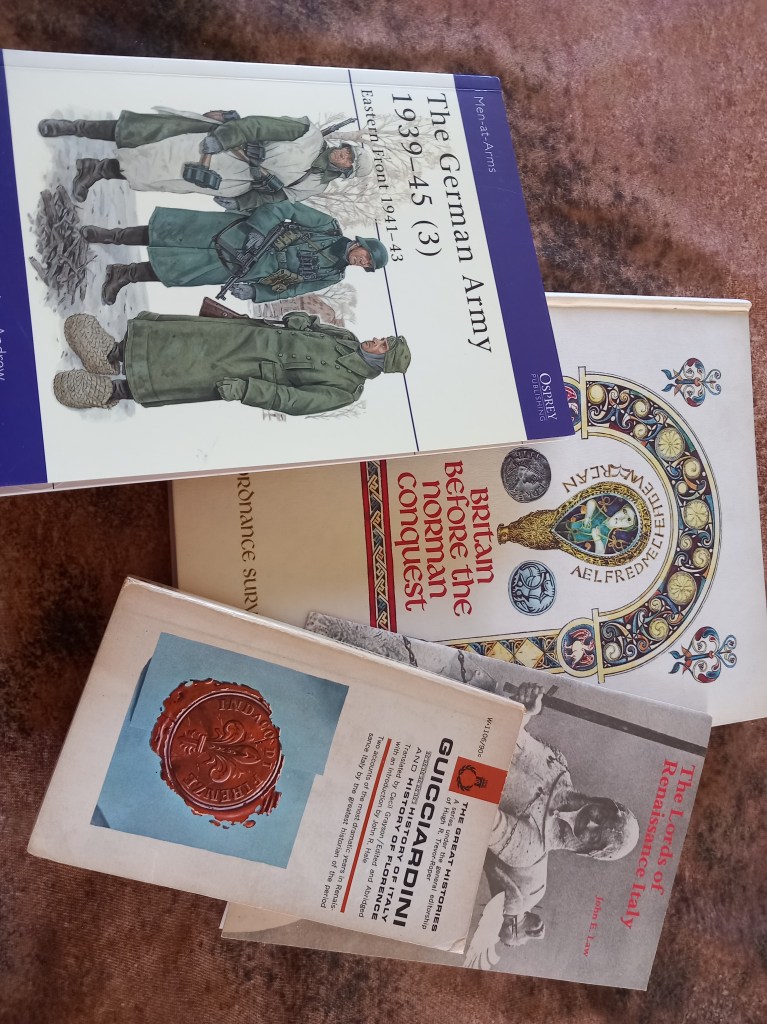
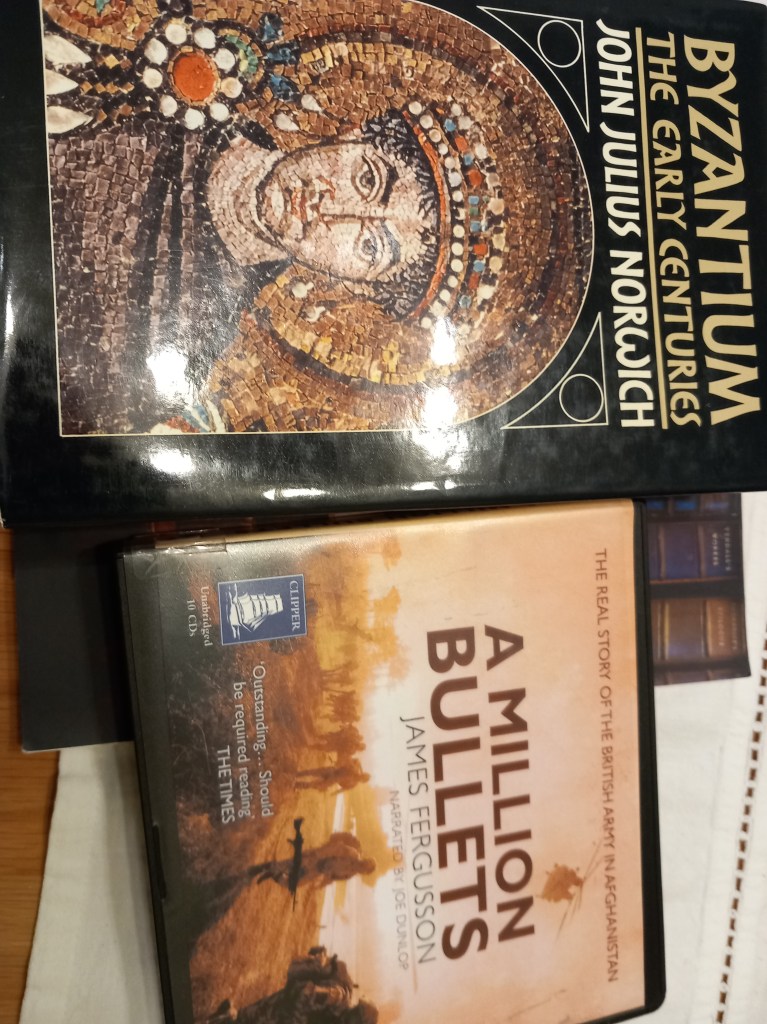
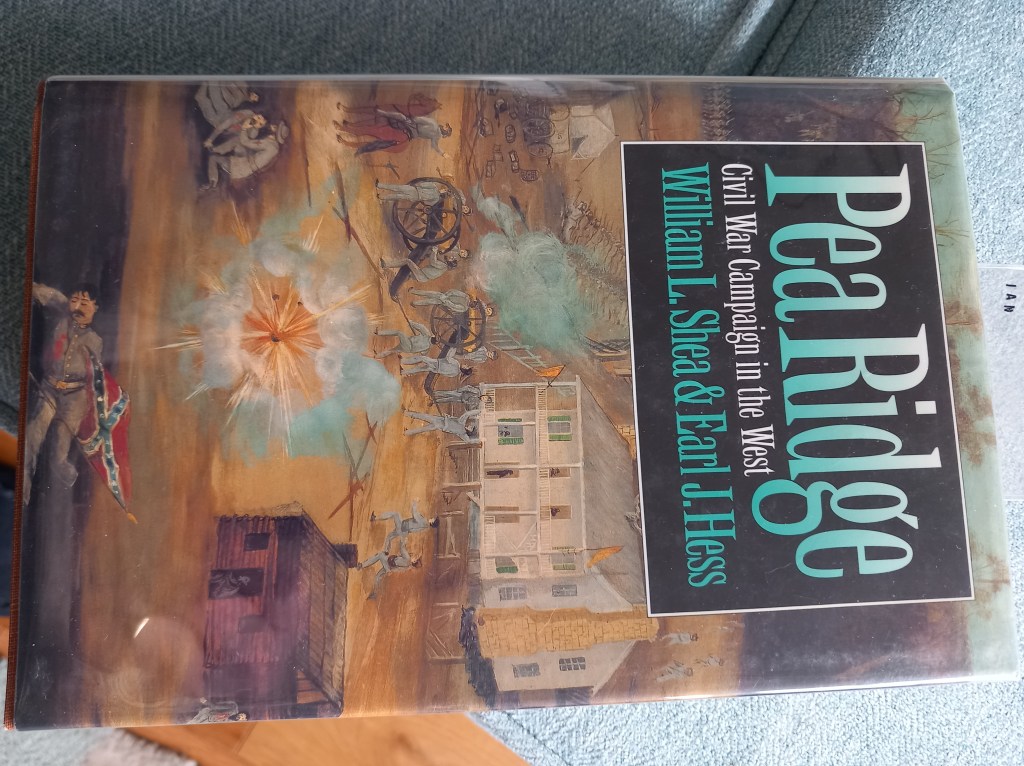
On the reading front I read this rather good account of a Soviet infantryman’s experience in the Stalingrad and Kursk period. Just matter of fact day to day happenings. No grand overview, no political commentary, just his war. A good read.
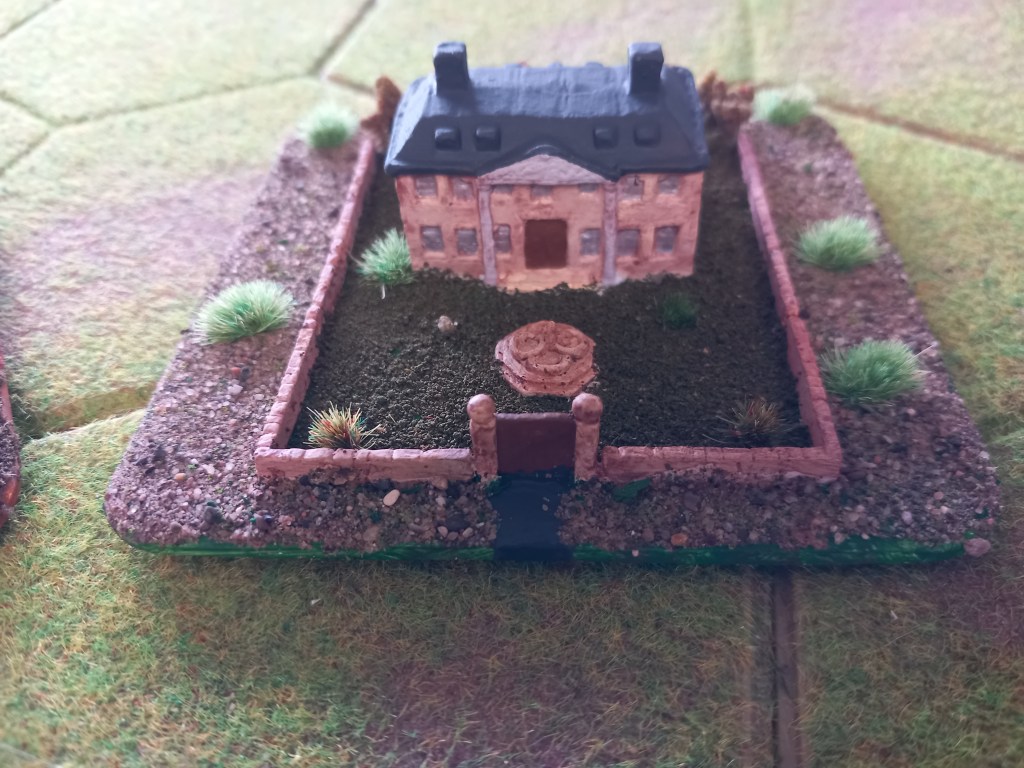
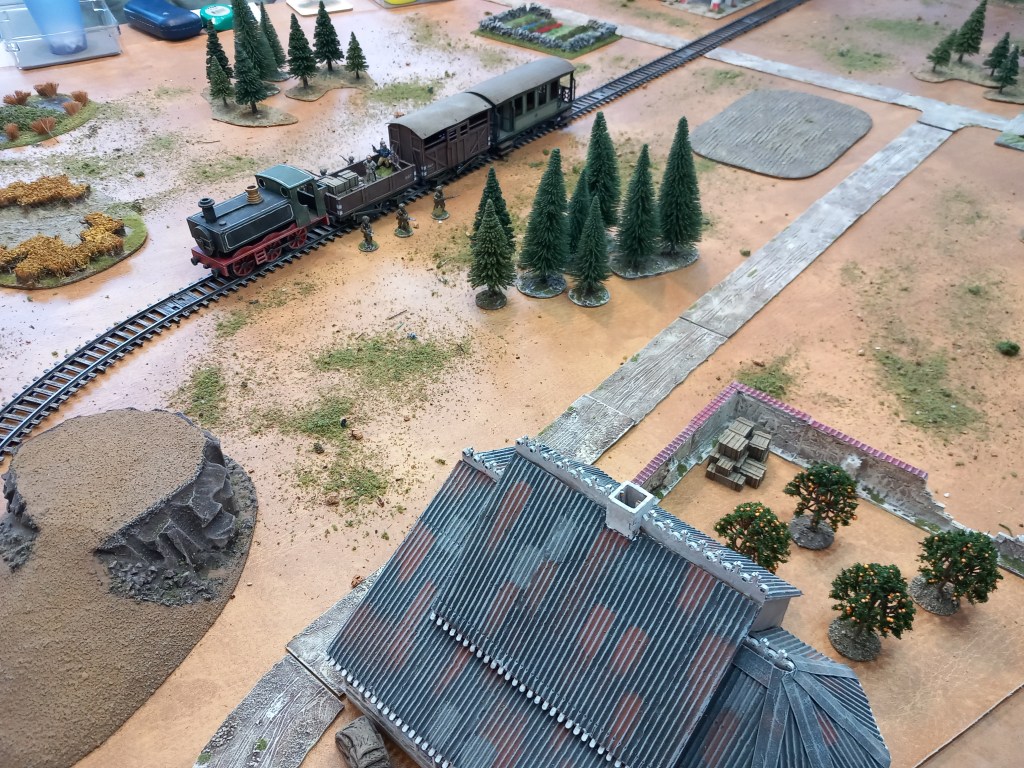
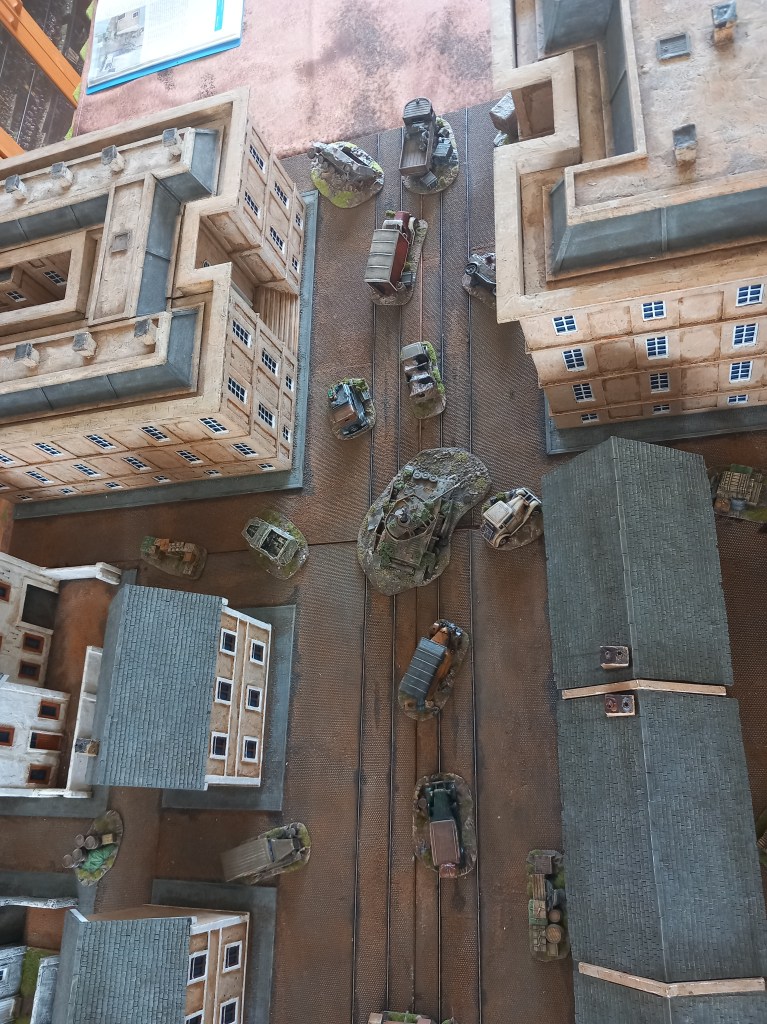
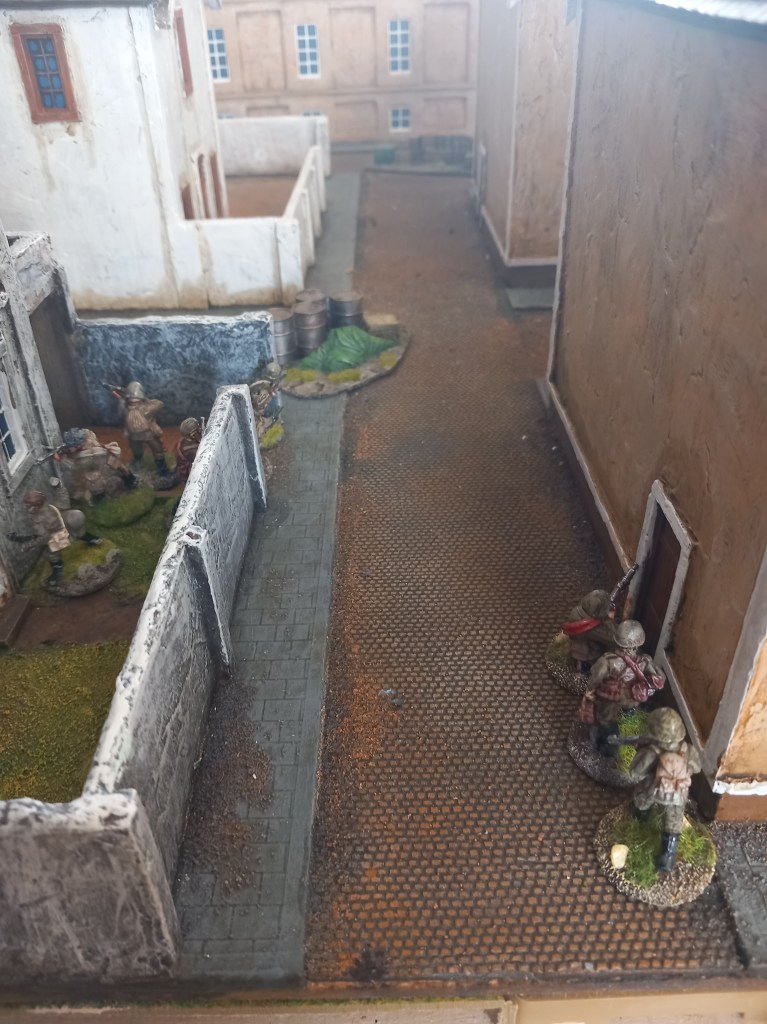
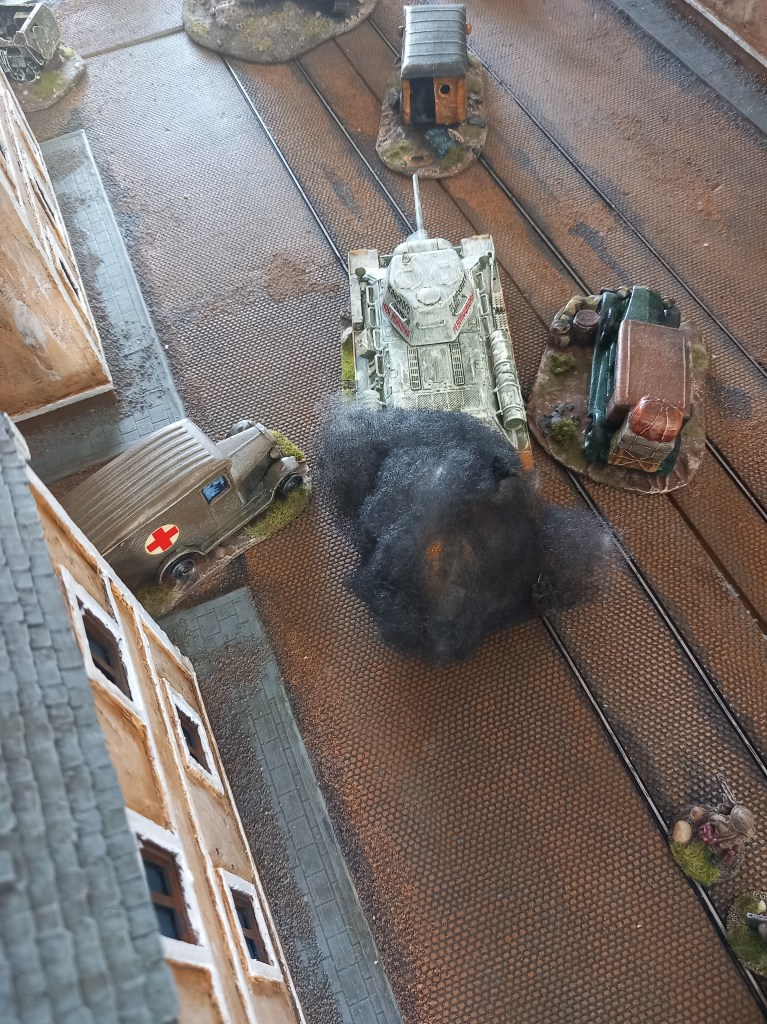
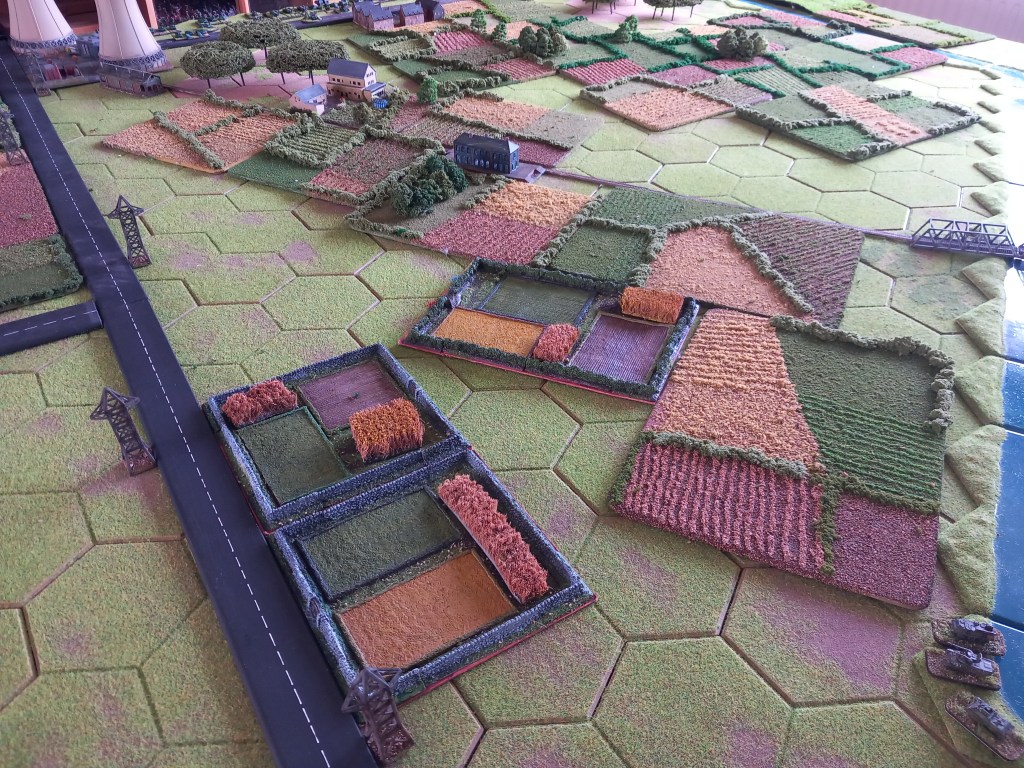
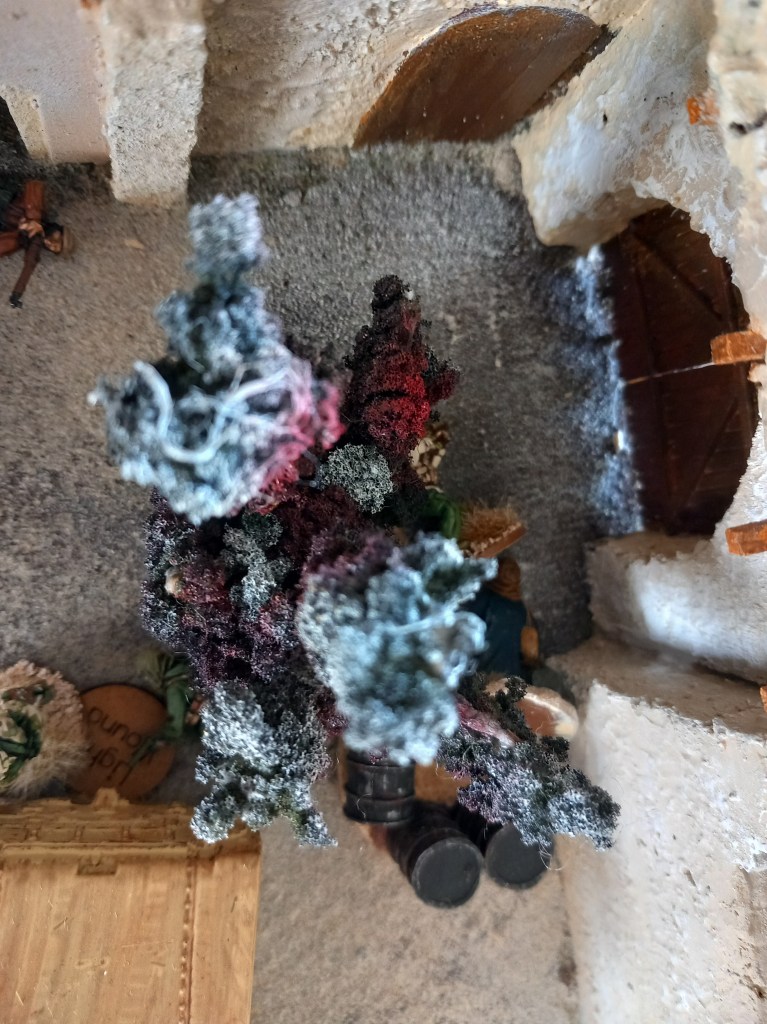
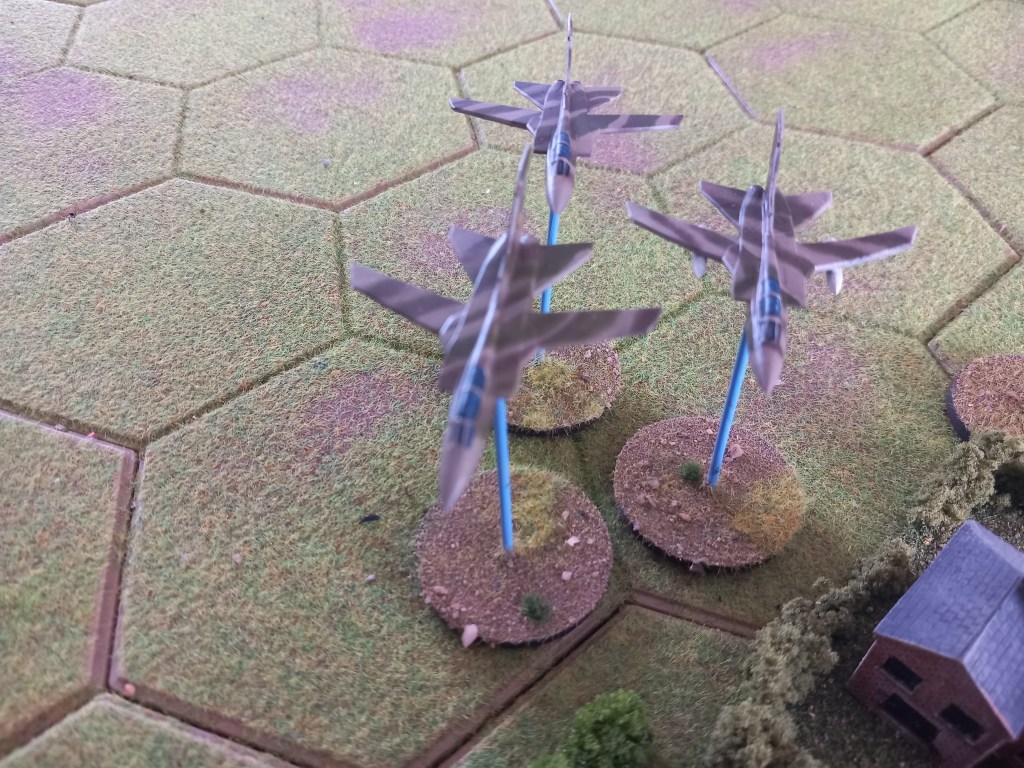
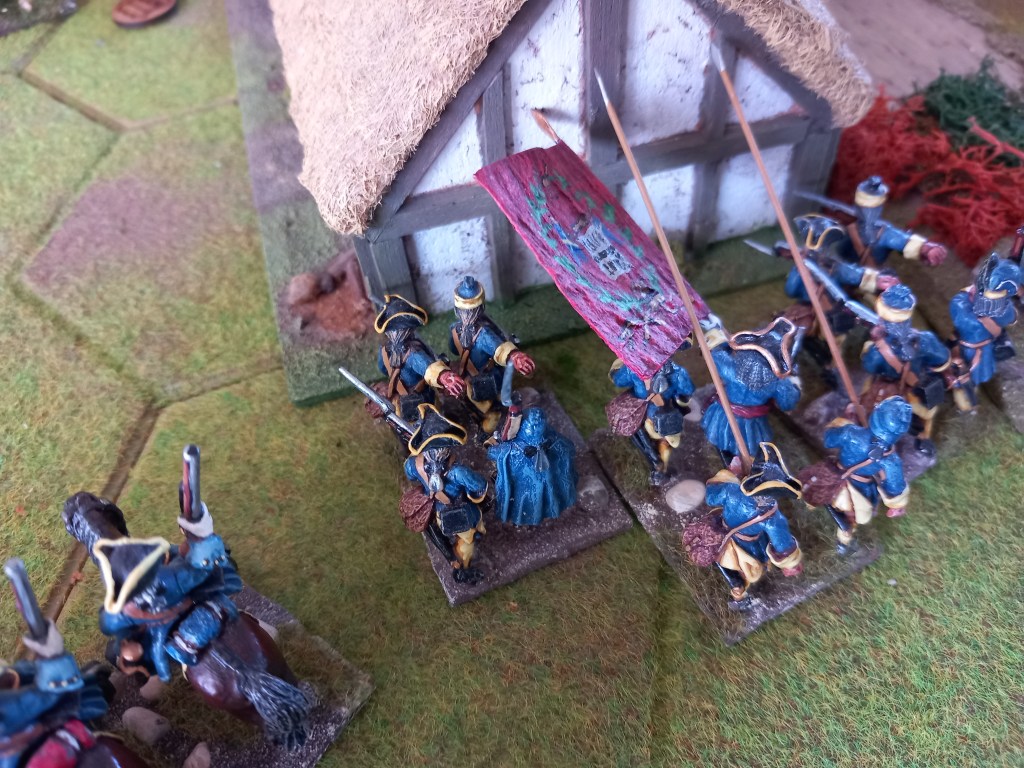
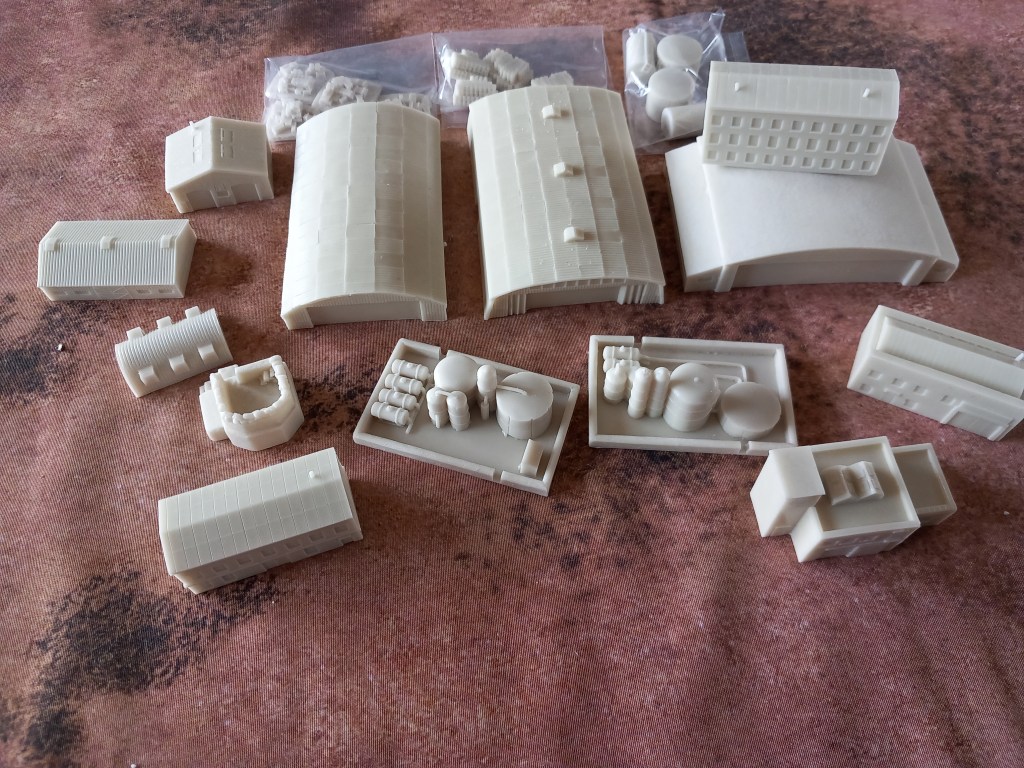
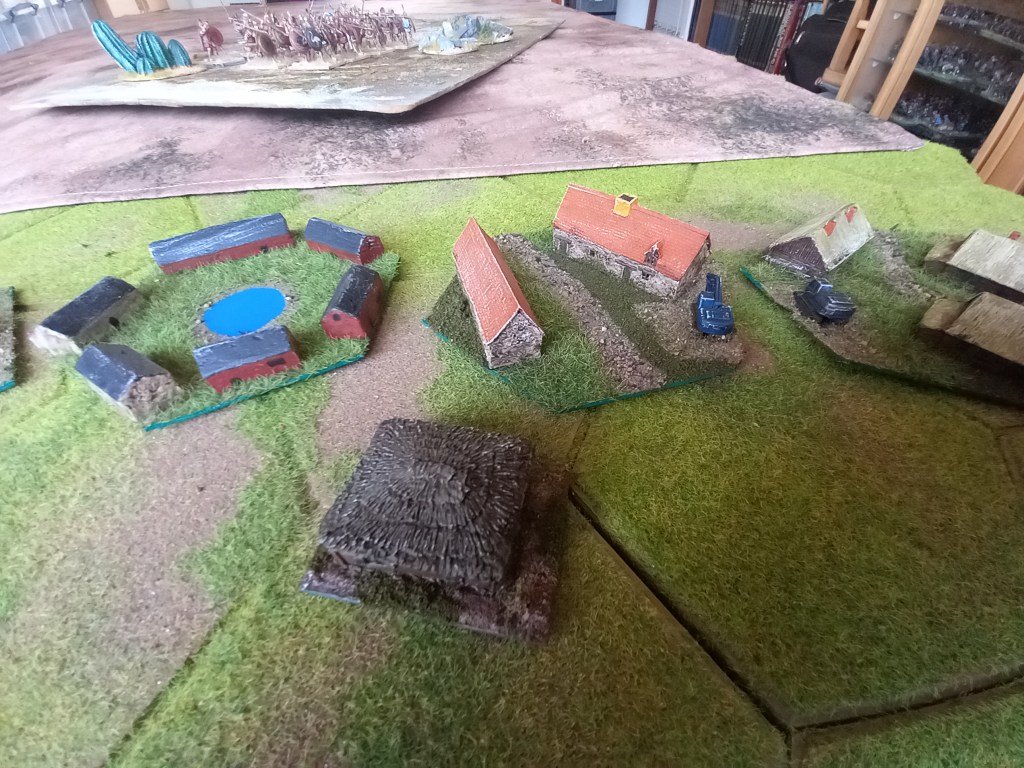
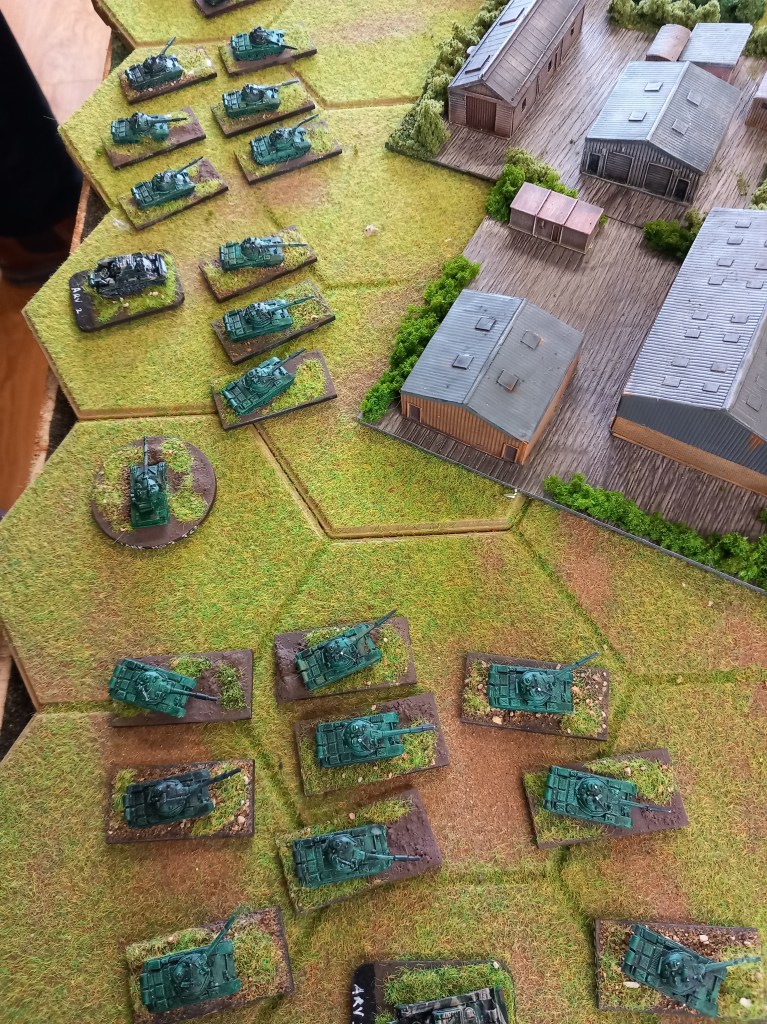
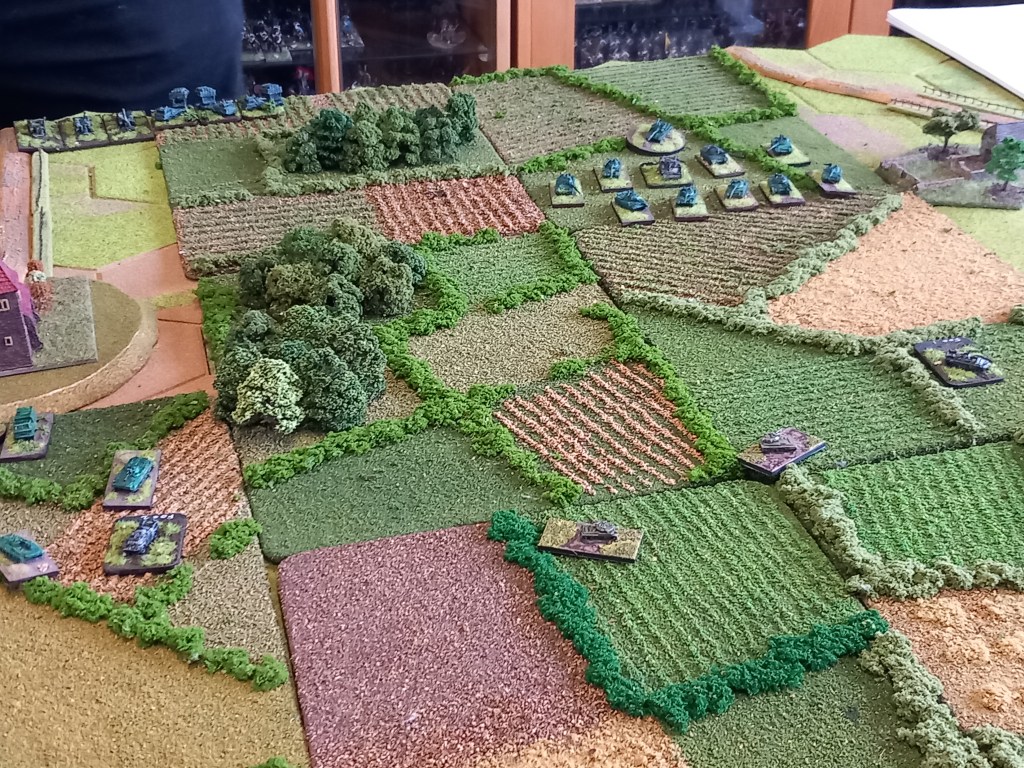
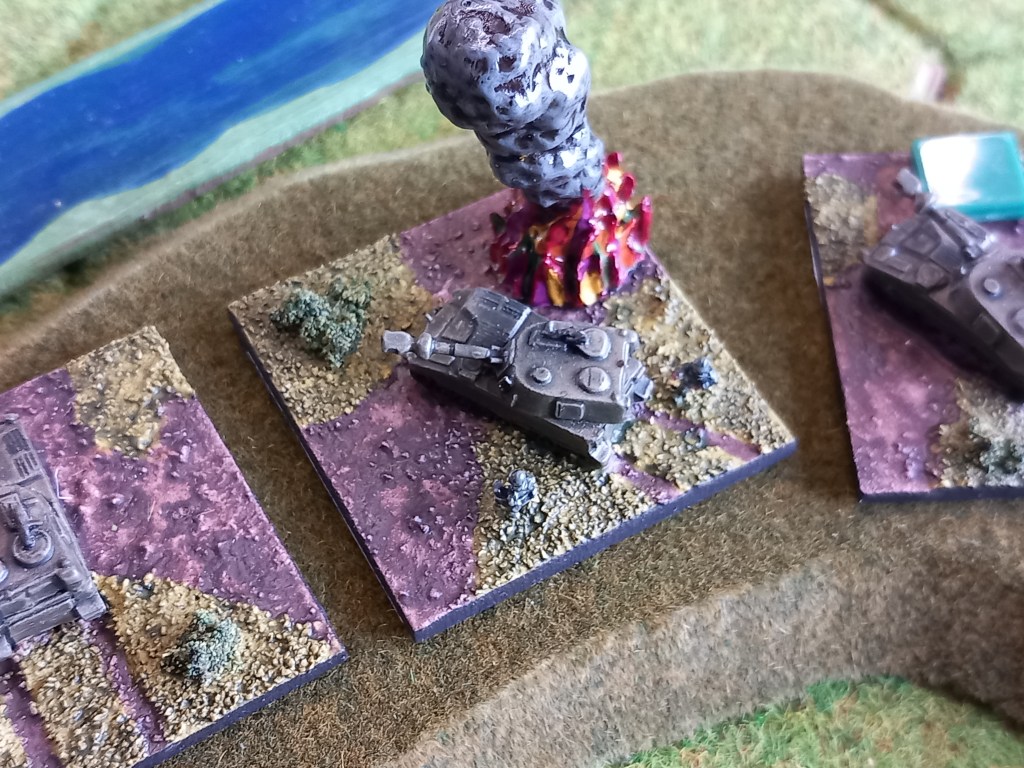
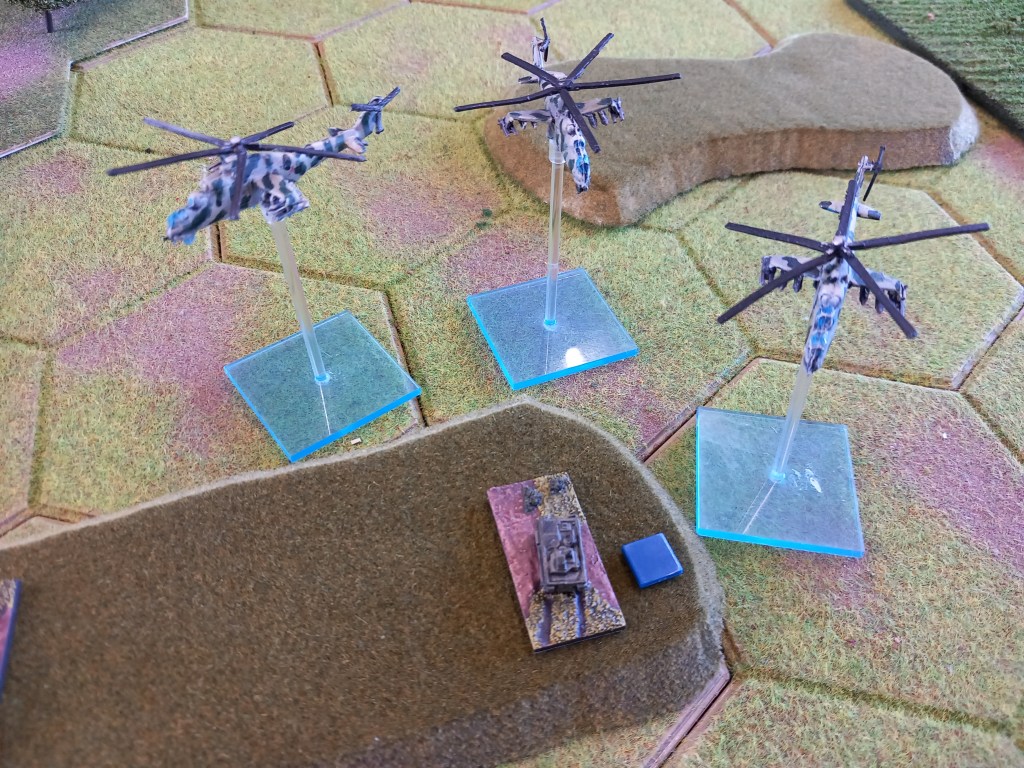
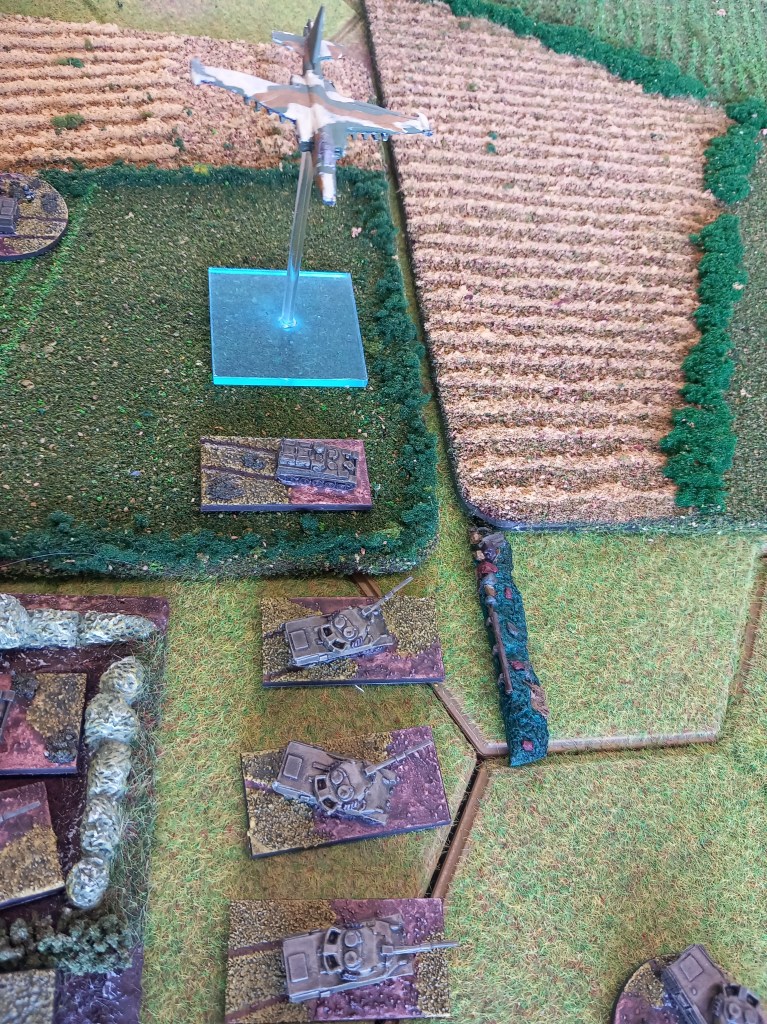
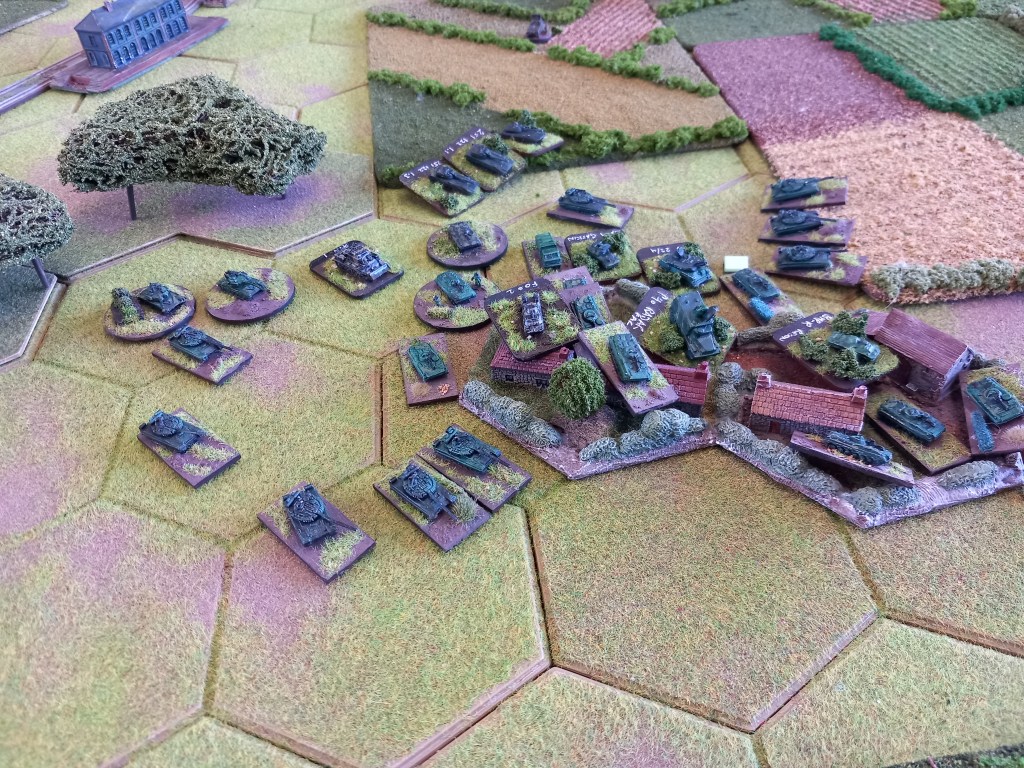
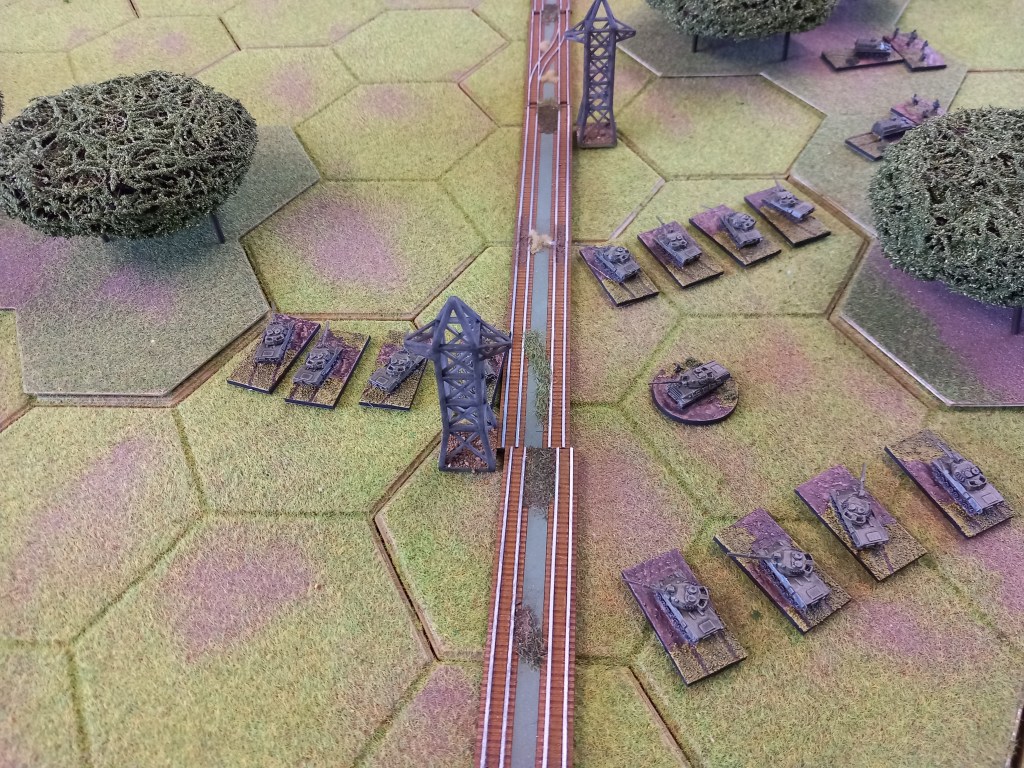
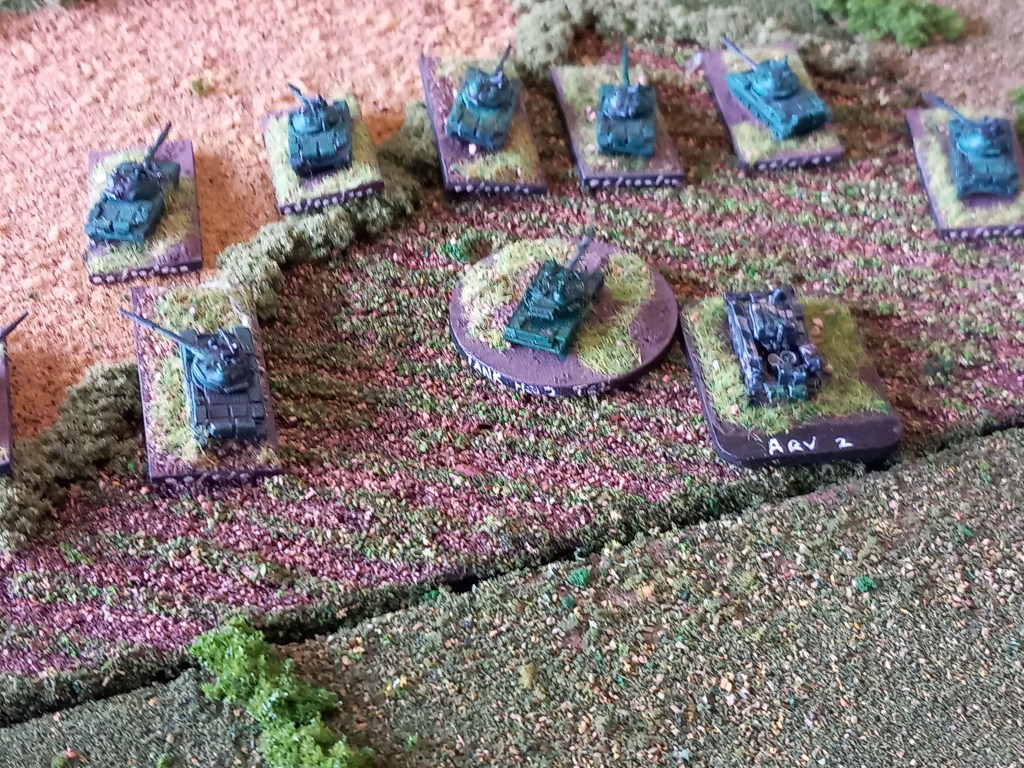
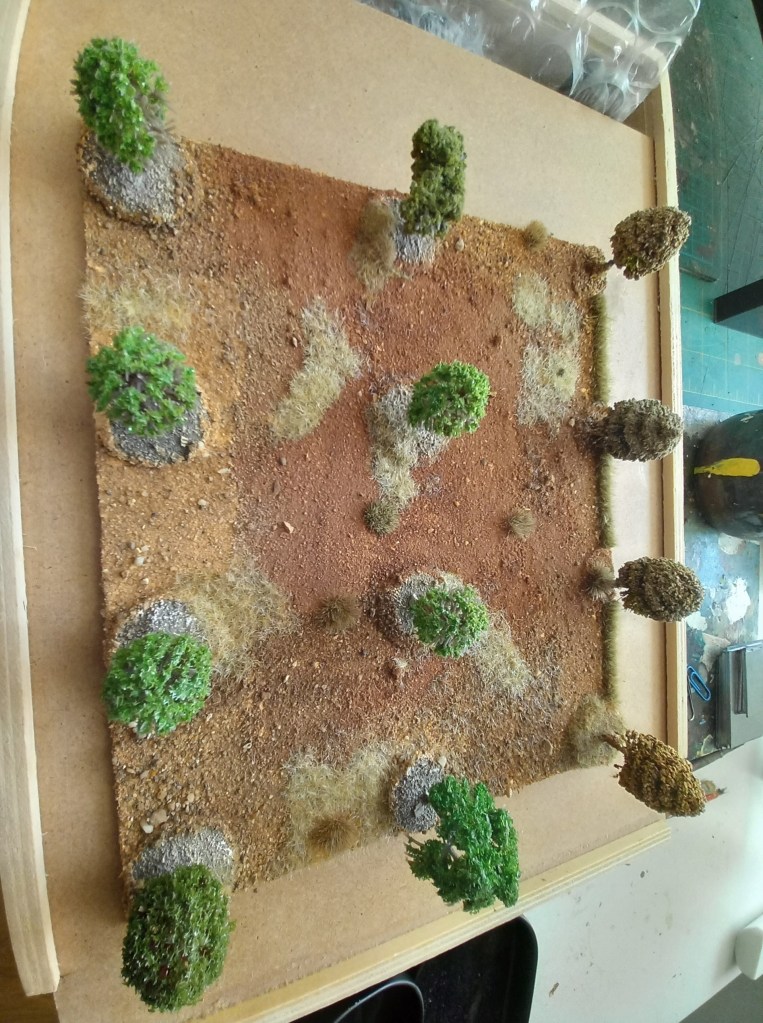
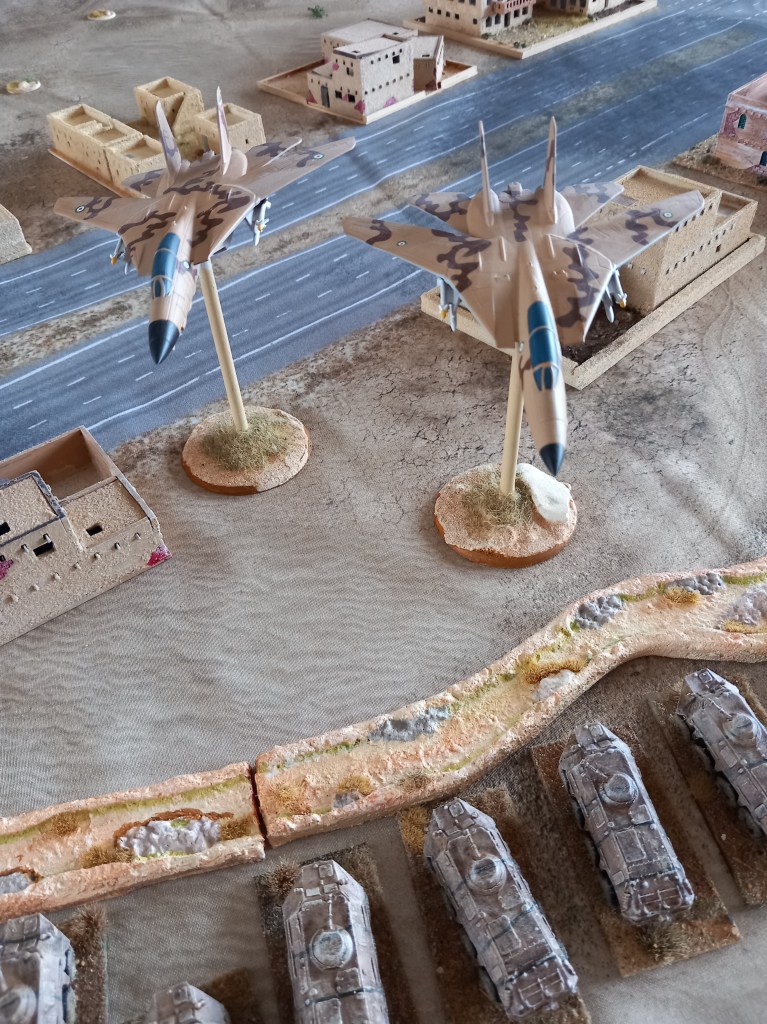
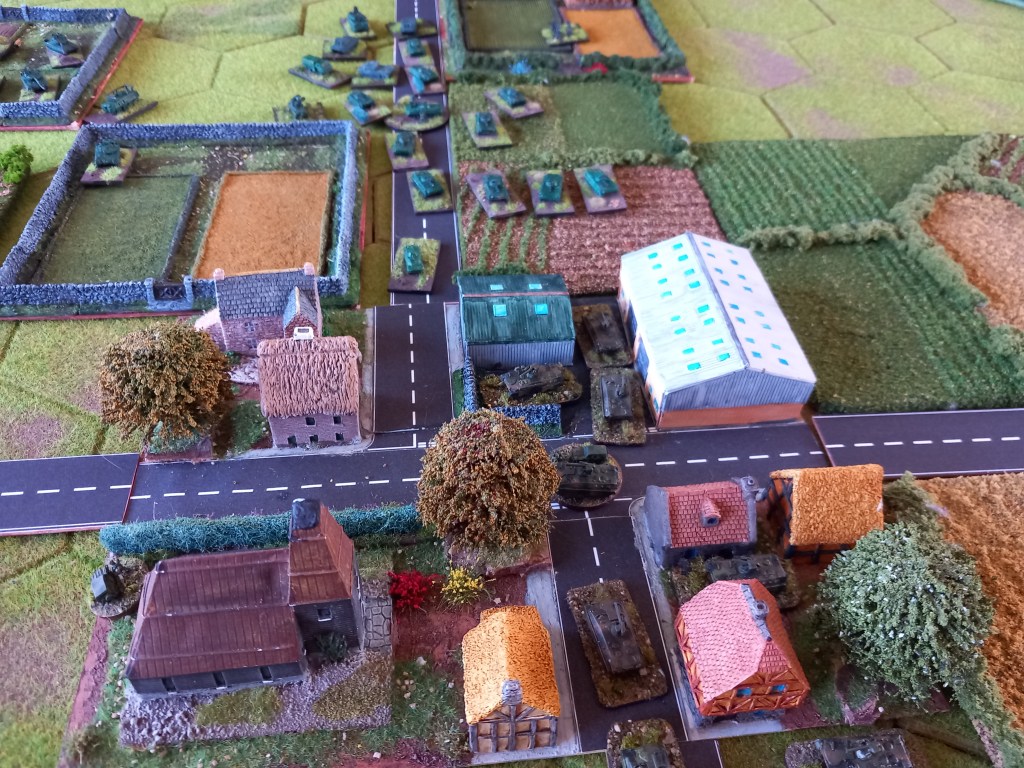
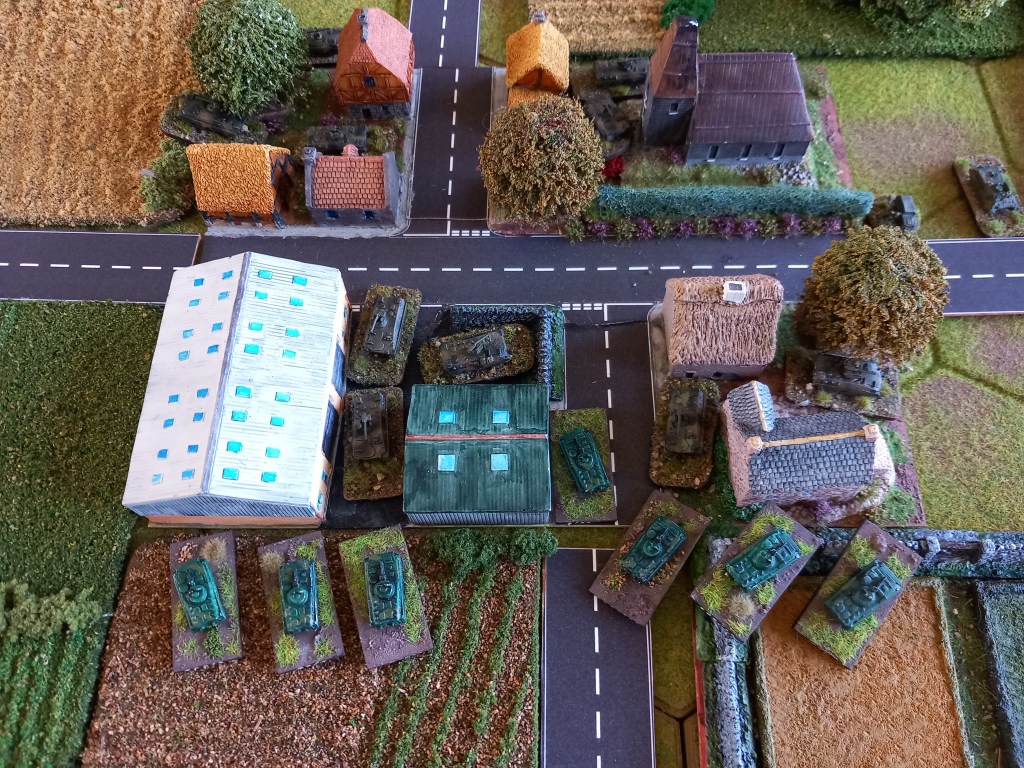
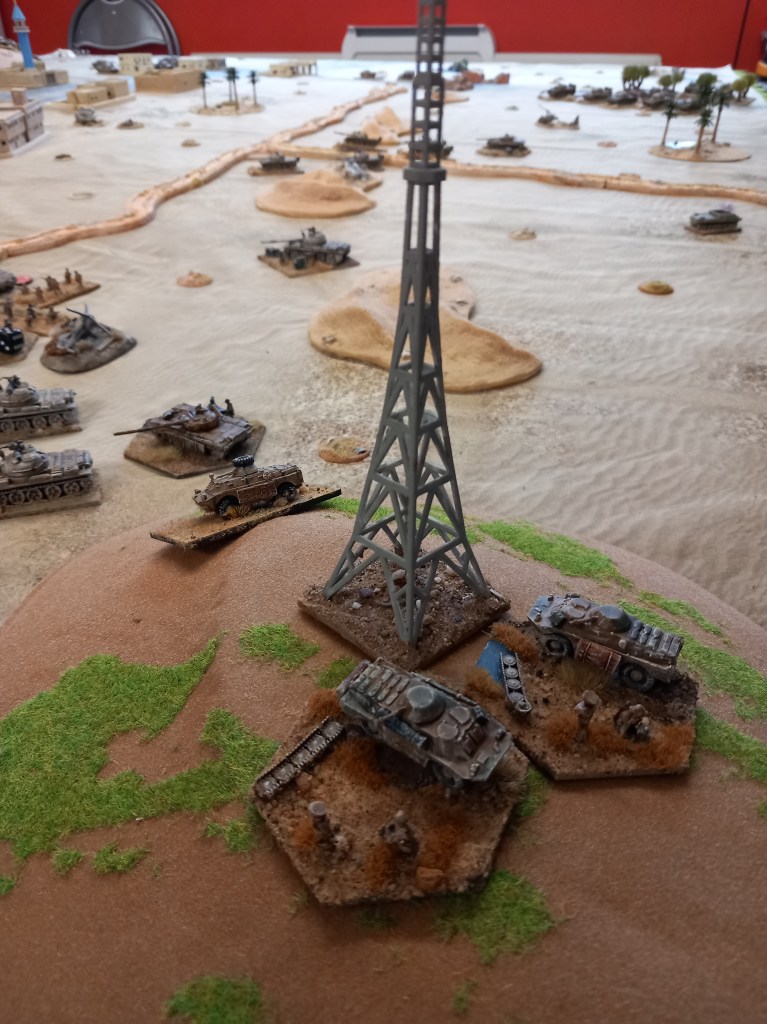
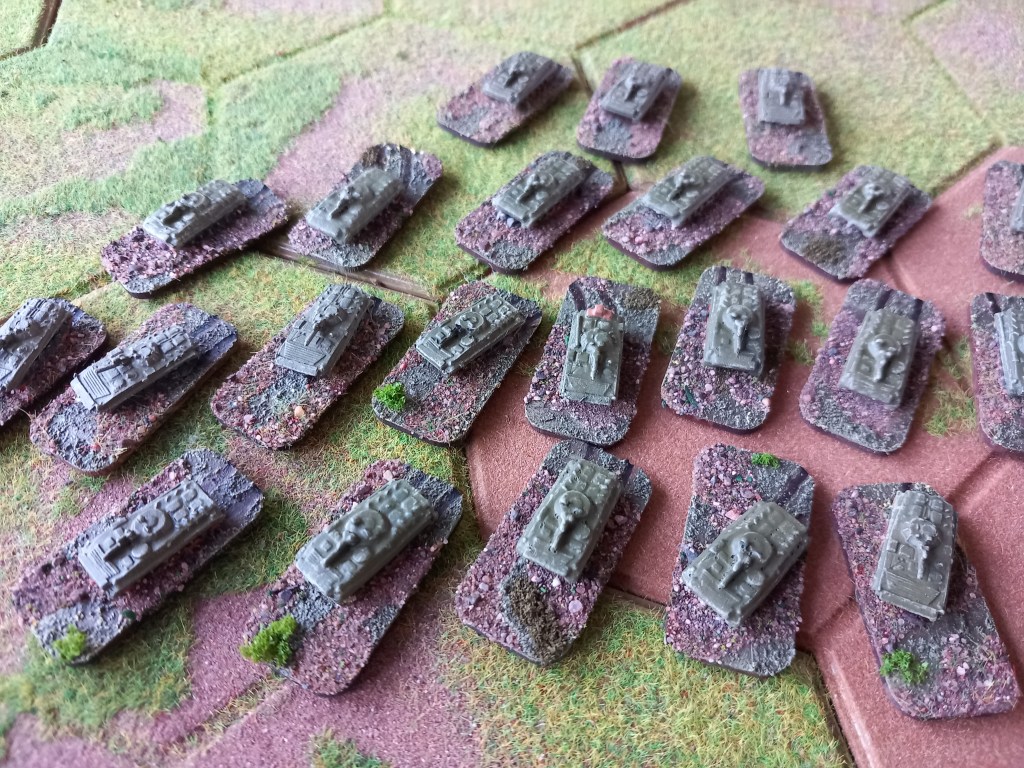
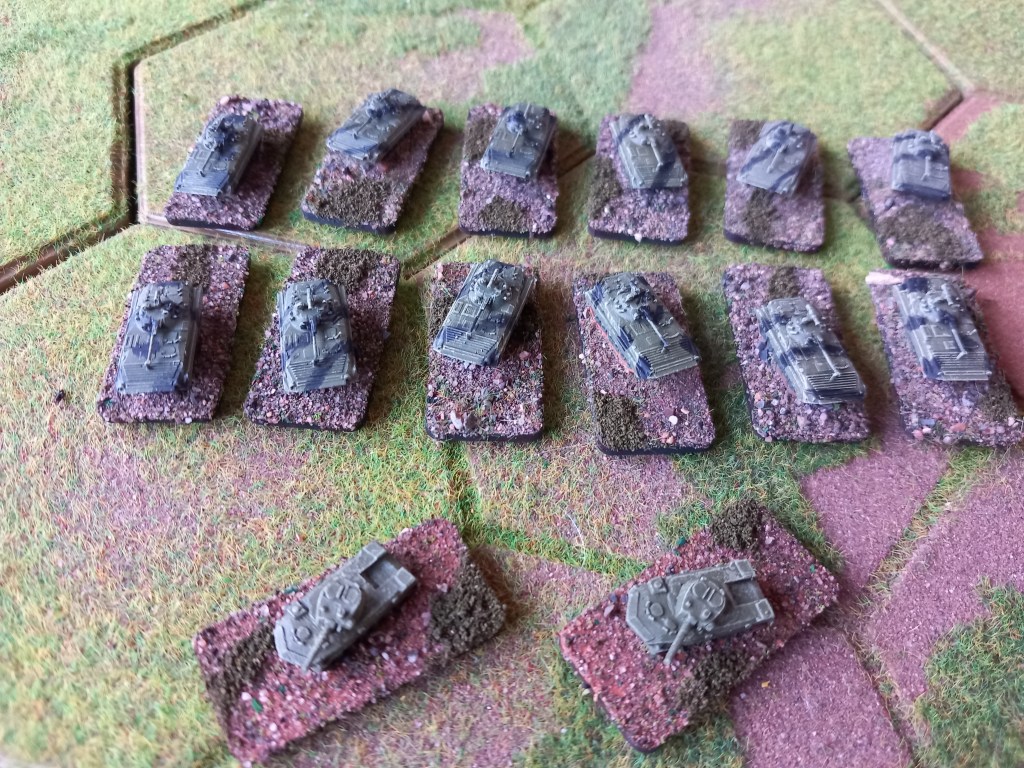
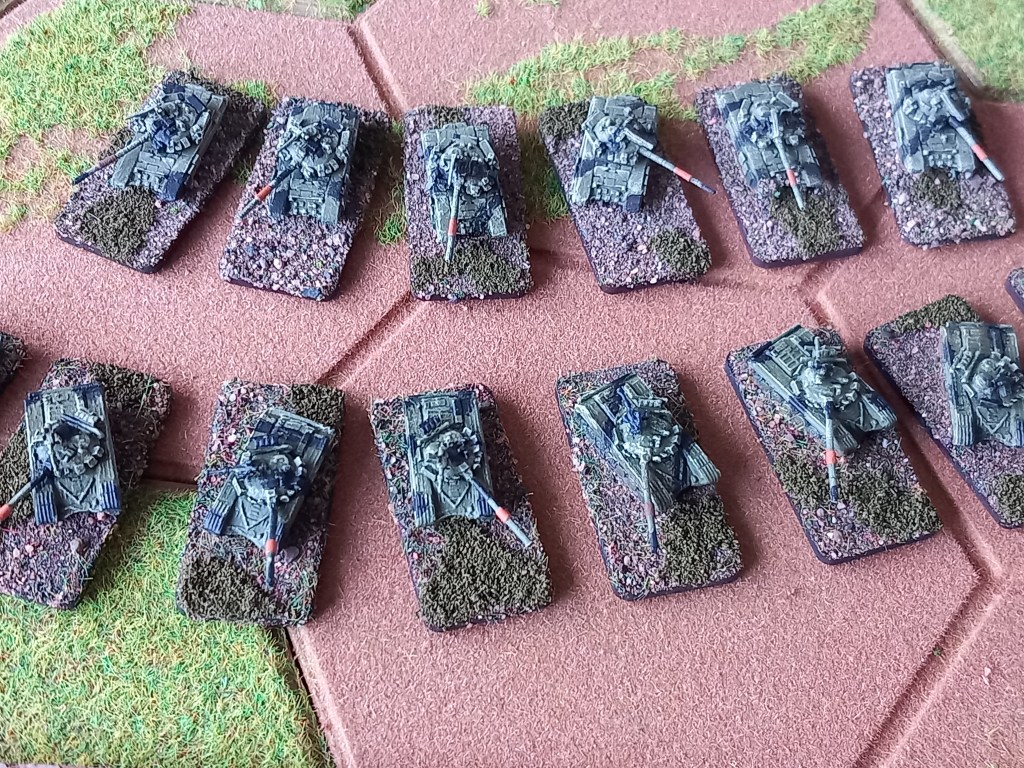
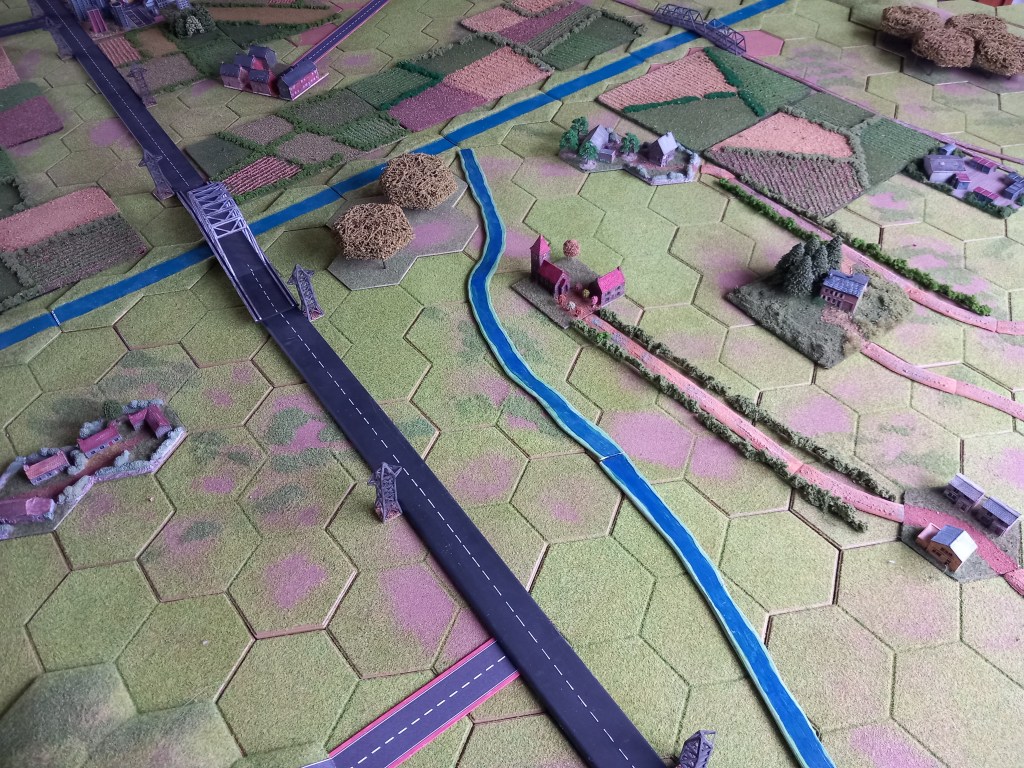
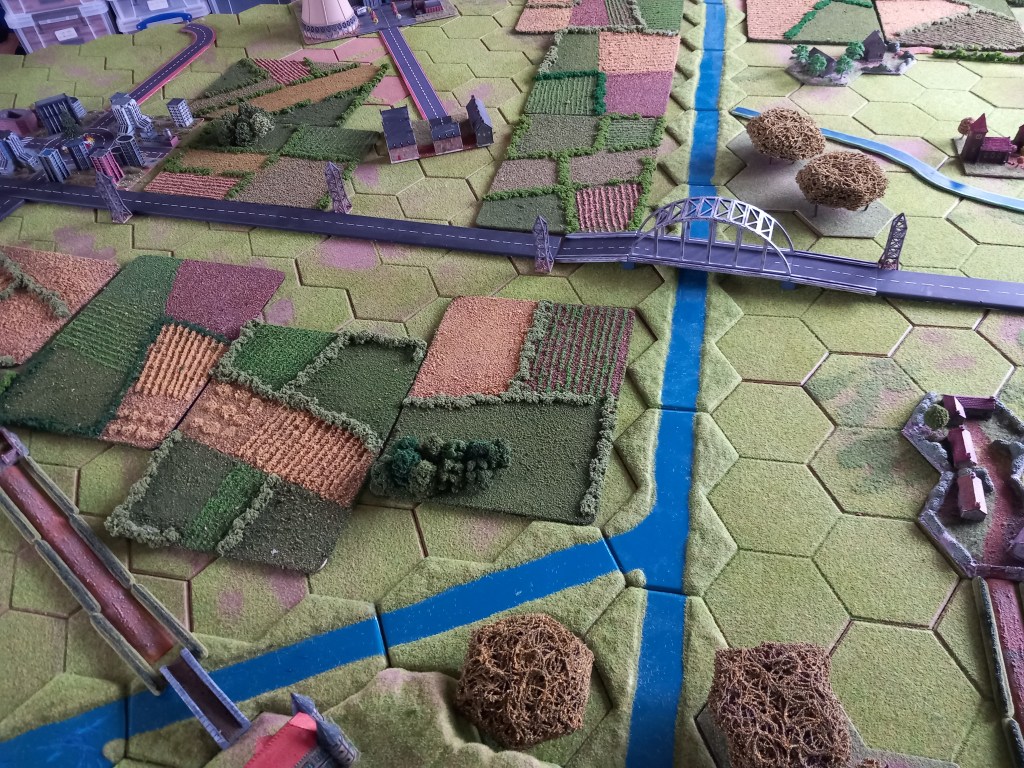
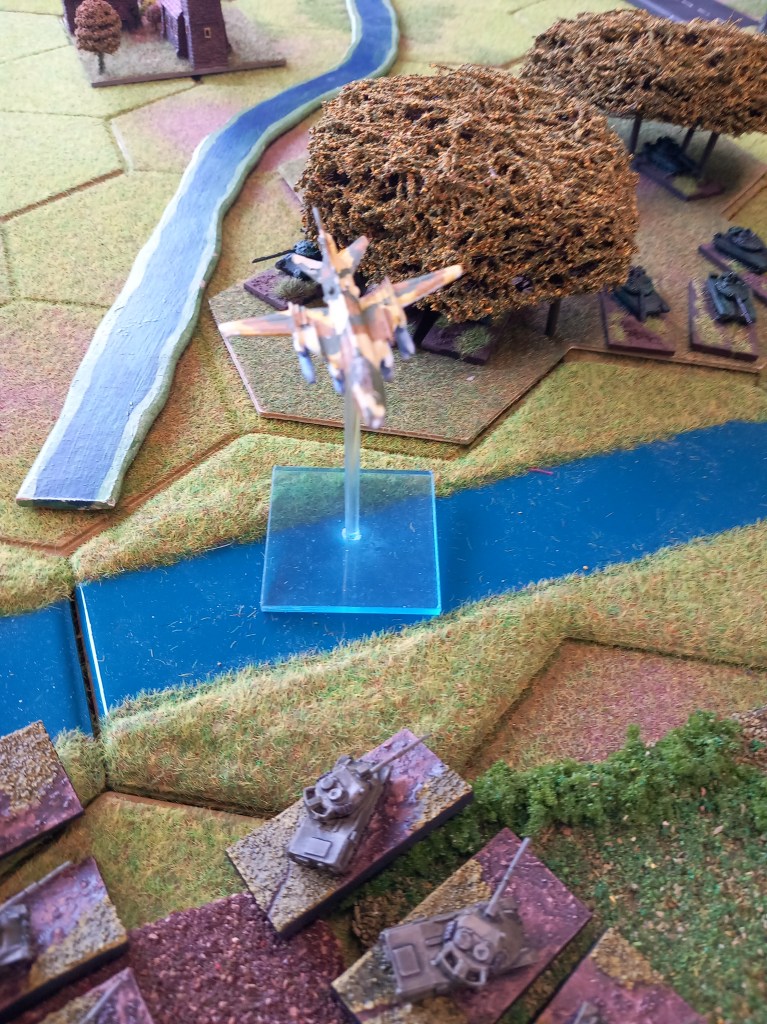
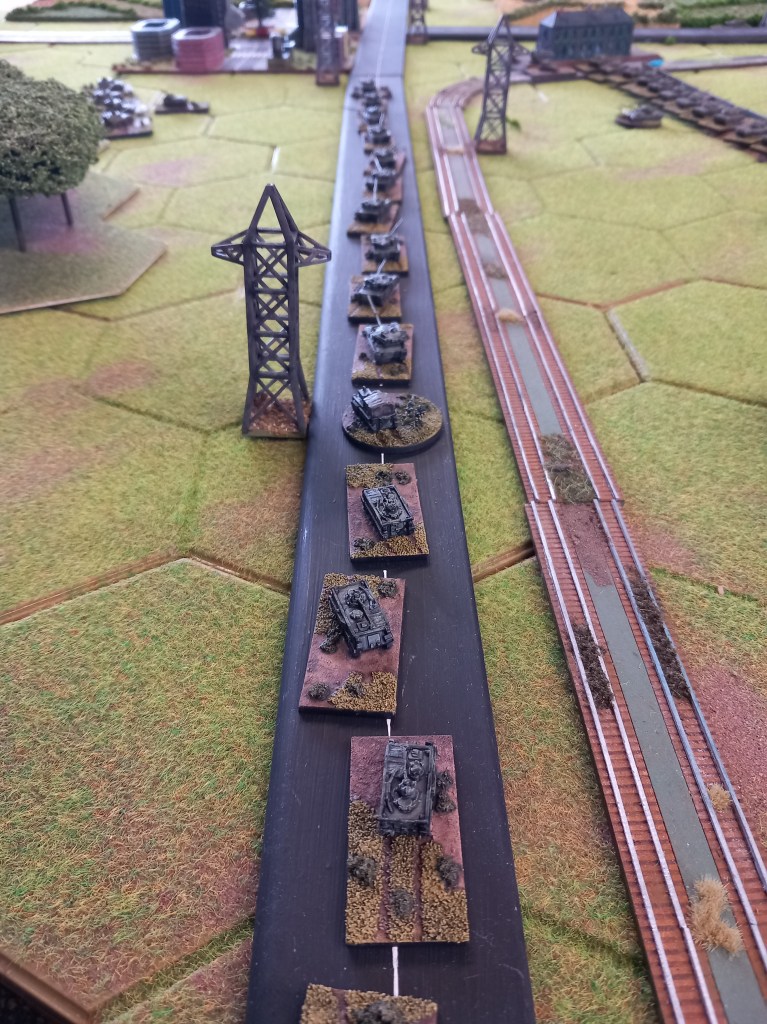
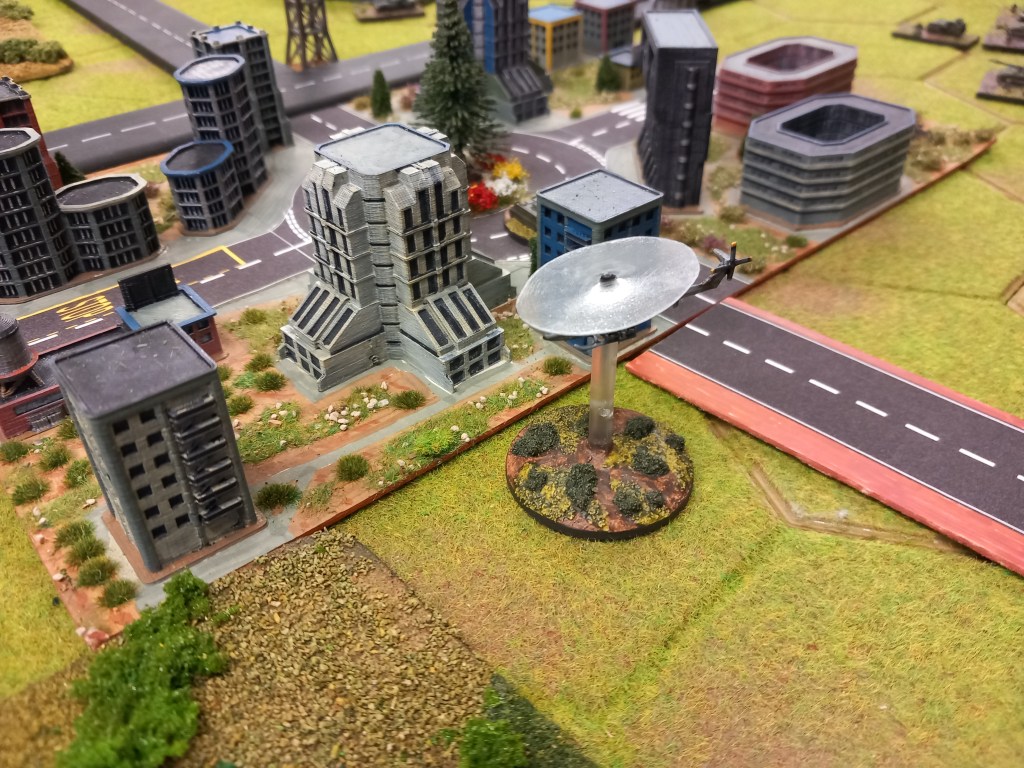
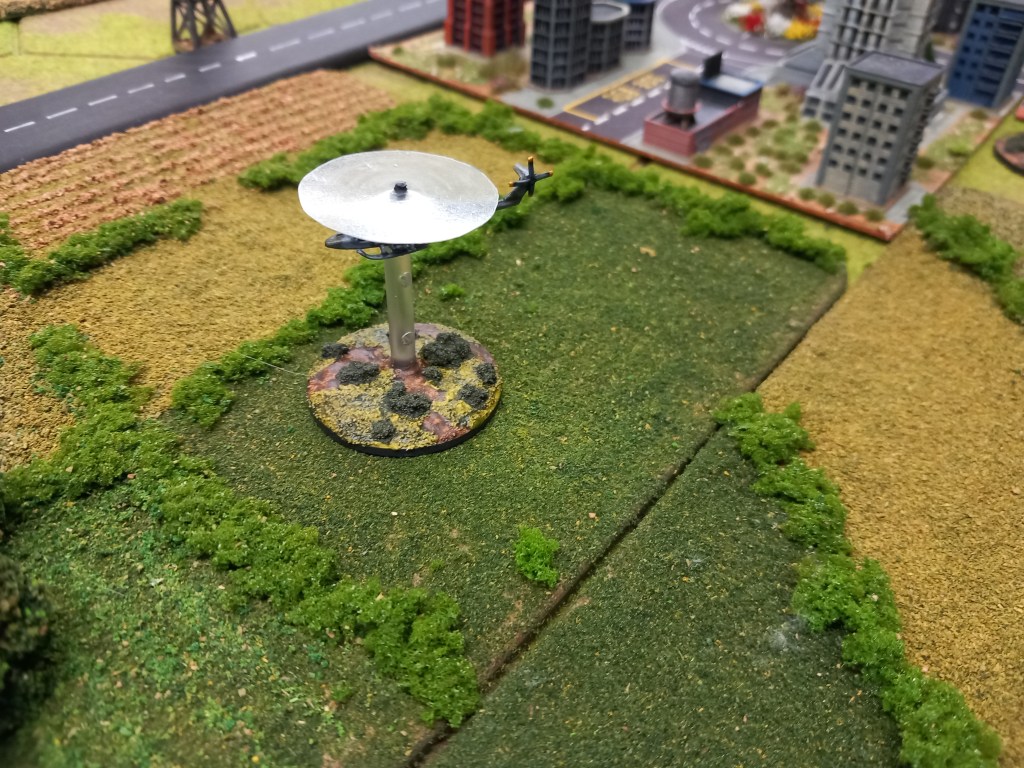
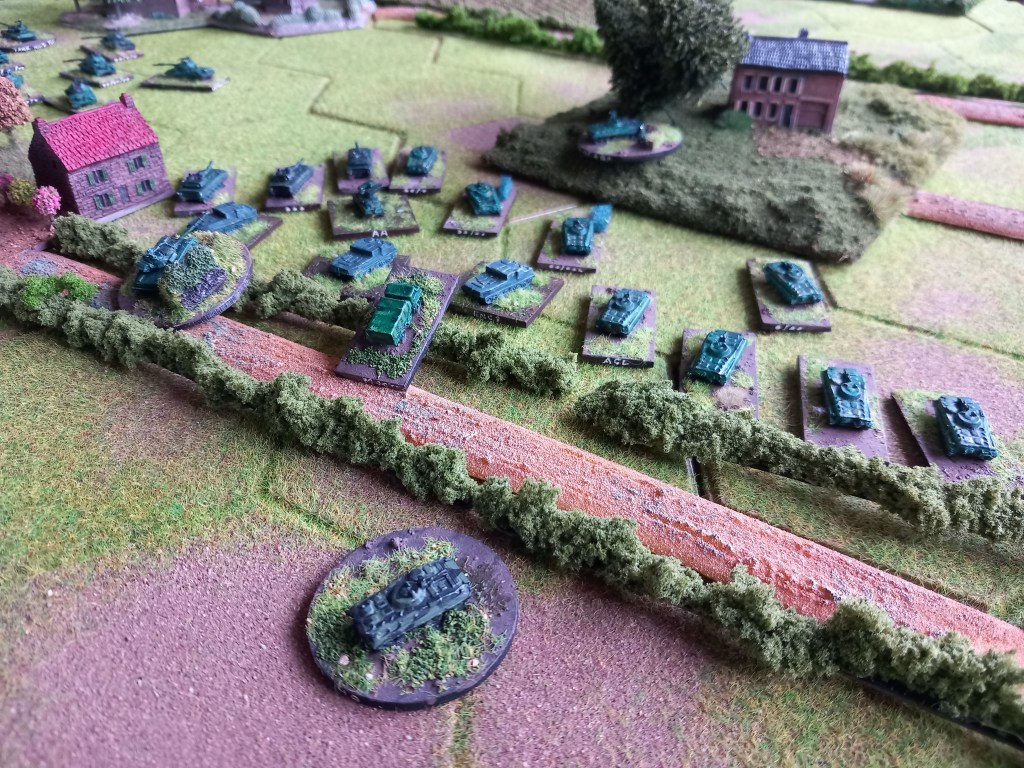
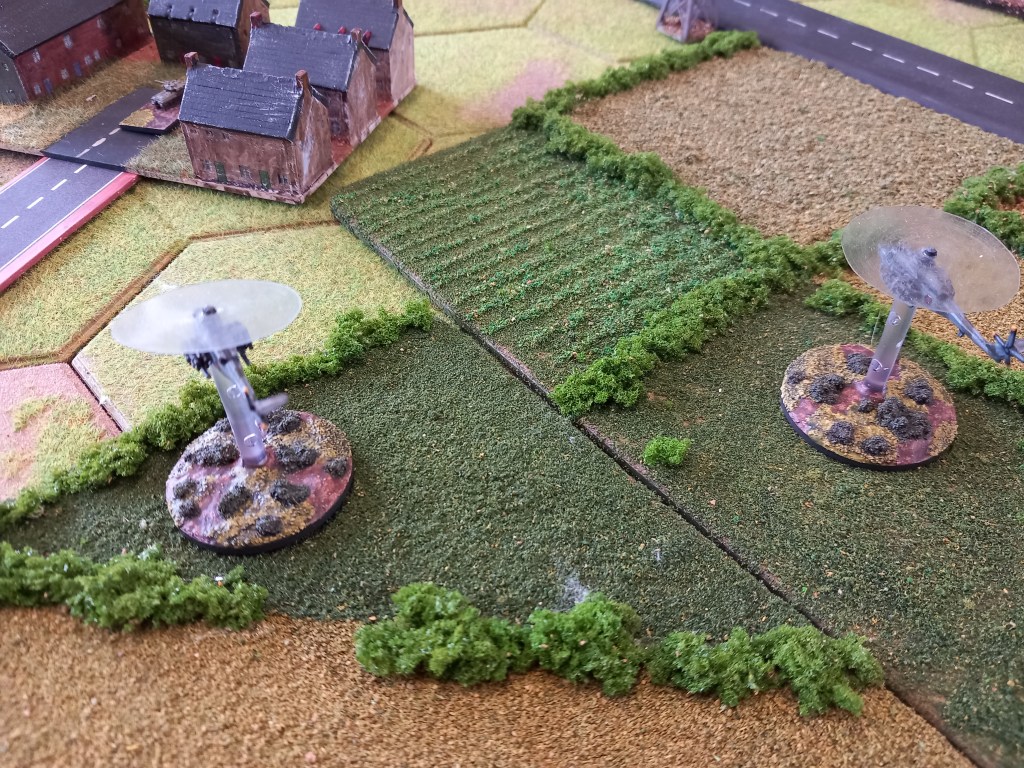
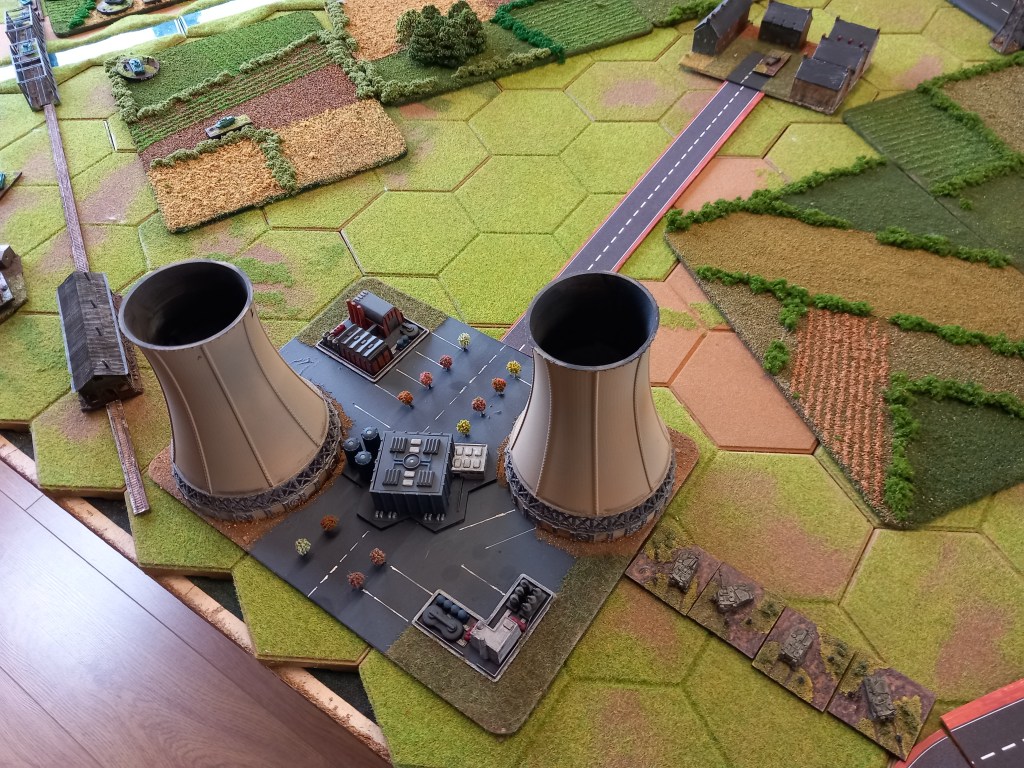
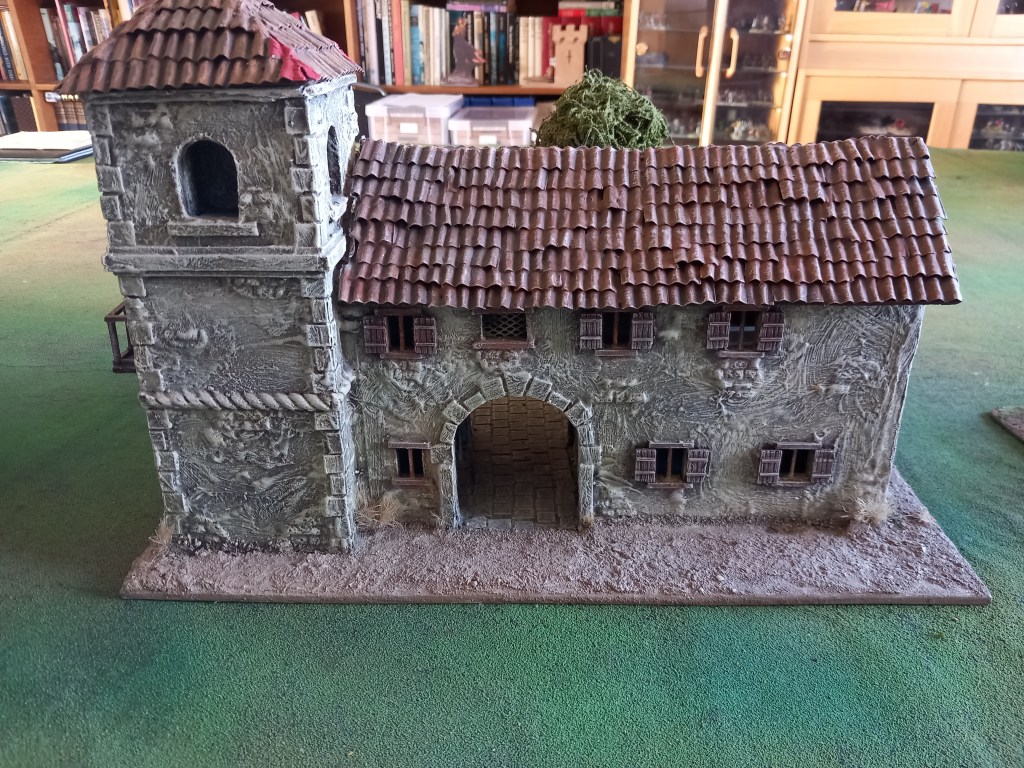
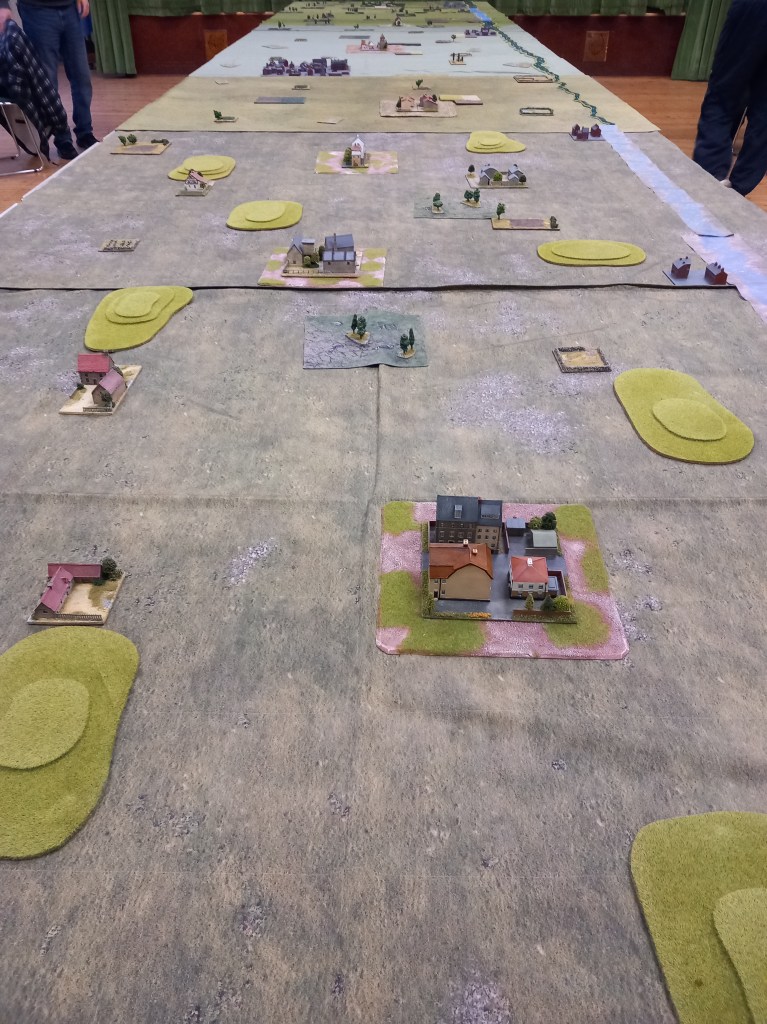
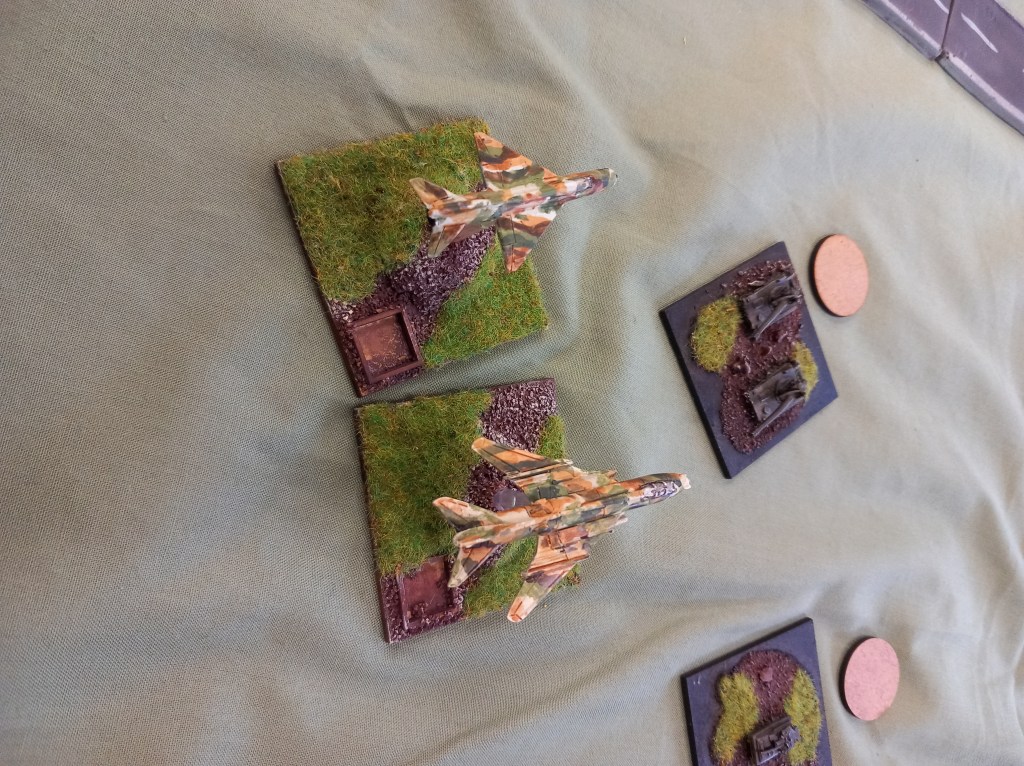
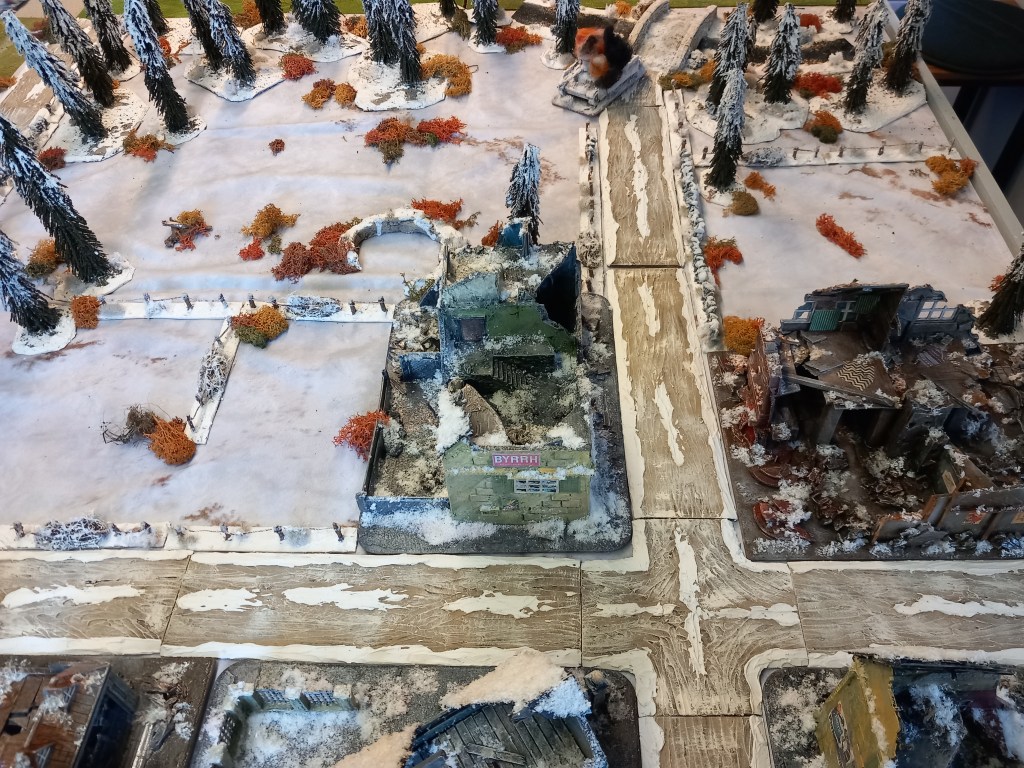
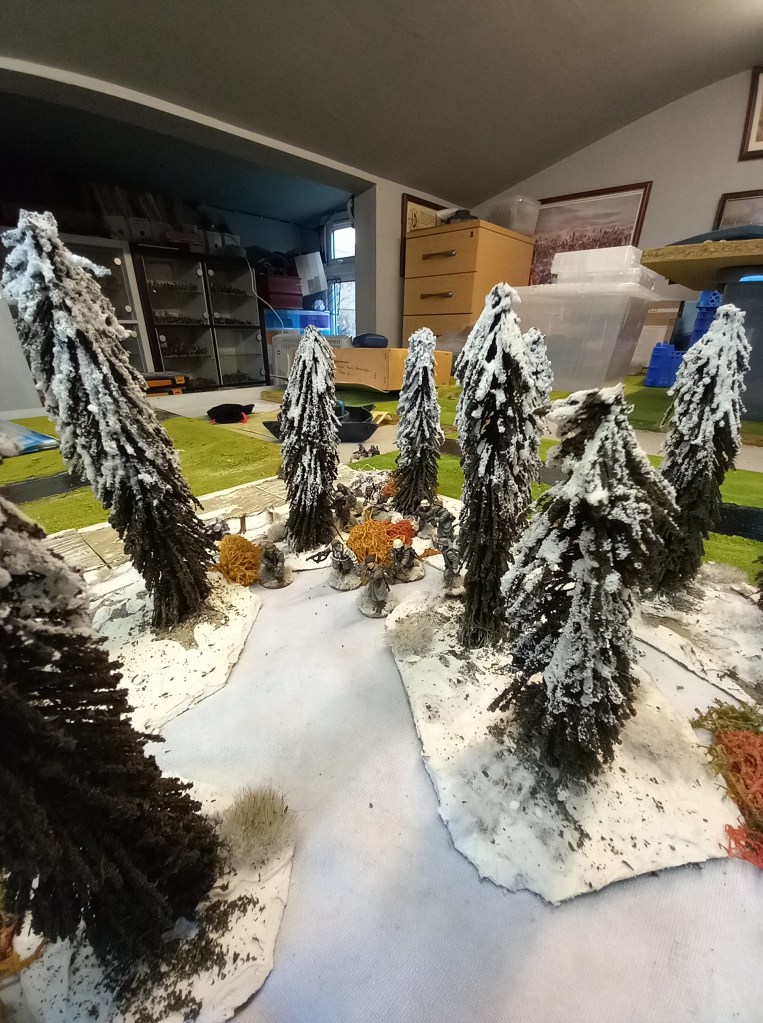
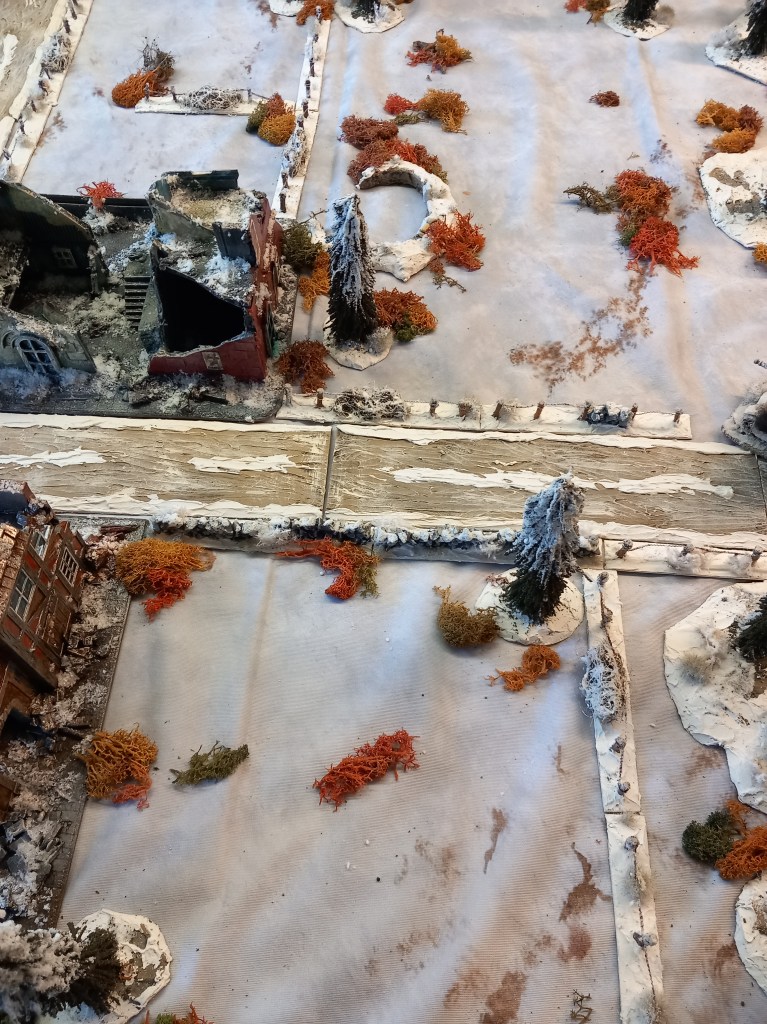
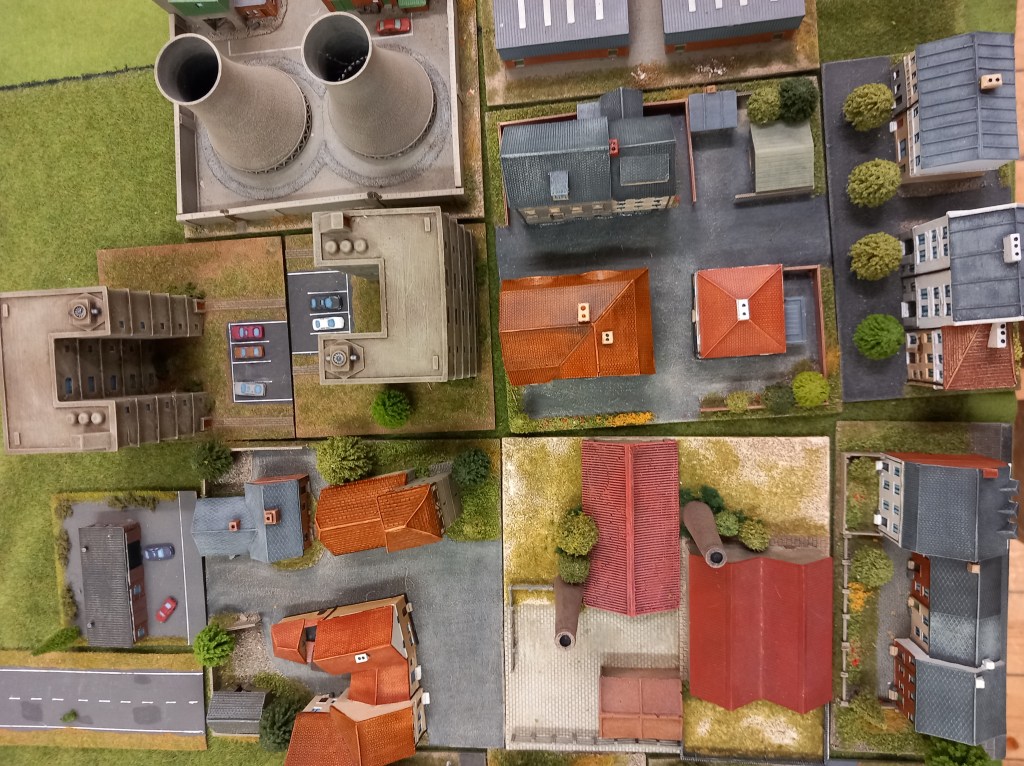
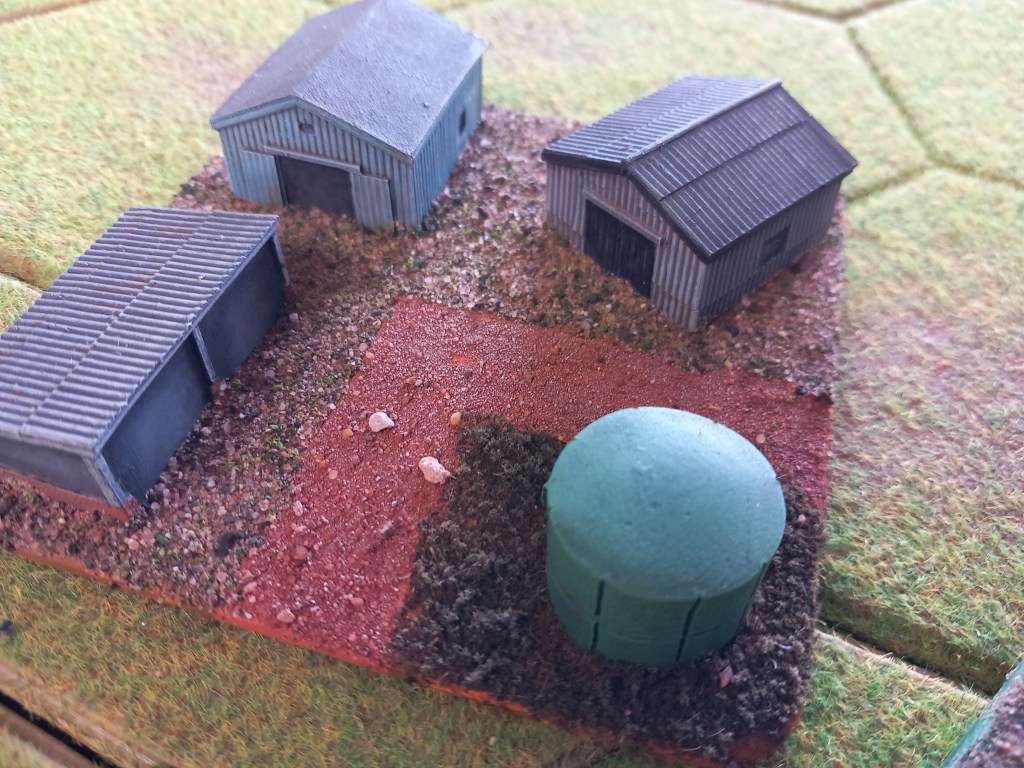
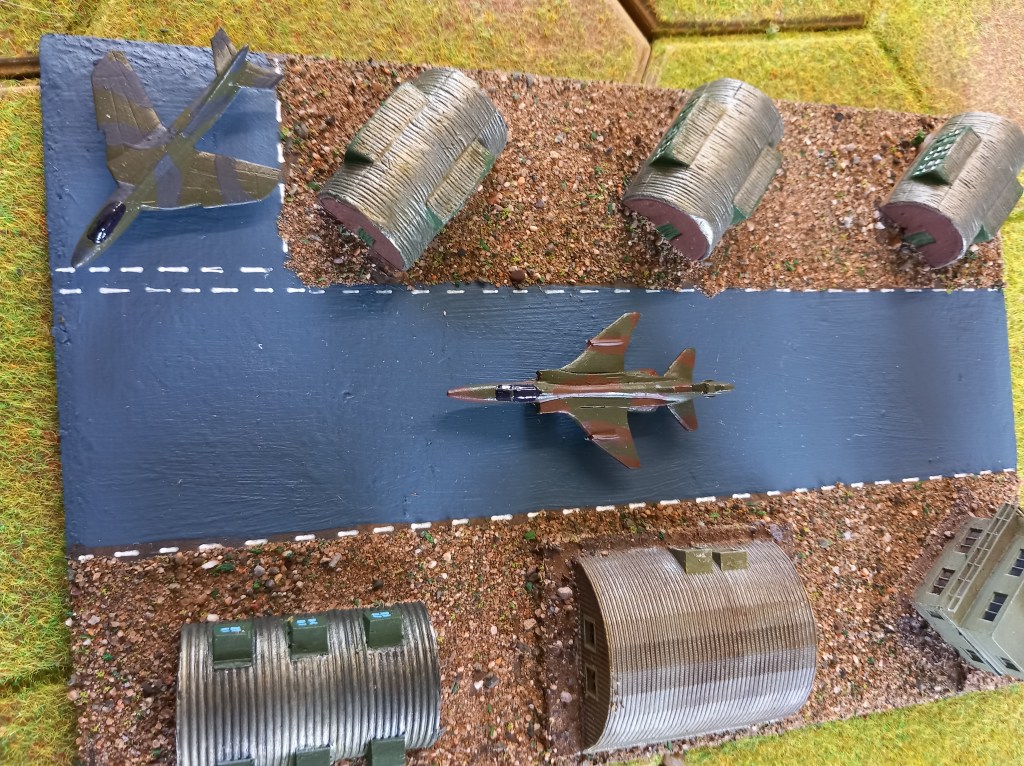
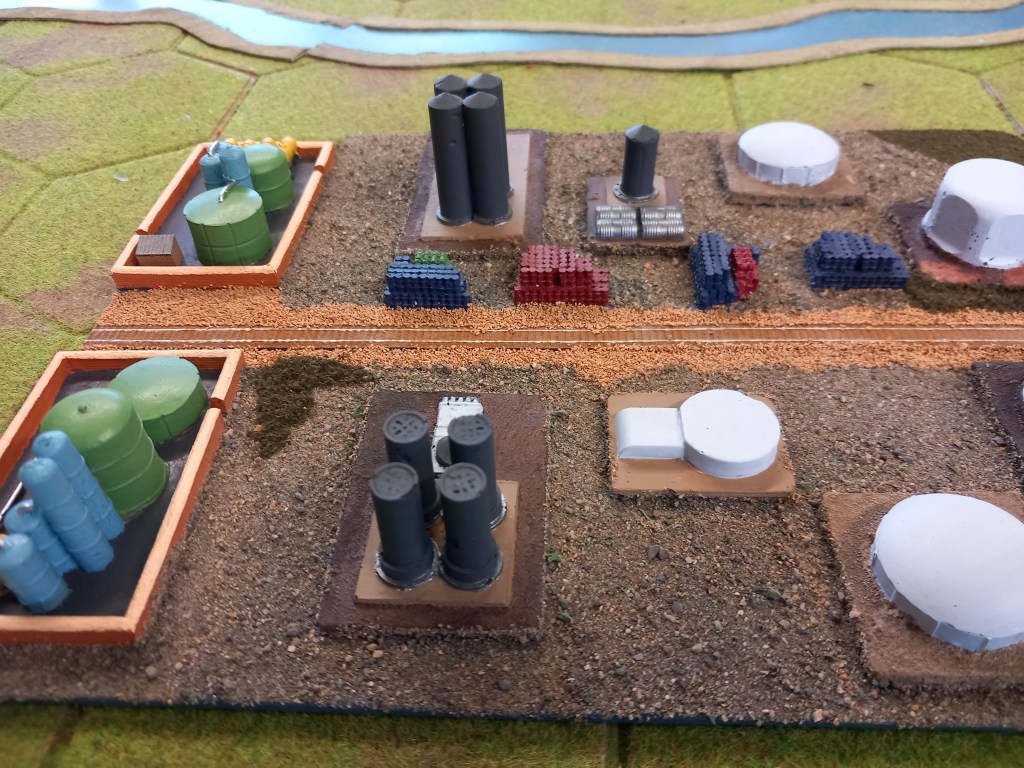
On the terrain front I completed a number of projects for the 6mm Cold War, the manor house above, an industrial centre, a forward air base, a chemical plant and a larger industrial section, so I’ll just show a number of images.
Regarding the abrupt cut off of the original publication of this report, my apologies. I don’t know what went wrong specifically, something to do with space for the Word Press plan I have but I do know that I have now lost/deleted two years worth of images that go with 2025 & 2026 reports. Very annoying but hey we’re not talking about the National Archives. So goodbye for now, enjoy your hobby.